

Reviewed · HOBART & TASMANIA TOURS
After Dark Tasmanian Devil Feeding Tour at Cradle Mountain
Hear the bush come alive after sunset. This short evening visit to Devils@Cradle gives you a close look at Tasmanian Devils being fed, while a keeper explains their behavior, biology, and fight for survival. The setting at Cradle Mountain makes the experience feel far more personal than a standard daytime animal exhibit.
I like the close access to the enclosures and the way the feeding brings out real animal behavior, including the Devils’ famous snarls and red-flaring ears. I also like that the tour includes the sanctuary entrance, so you can arrive early and explore before the guided walk begins.
The main consideration is the cold. Devils@Cradle sits in an alpine area, and the evening tour can feel very chilly, especially in winter. A larger group, with a maximum of 45 people, can also make it harder to get right beside every enclosure.
In This Review
- Key points at a glance
- Why the evening feeding feels different
- Arriving at Devils@Cradle before 5:30 pm
- The opening talk on the main viewing deck
- The guided walk inside the sanctuary
- What the conservation message adds
- How the $30.48 price works for you
- Cold weather, rain, and group size
- Who should book this tour
- Is the Cradle Mountain Devil feeding tour worth booking?
- FAQ
- Where does the After Dark Tasmanian Devil Feeding Tour begin?
- What time does the tour start?
- How long does the experience last?
- Is admission to Devils@Cradle included?
- Is transportation provided?
- What should I wear?
Key points at a glance
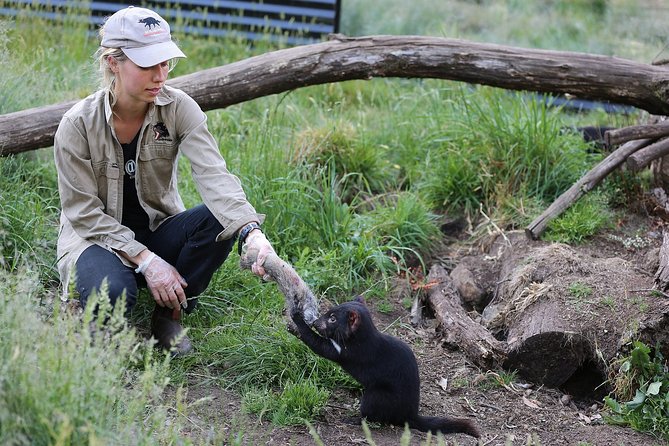
- Feeding after dark: Watch Tasmanian Devils and quolls eat when they are most active.
- Keeper-led interpretation: Learn about animal behavior, biology, threats, and conservation directly from the person handling the feed.
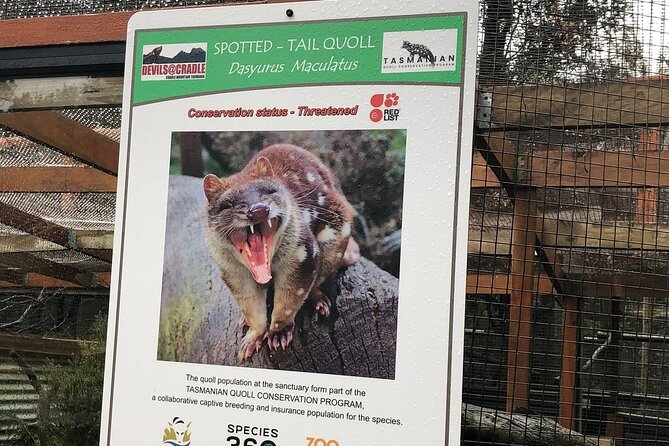
- Three species in focus: The sanctuary manages Tasmanian Devils, Spotted-tailed Quolls, and Eastern Quolls.
- Arrive early: Use the included admission to wander through the sanctuary for 30 to 45 minutes before the tour.
- Plan for alpine weather: The walk operates in all conditions, so warm layers and waterproof clothing matter.
- Good value at $30.48: The price covers admission, a local guide, the feeding presentation, and onsite parking.
Why the evening feeding feels different
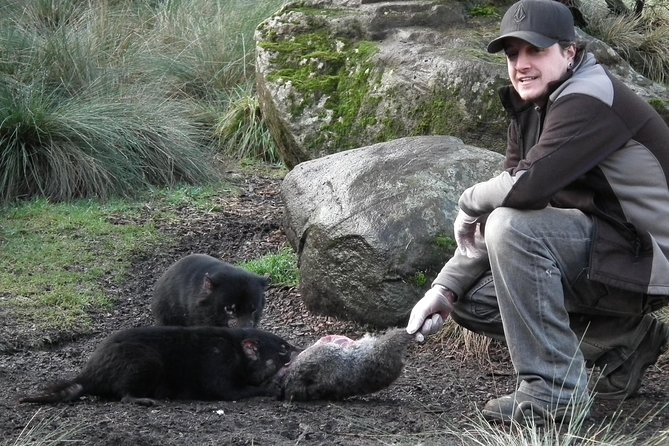
Tasmanian Devils are nocturnal animals, so an after-dark visit gives you a better chance to see them behaving naturally. Feeding is not just a chance to watch an animal eat. It shows you how the Devils compete, communicate, react to one another, and use their powerful jaws.
The presentation uses environmentally sensitive lighting, allowing you to see the animals without turning the enclosures into bright, artificial stages. You may hear the Devils before you see them. Their growls, squeals, and sharp calls make the encounter memorable, and their behavior can be surprisingly fierce for such compact marsupials.
I find this especially useful for anyone who knows Tasmanian Devils mainly as cartoon characters or symbols on souvenirs. The keeper explains the gap between their reputation and their real nature. They can look shy one moment and intimidating the next, which makes their behavior worth watching closely.
The feeding also helps explain why conservation work matters. Devils face serious threats in the wild, and the sanctuary’s work supports breeding and care programs. The discussion also covers quolls, including efforts to build breeding stock for endangered quoll populations.
A few more Australia trips worth weighing up
- Bruny Island Food, Sightseeing, Guided Lighthouse Tour & Lunch
★ 5.0 · 2,989 reviews - Gordon River Cruise departing from Strahan
★ 5.0 · 1,577 reviews - Full-Day Guided Bruny Island Tour from Hobart
★ 5.0 · 1,331 reviews
Arriving at Devils@Cradle before 5:30 pm
The meeting point is Devils@Cradle, at 3950 Cradle Mountain Road. You make your own way there, as transport to and from the attraction is not provided. Free onsite parking is included, which makes the arrival simple if you have a car.
The tour begins at 5:30 pm. I would arrive 30 to 45 minutes early. Your admission is included, and that extra time gives you a chance to walk through the sanctuary before the group gathers.
This early visit is more useful than it may first sound. You can see the animals before feeding time, when they may be resting or moving around their enclosures. Then, during the guided portion, you can compare that quieter behavior with the sudden energy of feeding.
You should not treat the pre-tour visit as a rushed extra. It is one of the better parts of the value here. The sanctuary has several enclosures, and the additional time lets you see more than the animals featured in the formal feeding walk.
The opening talk on the main viewing deck
The after-dark experience begins on the main viewing deck with a brief introduction to the three species managed at the sanctuary. This gives you a useful framework before the group moves outside.
You learn about Tasmanian Devils, Spotted-tailed Quolls, and Eastern Quolls. These animals are related, but their feeding styles and behavior differ. The contrast becomes clearer once the keeper begins working through the enclosures.
This first talk is also the best time to get your bearings. The group is gathered in one place, and you can hear the main explanation before the walking portion begins. Keep your ears open for names and individual traits, since the animals are not simply presented as interchangeable examples.
The strongest part of the experience is the guide’s ability to connect facts with what you are seeing. Guides such as Sarah, Rory, and Pru have been praised for their passion and clear explanations. Rory, in particular, has been described as a walking encyclopedia, while Pru’s enthusiasm for the sanctuary adds warmth to the presentation.
One small issue is that a fast-speaking guide can be difficult to follow outdoors, especially when the group is spread out. If you miss a point, ask the question. The format allows time for questions, and the keepers are there to interpret the behavior rather than rush you through.
The guided walk inside the sanctuary
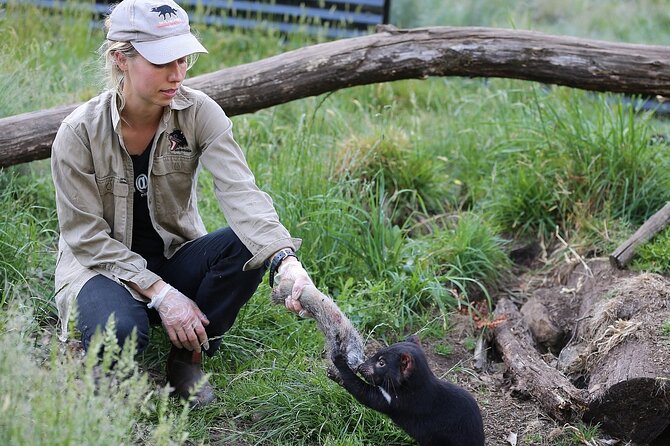
After the opening, the larger part of the tour is a guided walk through the sanctuary itself. The walk includes some uneven surfaces and a small amount of walking, so comfortable shoes are sensible.
The group stops at several enclosures while the keeper enters to feed the animals. This is where the tour becomes more than a talk. You see the keeper work directly with the animals and explain what each one is doing as it happens.
Tasmanian Devils can be noisy and dramatic at feeding time. Their ears may flare red when they become angry or excited, and their interactions can reveal a side of them that is easy to miss during a quiet daytime visit. Their compact size can also fool you. The sounds and force of the feeding show why they have such a formidable reputation.
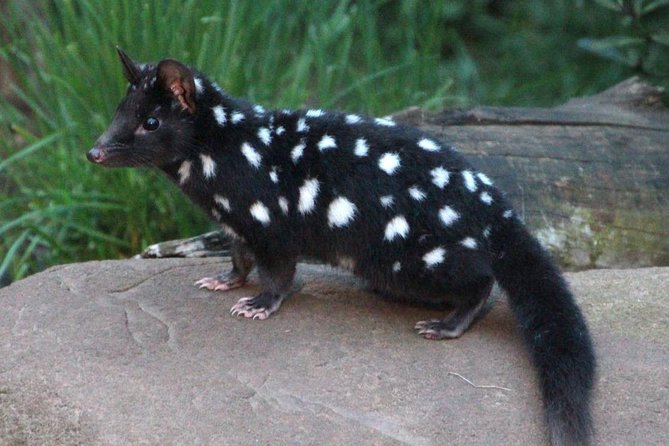
Quolls add a welcome change of pace. They are smaller and often described as especially appealing, but the keeper treats them as important conservation subjects rather than a cute bonus. You learn how closely they are related to Devils and why maintaining a healthy breeding population matters.
The sanctuary’s enclosures are described as large and well laid out. That matters because you are not simply looking at animals behind cramped glass. You are seeing them in spaces designed for care and observation, with room for the keeper to work safely.
A completely different kind of day out in Australia:
- Sydney: Opera House Guided Tour with Entrance Ticket
★ 4.8 · 8,312 reviews - All Inclusive Blue Mountain,Scenic World,Lunch,Koalas,ferry
★ 5.0 · 7,832 reviews - Great Ocean Road Small-Group Eco Tour from Melbourne
★ 5.0 · 6,607 reviews - From Melbourne: Great Ocean Road, 12 Apostles, Wildlife Tour
★ 4.7 · 6,020 reviews
What the conservation message adds
The animal feeding would be entertaining on its own, but the conservation explanation gives it a stronger purpose. You learn about the pressures facing Tasmanian Devils and the work needed to protect them.
The same applies to the quolls. The sanctuary is involved in building breeding stock for endangered quoll populations, including Spotted-tailed and Eastern Quolls. That makes the visit a way to support an active conservation program, not just a commercial wildlife stop.
I like that the conservation message is tied to specific animals in front of you. Instead of hearing only broad statements about protecting wildlife, you can connect the information with a Devil or quoll you have just watched feeding.
The tour can even change how you see the Devils. Their aggressive noises and fierce feeding habits may seem alarming at first, but the keeper places those behaviors in context. You leave with a clearer idea of the difference between an animal that looks threatening and one that is actually a danger to people.
How the $30.48 price works for you
At $30.48 per person, this is a reasonable buy for a focused wildlife experience at Cradle Mountain. The price includes sanctuary admission, a local guide, the guided walk, and the feeding presentation. Free parking helps keep the total cost down if you are driving.
The best value comes from arriving early. If you arrive just before 5:30 pm, you receive the guided portion but lose the chance to explore the sanctuary at your own pace. Arrive 30 to 45 minutes ahead, and the same ticket gives you more time with the animals.
The tour lasts about 1 hour and 15 minutes according to the stated duration, while the guided itinerary describes roughly one hour at Devils@Cradle. Either way, this is not an all-day commitment. It fits neatly into an evening at Cradle Mountain, though you should allow extra time for parking, the pre-tour visit, and dressing for the weather.
For families, the price also buys an activity with real educational value. Children must be accompanied by an adult, and most people can participate. Young children may find the Devils’ sounds intense, but the keeper’s explanation helps make the behavior understandable rather than frightening.
Cold weather, rain, and group size
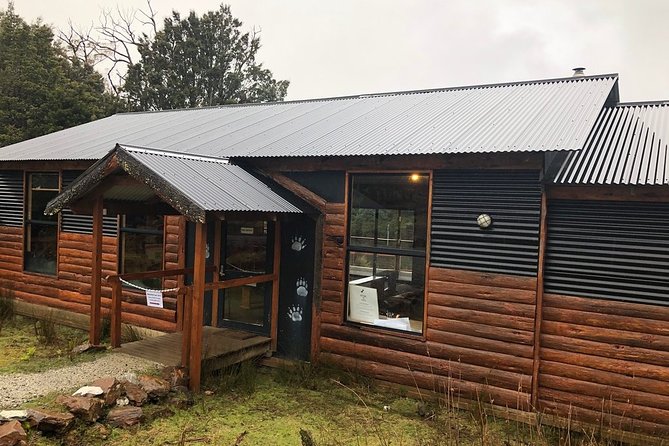
Do not underestimate the temperature after dark. Several visitors found the winter tour extremely cold, and the sanctuary specifically advises dressing for all weather conditions. I would wear several warm layers, bring waterproof outerwear, and choose shoes that can handle uneven ground.
Rain does not automatically spoil the experience. The tour operates in all weather, and a wet evening can make the night feel even more atmospheric. Still, the quality of your visit depends heavily on staying warm enough to listen and watch comfortably.
The maximum group size is 45 people. That is not enormous, but it is large enough to affect your view at certain enclosures. One useful tactic is to move promptly with the group and listen for where the keeper is directing attention.
You may not get a front-row position at every stop. If you are short, traveling with children, or especially interested in photography, try to arrive early and stay attentive as the group moves. Photography is welcome, but low-light conditions and moving animals can make sharp photographs difficult.
Who should book this tour
I would recommend this experience most strongly to animal lovers, families with older children, and anyone interested in Australian conservation. It is also a good choice if you are already visiting Cradle Mountain and want an evening activity that feels tied to Tasmania rather than a generic attraction.
The tour suits people who enjoy explanation as much as spectacle. The keeper talks about biology, behavior, threats, and conservation, then answers questions. If you want only a quick photo with an animal, this is not the right format.
It is less ideal if you dislike cold weather, uneven walking surfaces, or group viewing. You should also think twice if you expect guaranteed close views of every animal. The feeding brings the animals into action, but their movement and the size of the group can affect what you see.
I would also choose this over a daytime visit if your main goal is to see nocturnal behavior. The sanctuary is worth exploring before the tour, but the after-dark feeding is the part that gives the visit its special character.
Is the Cradle Mountain Devil feeding tour worth booking?
Yes, I think it is worth booking if you want a short, affordable wildlife experience with a real conservation focus. The keeper-led feeding is the strongest reason to go, since you get both close animal encounters and an explanation of what you are seeing.
Book it if you can handle an outdoor evening and are willing to dress properly. Arrive early, use the included sanctuary admission, and expect a lively group setting rather than a private encounter. At $30.48, the combination of admission, parking, a guided walk, and feeding demonstrations makes this one of the better-value animal activities around Cradle Mountain.
FAQ
Where does the After Dark Tasmanian Devil Feeding Tour begin?
It begins at Devils@Cradle, 3950 Cradle Mountain Road, Cradle Mountain, Tasmania. The activity ends back at the same meeting point.
What time does the tour start?
The tour starts at 5:30 pm.
How long does the experience last?
The approximate duration is 1 hour and 15 minutes. The guided itinerary describes about one hour at Devils@Cradle.
Is admission to Devils@Cradle included?
Yes. Admission is included, and you can arrive early to explore the sanctuary before the guided tour begins.
Is transportation provided?
No. You must make your own way to Devils@Cradle. Hotel pickup and drop-off are not included, but free onsite parking is available.
What should I wear?
Dress for cold and changeable weather. The tour operates in all conditions, and the evening can be particularly cold in winter. Warm layers and waterproof clothing are recommended.
Just added around Australia
- From Goolwa: Half-Day Coorong Experience★ 4.9 · 129 reviews
- Great Ocean Road Lux Tour Max 11 Hotel Pickup★ 4.8 · 129 reviews
- Kangaroo Island Scenic Nature and Wildlife Day Tour★ 5.0 · 129 reviews
- Blue Mountains Small-Group Insider Tour from Sydney★ 4.5 · 130 reviews
- McLaren Vale Small Group Wine Tour★ 5.0 · 130 reviews
- Virtual Room – 40-50min VR Escape Game Adventure for 2+ Players★ 5.0 · 130 reviews
- Darwin: Adelaide River Half-Day Jumping Crocs Cruise★ 4.3 · 130 reviews
- Melbourne City Highlights Small Group Tour★ 5.0 · 131 reviews
Hobart & Tasmania Tours, compared.

Bruny Island Food, Sightseeing, Guided Lighthouse Tour & Lunch
Read our review →
Full-Day Guided Bruny Island Tour from Hobart
Read our review →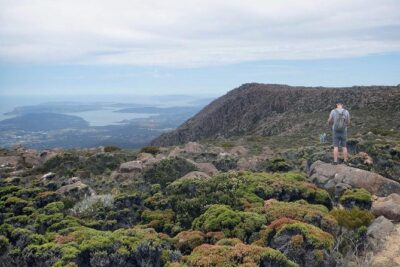
kunanyi/Mt Wellington Explorer Bus- Return Tour (2.5 hours)
Read our review →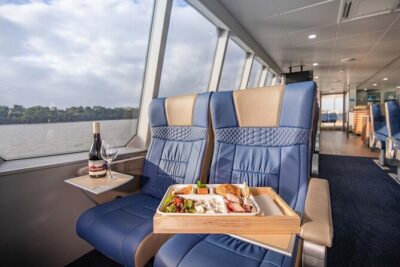
Morning World Heritage Cruise on the Gordon River from Strahan
Read our review →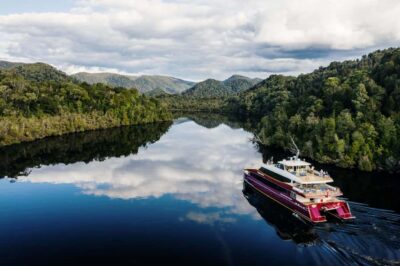
Strahan: World Heritage Cruise on Gordon River with Lunch
Read our review →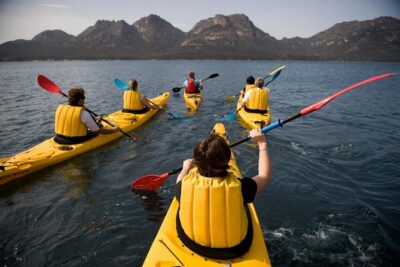

Browse the lists this tour appears in