
Reviewed · WHALE WATCHING
Augusta Whale Watching Eco Tour
Whales can turn a quiet sea into theatre. The Augusta Whale Watching Eco Tour gives you about two and a half hours on the water during Western Australia’s Cape to Cape migration season, with humpback whales, southern right whales, and the rare chance of a blue whale in their natural setting. I like the marine science commentary from the crew, and I like the free return tour if no whales appear. The main consideration is the sea itself: children may feel motion sick, and poor weather can cancel the trip.
This is a wildlife trip, not a guaranteed performance. You may see a whale breach, tail slap, or swim beside the catamaran, but sightings depend on nature and conditions. The tour earns a 4.9 rating from 137 reviews, with 99 percent recommending it, and the strongest praise goes to the friendly crew, clear explanations, clean boat, and careful help for passengers who feel unwell.
In This Review
- Key points before you board
- Why Augusta is the right place from May to August
- What the two-and-a-half-hour outing feels like
- The whales you may see
- The crew makes the difference
- Boat comfort, group size, and sea conditions
- Is $75.31 a fair price?
- Who will enjoy this most
- Booking, cancellation, and the no-whale promise
- Should you book the Augusta Whale Watching Eco Tour?
- FAQ
- Where does the Augusta Whale Watching Eco Tour start?
- Where does the tour finish?
- How long does the tour last?
- How much does the tour cost?
- When does the Augusta whale watching season operate?
- Which whales might I see?
- What other animals might appear?
- Is food or drink included?
- What happens if no whales are seen?
- What happens if bad weather cancels the tour?
Key points before you board
- May to August from Augusta: This is the southern part of Naturaliste Charters’ six-month Cape to Cape whale season.
- Two and a half hours at sea: Long enough for a real search, without taking an entire day from your South West plans.
- Three major whale possibilities: Look for humpbacks, southern right whales, and the more elusive blue whale.
- Marine science on board: The crew explains migration and helps you identify whales, seals, dolphins, and sea birds.
- No-whale return policy: If no whales are seen, you can book a free return trip within one year, subject to availability.
- Maximum of 90 people: This is a sizeable boat outing, so expect a shared experience rather than a private cruise.
Why Augusta is the right place from May to August
Naturaliste Charters runs this tour from Augusta Boat Harbour, on Leeuwin Road in Leeuwin, Western Australia. The Augusta season operates from May through August, then the company shifts its whale watching activity to Dunsborough from August through November. That timing follows the movement of whales along the Cape to Cape coast.
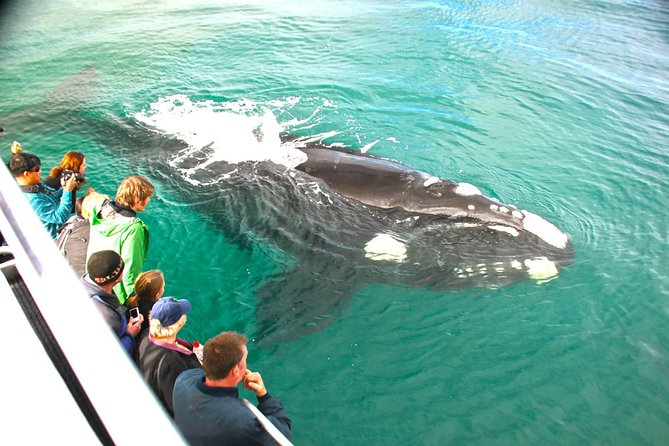
The route gives you a chance to see whales during their northern and southern migrations. Humpback whales pass through in large numbers, while southern right whales may also appear. Blue whales are possible, though the description rightly calls them elusive. I would treat a blue whale sighting as a very lucky bonus, not something to plan around.
Augusta is especially useful if your South West itinerary includes the Margaret River Region during the cooler months. You can pair the outing with other local stops without giving up a full day. The location also gives the tour a clear seasonal identity: May to August is not just an arbitrary operating window, but part of the wider Cape to Cape whale movement.
More Whale Watching Trips in Margaret River
- Dunsborough Whale Watching Eco Tour
★ 5.0 · 345 reviews - Whale Watching Cruise from Busselton, Augusta or Dunsborough
★ 4.8 · 325 reviews - Whale Watching Busselton
★ 5.0 · 156 reviews
What the two-and-a-half-hour outing feels like
The tour begins and ends at Augusta Boat Harbour. The supplied details do not lay out a minute-by-minute route, so you should expect a general sequence rather than fixed viewing stations: boarding at the harbour, heading out along the coast, scanning the water with help from the crew, and returning to the same meeting point.
The search is part of the experience. Whales do not appear on cue, and much of your time may be spent watching the sea for a blow, a dark back, a tail, or a sudden breach. That can sound less exciting than a promise of constant action, but it is the honest rhythm of wildlife watching. The reward comes when a whale finally surfaces and you understand why everyone has been staring at the water.
The tour lasts about 2 hours and 30 minutes. That is a sensible length for families and first-time whale watchers. You have enough time to reach areas where whales may be moving and wait for useful sightings, but the trip is not so long that you are committed to a whole day on a moving boat.
Several strong experiences have come from extended sightings. One passenger described a juvenile whale tail slapping for nearly 10 minutes. Another outing produced five or six whales, including calves. Those moments are not guaranteed, but the duration gives you a fair chance to witness more than a quick glimpse.
The whales you may see
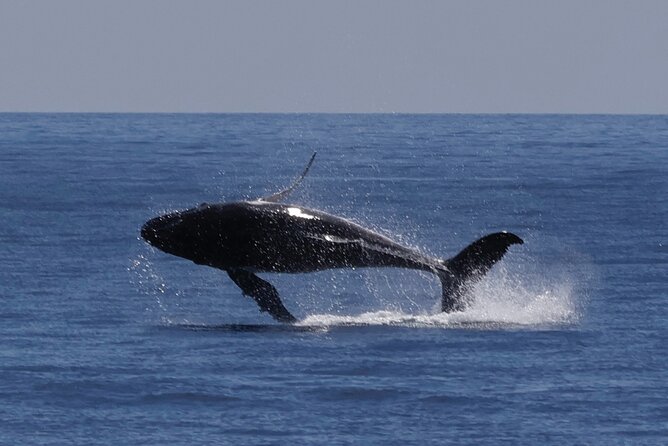
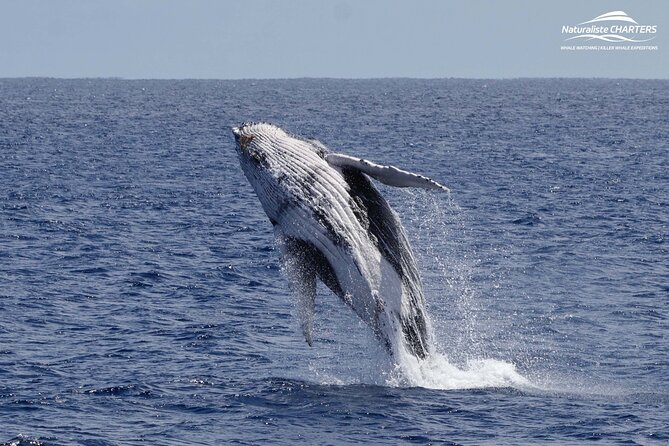
Humpback whales are the most likely headline act listed for the tour. Their migration brings them along the Western Australian coast, and you may see them travelling, surfacing, breaching, or playing. A breach is thrilling, but quieter sightings can be just as satisfying when a whale surfaces repeatedly near the boat.
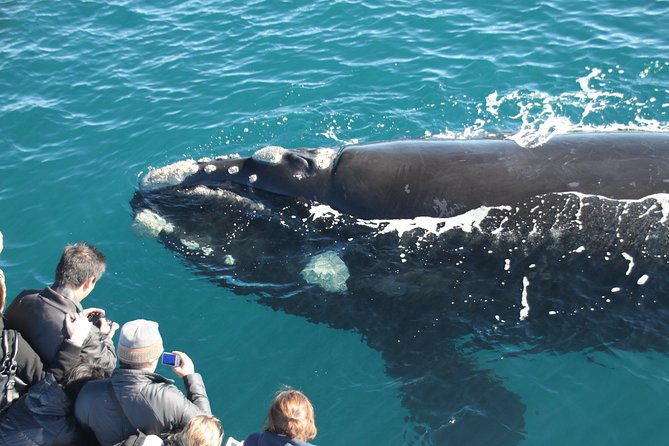
Southern right whales are another possibility. They are often associated with calmer, slower movements, so you may need patience and good attention to spot their pattern. The crew can help you distinguish whale species and make sense of what you are seeing.
Blue whales are mentioned as a rare possibility. Keep your expectations sensible here. The point is not to guarantee the largest animal on Earth, but to give you a chance to be in the right marine environment during migration.
You may also encounter New Zealand fur seals, bottlenose dolphins, common dolphins, and sea birds. These sightings help keep the trip interesting during quieter whale periods. They also give the crew more to explain about the food chain and the coastal waters around Augusta.
Bring a camera if you enjoy wildlife photography, but do not let it take over. The strongest sightings can last only moments, and a phone pointed at the horizon may not capture much. Watch first, photograph second. The crew’s guidance should help you know where to look, which is often more useful than a long camera lens.
The crew makes the difference
Naturaliste Charters has operated professional whale watching tours in the Margaret River Region for more than 30 years. That experience matters most in how the crew searches, communicates, and handles changing conditions.
The crew members are trained in marine science, and the commentary covers whale travel between Antarctica and Australia. That detail adds context to the outing. You are not simply looking at an animal breaking the surface. You are learning why it is there, where it has come from, and how its migration fits into the wider South West coast.
The crew also appears to be a major strength of the trip. Pia, a marine biologist, received particular praise for her hosting and care, while the skipper and wider team were described as experienced and attentive. One passenger who felt unwell said the crew looked after her, which is exactly the sort of practical care you want on a boat.
The explanations are also useful for families. Children can follow the search more easily when they know what a blow looks like or why whales travel along this route. The crew’s role is not just to point at wildlife. It is to help you stay engaged when the sea is quiet.
Complimentary morning or afternoon tea is included. You can have coffee, tea, Milo, green tea, and biscuits. It is a small touch, but hot drinks and a snack make a difference during a cool morning or afternoon on the water.
A completely different kind of day out in Margaret River:
- The Margaret River wine tour for people who don’t do tours!
★ 5.0 · 1,969 reviews - Hidden Gems: Boutique Full-Day Wine, Farm & Lunch Tour
★ 5.0 · 881 reviews - Margaret River Wine, Brewery & Distillery Tour with Lunch
★ 4.5 · 488 reviews - Margaret River Winery, Brewery Tour with Gourmet Lunch.
★ 5.0 · 401 reviews
Boat comfort, group size, and sea conditions
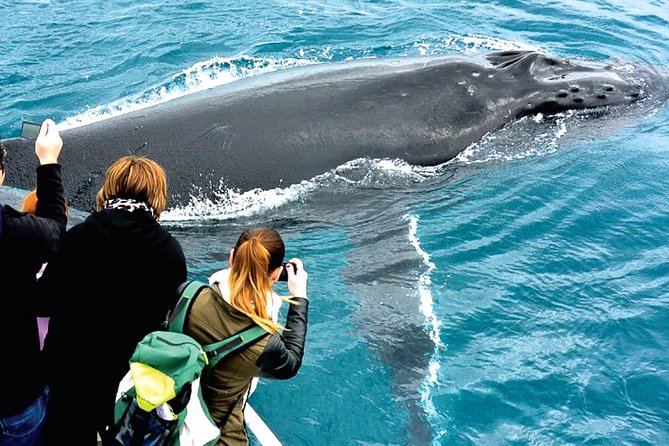
The tour uses a catamaran described by one passenger as being in great condition. The maximum group size is 90 people, so you should not expect a private, silent boat ride. It is a shared wildlife outing with enough people to create energy when a whale appears.
A larger group can have one advantage: more eyes scanning the water. It can also mean that the best viewing spots are shared, especially during a close sighting. Try to stay flexible and listen to crew instructions. Moving around too much can make you miss the next surfacing.
Sea sickness is the main comfort issue to consider. A family reported that some children felt unwell, while another passenger needed help from the crew. This does not mean you should avoid the trip, but it does mean you should take the possibility seriously if you or your children are sensitive on boats.
The tour is subject to favorable weather. If conditions are poor, the operator offers an alternative date or a full refund. That policy protects you from spending hours at sea in unsafe or miserable conditions, though it can require a change to your schedule.
Children must be accompanied by an adult. Most people can participate, and service animals are allowed. Specific seating, boarding, or motion-sickness arrangements are not provided in the supplied information, so ask Naturaliste Charters directly if you need those details.
Is $75.31 a fair price?

At $75.31 per person, the tour is reasonably priced for a 2-hour-30-minute marine wildlife outing with a trained crew, commentary, refreshments, and a no-whale return option. The value is strongest if you already plan to visit Augusta during the operating season and want a focused half-day activity.
You are paying for more than transport on the water. The price includes the crew’s ability to read conditions, explain migration, help spot animals, and respond when passengers become uncomfortable. The free return option also reduces the risk of paying for a trip during a quiet wildlife period.
Still, you should think of this as a nature gamble. A successful trip may bring multiple whales, calves, dolphins, seals, and strong photo chances. A less active trip may offer only distant sightings or other sea life. The guarantee is not that whales will perform, but that you receive a free opportunity to try again if no whales are seen.
The tour is booked an average of 19 days ahead. That suggests planning is sensible, especially if your South West dates are fixed. I would not leave it until the last day of a short visit, since weather or limited availability could make rescheduling difficult.
Who will enjoy this most
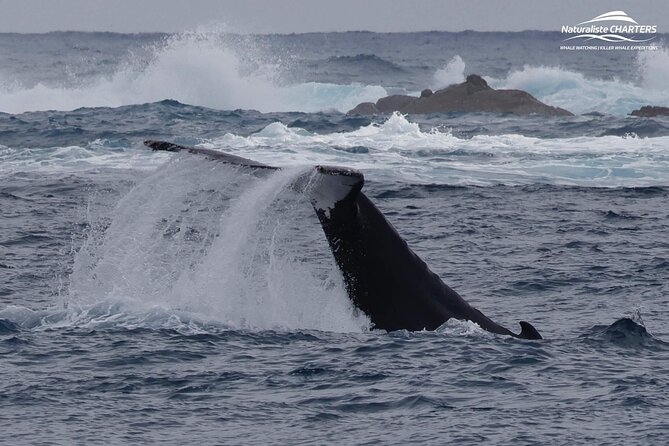
I would recommend the tour to anyone who wants a genuine wildlife outing rather than a staged attraction. It suits couples, families with children, photographers, and people interested in marine science. The commentary gives the trip more substance than simply riding offshore and hoping for a splash.
It is also a good choice for visitors who want to see the coast from a different angle. The focus is on whales, but seals, dolphins, and sea birds can fill out the experience. You may not get a dramatic breach, yet the search itself offers a close look at the rhythms of the ocean.
Families should weigh the fun against the motion. The crew has helped passengers who felt unwell, but a child who dislikes boats may not enjoy two and a half hours at sea. Adults should stay with children throughout, as required by the tour conditions.
This is less suitable if you need a guaranteed sighting, a quiet private setting, or a very short boat ride. It is also not ideal for a tightly packed itinerary where a weather cancellation would cause trouble. Leave room for a second date if the wildlife experience matters to you.
Booking, cancellation, and the no-whale promise
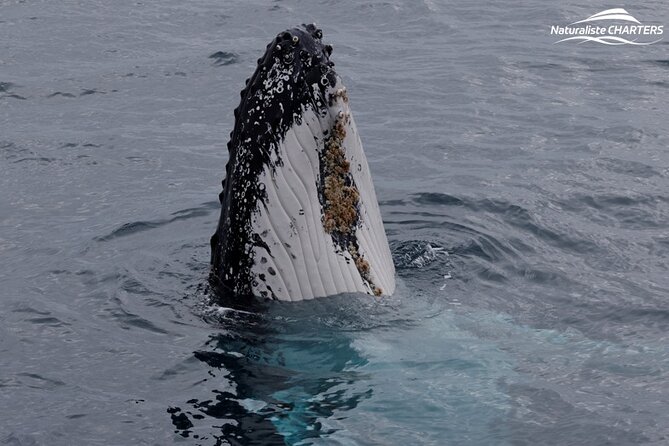
You receive confirmation at the time of booking, and the ticket is mobile, so you do not need a printed voucher. The meeting point is Augusta Boat Harbour, and the activity finishes back there.
Free cancellation is available up to 24 hours before the local start time. Changes or cancellations made less than 24 hours before departure are not accepted for a refund. The tour also requires a minimum number of participants, so a cancellation for that reason brings an alternative date, another experience, or a full refund.
The most useful protection is the no-whale return tour. If no whales are sighted, you can return at no extra cost on another day within one year, subject to availability. The return is non-transferable. This is valuable because it acknowledges the uncertainty of wildlife watching without pretending that every departure will produce a spectacular show.
If poor weather cancels the outing, you can choose a different date or receive a full refund. I would keep your schedule slightly open if you are visiting from outside Augusta, since weather decisions can affect the day’s plan.
Should you book the Augusta Whale Watching Eco Tour?
I would book it if you are in the South West between May and August and can spare 2 hours and 30 minutes for a proper wildlife search. The combination of seasonal migrations, marine science commentary, a well-regarded crew, refreshments, and a free return if no whales appear gives the $75.31 price solid value.
Book with realistic expectations. You may see a whale breach beside the boat, a juvenile tail slap, several whales with calves, or a lively mix of dolphins and seals. You may also spend long stretches scanning quiet water. That uncertainty is not a flaw in the tour. It is part of meeting wild animals on their terms.
The best reason to choose this outing is the crew’s role. Pia, the marine biologist, and the wider team add useful context and practical care, including help for passengers who feel seasick. If you want a polished, informative introduction to the whales migrating along the Augusta coast, this is a strong choice. Just check the forecast, allow for weather changes, and give yourself enough time to enjoy the search.
FAQ
Where does the Augusta Whale Watching Eco Tour start?
The tour starts at Augusta Boat Harbour, Leeuwin Road, Leeuwin, Western Australia.
Where does the tour finish?
The activity ends back at the meeting point at Augusta Boat Harbour.
How long does the tour last?
The tour lasts approximately 2 hours and 30 minutes.
How much does the tour cost?
The listed price is $75.31 per person.
When does the Augusta whale watching season operate?
The Augusta season operates from May until August.
Which whales might I see?
You may see humpback whales, southern right whales, and possibly blue whales.
What other animals might appear?
Possible sightings include New Zealand fur seals, bottlenose dolphins, common dolphins, and sea birds.
Is food or drink included?
Complimentary morning or afternoon tea is provided, including coffee, tea, Milo, green tea, and biscuits.
What happens if no whales are seen?
You receive a free return tour, which can be booked for another day within one year, subject to availability. The return is non-transferable.
What happens if bad weather cancels the tour?
You are offered an alternative date or a full refund if poor weather causes cancellation.
Just added around Margaret River
- Koombana Bay: Dolphin Eco Cruise★ 4.7 · 131 reviews
- From Dunsborough/Busselton: Margaret River Wine Adventure★ 4.9 · 141 reviews
- Self-Guided Ngilgi Cave Ancient Lands Experience★ 4.5 · 154 reviews
- Margaret River Wine and Sights Discovery Tour from Busselton or Dunsborough★ 5.0 · 155 reviews
- Forest Adventures★ 5.0 · 170 reviews
- Nocturnal Wildlife Tour from Busselton★ 5.0 · 218 reviews
- Margaret River Wine Tour: The Full Bottle★ 5.0 · 256 reviews
- Lake Cave Fully Guided Tour★ 5.0 · 275 reviews
Whale Watching, compared.
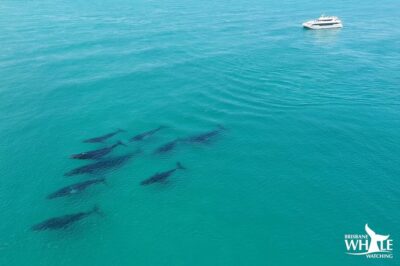
Brisbane Whale Watching Cruise from Redcliffe or Sunshine Coast
Read our review →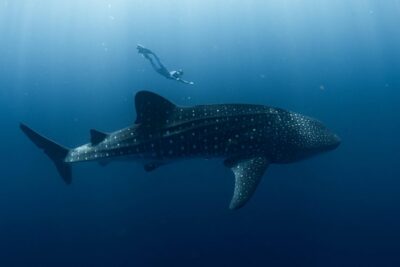
Swim with Whale Sharks in the Ningaloo Reef: 3 Island Shark Dive
Read our review →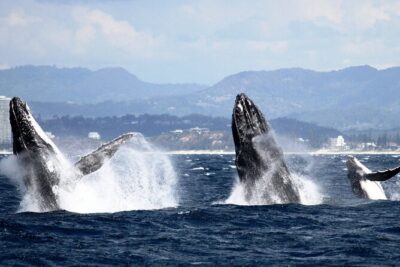
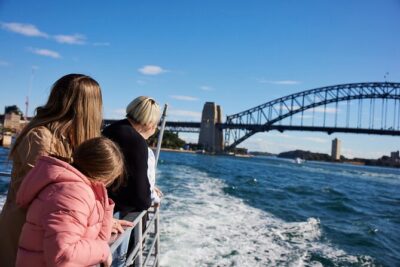
Sydney Whale-Watching Cruise Including Lunch or Breakfast
Read our review →
Spirit of Gold Coast 2.5-Hour Whale Watching Tour
Read our review →
Browse the lists this tour appears in