
Reviewed · WILDLIFE & ZOO EXPERIENCES
Byron Bay: Full-Day Wildlife Safari
Wild koalas beat staged wildlife every time. This Byron Bay safari visits three natural habitats with an environmental scientist, giving you a real chance to see koalas, kangaroos, flying foxes, and Australian birds where they live. I like the small-group format and the careful approach to wildlife. The locally sourced picnic lunch is another welcome touch.
The main trade-off is time on the road. You spend about 45 minutes driving to the first stop, then make shorter journeys between habitats before the final one-hour return to Byron Bay. Wildlife sightings are promised, but animals are still wild, so you may need patience, binoculars, and a willingness to accept distant views.
In This Review
- Key points at a glance
- Why this Byron Bay wildlife safari feels different
- The first drive from Byron Bay
- Eucalyptus forest and the search for koalas
- Rainforest walks and the smaller creatures
- Grassland, kangaroos, and wallabies
- A picnic lunch by the river
- The guides are a major part of the experience
- What the seven-hour schedule really means
- Is $133 good value?
- Who should book this safari?
- Should you book the Byron Bay Wildlife Safari?
- FAQ
- How long is the Byron Bay Wildlife Safari?
- Which animals are guaranteed?
- What habitats does the safari visit?
- Is lunch included?
- What should I bring?
- How many people are in each group?
Key points at a glance
- Three habitats in one day: Visit eucalyptus forest, rainforest, and grassland around Byron Bay.
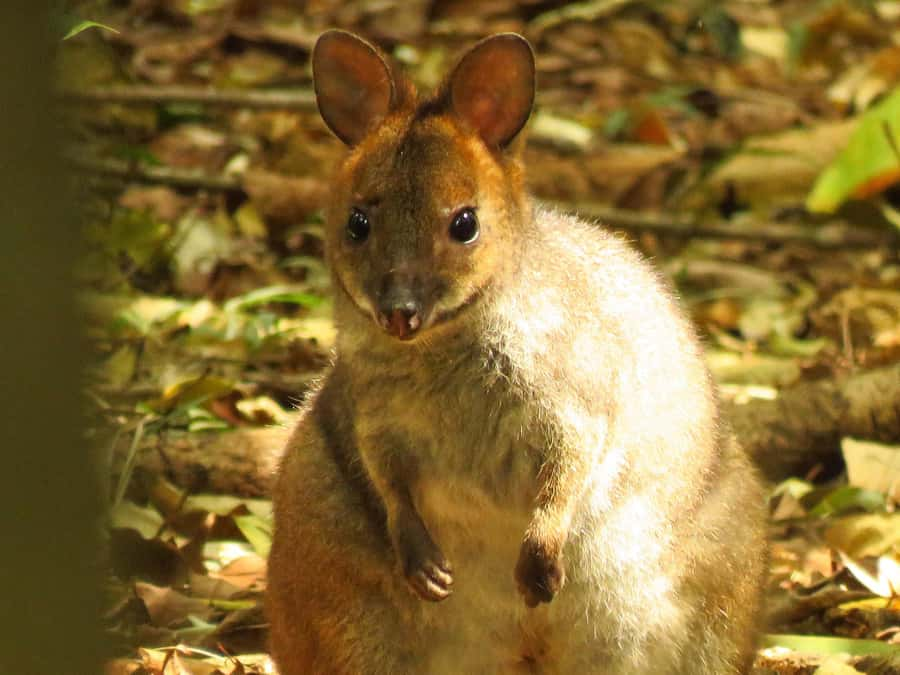
- Wildlife in the wild: Look for koalas, kangaroos, wallabies, flying foxes, birds, and occasional pademelons or echidnas.
- Small groups: Tours take between two and ten people, allowing plenty of time for questions.
- Strong guiding: Guides such as Tom, Wendy, and Skye bring environmental science, local knowledge, and a clear concern for animal welfare.
- Picnic lunch included: Expect a relaxed meal with locally sourced food, vegetarian options, and water refills.
- Comfortable transport: Travel in an eight-seat hybrid vehicle or a 12-seat bus, depending on group size.
Why this Byron Bay wildlife safari feels different
Many Australian wildlife outings rely on sanctuaries, feeding areas, or animals that are used to people. This one takes a different path. You travel to eucalyptus forest, rainforest, and open grassland, then search for animals on their own terms.
That distinction matters most with koalas. You may spot one high in a tree, partly hidden by leaves, rather than beside a viewing platform. Kangaroos may be easier to see in grassland, but they can still be some distance away. The reward is that your sighting feels earned and genuine.
The experience is operated by Vision Walks, an award-winning eco-tour company. The aim is to observe without touching, feeding, or crowding the animals. You should not book this outing if you want to pat a koala or hand food to a kangaroo. You are there to watch, listen, and learn.
The tour has a rating of 4.8 from 129 ratings, and transport receives a perfect score from 88 percent of participants. That fits the experience as described: it is less about rushing between photo stops and more about spending a full day with a guide who knows where to look.
More wildlife experiences:
- Byron Bay Wildlife Safari
★ 5.0 · 81 reviews - From Melbourne: Great Ocean Road, 12 Apostles, Wildlife Tour
★ 4.7 · 6,020 reviews - Penguin Parade, & Wildlife Encounters Eco Tour from Melbourne
★ 5.0 · 3,774 reviews
The first drive from Byron Bay
Pickup is available from accommodation in Byron Shire or Ballina Shire. The day generally begins with a morning collection, with one visitor noting a 9:15 pickup, though you should check the exact starting time when booking.
The first journey takes about 45 minutes. That may sound long, but it is part of the design. Wildlife is spread across different habitats, and the safari needs to leave the immediate Byron Bay area to reach better places for animal sightings.
You travel in a comfortable eight-seat hybrid vehicle or a larger 12-seat bus, depending on the size of your group. The maximum group size is ten, so even if the larger vehicle is used, the outing should not feel like a packed coach trip.
If you get carsick, bring your usual motion sickness medicine. One person specifically found the roads challenging enough to offer this useful warning. The driving is not a flaw in itself, but you should know that this is a vehicle-based wildlife day with walks, not a single reserve where you spend seven hours on foot.
Eucalyptus forest and the search for koalas
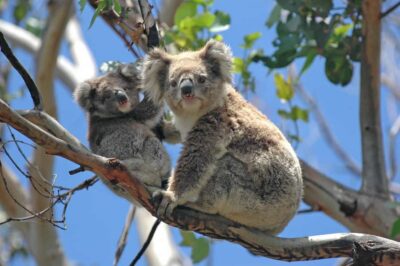
The eucalyptus forest is the natural setting you hope to see first. Koalas spend much of their time in these trees, often sitting quietly among the branches. Your guide helps you scan the canopy and identify the shapes, shadows, and pale fur that are easy to miss without help.
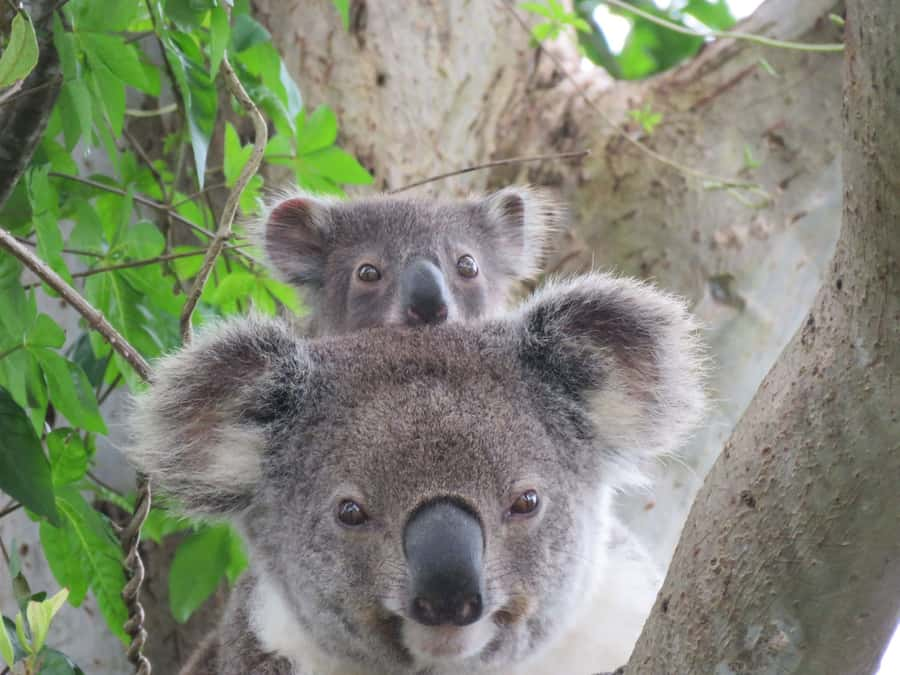
Koala sightings are guaranteed, but that does not mean close contact or a perfect photograph. A koala may be high overhead or partly concealed. One four-star rating made this point clearly: the koalas were visible in natural conditions, not presented as they would be in a zoo.
That is also the value of the stop. You see the animal resting in the habitat it depends on, rather than watching it perform or gather around a food source. Guides have found several koalas on some outings, including mothers with young. Another day produced about ten koalas, but you should treat that as a particularly successful result, not a promise of a set number.
This is where binoculars make a real difference. Use of binoculars is included, so you do not need to pack your own. The guide can also explain how eucalyptus forest supports koalas and how to distinguish the animals from birds, branches, and patches of light.
The company asks you to wear dark clothing when possible. This is not a dress code. It is a simple way to avoid drawing attention to yourself while the group watches animals. Covered shoes are also required, and the walks are described as fairly easy.
Rainforest walks and the smaller creatures
The rainforest stop changes the pace and the type of wildlife you might find. Dense vegetation makes searching slower, but it also creates a chance to look beyond the headline animals.
Pademelons, echidnas, tawny frogmouths, and water dragons are possible sightings when conditions are right. None is guaranteed, so consider them lucky extras rather than the main reason to book.
Rainforest birdlife can be just as interesting as the mammals. The safari may bring you close to native hens, ducks, waders, parrots, kookaburras, magpies, currawongs, wrens, robins, and birds of prey such as wedge-tailed eagles. Butterflies may also appear along the way.
I like that the guide does not reduce the day to a koala count. You learn how to tell a kangaroo from a wallaby and a grey-headed flying fox from a black flying fox. That turns a list of sightings into a better understanding of the local ecosystem.
The walks can be adjusted to suit the group’s abilities. Still, bring closed-toe shoes and a jacket if the forecast calls for one. Conditions can change between forest, rainforest, and open ground, so light layers are sensible.
A few more Byron Bay trips worth weighing up
- Whale Watching Safari Byron Bay
★ 4.9 · 39 reviews - Ocean Safari Great Barrier Reef Experience in Cape Tribulation
★ 5.0 · 902 reviews - Kangaroo Island 75-Minute Coastal Safari
★ 5.0 · 607 reviews - Marine Eco Safari – Swim with Manta Rays
★ 5.0 · 493 reviews
Grassland, kangaroos, and wallabies
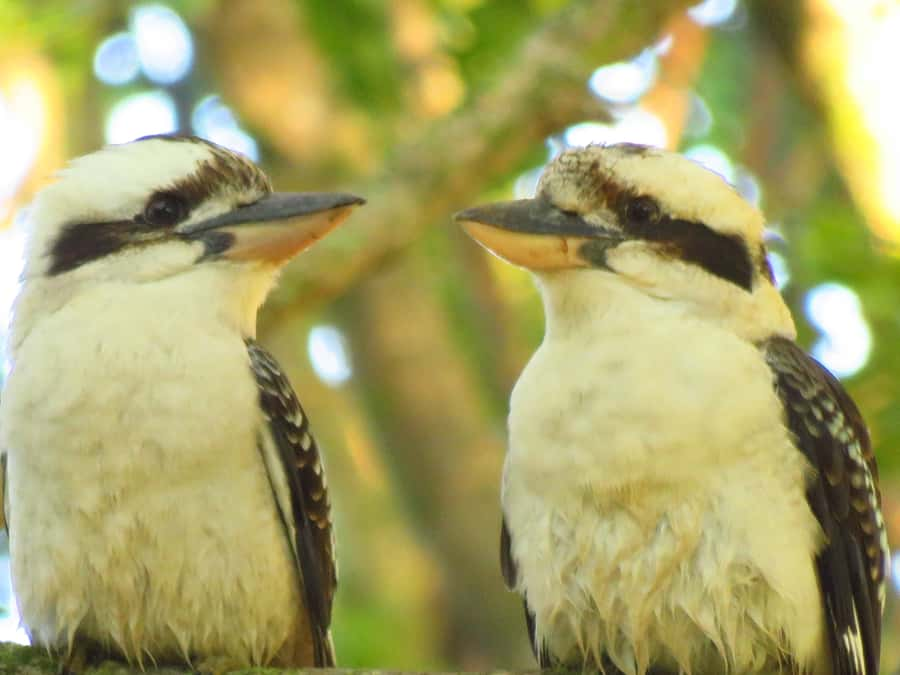
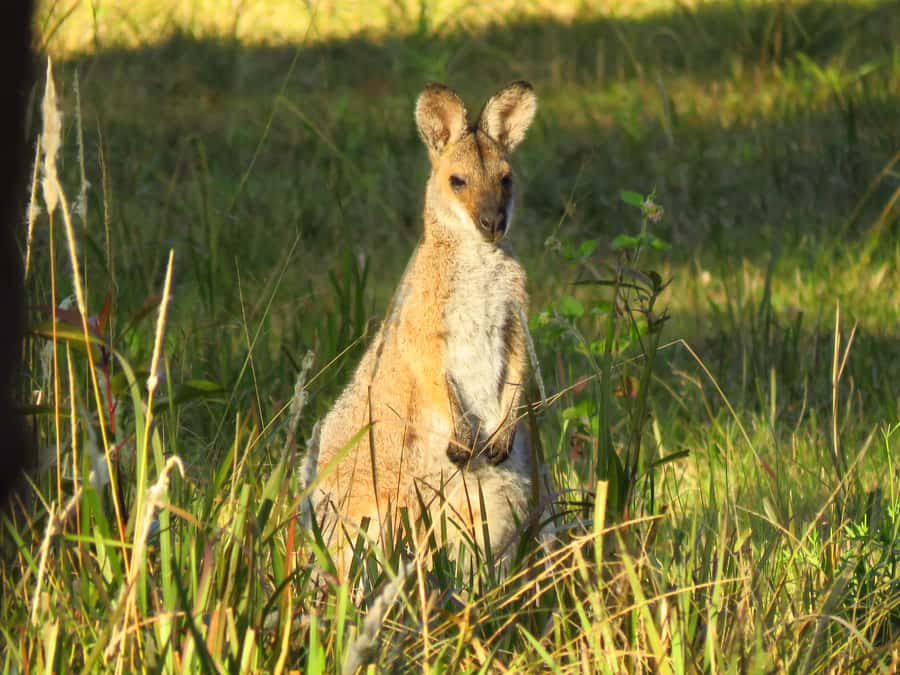
Open grassland gives you the best chance to see a mob of kangaroos. This is usually the most satisfying part of the outing for visitors who want classic Australian wildlife, since kangaroos are easier to notice against open ground than among trees.
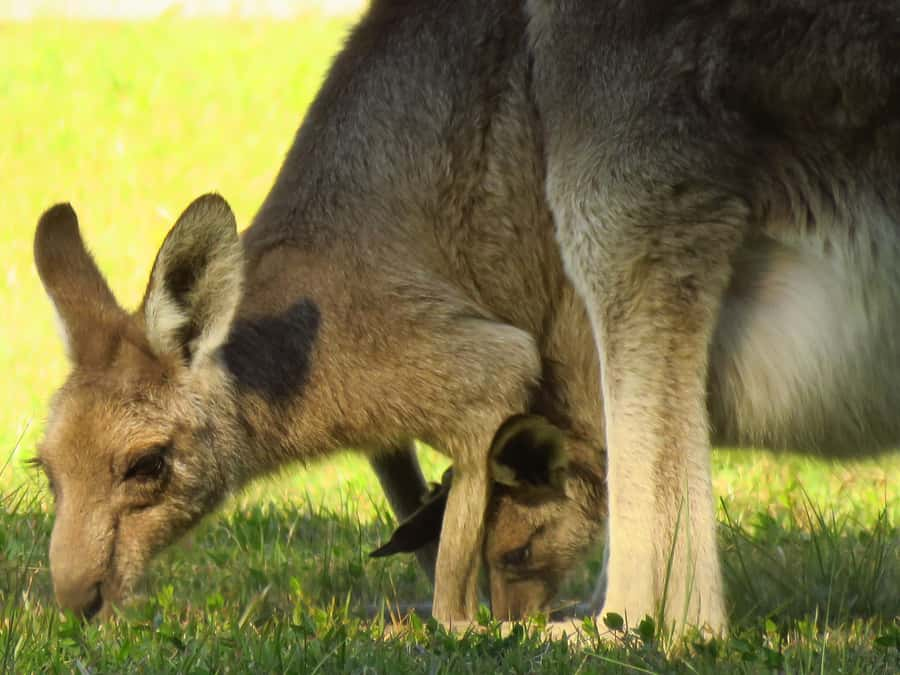
You may also see wallabies and their young. Several outings have included kangaroos with joeys, wallabies, and hares. The guide will help you understand the differences rather than treating every hopping animal as simply a kangaroo.
Keep your expectations realistic. The animals are not fed for the tour, and they are not trained to pose. They may be across a field, moving away, or resting in a group. That distance is part of the point, even if it makes photography harder.
The safari also promises a whole colony of flying foxes. These large bats can be a memorable surprise, especially if you have never seen them gathering in trees. One outing included huge bats that were not expected, and they became a major part of the day.
The bird count can build throughout this stop. Colourful parrots, kookaburras, magpies, currawongs, tiny wrens, and raptors all add movement to the open country. Bring your water bottle and use the supplied binoculars when a bird is too far away for a clear view.
A picnic lunch by the river
Lunch is more than a quick sandwich eaten beside the vehicle. The safari includes a locally sourced picnic, and the meal has earned repeated praise for both taste and presentation.
One picnic included a gingham tablecloth, while another featured chicken sandwiches alongside vegan rice or couscous. Vegetarian and other dietary requirements can be accommodated if you provide them when booking. This is worth doing early, since the tour asks for dietary information in advance.
A picnic also gives the day a useful pause. Wildlife watching can involve standing quietly, walking slowly, and concentrating on small movements in trees. Sitting down with food by the river gives you time to relax and talk with the guide about what you have seen.
Eat something before pickup as well. Lunch arrives around midday, and one person found the wait uncomfortable after starting the morning without breakfast. The included meal is satisfying, but it is not an excuse to begin a seven-hour outing hungry.
Water refills are included, but bottled water is not. Bring a reusable bottle. This fits the company’s environmental approach and avoids relying on single-use plastic.
The guides are a major part of the experience
The strongest reason to choose this safari is the guide. Tom, Wendy, and Skye are named in the feedback, and each is praised for clear explanations, enthusiasm, and care for the animals.
Tom has helped people find koalas, wallabies, kangaroos, bats, birds, and even a carpet python. He also takes photographs during the day, with access to the resulting images included. Wendy is described as friendly and especially good at sharing her understanding of local wildlife. Skye helped one small group learn about Australian animals, ecology, and the wider environment.
The guiding is not limited to identifying species. You may hear about climate change and its effect on Australian wildlife, as well as the work needed to protect habitat. The discussion is presented in a practical way, without turning the day into a lecture.
A small group helps here. With only two to ten people, you can ask questions without shouting across a coach. The guide can also adjust the walking pace and spend more time when the group is interested in a particular animal.
The guides may take you to places where koala habitat is being restored. One outing included planting koala trees, which added a hands-on conservation element. That is not listed as a guaranteed part of every day, so think of it as a possible extra rather than a planned feature.
What the seven-hour schedule really means
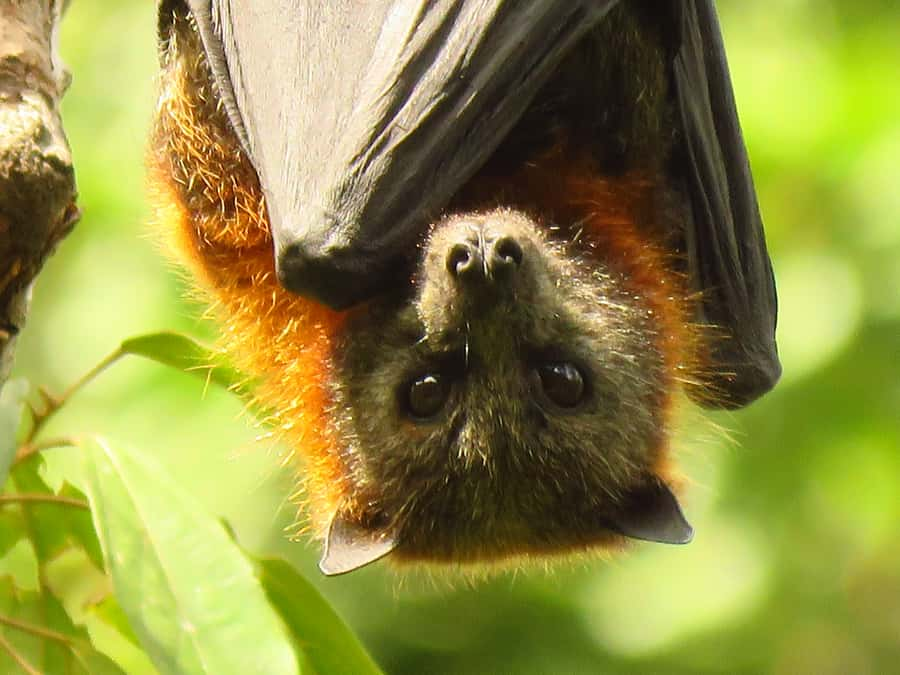
The advertised duration is seven hours, and the driving accounts for a large part of it. After the first 45-minute journey, you make shorter drives between habitats and finish with about an hour back to Byron Bay.
That schedule works best if you see the tour as a full-day nature outing, not a quick wildlife check. You have enough time to visit different types of country, stop for lunch, watch animals without rushing, and hear explanations from the guide.
It may not suit you if you want constant action or dislike vehicle time. Wildlife needs quiet observation, and some stretches may involve waiting for a koala to move or scanning a field for kangaroos.
On the other hand, the varied habitats reduce the risk of a day built around one location. If one area is quiet, the next may offer different animals or birds. The guide can respond to conditions instead of following a rigid attraction schedule.
Is $133 good value?
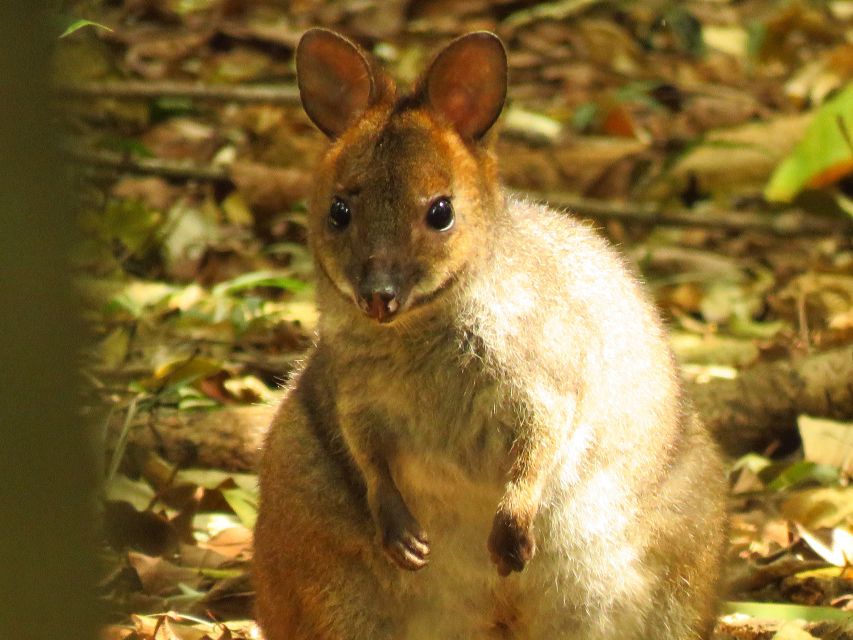
At $133 per person, this is not the cheapest way to look for Australian wildlife. It is good value if you want a small group, hotel pickup, return transport, an environmental scientist guide, binoculars, lunch, water refills, and access to photographs in one package.
You are also paying for the guide’s local expertise and the time needed to search several habitats. Finding wild koalas takes more skill than driving to a viewing enclosure, and the small group keeps the experience personal.
The value is weaker if your main goal is guaranteed close-up photography. Wild animals do not cooperate with cameras, and a koala may be distant or partly hidden. You also need to accept several hours of driving and easy walks rather than a nonstop series of animal encounters.
For a seven-hour outing, the price works well for couples, solo visitors, families with older children, and anyone who prefers ethical wildlife watching to animal contact. It is especially useful if you do not have your own car or enough time to search the Byron Bay area independently.
Who should book this safari?
Book it if you want to see koalas and kangaroos in natural surroundings, learn how to identify local species, and spend a day with a guide who cares about habitat and animal welfare.
It suits people who enjoy photography, birdwatching, conservation, and gentle walks. It also works well for international visitors who want an introduction to several Australian species without arranging separate transport and research.
You may want a different outing if you need step-free sightseeing, dislike driving, or want to feed and touch wildlife. The walks are fairly easy and adaptable, but this is still an outdoor day with changing conditions.
Wear dark clothing if possible, bring a reusable water bottle, pack a jacket, and eat before pickup. Those small preparations will make the long day much more comfortable.
Should you book the Byron Bay Wildlife Safari?
I would book this safari if seeing wild koalas is high on your list and you value the setting as much as the sighting. The combination of three habitats, a maximum of ten participants, strong guides, and a proper picnic makes $133 reasonable for a full day.
Choose it with the right expectations: you may see ten koalas, or you may see fewer animals from farther away. You are buying a careful search in real habitat, not a guaranteed close-up encounter. For an ethical and informative introduction to Byron Bay wildlife, that is a fair trade.
FAQ
How long is the Byron Bay Wildlife Safari?
The safari lasts seven hours. The day includes about 45 minutes of driving to the first stop, shorter journeys between habitats, and roughly one hour returning to Byron Bay.
Which animals are guaranteed?
The tour guarantees sightings of koalas, kangaroos, flying foxes, and many bird species. Pademelons, echidnas, tawny frogmouths, and water dragons may appear when conditions are suitable.
What habitats does the safari visit?
You visit eucalyptus forest, rainforest, and grassland near Byron Bay. Each habitat gives you a chance to see different animals and birds.
Is lunch included?
Yes. A locally sourced picnic lunch is included, along with water refills. Vegetarian and other dietary requirements should be provided when you book.
What should I bring?
Bring a reusable water bottle, covered or closed-toe shoes, and a jacket depending on the weather. Dark clothing is recommended when possible so you attract less attention from the animals.
How many people are in each group?
The minimum group size is two and the maximum is ten participants. Transport is provided in an eight-seat hybrid vehicle or a 12-seat bus, depending on the group size.
Just added around Byron Bay
- E-Bike Rentals: Daily Hire Byron Bay and Tweed Coast Areas★ 5.0 · 27 reviews
- Byron Bay: Brunswick River Scenic Kayak Tour★ 4.6 · 27 reviews
- Cape Byron Aboriginal Tour★ 5.0 · 29 reviews
- 2-Day Progressive Surf Lessons★ 4.5 · 30 reviews
- Half Day Learn to Surf Tour From Byron★ 5.0 · 31 reviews
- WANDER BYRON Guided Sunrise Tours to Cape Byron Lighthouse★ 5.0 · 34 reviews
- Experience The Thrill Half Day Surf School in Byron Bay★ 5.0 · 37 reviews
- Whale Watching Safari Byron Bay★ 4.9 · 39 reviews
Wildlife & Zoo Experiences, compared.
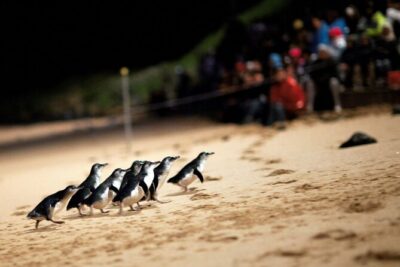
Penguin Parade, & Wildlife Encounters Eco Tour from Melbourne
Read our review →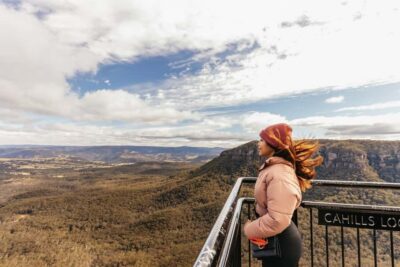
Blue Mountain Small Group Scenic World, Wildlife, Waterfall
Read our review →
Melbourne Great Ocean Rd Reverse Tour London Bridge Wildlife
Read our review →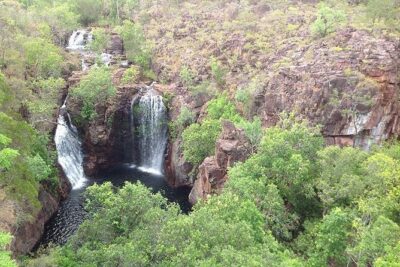
Litchfield National Park and Jumping Crocodile Cruise
Read our review →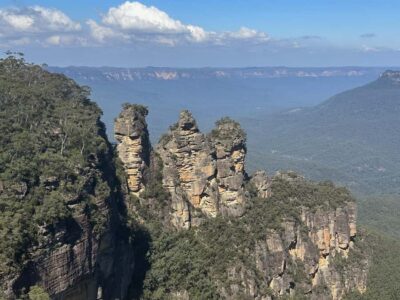
Blue Mountains Adventure: Scenic World, Zoo & Koala Photo
Read our review →
Solar Whisper Daintree River Crocodile and Wildlife Cruise
Read our review →
Browse the lists this tour appears in