
Reviewed · GREAT BARRIER REEF TRIPS
Great Barrier Reef Cruise from Townsville or Magnetic Island
The long ride is worth it. This full-day Great Barrier Reef cruise takes you from Townsville or Magnetic Island to clear coral sites such as John Brewer, Lodestone, and Keeper Reef. I like the choice between snorkeling, an introductory scuba session, and two sessions for certified divers, plus the chance to see turtles, stingrays, reef sharks, and Maori wrasse.
I also like the small maximum group of 32 and the crew’s careful approach with beginners and children. The main drawback is the trip across open water: the ride can take about 2.5 hours each way and may be fast and rough, so motion-sickness medicine is a sensible precaution.
In This Review
- Key points to know before booking
- Choosing between Townsville and Magnetic Island
- Why the 10-hour schedule matters
- The ride to the central reef
- Snorkeling at John Brewer, Lodestone, or Keeper Reef
- The introductory scuba option for beginners
- Two certified scuba sessions for experienced divers
- The marine life and underwater art
- Food, drinks, and time between water sessions
- Crew support and the family question
- The real cost at A$275.42
- What to pack and how to prepare
- Who should book this reef cruise?
- FAQ
- Where does the Great Barrier Reef cruise depart?
- What time does the tour start?
- How old must children be to snorkel?
- How old must I be for introductory scuba?
- Do certified scuba participants need proof of certification?
- What equipment and food are included?
- Can I cancel for a refund?
Key points to know before booking
- Three ways to experience the reef: Choose snorkeling, an introductory scuba session, or two sessions for certified divers.
- Two departure points: Start from Fuel Wharf in Townsville or Nelly Bay Ferry Terminal on Magnetic Island.
- A long day on the water: Plan on roughly 10 hours, with a 7 am start and a lengthy ride to the reef.
- Meals and gear included: Morning tea, lunch, afternoon tea, drinks, mask, snorkel, fins, and a full-length suit are provided.
- Good support for first-timers: Floating noodles, life rings, buoyancy vests, demonstrations, and crew assistance help novice snorkelers.
- Extra guide fees may apply: A snorkel guide costs A$10 per person, while certified divers with fewer than 10 logged sessions must hire a guide for A$20 per person.
Choosing between Townsville and Magnetic Island
This cruise is designed to fit two North Queensland itineraries. You can board at Fuel Wharf, at Mariner’s Peninsula in Townsville, or at Nelly Bay Ferry Terminal on Magnetic Island. Pick the departure point that matches where you are staying, since there is no hotel pickup or drop-off.
The Townsville meeting point is Fuel Wharf, Mariner’s Peninsula Subsidiary No. 104, 29 Mariners Drive. The tour begins at 7 am and finishes back at the same departure point you selected. If you are using Magnetic Island as your base, Nelly Bay is the practical choice.
Allow extra time to find the boat in the morning. Clear directions are useful at any marina, and one useful bit of advice is to avoid arriving at the last moment. You need to provide your height, weight, and shoe size when booking so the crew can prepare suitable equipment.
More Boat Tours in Townsville
- Magnetic Island Sip and Sail Sunset Cruise
★ 5.0 · 240 reviews - Magnetic Island Lunchtime Sailing Cruise
★ 5.0 · 178 reviews - 4H Snorkeling and Fishing Cruise on Magnetic Island
★ 5.0 · 53 reviews
Why the 10-hour schedule matters
This is not a quick look at the reef squeezed between other sightseeing plans. It is a full day, with a morning departure, an extended ride to the central section of the Great Barrier Reef, time in the water, lunch, and the return trip.
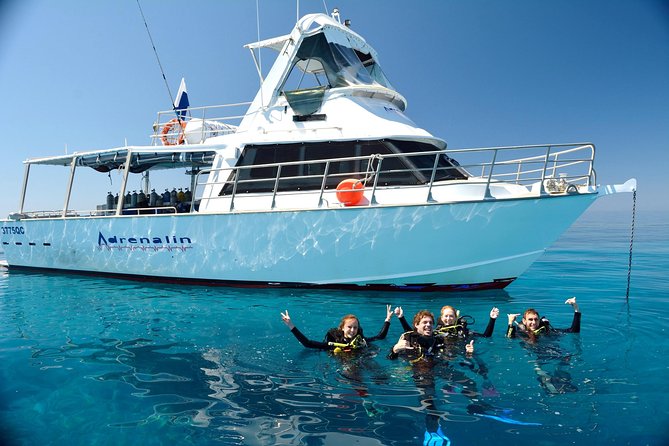
The boat is a 45-foot, 14-meter custom-built vessel. It carries up to 32 people, which is not a private charter, but it is a more manageable group size than a large sightseeing ship. The smaller capacity also helps the crew keep track of people in the water and provide instruction when needed.
The tradeoff is simple: you spend a lot of time getting there. Some days bring calm seas and a smooth ride. On rougher days, the outward and return trips can be the hardest part of the experience. If you are prone to seasickness, prepare before boarding rather than waiting until the boat starts moving.
Once the boat reaches the reef, conditions can change. The water behind the reef is usually calmer than the open-water crossing, which makes it easier to snorkel and watch fish without fighting constant chop.
The ride to the central reef
Morning tea helps you settle in before the main activity. Tea, coffee, cordial, and water are available during the day, and the crew also gives reef ecology talks. These talks add useful context to what you are seeing, especially if this is your first time in the Great Barrier Reef Marine Park.
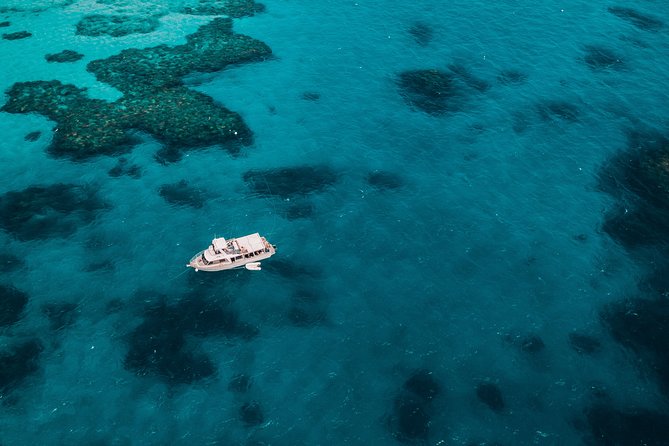
The boat heads toward sites in the central section of the reef. The exact location can include John Brewer Reef, Lodestone Reef, or Keeper Reef, with the crew choosing a site based on conditions, water clarity, coral cover, and marine life.
That flexibility is valuable. A reef trip should not be judged only by a fixed postcard location, since wind, swell, visibility, and currents can affect the experience. Choosing the best site for the day gives the crew a better chance of finding clear water and safe conditions.
The boat has both a shaded area and a sundeck. That matters on a long outing, since you can get out of the sun between water sessions. Bring a hat and sunscreen, but remember to apply sunscreen during the ride as well as before entering the water.
Snorkeling at John Brewer, Lodestone, or Keeper Reef
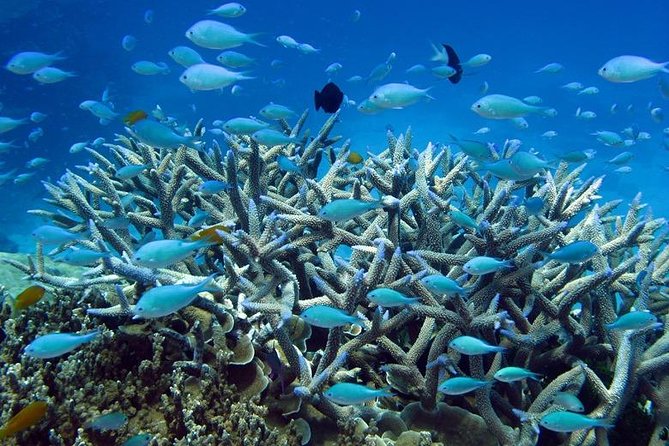
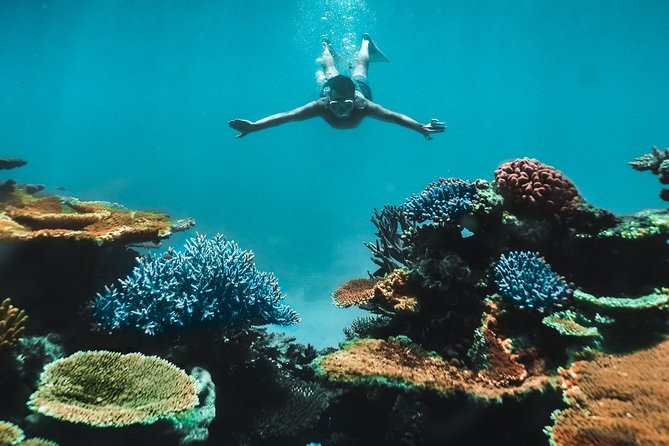
The snorkeling option is the easiest way to join this cruise if you do not scuba certify or simply prefer to stay near the surface. The reef sites include shallow areas, channels, coral walls, and lagoons, with stated depths ranging from about 3 to 65 feet, or 1 to 20 meters.
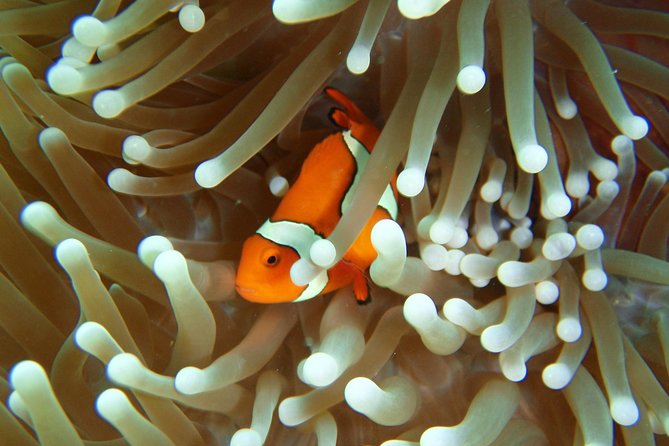
You can expect to look for tropical reef fish, turtles, stingrays, white-tip and black-tip reef sharks, and the large Maori wrasse. Wildlife sightings are never guaranteed, but the range of species gives you plenty to watch for as you move over the coral.
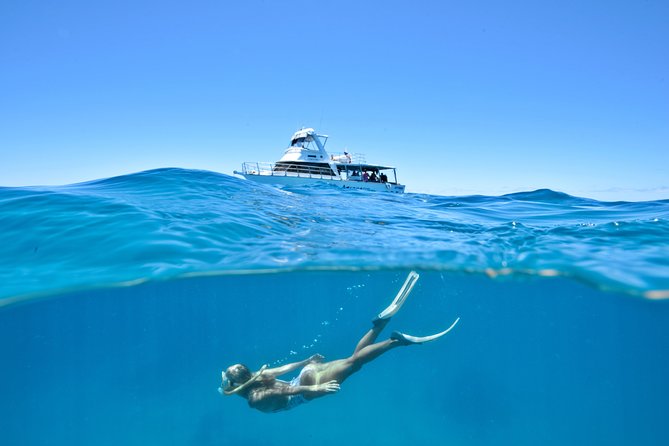
The crew provides a mask, snorkel, fins, and a full-length suit. You also receive demonstrations and basic instruction in snorkeling technique. For anyone who is nervous in the water, floating noodles, life rings, and buoyancy vests are available.
Those flotation aids are not just for weak swimmers. One useful detail from the trip is that even confident swimmers appreciated noodles when the tide was high and the coral rose close to their fins. Floating calmly above the reef also helps you avoid touching coral, which is better for both you and the marine environment.
First-time snorkelers should take the briefing seriously. Ask the crew to check your mask seal and fin fit before you swim away from the boat. A poor-fitting mask can spoil an otherwise excellent morning, while a correctly fitted set of equipment lets you concentrate on fish and coral instead of leaks.
A snorkel guide costs A$10 per person and is not included in the base price. If you are new to snorkeling, uncomfortable in open water, or traveling with children, that small extra cost may be worthwhile.
More ways to get out on the Great Barrier Reef:
- Great Barrier Reef Snorkeling and Diving Cruise from Cairns
★ 4.5 · 3,714 reviews - From Cairns: Great Barrier Reef Cruise by Premium Catamaran
★ 4.9 · 3,567 reviews - Cairns: Outer Edges of The Great Barrier Reef Scenic Flight
★ 4.9 · 2,912 reviews - Passions of Paradise Great Barrier Reef Cruise by Catamaran
★ 5.0 · 2,564 reviews
The introductory scuba option for beginners
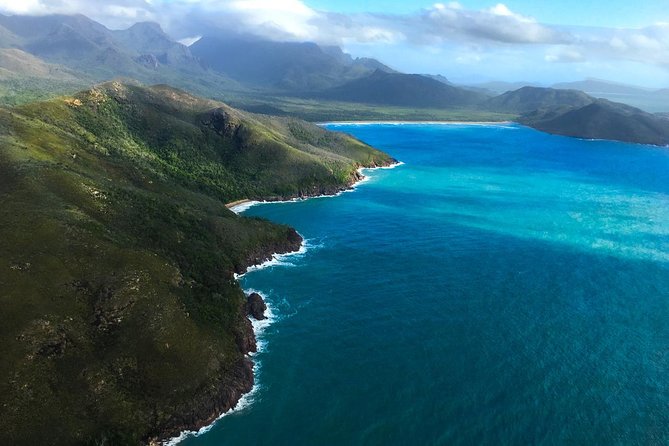
The introductory scuba option is for people who are not yet certified. You will explore Lodestone Reef with an experienced instructor, using a program suited to beginners rather than joining the certified group independently.
You must complete a basic medical form before the session. Some medical conditions may prevent you from taking part, so do not leave this check until the morning of departure. The minimum age for introductory scuba is 12.
This is a good choice if you want to experience the reef below the surface but do not have certification. It also gives you the benefit of direct instruction, which can make breathing, buoyancy, and movement feel less daunting.
The supplied information does not promise a particular depth or marine-life sighting for the introductory option. That is a useful distinction. The experience is built around a controlled first scuba session, while the exact route and conditions depend on the instructor and the reef site chosen that day.
Two certified scuba sessions for experienced divers
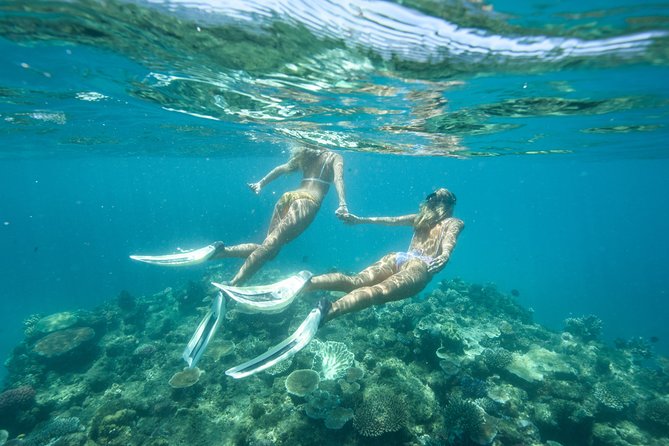
Certified divers can take two sessions at an uncrowded reef site. You may explore coral columns and channels, or spend time around the fringing reef and lagoon canyons. The listed depth range extends from 3 to 65 feet, so the day can include both shallow reef features and deeper sections.
You must show proof of certification to the crew on the day. If you have fewer than 10 logged sessions, hiring a certified guide is compulsory and costs A$20 per person. More experienced certified divers may go with a buddy, or can still choose to pay for a guide.
This option is likely the best match for people who want to spend most of the day beneath the surface. The schedule gives certified divers two sessions rather than one brief taste, while snorkelers and non-diving companions can take part in the same reef outing.
That shared format is one of the tour’s strongest features. Couples and families do not need to split up simply because one person scuba certifies and another prefers snorkeling. Everyone travels on the same boat, eats together, and visits the same general reef area.
The marine life and underwater art
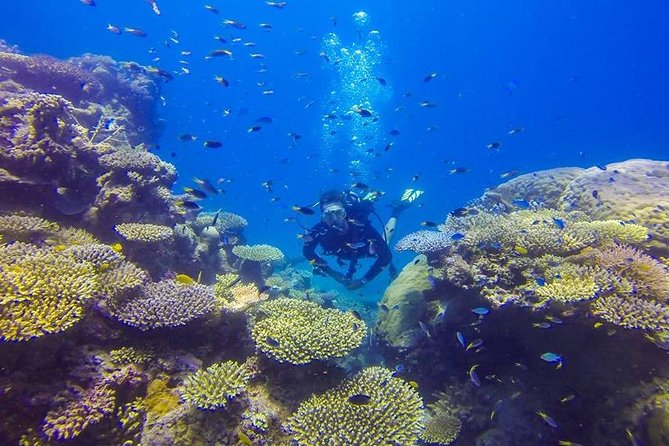
The central reef sites offer a chance to see a broad mix of coral and animals. Turtles, stingrays, reef fish, white-tip and black-tip reef sharks, and Maori wrasse are all listed as possible sightings.
The reef itself can be the main event. Clear visibility lets snorkelers move through channels and shallow areas, while certified divers can examine coral columns, walls, and canyons. Conditions vary, so the strongest experience will come on a calm day with good visibility.
At John Brewer Reef, you may also encounter the Ocean Sentinels underwater art installations, part of the Museum of Underwater Art. These sculptures add a human-made element to the coral setting, but they should be treated as an added feature rather than the central reason to book. The reef and marine life remain the focus.
Do not expect a guaranteed shark or turtle encounter. Nature does not operate on a timetable. The crew can choose productive sites and point out what is nearby, but you should book for the overall reef experience rather than one specific animal.
Food, drinks, and time between water sessions
The price includes morning tea, lunch, afternoon tea, iced water, cordial, tea, and coffee. Lunch is served during the middle of the day, giving you time to warm up, eat, and rest before returning to the water or beginning another session.
Food quality has been praised by some people, while others wanted more food and drink choices for such a long day. I would think of the included meals as practical onboard catering, not a restaurant service. If you have dietary needs or prefer frequent snacks, confirm what is available before departure and bring anything allowed by the operator.
The shaded section and sundeck provide two ways to spend your break. The shade is the sensible choice if you have already had plenty of sun, while the sundeck gives you an open view of the sea during the ride home.
Crew support and the family question
The crew receives some of the strongest praise attached to this experience. Rob and Matt are specifically credited with making a first snorkeling session comfortable and informative, while the wider team is often described as friendly, encouraging, and attentive.
That support matters more than polished presentation on a reef trip. The crew checks equipment, explains what to expect, assists nervous swimmers, and keeps an eye on children. One family with children aged 7 and 10 found that the children were included in the activities and checked on repeatedly.
Snorkeling is available from age 6. Introductory scuba has a minimum age of 12. Most people can participate, but you should be comfortable following water-safety instructions and should disclose any medical concern relevant to scuba.
The maximum group size is 32. That allows for a lively boat, but it is still small enough for the crew to give personal attention. Expect a shared experience rather than a private guide at your side all day.
The real cost at A$275.42
At A$275.42 per person, this is a substantial day out. The value depends on how much use you make of the boat and the reef time.
For a snorkeler, the price includes transport to the central reef, equipment, instruction, flotation aids, reef ecology talks, meals, drinks, and all listed fees and taxes. The long ride makes the day feel expensive if rough seas keep you uncomfortable, but the price covers far more than a short coastal swim.
For a certified diver, the package includes two reef sessions and boat transport, which makes better financial sense if you want a full day focused on scuba. Remember to add the A$20 guide fee if you have fewer than 10 logged sessions.
For a mixed group, the value is especially clear. One person can snorkel, another can take an introductory scuba session, and a certified companion can complete two sessions, all while sharing the same boat and meals.
What to pack and how to prepare
Wear your swimwear under your clothes and bring a towel, hat, sunscreen, and camera. Tell the operator your height, weight, and shoe size at booking so the crew can prepare your equipment.
Motion-sickness medication is worth considering because the crossing may be rough. If the sea is calm, you may barely think about the ride. If conditions turn choppy, the 2.5-hour journey each way can dominate the day.
Bring a patient attitude as well as your camera. You may spend a long time traveling before reaching the reef, but the calmer water, coral, fish, and chance of seeing a turtle or shark make the payoff worthwhile.
Free cancellation is available up to 24 hours before the 7 am start time. A late cancellation or late change is not refunded, while poor weather or an insufficient number of bookings can lead to a new date or a full refund.
Who should book this reef cruise?
I would recommend it to a mixed group, first-time snorkelers who want instruction, certified divers seeking two reef sessions, and families with children old enough to meet the age rules.
It suits people who want a full reef day from Townsville or Magnetic Island and do not mind a long open-water crossing. It is less suitable if you dislike fast boat rides, struggle with seasickness, or have only a narrow window in your itinerary.
Book this tour if reaching a less crowded central reef site matters more to you than a quick, easy excursion. Choose snorkeling for the simplest introduction, introductory scuba if you are at least 12 and medically cleared, and the certified option if you want two underwater sessions. The best reason to go is the combination of strong crew support, flexible activity choices, and genuine time at the reef. The main question is whether you are ready for the ride to get there.
FAQ
Where does the Great Barrier Reef cruise depart?
You can depart from Fuel Wharf at Mariner’s Peninsula in Townsville or Nelly Bay Ferry Terminal on Magnetic Island. You select the departure point when booking.
What time does the tour start?
The tour starts at 7 am and lasts approximately 10 hours. It ends back at the original meeting point.
How old must children be to snorkel?
The minimum age for snorkeling is 6 years. Children must also be able to follow the crew’s instructions and participate safely.
How old must I be for introductory scuba?
The minimum age for introductory scuba is 12. You must also complete a basic medical form, and some medical conditions may prevent participation.
Do certified scuba participants need proof of certification?
Yes. Certified divers must show proof of certification to the crew on the day of the cruise.
What equipment and food are included?
Snorkeling equipment includes a mask, snorkel, fins, and a full-length suit. Floating devices, instruction, reef ecology talks, lunch, morning tea, afternoon tea, iced water, cordial, tea, and coffee are also included.
Can I cancel for a refund?
You can cancel up to 24 hours before the experience starts for a full refund. Cancellations or changes made less than 24 hours before the start time are not refunded. If poor weather or too few bookings cancel the tour, you can receive a different date or a full refund.
Just added around Australia
- From Goolwa: Half-Day Coorong Experience★ 4.9 · 129 reviews
- Great Ocean Road Lux Tour Max 11 Hotel Pickup★ 4.8 · 129 reviews
- Kangaroo Island Scenic Nature and Wildlife Day Tour★ 5.0 · 129 reviews
- Blue Mountains Small-Group Insider Tour from Sydney★ 4.5 · 130 reviews
- McLaren Vale Small Group Wine Tour★ 5.0 · 130 reviews
- Virtual Room – 40-50min VR Escape Game Adventure for 2+ Players★ 5.0 · 130 reviews
- Darwin: Adelaide River Half-Day Jumping Crocs Cruise★ 4.3 · 130 reviews
- Melbourne City Highlights Small Group Tour★ 5.0 · 131 reviews
Great Barrier Reef Trips, compared.
Great Barrier Reef Snorkeling and Diving Cruise from Cairns
Read our review →
Great Barrier Reef Cruise by Premium Catamaran
Read our review →
Outer Edges of The Great Barrier Reef Scenic Flight
Read our review →
Passions of Paradise Great Barrier Reef Cruise by Catamaran
Read our review →
Ocean Freedom Great Barrier Reef Luxury Snorkel and Dive Cruise
Read our review →
Whitsundays & Great Barrier Reef Scenic Flight
Read our review →
Calypso Outer Great Barrier Reef Cruise from Port Douglas
Read our review →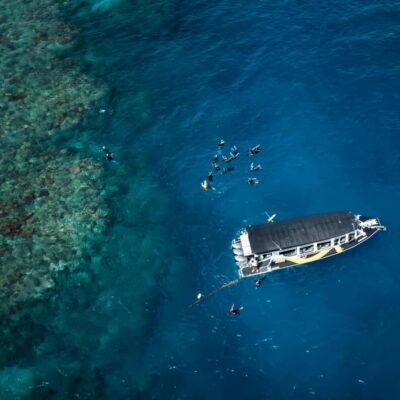
Great Barrier Reef Half-Day Snorkelling Tour
Read our review →Browse the lists this tour appears in