
Reviewed · NATIONAL PARKS
Hobart: Maria Island National Park Active Full-Day Tour
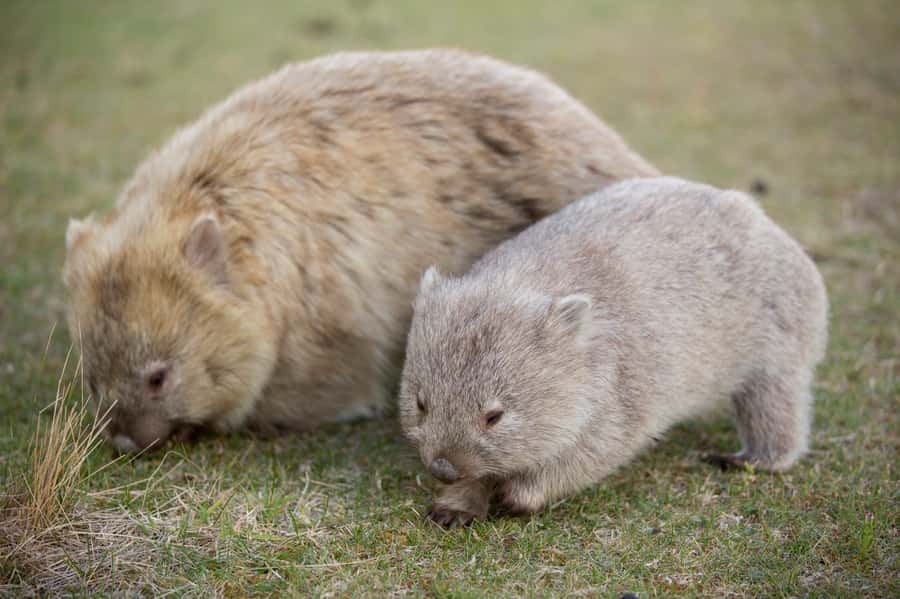
Wombats own the road here. Maria Island offers wildlife at close range, old convict buildings, quiet beaches, and two excellent coastal walks in one long day from Hobart. I especially like the mix of nature and human history, plus the small-group format that lets guides adjust the pace and stop for animals.
The main catch is simple: this is a 10-kilometre walking day on unpaved ground, with hills, wind, and changeable weather. You also need to bring your own food and drinks. Still, at $152 per person, the return transport, ferry, national park fee, guide, and walking interpretation make this a fair buy for an active day outside Hobart.
In This Review
- Why This Maria Island Day Is Worth Your Time
- The Early Start From Hobart
- The Ferry Ride Sets the Mood
- Darlington: Convict History Without a Museum Glass Case
- Painted Cliffs: A Gentle Walk With Big Visual Payoff
- Fossil Cliffs: Ancient Rock and Open Sea
- Wildlife Is the Main Event
- How Hard Is the Walking?
- Food, Water, and What to Pack
- Small Groups Make a Real Difference
- Is $152 a Fair Price?
- Who Should Book This Tour?
- Final Verdict: A Strong Choice for Active Nature Lovers
- FAQ
- How long does the Maria Island tour take?
- Where does the tour depart from?
- How much walking is involved?
- Are meals and drinks included?
- What animals might I see?
- Is the tour suitable for children or people with mobility impairments?
Why This Maria Island Day Is Worth Your Time
- Wombats, wallabies, kangaroos, and birds roam freely, so wildlife sightings are part of the day rather than a side attraction.
- Darlington is an unusually well-preserved convict settlement, giving the island a strong historical edge.
- The Painted Cliffs walk covers 4.5 kilometres return and brings you close to striped, weather-shaped sandstone.
- The Fossil Cliffs reveal fossils around 300 million years old, with broad sea views along the way.
- Small groups and flexible guiding help the day feel personal, especially when the guide pauses to spot wildlife.
- The early summer departure matters, giving you more daylight and helping the group reach the walking program before the island gets busy.
The Early Start From Hobart
In summer, from October 1 to April 30, you meet at the Tasmanian Travel and Information Centre on Davey Street at 6:40am for a prompt 6:45am departure. In winter, from May 1 to September 30, the meeting time moves to 7:55am, with departure at 8:00am.
This is not a tour where you can stroll in at the last minute. The bus must meet the Maria Island ferry schedule, so it cannot wait for late arrivals. If you are staying in central Hobart, allow extra time to reach 20 Davey Street. If you are driving, note that there is no parking at the meeting point.
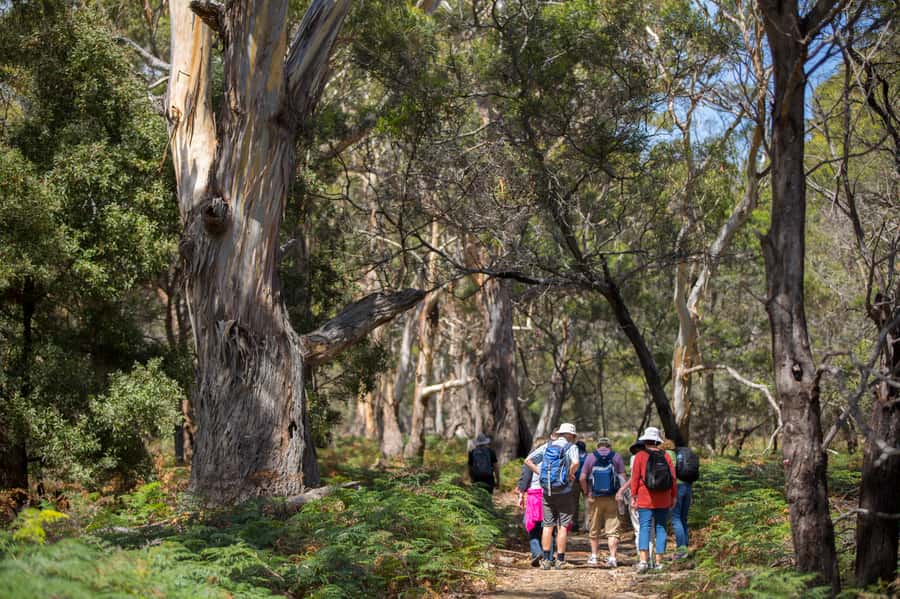
The one-hour bus ride is useful rather than wasted time. You leave Hobart behind and pass green farmland, waterways, and pastures with sheep and lambs. It gives the day a gentle change of pace before the ferry and helps you understand how quickly Tasmania’s city life gives way to open country.
More National Park Tours in Tasmania
- From Port Arthur: Tasman Island Wilderness Cruise
★ 4.9 · 704 reviews - From Hobart/Adventure Bay: Bruny Island Wilderness Cruise
★ 4.8 · 601 reviews - Port Arthur Full-day Guided Tour with Harbour Cruise and Tasman National Park
★ 4.5 · 585 reviews
The Ferry Ride Sets the Mood
The crossing to Maria Island takes about 30 minutes. It is short enough to be easy, but long enough to create a real sense of leaving the mainland behind.
Maria Island has no vehicles for ordinary sightseeing, and that changes the feel of the place immediately. Once you step off the boat, the quiet is part of the attraction. There are no traffic sounds competing with the birds, no stream of cars between the walking stops, and no need to keep checking the time in the same way you would in Hobart.
Bring a jacket even on a sunny day. The ferry, coastal paths, and exposed cliffs can all feel different from the sheltered streets of the city. Weather can shift quickly, particularly outside summer, so layers are more useful than one heavy item.
Darlington: Convict History Without a Museum Glass Case
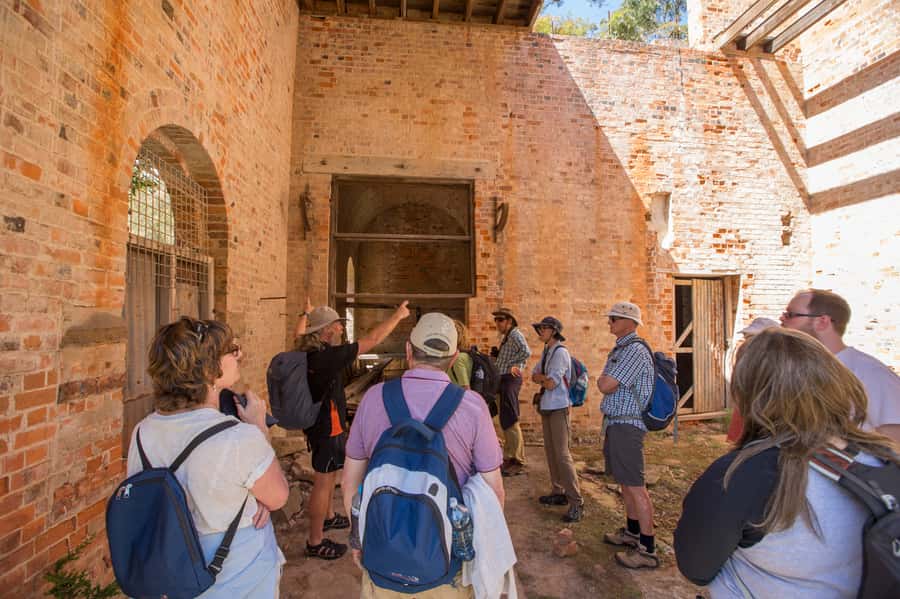
The first major stop is Darlington, a UNESCO World Heritage convict site and one of the best-preserved probation stations of its kind. The buildings give the island a human story before you head deeper into the bush and along the coast.
This is a valuable part of the day because Maria Island is not only about animals and scenery. Darlington shows how the island was used as a convict settlement, and the preserved structures make the past easier to picture than a bare sign or foundation would.
Your guide adds context as you walk through the settlement. Guides named in past tours, including Trevor, Heather, Nick, Lucas, and Ben, have been praised for explaining the island’s history alongside its plants and animals. The quality of the guiding matters here. Without it, Darlington could be a pleasant collection of old buildings. With clear interpretation, it becomes part of the larger story of Tasmania.
Take time to look around, but remember that the day has two substantial walks ahead. The group must keep moving to make the ferry back to the mainland, especially in winter when daylight is shorter.
Painted Cliffs: A Gentle Walk With Big Visual Payoff
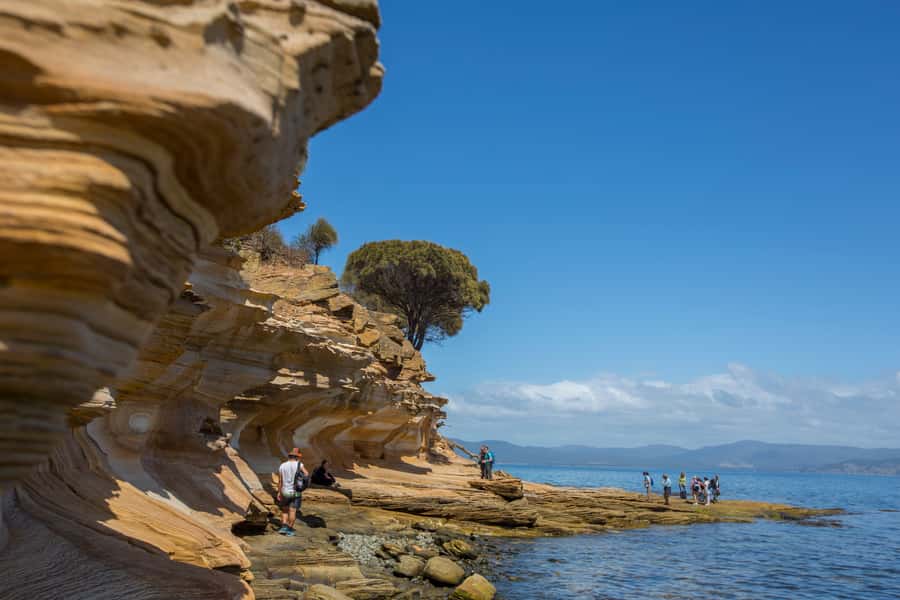
The Painted Cliffs walk is an easy 4.5-kilometre return route. The reward is a stretch of sandstone marked with warm bands and unusual shapes, formed by erosion and exposed along the coast.
This is one of the most photogenic parts of Maria Island, but it is also a place where your timing matters. The cliffs are best appreciated up close, where you can see the lines and textures in the rock rather than simply viewing them from a distance. Your guide can explain what you are looking at and help you notice details you might otherwise pass by.
The walk is described as mostly easy, with some small hills. It is not a technical hike, but it is still a proper walk on natural, unpaved ground. Wear closed-toe shoes with a good grip. Comfortable city shoes are a poor choice if the surface is uneven or damp.
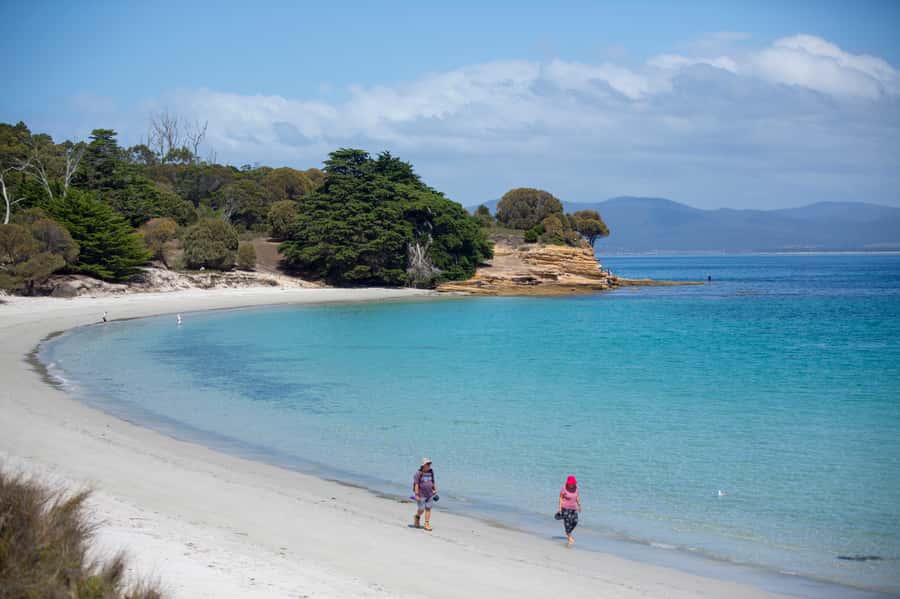
The coast also gives you room to pause. Depending on the conditions and the group’s pace, you may have chances to look into rockpools, spend time near the beach, and take photographs. Do not expect a long, leisurely beach day. The main purpose is to see the cliffs and keep the full walking program on schedule.
A completely different kind of day out in Australia:
- Sydney: Opera House Guided Tour with Entrance Ticket
★ 4.8 · 8,312 reviews - All Inclusive Blue Mountain,Scenic World,Lunch,Koalas,ferry
★ 5.0 · 7,832 reviews - Great Ocean Road Small-Group Eco Tour from Melbourne
★ 5.0 · 6,607 reviews - From Melbourne: Great Ocean Road, 12 Apostles, Wildlife Tour
★ 4.7 · 6,020 reviews
Fossil Cliffs: Ancient Rock and Open Sea
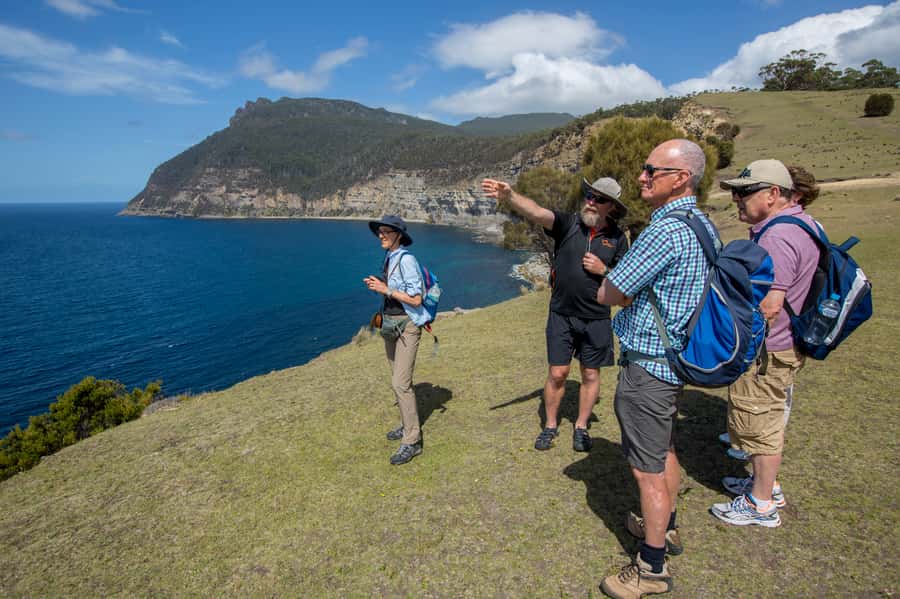
The Fossil Cliffs walk adds a completely different kind of interest. This route is another easy 4.5-kilometre circuit, crossing windswept hills and following the western side of Maria Island beside cliffs containing fossils around 300 million years old.
The Painted Cliffs are about colour and erosion. Fossil Cliffs are about geological time. Exposed fossils make the age of the rock tangible, even if you are not a geology enthusiast. You can look at a cliff and think in terms of hundreds of millions of years rather than human lifetimes or colonial settlement.
This is also the more exposed section of the day. Wind can affect comfort and pace, and the hills may feel more demanding after the earlier walk. One traveller described the second part as less spectacular than the wildlife and first stops, while still enjoying the island overall. That is a fair expectation: Fossil Cliffs rewards curiosity and wide views more than dramatic, close-up formations.
The best approach is to treat this as a change of subject rather than a second Painted Cliffs. Look down at the rock, look outward to sea, and let the guide connect the geology to the island’s wider story.
Wildlife Is the Main Event
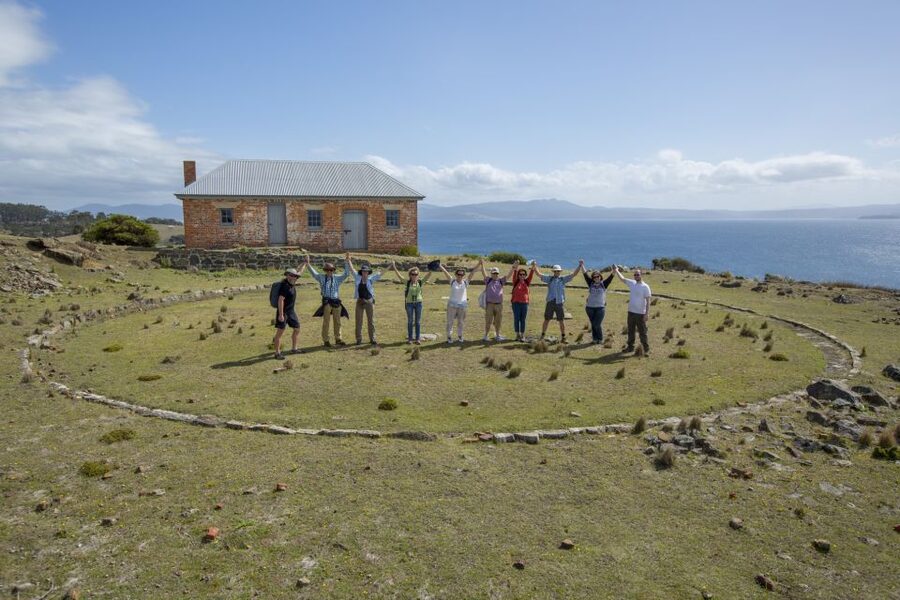
Maria Island’s animals are not confined to a viewing platform. Wombats, wallabies, kangaroos, pademelons, Cape Barren geese, bandicoots, possums, and Tasmanian devils are all associated with the island. Sightings are never guaranteed, but the repeated encounters described on this tour show why the island has such a strong wildlife reputation.
Wombats are the stars. Several tours have produced sightings of two, three, or four wombats, and one group even saw a baby wombat. You may find them near paths or in open areas, but the guide’s skill in spotting animals makes a real difference. Guides such as Heather, Ben, Lucas, and Nick have been praised for knowing where to look and for encouraging respectful viewing.
You should keep your distance and avoid crowding an animal for a photograph. A good guide will help you see more without turning the island into a wildlife circus. Ben, in particular, was praised for balancing close encounters with care for the environment.
You may see plenty of kangaroos and wallabies even if a wombat remains elusive. One tour had excellent wallaby and kangaroo sightings but no wombats, which is a useful reminder not to book this as a guaranteed wombat encounter. The island is the attraction, not a controlled animal show.
Look up as well as down. Cape Barren geese and other birds add variety, while rockpools may reveal small marine life if you stop, listen, and look carefully. The pace allows for wildlife stops, but you still need to stay with the group.
How Hard Is the Walking?
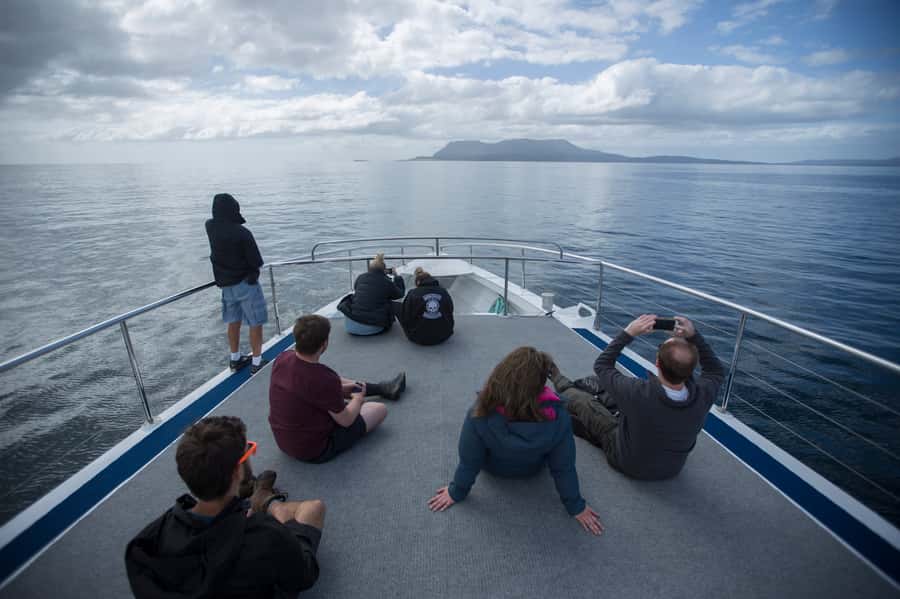
The tour involves approximately 10 kilometres of walking across varied, unpaved terrain. The two main cliff routes are each about 4.5 kilometres, with the rest of the distance coming from the settlement and connecting sections.
Most of the walking is described as easy, with some small hills and at least one short incline. That does not make the day effortless. Ten kilometres can feel substantial when you add ferry transfers, wind, sun, and time outdoors.
I would recommend this tour if you regularly walk for several hours and can manage uneven surfaces without help. It is not suitable for wheelchair users, people with mobility impairments, or children under eight. The minimum age is eight, but younger children still need to be comfortable with a full day of walking.
The guides can adjust options to the group and conditions, particularly during winter. That flexibility is helpful, but it does not turn the tour into a short sightseeing trip. Bring a daypack, water, sunscreen, a hat, and layers. You will also want food because meals and drinks are not included.
Food, Water, and What to Pack
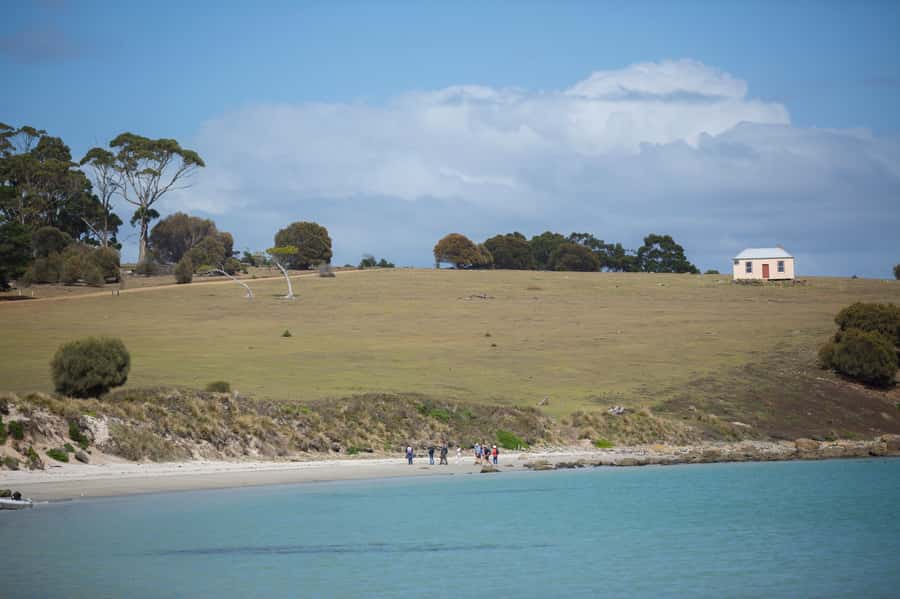
The biggest practical weakness is the lack of included food or water. One person specifically wished the operator supplied at least water in the vehicle, and that is a reasonable point. Carrying enough water for a full walking day is less convenient, but you should not cut it short.
Pack:
- A filling lunch and snacks
- A reusable water bottle
- Sunscreen and a hat
- A warm jacket and weatherproof layers
- Comfortable clothes for outdoor activity
- Closed-toe walking shoes
- A small daypack
Large bags and luggage are not allowed. Pack lightly and keep your hands free for walking, photography, and ferry boarding.
The weather can be unpredictable in spring, and rain or wind does not necessarily cancel the day. A recent wet outing still included long walks, scenery, and animal sightings, but you should be ready for conditions to change. A dry bag or waterproof cover for your phone is sensible, though it is not specifically required.
Small Groups Make a Real Difference
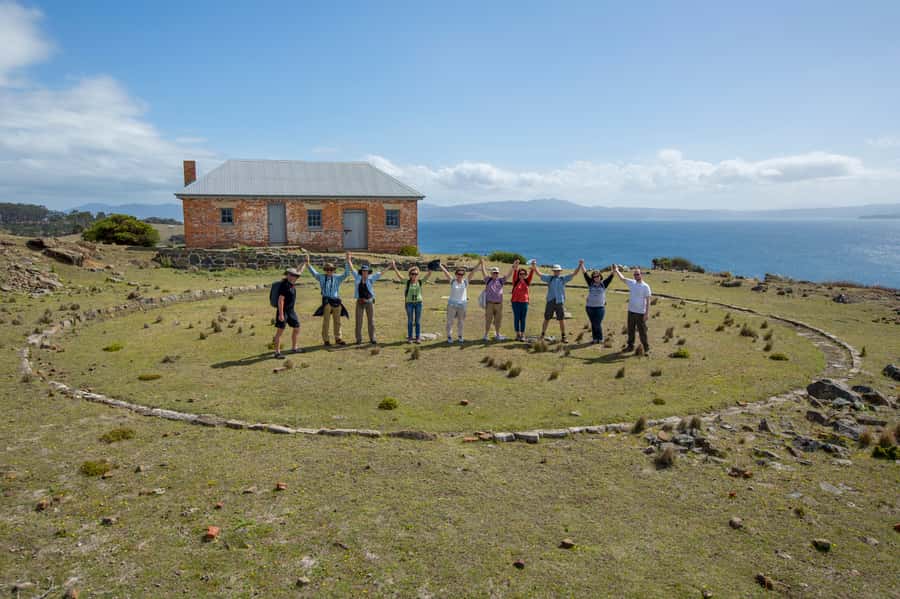
The small-group format is one of the strongest features. A group of six can feel almost like a private outing, with more room to ask questions and less waiting at every stop.
It also helps with wildlife. A guide can point out a wombat or bird without trying to manage a large crowd. The day feels calmer, and the guide can make practical choices based on walking speed, weather, and animal activity.
There is one tradeoff. A slow member of the group can reduce time for lunch or beach breaks, since the ferry sets a firm end point. One older group found the lunch pause too short after a long day on foot. If you need frequent rests, tell the guide early and be realistic about the distance.
Guides have been praised for being friendly, relaxed, and good at storytelling. Names including Heather, Hannah, Zayn, Clinton, Nick, Trevor, Pete, and Lucas appear in strong feedback about this experience. The individual guide will vary, but the consistent praise points to a tour where personal interpretation is a major part of the value.
Is $152 a Fair Price?
At $152, you are paying for more than a ferry ticket. The price includes the return bus and ferry transport, the Maria Island national park fee, a small-group experience, an English-speaking guide, guided walks, and interpretation.
You could potentially visit Maria Island independently, but you would need to arrange transport from Hobart, the ferry, park access, route planning, and timing. You would also lose the guide’s help with wildlife spotting and the historical and geological explanations.
The value is strongest if you have only one day available from Hobart and want someone else to handle the connections. It is less attractive if you mainly want to sit on a beach, travel with a large amount of luggage, or choose your own walking pace.
The tour returns to the Tasmanian Travel and Information Centre at about 5:00pm. That gives you an evening back in Hobart, though the early start and long walk may leave you ready for a quiet dinner.
Who Should Book This Tour?
You should book it if you want:
- A full day outdoors rather than a short scenic stop
- A good chance of seeing wombats and other free-roaming animals
- Convict history, geology, and coastal scenery in one outing
- A guide who can explain the island and adjust the day
- Transport from Hobart without arranging each connection yourself
You may want another option if you dislike early starts, cannot comfortably walk 10 kilometres, or want plenty of unstructured beach time. The itinerary is active and purposeful. It gives you a broad taste of Maria Island, but it does not leave hours for simply doing nothing.
Free cancellation is available up to two days before departure for a full refund. That is useful when Tasmania’s weather forecast looks uncertain, although you should still expect to pack for rain, wind, sun, and cool conditions.
Final Verdict: A Strong Choice for Active Nature Lovers
I would recommend the Maria Island National Park Active Full-Day Tour to anyone who wants wildlife and scenery with real context. The wombats may be the emotional high point, but Darlington, the Painted Cliffs, and the Fossil Cliffs keep the day from becoming a single-animal mission.
The strongest reasons to go are the small group, the guides’ wildlife spotting, and the range of experiences packed into one day. The main cautions are the 10 kilometres of walking, limited time for a relaxed lunch or beach stop, and the need to carry your own food and water.
Book it if you want to return to Hobart tired, sunlit, and full of stories about an island where wombats wander past convict buildings and ancient fossils face the sea. Skip it only if the walking demands do not fit your trip.
FAQ
How long does the Maria Island tour take?
The tour lasts 10 hours and returns to the Tasmanian Travel and Information Centre in Hobart at about 5:00pm.
Where does the tour depart from?
The meeting point is the Tasmanian Travel and Information Centre at 20 Davey Street, Hobart. Summer departure is at 6:45am, with a 6:40am meeting time. Winter departure is at 8:00am, with a 7:55am meeting time.
How much walking is involved?
You should prepare for approximately 10 kilometres of walking on varied, unpaved terrain. The Painted Cliffs and Fossil Cliffs walks are each about 4.5 kilometres.
Are meals and drinks included?
No. You need to bring your own food and drinks, including enough water for the full outdoor day.
What animals might I see?
Maria Island is home to wombats, wallabies, kangaroos, pademelons, Cape Barren geese, bandicoots, possums, Tasmanian devils, and other birdlife. Sightings are not guaranteed.
Is the tour suitable for children or people with mobility impairments?
The minimum age is eight. The tour is not suitable for children under eight, wheelchair users, or people with mobility impairments because of the walking distance and unpaved terrain.
Just added around Australia
- From Goolwa: Half-Day Coorong Experience★ 4.9 · 129 reviews
- Great Ocean Road Lux Tour Max 11 Hotel Pickup★ 4.8 · 129 reviews
- Kangaroo Island Scenic Nature and Wildlife Day Tour★ 5.0 · 129 reviews
- Blue Mountains Small-Group Insider Tour from Sydney★ 4.5 · 130 reviews
- McLaren Vale Small Group Wine Tour★ 5.0 · 130 reviews
- Virtual Room – 40-50min VR Escape Game Adventure for 2+ Players★ 5.0 · 130 reviews
- Darwin: Adelaide River Half-Day Jumping Crocs Cruise★ 4.3 · 130 reviews
- Melbourne City Highlights Small Group Tour★ 5.0 · 131 reviews
National Parks, compared.
Litchfield National Park and Jumping Crocodile Cruise
Read our review →
Grampians National Park Small-Group Eco Tour from Melbourne
Read our review →
From Port Arthur: Tasman Island Wilderness Cruise
Read our review →
Blue Mountains National Park Tour with River Cruise
Read our review →
From Hobart/Adventure Bay: Bruny Island Wilderness Cruise
Read our review →
Port Arthur Full-day Guided Tour with Harbour Cruise and Tasman National Park
Read our review →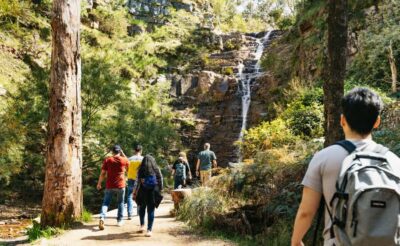
Grampians National Park Small-Group Eco Day Tour
Read our review →
Bruny Island Wilderness Coast Eco Cruise with Lunch
Read our review →Browse the lists this tour appears in