
Reviewed · SHOPPING TOURS
Melbourne: Gangsters, Brothels and Lolly Shops Tour
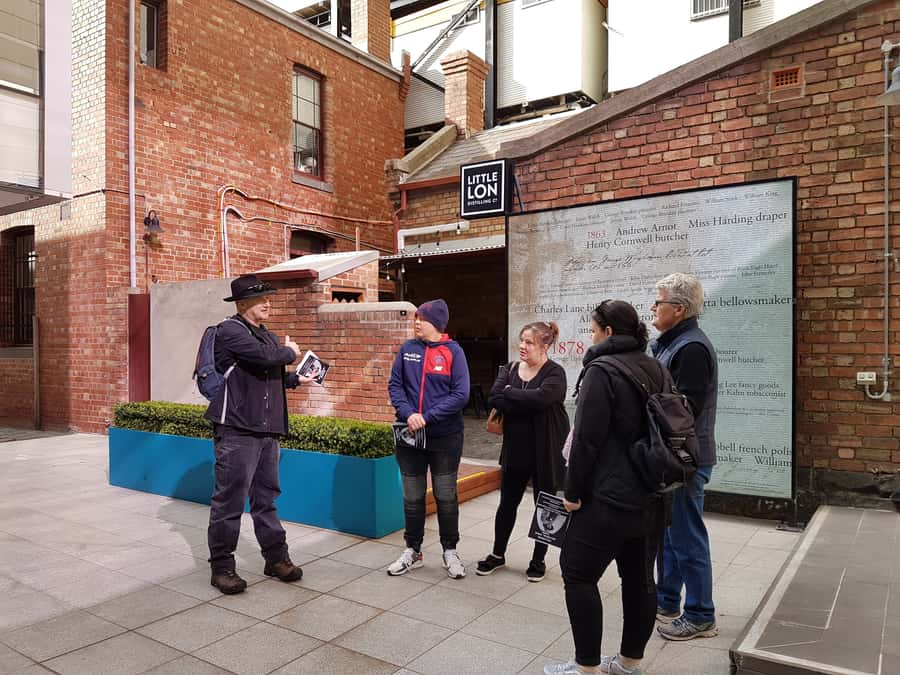
Little Lon was Melbourne’s city within a city. This two-hour walk traces the former slum and red-light district through alleys, cottages, sly grog shops, brothels, and old drug venues. I love the way guide Michael Shelford connects real buildings with sharp, memorable stories. I also like that the route is compact, so you get plenty of history without wearing out your feet.
The subject matter is adult and sometimes grim, covering violence, prostitution, addiction, and crime. You should also expect periods of standing while Michael talks, and winter weather can be cold and wet. Still, the $35 price is strong value for a focused walk led by a writer and historian.
In This Review
- Five things that make this walk special
- Meeting Melbourne’s Little Lon
- The women who controlled the brothels
- Standing outside Squizzy Taylor’s old home
- Former brothels and houses of ill-fame
- Lolly shops, sly grog, and secret trade
- Opium dens and all-night cocaine cafes
- Melbourne’s last back-lane cottage
- Michael Shelford’s storytelling style
- Walking comfort, weather, and accessibility
- Is $35 good value?
- Who should book this tour?
- How to prepare for the two-hour walk
- Should you book Melbourne’s Little Lon tour?
- FAQ
- How long does the Gangsters, Brothels and Lolly Shops Tour last?
- How much does the tour cost?
- Where does the tour meet?
- What language is the tour conducted in?
- Is the tour wheelchair accessible?
- What should I wear?
- What period of Melbourne history does the tour cover?
- Can I cancel the booking?
Five things that make this walk special
- Little Lon’s women-led underworld: Learn how madams and an all-female crime syndicate called The Combine fought to control the district.
- Squizzy Taylor’s former home: Stop outside the old residence of one of Australia’s best-known gangsters.
- Old lolly shops with darker business: Discover why confectionery stores could offer much more than sweets and soft drinks.
- Opium dens and cocaine cafes: See where Melbourne’s older drug culture operated and hear about the people who used these places.
- A rare single-storey cottage: Visit the last remaining cottage of its type in Melbourne’s back lanes.
- A useful tour booklet: Take home photographs of the characters who shaped this part of the city.
Meeting Melbourne’s Little Lon
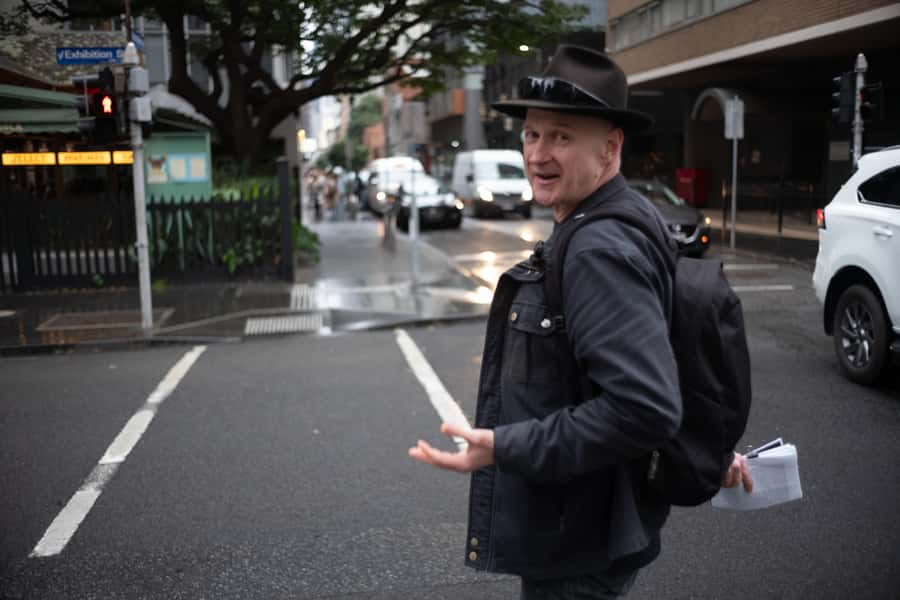
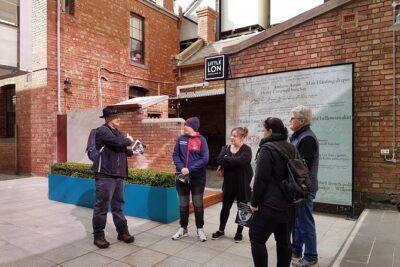
The walk begins at 282 Exhibition Street, outside the Coopers Inn Hotel. The group leaves at the stated starting time, so arrive a few minutes early rather than relying on a last-second sprint through downtown. If you are slightly late, you may spot the group in the small paved park across the lane, but that is not a guarantee.
From the start, Michael Shelford places Little Lon in the period from the 1850s through the 1940s. That time span matters. You are not hearing one isolated gangster tale. You are following several generations of businesses, residents, police battles, and changing attitudes toward alcohol, sex, gambling, and drugs.
The district once functioned as a poor inner-city neighborhood with a reputation for vice. Today, you walk through central Melbourne, often surrounded by ordinary modern streets. The pleasure of the tour comes from seeing how much of the older setting survives in fragments, and from learning what once happened behind plain brick walls.
Michael’s style is a major part of the experience. He is a writer and historian who has spent years researching Melbourne’s past. His delivery is lively, detailed, and often humorous without turning the subject into a joke. I would choose this walk for someone who enjoys a strong story more than a list of dates.
A few more Melbourne trips worth weighing up
- Queen Victoria Market Ultimate Foodie Tour
★ 5.0 · 295 reviews - Melbourne Historical Walking Tour: Crime, Gangsters & Lolly Shops
★ 5.0 · 137 reviews - Melbourne Flavors: Queen Victoria Market Food Tour
★ 4.8 · 63 reviews
The women who controlled the brothels
The central surprise is that Little Lon was largely run by women. The tour gives attention to the madams who managed houses, dealt with customers, protected their interests, and resisted pressure from police and gangsters.
That focus makes the walk more useful than a simple catalogue of famous criminals. You hear about women making difficult choices in a rough district, building businesses, and defending their ground. Their role also complicates the usual picture of Melbourne’s old underworld as a male world of gang fights and backroom deals.
Michael explains the conflict between the madams and figures such as Squizzy Taylor. You learn about the battle for control and the way crime networks operated around the brothels, drinking venues, and alleys. The all-female group known as The Combine adds another unexpected angle. It shows that organized crime in Melbourne had more than one face.
The stories include shootings, bashings, robberies, bombings, and police confrontations. This is not a polished version of the past. If you prefer gentle architectural walks, the subject matter may feel heavy. If you like social history with real human conflict, the difficult material gives the streets meaning.
Standing outside Squizzy Taylor’s old home
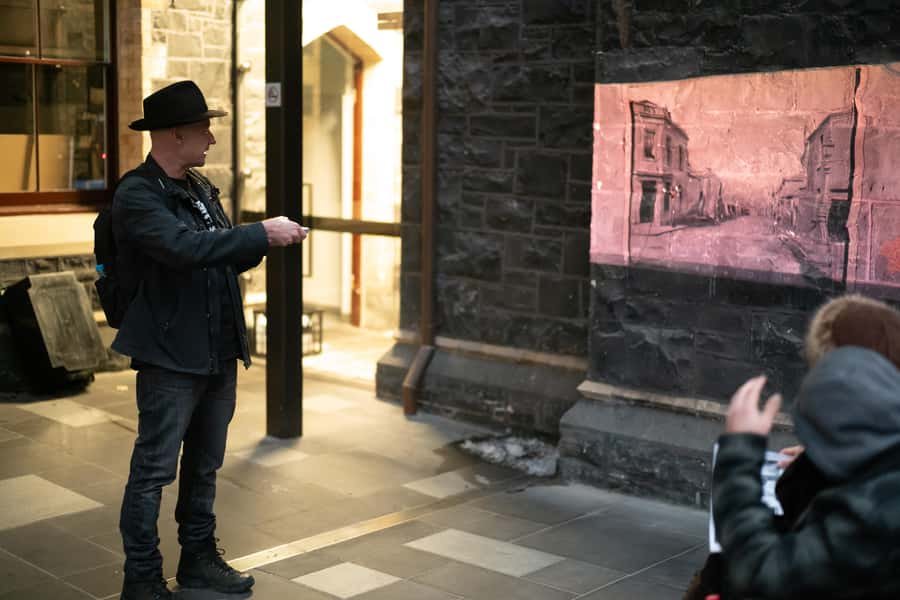
One stop takes you outside the former home of Squizzy Taylor, Australia’s most famous gangster. You do not enter the property, so the value comes from the setting and Michael’s explanation of the man, his reputation, and the world around him.
This is a good example of how the walk works. A building that might look unremarkable on your own becomes part of a larger story. You can picture the connections between a gangster’s home, nearby drinking places, brothels, police activity, and the narrow routes through the district.
The tour does not rely only on one celebrity criminal. Squizzy Taylor is an anchor, but Michael uses him to explain the wider struggle for power. That balance is important. You get the famous name, then move beyond it to the less familiar characters who made the neighborhood function.
Former brothels and houses of ill-fame
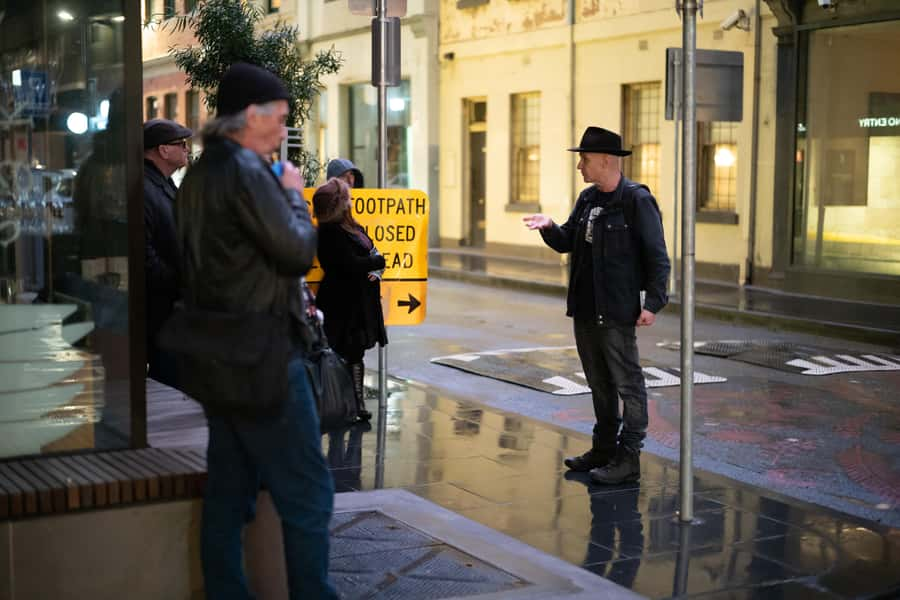
Several stops are outside buildings that were once known as houses of ill-fame. You hear what took place inside and how the surrounding streets and lanes were used.
Because the tour stays outside, this is a walking history lesson rather than an interior attraction. That can be a limitation if you want preserved rooms or museum displays. On the other hand, looking at the actual streets helps you connect the old stories to the modern city.
Michael’s explanations bring out the gap between appearance and purpose. A doorway, cottage, or commercial frontage may have had a very different role a century ago. The tour asks you to look twice at places that most people would pass without a thought.
The route is not especially long. One person who joined the walk praised the fact that the group did not need to walk far to see the main sites. Another would have preferred more walking and less standing. That is a fair description of the tradeoff: this is an information-heavy walk, not a fast-moving city hike.
A completely different kind of day out in Melbourne:
- Great Ocean Road Small-Group Eco Tour from Melbourne
★ 5.0 · 6,607 reviews - From Melbourne: Great Ocean Road, 12 Apostles, Wildlife Tour
★ 4.7 · 6,020 reviews - Laid back, Yarra Valley Wine Tour: Wine, Cider, Gin, Beer + Choc
★ 5.0 · 4,552 reviews - Great Ocean Road Reverse Itinerary Boutique Tour – Max 11 Guests
★ 5.0 · 4,186 reviews
Lolly shops, sly grog, and secret trade
The title’s lolly shops are not just a playful hook. The tour explains how confectionery shops could serve as fronts or meeting places where adults found more than sweets and soft drinks.
You also stop outside former sly grog shops. These were unlicensed drinking venues, similar in spirit to speakeasies. Michael describes how they operated and what happened in and around them, giving you a better sense of how people sought alcohol when official rules restricted its sale.
This part of the tour is especially good for understanding everyday life. Crime was not limited to dramatic robberies or gang battles. It could involve small businesses, local customers, police pressure, and quiet arrangements that kept an illegal trade moving.
The lolly shop stories also show why Melbourne’s old city districts can be easy to misread. The modern name or appearance of a business tells you little about its earlier role. You will likely leave with a habit of wondering what other ordinary-looking shops once offered.
Opium dens and all-night cocaine cafes
The walk also covers former opium dens and all-night cocaine cafes. Michael introduces the people who used these places and explains how drug culture formed part of Melbourne’s urban life during the period covered by the tour.
This section may surprise you because it challenges the idea that opium and cocaine were foreign or distant problems. They were part of the city’s own commercial and social world. The stories add another layer to Little Lon, where legal and illegal activities could sit close together.
The tone remains historical rather than sensational. You hear about venues, habits, and characters, along with the wider world that allowed these businesses to exist. The material includes addiction and crime, so it is not suitable for every child or for anyone expecting a light-hearted confectionery tour.
Still, the range of subjects is one reason I find the experience worthwhile. In two hours, you move from prostitution and gangsters to drugs, policing, gender, and working-class city life. The subjects connect rather than feeling like unrelated shock stories.
Melbourne’s last back-lane cottage
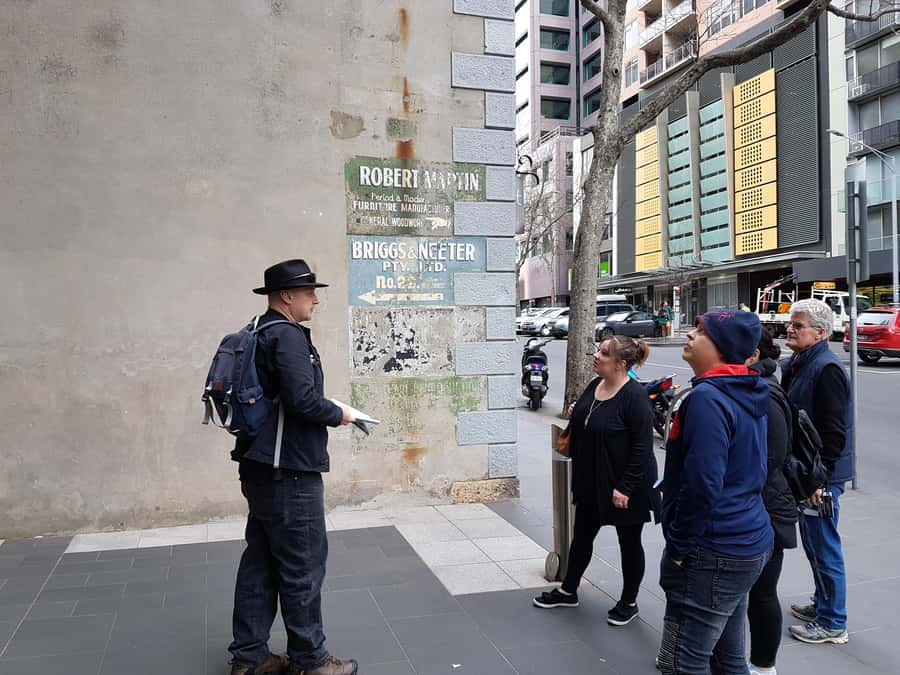
A particularly appealing stop is the last remaining single-storey cottage in Melbourne’s back lanes. It gives you a physical reminder of the homes and modest buildings that once filled this part of town.
The cottage is valuable because it shifts attention away from famous criminals. Buildings tell you about the people who lived and worked near the brothels, drinking venues, and drug cafes. A small surviving home can say as much about the district as a gangster’s name.
Do not expect a large historic site or a restored museum interior. The charm is in seeing a rare survivor in its urban setting. Michael’s interpretation supplies the detail that the building itself cannot provide.
This stop also helps explain the compact nature of the walk. Little Lon’s story is concentrated in a small area, so you spend more time examining places and listening than marching from landmark to landmark.
Michael Shelford’s storytelling style
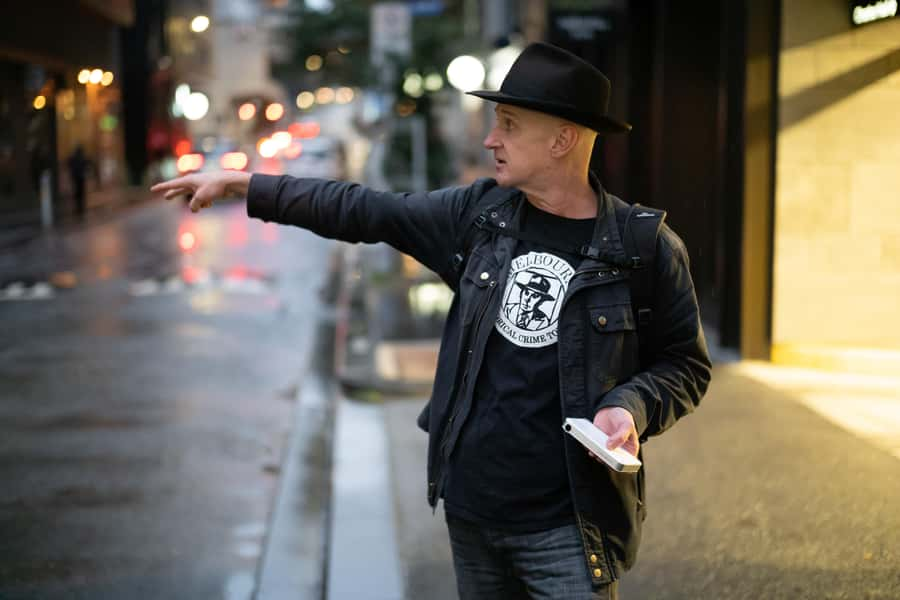
The strongest part of the tour is Michael’s command of the material. He answers questions, keeps the group involved, and tells stories with enough detail to make the characters memorable.
His research is not presented as a dry lecture. He adds names, motives, rivalries, and small details that help you follow the human drama. Several people who had taken his other walks returned for this one, including a Fitzroy tour, and some planned to join his Collingwood walk as well.
That repeat interest makes sense if you enjoy local history. Michael does not simply point out old buildings. He explains how Melbourne changed and why the remaining streets matter.
The free booklet helps after the tour. It includes photographs of the people discussed, giving you faces to match with the stories. I would keep it if you want to read more later or compare the old images with the streets you have just walked.
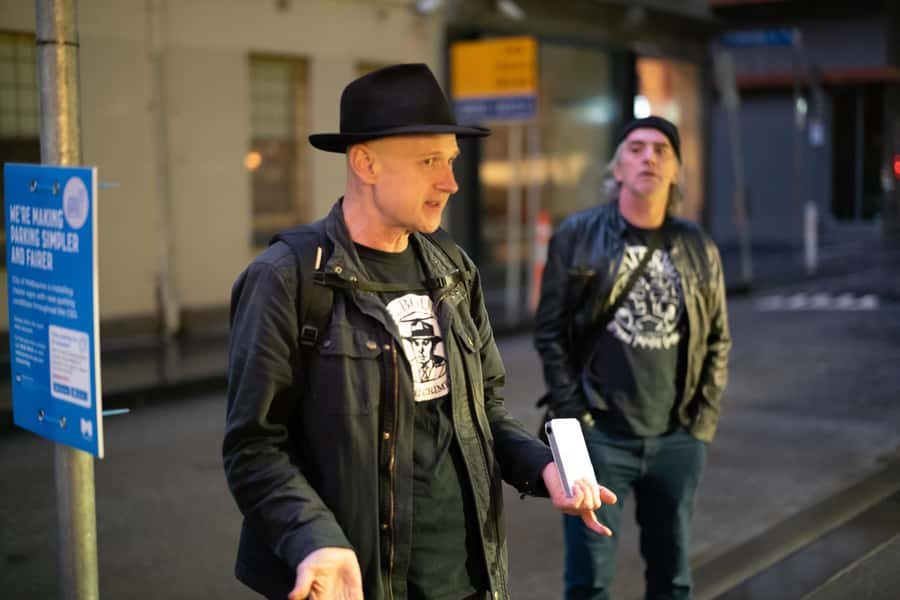
One practical note: Michael has sometimes been described as easy to identify by his tour guide hat and umbrella, but you should not depend on that if weather or circumstances change. Focus on the meeting point and starting time.
Walking comfort, weather, and accessibility
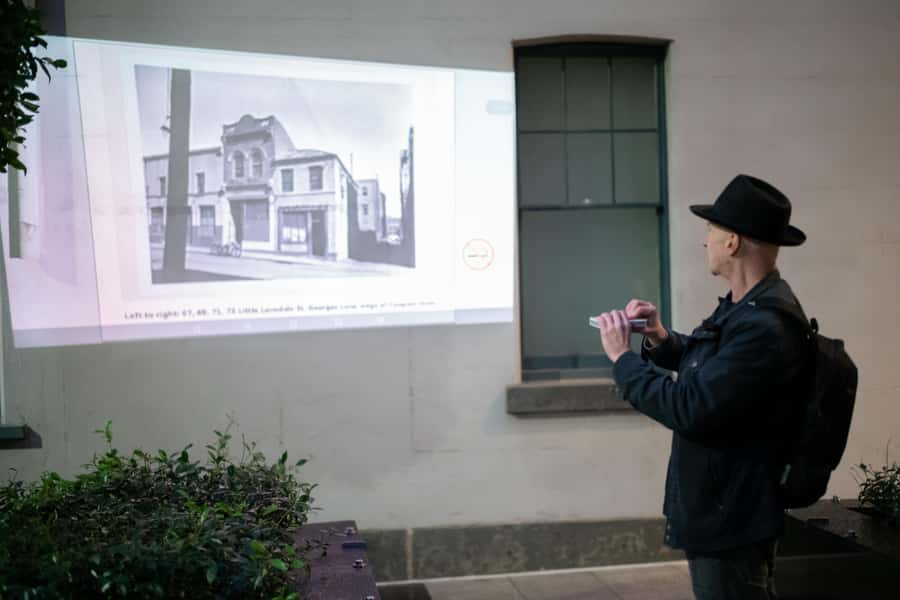
The tour lasts two hours and is wheelchair accessible. Comfortable shoes are still a good idea because you will be outdoors and moving between streets and laneways.
The walk does not require a long trek. Most stops are close together, which suits you if you want substantial content without a strenuous outing. The downside is that you may spend a fair amount of time standing while Michael explains each location.
Dress for the forecast. Sunscreen and weather protection are sensible in warm or bright conditions, while a warm jacket is important in winter. One participant joined during freezing rain and still enjoyed the experience, but Melbourne weather can make any outdoor tour less pleasant.
The tour is delivered in English. If you need another language, this experience will not meet that need based on the available information.
Is $35 good value?
At $35 per person, I consider this a good-value city tour. You receive two hours with a specialist guide, a focused route through an unusual part of Melbourne, and a booklet with photographs.
There are no stated admissions to historic interiors or attractions, so you are paying mainly for Michael’s research and interpretation. That is exactly where the value lies. Without the guide, you would see streets and buildings. With him, you get the stories that explain their former roles.
One booking was described as costing $50 when made at the last minute, so prices may vary by booking conditions. At the stated $35 rate, the walk is easier to recommend, especially for local people who want to understand their own city. If you want lots of movement, interior access, or visual exhibits, you may judge the value differently.
The option to cancel up to 24 hours before the start for a full refund also reduces the risk of booking. You can reserve now and pay later, which is useful if your Melbourne plans are still shifting.
Who should book this tour?
I would recommend it to adults interested in crime, social history, urban change, and unusual city stories. It is also a strong choice for Melbourne residents. Several people who already knew the city learned new things about streets they had walked past many times.
You should book it if you enjoy a guide who talks at length and welcomes questions. You should skip it if you want a quiet architecture stroll, a family attraction centered on sweets, or a tour with little standing.
The subject matter is best for mature audiences because it includes prostitution, violence, drugs, and illegal drinking. The presentation is lively, but the history itself can be confronting.
How to prepare for the two-hour walk
Arrive at 282 Exhibition Street, at the Coopers Inn Hotel, before the tour starts. Since the group leaves on time, a few spare minutes will make the beginning calmer.
Wear shoes you can comfortably walk and stand in. Bring sunscreen and weather protection according to the forecast, and add warm clothing in winter.
I would avoid scheduling a demanding activity immediately afterward. Two hours is not physically intense, but the amount of information is high. Give yourself time to think about the stories, or continue exploring central Melbourne with a new understanding of its back lanes.
Should you book Melbourne’s Little Lon tour?
Book it if you want Melbourne told through its outsiders, criminals, working women, police battles, and small businesses. Michael Shelford’s strongest gift is turning ordinary-looking streets into places with clear human stakes.
At $35, the short route and expert storytelling make this a sensible buy. Just know what you are choosing: plenty of standing, outdoor conditions, and adult subject matter, with the reward of a sharp, unusual look at Melbourne from the 1850s to the 1940s.
FAQ
How long does the Gangsters, Brothels and Lolly Shops Tour last?
The walking tour lasts two hours.
How much does the tour cost?
The stated price is $35 per person. One booking was recorded at $50 when made at the last minute, so the amount may vary.
Where does the tour meet?
The group meets at 282 Exhibition Street, outside the Coopers Inn Hotel.
What language is the tour conducted in?
The live tour is conducted in English.
Is the tour wheelchair accessible?
Yes, the experience is listed as wheelchair accessible.
What should I wear?
Wear comfortable shoes for walking. Sunscreen and protection from the weather are recommended according to conditions. Warm clothing is wise in winter.
What period of Melbourne history does the tour cover?
The tour focuses on Melbourne’s underworld from about the 1850s through the 1940s.
Can I cancel the booking?
Yes. You can cancel up to 24 hours in advance for a full refund. You can also reserve now and pay later.
Just added around Melbourne
- Shore Excursion Melbourne, Sights, Kangaroos, Koalas Lunch & Wine★ 5.0 · 24 reviews
- Around the Bay Sightseeing and Bay Cruise★ 5.0 · 24 reviews
- Melbourne Scenic Sunset Cruise with Bar & City Views★ 4.4 · 25 reviews
- Melbourne Coffee Lovers Walk★ 4.8 · 25 reviews
- Phillip Island Medium Size Group Tour★ 4.5 · 25 reviews
- Melbourne: 1-Hour Hot Air Balloon Flight at Sunrise★ 4.6 · 25 reviews
- Marvellous Melbourne: A Self-Guided Audio Tour★ 4.5 · 26 reviews
- Melbourne to Adelaide: 2-Day Great Ocean Road Grampians Tour★ 4.8 · 26 reviews
Shopping Tours, compared.
Melbourne Historical Walking Tour: Crime, Gangsters & Lolly Shops
Read our review →
Small-Group Adelaide Central Market Early Breakfast Tour
Read our review →
Melbourne Flavors: Queen Victoria Market Food Tour
Read our review →
“Discover Hahndorf: Wine, Cheese, Beer, Shops & Lunch Day Trip”
Read our review →
Port Arthur Historic Site on Saturday including Salamanca Market
Read our review →Browse the lists this tour appears in