
Reviewed · MELBOURNE TOURS
Melbourne Laneways Tour
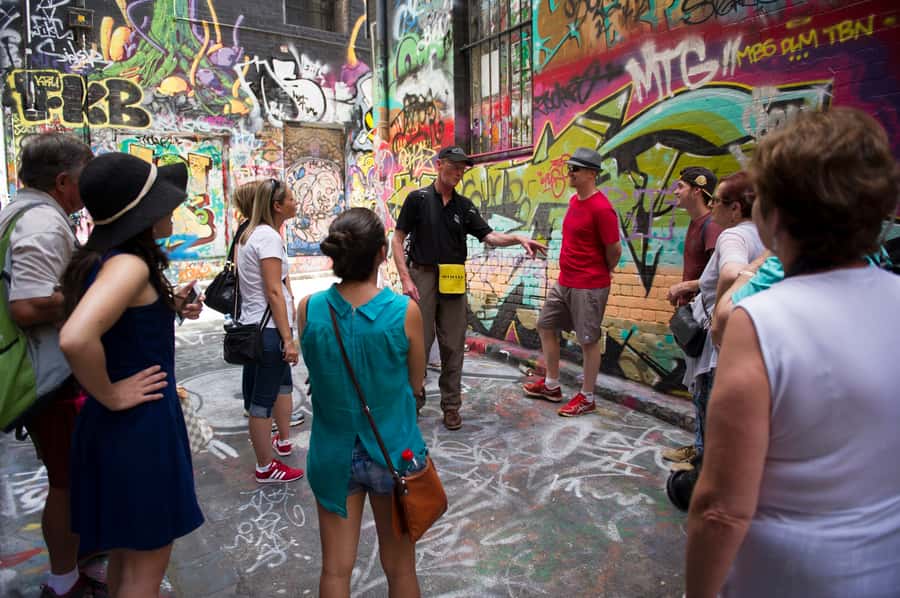
Melbourne hides its best stories in narrow streets. This three-hour walking tour takes you beyond the famous city grid to laneway cafés, small galleries, unusual shops, old buildings, and changing street art. I like the way it connects Melbourne’s gold-rush past with its modern creative culture, and I like that a local guide helps you notice details you would likely walk past alone. The main consideration is simple: this is a walking tour, so comfortable shoes matter, and small laneways require extra care when crossing.
The small group, limited to 10 people, should appeal if you prefer conversation over a guide speaking to a crowd. Guides such as Kathy, San, John, Sam, and Katie have been praised for their storytelling, warm manner, and practical recommendations. The coffee stop is a welcome break, but the tour does not include a full meal, and three hours can feel short if you want to linger at every artwork or café.
In This Review
- Key Points To Know Before You Book
- Starting Beside St Paul’s Cathedral
- How Melbourne’s Laneways Became Part of the City
- Street Art Beyond the Obvious Walls
- Cafés, Galleries, Shops, and Small Discoveries
- Architecture Alongside the Graffiti
- The Pace, Group Size, and Walking Conditions
- The Guides Make the Difference
- Is $91 a Fair Price?
- Who Will Enjoy This Three-Hour Walk?
- Booking and Meeting Tips
- Should You Book the Melbourne Laneways Tour?
- FAQ
- Where does the Melbourne Laneways Tour meet?
- How can I identify the guide?
- How long does the tour last?
- What language is the tour in?
- How many people are in the group?
- Is coffee included?
- Is the tour wheelchair accessible?
- Can families with children under 13 join?
- What should I wear?
- What is the cancellation policy?
Key Points To Know Before You Book
- Start at St Paul’s Cathedral: Meet on the front walkway between the main Flinders Street entrance and the Swanston Street side door.
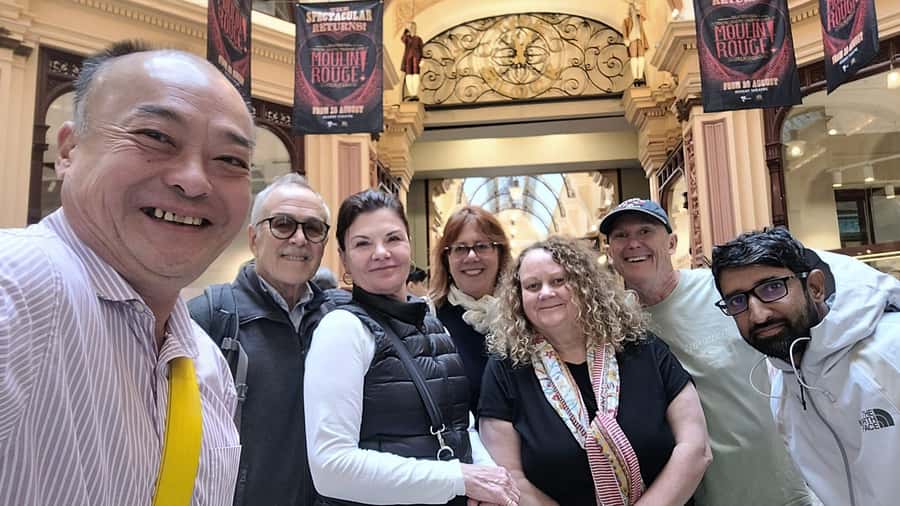
- Look for the blue bag: Your guide carries a blue bag with a yellow sash, making the meeting point easier to spot.
- Expect a small group: The tour is limited to 10 participants, allowing questions and a more flexible pace.
- See more than street art: The walk combines architecture, city planning, cafés, galleries, shops, and stories from Melbourne’s gold-rush era.
- Plan for a full three hours: Some past tours have run around two and a half hours, but you should allow the full stated duration.
- Book early in your stay: The guide’s restaurant, bar, gallery, and shopping tips can help shape the rest of your Melbourne visit.
Starting Beside St Paul’s Cathedral
The meeting point is easy to identify in central Melbourne: St Paul’s Cathedral, at the corner of Flinders Street and Swanston Street. You meet on the church’s front walkway, between the main entrance on Flinders Street and the side door on Swanston Street.
Look for the guide with a blue bag and yellow sash. That small detail is useful in a busy central area, especially if several groups are gathering near the cathedral, station, or tram stops.
Beginning beside St Paul’s Cathedral gives the walk a useful sense of place. You are not simply being led toward decorated alleys. You start among major civic buildings and streets, then gradually move into the tighter lanes where Melbourne’s smaller stories are easier to miss.
I would book this tour near the beginning of your stay. Guides regularly offer suggestions for places to eat, drink, shop, and visit later. Those tips are more useful when you still have several days left to use them.
A few more Melbourne trips worth weighing up
- Great Ocean Road Small-Group Eco Tour from Melbourne
★ 5.0 · 6,607 reviews - From Melbourne: Great Ocean Road, 12 Apostles, Wildlife Tour
★ 4.7 · 6,020 reviews - Laid back, Yarra Valley Wine Tour: Wine, Cider, Gin, Beer + Choc
★ 5.0 · 4,552 reviews
How Melbourne’s Laneways Became Part of the City
The main value here is not just finding photogenic walls. Your guide explains how Melbourne developed, including the city’s growth during the gold-rush period and its role in the birth of modern Australia.
That context gives the narrow streets a purpose. You learn to view the lanes as part of the city’s working structure, not simply as backdrops for photographs. The tour also looks at how older buildings, arcades, service lanes, and newer creative spaces fit together.
This is where a guide adds real value. You can walk central Melbourne alone, but you may not know why a lane was built, what an old façade once served, or how a forgotten passage connects with the broader city plan. John has been praised for explaining the development of Melbourne’s lane system, while San has been singled out for clear stories about the city’s past.
The approach is broad but not academic. You get history, architecture, culture, and local anecdotes in one walk. If you want a formal architectural lecture, this may feel light. If you want useful context delivered in an easy, conversational way, it should suit you well.
Street Art Beyond the Obvious Walls
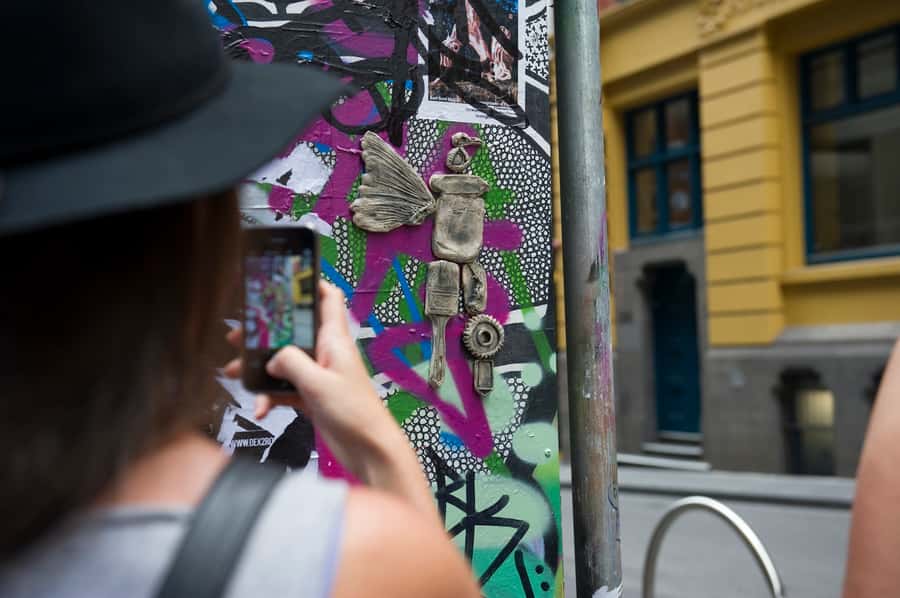
Street art is one of the tour’s strongest draws, but the experience is not limited to the most photographed lanes. Your guide points out smaller pieces, changing work, and details hidden above eye level or around a corner.
Specific examples mentioned during past walks include work associated with Banksy’s parachute rats and small Space Invader mosaics. Street art changes, so you should not treat any single piece as guaranteed. The better reason to take the tour is the way your guide helps you read the area and spot work you might otherwise overlook.
You may also see artists at work. One particularly memorable moment involved finding a street artist on a ladder, painting in the lane. That kind of encounter cannot be scheduled, but the tour’s pace leaves room for the city to provide occasional surprises.
Photography is a natural part of the walk. Guides have helped groups find good angles and take photos at strong viewing points. Still, remember that laneways are working public spaces. People may be moving through them, businesses may be operating, and artwork can be painted over or altered.
I like that the tour treats street art as part of Melbourne’s current culture rather than an isolated attraction. You see it alongside older architecture, cafés, galleries, and shops. The result is a more useful picture of the city than a quick list of famous walls.
Cafés, Galleries, Shops, and Small Discoveries
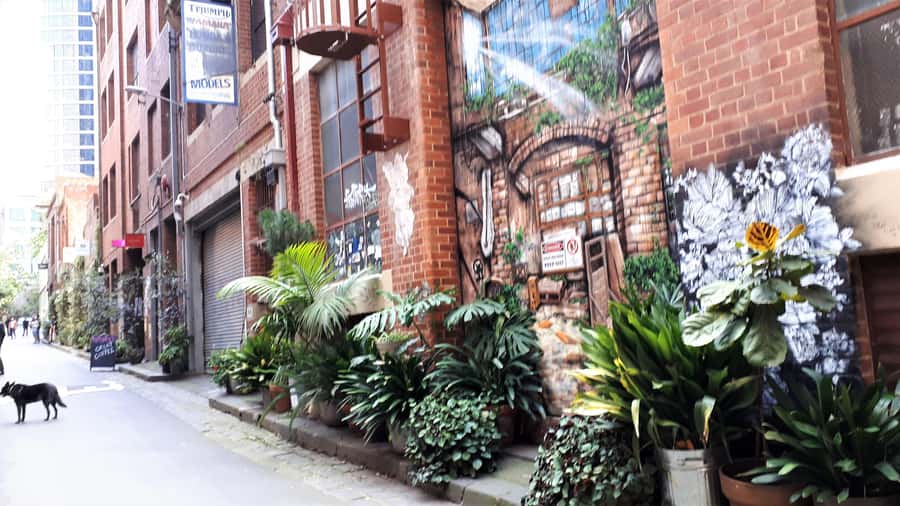
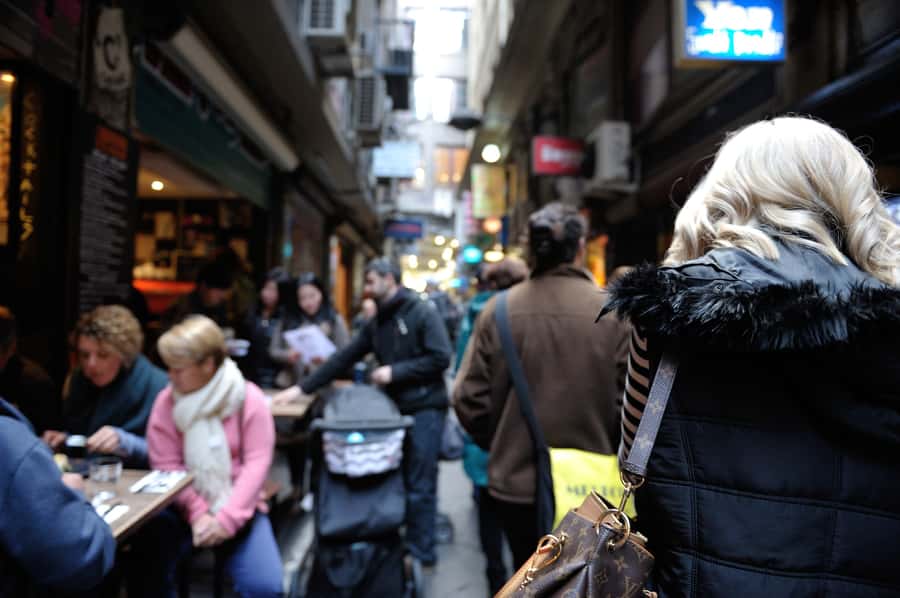
The route includes a coffee stop, which breaks up the walking and gives the group time to chat. It is a modest inclusion, but a worthwhile one. Melbourne’s café culture is part of the city’s identity, and stopping for coffee makes the experience feel connected to ordinary city life.
The coffee is not a full food experience, so do not arrive expecting lunch. If you need a substantial meal, eat beforehand or plan one afterward. The guide can also offer suggestions for backstreet restaurants and bars, although you may want to write those recommendations down because a three-hour tour includes a lot of information.
The walk also visits secret galleries and small shops tucked away from the main streets. The exact places can vary, and the supplied details do not promise entry to every business. Think of these stops as introductions to the city’s less obvious corners rather than a shopping itinerary.
This part of the tour is especially useful if you like places with a local, independent feel. You get a sense of how Melbourne uses small spaces. An unassuming doorway, arcade, or side passage may lead to a café, gallery, shop, or piece of art that is easy to miss without help.
Kathy has been praised for giving additional recommendations for galleries, restaurants, bars, and shopping areas. That makes her style particularly helpful if you want to continue exploring after the official tour ends.
A completely different kind of day out in Melbourne:
- Great Ocean Road Reverse Itinerary Boutique Tour – Max 11 Guests
★ 5.0 · 4,186 reviews - Penguin Parade, & Wildlife Encounters Eco Tour from Melbourne
★ 5.0 · 3,774 reviews - Melbourne: Yarra Valley Wine, Gin, Whisky and Chocolate Tour
★ 5.0 · 3,667 reviews - Great Ocean Road Tour w/ Deluxe Minibus & Top-Rated Guide
★ 4.8 · 2,644 reviews
Architecture Alongside the Graffiti
A common mistake is to think of Melbourne’s laneways as an art-only attraction. The tour gives equal attention to buildings and the way old and new architecture meet.
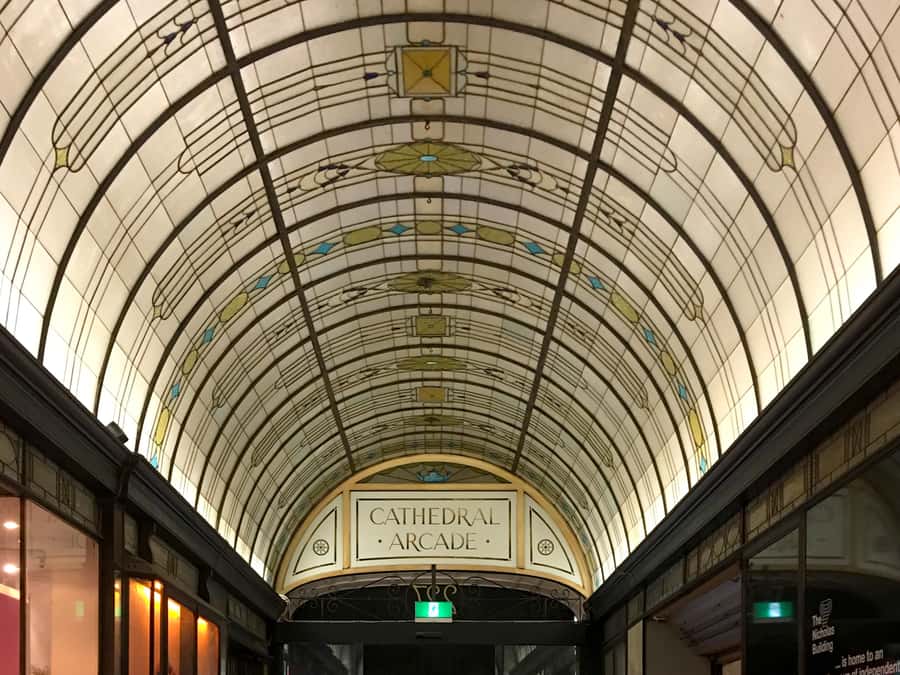
You can expect explanations of historic structures, unusual façades, arcades, and the city’s changing appearance. The contrast is part of the appeal: a weathered building may sit beside a brightly painted wall, while a narrow passage leads back toward grander streets and civic landmarks.
The architectural material also helps explain why Melbourne feels layered. The tour connects physical details with the city’s growth, rather than asking you to admire buildings without context. I find that particularly useful in a city where small details can be easy to miss.
This is not a museum tour, and you should not expect long interior visits or a fixed list of major monuments. The experience works outdoors, through movement and observation. Rain, glare, or crowded lanes could affect how comfortably you see and photograph things, so check the forecast and dress for a proper walk.
The Pace, Group Size, and Walking Conditions
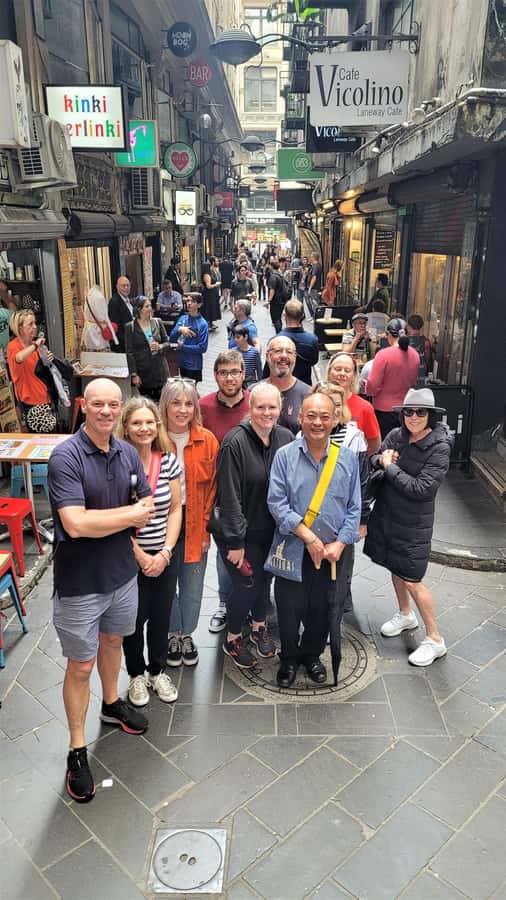
Three hours is long enough to cover a good portion of central Melbourne without turning the outing into an exhausting full-day commitment. Past participants have described the pace as manageable, and one guide was praised for adjusting to people who wanted to pause.
The tour is limited to 10 participants. That matters in narrow lanes. A small group can stop without blocking as much space, and you have a better chance to ask about a building, artwork, or café as you go.
You should still wear suitable footwear. The route uses city streets and laneways, and the walk involves standing, turning, and moving through pedestrian areas. It is not described as a hard walk, but it is not a seated sightseeing experience either.
Controlled pedestrian crossings are used whenever possible. When crossing small laneways, you are responsible for watching for vehicles and other hazards. Keep your attention on the surroundings, especially when taking photographs.
The activity is listed as wheelchair accessible. Families with children under 13 and people with disabilities can be catered for on a private tour. If that applies to you, make arrangements in advance rather than assuming the standard small-group walk will meet every need.
Guides are qualified in Level 2 first aid. You should tell the guide about any outstanding health issues before setting out.
The Guides Make the Difference
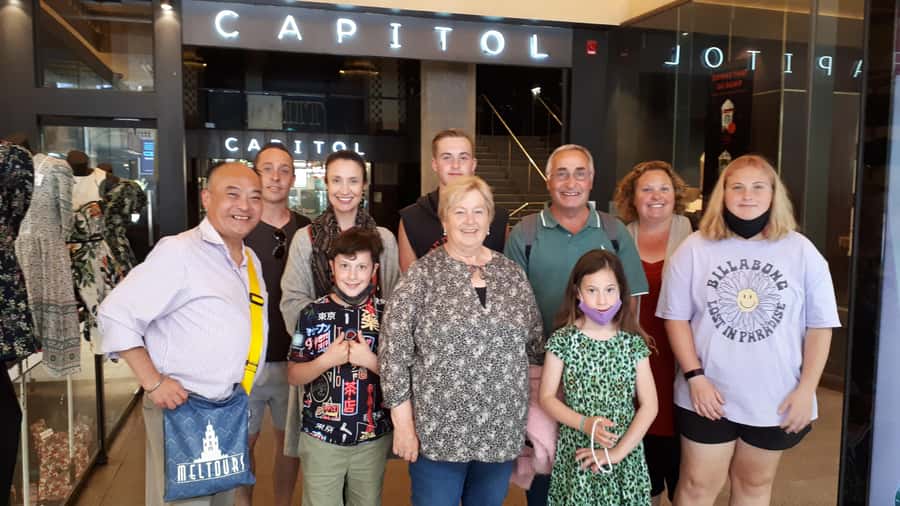
The route itself is only part of the product. Much depends on who leads your group.
Kathy is repeatedly praised for her enthusiasm, warmth, and detailed knowledge of Melbourne’s art, architecture, and past. She has also helped people with practical matters, including getting back onto the correct tram after the walk.
San is described as clear, friendly, and passionate about Melbourne. His style seems to work well for visitors who want solid historical information without a stiff presentation. John is praised for his humor, clear voice, good pace, and ability to explain the city’s lane system in an engaging way.
Sam and Katie have also received positive comments for their friendly and informative approach. The guide assigned to you will affect the tone, but the consistent pattern is encouraging: this is a guide-led experience, not a simple walk between photo stops.
A good guide also knows when to keep moving. Three hours can fill quickly with stories, photos, questions, and the coffee stop. The best moments are likely to come from small observations and anecdotes rather than a long speech at every location.
Is $91 a Fair Price?
At $91 per person, this is not the cheapest way to walk through Melbourne. You can enter many central lanes on your own for nothing, and a coffee purchased separately will not cost much.
The value comes from the interpretation. You are paying for three hours of local guidance, a small group, historical context, art spotting, architectural explanation, and recommendations for the rest of your visit. If you would otherwise spend half a day wandering without knowing what you are seeing, the price becomes easier to justify.
It is also better value for first-time visitors who want to get their bearings quickly. Several people have found the tour useful for navigating the city afterward. You may come away with a short list of places to return to, which adds value beyond the scheduled walk.
For repeat visitors or Melbourne residents, the price is harder to assess. Yet the route can still reveal details you have missed, even if you already know the central city. One long-time local said the tour taught them things they had never learned despite living in Melbourne for most of their life.
The included coffee is a pleasant extra, not the reason to book. The real purchase is the guide’s eye and the stories attached to places you could technically visit alone.
Who Will Enjoy This Three-Hour Walk?
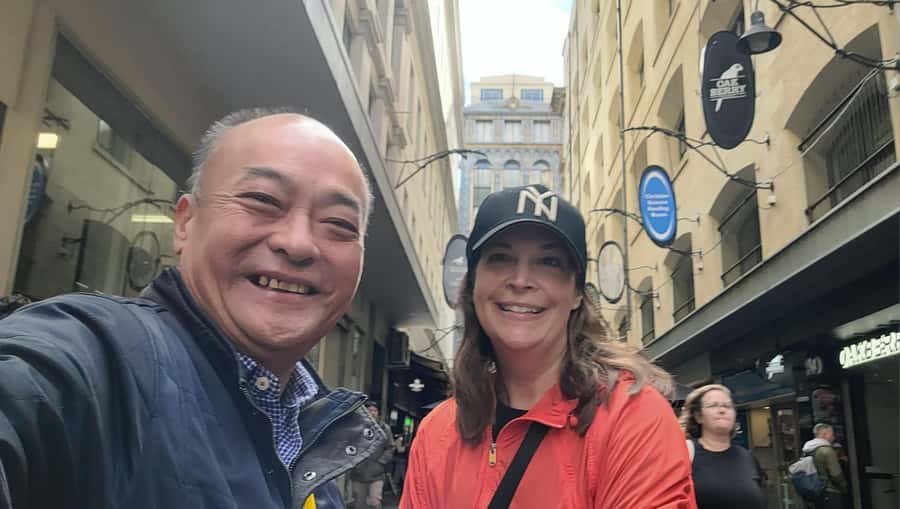
I would recommend the tour to first-time Melbourne visitors, couples, solo visitors, curious locals, and anyone who likes cities best when explored on foot.
It is a strong choice if you enjoy:
- Street art with context rather than photo stops alone
- Architecture and urban history
- Small cafés, galleries, and independent shops
- Local food and drink suggestions
- Small groups and chances to ask questions
- A gentle introduction to central Melbourne
It may be less suitable if you dislike walking, need long periods of rest, or want a tightly fixed list of famous attractions. The exact mix of lanes, artworks, shops, and stories can vary, and not every stop will appeal equally to every person.
Families with younger children should ask about a private tour. The activity specifically notes that children under 13 and people with disabilities can be catered for privately.
Booking and Meeting Tips
You can cancel up to 24 hours before the activity for a full refund, which gives you some useful flexibility. You can also reserve now and pay later, so you do not need to pay at the time of booking.
Check the available starting times before choosing your date. The tour is conducted in English with a live guide, and the standard group is capped at 10 people.
Arrive with comfortable shoes, water, weather-appropriate clothing, and enough time to find the exact meeting spot at St Paul’s Cathedral. Keep the blue bag and yellow sash in mind.
I would also bring a small notebook or use your phone to record recommendations. Restaurant and bar suggestions can come quickly, especially when the guide is also explaining historical details and pointing out artwork.
Should You Book the Melbourne Laneways Tour?
Yes, if you want Melbourne to make more sense after three hours than it did before. The tour combines history, architecture, street art, cafés, galleries, and small shops without requiring a full day.
I especially like it as an early-city orientation. You get a feel for the central streets, learn where to look for less obvious places, and receive ideas for the rest of your stay. The small group and strong guide feedback make the $91 price reasonable for visitors who value context.
Skip it if you only want to wander freely, avoid walking, or prefer major landmarks over small details. For everyone else, book it early, wear good shoes, and leave room in your schedule to return to the lanes that catch your eye.
FAQ
Where does the Melbourne Laneways Tour meet?
It meets at St Paul’s Cathedral in Melbourne, at the corner of Flinders Street and Swanston Street. Meet on the front walkway between the main Flinders Street entrance and the side door on Swanston Street.
How can I identify the guide?
The guide will be carrying a blue bag with a yellow sash.
How long does the tour last?
The stated duration is three hours. Starting times vary, so check availability for your chosen date.
What language is the tour in?
The tour is conducted in English with a live tour guide.
How many people are in the group?
The tour is limited to 10 participants.
Is coffee included?
Yes. The experience includes a coffee stop.
Is the tour wheelchair accessible?
Yes, the activity is listed as wheelchair accessible. People with disabilities can also be catered for on a private tour.
Can families with children under 13 join?
Families with children younger than 13 can be catered for on a private tour. Contact the provider about arranging that option.
What should I wear?
Wear suitable footwear because this is a walking tour. You should also be prepared for changing outdoor conditions in Melbourne.
What is the cancellation policy?
You can cancel up to 24 hours in advance for a full refund. You can also reserve your place and pay later.
Just added around Melbourne
- From Melbourne: Peninsula Hot Springs & Bathing Boxes Tour★ 4.8 · 124 reviews
- Fitzroy True Crime Walking Tour★ 5.0 · 124 reviews
- Puffing Billy Penguin Parade Winery Chocolaterie All-in-One★ 4.5 · 128 reviews
- Great Ocean Road Lux Tour Max 11 Hotel Pickup★ 4.8 · 129 reviews
- Melbourne City Highlights Small Group Tour★ 5.0 · 131 reviews
- Melbourne: Reverse Great Ocean Road 12 Apostles with Lunch★ 4.6 · 131 reviews
- Melbourne sunrise balloon flight only★ 5.0 · 132 reviews
- Yarra Valley Full Day Gourmet Food, Wine & Gin Adventure★ 5.0 · 135 reviews
Melbourne Tours, compared.
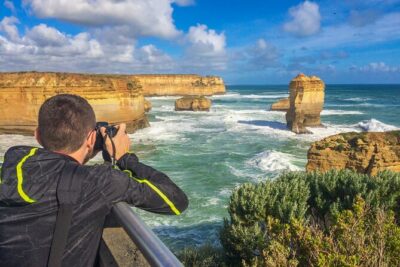
Great Ocean Road Small-Group Eco Tour from Melbourne
Read our review →

Laid back, Yarra Valley Wine Tour: Wine, Cider, Gin, Beer + Choc
Read our review →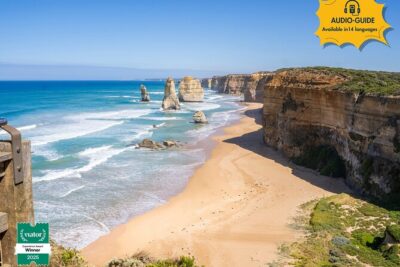
Great Ocean Road Reverse Itinerary Boutique Tour – Max 11 Guests
Read our review →
Penguin Parade, & Wildlife Encounters Eco Tour from Melbourne
Read our review →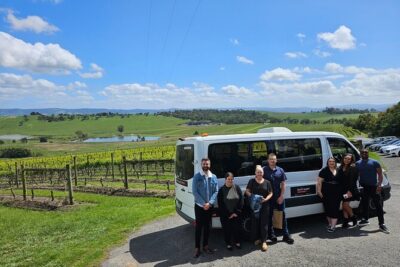
Yarra Valley Wine, Gin, Whisky and Chocolate Tour
Read our review →
Great Ocean Road Tour w/ Deluxe Minibus & Top-Rated Guide
Read our review →
Melbourne Great Ocean Rd Reverse Tour London Bridge Wildlife
Read our review →Browse the lists this tour appears in