
Reviewed · MUSEUMS
Melbourne: Melbourne Museum Entry Ticket
Dinosaurs are only the beginning. Melbourne Museum gives you a broad, thoughtful look at Victoria, from its forests and wildlife to Aboriginal culture, city life, human biology, and one enormous triceratops fossil. I especially like the low $12 price, which makes this an easy addition to a Melbourne day, and the way the museum mixes living displays with objects from the past.
I also like the range of galleries. You can spend time with serious science, then move to Phar Lap’s stable or let young children explore at their own pace. The main drawback is simple: this is not a quick stop. You should allow at least three hours, and anyone who enjoys museums could easily spend five.
In This Review
- Key Points Before You Go
- What the $12 Melbourne Museum Ticket Covers
- Starting With Victoria’s Natural World
- Meeting Horridus, the 1,000-Kilo Triceratops
- Science, Life, and the Human Body
- Melbourne’s Story and Phar Lap’s Stable
- Bunjilaka and Living Aboriginal Culture
- A Practical Stop for Families With Young Children
- How to Plan Your Three Hours or More
- Accessibility and Small Practical Details
- Who Will Get the Most From Melbourne Museum?
- Should You Book the Melbourne Museum Ticket?
- FAQ
- How much does admission to Melbourne Museum cost?
- How long should I allow for Melbourne Museum?
- Is Horridus a real dinosaur fossil?
- Is IMAX Melbourne included in the museum ticket?
- Is Melbourne Museum wheelchair accessible?
- Can I cancel the ticket?
Key Points Before You Go
- Horridus is a real triceratops fossil: About 87 percent of its bones are original, and the skeleton weighs more than 1,000 kilos.
- The Forest Gallery is alive: Tall trees and wildlife give the museum a welcome change from rows of cases and panels.
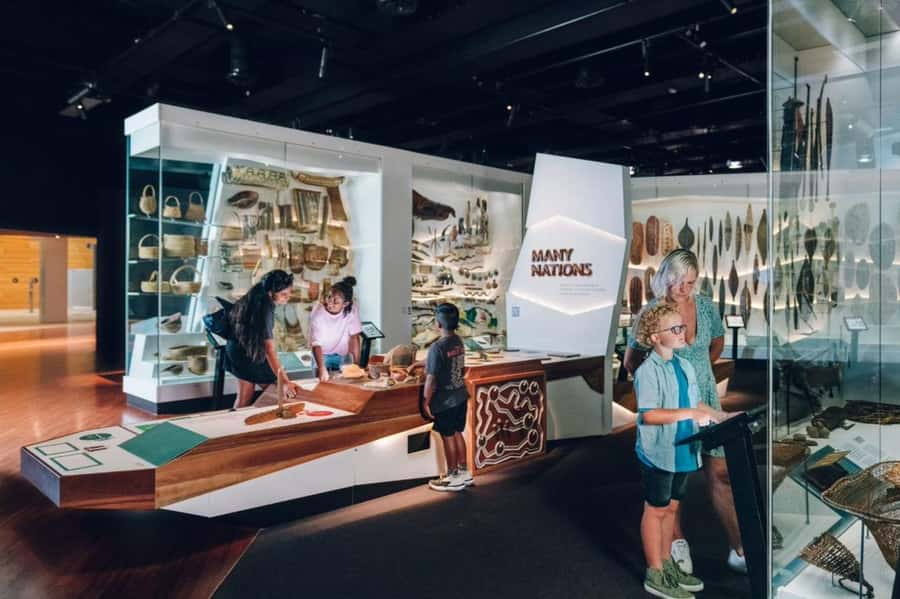
- Bunjilaka adds essential local context: The Aboriginal Cultural Centre presents Koori traditions and knowledge from Aboriginal cultures across Australia.
- The museum suits mixed-age groups: The Science and Life Gallery can interest adults, while the Children’s Gallery gives small children room to learn through play.
- Your ticket covers the museum only: IMAX Melbourne requires a separate ticket.
- Plan around temporary exhibitions: Check the museum website before visiting for schedules and possible closures.
What the $12 Melbourne Museum Ticket Covers
At $12 per person, this is one of the easier cultural purchases in Melbourne. Your admission covers Melbourne Museum for one day, with access to its permanent collections and any temporary exhibitions operating under the museum’s current schedule. IMAX Melbourne is not included, so keep that separate if you want a film as well.
The value comes from the museum’s range. You are not paying for one narrow display. Your ticket opens the door to natural science, human biology, dinosaurs, fossils, local history, Aboriginal culture, children’s activities, and the story of Melbourne itself.
I would not judge the ticket by the amount of time it takes to walk through the entrance. The useful question is how long you want to stay. With three hours, you can see the major galleries without racing. With five hours, you can take your time, read more of the displays, and give the Children’s Gallery or Bunjilaka the attention they deserve.
The booking is also fairly flexible. You can cancel up to 24 hours before the visit for a full refund, and the reserve now, pay later option lets you hold a place without paying immediately. These details matter most when you are arranging a Melbourne itinerary around changing weather or other timed activities.
More museum visits in Melbourne:
- Melbourne: MCG and Australian Sports Museum Guided Tour
★ 4.7 · 638 reviews - ArtVo Immersive Gallery Experience
★ 4.5 · 423 reviews - MCG Tour & Australian Sports Museum
★ 4.5 · 263 reviews
Starting With Victoria’s Natural World
The museum’s strongest quality is its local focus. It does not treat Victoria as a footnote to a larger world story. The galleries connect animals, plants, geology, people, and city life in a way that helps you understand the place you are visiting.
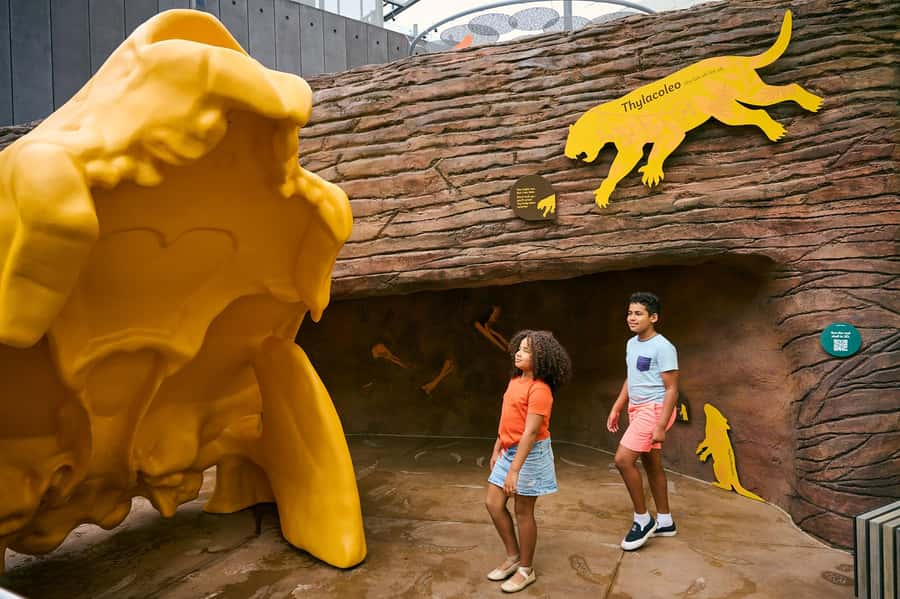
Begin with the Forest Gallery, described as the living heart of the museum. Instead of only looking at preserved material, you see tall trees and wildlife in a setting that gives the museum some breathing room. After several rooms of fossils or text, this change of pace is welcome.
The Forest Gallery also gives younger children something immediate to look at. They do not need to read long panels to understand that the display is alive and connected to the natural world. Adults can use it as a pause before continuing to the more information-heavy areas.
Do not treat this section as a quick corridor between galleries. It is one of the places that gives Melbourne Museum its character. You might find it especially useful early in your visit, when you are getting your bearings, or later, when you need a quieter change from displays about bones and human biology.
Meeting Horridus, the 1,000-Kilo Triceratops
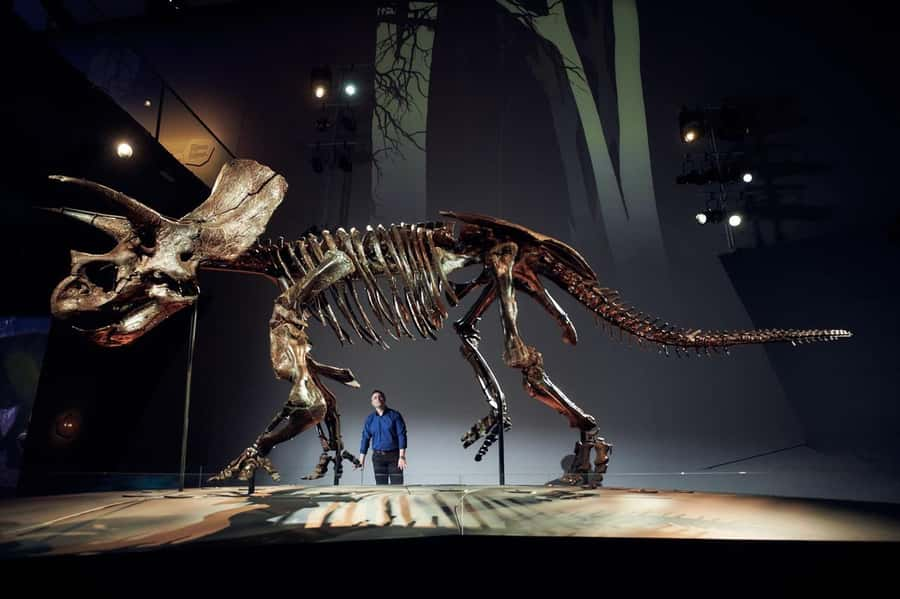
Horridus is the museum’s major crowd-puller, and the attention is deserved. This triceratops fossil comes from the late Cretaceous period and was unearthed in Montana, USA, beneath 3.5 meters of sandstone.
The scale is the first surprise. The fossil weighs more than 1,000 kilos, making it far more powerful than a picture in a book. The second surprise is how much of the skeleton is real. About 87 percent of Horridus consists of actual bones, making it the most complete real dinosaur fossil anywhere in Australasia.
That last point is worth keeping in mind as you look at it. Many dinosaur displays rely heavily on casts or reconstructed parts. Horridus gives you a close look at a largely original specimen, which changes the mood from theme-park spectacle to serious scientific object.
The triceratops display works for both dedicated dinosaur fans and people who normally pass quickly through fossil rooms. Children get the size and shape. Adults can appreciate the rarity and the work involved in uncovering a specimen buried so deeply in sandstone.
Because Horridus is likely to be one of the museum’s busiest attractions, you may want to make it an early priority. The supplied details do not specify crowd levels or timed entry for the fossil, so I would not promise a quiet viewing. Still, seeing it early gives you a strong anchor for the rest of the visit.
Science, Life, and the Human Body
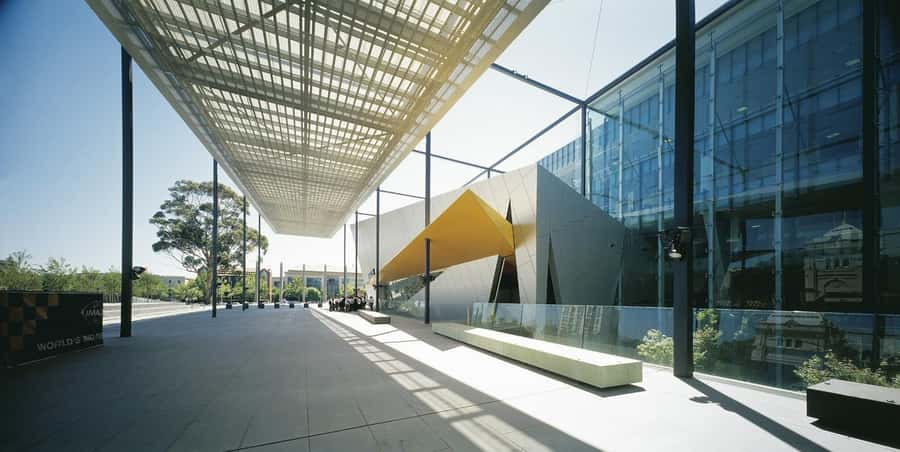
At the west end of the museum, the Science and Life Gallery brings together a wide spread of subjects. Expect displays about bugs, dinosaurs, fossils, animals, and human biology, rather than one single storyline.
This variety is useful if you are visiting with people who have different interests. One person can focus on fossils while another spends time with insects or human biology. You can also move between subjects without committing to a long, fixed route.
The tradeoff is that a broad gallery can feel less focused than a specialist museum. If you want one tightly organized scientific story, you may need to choose the sections that interest you most. If you like making connections between animals, bodies, and the natural world, the mix will work in your favor.
I would give this gallery at least 45 minutes, and longer if you read carefully. That is an estimate for planning rather than a fixed museum schedule. The official guidance is to allow at least three hours for the full experience, so do not spend your entire visit with the triceratops and expect to see everything else properly.
A few more Melbourne trips worth weighing up
- Great Ocean Road Small-Group Eco Tour from Melbourne
★ 5.0 · 6,607 reviews - From Melbourne: Great Ocean Road, 12 Apostles, Wildlife Tour
★ 4.7 · 6,020 reviews - Laid back, Yarra Valley Wine Tour: Wine, Cider, Gin, Beer + Choc
★ 5.0 · 4,552 reviews - Great Ocean Road Reverse Itinerary Boutique Tour – Max 11 Guests
★ 5.0 · 4,186 reviews
Melbourne’s Story and Phar Lap’s Stable
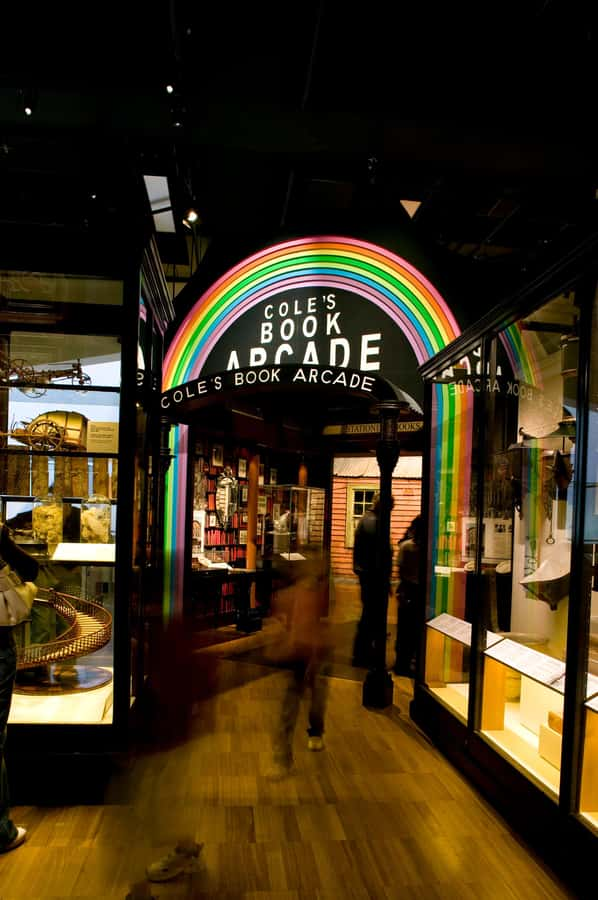
The Melbourne Gallery occupies the east end of the museum and turns your attention from broad science to the city itself. It tells the story of Melbourne through objects and exhibits connected to local life.
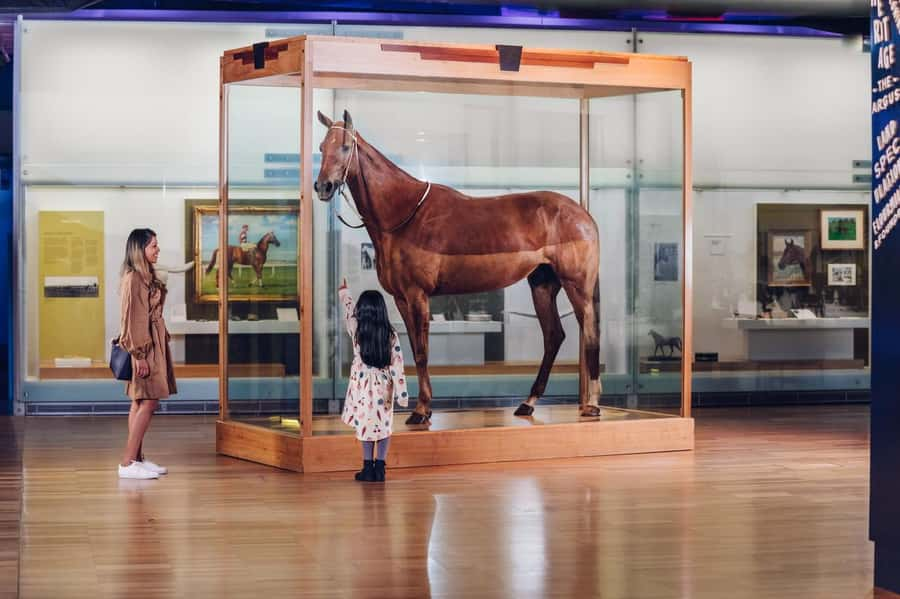
The most distinctive object named for this area is the stable of Phar Lap, Australia’s famous racehorse. It is an unusual museum piece because it connects a major public figure with a physical place. You are not simply reading about a horse. You are seeing part of the setting associated with its story.
For someone new to Melbourne, this gallery can help put the city around you into context. It is especially useful after visiting central Melbourne, because the city is no longer just streets, buildings, and cafés. The museum gives you a way to think about how Melbourne developed and what its residents have valued.
The city gallery may appeal less to a child who has arrived solely for dinosaurs. That is where planning helps. Let family members choose their priorities, then use the museum’s variety to keep the visit moving rather than insisting on every panel.
Bunjilaka and Living Aboriginal Culture
The Bunjilaka Aboriginal Cultural Centre is one of the most important parts of the museum. It presents the living traditions and knowledge of Koori people, along with other Aboriginal cultures from around Australia.
This section adds depth that a simple city-history gallery cannot provide. It places Aboriginal cultures within the present as well as the past, helping you see that these are continuing traditions, not only historical material.
Give Bunjilaka time. It is easy to spend too much of your visit chasing the biggest object in the building, then rush through cultural displays that ask for more attention. I would include this centre as a main stop, not an optional extra if you happen to have time.
The supplied information does not provide a detailed room-by-room route or the names of particular displays, so I would avoid arriving with a fixed checklist. Instead, allow yourself enough time to read and consider the material. This is the part of the museum best approached slowly.
A Practical Stop for Families With Young Children
The Children’s Gallery is designed for little kids to explore and learn in a playful setting. That makes a major difference on a long museum visit. Young children are not expected to spend three hours walking beside adults and quietly reading labels.
For families, this gallery can serve as both an attraction and a reset point. Children can have a more hands-on experience while adults get a short break from trying to keep everyone interested in a single exhibit.
The museum still works for adults without children, but the family focus is clear. If you are visiting as a couple or solo, you can simply move through this section quickly or skip it. If you have small children, build it into your plan rather than treating it as a backup.
Comfortable shoes are a sensible choice. The visit lasts a full day in terms of ticket validity, and the museum itself advises allowing at least three hours. Even when you move at a relaxed pace, the number of galleries means you will spend plenty of time on your feet.
How to Plan Your Three Hours or More

A practical route might look like this:
- Start with Horridus while your attention is fresh.
- Continue to the Science and Life Gallery for fossils, animals, bugs, dinosaurs, and human biology.
- Walk through the Forest Gallery for a change of pace.
- Spend focused time at Bunjilaka.
- Finish with the Melbourne Gallery and Phar Lap’s stable.
- Add the Children’s Gallery if you are visiting with young children.
- Leave time for temporary exhibitions if they are operating during your visit.
This order is not mandatory. You could begin with the Forest Gallery or Bunjilaka, especially if those are your main reasons for coming. The museum’s size and variety mean you should treat the route as a guide, not a timed tour.
A three-hour visit should cover the major areas at a steady pace. Five hours is realistic if you read widely, have children, or want to give the Aboriginal Cultural Centre and temporary exhibitions proper attention. One recorded visit lasted five hours, which tells you how much time the museum can absorb when you are not rushing.
There is no guided tour included in the admission. The activity information identifies English as the language for the host or greeter, but the ticket is fundamentally a self-directed museum visit. That is good news if you like setting your own pace, though people looking for a dedicated guide should adjust their expectations.
Accessibility and Small Practical Details

You arrive directly at Melbourne Museum, so there is no complicated meeting point or transfer to arrange. The museum is wheelchair accessible, which makes the broad range of galleries easier to plan for people with mobility needs.
Check the museum’s own website before setting out. Temporary exhibition dates and possible closures can change what is available, and the $12 ticket should not be judged against displays that are not operating on your chosen day.
IMAX Melbourne tickets are separate. If you are considering both, check the film schedule and the museum’s exhibition hours before booking so you do not create an awkward gap or miss a gallery.
The ticket is valid for one day. That gives you freedom to spend the time you need rather than squeezing the museum into a short timed slot. Still, the available starting times should be checked when you book, since the ticket information directs you to availability for the visit.
Who Will Get the Most From Melbourne Museum?
I would recommend this experience to families, dinosaur enthusiasts, first-time visitors who want local context, and anyone looking for a weather-proof cultural activity in Melbourne. The Children’s Gallery gives the youngest members of a group something to do, while Horridus gives older children and adults a clear highlight.
It also suits visitors who prefer museums with several subjects under one roof. You can move from wildlife to human biology, then to Aboriginal culture and the history of Melbourne without buying separate admissions.
The museum may be less suitable if you want a short, highly focused attraction. It is not designed as a 45-minute stop. The wide selection is its strength, but it also means you need to make choices.
People with limited time should concentrate on Horridus, the Forest Gallery, Bunjilaka, and the Melbourne Gallery. People with a full afternoon can add the Science and Life Gallery, the Children’s Gallery, and any temporary exhibitions.
Should You Book the Melbourne Museum Ticket?
Yes, if you have at least three hours and want more than a single headline exhibit. The $12 admission is strong value for the range of material included, and Horridus alone gives the visit a memorable centerpiece. The Forest Gallery, Bunjilaka, Phar Lap’s stable, and the family areas keep the museum from feeling like a one-dinosaur stop.
Book it if you enjoy setting your own pace and want a broad look at Victoria’s environment, culture, science, and city life. Skip it only if your Melbourne schedule is too tight for a substantial museum visit, or if you mainly want IMAX, which requires a separate ticket.
FAQ
How much does admission to Melbourne Museum cost?
The entry ticket costs $12 per person.
How long should I allow for Melbourne Museum?
Allow at least three hours for the full experience. The ticket is valid for one day, and a longer visit is possible if you want to read more displays or spend time in the family areas.
Is Horridus a real dinosaur fossil?
Yes. Horridus is an authentic triceratops fossil from the late Cretaceous period. About 87 percent of its bones are real, and the skeleton weighs more than 1,000 kilos.
Is IMAX Melbourne included in the museum ticket?
No. IMAX Melbourne tickets are not included and must be purchased separately.
Is Melbourne Museum wheelchair accessible?
Yes. Melbourne Museum is wheelchair accessible.
Can I cancel the ticket?
Yes. You can cancel up to 24 hours in advance for a full refund. A reserve now, pay later option is also available.
Just added around Melbourne
- Melbourne Coffee Lovers Walk★ 4.8 · 25 reviews
- Phillip Island Medium Size Group Tour★ 4.5 · 25 reviews
- Melbourne: 1-Hour Hot Air Balloon Flight at Sunrise★ 4.6 · 25 reviews
- Marvellous Melbourne: A Self-Guided Audio Tour★ 4.5 · 26 reviews
- Melbourne to Adelaide: 2-Day Great Ocean Road Grampians Tour★ 4.8 · 26 reviews
- Puffing Billy Steam Train and Penguins Wildlife Tour★ 5.0 · 26 reviews
- Melbourne City Scenic Helicopter Ride★ 5.0 · 26 reviews
- Airport Transfers – Chauffeur Car & Limo Services of Melbourne★ 5.0 · 27 reviews
Museums, compared.
Bundaberg Rum Behind The Scenes Distillery Tour And Museum Experience
Read our review →
Sydney Cricket Ground (SCG) and Museum Walking Tour
Read our review →
Broome Trio Afternoon Adventure: Brewery, Museum & Crocodile Park
Read our review →

Bundaberg: Brew Tasting and Self-Guided Gallery Tour
Read our review →
Australian National Maritime Museum Entry Ticket – Holiday Ticket
Read our review →Browse the lists this tour appears in