
Reviewed · WILDLIFE & ZOO EXPERIENCES
Rockhampton: Koorana Crocodile Farm Guided Tour
Crocodiles turn a farm visit into a lesson. Koorana Crocodile Farm gives you a close look at these powerful reptiles while explaining their behavior, conservation, and commercial use. I like the hands-on photo with a small crocodile, and I also like the farm walk, where staff feed the larger animals. The main consideration is the heat and sun, since much of the tour takes place outdoors.
This 90-minute experience costs $28 per person, which is fair for a guided visit that includes the talk, video, farm walk, feeding session, and small croc photo opportunity. Guides such as Kia and Mel have earned praise for their humor, energy, and clear explanations. If you want a quiet wildlife encounter with no surprises, this may feel lively and a little confronting, especially when the feeding begins.
In This Review
- Key points to know before you go
- Arriving at Queensland’s first commercial crocodile farm
- The opening talk explains conservation and commercialisation
- The farm walk brings you close to the crocodiles
- Holding a small crocodile for a photograph
- Eggs, nests, and the crocodile life cycle
- How much value does the $28 price offer?
- Heat, sun, and practical preparation
- Who will enjoy this tour most?
- Points to consider before booking
- Booking flexibility and timing
- Should you book Koorana Crocodile Farm?
- FAQ
- How long is the Koorana Crocodile Farm tour?
- How much does the tour cost?
- Is the tour conducted in English?
- Can I hold a small crocodile?
- When can I see crocodile eggs or hatching?
- What should I bring?
Key points to know before you go
- Queensland’s first commercial crocodile farm: You learn how crocodile conservation connects with farming and commercial use.
- A real hands-on moment: You can hold a small crocodile for a photograph under staff supervision.
- Feeding is part of the farm walk: The staff show how the crocodiles respond when food arrives.
- Seasonal hatching adds extra interest: Nest raids and egg collection take place from December to February, while hatching is expected from February to May.
- Strong guide-led experience: Kia and Mel are praised for making the talk lively, informative, and enjoyable.
- Prepare for outdoor conditions: Wear comfortable shoes and bring water, sunscreen, a hat, and insect repellent.
Arriving at Queensland’s first commercial crocodile farm
Koorana Crocodile Farm is near Rockhampton on Queensland’s Capricorn Coast. The visit is not simply a walk around animal enclosures. It is built around a guide-led explanation of how crocodiles live, behave, breed, and fit into both conservation work and commercial farming.
That framing matters. You are not just looking at a row of reptiles waiting for food. You are introduced to the reasons crocodile farms exist and the complicated relationship between protecting wild crocodiles and making use of crocodile products. The opening talk helps put the rest of the visit into context.
I like this approach because crocodiles can be easy to misunderstand. Their slow movements can make them look sleepy or harmless, yet their behavior changes quickly when food is offered. The guide helps you read those changes and understand why safety rules matter.
The tour lasts about 90 minutes, so it fits neatly into a day of sightseeing around Rockhampton and the Capricorn Coast. It is long enough to include several different activities without becoming an all-day commitment. Children under three are not permitted, and pregnant women are advised not to take part.
More wildlife experiences in Australia:
- From Melbourne: Great Ocean Road, 12 Apostles, Wildlife Tour
★ 4.7 · 6,020 reviews - Penguin Parade, & Wildlife Encounters Eco Tour from Melbourne
★ 5.0 · 3,774 reviews - Blue Mountains Small-Group Tour from Sydney with Scenic World,Sydney Zoo & Ferry
★ 5.0 · 3,709 reviews
The opening talk explains conservation and commercialisation
The first part of the tour introduces crocodile conservation and commercialisation. This is one of the most useful sections for anyone who wants more than a quick animal photo.
Your guide explains the farm’s background and how crocodile farming operates. A video presentation then covers crocodile behavior and the animals’ lives. The exact pace can depend on the guide and the group, but the aim is clear: give you a working understanding of crocodiles before taking you near them.
I would pay close attention here, especially if you are visiting with children. The talk gives them useful answers before the excitement begins. Why do crocodiles lie so still? How do they react to food? What is the difference between crocodiles and alligators? The presentation and guide-led discussion are designed to cover this kind of subject.
Guides have a big effect on the experience. Kia has been praised for his passion, humor, and strong explanations, while Mel has been described as enthusiastic and well informed. One useful point from the feedback is that fast speech can be difficult for some international visitors to follow. If English is not your first language, stand where you can hear clearly and ask the guide to slow down when needed.
The farm walk brings you close to the crocodiles
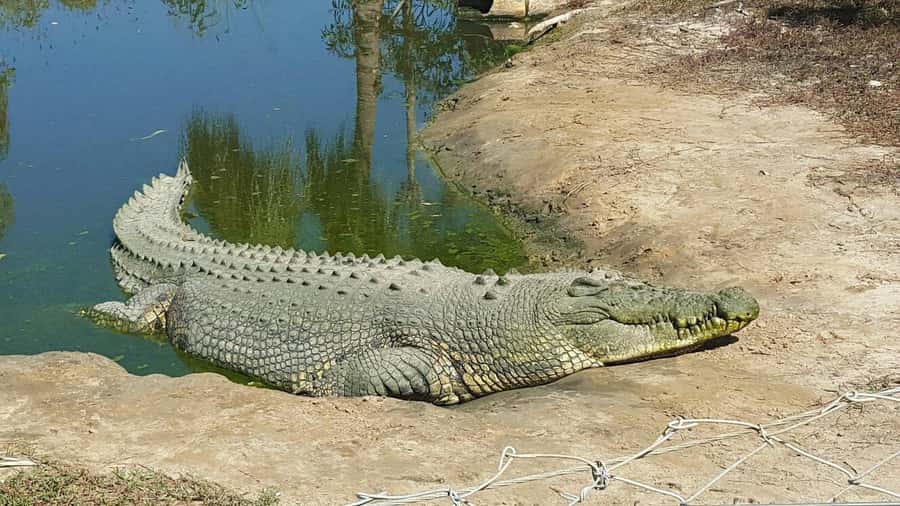
After the introduction and video, you walk around the farm with the guide. This is where the facts become easier to understand because you can watch the animals at close range.
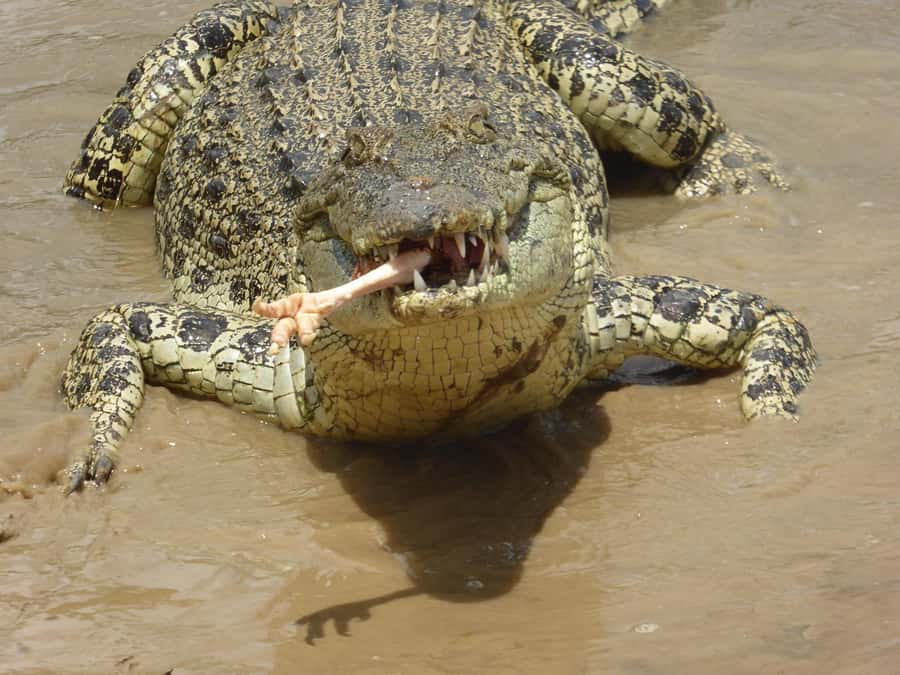
The farm walk includes a crocodile feeding session led by staff. Feeding is usually the most dramatic part of the visit. The animals may seem motionless one moment, then react with speed and force when food appears. The guide keeps the group informed while staff manage the presentation.
I like that the feeding is paired with explanation instead of being treated as a simple show. You learn about behavior as you watch it. The guide points out how the crocodiles respond and helps you understand the difference between their usual inactive appearance and their feeding response.
The experience is designed to be safe, but you should still respect the animals’ power. Keep close to the guide, follow instructions, and do not treat the crocodiles like oversized pets. The farm’s educational focus works best when you watch carefully rather than simply waiting for a dramatic snap.
One point to keep in mind is that the feeding may not produce constant action. A visitor found the presentation longer than the amount of actual feeding, so you should expect an informative session rather than a nonstop spectacle. That is a fair trade for a farm that puts animal behavior and safety ahead of manufactured excitement.
Holding a small crocodile for a photograph
The hands-on photo is the moment many people remember most. Under staff supervision, you can hold a small crocodile and have a photograph taken.
For some people, this is a perfect balance of excitement and control. You are close enough to notice the texture and shape of the young animal, but you are not placed beside one of the large breeding crocodiles. The activity gives children and adults a physical connection to the subject of the tour.
The small crocodile is still a wild animal, not a toy. The guide or staff member will direct you on how to hold it, and you should follow those instructions closely. This is also a good reason to bring your camera or phone, although you should check how photographs are handled on the day.
The standard tour price is listed as $28 per person. One recent comment refers to paying $40 to hold a baby crocodile, which may reflect a separate charge, a different package, or updated pricing. I would confirm the current arrangement when booking if the photo is important to you. The included experience is described as a hands-on photo opportunity, but the exact photo pricing should not be assumed from one figure.
A few more Australia trips worth weighing up
- Amazing Yarra Valley Wine Tour + Chocolate, Farm Fresh, Gin
★ 5.0 · 1,566 reviews - Hidden Gems: Boutique Full-Day Wine, Farm & Lunch Tour
★ 5.0 · 881 reviews - Melbourne: Yarra Valley Wine, Choc, Farm Fresh, Gin Tour
★ 4.9 · 258 reviews - Experience Coffin Bay Oyster Farm and Bay Tour
★ 5.0 · 161 reviews
Eggs, nests, and the crocodile life cycle
Koorana’s seasonal activities add a useful reason to visit at different times of year. From December to February, staff may carry out nest raids to collect eggs. From February to May, you may see baby crocodiles hatching.
These activities help explain a part of crocodile farming that a normal enclosure visit cannot show. You get to see how eggs are collected and learn about the hatching process. If you visit during the hatching period, the sight of young crocodiles emerging gives the life-cycle talk a memorable ending.
Seasonal timing is important. Egg collection and hatching are not guaranteed on every date, so you should treat them as special possibilities rather than fixed parts of every tour. The regular tour still includes the introductory talk, video, farm walk, feeding, and small croc photo.
If you care most about seeing eggs or hatchlings, check the timing before you reserve. A December visit may offer the nest and egg activity, while a visit between February and May may give you a better chance of seeing hatching. The supplied information does not promise that every tour during these months will include an active nest or birth.
How much value does the $28 price offer?
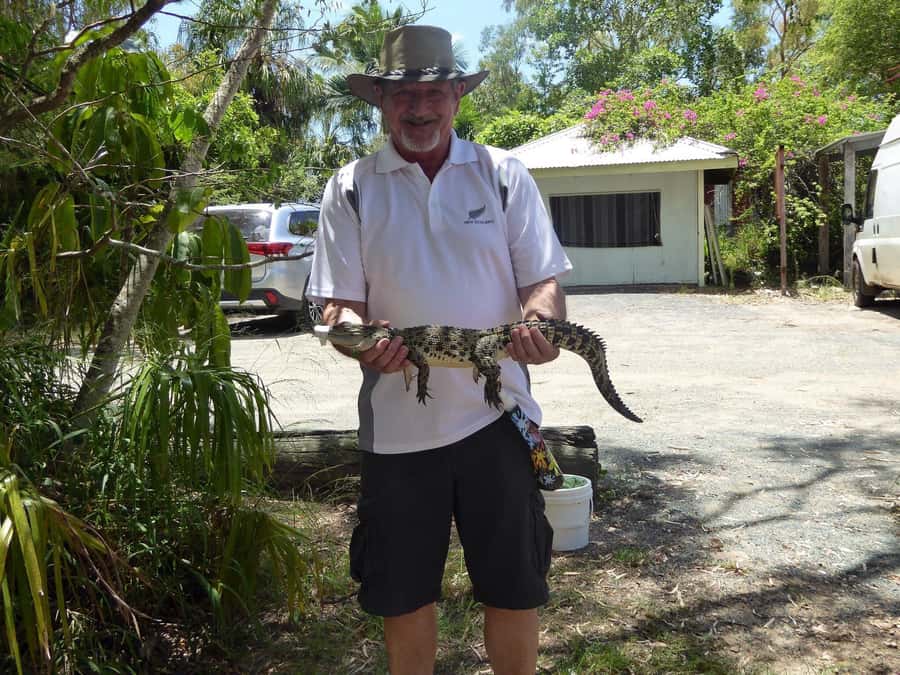
At $28 per person, this is a reasonably priced wildlife experience. You receive 90 minutes with a live English-speaking guide, an introduction to conservation and commercialisation, a behavior video, the farm walk, feeding session, and small crocodile photo opportunity.
The value comes from the combination. A short animal encounter might give you a photograph and little else. Here, the guide explains what you are seeing, and the farm walk gives you several chances to observe the animals in different settings.
The price also compares well for families with older children, although food and drinks are not included. One family-focused visit described the baby croc as the main hit with the children, and the mix of education and excitement should work well for school-age kids.
Do remember that one comment mentions a $40 baby croc holding charge. Since the main price is listed as $28 and the tour description includes a photo opportunity, clarify any extra cost before you arrive. You will also want to budget for your own water and snacks.
Heat, sun, and practical preparation
Queensland’s outdoor conditions can shape your comfort more than the crocodiles do. Bring comfortable shoes because the experience includes a farm walk. You should also pack water, sunscreen, a hat, and insect repellent.
A visitor who came in January specifically warned that it was hot and recommended a hat and sunscreen. That advice is worth taking seriously. Even a 90-minute tour can feel long if you are standing in direct sun without water.
Wear clothes that suit an outdoor farm visit. The supplied information does not promise shade, indoor cooling, or weather protection throughout the tour, so prepare for normal Queensland conditions. A camera is also recommended, especially for the small crocodile photograph.
Bad weather does not necessarily ruin the experience. One visit was still considered worthwhile in poor weather because the guide kept the group entertained and informed. Still, conditions can affect comfort and visibility, so check the forecast and dress sensibly.
Who will enjoy this tour most?
I would recommend Koorana to anyone interested in crocodile behavior, wildlife conservation, or unusual family activities. It suits adults who want context, children old enough to follow safety instructions, and visitors looking for something different from a standard zoo visit.
The experience is especially good for people who like guided learning. You are not left to read signs at your own pace. A live guide explains the animals, answers questions, and connects the farm’s work to the wider subject of crocodile conservation.
Families should note the age restriction. Children under three cannot take part, and the presence of large reptiles means parents need to keep young children attentive. Older children are likely to enjoy the feeding and the baby croc photograph, while adults may get more from the farming and conservation discussion.
International visitors can take part because the tour is conducted in English. If you sometimes struggle with spoken English, remember that one visitor found the guide’s pace difficult. Ask questions and request slower explanations when needed.
Pregnant women are listed among those for whom the activity is not suitable. If that applies to you, choose another Rockhampton activity instead.
Points to consider before booking
The tour focuses on crocodile behavior, so anyone expecting a broad animal park may find the subject narrow. You will see crocodiles and learn about them, but the main purpose is not a general wildlife collection.
The farm’s commercial role can also make this a thoughtful visit rather than a purely sentimental one. The tour addresses conservation and commercialisation together. Some people will appreciate that honesty, while others may want a conservation experience without discussion of meat and byproducts.
One visitor felt the tour could have explained more about how live reptiles connect to meat and byproduct processing. If that part of the farm interests you, ask questions during the visit. The central emphasis remains behavior, conservation, feeding, breeding, eggs, and hatching.
The guides are a major strength, but the exact style can vary. Kia and Mel have both been praised for energy and clear information. A passionate guide can make the same crocodiles feel fresh and fascinating, while a quieter group may get a more subdued presentation.
Booking flexibility and timing
You can cancel up to 24 hours in advance for a full refund, according to the booking conditions. You can also reserve now and pay later, which helps if your Queensland plans are still moving around.
The tour runs for 90 minutes, but starting times depend on availability. Check the time before booking and allow enough room around it if you have other plans on the Capricorn Coast.
Seasonal activities are the main timing decision. Choose December to February if egg collection and nest raids interest you. Choose February to May if you hope to see baby crocodiles hatching. In both cases, these activities depend on what is happening on the farm that day.
Should you book Koorana Crocodile Farm?
Book it if you want an affordable, guided introduction to crocodiles with real feeding activity and a supervised baby croc photograph. The strongest reasons are the clear educational focus, lively guides such as Kia and Mel, and the chance to connect animal behavior with conservation and farming.
I would be more cautious if you dislike outdoor heat, want a long list of different animals, or expect feeding action every minute. Bring water, sunscreen, a hat, comfortable shoes, and insect repellent, then let the guide do the explaining.
For the best possible match, confirm the current cost of the small crocodile photo and check the seasonal schedule before you go. If eggs or hatching are your priority, those dates matter. For a 90-minute visit that gives you both facts and a memorable close encounter, Koorana Crocodile Farm offers solid value at $28.
FAQ
How long is the Koorana Crocodile Farm tour?
The guided tour lasts 90 minutes.
How much does the tour cost?
The listed price is $28 per person. One comment refers to a $40 charge for holding a baby crocodile, so confirm the current pricing for that photo opportunity before booking.
Is the tour conducted in English?
Yes. The live guide conducts the tour in English.
Can I hold a small crocodile?
Yes. The tour includes a supervised hands-on photo opportunity with a small crocodile.
When can I see crocodile eggs or hatching?
Nest raids and egg collection take place from December to February. Baby crocodile hatching takes place from February to May. These activities are seasonal and may not occur on every visit.
What should I bring?
Bring comfortable shoes, a camera, sunscreen, water, and insect repellent. A hat is also a sensible choice in hot weather.
Just added around Australia
- From Goolwa: Half-Day Coorong Experience★ 4.9 · 129 reviews
- Great Ocean Road Lux Tour Max 11 Hotel Pickup★ 4.8 · 129 reviews
- Kangaroo Island Scenic Nature and Wildlife Day Tour★ 5.0 · 129 reviews
- Blue Mountains Small-Group Insider Tour from Sydney★ 4.5 · 130 reviews
- McLaren Vale Small Group Wine Tour★ 5.0 · 130 reviews
- Virtual Room – 40-50min VR Escape Game Adventure for 2+ Players★ 5.0 · 130 reviews
- Darwin: Adelaide River Half-Day Jumping Crocs Cruise★ 4.3 · 130 reviews
- Melbourne City Highlights Small Group Tour★ 5.0 · 131 reviews
Wildlife & Zoo Experiences, compared.
Penguin Parade, & Wildlife Encounters Eco Tour from Melbourne
Read our review →
Blue Mountain Small Group Scenic World, Wildlife, Waterfall
Read our review →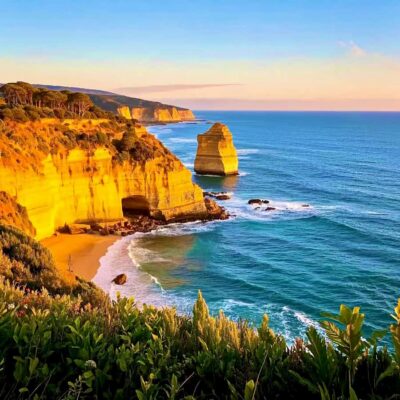
Melbourne Great Ocean Rd Reverse Tour London Bridge Wildlife
Read our review →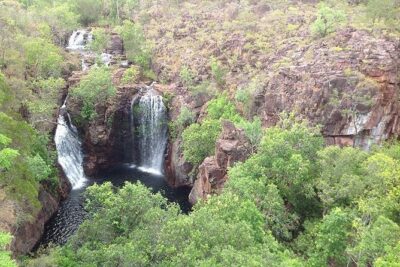
Litchfield National Park and Jumping Crocodile Cruise
Read our review →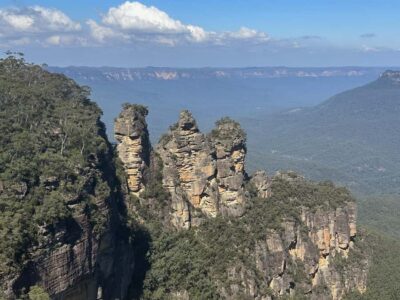
Blue Mountains Adventure: Scenic World, Zoo & Koala Photo
Read our review →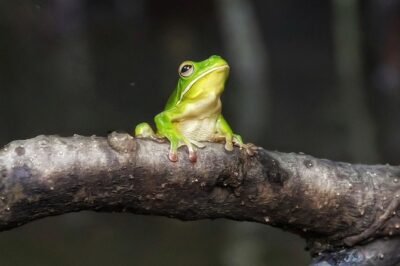
Solar Whisper Daintree River Crocodile and Wildlife Cruise
Read our review →
Browse the lists this tour appears in