
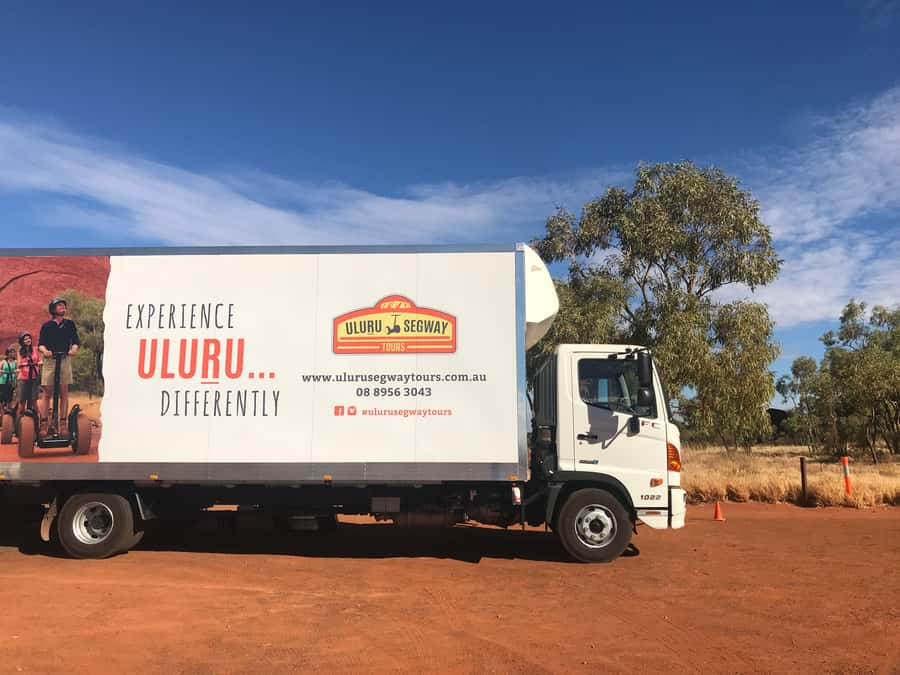
Reviewed · ULURU & RED CENTRE TOURS
Uluru: Uluru Base Segway Tour
Uluru is even better at a gentle pace. This 150-minute Segway tour lets you circle the entire base without the strain of walking the full distance, while your English-speaking guide explains Anangu culture, local plants and animals, geology, and European history. I especially like the patient training and small groups of no more than 10 people. I also like that the quiet Segways let you cover a lot of ground with little effort. The main catch is the price: at $133 per person, plus national park entry and your own transport, it is not a cheap way to see Uluru.
You meet at Kuniya Carpark inside Uluru-Kata Tjuta National Park, not at Ayers Rock Resort. That matters, because there is no public transport to Uluru and the walk from the resort is far too long. You need closed-toe shoes, at least one litre of water per person, sun protection, and a rider who can ride a bicycle and meet the tour’s age, weight, and health requirements.
In This Review
- Key points before you book
- Why a Segway works so well at Uluru
- Meeting at Kuniya Carpark inside the national park
- The first 20 minutes: learning to ride
- Setting off around the entire base
- Anangu culture and the meaning of Uluru
- Geology, plants, animals, and European history
- What the ride feels like in hot or changing weather
- Is $133 good value?
- Who will enjoy this tour most?
- Practical preparation for a smooth ride
- The final call: should you book it?
- FAQ
- How long is the Uluru Base Segway Tour?
- Where does the tour meet?
- Are transfers from Ayers Rock Resort included?
- Is national park entry included?
- Do I need previous Segway experience?
- What should I bring and wear?
- Who cannot take part?
Key points before you book
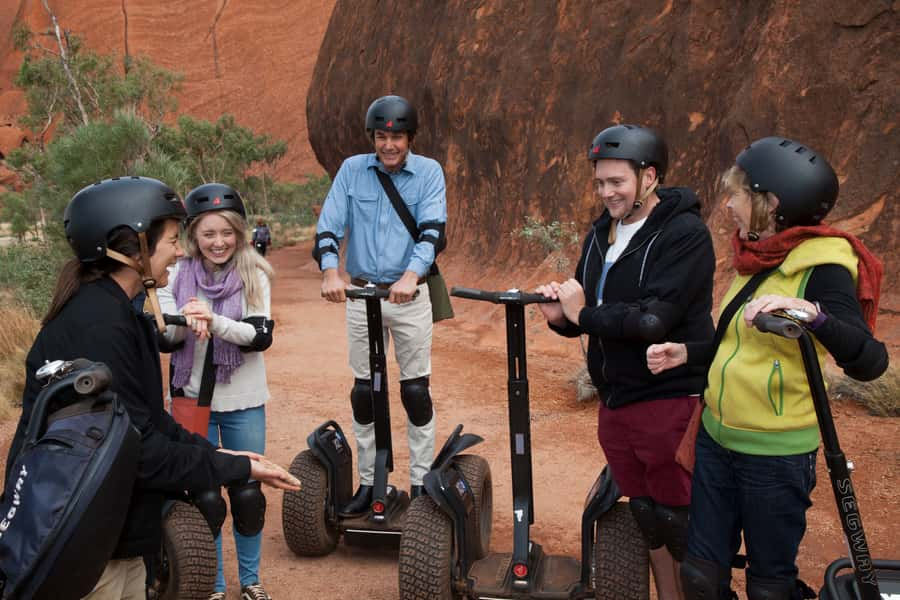
- The full Uluru base is covered: You ride around the entire base rather than visiting only one lookout or a single section.
- Training is included: You get time to learn the Segway before setting off, making this suitable for many first-time riders.
- Small groups keep the tour personal: Numbers are limited to 10, so it is easier to hear the guide and ask questions.
- The tour adds cultural context: Your guide discusses Anangu traditions, Uluru’s significance, geology, plants, animals, and European history.
- The heat is easier to manage: The Segway saves energy on a long circuit, though you still need water, a hat, sunglasses, and suitable clothing.
- Budget for extra costs: The $133 price does not include park entry or transport from the resort.
Why a Segway works so well at Uluru
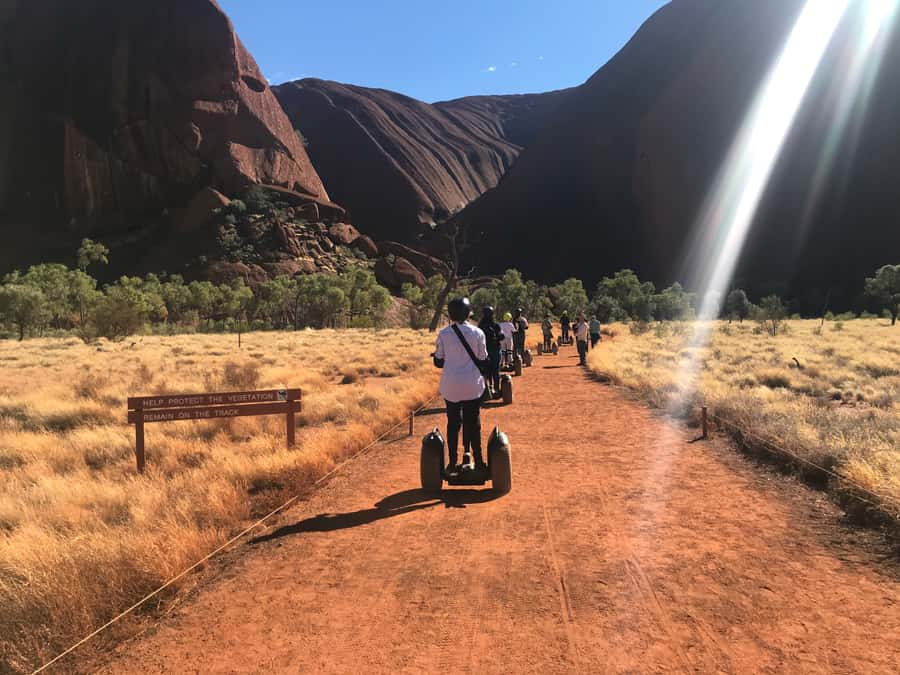
Uluru is enormous, and seeing its full base on foot takes time and energy. A Segway gives you a practical middle ground: you are still outdoors and close to the rock, but you are not spending the whole outing walking in the Central Australian heat.
I like the way this changes the feel of the visit. You glide quietly along rather than sitting inside a vehicle, so you can look up at the rock, notice changes in its surface, and stop with the group for explanations. The machines are speed-limited, according to the tour details and rider feedback, so this is a sightseeing outing rather than a high-speed adventure.
The Segway also helps if you want to see more than one part of Uluru but do not feel ready for a long circuit on foot. One participant in their 60s found the machine easy to keep upright and stable. Another person booked the tour because walking all the way around the rock would not have been practical.
That said, you do not simply arrive and ride off. The initial lesson takes time, and you must be comfortable balancing and steering before joining the circuit. If you cannot ride a bicycle, this tour is not suitable.
More segway tours:
- Uluru Base Segway Tour at Sunrise
★ 4.9 · 378 reviews - Best of Uluru – Segway and Walking Tour
★ 4.8 · 204 reviews - Brisbane Segway Sightseeing Tour
★ 5.0 · 629 reviews
Meeting at Kuniya Carpark inside the national park
The meeting point is Kuniya Carpark, Uluru, Mutitjulu NT 0872. You drive into the national park, pass the sunset viewing area, and continue to a roundabout. Turn right, then take the first left into Kuniya Carpark. The meeting point is at the back of the carpark and is described as easy to find once you have parked.
The key practical point is that you drive yourself. Transfers from Ayers Rock Resort are not included, and there is no public transit to Uluru. You should allow enough time to enter the park, pay or show your entry ticket, park, and reach the back of the carpark before the scheduled start.
Park entry is an extra cost. The supplied information gives two different figures: $38 per adult in one place and $25 cash per person in the practical instructions. Fees can change, and this difference means you should confirm the current amount before setting out. You can buy the ticket at the national park entry station or online through the Uluru-Kata Tjuta National Park website.
Do not treat the $133 tour price as your full outing cost. Add park entry and the cost of getting to Kuniya Carpark. If you are staying at the resort without a car, check your transport options before booking, because the operator does not provide the resort transfer listed here.
The first 20 minutes: learning to ride
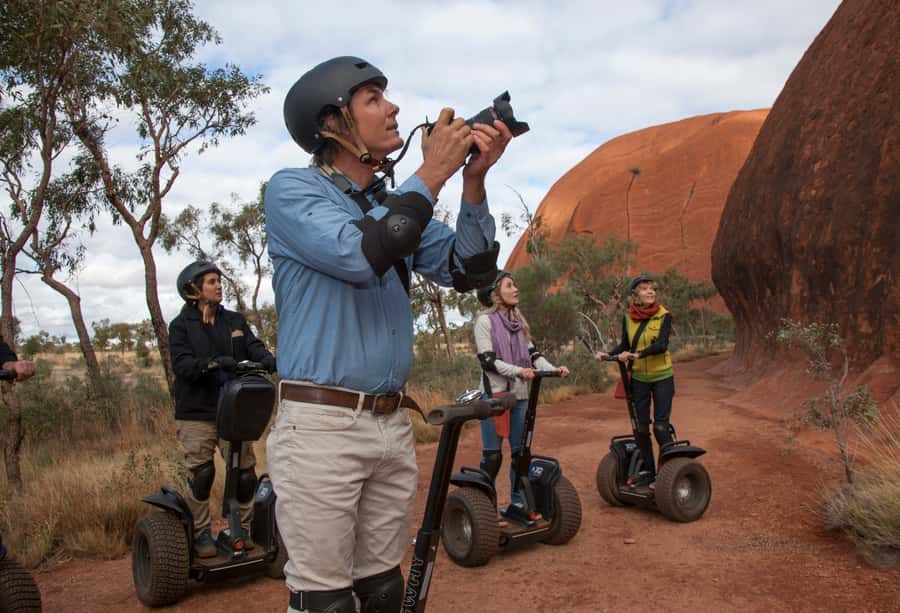
Your guide begins with Segway instruction and supplies the protective and safety equipment. This is an important part of the tour, especially if you have never used one before.
The strongest pattern in the feedback is the quality of this introduction. First-time riders repeatedly found the machines easy to learn, and several people praised the guides for being patient while everyone practised. The training appears to focus on balance, movement, stopping, and basic control before the group moves near Uluru.
That patience matters. Nobody wants to spend the first section of a major Uluru visit worrying about falling off or holding up the group. You should expect the guide to make sure you are ready rather than rush you through the lesson.
The Segways are not described as difficult, but you still need to meet the physical rules. Riders must weigh between 45 and 117 kilograms. People over 260 pounds, or 118 kilograms, cannot take part. Children under 12 are not allowed, and anyone under 18 must be with a parent or guardian.
The activity is also not suitable for pregnant women, wheelchair users, people with back problems, recent surgery, pre-existing medical conditions, visual impairment, or anyone over 70. Those limits are firm enough that you should check them carefully before paying.
Setting off around the entire base
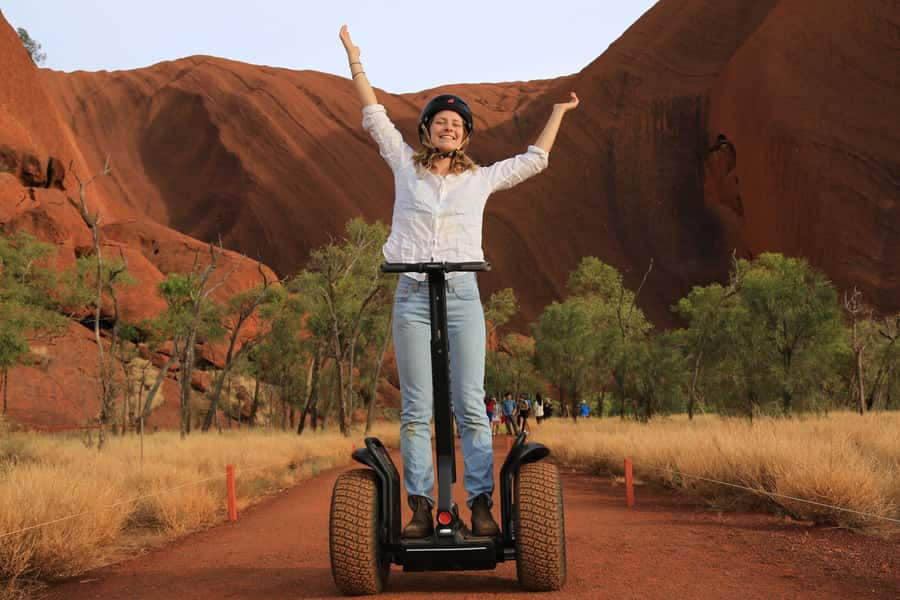
Once everyone can control the machine, the guide leads the group around Uluru’s full base. The exact sequence of stops can vary with the tour schedule, but the central promise is clear: this is not a short ride to one viewpoint. You circle the rock and stop along the way for explanations.
The route gives you a close look at Uluru’s changing surfaces and shapes. The tour description places equal weight on the rock itself and the surrounding outback setting, so expect the guide to connect what you see on the ground with the larger story of the area.
The group size helps here. With no more than 10 riders, you are not part of a large convoy. You should be able to hear the live English guide and pause at the stopping points without feeling lost in a crowd.
The ride is leisurely. One person expected more speed, but still enjoyed the tour. That is worth knowing if you are picturing a sporty Segway excursion. The machine is used to move you efficiently around the base, not to create thrills. I see that as a benefit at Uluru, where the rock and its meaning deserve more attention than speed.
A few more Yulara trips worth weighing up
- Uluru: Field of Light Sunrise Tour with Hot Drinks
★ 4.6 · 572 reviews - Uluru 15-Minute Helicopter Experience
★ 4.9 · 548 reviews - Yulara: Uluru & Kata Tjuta 25-Minute Helicopter Experience
★ 4.8 · 536 reviews - Yulara: Uluru Sunrise and Kata Tjuta Day Trip by Bus
★ 4.5 · 469 reviews
Anangu culture and the meaning of Uluru
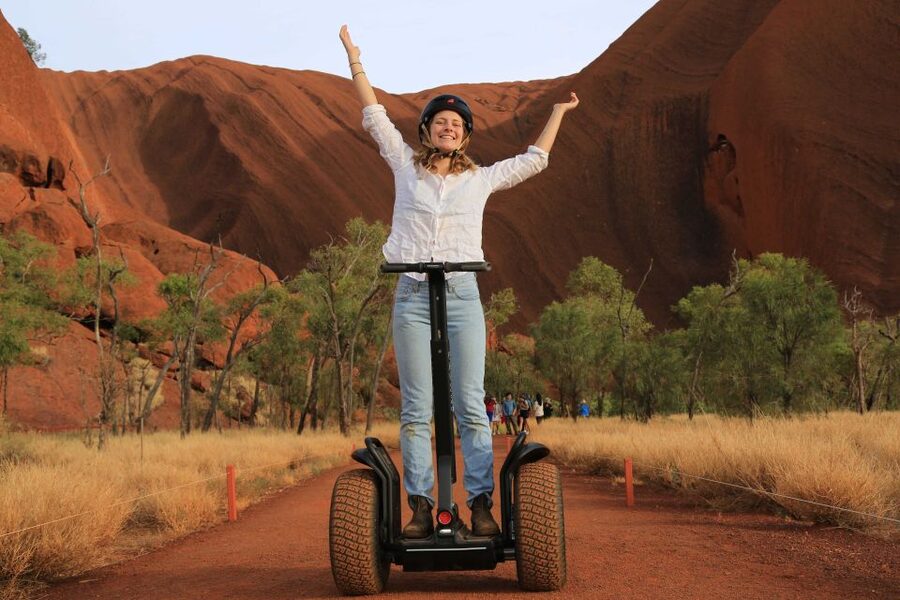
The cultural side is one of the tour’s main reasons to book. Your guide discusses the local Anangu people and the significance of Uluru, rather than treating the rock as only a scenic object.
That distinction matters. You are not just riding around a famous formation for photographs. The guide helps place Uluru within Aboriginal culture and the living connection between people and place. The tour information promises discussion of local culture, and the strongest comments praise guides for sharing stories and explaining the Indigenous importance of the area.
Specific guides named in the feedback include Hallie, Charly, Kyle, Emma, Nick, Meagan, and Meghan. The recurring praise is personal: guides were friendly, clear, patient, and good at telling stories. Kyle, also called Seg On, was particularly appreciated for his Indigenous stories, warm manner, and steady pace.
The live tour is in English. Audio guides are listed in Spanish, Chinese, French, German, Italian, and Japanese. If you need one of those languages, confirm how the audio guide works when booking, since the tour’s spoken guide is English.
Geology, plants, animals, and European history
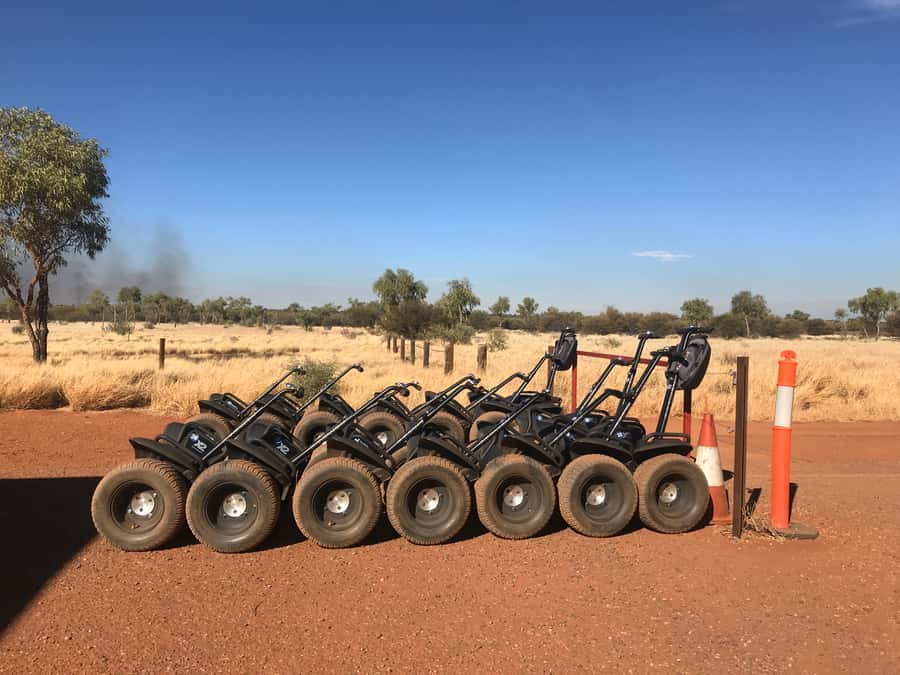
The tour covers more than cultural information. You also learn about Uluru’s geology, local flora and fauna, and the area’s European history.
The geology is a useful part of the ride because you are looking directly at the subject while the guide talks. One person specifically wanted more geology, which is a fair point to keep in mind. The tour promises geology, but the amount of time spent on it may depend on the guide and the group’s questions.
If geology is your main reason for booking, ask at the start for more detail. A good guide can help you pay attention to the rock’s form and surface rather than only delivering general facts. If your priority is Aboriginal culture and stories, the tour seems particularly strong in that area.
The flora and fauna discussion adds another layer to the ride. You are moving through an arid Central Australian environment, and the guide points out how local life fits into that setting. The information provided does not identify particular plants or animals, so I would not book expecting a specialist wildlife tour. Think of these subjects as part of a broad introduction to Uluru.
European history rounds out the picture. This is useful because Uluru’s story is not limited to geology or tourism. The guide gives you several ways to understand the place, though the tour remains a general sightseeing experience rather than a dedicated history lecture.
What the ride feels like in hot or changing weather
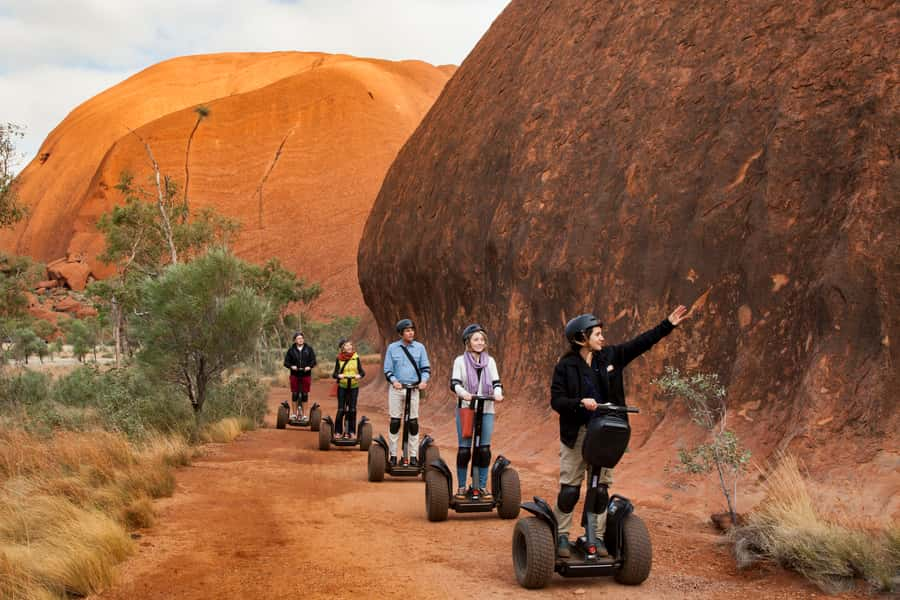
A Segway can be a smart choice in hot weather because it reduces the effort needed to travel around the base. One person took the tour on a 36-degree day and said it did not feel as punishing as expected. Another called it a good way to see Uluru without using too much energy.
You should still take the heat seriously. Bring at least one litre of water per person, plus a cap, sunglasses, and a shirt with sleeves. Closed-toe shoes are compulsory, and flip-flops will prevent you from taking part.
Weather can also change the view. A spring tour took place during showers, giving the group a chance to see waterfalls and shifting colours on the rock. The riders got soaked, but considered the unusual conditions memorable. That does not mean you should expect waterfalls on your date, only that wet weather can produce a different side of Uluru.
The operator may have safety reasons for adjusting or stopping an outing in poor conditions, but no such policy is provided here. Bring suitable clothing and check the forecast. The Segway saves energy, not exposure to sun, wind, rain, or dust.
Is $133 good value?
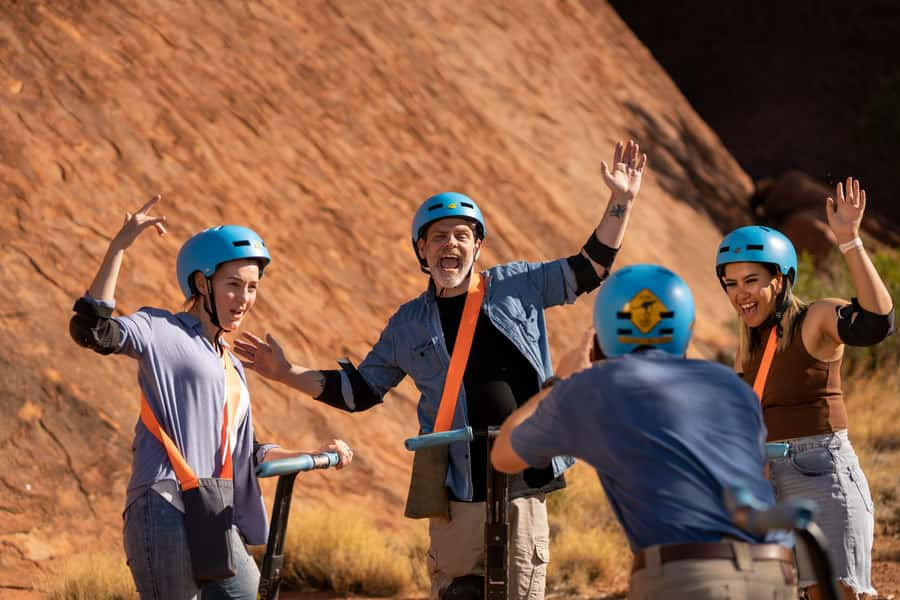
At $133 per person, this is a premium activity. You still pay separately for national park entry, and you must arrange your own transport from the resort. That can make the total cost feel high, particularly for a couple or family.
I think the value depends on what you need from your Uluru visit. If you can comfortably walk the full base and already have access to a guide, the extra cost may be hard to justify. If you want to cover the whole circuit with less physical effort and receive guided cultural and natural history along the way, the price makes more sense.
The tour includes the Segway, training, safety gear, and a 150-minute guided circuit. You are paying for the machine, the instruction, the small group, and the guide’s interpretation. It is not just a rental.
The strongest value is for people who might otherwise see only a small section of Uluru. The Segway makes the full base more manageable while keeping you outside and close to the rock. I would call it good value for an active sightseeing experience, but not a bargain.
Free cancellation up to 24 hours before the activity and the reserve-now, pay-later option reduce some booking risk. They do not remove the need to plan your transport and park entry carefully.
Who will enjoy this tour most?
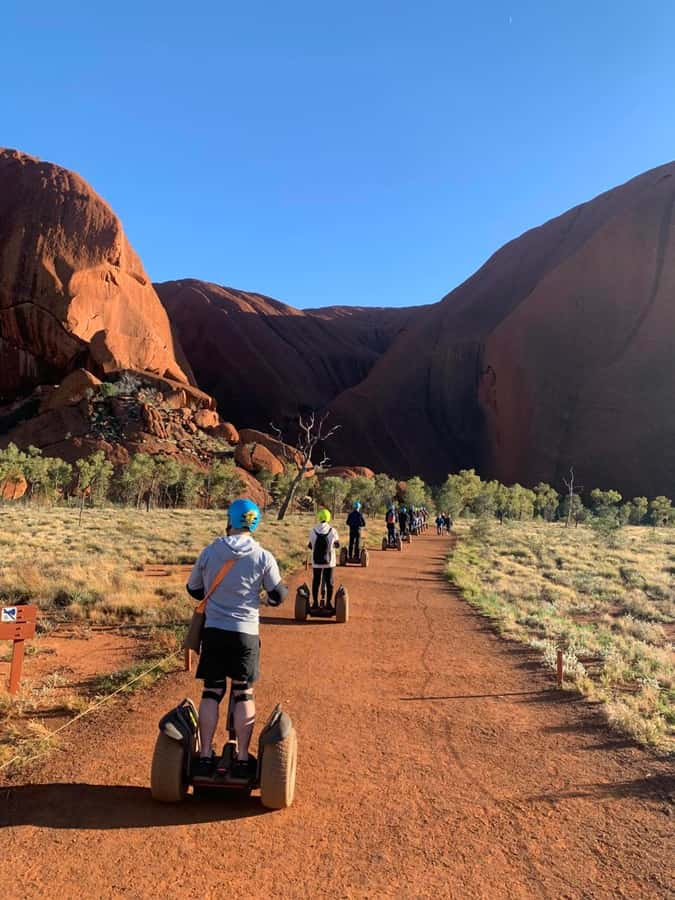
I would recommend it to:
- First-time Segway riders who can ride a bicycle and want a gentle introduction
- Adults and older teens who want to see the full base without a long walk
- People interested in Anangu culture, geology, plants, animals, and local history
- Visitors travelling in hot weather who want to conserve energy
- Small groups who prefer a guide-led outing with no more than 10 participants
- Anyone with a car or confirmed transport to Kuniya Carpark
I would not choose it for children under 12, pregnant people, wheelchair users, people with back problems, or anyone with the listed medical restrictions. It is also unsuitable if you cannot ride a bicycle, fall outside the weight range, or are over 70.
The tour may not suit you if you want speed, solitude, or a specialist geology lesson. It is a measured, guided circuit with regular information stops. That pace is part of its appeal, but not everyone wants the same kind of outing.
Practical preparation for a smooth ride
Before leaving your accommodation, check five things:
- You have a current national park entry ticket or the required cash
- You know how you will drive to Kuniya Carpark
- You are wearing closed-toe shoes, not flip-flops
- You have one litre of water, a cap, sunglasses, and a sleeved shirt
- Every rider meets the age, weight, health, and cycling requirements
Arrive ready to listen during the training. Even if you are confident on wheels, the first practice period helps you learn how this particular machine responds.
Ask questions during the stops. If geology interests you, say so early. If cultural context is your priority, tell the guide that too. The tour is short enough that your questions can help shape what you notice.
Also remember that the Segway does not replace sun protection. You may be moving, but you remain outdoors for two and a half hours in Central Australia.
The final call: should you book it?
Book this tour if you want the full Uluru base, prefer a guided experience, and would rather glide than walk for hours. The patient training, small group, quiet machines, and strong guide-led storytelling make it an appealing way to see the rock from close range.
Think twice if the total cost is a concern, if you already have transport problems, or if you want a fast ride or a specialist geology tour. Confirm the current park entry fee because the supplied details list both $38 and $25, and arrange your way to Kuniya Carpark before booking.
For most eligible visitors, I see this as a fun and practical addition to an Uluru stay. The best reason to choose it is not novelty. It is the simple fact that a Segway lets you cover a huge site, save your legs in the heat, and still stop to listen to the stories that give Uluru its meaning.
FAQ
How long is the Uluru Base Segway Tour?
The tour lasts 150 minutes, including Segway training and the guided ride around Uluru’s entire base.
Where does the tour meet?
The meeting point is at the back of Kuniya Carpark inside Uluru-Kata Tjuta National Park, Uluru, Mutitjulu NT 0872.
Are transfers from Ayers Rock Resort included?
No. You need your own transport to Kuniya Carpark. There is no public transit to Uluru, and it is too far to walk from the resort.
Is national park entry included?
No. You must bring a national park entry ticket or pay the required entry fee. The supplied information lists $38 per adult in one place and $25 cash per person in another, so confirm the current fee before visiting.
Do I need previous Segway experience?
No. Training is included, and the tour is described as suitable for first-time riders who can learn the basic controls. You must be able to ride a bicycle.
What should I bring and wear?
Bring water, with at least one litre per person recommended, plus a cap, sunglasses, and a shirt with sleeves. Closed-toe shoes are required, and flip-flops are not permitted.
Who cannot take part?
The tour is not suitable for children under 12, pregnant women, wheelchair users, people with back problems, people who cannot ride a bicycle, visually impaired people, people over 260 pounds or 118 kilograms, people with certain medical conditions or recent surgery, or people over 70. Riders must weigh between 45 and 117 kilograms, and anyone under 18 must be accompanied by a parent or guardian.
Just added around Yulara
- King’s Canyon: 15-minute Scenic Helicopter Tour★ 4.9 · 78 reviews
- Uluru: Small Group Sunset Tour with Sparkling Wine★ 4.5 · 82 reviews
- From Yulara: 3-Hour Small Group Kata Tjuta Afternoon Tour★ 4.7 · 101 reviews
- Kata Tjuta: Small Group Sunrise Tour with Picnic Breakfast★ 4.7 · 113 reviews
- Yulara: Uluru and Kata Tjuta Sunset Helicopter Tour★ 4.9 · 148 reviews
- Uluru: Small Group Guided Tour with Sunset Refreshments★ 4.8 · 190 reviews
- Uluru: Sunset, Sparkling Wine, Cheeseboard & Gourmet BBQ★ 4.4 · 193 reviews
- Best of Uluru – Segway and Walking Tour★ 4.8 · 204 reviews
Uluru & Red Centre Tours, compared.
Ayers Rock Day Trip from Alice Springs Including BBQ Dinner
Read our review →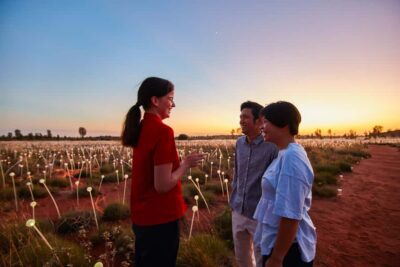
Uluru: Field of Light Sunrise Tour with Hot Drinks
Read our review →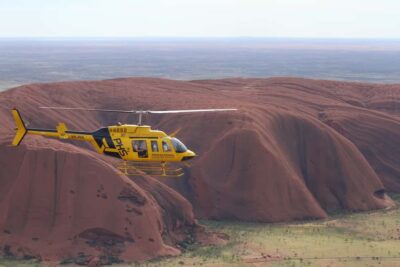
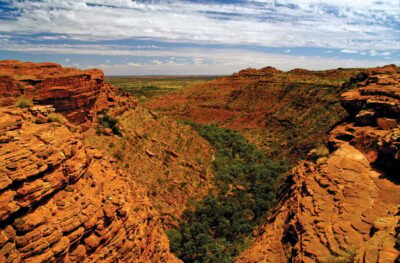
Kings Canyon: Full-Day Tour from Ayers Rock Resort
Read our review →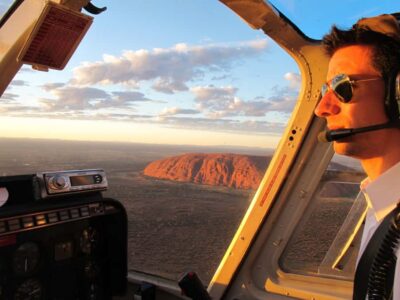
Yulara: Uluru & Kata Tjuta 25-Minute Helicopter Experience
Read our review →
Yulara: Uluru Sunrise and Kata Tjuta Day Trip by Bus
Read our review →
Uluru: Sacred Sites & Sunset Tour with Wine & Cheeseboard
Read our review →Browse the lists this tour appears in