
Reviewed · WILDLIFE & ZOO EXPERIENCES
WILD LIFE Sydney Zoo
Australian wildlife, right in the city. WILD LIFE Sydney Zoo gives you a compact way to meet kangaroos, wombats, koalas, echidnas, crocodiles, snakes and more without leaving Darling Harbour. I like the walk-through kangaroo habitat and the chance to see hard-to-spot animals such as yellow-footed rock-wallabies at close range.
I also like the keeper talks, which add useful context to the displays, and the sensible route through nine Australian habitat zones. The main drawback is size: this is a small, indoor city zoo rather than a full-day safari park, and some areas can feel tight when busy.
In This Review
- Key things to know before you go
- A compact Australian safari at Darling Harbour
- Follow the nine habitats from rainforest to estuary
- Wallaby Cliffs and Australia’s agile climbers
- Kangaroos, pademelons and familiar Australian faces
- Wombats and echidnas reward a slower pace
- Koalas are the star, but photos cost extra
- Butterflies, snakes, turtles and crocodiles
- What the keeper talks add
- How long should you stay?
- Price, access and who gets the best value
- Best times and simple ways to enjoy the visit
- Should you book WILD LIFE Sydney Zoo?
- FAQ
- Where is WILD LIFE Sydney Zoo?
- How much does entry cost?
- How long is the experience?
- What animals can I see?
- Is a koala photo included?
- Can I touch the koalas?
- Is the zoo wheelchair accessible?
- What are the opening hours?
Key things to know before you go
- Nine Australian habitat zones: Move from rainforest and gorge settings to grassland, floodplains and estuary flats without leaving central Sydney.
- Close kangaroo encounters: Walk through an enhanced habitat where kangaroos are a major draw.
- Rare and unusual animals: Look for yellow-footed rock-wallabies, hairy-nosed wombats, echidnas and pademelons.
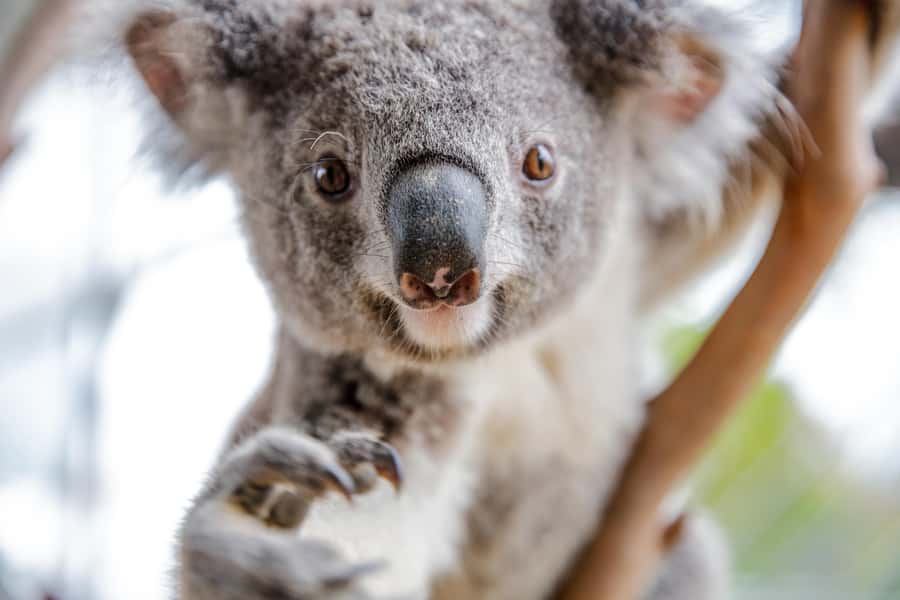
- Koala photos cost extra: You can get close to the koalas, but the photo experience is not included in the entry price.
- Allow a few hours: The ticket is valid for one day, but many people find two or three hours enough.
- Easy Darling Harbour location: The zoo is at Aquarium Wharf, making it useful on a hot, wet or tightly scheduled Sydney day.
A compact Australian safari at Darling Harbour
WILD LIFE Sydney Zoo is built for a particular kind of Sydney visit. You may have only one day in the city, or you may want to see Australian animals before heading home. Instead of spending much of your day reaching a large outer-city zoo, you can visit this attraction at Aquarium Wharf in Darling Harbour.
The setting is one of the experience’s strongest points. You are surrounded by restaurants, waterfront walks and other central attractions, yet inside the building the focus shifts to Australian wildlife. That makes it an easy addition to a day in the city.
The entry price listed is $27 per person. At that rate, I see it as good value if you want a focused wildlife stop, especially for children or first-time visitors to Australia. It is less compelling if you expect a huge zoo with many international animals, long walking trails or a full day of exhibits.
This is a zoo devoted to Australian creatures. You will not find lions, tigers or bears here. That narrow focus is the point. The animals you see are the ones that help explain Australia’s character, from sleepy koalas and burrowing wombats to agile rock-wallabies and crocodiles.
More Wildlife Experiences in Sydney
- Blue Mountains Small-Group Tour from Sydney with Scenic World,Sydney Zoo & Ferry
★ 5.0 · 3,709 reviews - Blue Mountain Small Group Scenic World, Wildlife, Waterfall
★ 4.8 · 3,428 reviews - Blue Mountains Adventure: Scenic World, Zoo & Koala Photo
★ 4.7 · 2,062 reviews
Follow the nine habitats from rainforest to estuary
The route is arranged around nine Australian-themed habitat zones. It is not a literal journey across the whole country, of course, but the design lets you move through several types of terrain in a short period.
You can expect recreated settings based on places such as the Daintree Rainforest and Kakadu Gorge. The route also includes references to the Northern Territory’s Top End, along with grassland, floodplains and estuary flats.
That variety gives the visit more shape than a row of separate animal pens. You get a sense of where different creatures live and how their surroundings affect their behavior. For children, it turns the visit into a simple geographic tour of Australia. For adults, it provides helpful context for animals that can otherwise seem like isolated curiosities.
The displays include interactive elements, although the supplied details do not specify every feature. Treat these as useful additions rather than the main reason to book. The animals remain the heart of the visit.
Because the zoo is compact, you will not spend long periods walking between zones. That is useful in hot weather, during rain, or when you are sightseeing with young children. The trade-off is that the route can feel crowded, and you may need to wait for a clear view at popular exhibits.
Wallaby Cliffs and Australia’s agile climbers
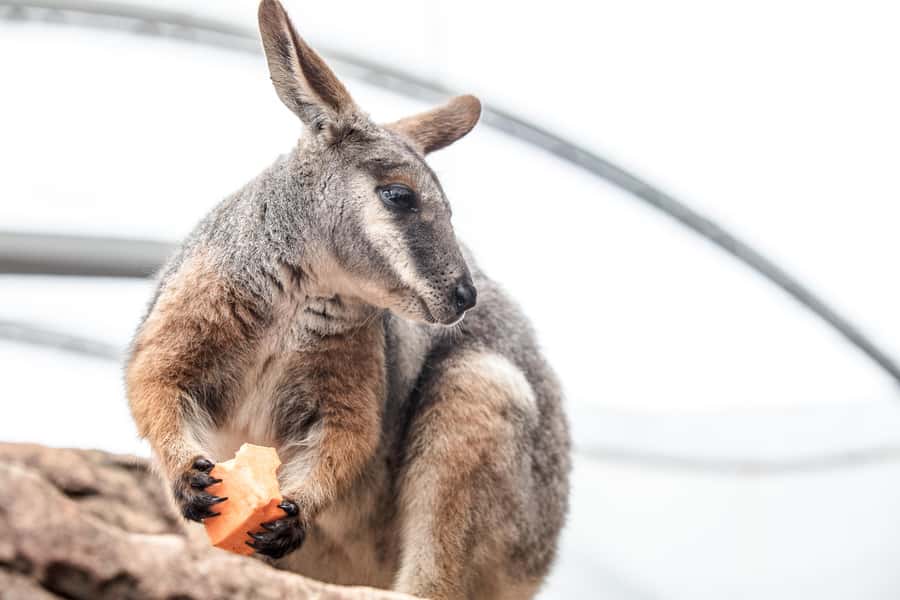
One of the more distinctive stops is Wallaby Cliffs, a rocky habitat for yellow-footed rock-wallabies. These small animals are built for difficult ground, and their quick movements make them especially fun to watch.
The rock-wallabies are a good example of why this attraction works best when you slow down. A quick glance may show only rocks and shadows. Give the area time, and you might see a wallaby spring between ledges or pause among the crags.
The exhibit has received especially warm praise for the animals’ agility. It is one of the places where the zoo’s smaller scale can help. You may be closer to the animal than you would be in a large open-range setting.
The habitat also gives you a glimpse of the tough conditions these animals handle in the wild. You are not simply looking at a cute marsupial. You are seeing an animal adapted to steep, rough country.
Kangaroos, pademelons and familiar Australian faces
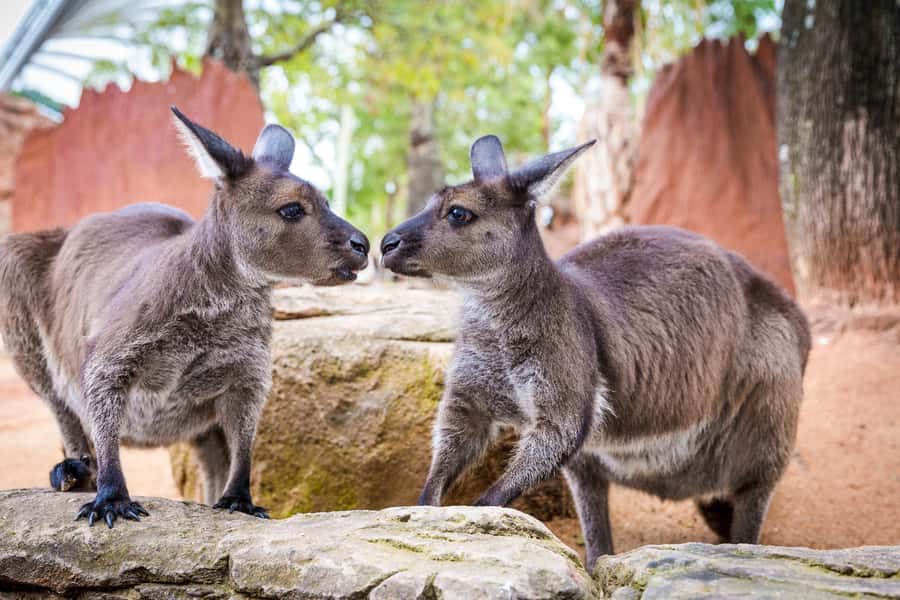
The kangaroo habitat is another major reason to visit. The enhanced walk-through area is designed to give you a close look at these famous marsupials, and kangaroos often become the first animal children want to see.
Keep your pace calm and pay attention to the animals’ body language. The close setting is enjoyable, but it is still important to give the kangaroos room and follow staff directions.
You might also spot a pademelon, a smaller marsupial that is easy to miss if you are focused only on kangaroos. Seeing one can feel like a small reward for looking carefully. The attraction’s value comes partly from these less familiar Australian species.
Keeper talks add another layer to the kangaroo area and other exhibits. The talks are presented in English and are described as entertaining as well as informative. They can help you understand the animals’ habits, diet and care, though the exact schedule may vary.
I recommend checking the talk times when you arrive. With no guided tour included, the talks are your best chance to get direct explanations from the staff without paying for an additional guide.
A completely different kind of day out in Sydney:
- Sydney: Opera House Guided Tour with Entrance Ticket
★ 4.8 · 8,312 reviews - All Inclusive Blue Mountain,Scenic World,Lunch,Koalas,ferry
★ 5.0 · 7,832 reviews - From Sydney: Blue Mountains Full-Day Trip
★ 4.5 · 4,471 reviews - Sydney Opera House Official Guided Walking Tour
★ 4.5 · 3,770 reviews
Wombats and echidnas reward a slower pace
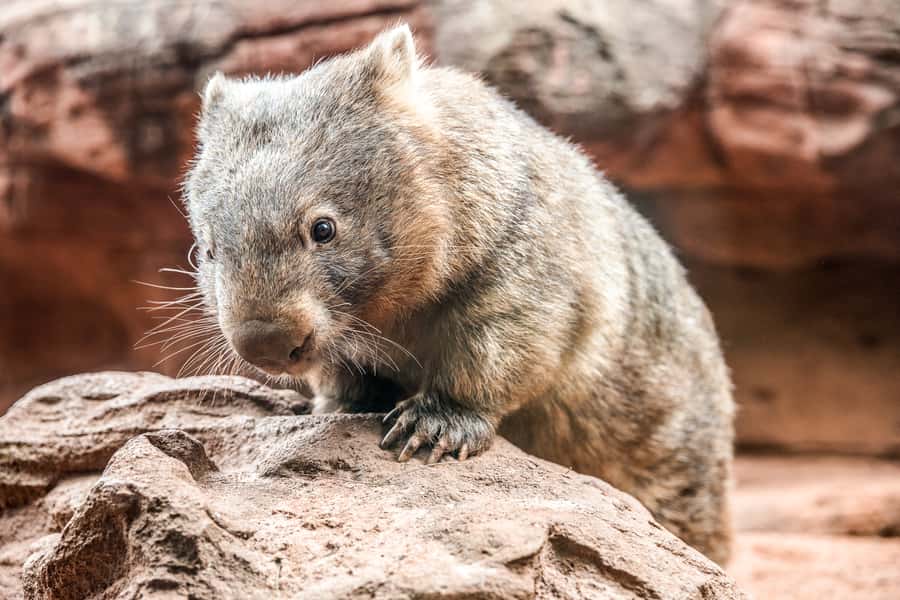
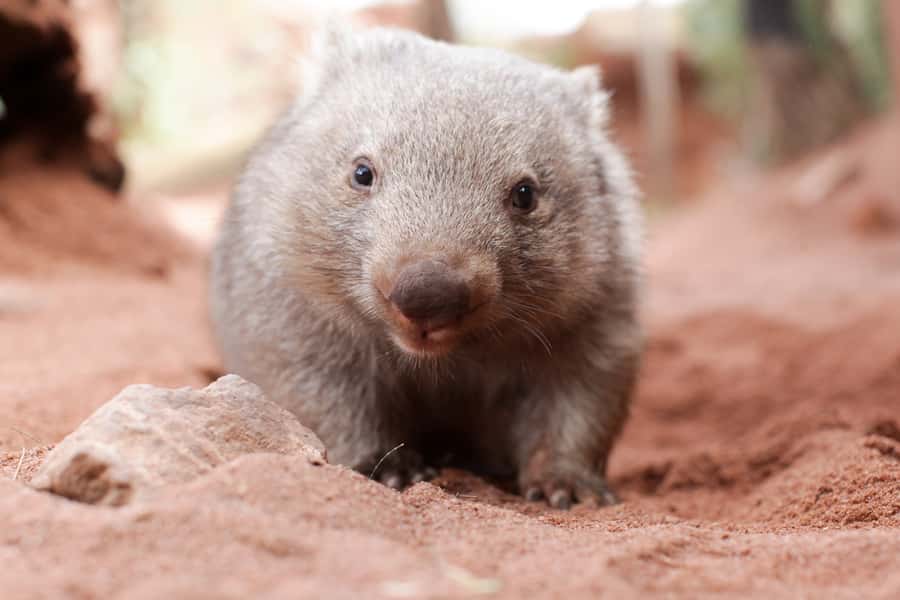
Wombats are among the animals that can win over even people who arrived mainly for koalas. The hairy-nosed wombats are shown in a habitat where they can munch grass and retreat into deep burrows.
That burrowing behavior means you may not get a dramatic view every moment. This is a place to pause, scan the enclosure and accept that wildlife does not perform on demand. If you are visiting with children, it is worth explaining that patience is part of seeing animals well.
Echidnas are another highlight. Their unusual shape and spiny coat make them unlike almost anything you see in a conventional city zoo. They are easy to appreciate at close range, particularly if you have never seen one before.
The mix of wombats and echidnas gives the visit a distinctly Australian feel. These are not just the country’s famous postcard animals. They are odd, specialized creatures that make the stop more memorable.
Koalas are the star, but photos cost extra
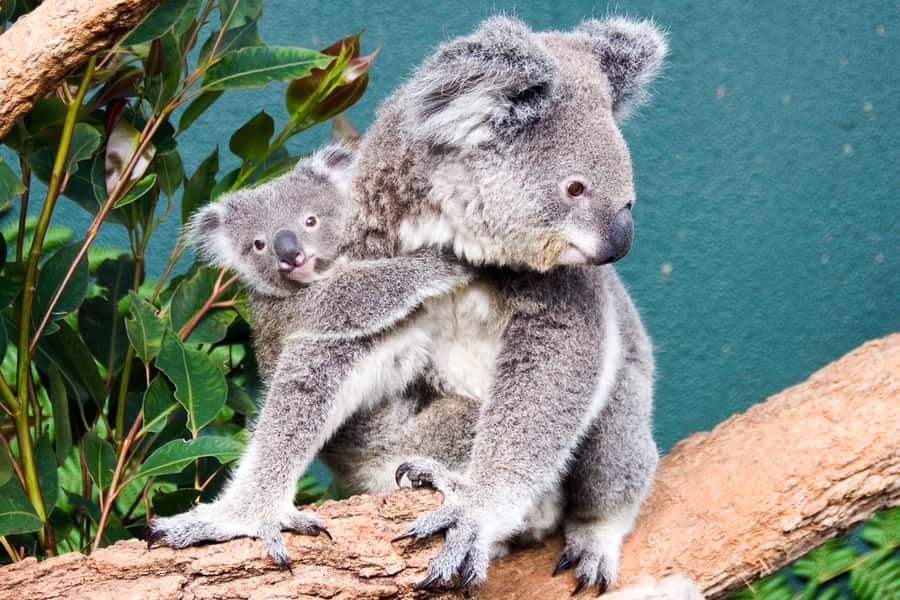
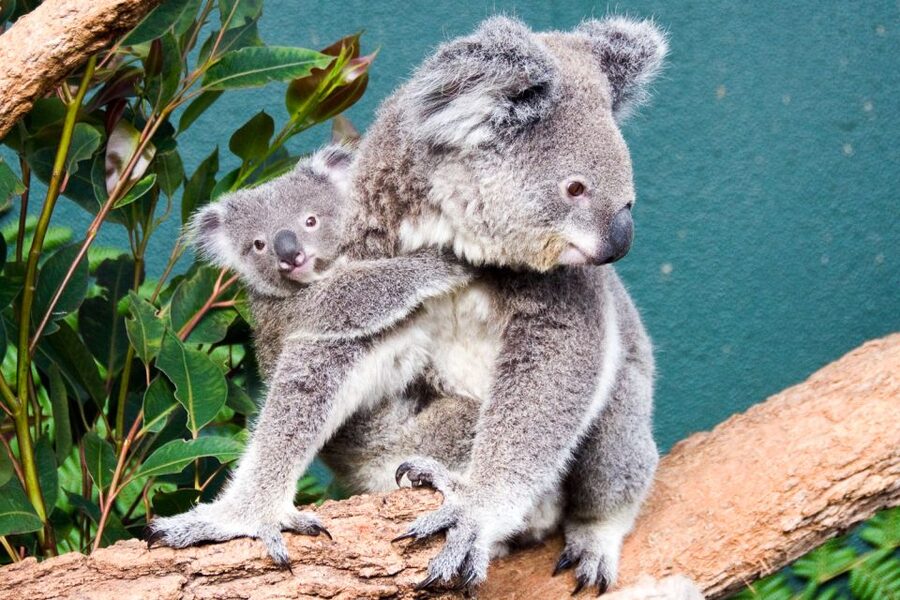
Koalas are one of the most popular parts of WILD LIFE Sydney Zoo, and you can get close to them in their habitat. Their sleepy manner makes them easy to watch for several minutes, especially when one is resting with an eye partly open.
The standard entry includes close encounters with koalas and other iconic marsupials. A photograph with a koala is not included, though, so check the option you book if that picture matters to you.
The photo experience does not mean you can touch the koala. The available information specifically describes visitors standing close for a picture without touching the animal. That is a sensible arrangement because the animal’s comfort should come first.
Koala viewing can be especially useful for families who want a clear, controlled encounter. You are not relying on luck in a distant tree. At the same time, you should remember that a close exhibit is not the same as seeing a koala in the wild.
A small cafe area with seating that looks toward the koalas has also been noted as a pleasant feature. The cafe is described as tiny, so do not plan your whole meal around it. Still, it gives you a place to pause while keeping the koala area in view.
Butterflies, snakes, turtles and crocodiles
The smaller exhibits add welcome variety to the marsupials. In the foliage, you may see colorful butterflies and snakes. Turtles and crocodiles move through water habitats, creating a change of pace after the furry animals.
The butterfly area is a visual lift, with color and movement in an otherwise enclosed setting. The snake displays will appeal to some people more than others. If you are uneasy around snakes, you should know that they are a visible part of the collection.
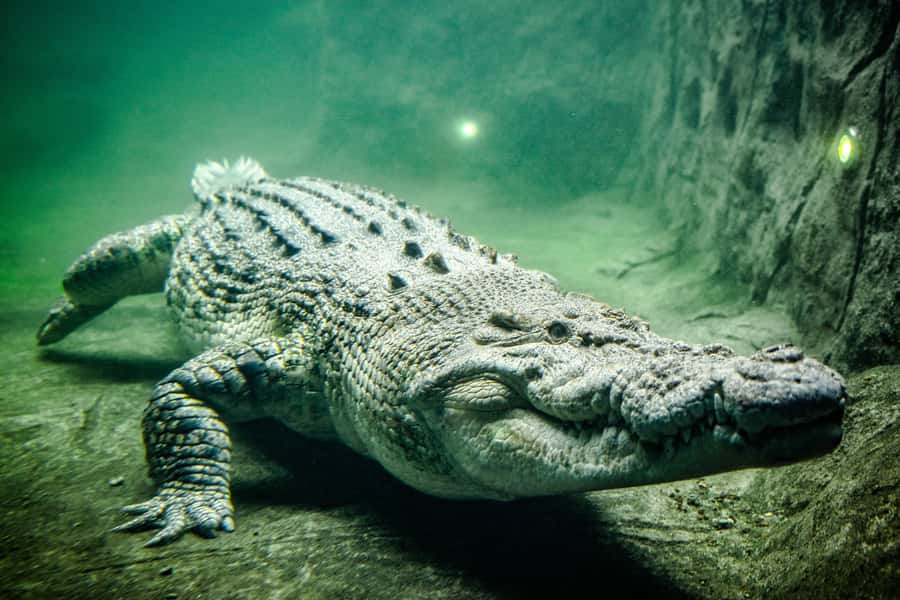
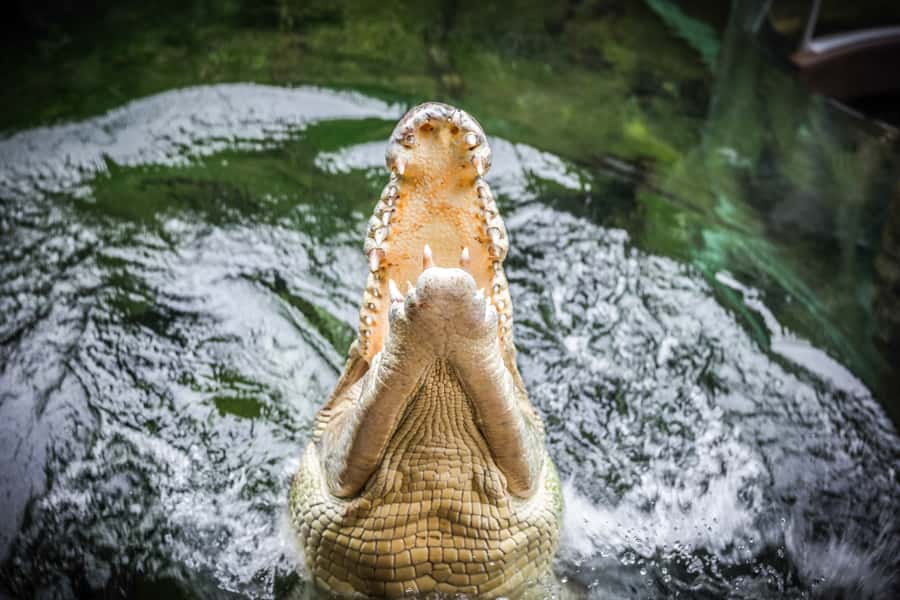
Rex the crocodile is one of the named animal highlights. Seeing a crocodile in a controlled water habitat gives you a close look at an animal that is often reduced to a scary story. The exhibit can help you appreciate its size, stillness and power without placing you in danger.
The attraction includes more than 100 species of Australian animals. That is a useful number, but the space remains limited. The total species count does not translate into a huge, sprawling zoo. Think of it as a carefully packed indoor collection with a strong national theme.
What the keeper talks add
The talks matter because a small animal exhibit can otherwise become a quick photo stop. Staff members offer explanations and answer questions, helping you connect each animal with its behavior and habitat.
The available information does not provide individual keeper names, so you should not book this expecting a particular host. You can expect an English-speaking host or greeter and keeper presentations in English.
The talks are also useful for families. A child may notice a kangaroo’s movement or a crocodile’s teeth, while the keeper can explain what makes the animal suited to its environment. That turns simple looking into a more meaningful visit.
Do not expect a guided tour. Entry is self-directed, and you move through the habitats at your own pace. The talks are scheduled additions, not a private escort through the zoo.
How long should you stay?
The ticket is valid for one day, and the advertised duration is one day. In practical terms, though, many people spend around two or three hours inside, depending on how long they stop at the animals and talks.
That timing makes the zoo easy to fit between other Sydney plans. You can visit before lunch, use it as a break from outdoor heat, or stop in the afternoon before continuing around Darling Harbour.
I would allow extra time if you are traveling with young children or hope to take photographs. Popular habitats can slow you down, especially the koalas and kangaroos.
A short visit is not a flaw if you plan for it. The mistake would be booking it while expecting a full day of constant activity. The zoo works best as a focused half-day or shorter city attraction.
Opening hours are listed as 10:00 a.m. to 4:00 p.m., with last entry at 3:00 p.m. Check the current schedule before setting out, since operating hours can change.
Price, access and who gets the best value
At $27 per person, the attraction offers a reasonably priced introduction to native Australian wildlife. I think the cost makes most sense for first-time visitors, families, and anyone with limited time in Sydney.
The value is strongest when you care about seeing Australian animals rather than collecting a long list of species. Koalas, kangaroos, wombats, echidnas, rock-wallabies and crocodiles are the main draw, and you can see many of them in a single central visit.
The value is weaker for someone who wants open space, a large collection or animals from around the world. One visitor found the small footprint made the zoo feel crowded, and that is the central limitation to keep in mind.
The venue is wheelchair accessible. That makes it a practical choice for visitors who need step-free access, although the information provided does not give further details about specific routes or facilities.
Free cancellation is available up to 24 hours in advance for a full refund, and some booking options allow you to reserve now and pay later. Meeting details can vary by the option selected, so read the exact booking information before paying.
Best times and simple ways to enjoy the visit
Arrive early in the opening period if you want a calmer start. The zoo can become more crowded around popular animals, and a quieter first circuit gives you a better chance to pause at the koala and kangaroo habitats.
Check the keeper talk schedule as soon as you enter. That small step helps you plan your route instead of reaching an exhibit just after a presentation ends.
Take your time with the less famous animals. Wombats, echidnas, pademelons and rock-wallabies can be more rewarding than a quick pass by the best-known exhibits.
If you want a koala photograph, confirm the extra cost before you enter the photo area. The picture is optional, and it is not part of the $27 admission.
Finally, keep the zoo’s scale in mind. Two or three focused hours can feel satisfying here. Expecting a huge park will make the visit seem short, while treating it as a central Sydney wildlife stop makes the format work well.
Should you book WILD LIFE Sydney Zoo?
Book it if you want an easy, central introduction to Australia’s native animals. I would especially recommend it for families, short-stay visitors, anyone avoiding the midday heat, and people determined to see koalas, kangaroos and wombats before leaving Sydney.
I would skip it if you want lions and tigers, wide outdoor grounds or a full-day zoo expedition. For that kind of outing, this compact venue may feel limited.
For most visitors, the best plan is to pair it with other Darling Harbour sights and allow two or three hours. The rock-wallabies, wombats, echidnas and koalas give the visit real character, while Rex the crocodile and the keeper talks add variety. At $27, it is a practical and fairly priced way to meet a strong selection of Australian wildlife in the middle of the city.
FAQ
Where is WILD LIFE Sydney Zoo?
It is located at Aquarium Wharf in Darling Harbour, in central Sydney, New South Wales, Australia.
How much does entry cost?
The listed price is $27 per person.
How long is the experience?
The ticket is valid for one day. In practical terms, you might spend around two or three hours, depending on your pace and how long you watch the animals and keeper talks.
What animals can I see?
You can see more than 100 species of Australian animals, including kangaroos, koalas, wombats, echidnas, yellow-footed rock-wallabies, pademelons, butterflies, snakes, turtles and crocodiles.
Is a koala photo included?
No. A photo with a koala is not included in the standard entry and costs extra.
Can I touch the koalas?
The available information describes visitors getting close for photographs without touching the koalas.
Is the zoo wheelchair accessible?
Yes, WILD LIFE Sydney Zoo is listed as wheelchair accessible.
What are the opening hours?
The listed opening hours are 10:00 a.m. to 4:00 p.m., with last entry at 3:00 p.m. Check availability and current operating details before you go.
Just added around Sydney
- Blue Mountains Small-Group Insider Tour from Sydney★ 4.5 · 130 reviews
- Virtual Room – 40-50min VR Escape Game Adventure for 2+ Players★ 5.0 · 130 reviews
- Hunter Valley Wines, 2-Course Lunch, Cheese & Chocolate Tour★ 5.0 · 132 reviews
- Kayak to Goat Island in Sydney Harbour with Local★ 5.0 · 133 reviews
- Sydney: Harbour Cruise with Charcuterie Board & Drinks★ 4.6 · 135 reviews
- Sydney: Sydney Opera House VIP Backstage Tour and Breakfast★ 4.8 · 136 reviews
- Sydney: Big Night Out Pub Crawl with Local Party Hosts★ 4.3 · 137 reviews
- Sydney’s Chinatown Street Food and Stories Walking Tour★ 5.0 · 139 reviews
Wildlife & Zoo Experiences, compared.
Penguin Parade, & Wildlife Encounters Eco Tour from Melbourne
Read our review →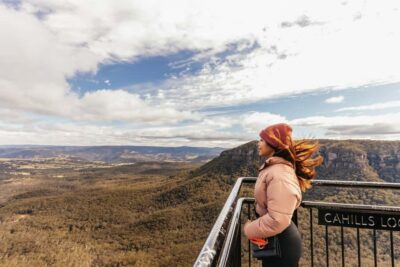
Blue Mountain Small Group Scenic World, Wildlife, Waterfall
Read our review →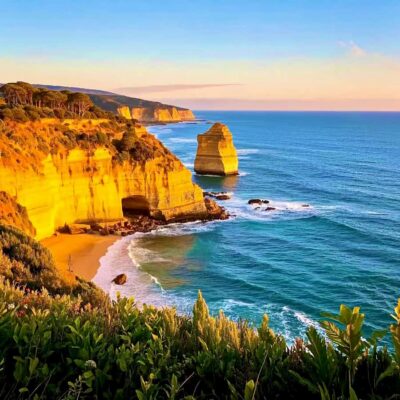
Melbourne Great Ocean Rd Reverse Tour London Bridge Wildlife
Read our review →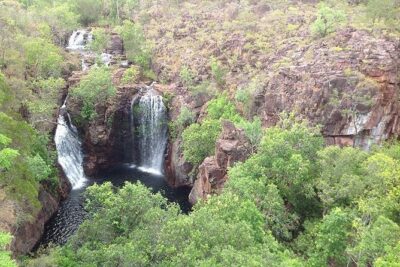
Litchfield National Park and Jumping Crocodile Cruise
Read our review →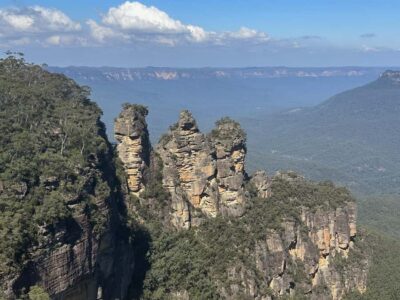
Blue Mountains Adventure: Scenic World, Zoo & Koala Photo
Read our review →
Solar Whisper Daintree River Crocodile and Wildlife Cruise
Read our review →
Browse the lists this tour appears in