
Reviewed · WHALE WATCHING
Bremer Bay: Bremer Canyon Killer Whale Expedition
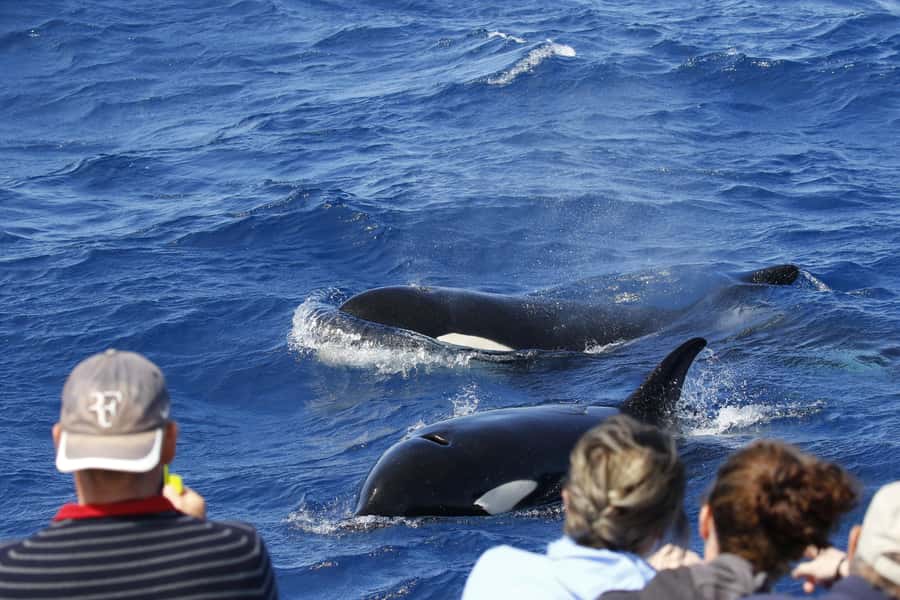
Killer whales make the Southern Ocean feel close. This $282 Bremer Canyon expedition gives you a rare chance to watch orcas in the wild, often for hours at a time, rather than treating a brief sighting as the whole show. I like the strong marine biology commentary and the care built into the day, with meals, drinks, photos, and a daily blog included.
I also like the Alison Maree, a vessel made for Southern Ocean conditions, and the chance to see far more than orcas: pilot whales, sperm whales, dolphins, seals, sharks, albatrosses, and other pelagic birds have all appeared. The main caution is simple: this is a long day at sea, and rough water can make motion sickness a serious problem even when the wildlife is spectacular.
In This Review
- Why this Bremer Bay expedition deserves your attention
- Reaching Bremer Canyon from the boat harbour
- What makes the Bremer Canyon wildlife encounter special
- Alison Maree and the realities of an eight-hour sea day
- Marine biology that adds meaning to the sightings
- Food, drinks, photos, and the daily blog
- The value of $282 per person
- Who should book this expedition
- Practical preparation for a better day
- Should you book the Bremer Bay orca expedition?
- FAQ
- Where does the Bremer Bay Killer Whale Expedition start?
- How long does the expedition last?
- What wildlife might I see?
- Is seeing killer whales guaranteed?
- What food and drinks are included?
- Should I take seasickness medication?
- Who cannot join the expedition?
Why this Bremer Bay expedition deserves your attention
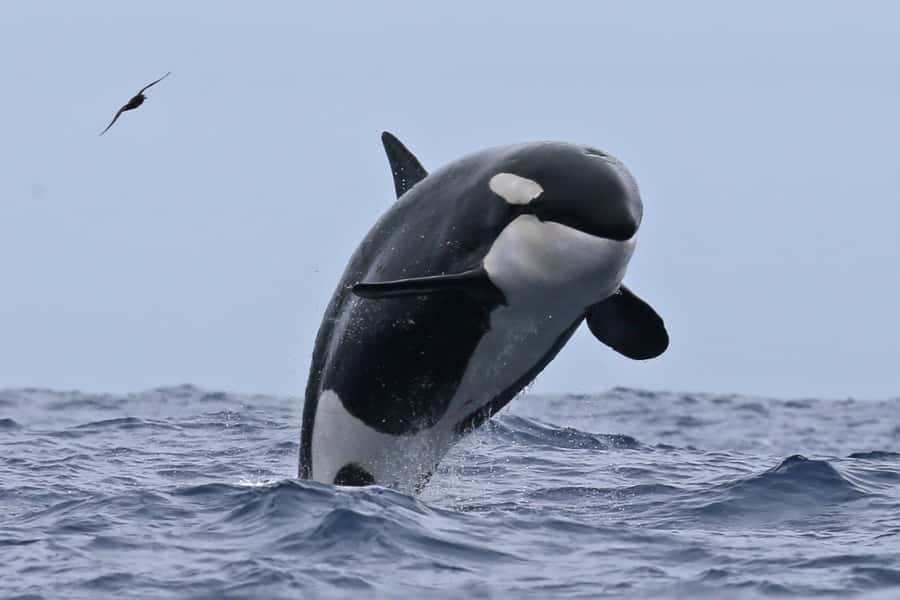
- Orcas are the main event: Bremer Canyon is described as the only place in Australia where you can reliably encounter killer whales in the wild.
- Five hours of whale watching is possible: Some outings have stayed with pods almost constantly once they reached the canyon.
- The boat is built for the Southern Ocean: Alison Maree was designed specifically for these demanding conditions, with indoor comfort and viewing opportunities outside.
- The day is fully catered: Morning tea, lunch, afternoon tea, and unlimited hot and cold drinks are included.
- Marine biology is part of the experience: The onboard team explains killer whale behavior, hunting, ecology, and the other animals around you.
- Seasickness preparation matters: The boat can spend many hours in open water, and several people have needed extra care on rough days.
Reaching Bremer Canyon from the boat harbour
Your day begins at Bremer Bay boat harbour with a safety briefing. Then you board the Alison Maree and settle in for the run toward the canyon, which usually takes about 1 to 1.5 hours depending on sea conditions and weather.
That journey is not just dead time. Before the boat reaches the main wildlife area, you receive a multimedia presentation covering killer whale biology and ecology. It gives you useful context before you see your first dorsal fin, including how orcas live, hunt, and interact with other species.
The travel time does mean you should think of this as a full expedition, not a quick boat ride. The overall trip lasts about eight hours, and the return journey can feel long if the sea is rough or you are tired. The crew provides hot and cold drinks, morning tea, lunch, and afternoon tea, which makes the day much easier than having to pack and manage all your own food.
There is no hotel pickup or drop-off, so you need to make your own way to the Bremer Bay boat harbour. That is an important practical point if you are staying outside town or trying to fit the trip into a tight Western Australia road itinerary.
More whale watching trips in Australia:
- Sydney: Whale Watching Adventure Cruise
★ 4.2 · 1,790 reviews - Brisbane Whale Watching Cruise from Redcliffe or Sunshine Coast
★ 5.0 · 997 reviews - Swim with Whale Sharks in the Ningaloo Reef: 3 Island Shark Dive
★ 5.0 · 919 reviews
What makes the Bremer Canyon wildlife encounter special
The canyon is the reason this expedition is worth considering. According to the activity information, it is the only location in Australia where you can reliably encounter killer whales in the wild. That does not mean nature offers a guarantee on every departure, but it does explain why this area attracts people from across Australia and overseas.
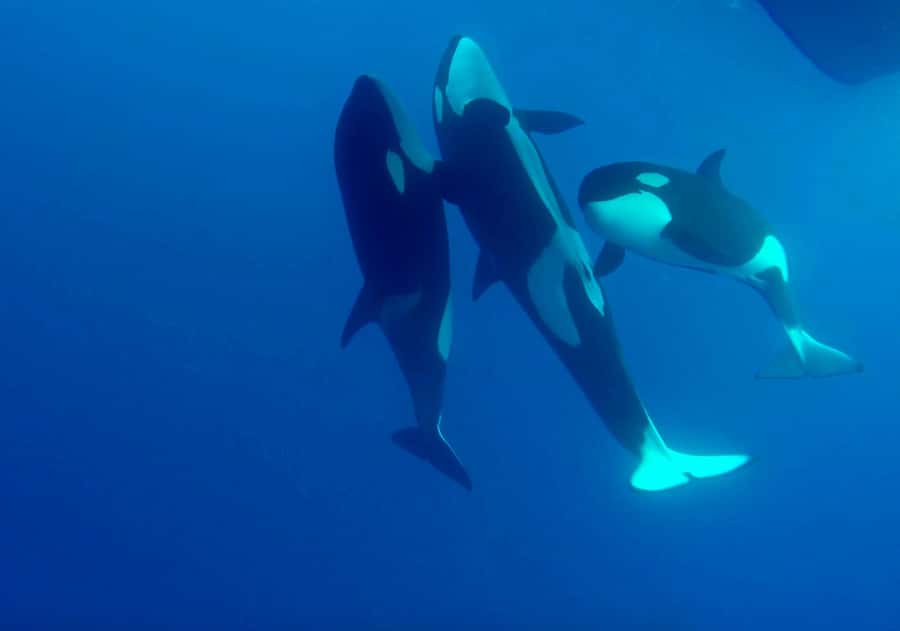
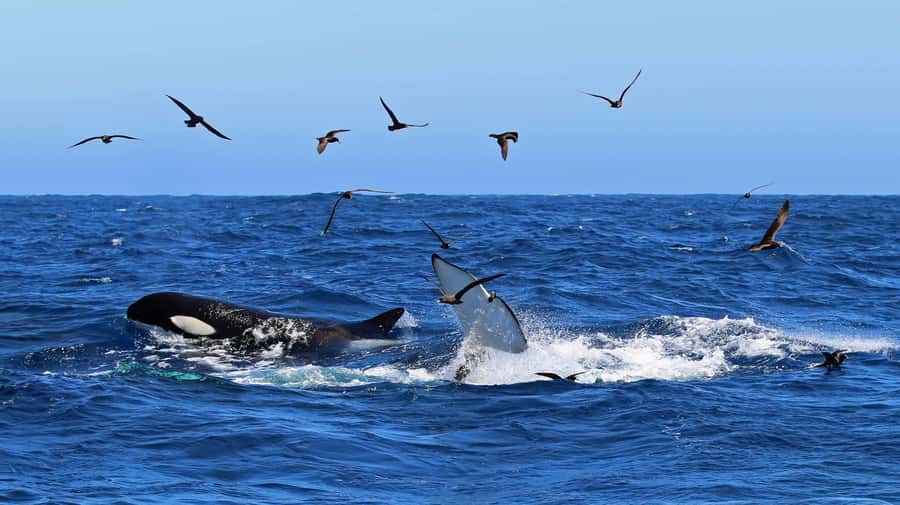
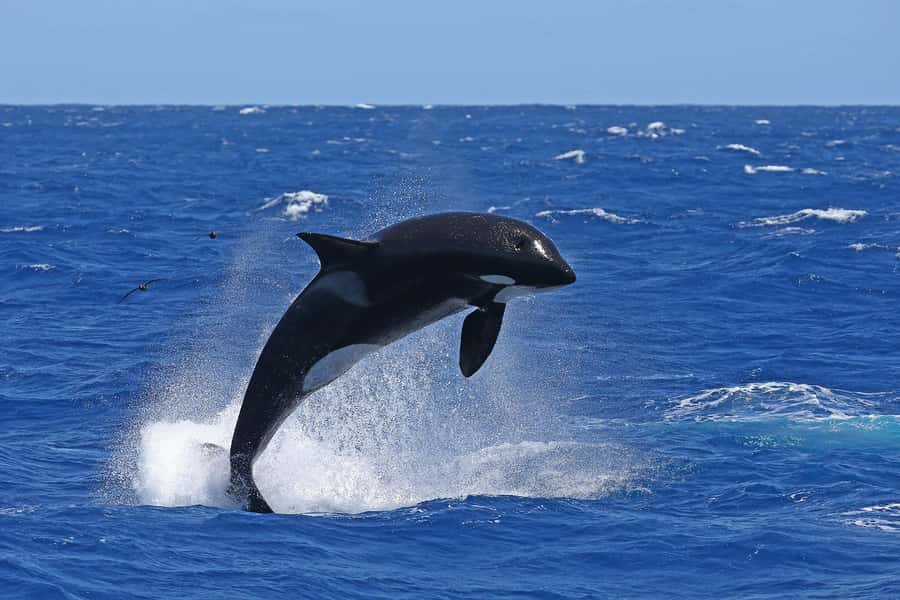
The strongest wildlife days can be extraordinary. You might spend several hours with one or more pods, seeing orcas surface near the boat, pass beneath it, swim alongside, or chase the vessel’s wake as you leave. One outing included two predation events, while others saw orcas hunting whales. These are powerful natural events, and they can be intense to watch.
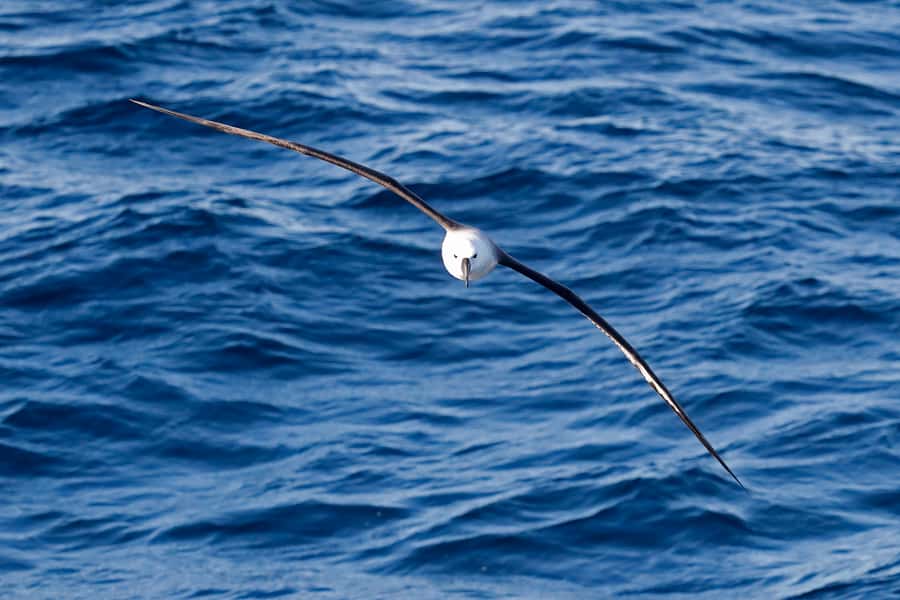
You should also keep your eyes open between orca sightings. The wider list of possible animals includes sperm whales, pilot whales, dolphins, sharks, seals, sea lions, albatrosses, and other pelagic birds. Sightings have included a blue whale, common dolphins, a bronze whaler shark, sperm whales, pilot whales, and seals.
Still, you should set your expectations properly. Orcas are the focus, and the day may be dominated by them. If you are hoping for an even spread of many large species, you may see less variety than expected. The reward is that the main subject can be seen repeatedly and at close range, rather than only in a single fleeting moment.
Alison Maree and the realities of an eight-hour sea day
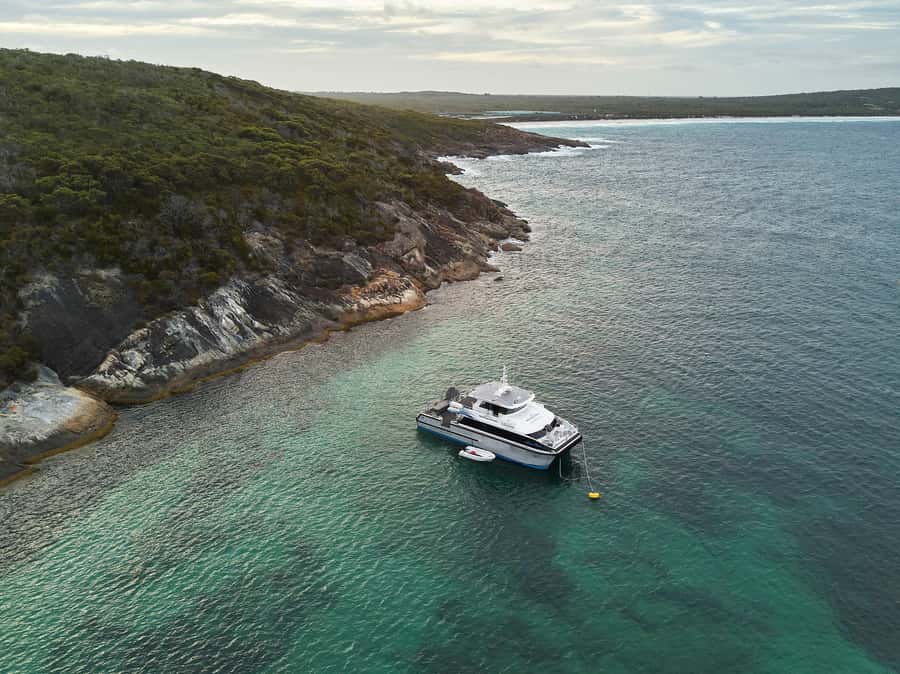
Alison Maree was built for Southern Ocean conditions, which is a major advantage in this setting. The boat offers a more suitable platform than a casual harbor cruise because the expedition travels well offshore and may spend hours in exposed water.
You will want to bring warm clothing and comfortable shoes. Weather can change, and standing outside for long periods requires layers. Waterproof clothing is also a sensible choice based on the conditions described by people who have taken the trip, though the official guidance specifically lists warm clothing rather than promising particular equipment.
The boat is not a swimming or snorkeling platform. Swimming and snorkeling are not allowed, so this is strictly a wildlife-watching expedition from onboard viewing areas.
One practical issue deserves more attention than it often gets: the motion of the sea. Several people who had never considered themselves prone to seasickness still took tablets as a precaution. That was wise. Reports describe rough days when many people felt unwell, while the crew worked hard to look after them.
I would take seasickness prevention seriously. The supplied guidance recommends seasickness tablets, and the strongest practical advice is to take them before boarding according to the product instructions. A light, plain breakfast may also help if you know your stomach is sensitive. Sitting outside can reduce discomfort for some people, but you should follow crew instructions and move around carefully.
This is not a criticism of the boat or the crew. It is simply the price of reaching open Southern Ocean wildlife grounds. Calm conditions can make the day feel smooth and easy. Rough conditions can turn the same eight hours into a test of endurance.
Marine biology that adds meaning to the sightings
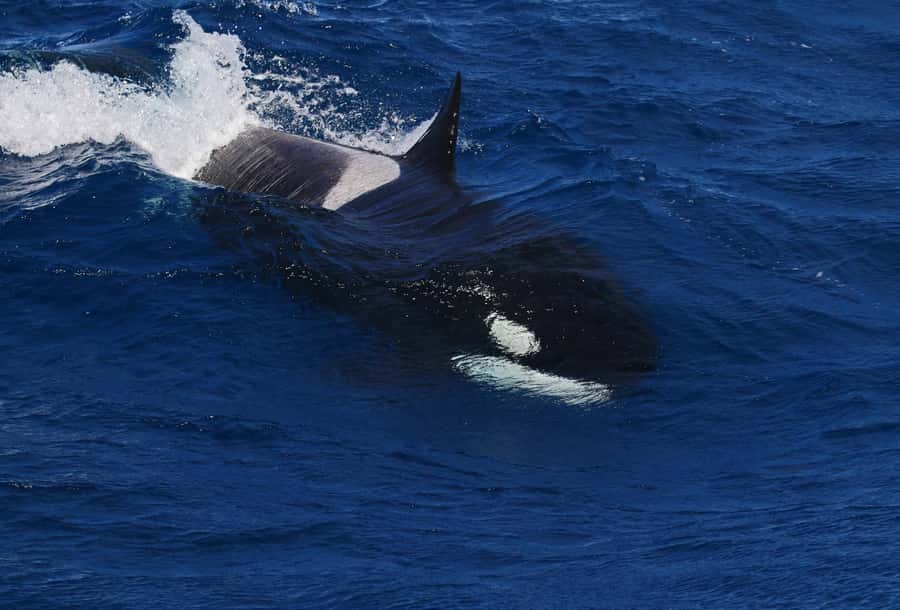
The marine biologist’s commentary is one of the expedition’s best features. You are not left guessing whether a fin belongs to a pilot whale or an orca, or why the animals are moving in a particular direction.
The opening presentation gives you a foundation in killer whale biology and ecology. Once you are at the canyon, the crew can connect that information to what you are seeing, including hunting behavior and interactions between pods and other whales.
That matters because wildlife watching is more rewarding when you understand the behavior in front of you. An orca surfacing is impressive on its own. An orca group coordinating around prey, changing direction, or playing in the wake becomes a story you can follow.
The crew also appears to play an active role in locating animals. On some days, they have adjusted their search to find more orcas or stayed out longer to spend time with sperm whales on the return journey. That flexibility is valuable, since wildlife does not follow a fixed timetable.
The available information does not provide individual guide names, but the staff are presented as attentive, friendly, and highly experienced. They also help with food, drinks, comfort, and seasickness. That combination is important on a long expedition, where good care can shape your whole day.
A few more Australia trips worth weighing up
- Kalgan Queen Scenic Cruises a four hour sheltered water wildlife tour daily fun.
★ 5.0 · 474 reviews - National Anzac Centre General Entry Ticket
★ 4.5 · 210 reviews - Albany’s Historic Whaling Station Admission Ticket
★ 4.5 · 86 reviews
Food, drinks, photos, and the daily blog
The price includes more than the boat ride. You receive morning tea, lunch, afternoon tea, and unlimited hot and cold beverages. That means you do not need to treat the trip as an expensive cruise followed by extra onboard costs.
Food also helps with the practical side of an eight-hour outing. You can stay hydrated and fed without bringing a full day’s supplies. If you are prone to seasickness, however, included meals do not mean you need to eat heavily. Bring your usual medication and choose what your stomach can manage.
Photos and a daily blog are emailed after the expedition. This is useful because it lets you enjoy the encounter without trying to photograph every single surface. You can still take your own pictures, but professional expedition material may preserve moments you missed while watching from another side of the boat.
The wildlife will not always appear exactly where you are standing, so a camera cannot replace paying attention. On particularly active days, people have moved from one side of the boat to the other as younger orcas swam beneath the vessel. The best approach is to watch first and photograph second.
The value of $282 per person
At $282 per person, this is a significant expense, especially if you are traveling as a couple or family. But the price includes eight hours aboard a purpose-built vessel, a marine biologist, food, drinks, photos, and the post-trip blog.
The value depends heavily on what you want from a wildlife outing. If you only want a short scenic boat ride, this is too much time and money. If seeing wild orcas is a central goal of your Western Australia trip, the price becomes easier to justify because the experience is unusual and the time spent with the animals can be substantial.
Some days have produced hours of orca sightings, including close passes and hunting behavior. You may also see several other species. That does not remove the uncertainty that comes with wild animals, but the Bremer Canyon setting gives this activity a stronger chance of delivering its main purpose than a general whale-watching cruise.
The included catering adds real value. You are not paying for lunch, drinks, or a separate photo package on top of the advertised cost. The reserve-now-and-pay-later option also lets you hold a place without paying immediately, and free cancellation is available up to 24 hours before departure for a full refund.
Who should book this expedition
I would recommend it most strongly to adults and older children who are genuinely excited by marine wildlife and can handle a long day on a boat. Children under 10 are not permitted, and the activity is not suitable for pregnant women or wheelchair users.
It is a particularly good fit if you:
- Want to see orcas in their natural environment rather than in captivity.
- Enjoy learning about animal behavior and ecology.
- Are willing to spend most of a day at sea.
- Can prepare properly for possible motion sickness.
- Value meals, drinks, and photography being included.
- Are comfortable with wildlife sightings that cannot be controlled.
You should think twice if you dislike open water, become unwell easily on boats, or need a short and predictable activity. Even a calm-looking morning can change once the boat reaches the Southern Ocean.
The experience is also best for people who can accept that wildlife is wild. The activity is built around a reliable orca location, but there is no promise that every departure will produce the same number of animals or the same behavior. That uncertainty is part of the attraction, but it should be part of your decision too.
Practical preparation for a better day
Start with the essentials: warm layers, comfortable shoes, and seasickness medication. If you normally feel unwell on boats, do not wait until symptoms begin. Follow the medicine instructions and consider eating a light breakfast.
Keep your schedule clear for the full eight hours. The ride to the canyon takes roughly 1 to 1.5 hours, and the return journey can vary with sea state, weather, and wildlife activity. You should not plan an important appointment immediately afterward.
Listen closely during the safety briefing. The boat may be busy with passengers moving toward sightings, especially when orcas appear on both sides. A crew member once had to intervene when someone was moving in a way that could have caused an accident, so sensible movement matters.
Bring clothing you can layer. Conditions may feel comfortable at the harbour and much colder offshore. The official advice says warm clothing, and practical experience from the trip also points to waterproof layers as a useful choice.
Finally, give yourself permission to stop chasing the perfect photograph. The crew and marine biologists are there to help you understand what is happening, and the emailed photos and blog will give you a record afterward.
Should you book the Bremer Bay orca expedition?
Yes, if wild killer whales are high on your wish list and you can cope with a full day on the Southern Ocean. The strongest reason to book is not just the possibility of seeing orcas, but the chance of spending hours with them while a marine biologist explains what you are watching.
I especially like the combination of purpose-built transport, careful crew support, full catering, and useful follow-up photos. The main weakness is the sea itself. Rough conditions can make the trip unpleasant for people who are not prepared, and the long duration requires real commitment.
Book this if you want a serious wildlife expedition, not a gentle sightseeing cruise. Take seasickness precautions, dress warmly, arrive ready for eight hours offshore, and the $282 price can be very good value for one of Australia’s most unusual marine encounters.
FAQ
Where does the Bremer Bay Killer Whale Expedition start?
The expedition starts at Bremer Bay boat harbour and returns there after the day at sea.
How long does the expedition last?
The expedition takes approximately eight hours. The journey to the Bremer Canyon area usually takes about 1 to 1.5 hours, depending on weather and sea conditions.
What wildlife might I see?
Possible sightings include killer whales, sperm whales, pilot whales, dolphins, sharks, seals, sea lions, albatrosses, and other pelagic birds. Sightings vary from day to day.
Is seeing killer whales guaranteed?
The experience visits the only location in Australia where killer whales can be reliably encountered in the wild, but wild animal sightings and behavior cannot be guaranteed on every departure.
What food and drinks are included?
Morning tea, lunch, afternoon tea, and unlimited hot and cold beverages are included.
Should I take seasickness medication?
Seasickness tablets are highly recommended because the expedition travels into the Southern Ocean, where conditions can be rough. Take medication before boarding according to its instructions.
Who cannot join the expedition?
The activity is not suitable for children under 10, pregnant women, or wheelchair users. Swimming and snorkeling are also not allowed.
Just added around Australia
- From Goolwa: Half-Day Coorong Experience★ 4.9 · 129 reviews
- Great Ocean Road Lux Tour Max 11 Hotel Pickup★ 4.8 · 129 reviews
- Kangaroo Island Scenic Nature and Wildlife Day Tour★ 5.0 · 129 reviews
- Blue Mountains Small-Group Insider Tour from Sydney★ 4.5 · 130 reviews
- McLaren Vale Small Group Wine Tour★ 5.0 · 130 reviews
- Virtual Room – 40-50min VR Escape Game Adventure for 2+ Players★ 5.0 · 130 reviews
- Darwin: Adelaide River Half-Day Jumping Crocs Cruise★ 4.3 · 130 reviews
- Melbourne City Highlights Small Group Tour★ 5.0 · 131 reviews
Whale Watching, compared.
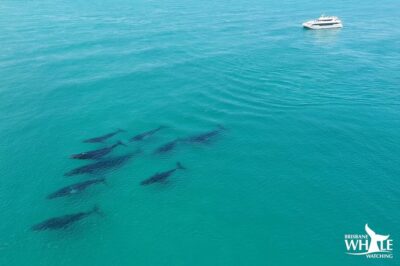
Brisbane Whale Watching Cruise from Redcliffe or Sunshine Coast
Read our review →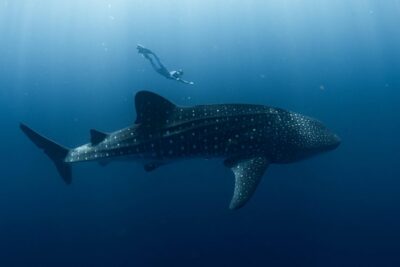
Swim with Whale Sharks in the Ningaloo Reef: 3 Island Shark Dive
Read our review →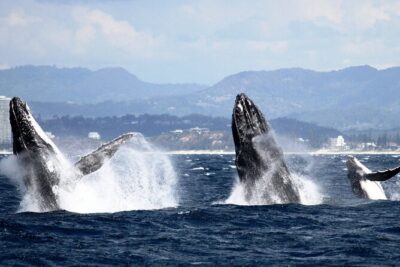
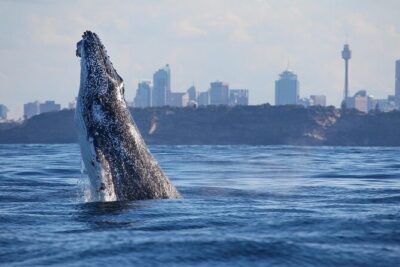
Sydney Whale-Watching Cruise Including Lunch or Breakfast
Read our review →
Spirit of Gold Coast 2.5-Hour Whale Watching Tour
Read our review →
Browse the lists this tour appears in