
Reviewed · HISTORICAL TOURS
Albany’s Historic Whaling Station Admission Ticket
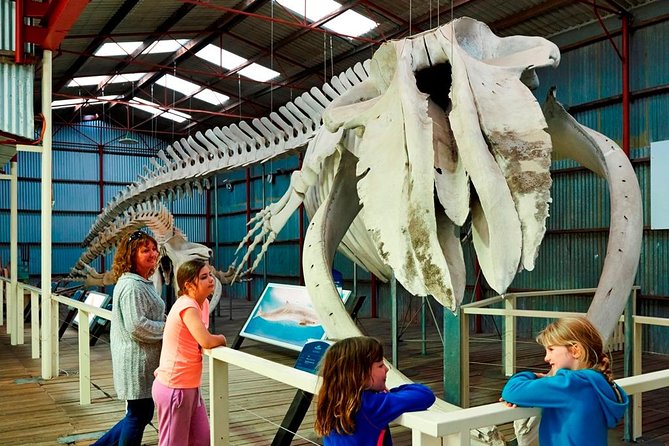
Whaling history feels startlingly close here. Albany’s Historic Whaling Station turns a former processing site into a self-guided museum where you can walk through converted whale-oil tanks, watch short films, study old equipment, and board Cheynes IV, the only preserved whale chaser ship in the world. I like the mix of serious history and hands-on sights, especially the giant blue whale skeleton and the chance to step inside the old industrial spaces.
I also like the freedom to set your own pace. You can spend two hours moving through the main displays or stay longer for the marine art, scrimshaw collection, wildlife enclosure, café, and flower garden. The main drawback is that some material is confronting, and wet or windy weather can shorten your visit, particularly around the ship and garden.
In This Review
- Key points to know before you go
- The short drive from Albany CBD
- Entering a working whaling site
- The blue whale skeleton and marine displays
- Boarding Cheynes IV
- Artifacts, films, and the smaller displays
- A café, bay views, and the flower garden
- Is the $26.49 admission good value?
- Who will enjoy this visit most?
- Weather, timing, and practical planning
- The honest drawbacks
- Should you book Albany’s Historic Whaling Station?
- FAQ
- Where is Albany’s Historic Whaling Station?
- How long does the visit take?
- What are the opening hours?
- Is the visit guided?
- Can I board Cheynes IV?
- Is food included in the ticket?
- Is the station suitable for children?
- What should I wear?
- Can I cancel for a refund?
Key points to know before you go
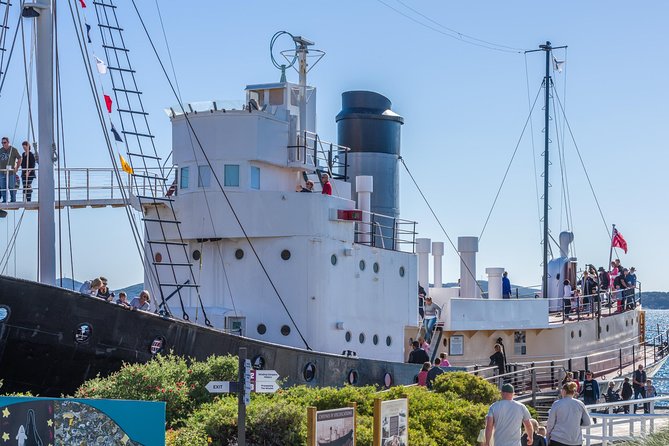
- Cheynes IV is the star attraction: You can climb aboard the preserved whale chaser and see a vessel directly linked to Albany’s whaling past.
- The old whale-oil tanks are part of the museum: Short films shown inside these converted tanks give the site a memorable sense of place.
- Allow two to three hours: There is enough to see beyond the main ship, including artifacts, scrimshaw, marine art, and a blue whale skeleton.
- This is a self-guided visit: You explore independently rather than following a scheduled guide or group itinerary.
- The subject can be confronting: The station presents whaling as an important part of local history, not as a light family attraction.
- A picnic break is possible: Free BBQ facilities are available in the flower garden, while food and drinks at the café cost extra.
The short drive from Albany CBD
The station is about a 20-minute scenic drive from Albany’s city center. That makes it easy to pair with other time in Albany, but you will need to arrange your own way there because admission covers the site, not transportation.
I would set aside at least two hours, then add time if you want to watch the films carefully, read the displays, explore the ship in detail, or stop at the café. The advertised visit length is roughly two to three hours, which feels sensible for most people.
The station opens daily from 9:00 a.m. to 5:00 p.m. The published operating period covers July 1, 2025 through June 30, 2027. An early visit gives you more flexibility if you want to use the café or garden before moving on to other Albany sights.
More history tours in Australia:
- Ultimate Melbourne Walking Tour: History, Laneways & Culture
★ 5.0 · 1,451 reviews - Puffing Billy Railway: Heritage Steam Train Journey
★ 4.6 · 1,195 reviews - Morning World Heritage Cruise on the Gordon River from Strahan
★ 5.0 · 1,193 reviews
Entering a working whaling site
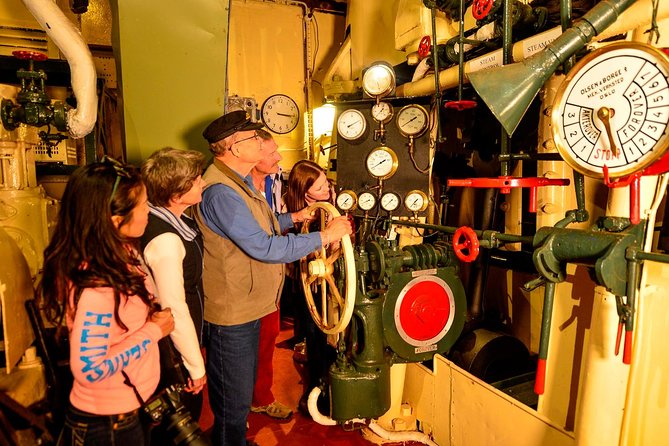
The first important point is that this is not a purpose-built museum with a clean, modern shell. It occupies an old whale processing center, and that gives the visit much of its impact.
You can see the physical setting where the industry operated, including converted whale-oil tanks used for short films. The tanks are more than storage spaces repurposed for display. They help you understand the scale and industrial nature of the work in a way that a row of photographs could not.
I like this approach because it keeps the story tied to the actual place. You are not only reading about Albany’s whaling industry. You are looking at the buildings and objects connected with it.
The subject is not gentle. The station presents whaling artifacts and memorabilia, and the experience may not suit anyone who wants a cheerful or purely scenic outing. One particularly useful piece of advice is to prepare children in advance. Children must be accompanied by an adult, and the material deserves some explanation rather than a rushed walk-through.
The blue whale skeleton and marine displays
The giant blue whale skeleton is one of the clearest visual highlights. Its size gives you an immediate sense of how enormous these animals are, even if you already know the measurements from books or documentaries.
The skeleton also helps balance the industrial exhibits. After seeing equipment and processing spaces, you are reminded of the animal at the center of the story. I would spend a few quiet minutes here rather than treating it as a quick photo stop.
The station also includes a world-renowned marine animal art collection. The supplied information does not list the individual artists or the exact number of works, so you should expect a collection to browse rather than a formal gallery tour with detailed commentary.
There is also a precious scrimshaw collection. Scrimshaw, traditionally carved or engraved whalebone and ivory, connects maritime craft with the whaling era. These pieces add a personal and artistic side to a subject that can otherwise feel dominated by machinery and factory work.
Together, the skeleton, marine art, and scrimshaw give the museum a wider reach. You are not limited to the mechanics of whaling. You also see how marine life, sailors, craft, and public memory became part of the story.
Boarding Cheynes IV
Cheynes IV is the strongest reason to visit if you have already seen plenty of general museums. You can climb aboard the preserved whale chaser and explore the only preserved whale chaser ship in the world, according to the attraction’s description.
A ship makes history easier to picture. On land, an old artifact can feel distant. On deck, you can think about the vessel as a working machine, with its practical design and connection to the whaling operation.
The ship also gives the visit a change of pace. You move from enclosed tanks and exhibit rooms into a more open maritime setting. That contrast is useful, though it also means weather matters. The station operates in all weather conditions, so bring suitable clothing rather than assuming every part of the visit is sheltered.
Wind and rain may make the ship less comfortable to explore. One five-star assessment specifically noted that poor weather cut short the amount of time spent at the site. If the forecast looks wet or windy, allow extra time but keep your expectations realistic.
The attraction does not provide a guide-led ship tour in the supplied information. You explore independently, so read the signs and take your time with the areas that interest you most.
A few more Australia trips worth weighing up
- Kalgan Queen Scenic Cruises a four hour sheltered water wildlife tour daily fun.
★ 5.0 · 474 reviews - National Anzac Centre General Entry Ticket
★ 4.5 · 210 reviews - Bremer Bay: Bremer Canyon Killer Whale Expedition
★ 4.9 · 114 reviews
Artifacts, films, and the smaller displays
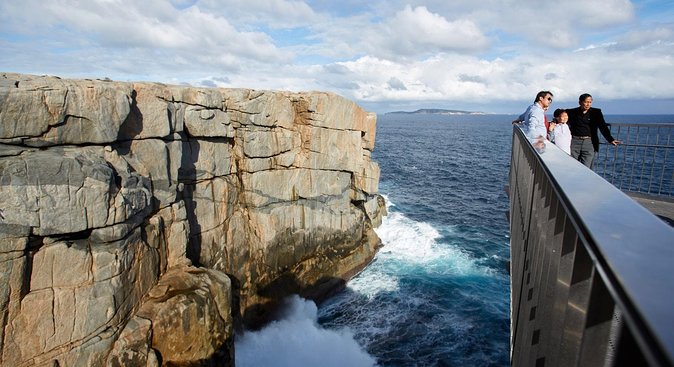
The station works best when you treat it as a collection of connected stops rather than a single exhibit. The short films help set the scene. The authentic whaling artifacts and memorabilia provide physical evidence. The ship shows the working side of the industry. The skeleton and art collections broaden the subject.
That variety matters because a self-guided museum can feel flat if every room offers the same kind of display. Here, you can change from watching a film to examining an object, then move outside and board a ship.
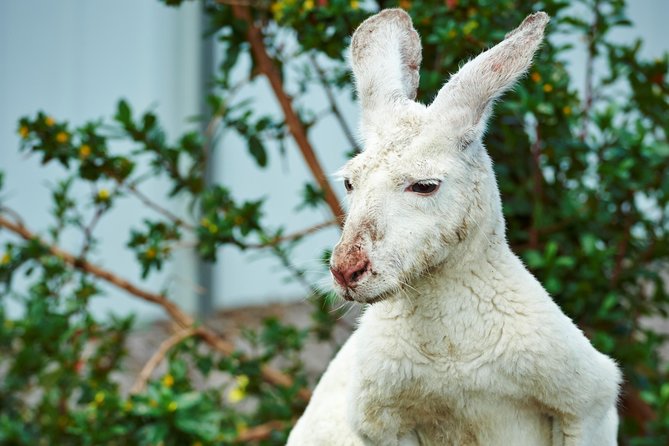
The smaller Australian wildlife enclosure adds another layer. It was specifically noted alongside the old whaling ship and processing center, so it may appeal to families who want a little more than industrial history. Still, I would not book this solely for the wildlife area. The main purpose of the visit is the whaling station and its connected collections.
You should also allow time for the museum displays before or after the main ship visit. The self-guided format means you do not have to hurry from one point to the next. If a piece of equipment catches your attention, you can stop and read. If a film is about to begin, you can wait without worrying about losing a tour group.
A café, bay views, and the flower garden
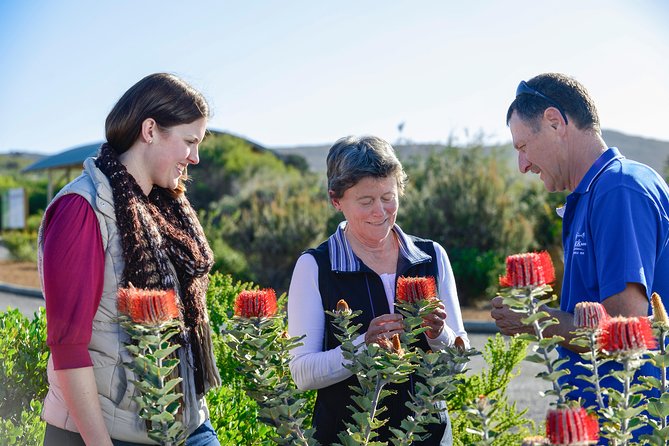
The café overlooks one of Albany’s most picturesque bays, giving you a good place to pause after the heavier exhibits. Food and drinks are not included in the admission price, so treat the café as an optional extra rather than part of the ticket value.
The flower garden offers another break from the museum. Free BBQ facilities are available there, which can be useful if you are spending much of the day at the station or traveling with a family group. You will need to bring or buy your own food because lunch, food, and drinks are not included.
This is a practical feature, but weather will influence how useful it feels. On a sunny day, the garden can stretch the visit into a relaxed half-day stop. On a cold, wet, or windy day, you may prefer to keep moving through the indoor displays and leave sooner.
I like that the site gives you options. You can make this a focused museum visit, a longer historical outing with a café stop, or a self-contained break with a BBQ. Just do not assume every extra activity is included in the ticket.
Is the $26.49 admission good value?
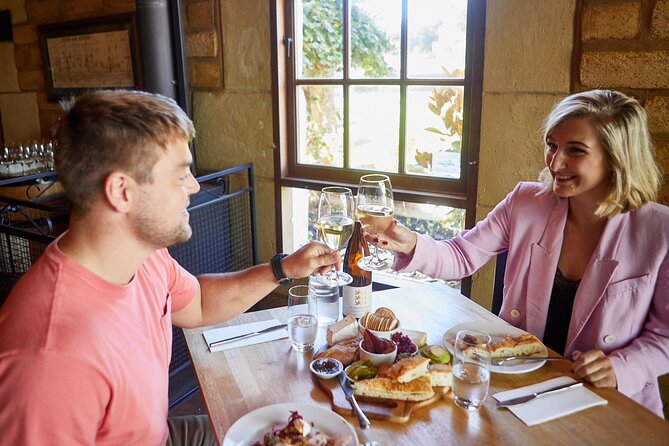
At $26.49 per person, the ticket is reasonable if you use the full site. The value comes from the number of different elements included: the processing center, whale-oil tanks, short films, Cheynes IV, blue whale skeleton, marine art, scrimshaw, artifacts, and the Australian wildlife enclosure.
The price looks less attractive if you only want a quick look at the ship. You are paying for a broad museum experience, not simply access to one vessel.
The self-guided format helps value-conscious visitors. You are not locked into a short timed tour, and the two to three-hour visit gives you a fair amount of content for the admission fee. Free BBQ facilities add practical value, though you still pay separately for food and drinks.
I would call it good value for people interested in Albany’s past, maritime subjects, conservation, or unusual museums. It is less suitable if you dislike confronting historical displays or prefer outdoor scenery to indoor interpretation.
Who will enjoy this visit most?
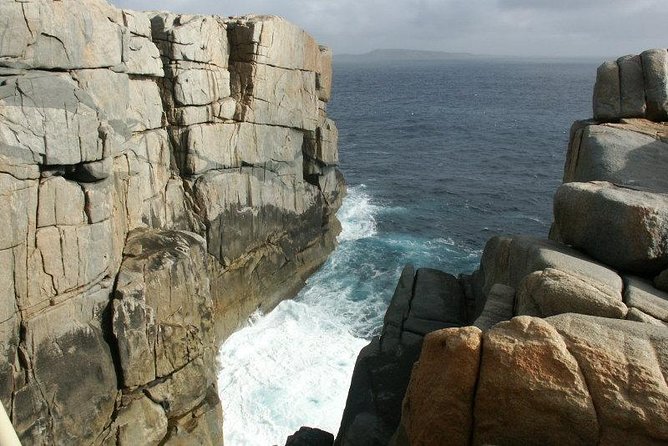
I would recommend the station to adults and older children who like places with a strong sense of history. It is especially useful for anyone wanting to understand an important part of Albany’s early working life rather than simply collect another coastal viewpoint.
Families can make it work, but adults should stay involved. Children must be accompanied by an adult, and the topic may need context. The wildlife enclosure and ship may hold younger attention, while the films and artifacts will appeal more to older children and adults.
You should have a moderate level of physical fitness. The supplied information does not give a detailed accessibility breakdown, so anyone with specific mobility concerns should check directly with the operator before booking.
This is also a good choice for independent visitors. You can move slowly, skip a display that does not interest you, or spend extra time with the ship and skeleton. If you prefer a guide explaining every object, the self-guided format may feel limited.
Weather, timing, and practical planning
The station operates in all weather, but that does not mean every condition will be equally pleasant. Wear clothing suited to Albany’s forecast, particularly if you want to spend time outside or aboard Cheynes IV.
I would not squeeze the station into a rushed one-hour gap. The site has enough variety to reward a slower visit, and bad weather may make you pause indoors longer. Plan for two hours at minimum, with up to three hours for a fuller look.
You can book with confirmation provided at the time of booking. Free cancellation is available if you cancel at least 24 hours before the experience start time. Cancellations inside that window are not refunded, and changes made within 24 hours are not accepted. The cut-off follows local time.
Because there is no scheduled guide or fixed group itinerary listed, your time is largely your own once inside. That is a strength for curious visitors and a weakness for anyone who wants a tightly narrated tour.
The honest drawbacks
The subject matter is the main issue. Whaling was a major part of the region’s past, but it is not an easy story. The station’s artifacts, films, and processing setting may feel confronting, and that is worth knowing before you arrive.
Weather is the second concern. Wind and rain can reduce the comfort of exploring the ship, garden, and other outdoor areas. A poor forecast does not make the visit impossible, but it may shorten your stay.
The site is also self-guided. You get freedom, but not a personal guide answering questions as you go. The displays need your attention, and the experience will be stronger if you take time to read and watch rather than treating it as a quick photo stop.
Finally, lunch is not included. The café and BBQ facilities are useful, but you need to budget for food separately or bring your own supplies.
Should you book Albany’s Historic Whaling Station?
Book it if you want an unusual, place-based museum that connects Albany’s whaling past with real buildings, artifacts, a preserved ship, and marine collections. I especially recommend it if you have two to three hours and enjoy setting your own pace.
Think twice if you want a light, scenic attraction or if confronting historical material is not for you. Also check the weather before choosing your timing, since wind and rain may limit the outdoor parts.
For most history-minded visitors, the $26.49 ticket is fair value. The combination of Cheynes IV, the blue whale skeleton, converted oil tanks, films, scrimshaw, and the old processing site gives you far more than a single exhibit. It is a serious stop, but an unusual and worthwhile one.
FAQ
Where is Albany’s Historic Whaling Station?
It is located in Albany, Australia, about a 20-minute scenic drive from Albany CBD.
How long does the visit take?
Allow approximately two to three hours, depending on how closely you explore the displays, films, ship, art collections, and other areas.
What are the opening hours?
The station is open Monday through Sunday from 9:00 a.m. to 5:00 p.m. The stated operating period is July 1, 2025 through June 30, 2027.
Is the visit guided?
No guided tour is specified. You explore the museum and displays at your own pace on a self-guided visit.
Can I board Cheynes IV?
Yes. Admission includes the chance to climb aboard Cheynes IV, described as the world’s only preserved whale chaser ship.
Is food included in the ticket?
No. Food, drinks, and lunch are not included. A café is available, and free BBQ facilities can be used in the flower garden.
Is the station suitable for children?
Children must be accompanied by an adult. Because the whaling subject can be confronting, adults should decide how much explanation younger children may need.
What should I wear?
The station operates in all weather conditions, so dress appropriately for the local forecast. Suitable clothing is particularly important in wet or windy weather.
Can I cancel for a refund?
Yes. You can receive a full refund by cancelling at least 24 hours before the experience start time. Cancellations or changes made less than 24 hours before the start time are not accepted or refunded.
Just added around Australia
- From Goolwa: Half-Day Coorong Experience★ 4.9 · 129 reviews
- Great Ocean Road Lux Tour Max 11 Hotel Pickup★ 4.8 · 129 reviews
- Kangaroo Island Scenic Nature and Wildlife Day Tour★ 5.0 · 129 reviews
- Blue Mountains Small-Group Insider Tour from Sydney★ 4.5 · 130 reviews
- McLaren Vale Small Group Wine Tour★ 5.0 · 130 reviews
- Virtual Room – 40-50min VR Escape Game Adventure for 2+ Players★ 5.0 · 130 reviews
- Darwin: Adelaide River Half-Day Jumping Crocs Cruise★ 4.3 · 130 reviews
- Melbourne City Highlights Small Group Tour★ 5.0 · 131 reviews
Historical Tours, compared.
Ultimate Melbourne Walking Tour: History, Laneways & Culture
Read our review →
Puffing Billy Railway: Heritage Steam Train Journey
Read our review →
Morning World Heritage Cruise on the Gordon River from Strahan
Read our review →
Strahan: World Heritage Cruise on Gordon River with Lunch
Read our review →
Experience History onboard The Mary Valley Rattler
Read our review →
Snorkel & Dive the Reef: Sustainable, Scientific & Cultural Tour
Read our review →
Derwent River Historic Harbour Cruise From Hobart
Read our review →Browse the lists this tour appears in