
Reviewed · HISTORICAL TOURS
Ultimate Melbourne Walking Tour: History, Laneways & Culture
Melbourne rewards curious walkers. This three-hour tour makes a fine first look at the city, linking grand Gold Rush buildings with street art, arcades, sporting landmarks, and lively laneways. I especially like the small groups of no more than 12 and the way the tour mixes major sights with corners you could easily miss alone. The complimentary Melbourne coffee is another smart touch, since a flat white or long black belongs in any first Melbourne morning or afternoon.
The route also gives you useful advice for the rest of your stay, from places to eat to sights worth returning to. Guides such as Emily, Mike, Bo, Ian, Hugo, and Deneille have been praised for warm, funny, city-focused commentary. The main consideration is simple: this is a walking introduction, not an in-depth visit inside Melbourne’s museums or historic buildings, and three hours covers a lot of ground.
In This Review
- Five things to know before you go
- Starting at Gordon Reserve and the old seat of power
- Collins Street and Melbourne’s money
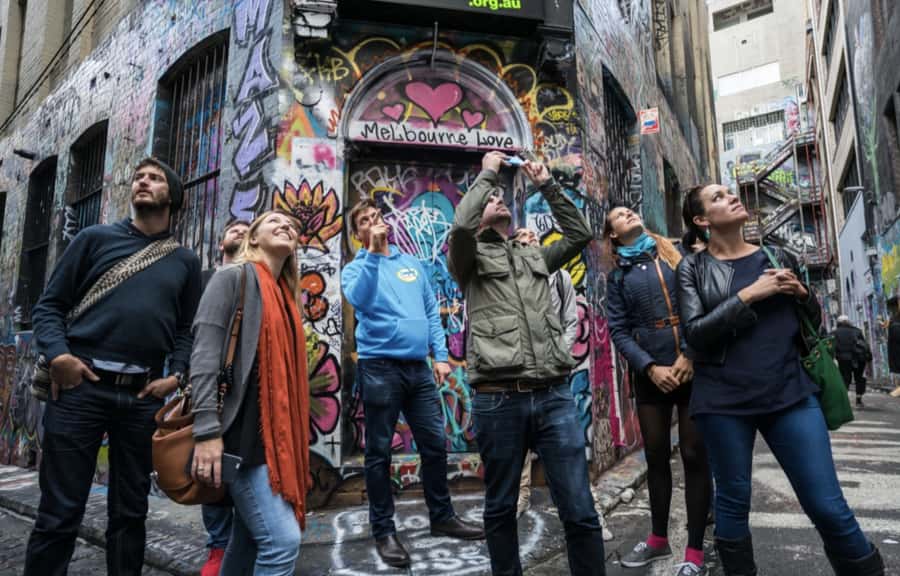
- Duckboard Place, AC/DC Lane, and changing street art
- Federation Square, Flinders Street Station, and the Yarra
- Degraves Street and the coffee pause
- Arcades, shopping streets, and classic interiors
- State Library Victoria and the Ned Kelly story
- Old Melbourne Gaol and Chinatown
- Finishing at Captain Melville
- What the guide adds to the experience
- Walking effort, timing, and value at $92.52
- Who should book this Melbourne walk?
- Should you book it?
- FAQ
- How long is the Ultimate Melbourne Walking Tour?
- What time does the tour start?
- Where does the tour begin?
- Where does the tour finish?
- Is coffee included?
- Is an alcoholic drink included?
- Does the tour enter the Old Melbourne Gaol?
- Does the tour enter the MCG?
- How many people can join the tour?
- Can children join the tour?
Five things to know before you go
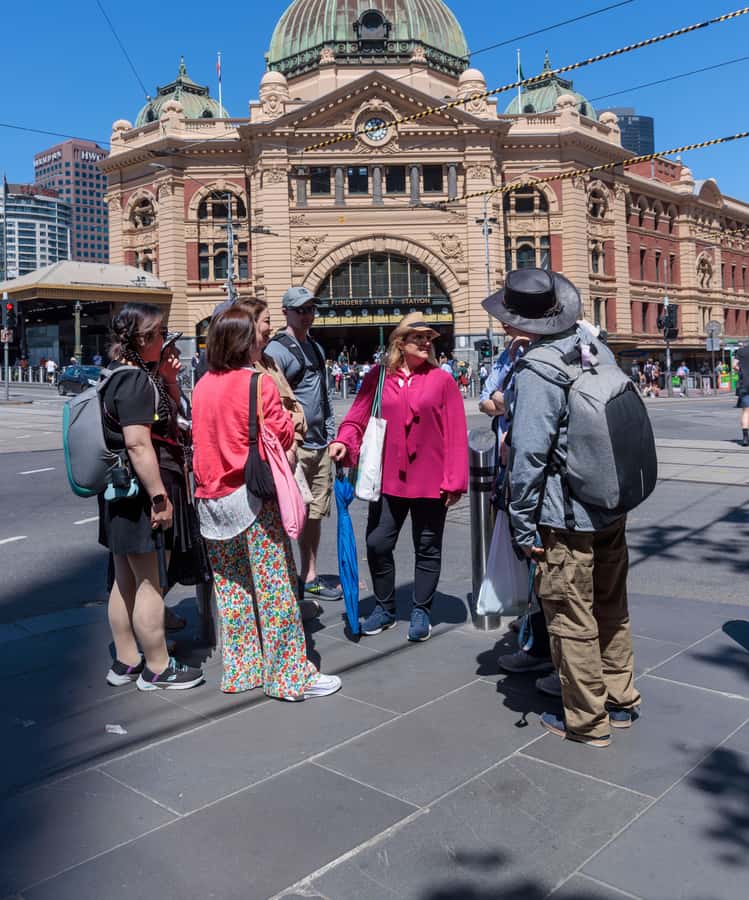
- Coffee is part of the tour: You receive a flat white, long black, or hot chocolate at a local café in Degraves Street.
- The route connects old and new Melbourne: Expect Gold Rush architecture, modern Federation Square, street art, arcades, sport, Chinatown, and the Yarra River.
- The group stays small: A maximum of 12 people makes it easier to hear the guide and ask questions.
- You finish with a drink: Captain Melville provides a house beer, wine, cider, or soft drink at the end.
- It is best early in your visit: The practical recommendations can help you choose where to return for a longer look.
- The pace is active but manageable: You walk for about three hours, with stops for stories, coffee, and a final drink.
Starting at Gordon Reserve and the old seat of power

The tour begins at 11:00 a.m. at Gordon Reserve, a small park opposite the historic Hotel Windsor at 108 Spring Street. Look for the team with blue umbrellas, a useful detail if the park is busy or you are arriving from another part of central Melbourne.
This opening spot places you beside some of the city’s grandest civic architecture. You get distant views of the Victorian state government buildings, with their colonial-era design and formal proportions. The guide uses this area to set up Melbourne’s story before the walk turns toward the central city.
I like this start because it gives you a sense of Melbourne as a seat of government and commerce, not just a café city. It also avoids the confusion of meeting beside a major railway station or in the middle of a crowded square.
The first stop is the Old Treasury Building, only a short look from the outside. Its Gold Rush architecture recalls the period when Melbourne grew rapidly and became one of the world’s wealthiest cities. You will not tour the interior on this experience, so treat the stop as a visual introduction and a chance to hear the larger story.
More History Tours in Melbourne
- Ultimate Melbourne Walking Tour: History, Laneways & Culture
★ 4.8 · 338 reviews - Tae Rak (Lake Condah) 2-Hour Cultural Tour
★ 5.0 · 203 reviews - Melbourne Historical Walking Tour: Crime, Gangsters & Lolly Shops
★ 5.0 · 137 reviews
Collins Street and Melbourne’s money
Collins Street brings a different version of Melbourne. It is the city’s premium shopping and financial district, lined with historic buildings and modern commercial life.
The scheduled stop is brief, just two minutes, but the street works well as a transition. You can see how Melbourne’s grand ambitions moved from government offices and banks into retail, business, and luxury shopping.
This is one of several moments when the guide adds value beyond a photo stop. A map can show you Collins Street, but a local guide can point out how the street fits into the city’s changing identity. If you want more time for shop windows or architectural photographs, mark the area for a later visit.
Duckboard Place, AC/DC Lane, and changing street art
Melbourne’s laneways are central to the tour. Duckboard Place and AC/DC Lane bring you close to murals and graffiti by local and international artists. The work changes over time, so the exact appearance of the walls will not stay fixed.
The route may also include Hosier Lane, the city’s best-known street art destination, depending on the day. That wording matters. You should enjoy the street art stops included on the day rather than assume every lane will receive the same amount of time.
AC/DC Lane has rock-and-roll murals and a strong music connection, while the wider laneway route shows how narrow service alleys became part of Melbourne’s public identity. I like this part because it is not just about taking bright photos. The guide helps connect the artwork with the city’s modern culture and gives you a reason to explore beyond the main roads.
The lanes can be narrow and visually busy. Stay close enough to hear the guide, especially when the group pauses near other pedestrians. One useful lesson from the tour feedback is that sound can vary in busy areas. Ian was praised for his commentary, but one person found it necessary to stay close to hear every word. That is good practical advice for any walking tour.
Federation Square, Flinders Street Station, and the Yarra
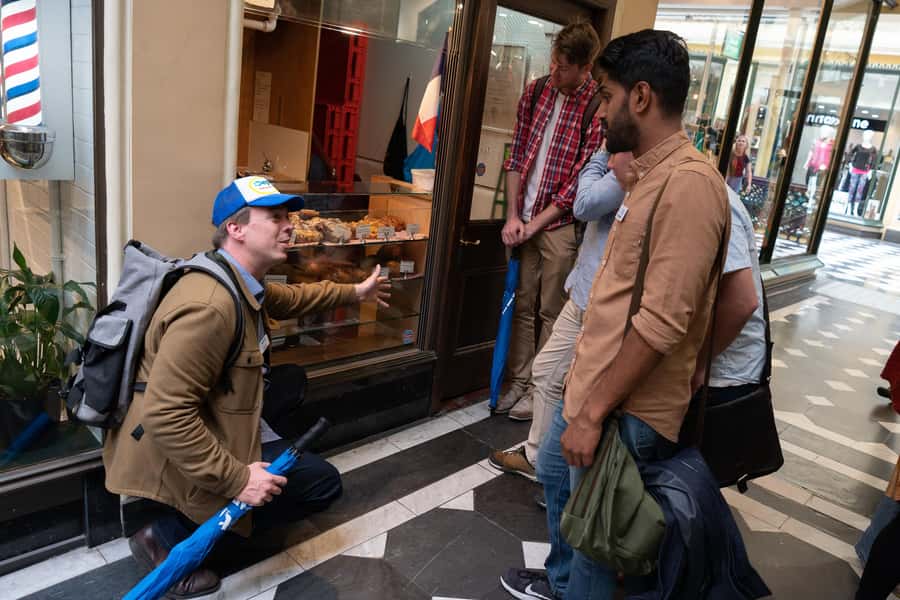
Federation Square is Melbourne’s main cultural square and one of its most recognizable modern spaces. Its architecture looks very different from the colonial buildings near Spring Street, which makes the stop useful for comparing old and new Melbourne in one walk.
From here, the tour includes distant views of the Melbourne Cricket Ground, or MCG. You do not enter the stadium, but the guide explains why this enormous ground matters so much to Australian sport and how it fits into the surrounding sporting precinct.
The MCG stop is short, so sports fans who want a full stadium experience should plan a separate visit. For everyone else, the view is enough to place the stadium within the city rather than treating it as an isolated attraction.
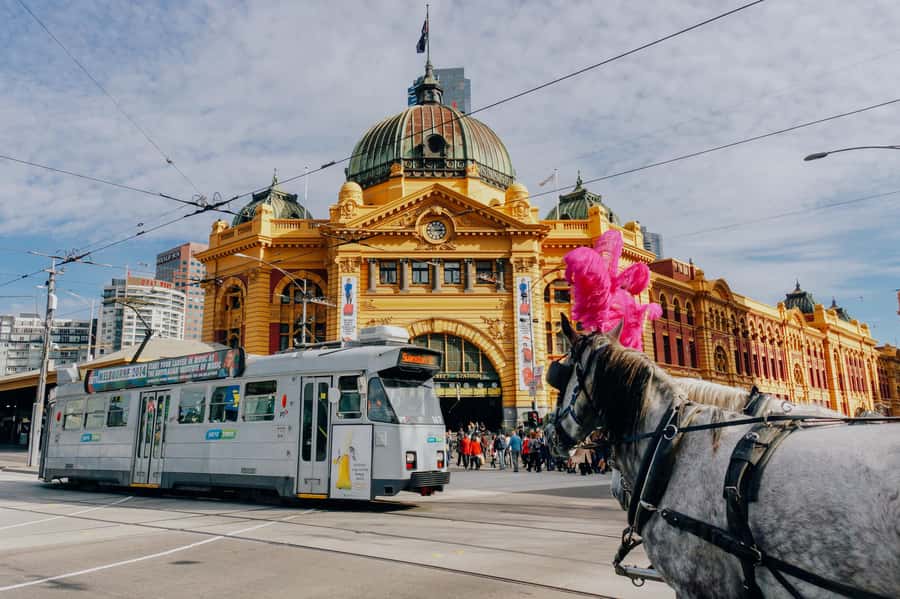
Flinders Street Station follows. This historic railway station is Melbourne’s most recognizable landmark, with its domed frontage and prominent clock area. The stop gives you one of the city’s essential photographs and helps explain how the station relates to Federation Square and the riverfront.
The walk then reaches the Yarra River. You spend a short time beside the riverbanks, taking in a calmer side of central Melbourne. It is a welcome change after the traffic, lanes, and commercial streets.
More Walking Tours in Melbourne
- Great Ocean Road Tour Plus Koalas, Forest Walk and Morning Tea
★ 4.5 · 1,068 reviews - Great Ocean Road 12 Apostles & Rainforest Walk with Morning Tea
★ 4.5 · 549 reviews - Melbourne Foodie Discovery Walking Tour
★ 5.0 · 530 reviews - Original Melbourne Lanes and Arcades Walking Tour
★ 5.0 · 389 reviews
Degraves Street and the coffee pause
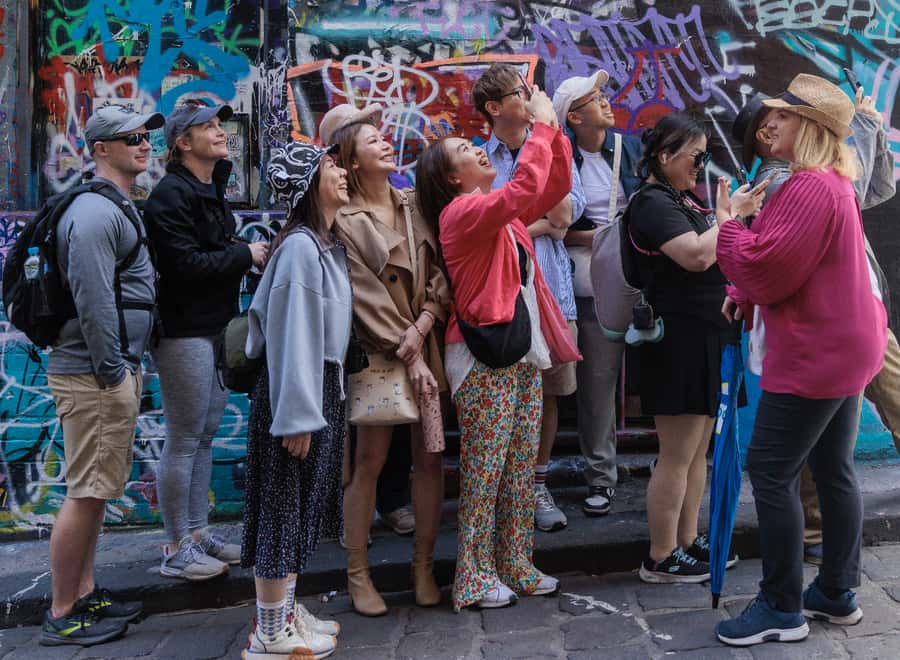
Degraves Street is one of the tour’s most enjoyable stops. The narrow lane has European-style dining, café seating, and the coffee culture Melbourne is famous for.
Here you receive a complimentary hot drink at a local café. The choices are a flat white, long black, or hot chocolate. This is more useful than a quick sample handed over while walking. You get a proper pause, a chance to sit or slow down, and time to ask the guide about the city.
The coffee stop also gives the tour a local rhythm. Melbourne is best understood through its small rituals, and stopping for coffee helps you notice how the lanes function as everyday public spaces, not just attractions.
Do not expect the drink stop to become a full meal. A later comment referred to lunch at the end, but the stated inclusion is a complimentary drink at Captain Melville, not lunch. If you need food during the afternoon, ask the guide for suggestions or plan your own meal.
Arcades, shopping streets, and classic interiors
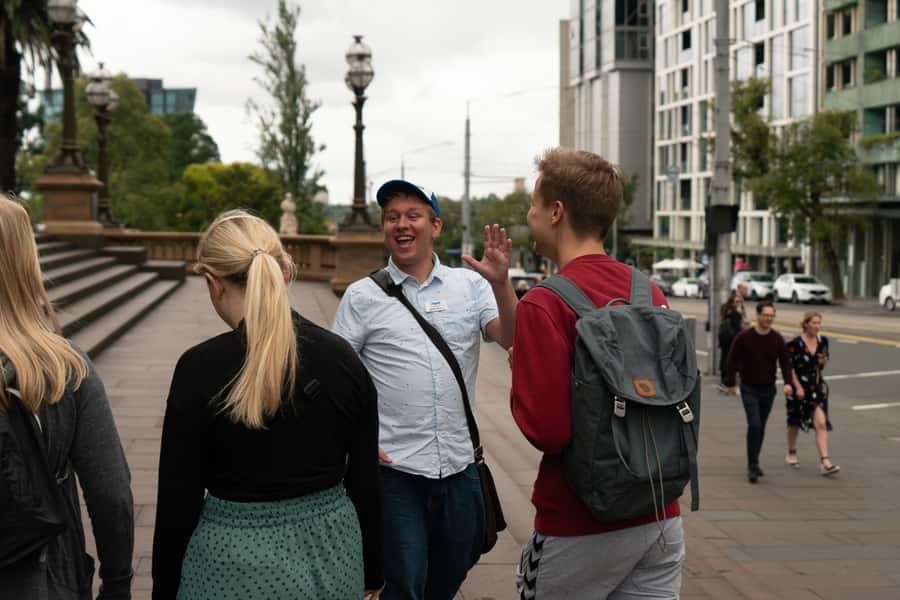
The Block Arcade is one of the city’s most elegant indoor passages. Its Victorian design and mosaic floors offer a sharp contrast to the rough walls of AC/DC Lane and the open space of Federation Square.
The visit is brief, around five minutes, but the arcade is compact and easy to appreciate quickly. It is also a good place to return later if you want photographs or time to browse.
The route may point out Melbourne’s highest tower as well. You do not automatically go to the top, but the operator says a special-rate arrangement may be possible if you ask. Since the tour details do not promise tower admission, treat that as an optional extra rather than part of the ticket.
Royal Arcade adds another graceful interior. It is Australia’s oldest arcade and includes the famous Gog and Magog figures. This stop rewards anyone who enjoys details: tiled floors, old shopfronts, decorative ceilings, and the feeling of passing through a working piece of Melbourne’s commercial past.
Bourke Street Mall then shifts the mood again. This is Melbourne’s main pedestrian shopping precinct, with a more open, commercial feel than the intimate arcades. The stop is short, but it helps you understand how the city moves between grand retail streets, indoor passages, and small lanes.
State Library Victoria and the Ned Kelly story
The State Library Victoria is one of the tour’s more imposing exterior stops. Its heritage building is the state’s main research library and gives the walk another strong architectural landmark.
The guide also tells the story of Ned Kelly, one of Australia’s most famous bushrangers. This is a useful cultural stop because it moves beyond buildings and street scenes into the legends that shaped the country’s public imagination.
You should not expect a full library visit or extended time inside. The value here is the story and the setting, followed by a reason to return on your own if the building interests you.
Old Melbourne Gaol and Chinatown

Old Melbourne Gaol is a bluestone prison that operated from 1845 to 1929. The tour views the historic site from outside and discusses its place in Melbourne’s past. Admission is not listed as part of the experience, so plan a separate visit if you want to enter.
The short stop works well because the gaol is close to other central sights. You can see how Melbourne’s civic buildings, shopping streets, prison, and dining districts sit within a compact area.
Chinatown provides a final cultural shift. It is described as the world’s oldest continuously operating Chinatown, with restaurants and a long connection to Melbourne’s Chinese community. The tour does not include a meal there, but the guide can help you identify places worth trying later.
I find this kind of stop especially useful because Chinatown is easy to pass through without understanding its role in the city. A brief explanation gives the street signs, restaurants, and architecture more meaning.
Finishing at Captain Melville
The tour ends at Captain Melville Bar, at 34 Franklin Street, with a complimentary alcoholic drink or soft drink. Your choices are a house beer, wine, cider, or soft drink.
This final pause is a practical advantage. You can continue talking with the guide, compare notes with the small group, and ask for recommendations before setting off independently. Several guides have been praised for making people feel included, and this relaxed finish gives that personal approach room to continue.
The endpoint is different from the starting point, so you finish in another part of central Melbourne. That is helpful if you want to continue exploring, though you should allow time to orient yourself before making a later booking.
What the guide adds to the experience
The strongest part of this tour is the human commentary. Emily has been praised for her energy and warmth, while Mike is noted for his love of Melbourne and easy storytelling. Bo is described as witty, passionate, and strong on both historical and current topics.
Ian has received praise for including everyone and tailoring some facts to the people in his group. Hugo is known for an engaging style, and Deneille has been described as a wonderful guide. Guides can vary from day to day, but the repeated pattern is clear: the experience depends heavily on a local who enjoys telling Melbourne’s story.
I recommend staying near the guide at all times. The group is capped at 12, but city noise can still make it hard to hear from the back. Ask questions as you go. The guides are specifically valued for giving advice about what to see, eat, and revisit after the walk.
Walking effort, timing, and value at $92.52
The listed price is $92.52 per person. That is more than a basic free walking tour, so the value rests on the small group, the local guide, the coffee, the final drink, the map, and the practical advice.
You also avoid the limits of a vehicle. Parking is not your problem, and you can enter lanes and arcades that a bus or car cannot reach. The route covers a large sample of central Melbourne in about three hours, with regular short stops and two longer refreshment breaks.
The tour does not include paid entry to the Old Melbourne Gaol, the MCG, the tower, or indoor attractions. If you want detailed access to those sites, this is not a substitute. If you want a well-paced orientation with stories and a clear sense of where to spend the rest of your trip, the price is easier to justify.
The pace has been described as comfortable rather than strenuous. Still, you are on foot for three hours, so wear sensible shoes and prepare for city weather. Children may participate, but they must be accompanied by an adult. The tour is designed for individual bookings in small groups. Groups larger than 10 should contact the provider about arranging a private tour.
Free cancellation is available up to 24 hours before the start time. Changes or cancellations inside that window are not accepted for a refund.
Who should book this Melbourne walk?
I would choose this tour for a first day in Melbourne, especially if you want the city to make sense before choosing individual museums, restaurants, and attractions. It also suits solo visitors and couples who prefer conversation and local direction to a large bus group.
History fans will enjoy the Treasury Building, Old Melbourne Gaol, State Library, arcades, and Ned Kelly story. Art and music fans will get plenty from the lanes and AC/DC Lane. Coffee lovers receive a proper stop rather than a rushed tasting.
You may want something else if your priority is extensive time inside attractions, a stadium tour, or a slow photography walk. The schedule moves through many places, so some stops are only a few minutes long. That is the tradeoff for seeing so much of central Melbourne in one outing.
Should you book it?
Book this walking tour if you want a friendly, story-led introduction to Melbourne with coffee, street art, architecture, and practical advice built in. The 4.9 rating from 1,452 ratings and 99 percent recommendation figure fit the tour’s strongest qualities: lively guides, an easy pace, and a route that shows more than the standard landmarks.
I would book it near the start of your stay and keep a note of places you want to revisit. At $92.52, it is not the cheapest way to walk around town, but the small group and two included drinks make it a solid choice for visitors who value context and local guidance.
FAQ
How long is the Ultimate Melbourne Walking Tour?
The tour lasts approximately three hours.
What time does the tour start?
The tour starts at 11:00 a.m.
Where does the tour begin?
The meeting point is Gordon Reserve at 108 Spring Street, East Melbourne, opposite the Hotel Windsor.
Where does the tour finish?
The tour ends at Captain Melville Bar, 34 Franklin Street, Melbourne.
Is coffee included?
Yes. You receive a flat white, long black, or hot chocolate at a local café in Degraves Street.
Is an alcoholic drink included?
Yes. At Captain Melville, you can choose a house beer, wine, or cider. A soft drink is also available.
Does the tour enter the Old Melbourne Gaol?
The tour includes a stop and discussion outside Old Melbourne Gaol. Admission inside is not listed as included.
Does the tour enter the MCG?
No. The itinerary provides distant views of the Melbourne Cricket Ground and discussion of its sporting importance.
How many people can join the tour?
The maximum group size is 12 travelers.
Can children join the tour?
Yes, children can participate, but they must be accompanied by an adult.
Just added around Melbourne
- Great Ocean Road Lux Tour Max 11 Hotel Pickup★ 4.8 · 129 reviews
- Melbourne City Highlights Small Group Tour★ 5.0 · 131 reviews
- Melbourne: Reverse Great Ocean Road 12 Apostles with Lunch★ 4.6 · 131 reviews
- Melbourne sunrise balloon flight only★ 5.0 · 132 reviews
- Yarra Valley Full Day Gourmet Food, Wine & Gin Adventure★ 5.0 · 135 reviews
- Virtual Room – 40-50min VR Escape Game Adventure for 2+ Players★ 5.0 · 136 reviews
- Melbourne Sports Experience + MCG Tour Combo★ 5.0 · 137 reviews
- Melbourne Park Tennis Experience★ 5.0 · 143 reviews
Historical Tours, compared.
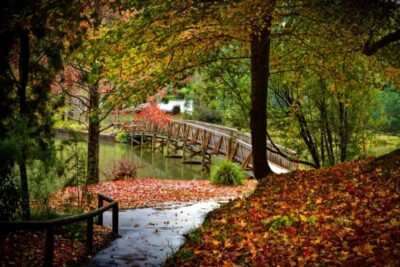
Puffing Billy Railway: Heritage Steam Train Journey
Read our review →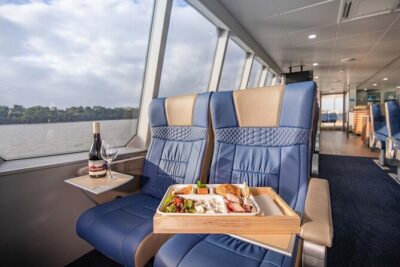
Morning World Heritage Cruise on the Gordon River from Strahan
Read our review →
Strahan: World Heritage Cruise on Gordon River with Lunch
Read our review →
Experience History onboard The Mary Valley Rattler
Read our review →
Snorkel & Dive the Reef: Sustainable, Scientific & Cultural Tour
Read our review →
Derwent River Historic Harbour Cruise From Hobart
Read our review →
Port Arthur Historic Site Admission and Tour Options
Read our review →Browse the lists this tour appears in