
Reviewed · WILDLIFE & ZOO EXPERIENCES
Devils at Cradle: Day Keeper Tour and Entry to Wildlife Park
Hear Tasmania’s wild side up close. The Devils@Cradle Day Keeper Tour combines a 45-minute guided walk with general sanctuary entry, giving you a clear look at Tasmanian devils, spotted-tail quolls, and eastern quolls near Cradle Mountain National Park.
I like the passionate keeper guides, who explain animal behavior and conservation in a way that changes how you see these often misunderstood creatures. I also like the price: at $17 per person, you get both the guided tour and time to explore the sanctuary at your own pace.
The main drawback is timing. Daytime animals may be sleeping in their dens, especially in colder months, and the sanctuary has uneven paths, steps, woodchips, platforms, and compacted gravel. Still, the 4.9 rating from 55 bookings reflects a very strong experience for the cost.
In This Review
- Key points to know before you go
- At the Cradle Mountain entrance
- What the 45-minute keeper tour covers
- Meeting Tasmanian devils at close range
- The quolls add real value
- Why the conservation message matters
- Exploring after the keeper talk
- Timing, weather, and access
- Is $17 good value?
- Who should book this tour?
- My verdict on Devils@Cradle
- FAQ
- How long does the Devils@Cradle Day Keeper Tour last?
- What animals can I see at Devils@Cradle?
- Is general admission included with the tour?
- How much does the tour cost?
- What are the sanctuary’s opening hours?
- Is the tour available in English?
- Does the tour operate in bad weather?
- Is the sanctuary wheelchair accessible?
- How far is Devils@Cradle from Launceston?
- Can I cancel the tour?
Key points to know before you go
- Three threatened carnivorous marsupials: See Tasmanian devils, spotted-tail quolls, and eastern quolls in one conservation facility.
- A 45-minute keeper tour: Follow an English-speaking guide through the sanctuary and learn how the facility supports Tasmania’s wildlife.
- General entry is included: Stay after the talk and explore the park on your own during opening hours.
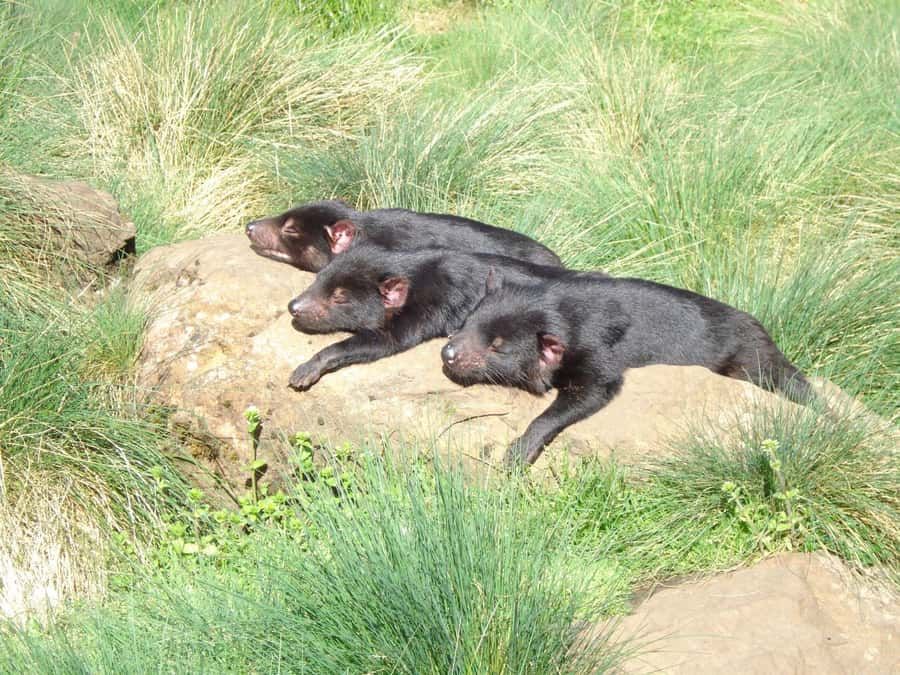
- Daytime behavior is part of the show: You might see animals sleeping, sunbaking, play fighting, or searching for food.
- Near Cradle Mountain National Park: The sanctuary sits at the entrance to the World Heritage listed park, about two hours from Launceston.
- Plan for cool, wet weather: The tour runs rain or shine, so warm clothing is essential.
At the Cradle Mountain entrance
Devils@Cradle sits at the entrance to Cradle Mountain National Park, making it an easy addition to a day in the area. The location is useful if you are already visiting the park, though it is a serious drive from Launceston, roughly two hours by road.
The sanctuary offers free parking, and opening hours are 9:30 AM to 5:00 PM. That broad window gives you some freedom around a morning walk, a park visit, or a longer stop in the Cradle Mountain area.
I would allow more than the advertised 45 minutes. The keeper talk takes 45 minutes, but general admission remains available afterward, and the sanctuary is best treated as a one to two-hour stop. One booking specifically praised having time to explore independently after the guided portion.
This is not a quick roadside animal photo stop. The value comes from combining a short, focused talk with time to watch the animals without a guide rushing you along.
More Wildlife Experiences in Tasmania
- Day Tour in Mt. Field, Mt. Wellington, Bonorong Wildlife Sanctuary and Richmond
★ 5.0 · 735 reviews - From Hobart: Mt. Field, Mt. Wellington and Wildlife Day Tour
★ 4.8 · 261 reviews - Bonorong Wildlife Sanctuary Half-Day Tour from Hobart
★ 4.5 · 158 reviews
What the 45-minute keeper tour covers
The guided portion takes you through the sanctuary with a professional keeper. You follow the guide through the animal areas while learning how Devils@Cradle operates as a conservation facility.
The talk focuses on Tasmania’s three largest carnivorous marsupials: the Tasmanian devil, the spotted-tail quoll, and the eastern quoll. All three face threats in the wild, so the visit gives you more than a chance to see unusual animals. It also explains why protected breeding and conservation work matter.
The guide helps you understand what you are seeing. A devil sleeping in a den may not look like much at first, but a keeper can explain its habits, diet, behavior, and place in the wider conservation effort. That context turns a quiet enclosure into a useful lesson about Tasmania’s wildlife.
The guides receive the strongest praise. Sarah was singled out for making the visit memorable, and Pru was praised for presenting information clearly. Other guide feedback highlights staff who are well informed, passionate, and able to make the subject interesting for adults and children.
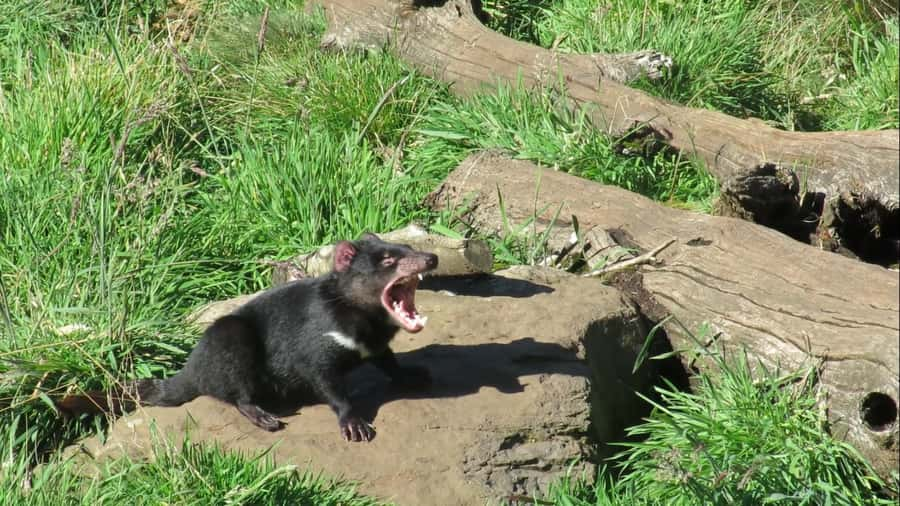
You may also hear the famous screams of Tasmanian devils. The sound is part of the animal’s reputation, and hearing it in the sanctuary gives the visit a memorable edge. It is a reminder that these are not cuddly zoo animals, even when they look small and appealing.
Meeting Tasmanian devils at close range
The Tasmanian devil is the main attraction, and the sanctuary gives you a chance to watch these animals in carefully managed enclosures. Viewing areas are designed to provide good sightlines, with one visitor praising the ability to see healthy and active animals clearly during a 10:30 AM session.
Daytime viewing can be unpredictable. You might find a devil asleep in its den, stretched out in the sun, play fighting, or searching for food. That variety is part of the appeal, but you should not expect every animal to be active throughout your visit.
One useful point is that winter may offer different viewing conditions. A visitor hoped to return in winter when the animals would be awake and moving around more. That does not guarantee a particular display, but it suggests you should think about season and time of day when setting expectations.
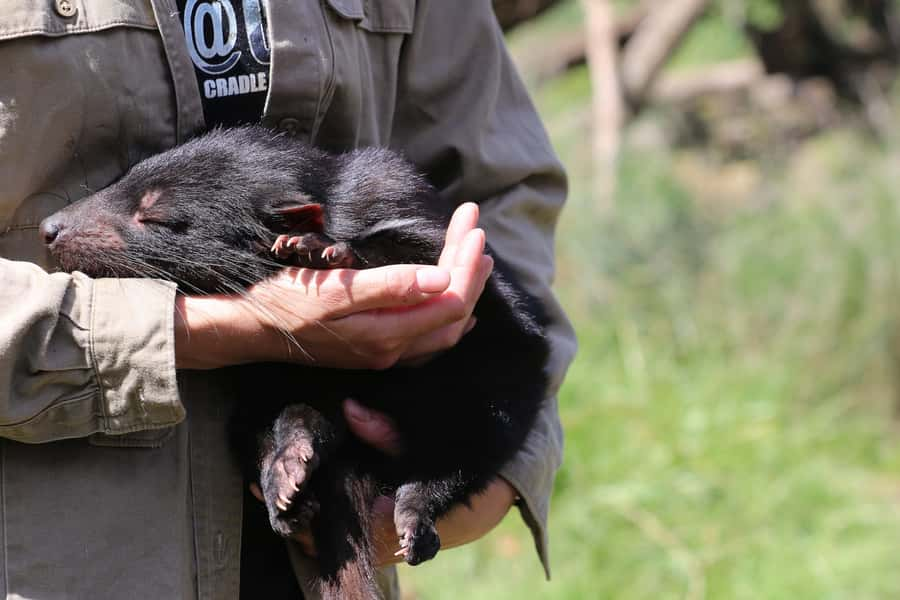
The keeper helps fill in the quiet moments. Even if a devil is curled up, you are learning what the animal is doing and why. For children, the devil pups can be especially captivating, while adults often come away with a new respect for an animal that is commonly reduced to its fierce appearance.
The talk can also change your attitude toward devils. One person said the information completely altered their view of the species. That is a good sign for anyone who wants more than a quick photograph.
The quolls add real value
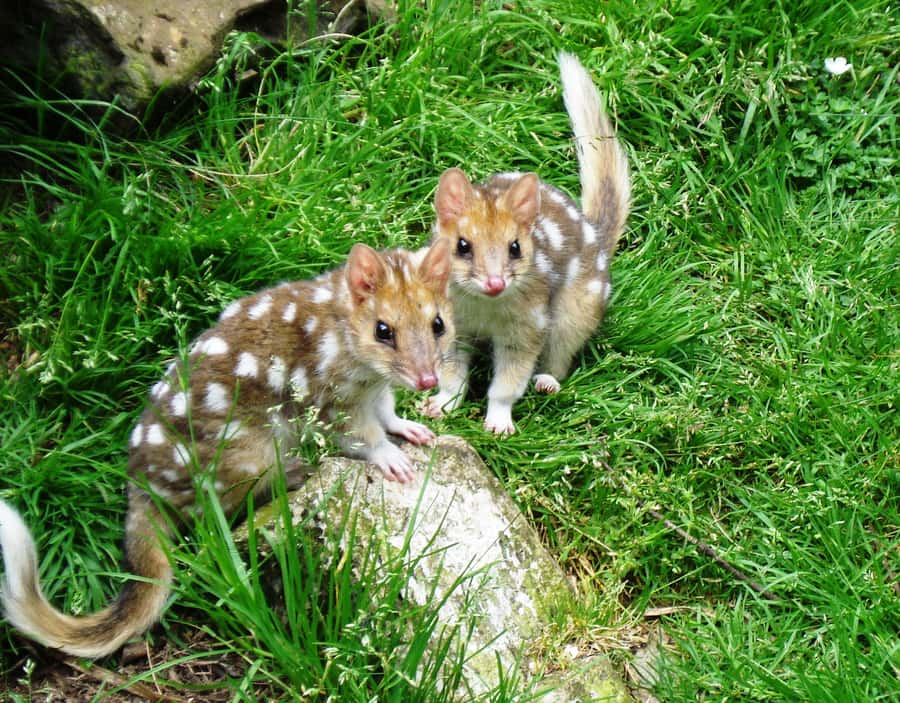
The sanctuary also protects spotted-tail quolls and eastern quolls, close relatives of the Tasmanian devil. Seeing all three species in one place makes the visit more useful than a single-animal attraction.
Quolls are easy to overlook if you arrive focused only on devils. I would pay attention during the keeper talk, since the guide explains how these animals differ and why each one needs protection.
The enclosures allow you to observe natural behaviors such as resting, searching for food, and interacting with other animals. You might see less activity from some animals during the day, but that is not a flaw in itself. The sanctuary is showing you living creatures on their own schedule, not staging a performance.
That distinction matters. You are supporting a conservation facility, not attending a show with guaranteed tricks or feeding times. The best approach is patient observation, followed by questions for the keeper if time allows.
A completely different kind of day out in Australia:
- Sydney: Opera House Guided Tour with Entrance Ticket
★ 4.8 · 8,312 reviews - All Inclusive Blue Mountain,Scenic World,Lunch,Koalas,ferry
★ 5.0 · 7,832 reviews - Great Ocean Road Small-Group Eco Tour from Melbourne
★ 5.0 · 6,607 reviews - From Melbourne: Great Ocean Road, 12 Apostles, Wildlife Tour
★ 4.7 · 6,020 reviews
Why the conservation message matters
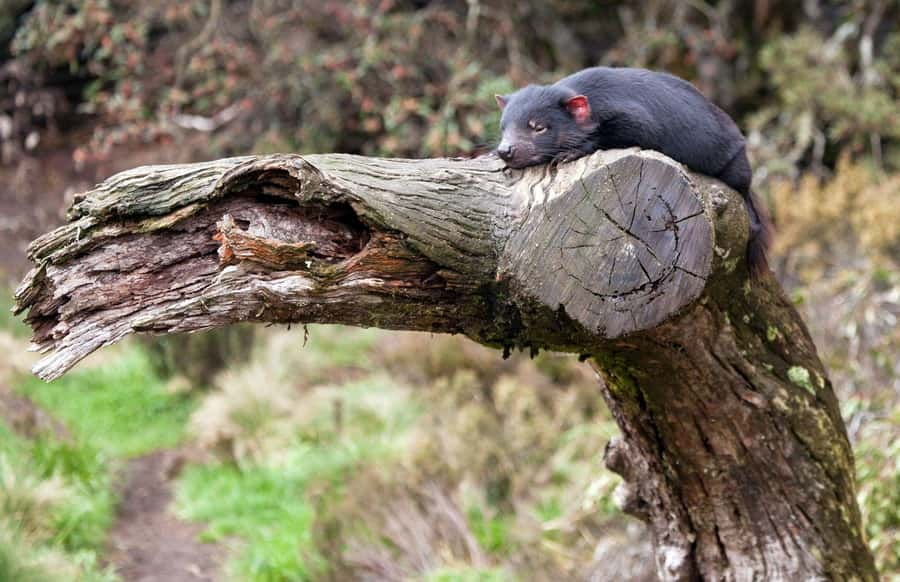
Devils@Cradle gives the visit a clear purpose. Tasmania’s devils have been badly affected by devil facial tumor disease, a fatal cancer that has harmed wild populations. The sanctuary’s work helps support efforts aimed at protecting the species.
Your entry fee contributes to that work. Several visitors valued the chance to support animal care and conservation while seeing the creatures in person. At $17, the price feels modest when you consider that it includes general entry as well as the keeper-led tour.
The conservation message is strongest when it connects directly to the animals in front of you. Instead of hearing a general speech about endangered wildlife, you see the devils and quolls and learn why managed care, breeding programs, and public support are important.
The experience also gives you a more accurate picture of conservation. It is not only about releasing animals into the wild. It includes care, research, breeding, education, and helping people understand the threats facing native species.
Exploring after the keeper talk
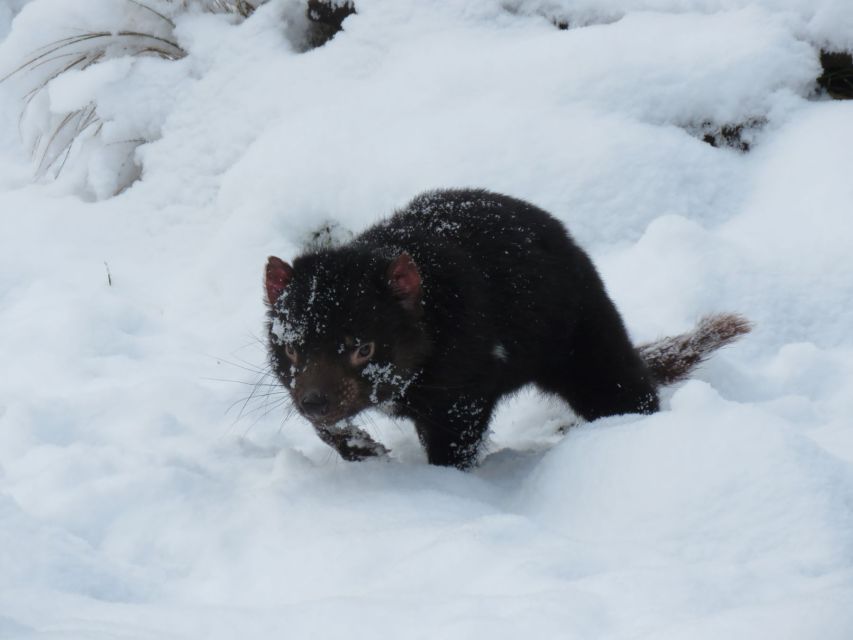
Once the guided tour ends, you can continue through the sanctuary at your own pace. This second part is important because 45 minutes is enough for an introduction but not necessarily enough time to watch every animal carefully.
Use the extra time to return to enclosures where you saw activity. You may find an animal has moved from a den, begun searching for food, or become more active after the group has passed.
The sanctuary’s natural woodchip paths, platforms, compacted gravel, and steps give the setting a rustic feel. They also require sensible footwear and steady footing. One visitor suggested that weather conditions on the walkways deserve attention, so check the forecast and bring warm clothing even if the day looks mild at lower elevations.
The gift shop is another small part of the stop. It was praised as a pleasant addition, and it gives you a way to support the facility beyond your entry fee. I would treat it as optional, not a reason to visit, but it fits naturally at the end of the stop.
Timing, weather, and access
The tour operates during the sanctuary’s 9:30 AM to 5:00 PM opening hours, with start times depending on availability. A 10:30 AM session received particularly positive feedback for active animals, though no time can promise what wildlife will do.
The tour runs rain or shine. Warm clothing is the most important item to bring, and you should be ready for changing conditions near Cradle Mountain. The paths are outdoors, so waterproof layers and practical shoes make sense even though only warm clothing is specifically required.
The main viewing deck is accessible by wheelchair from reception. A side gate can also provide direct access into the sanctuary grounds. However, not every area is wheelchair accessible because of steps, uneven ground, woodchips, platforms, and gravel.
Staff can accommodate many access needs with prior organisation. If you use a wheelchair or have limited mobility, contact the sanctuary before arriving and explain what you need. The facility is flexible, but you should not assume every path will be suitable without planning.
Unaccompanied minors are not allowed. Families can still enjoy the visit, and one parent described an animal-loving daughter as mesmerised, but children need to attend with an accompanying adult.
Is $17 good value?
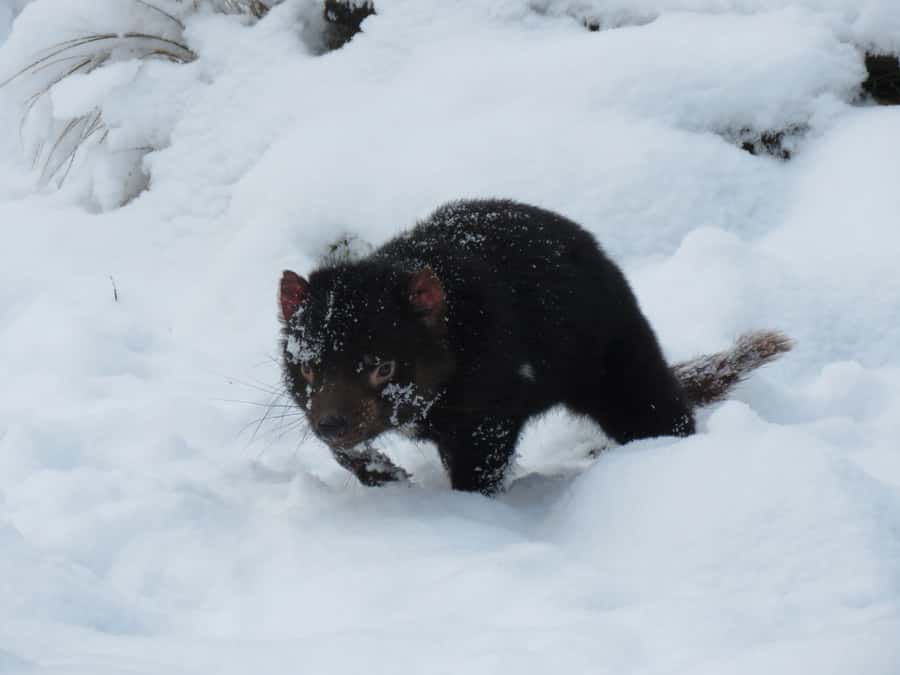
Yes, especially if you are already visiting Cradle Mountain. The fee includes general admission, free parking, and the 45-minute guided keeper tour. That gives you both a structured introduction and unhurried time to look around.
The price is also low enough to make the sanctuary an easy choice for couples, families, and visitors who are watching their budget. You do not need to commit to an expensive full-day wildlife program to learn about Tasmanian devils.
The value depends partly on how you use the included entry. If you arrive for the talk and leave immediately, you will still receive the central experience, but you will miss part of what you paid for. I would schedule enough time to stay after the guide finishes.
Compared with simply hoping to spot wildlife in the wild, the sanctuary offers far more reliable views and direct information. Wild sightings can be special, but they are never guaranteed. Here, you have a better chance to see these threatened animals and learn about their care.
Who should book this tour?
I would recommend it to anyone visiting Cradle Mountain who wants a short, practical wildlife experience. It suits families, animal lovers, first-time visitors to Tasmania, and people who want to support local conservation without spending a full day on a tour.
It is also a good choice for visitors who have limited time. The guided portion lasts only 45 minutes, and the opening hours make it easier to fit around other plans. One visitor originally wanted a twilight tour but chose the daytime option because of onward travel to Launceston, then enjoyed the visit enough to plan a return.
You should think twice if you dislike outdoor walking, uneven surfaces, or cool and wet weather. You also need to accept that daytime animals may be resting rather than moving around.
This is not the right pick if you want a highly active wildlife show with guaranteed animal behavior. It is better for patient viewing, conservation learning, and a close look at animals you may never see clearly in the wild.
My verdict on Devils@Cradle
I like this tour because it keeps things simple. You get an informed keeper, three important Tasmanian species, a clear conservation message, and time to explore without paying a large fee.
The strongest part is the human explanation. Guides such as Sarah and Pru have been praised for turning facts into an engaging talk, and that makes a real difference with animals that can appear sleepy or hidden during the day.
Book it if you are heading to Cradle Mountain and want to understand Tasmania’s wildlife as well as see it. Bring warm clothes, allow at least an hour or two, and treat the animals’ natural rhythm as part of the experience.
FAQ
How long does the Devils@Cradle Day Keeper Tour last?
The guided keeper tour lasts 45 minutes. General admission is also included, so you can continue exploring the sanctuary afterward.
What animals can I see at Devils@Cradle?
You can see Tasmanian devils, spotted-tail quolls, and eastern quolls. These are Tasmania’s three largest carnivorous marsupials.
Is general admission included with the tour?
Yes. The booking includes general entry to the Devils@Cradle Conservation Facility.
How much does the tour cost?
The listed price is $17 per person.
What are the sanctuary’s opening hours?
Devils@Cradle is open from 9:30 AM to 5:00 PM.
Is the tour available in English?
Yes. The tour has a live English-speaking guide.
Does the tour operate in bad weather?
Yes. The tour takes place rain or shine, so warm clothing is important.
Is the sanctuary wheelchair accessible?
Some areas are accessible. Wheelchair access is available from reception to the main viewing deck, and a side gate can lead directly into the sanctuary grounds. Other areas have steps, uneven ground, woodchips, platforms, and compacted gravel. Contact staff before arrival to discuss specific needs.
How far is Devils@Cradle from Launceston?
The sanctuary is approximately a two-hour drive from Launceston. It is located at the entrance to Cradle Mountain National Park.
Can I cancel the tour?
You can cancel up to 24 hours in advance for a full refund. You can also reserve now and pay later.
Just added around Australia
- J Ward Lunatic Asylum Ghost Tour★ 4.5 · 25 reviews
- Pinnacles Desert Sunset Stargazing Adventure Tour from Perth★ 5.0 · 25 reviews
- Ghost Tour & Dinner Norfolk Island★ 4.0 · 25 reviews
- Blue Mountains Small Group Tour with Lunch, Zoo and Scenic World★ 5.0 · 25 reviews
- Hobart Highlights Day Tour★ 4.8 · 25 reviews
- Half Day E-Bike Hire Echuca★ 5.0 · 25 reviews
- Wine Tasting Experience★ 5.0 · 25 reviews
- Melbourne Coffee Lovers Walk★ 4.8 · 25 reviews
Wildlife & Zoo Experiences, compared.
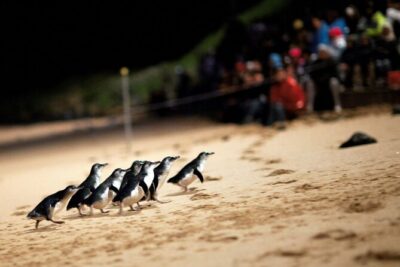
Penguin Parade, & Wildlife Encounters Eco Tour from Melbourne
Read our review →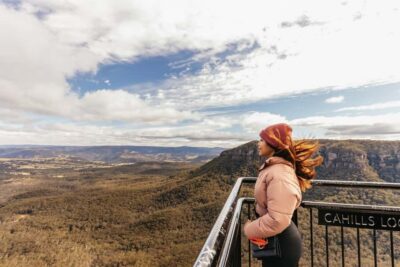
Blue Mountain Small Group Scenic World, Wildlife, Waterfall
Read our review →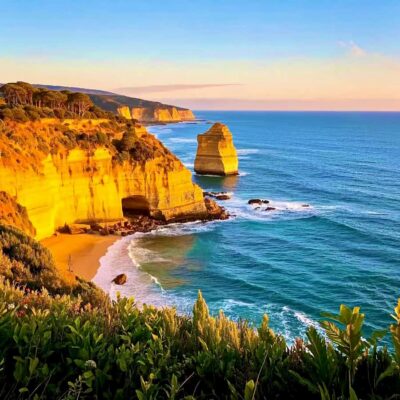
Melbourne Great Ocean Rd Reverse Tour London Bridge Wildlife
Read our review →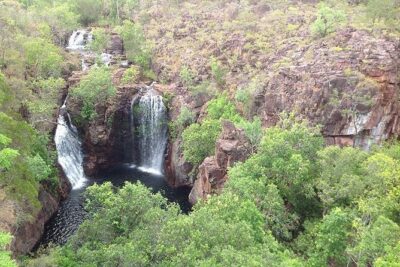
Litchfield National Park and Jumping Crocodile Cruise
Read our review →
Blue Mountains Adventure: Scenic World, Zoo & Koala Photo
Read our review →
Solar Whisper Daintree River Crocodile and Wildlife Cruise
Read our review →
Browse the lists this tour appears in