

Reviewed · WILDLIFE & ZOO EXPERIENCES
From Hobart: Mt. Field, Mt. Wellington and Wildlife Day Tour
Tasmania packs wild country into one memorable day. This tour combines Mount Field’s rainforest and waterfalls with kangaroos, wombats, and Tasmanian devils at Bonorong Wildlife Sanctuary, then finishes high above Hobart at kunanyi/Mount Wellington. I especially like the full Three Falls Circuit and the way guides such as Matt, Heather, Lucas, Paris, Nicholas, and Clint add useful detail about plants, animals, and local history. The main drawback is the pace: the day runs from 7:25am to about 5:30pm, and the Mount Field walk can take around three hours with stairs and some short steep sections.
You pay $130 per person, including both entry fees and guided walks. That is strong value if you do not have a car, though you should bring your own lunch, dress for fast-changing mountain weather, and expect a physically active day.
In This Review
- Key points to know before booking
- Why this Hobart day tour works so well
- The drive from Hobart to Mount Field
- Mount Field’s Three Falls Circuit
- What makes Mount Field more than a waterfall stop
- Bonorong Wildlife Sanctuary: close encounters with Tasmanian animals
- Reaching kunanyi/Mount Wellington above Hobart
- Guides make the difference
- Is $130 good value?
- Who should book this tour?
- Should you book it?
- FAQ
- Where does the tour start and finish?
- What is included in the price?
- Is lunch included?
- How much walking is involved?
- Can children join the tour?
- What should I wear and bring?
- Is hotel pickup available?
Key points to know before booking
- Three waterfalls in one forest circuit: Russell, Horseshoe, and Lady Barron Falls are linked by a walk through ferns and tall swamp gums.
- Nearly 500 steps may be part of your morning: The walk is generally easy, but it is not flat from start to finish.
- Bonorong adds close wildlife encounters: Kangaroos, wombats, Tasmanian devils, and other native animals are part of the visit.
- Mount Wellington weather can change the finale: Clear skies may bring sweeping views, while wind, rain, snow, or road closures can alter the summit stop.
- Small groups make the walking easier: The guide stays with the group and helps keep everyone together.
- Lunch is your responsibility: Food and drinks are not included, so pack a proper meal and water.
Why this Hobart day tour works so well
Hobart is a fine base for seeing southern Tasmania, but the best natural sights sit outside the city. This trip solves the transport problem in one go. You travel by bus or coach, spend much of the day outdoors, and avoid the work of navigating winding roads and coordinating three separate stops.
The appeal is the variety. In one day, you move from cool temperate rainforest to a wildlife sanctuary, then up into alpine conditions above Hobart. These are not three similar sightseeing stops. Each one gives you a different view of Tasmania.
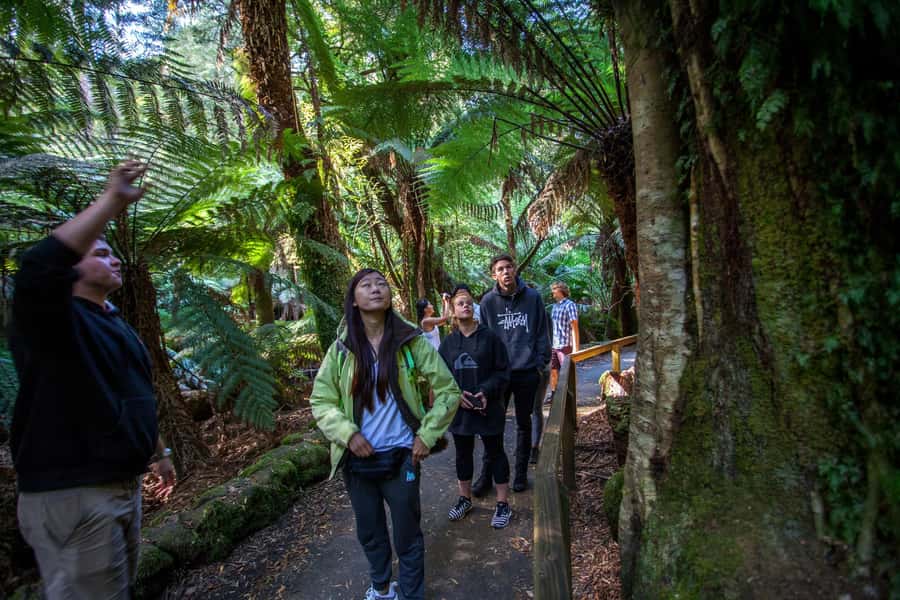
I also like the interpretive side of the tour. Guides do more than point out a waterfall. They explain plants, trees, animals, and the area’s past as you walk and drive. Guides including Paris and Heather have been praised for their local ecology knowledge, while David and Connor were noted for adding history and regional context.
The group format keeps the day practical. You do not have to find the right trail, watch the clock alone, or work out where to park. The tradeoff is that you follow a shared schedule, so you cannot linger at every lookout or choose a longer walk on a whim.
More Wildlife Experiences in Tasmania
- Day Tour in Mt. Field, Mt. Wellington, Bonorong Wildlife Sanctuary and Richmond
★ 5.0 · 735 reviews - Bonorong Wildlife Sanctuary Half-Day Tour from Hobart
★ 4.5 · 158 reviews - 4 Day Wild Tasmania Tour / Wildlife, Nature, Hiking / Inc. Accom
★ 5.0 · 126 reviews
The drive from Hobart to Mount Field
The day begins at the Tasmanian Travel and Information Centre on Davey Street at 7:25am. Be there five minutes early. The coach leaves promptly, and the first drive takes about an hour and a half.
That early start matters. Mount Field is the main walking portion of the day, and beginning early leaves enough time for the Three Falls Circuit, Bonorong, and the mountain lookout later. It also gives you a chance to watch Hobart give way to quieter country as the city fades behind you.
The vehicle is for day packs only. Do not arrive with airport luggage or large bags, because luggage is not carried on board. Hotel pickup may be available from selected locations if arranged in advance, but the standard meeting point is the information centre.
Mount Field’s Three Falls Circuit
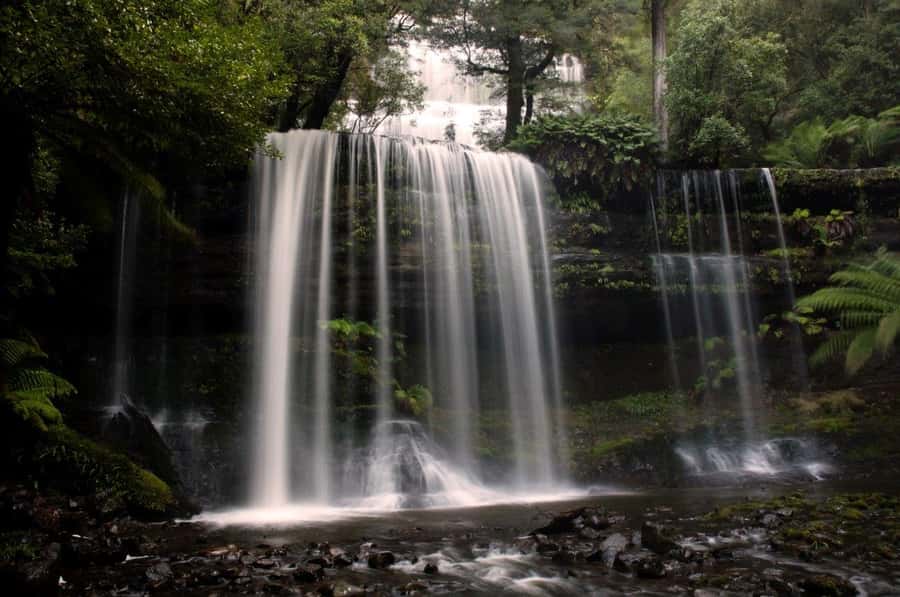
Mount Field National Park is the morning highlight for most people who enjoy walking. The route moves through cool rainforest, fern glades, enormous trees, and several waterfalls. It is the sort of place where the sound of water and the shade of the forest do much of the entertaining.
Russell Falls is the first major reward. Water drops over rock in three clear tiers, creating the classic view that draws people to Mount Field. The walk to Russell Falls is the gentlest part, so it works well as an introduction to the park.
From there, the route continues toward Horseshoe Falls. This waterfall is quieter and more enclosed, with forest making the setting feel calm and private. You get a useful contrast here: Russell Falls is the famous showpiece, while Horseshoe Falls feels more like a discovery along the trail.
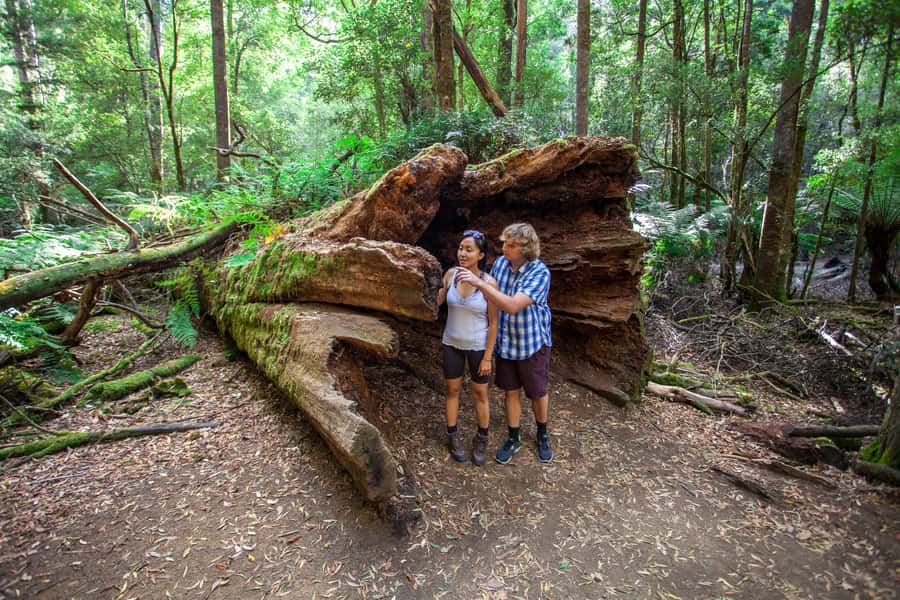
The Tall Trees Trail brings a different character. Swamp gums rise as high as 262 feet, or 80 metres, above the forest floor. Look up. The scale is easy to miss if you focus only on the path, ferns, and smaller plants around you.
Lady Barron Falls completes the circuit. The full walk is generally described as easy, but that does not mean effortless. Several people who completed it described roughly six kilometres, around two and a half to three and a half hours, and close to 500 steps. There are also small steep parts.
You can go at your own pace, but you need enough general fitness to walk for several hours. Closed-toe shoes with a good grip are sensible. If stairs are difficult for you, ask the guide about the shorter option before setting out. One route allows you to enjoy Russell Falls and return without taking on the complete circuit.
What makes Mount Field more than a waterfall stop
The waterfalls are the obvious draw, but the forest walk gives the stop its real value. Guides have pointed out different plants, trees, and signs of wildlife along the way, helping you notice details that can disappear when you are walking independently.
A pademelon has been spotted during one of these walks, and other wildlife may appear, though sightings are never guaranteed. The point is not a staged animal encounter. It is the chance to move through a living forest with someone who can explain what you are seeing.
Weather can improve the waterfalls. Heavy rain has turned the falls into more powerful sights, sometimes with rainbows in the spray. The same weather can make the track wet, so pack a waterproof jacket rather than relying on a light sweater.
A completely different kind of day out in Hobart:
- Bruny Island Food, Sightseeing, Guided Lighthouse Tour & Lunch
★ 5.0 · 2,989 reviews - Full-Day Guided Bruny Island Tour from Hobart
★ 5.0 · 1,331 reviews - kunanyi/Mt Wellington Explorer Bus- Return Tour (2.5 hours)
★ 5.0 · 1,249 reviews - Hobart: Bruny Island Food, Sightseeing & Lighthouse Day Tour
★ 4.8 · 960 reviews
Bonorong Wildlife Sanctuary: close encounters with Tasmanian animals
After the forest, the tour heads to Bonorong Wildlife Sanctuary. The visit changes the mood from quiet walking to a more direct introduction to Tasmania’s native fauna.
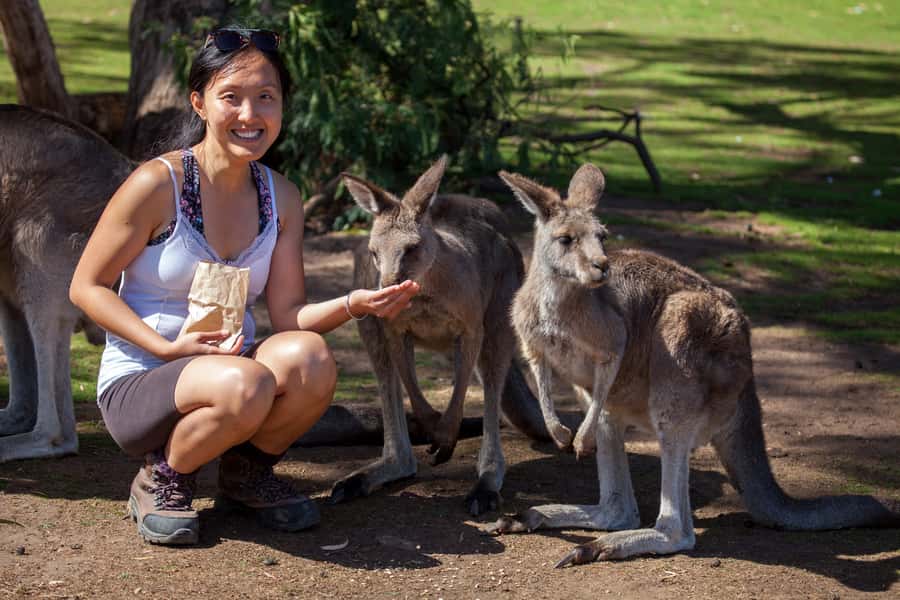
The sanctuary visit includes admission and an informative tour with wildlife staff. You may see wombats, Tasmanian devils, kangaroos, and other native animals. Several people particularly enjoyed feeding kangaroos, while Bessie, a wombat, became a memorable character for one group.
Tasmanian devils are a major reason to value this stop. They are difficult to spot in the wild, so Bonorong gives you a dependable way to learn about this rare and important animal. The staff’s role adds useful context about Tasmania’s wildlife rather than leaving you to walk around and read signs alone.
This is also the most accessible-feeling part of the day for anyone who needs a break from a longer trail. You still walk around the sanctuary, but the visit is not the same sustained effort as the Mount Field circuit.
Keep your expectations realistic. Bonorong is a wildlife sanctuary, not a promise of wild animal sightings in the bush. That is part of its strength. You get a closer look at animals that you might otherwise miss entirely during a short Tasmania visit.
Reaching kunanyi/Mount Wellington above Hobart

The final major stop is kunanyi/Mount Wellington, rising to 4,170 feet, or 1,271 metres, behind Hobart. From the summit area, you can look across the city, the Derwent River system, and surrounding mountains.
On a clear afternoon, this is an excellent way to finish. After the enclosed forest and the close-up wildlife visit, the mountain opens everything out. You can see how Hobart fits into the wider country around it.
The summit is also where you need to take the weather warning seriously. Wind can be fierce, and the temperature may feel far lower than it did in Hobart. One winter visit brought rain followed by snow, with part of the mountain closed, but the lower walk still proved worthwhile.
Bring a warm jacket even in warmer months. Add a hat, water, sunscreen, and weatherproof clothing. The mountain may be misty or blocked by cloud, so the view is never guaranteed. If conditions close the upper road or limit the summit, the guide may adjust the stop, as happened during snowy weather.
The uncertain weather is not a flaw in the tour. It is simply part of visiting a high mountain in Tasmania. The operator cannot control the clouds, but a good guide can make the lower areas worthwhile when the summit is unavailable.
Guides make the difference
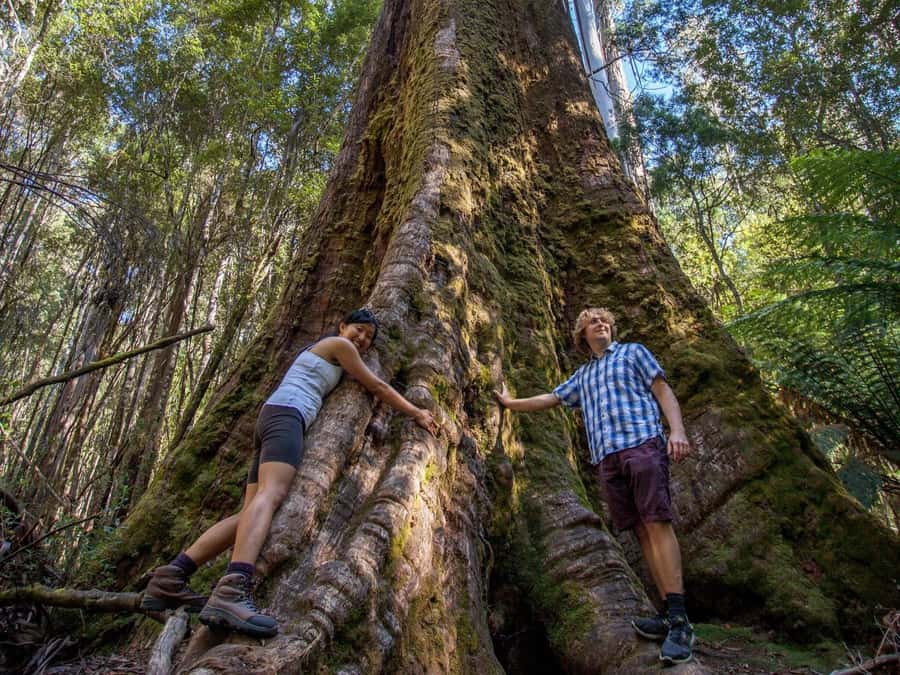
The guide is central to this experience. You spend long stretches together in the coach and several hours walking, so a friendly, attentive person matters as much as the scenery.
The guide team has included Matt, Heather, Lucas, Paris, Nicholas, Clint, Hannah, and David. Their strengths have included clear explanations of plants, entertaining stories, local history, careful group management, and help with small practical needs.
Matt has been praised for handling poor weather with enthusiasm and for explaining Tasmania’s flora and fauna. Paris has been especially strong on ecology and local facts. Heather has a reputation for energy and detailed information, while Lucas has guided the forest walk at a calm, steady pace.
There has been one practical criticism: a speaker system did not work well on one outing, and the driver’s prepared commentary sometimes continued after interest had faded. That appears to be an isolated issue, but it is a fair reminder that guide style can vary.
The overall pattern is positive. The guides stay with the group, help prevent anyone from getting lost, and adjust the day to weather and conditions when possible. That support is valuable on a trail with stairs and changing surfaces.
Is $130 good value?
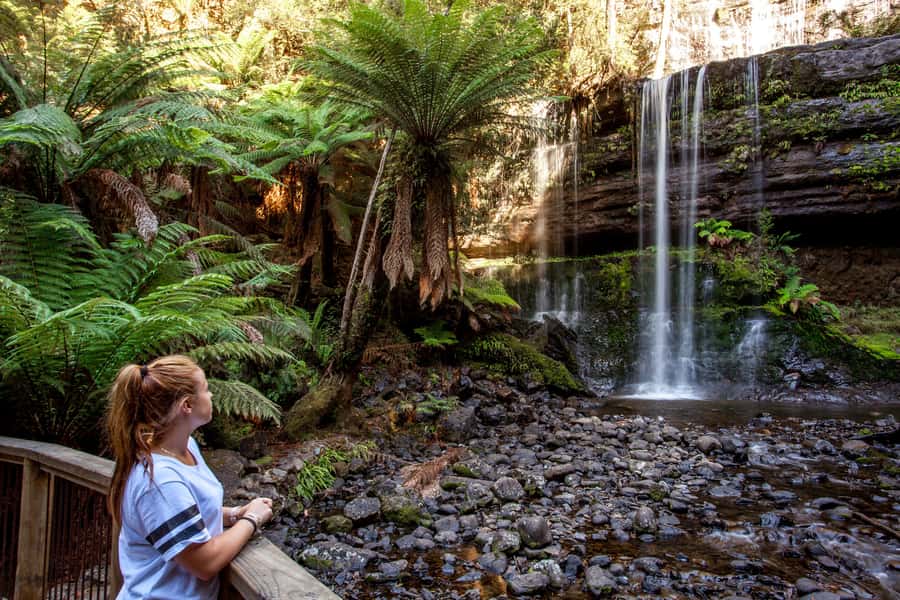
At $130, this is a good buy for a visitor without a rental car. The price includes Mount Field National Park entry, Bonorong Wildlife Sanctuary entry, transport, professional guiding, and interpretive walks.
Paying separately for transport, two admissions, and a guided forest visit could easily make the day more complicated and expensive. You also save the mental effort of driving between sites and finding each entrance yourself.
The value is strongest when you want a broad sample of southern Tasmania in one day. You see waterfalls, giant trees, wildlife, and a mountain view without booking three separate activities.
The price includes no meal or drinks. Bring lunch, snacks, and water in your day pack. There is no airport drop-off, and large luggage is not accepted on board.
Who should book this tour?
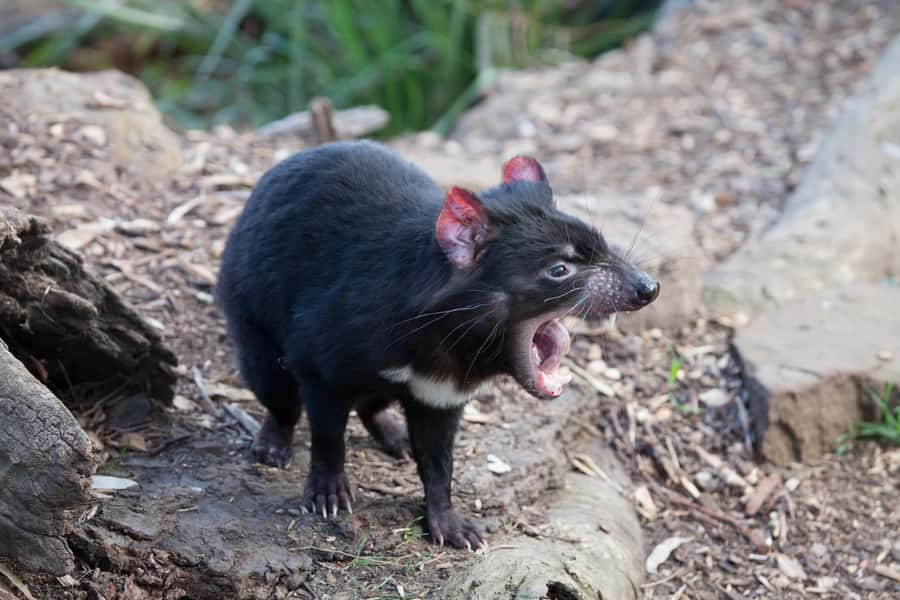
I would choose this tour if you have only a short stay in Hobart and want nature rather than a city-only schedule. It suits adults and children aged eight or older who can manage several hours of walking, stairs, and a full day away from the hotel.
It is also a good fit if you do not want to drive. The guide handles the roads, timing, park access, and route planning, leaving you free to watch the scenery.
You should think twice if you have a mobility impairment or find stairs difficult. The tour is not suitable for people with mobility impairments, and the full Mount Field circuit can be demanding despite its easy trail rating.
The best preparation is simple: wear comfortable closed-toe shoes, pack food, carry water, bring sunscreen and a hat, and add warm layers and a rain jacket. Tasmania can offer rainforest rain and icy mountain air on the same day.
Should you book it?
Book it if you want a well-filled nature day with three distinct experiences and you are comfortable with a long schedule. Mount Field is the strongest part, especially if you complete the waterfall circuit and Tall Trees section, while Bonorong adds close wildlife encounters and kunanyi/Mount Wellington provides the big final view.
Skip it if you want a slow, flexible day, dislike group schedules, or cannot manage stairs and several hours of walking. For most active visitors based in Hobart, though, $130 buys a practical and memorable introduction to Tasmania’s forests, animals, and mountain country.
FAQ
Where does the tour start and finish?
The standard meeting point is the Tasmanian Travel and Information Centre at 20 Davey Street, Hobart. The tour starts at 7:25am and returns to the same location at about 5:30pm.
What is included in the price?
The $130 price includes national park entry, wildlife sanctuary entry, transport, professional guides, and interpretive walks.
Is lunch included?
No. You need to bring your own food, drinks, snacks, and water for the day.
How much walking is involved?
The tour includes the Three Falls Circuit at Mount Field. The walk is generally easy but includes stairs and some short steep sections. It may take around two and a half to three and a half hours, depending on the route and pace.
Can children join the tour?
Children under eight are not suitable for this activity. The tour is intended for people with a suitable level of general health, fitness, and physical ability.
What should I wear and bring?
Bring comfortable closed-toe shoes, a daypack, a hat, sunscreen, water, snacks, food, a jacket, and clothing suited to the weather. Warm layers are especially important for kunanyi/Mount Wellington.
Is hotel pickup available?
Pickup may be available from selected hotels when arranged in advance. You need to contact the operator directly at [email protected].
Just added around Hobart
- Port Arthur, Richmond and Tassie Devils Active Tour from Hobart★ 4.5 · 128 reviews
- Cradle Mountain OMG! Hobart to Cradle Active Day Trip★ 5.0 · 134 reviews
- Signature Tour★ 5.0 · 140 reviews
- Hobart: Wineglass Bay & Freycinet National Park – Active Day Tour★ 4.5 · 142 reviews
- Hobart City Sightseeing Tour including MONA Ticket★ 4.4 · 153 reviews
- Port Arthur, Richmond & Tasman Peninsula Active Day Tour★ 5.0 · 158 reviews
- From Hobart: Active Day Trip to Cradle Mountain★ 4.9 · 164 reviews
- Tasmania 8 Day – Tour in Circle★ 5.0 · 177 reviews
Wildlife & Zoo Experiences, compared.


Penguin Parade, & Wildlife Encounters Eco Tour from Melbourne
Read our review →
Blue Mountain Small Group Scenic World, Wildlife, Waterfall
Read our review →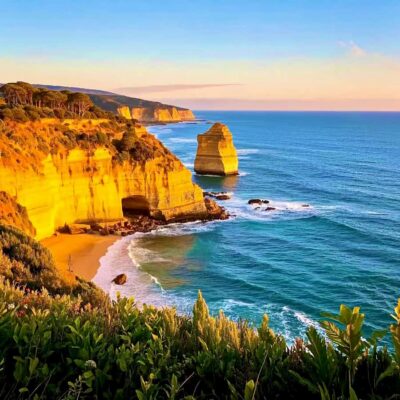
Melbourne Great Ocean Rd Reverse Tour London Bridge Wildlife
Read our review →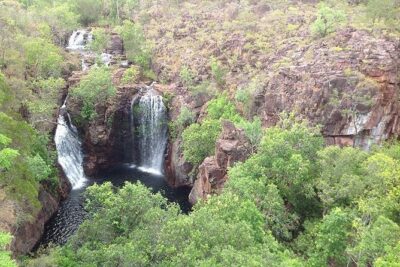
Litchfield National Park and Jumping Crocodile Cruise
Read our review →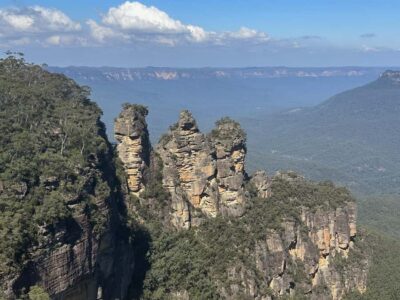
Blue Mountains Adventure: Scenic World, Zoo & Koala Photo
Read our review →
Solar Whisper Daintree River Crocodile and Wildlife Cruise
Read our review →
Browse the lists this tour appears in