
Reviewed · WALKING TOURS
Grand Hobart Walking Tour
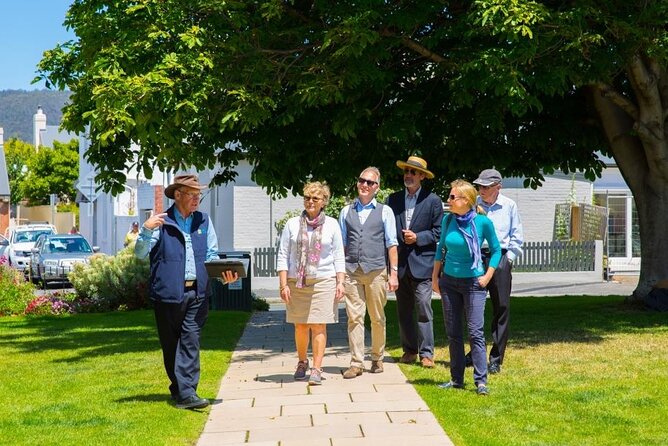
History feels close to the pavement here. The Grand Hobart Walking Tour brings together Hobart’s early colonial story, Battery Point’s old sandstone homes, and Salamanca’s former warehouses in about three hours. I like the way it links major sights with smaller details, rather than treating the city as a string of photo stops.
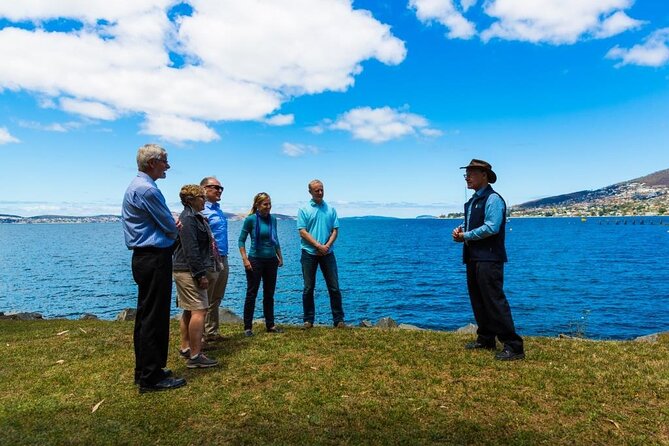
I also like the small group limit of 12 people, which should make it easier to hear the guide and ask questions. The tour ends at Salamanca Place, a useful spot for continuing your afternoon. The main drawback is simple: it is a walking tour, so heavy rain can spoil the experience and may force you to leave early.
The tour begins at 2 pm at the Tasmanian Travel and Information Centre on Davey Street. From there, your local guide leads you through central Hobart, Battery Point, and Salamanca. You finish at Salamanca Place, not back at the starting point, so plan your onward route before you set out.
The experience has earned a 4.8 rating from 28 reviews, with 96 percent recommending it. The strongest praise goes to the guides, especially Richard, Diane, Tony, and Di, who are described as warm, funny, engaging, and full of useful local advice.
In This Review
- Key Things to Know Before You Go
- Starting at Davey Street with Hobart’s Early Story
- Battery Point: Old Hobart on Narrow Streets
- Salamanca Place and Its Sandstone Warehouses
- What the Guides Add to the Experience
- Is Three Hours Enough for Hobart?
- What the $43.03 Price Really Buys
- Who Will Enjoy This Hobart Walk Most?
- Useful Planning Details for a Smooth Afternoon
- Should You Book the Grand Hobart Walking Tour?
- FAQ
- How long is the Grand Hobart Walking Tour?
- Where does the tour begin?
- What time does the tour start?
- Where does the tour finish?
- What places does the tour visit?
- Is a guide included?
- Are food and drinks included?
- Does the tour provide hotel pickup and drop-off?
- How many people can join the tour?
Key Things to Know Before You Go
- You visit three connected parts of Hobart: the central city, Battery Point, and the Salamanca precinct.
- The tour starts at 2 pm: allow roughly three hours, with the finish at Salamanca Place.
- The group is capped at 12 people: this gives the walk a more personal feel than a large coach-style outing.
- You see colonial sandstone architecture: Battery Point homes and Salamanca’s warehouse buildings are central to the route.
- The tour costs $43.03 per person: that is fair value if you want context and local stories, not just sightseeing.
- Saturday adds a different Salamanca experience: the market fills the precinct with art, food, and handmade goods, though this afternoon tour may not overlap with the market’s full operating hours.
Starting at Davey Street with Hobart’s Early Story
You meet at the Tasmanian Travel and Information Centre, 20 Davey Street, at 2 pm. Hotel pickup and drop-off are not included, so you need to make your own way there. The location is near public transportation, which helps if you are staying outside the center or arriving without a car.
The opening section introduces Hobart as a city founded in 1803 and the second-oldest city in Australia after Sydney. That date gives the rest of the walk a useful frame. You are not simply looking at old buildings. You are following the growth of a colonial settlement and hearing about the people and disputes that shaped Tasmania’s early years.
I find this kind of introduction most useful at the start of a visit. Once you understand when Hobart was founded and how its early community developed, the sandstone buildings feel less like isolated antiques. Their age, purpose, and location begin to make sense.
The route also includes present-day landmarks and heritage-listed buildings. That contrast matters. Hobart is not presented as a museum frozen in the past. The tour shows how old structures remain part of the working city, alongside current businesses and public spaces.
More Walking Tours in Tasmania
- Maria Island Cruise and Guided Walk Day Tour with Lunch and Drinks
★ 5.0 · 617 reviews - Southwest Tasmania Wilderness Experience: Fly Cruise and Walk Including Lunch
★ 5.0 · 233 reviews - Hobart History, People & Places – 2 hour city walk
★ 5.0 · 224 reviews
Battery Point: Old Hobart on Narrow Streets
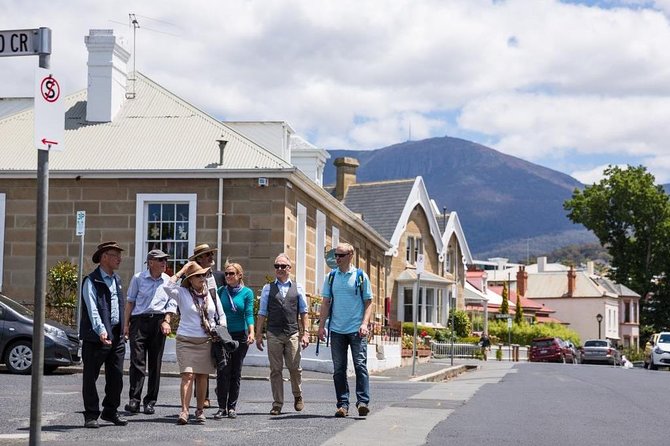
Battery Point is one of the most appealing parts of the walk. Here, you step away from the center and see sandstone buildings, some about 180 years old. The attraction is not one single monument. It is the collection of older buildings and streets, which gives the area a strong sense of Hobart’s early character.
Your guide adds the details that you could easily miss alone. The tour is designed to explain the people, buildings, and events behind the setting. Diane, in particular, is praised for making the story interactive and including everyone in the group. That matters on a history walk, since a long stream of dates can turn a pleasant afternoon into homework.
The walking is described as easy, but you should still wear sensible shoes. The exact route length is not stated, and the experience lasts around three hours. If you have limited mobility, contact the operator before booking rather than assuming every part of the route will suit you.
Battery Point works especially well for people who enjoy architecture and residential streets more than formal museums. You get to look at buildings in their original setting and hear how the neighborhood fits into Hobart’s wider development.
The tradeoff is that this is an outdoor history experience. Rain, wind, or cold can affect your enjoyment. One person had to abandon the second half during very heavy rain and return to a ship. That was not a fault with the guide or route, but it is a practical reminder to check the forecast and dress for changeable conditions.
Salamanca Place and Its Sandstone Warehouses
The walk continues to Salamanca Place, where old sandstone warehouses form the visual centerpiece. These buildings are a strong example of colonial Australian architecture. Their present use gives the area extra interest: former warehouses now hold art galleries, offices, and restaurants.
That change of purpose is one of the most useful ideas on the tour. You see how a historic district can remain part of daily city life. The buildings are old, but the area is not empty or sealed off. You can finish the tour and keep exploring the restaurants, galleries, and public spaces around the precinct.
Salamanca Place is also the tour’s endpoint. This is convenient if you want to stay in the area after the guide departs. Di’s practical suggestions were particularly useful to one participant, including a recommendation for the Shipwright’s Arms Hotel. I would make a note of any food or drink tips during the walk, since local advice can save you from choosing a restaurant at random.
On Saturdays, Salamanca Markets bring several hundred vendors to the precinct. You may find art, fresh food, and handicrafts. The tour information does not promise that the walking route coincides with the market’s busiest period, so do not book it solely as a market tour. Think of the market as an added reason to spend more time around Salamanca if your schedule allows.
What the Guides Add to the Experience
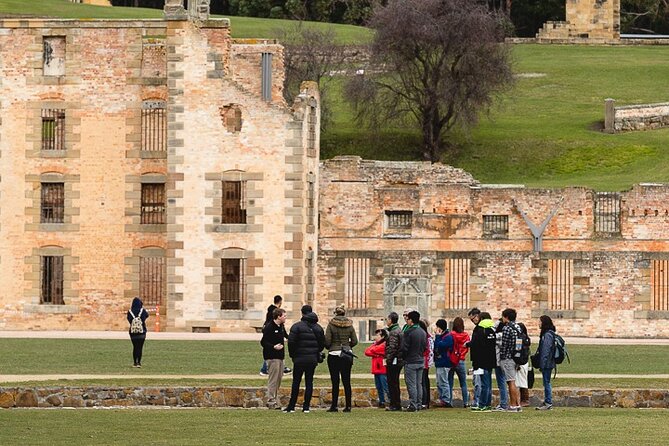
The guide is the most important part of this tour. Buildings alone cannot explain Hobart’s past, and the strongest feedback focuses on the people leading the walk.
Richard is praised for making the three hours pass quickly through interesting facts and stories about Hobart. Diane is described as enthusiastic and inclusive, with a talent for drawing the group into the story. Tony receives similar praise for his passion and strong local understanding. Di is noted for her humor, useful suggestions, and ability to make the walk enjoyable.
Those comments point to a tour style that depends heavily on conversation. You are not simply following a recorded script. The quality of your afternoon may vary slightly depending on who leads the group, but the repeated praise for several guides is encouraging.
I especially like that the guides appear to do more than recite dates. They connect the city’s past with places you can still see and use. That makes the information easier to remember, and it helps you notice details after the tour ends.
One review found the tour boring. That is worth taking seriously. A history walk will not suit everyone, especially if you prefer fast-moving attractions or a packed schedule of interiors and major sights. The heavy rain also cut one experience short, but even in good weather, the pace is built around listening and walking rather than constant activity.
A completely different kind of day out in Hobart:
- Bruny Island Food, Sightseeing, Guided Lighthouse Tour & Lunch
★ 5.0 · 2,989 reviews - Full-Day Guided Bruny Island Tour from Hobart
★ 5.0 · 1,331 reviews - kunanyi/Mt Wellington Explorer Bus- Return Tour (2.5 hours)
★ 5.0 · 1,249 reviews - Hobart: Bruny Island Food, Sightseeing & Lighthouse Day Tour
★ 4.8 · 960 reviews
Is Three Hours Enough for Hobart?
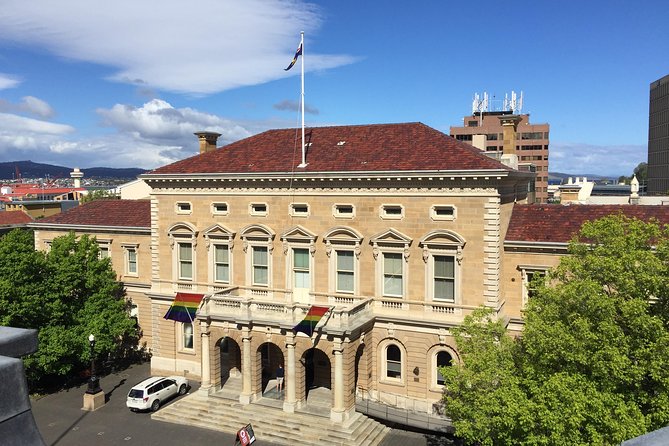
Three hours gives the tour enough time to cover the city center, Battery Point, and Salamanca without turning the afternoon into a sprint. You can hear the background to Hobart’s founding, examine heritage buildings, and move between three distinct parts of the city.
The start time is also useful. At 2 pm, you can spend the morning visiting another attraction or arriving in Hobart at a relaxed pace. The finish at roughly 5 pm leaves you near Salamanca for dinner or further sightseeing, depending on the season and local opening hours.
This timing may be less convenient for cruise passengers with a strict departure schedule. The meeting point is in central Hobart and the tour ends elsewhere, so you need to allow time to return to your ship or next appointment. The tour does not include transportation.
The small group maximum helps the three-hour format. With no more than 12 people, you should have a better chance of hearing explanations in streets where traffic or other visitors may create background noise. It also gives you a practical opportunity to ask about restaurants, buildings, and places to visit afterward.
What the $43.03 Price Really Buys
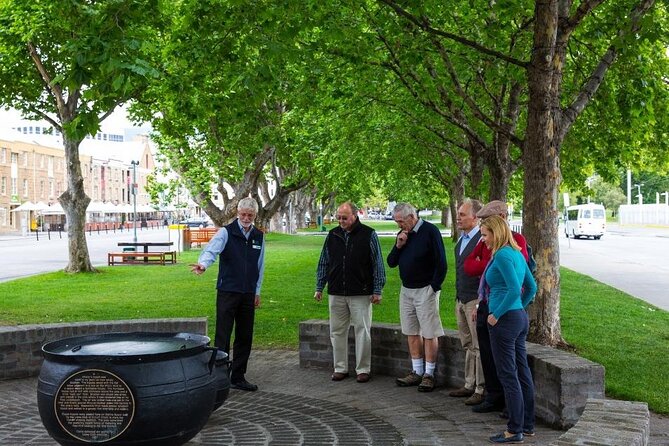
At $43.03 per person, the tour is not the cheapest way to see Hobart’s streets. You can walk around Battery Point and Salamanca on your own without paying an admission fee. The value here comes from interpretation, organization, and local guidance.
I would consider the price fair if you want to understand what you are seeing. A self-guided walk may show you the same sandstone buildings, but it will not necessarily explain Hobart’s 1803 foundation, the early colonial issues, or the connection between the old warehouses and modern galleries, offices, and restaurants.
The price includes a local guide. Food, drinks, hotel pickup, and hotel drop-off are not included. Plan for your own refreshments, and remember that the tour finishes at Salamanca Place rather than returning to Davey Street.
This experience is also a good first activity in Hobart. The guide can point out places worth returning to later, and the route gives you a basic mental map of the central city and nearby historic districts. One afternoon can help you decide where to eat, what streets to revisit, and which buildings deserve a closer look.
Who Will Enjoy This Hobart Walk Most?
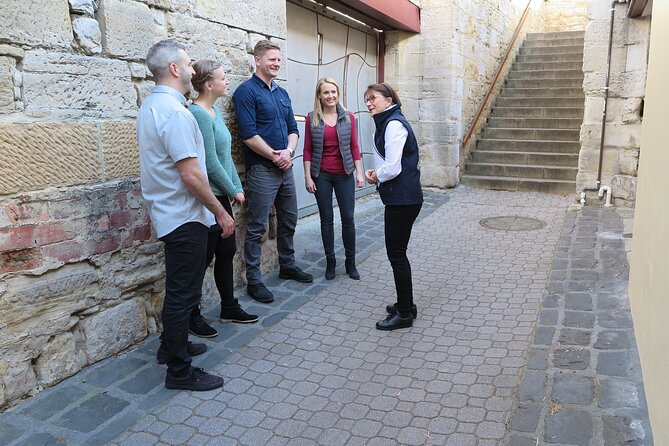
I would recommend the tour to first-time visitors who want a clear introduction to Hobart without spending a full day indoors. It should also suit repeat visitors who have already seen the main attractions and want more local context. One repeat visitor chose the walk specifically because familiar top sights were no longer the priority.
History fans and architecture lovers are the natural audience. You will spend much of the time looking at heritage-listed buildings, old sandstone homes, and colonial warehouses. The experience also suits people who prefer a personal guide to a large group tour.
Families can book, but children must be accompanied by an adult. Most people can participate, and service animals are allowed. No special fitness requirement is stated, though three hours on foot still calls for comfortable shoes and sensible planning.
I would be more cautious about booking if you dislike guided commentary, have very little time in Hobart, or need guaranteed shelter from bad weather. The walk is at its best when you can listen, look closely, and allow the city to unfold at a steady pace.
Useful Planning Details for a Smooth Afternoon
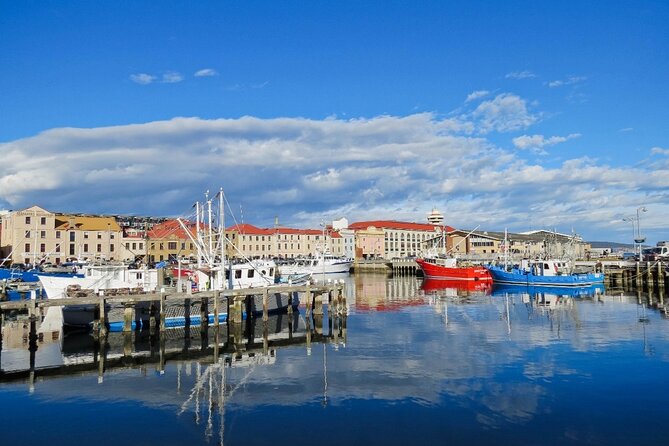
Confirmation is provided at the time of booking. You should arrive at the Tasmanian Travel and Information Centre before the 2 pm start, since the tour does not include pickup from your hotel or ship.
The tour is near public transportation, and the meeting point is on Davey Street. The finish is Salamanca Place, Salamanca Place, Hobart. That one-way layout is easy to use if you want to continue dining or sightseeing there, but less convenient if you need to collect belongings at the starting point.
Free cancellation is available if you cancel at least 24 hours before the local start time. Cancellations made within 24 hours are not refunded, and changes in that period are not accepted. The tour also requires a minimum number of participants. If that minimum is not met, the operator offers another date or experience, or a full refund.
Should You Book the Grand Hobart Walking Tour?
Book it if you want Hobart’s buildings to make sense, not merely appear in photographs. The combination of the early city story, Battery Point’s old sandstone buildings, and Salamanca’s converted warehouses gives you a useful introduction in one afternoon.
I would choose it for a first visit, a return visit focused on local character, or a cruise stop with enough time to walk at an easy pace. The guides are the strongest reason to go, and the small group limit should keep the experience personal.
Skip it if you want a fast list of major attractions, indoor sightseeing, or a tour protected from bad weather. For everyone else, $43.03 is a reasonable price for three hours of orientation, stories, and practical local suggestions, especially when the guide turns a simple city walk into a better understanding of Hobart.
FAQ
How long is the Grand Hobart Walking Tour?
The tour lasts approximately three hours.
Where does the tour begin?
It begins at the Tasmanian Travel and Information Centre, 20 Davey Street, Hobart.
What time does the tour start?
The scheduled start time is 2 pm.
Where does the tour finish?
The tour ends at Salamanca Place in Hobart.
What places does the tour visit?
The route covers Hobart, Battery Point, and the Salamanca precinct.
Is a guide included?
Yes. A local guide is included.
Are food and drinks included?
No. Food and drinks are not included in the tour price.
Does the tour provide hotel pickup and drop-off?
No. You need to make your own way to the meeting point, and hotel pickup and drop-off are not included.
How many people can join the tour?
The tour has a maximum group size of 12 people.
Just added around Hobart
- Hobart Highlights Day Tour★ 4.8 · 25 reviews
- Cook Like A Pro in Taroona★ 5.0 · 26 reviews
- Signature Wine Tour – Hobart & SE Tasmania★ 5.0 · 26 reviews
- Kunanyi & Mt Wellington Explorer Bus: One-Way Bus Pass★ 4.8 · 27 reviews
- From Hobart: Mt Wellington Summit & Rainforest Bike Tour★ 4.9 · 29 reviews
- 10 Days Ultimate Guided Tour of Tasmania – Comfort Tour★ 5.0 · 29 reviews
- Port Arthur Historic Site on Saturday including Salamanca Market★ 4.5 · 29 reviews
- Hobart City Sightseeing Tour including MONA Admission★ 4.5 · 30 reviews
Walking Tours, compared.
Sydney Opera House Official Guided Walking Tour
Read our review →
Blue Mountains Tour with Waterfall Walk & Lunch
Read our review →
Ultimate Melbourne Walking Tour: History, Laneways & Culture
Read our review →
Great Ocean Road Tour Plus Koalas, Forest Walk and Morning Tea
Read our review →
Blue Mountains Small Group Tour with Waterfall Walk & Fresh Lunch
Read our review →
Maria Island Cruise and Guided Walk Day Tour with Lunch and Drinks
Read our review →Browse the lists this tour appears in