
Reviewed · WALKING TOURS
Margaret River: Birds of Prey Encounter and Forest Walk
Birds can make a quiet forest feel wild. At Capes Raptor Centre, you get close to owls and other Australian birds of prey while supporting a sanctuary for injured, orphaned, orphaned, and displaced birds. I like the mix of a lively flying presentation and a peaceful 1km forest walk, which gives you both the drama and the quieter side of raptor care.
I also like the strong educational focus. Presenters such as Rachel, Robert, Anne-Marie, Tara, and Cherie have been praised for clear, engaging talks, while Bonnie the bird and Kevin the kite have become memorable parts of the experience. The main consideration is that the flying display may feature only a small number of bird types, and some older aviaries may feel ready for an update.
In This Review
- Key points at a glance
- Why Capes Raptor Centre is worth your time
- The twice-daily Bird of Prey Encounter
- Meeting owls at close range
- The 1km self-guided forest walk
- The conservation message behind the encounter
- What the 90-minute visit feels like
- Is $17 good value?
- Who will enjoy this most?
- Practical booking advice
- Should you book the Capes Raptor Centre visit?
- FAQ
- Where is Capes Raptor Centre?
- How long does the experience last?
- What is included in the admission?
- Can I see the forest walk before the presentation?
- Is the experience wheelchair accessible?
- Is transportation included?
- Can I cancel my booking for a refund?
Key points at a glance
- Bonnie flies overhead: The flying presentation can bring a bird of prey remarkably close, including flights over the audience.
- Kevin the kite has character: His appearance has been singled out as a quirky and entertaining part of the encounter.
- The 1km walk adds calm: After the presentation, you can stroll through native forest and see other resident raptors.
- It supports real rescue work: The centre cares for injured, orphaned, and displaced eagles, hawks, falcons, and owls.
- The talks have substance: You can learn about bird behaviour, adaptations, and dangers such as rat poison.
- It is easy to fit into a Margaret River day: The centre is 5 kilometres south of Margaret River town and the visit takes about 90 minutes.
Why Capes Raptor Centre is worth your time
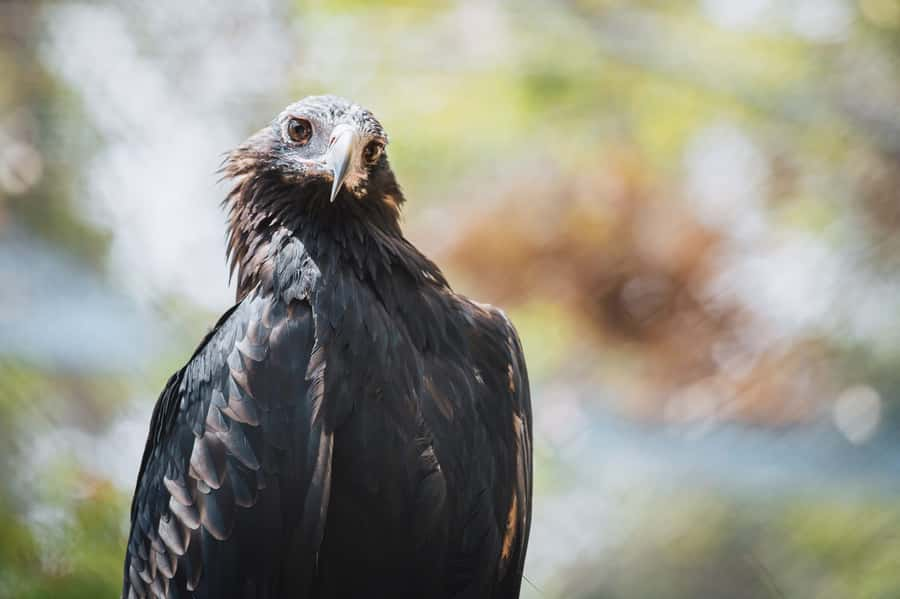
Capes Raptor Centre is not simply a place to look at birds behind wire. Its purpose is tied to rehabilitation, education, and public awareness. The birds in residence include eagles, hawks, falcons, and owls, along with other raptors that need long-term care.
That mission changes the mood of the visit. You are not only watching impressive birds. You are learning why some cannot return to the wild, how human activity can harm them, and what ordinary people can do to reduce those risks.
I especially value the practical conservation message. One presentation explained the danger of rat poison remaining in dead rodents killed by products such as RATSAK. That detail may be uncomfortable, but it gives the visit a useful edge. You leave with something specific to think about, not just a few attractive bird photographs.
The centre also keeps the experience approachable. The presenters explain complex ideas in plain language, answer questions, and use live birds to show how different species behave. That makes the visit work for families, first-time bird watchers, and anyone who knows little about raptors.
More walking tours:
- Sydney Opera House Official Guided Walking Tour
★ 4.5 · 3,770 reviews - From Sydney: Blue Mountains Tour with Waterfall Walk & Lunch
★ 4.8 · 2,400 reviews - Sydney The Rocks Guided Walking Tour
★ 5.0 · 1,546 reviews
The twice-daily Bird of Prey Encounter
The central event is the Bird of Prey Encounter, offered twice daily. Check the available starting times when you book, since the exact schedule matters if you are fitting this into a Margaret River itinerary.
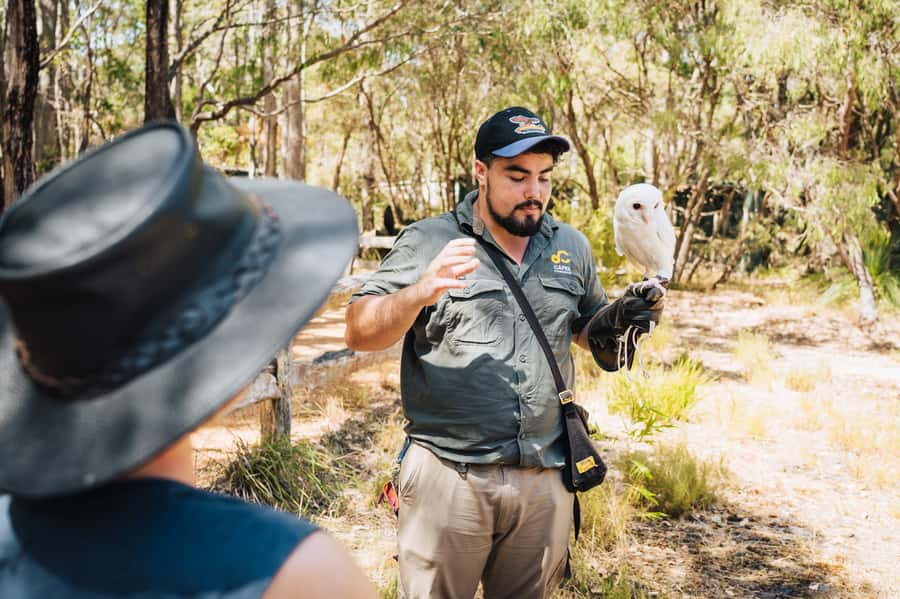
The encounter is designed to bring you close to the birds. You may see birds fly across or above the audience, catch food from the air, or take food from a handler’s hand. That is a more direct experience than simply viewing a bird in an aviary, and it helps you notice how each bird moves and reacts.
The presentation also covers behaviour and physical adaptations. You might learn why an owl hunts differently from a kite, how raptors use their bodies in flight, and what makes these birds such capable hunters. The strongest part of the event is the balance between explanation and action. A long talk about feathers and talons can lose a young audience, but a flight demonstration gives the information a clear purpose.
Bonnie has been a particular favourite in the presentation. Seeing a bird fly over the heads of the audience can be thrilling, especially for children. Kevin the kite brings a lighter, more playful note, and his quirky behaviour has helped make the presentation memorable.
The show is not built around a large cast of birds flying one after another. One comment specifically wished for more than two types of birds in flight. You should therefore come for the quality of the close encounter and the information, not for a large-scale arena show with constant action.
That smaller scale may actually suit people who prefer animal encounters that feel focused and educational. You have a better chance to watch a bird’s movements and hear why the handler is presenting it, rather than simply applauding a sequence of tricks.
Meeting owls at close range
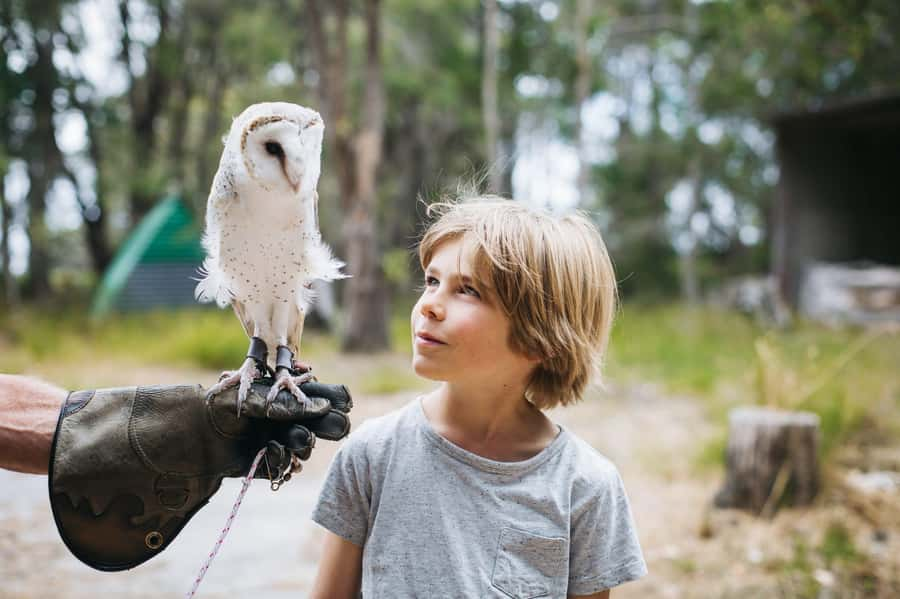
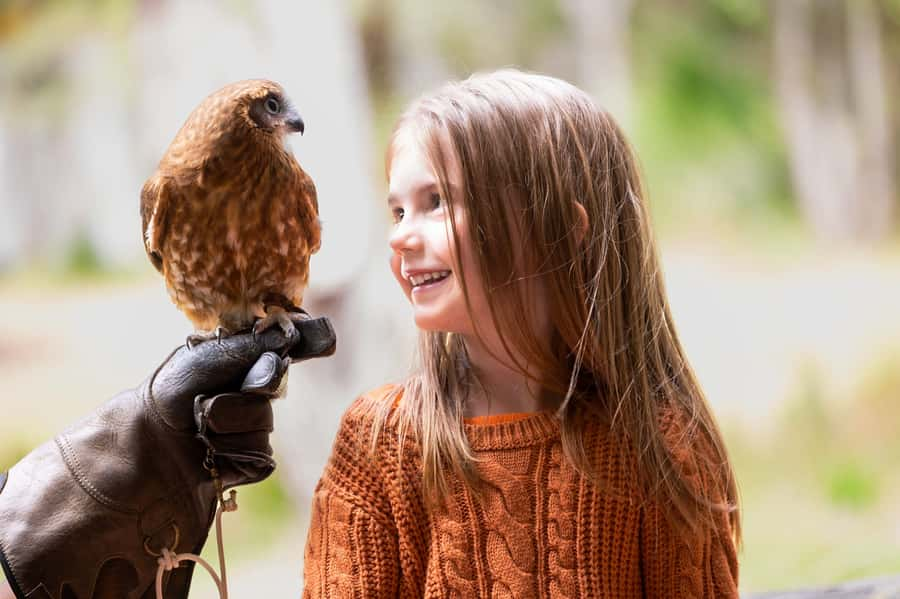
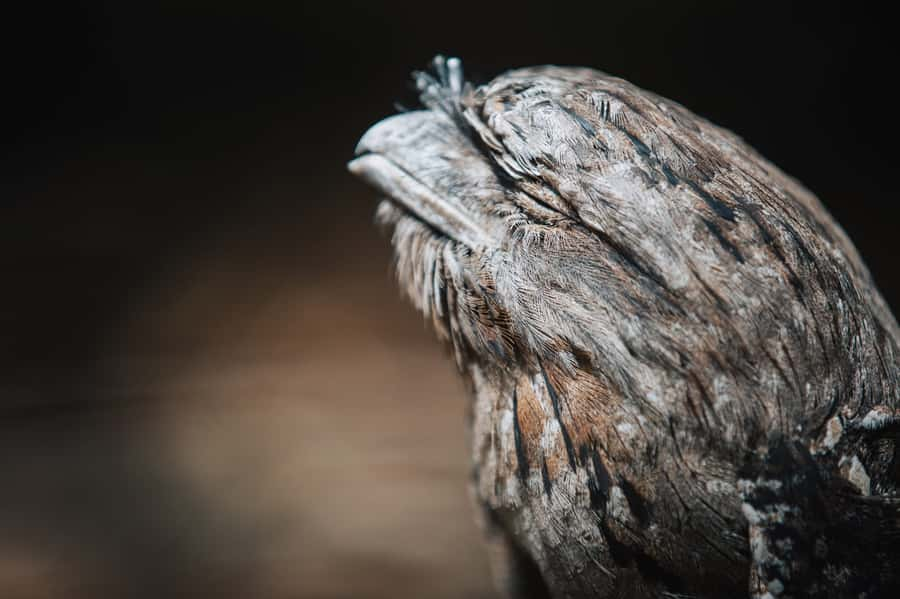
The owl portion can be one of the most rewarding moments. Owls often seem mysterious because they are quiet, nocturnal, and difficult to spot in the wild. At the centre, you can see one at close range and learn about its habits from the presenter.
Anne-Marie’s talk about barn owls has been praised for explaining facts that many people have never heard before. That is exactly where a good raptor centre earns its keep. You are not just told that an owl is silent in flight. You begin to understand how its body helps it hunt.
The close view also gives you time to notice details that disappear during a flight display. Look at the facial shape, feathers, eyes, and feet. The experience can be particularly good for children because the owl is easier to understand when a presenter connects its appearance to its behaviour.
A photo opportunity with a bird of prey is included as part of the appeal. The supplied information does not specify how the photo is arranged or whether it is taken by staff, so check the on-site process if that picture matters to you. Either way, have your camera ready, but keep the bird’s welfare ahead of the perfect shot.
The 1km self-guided forest walk
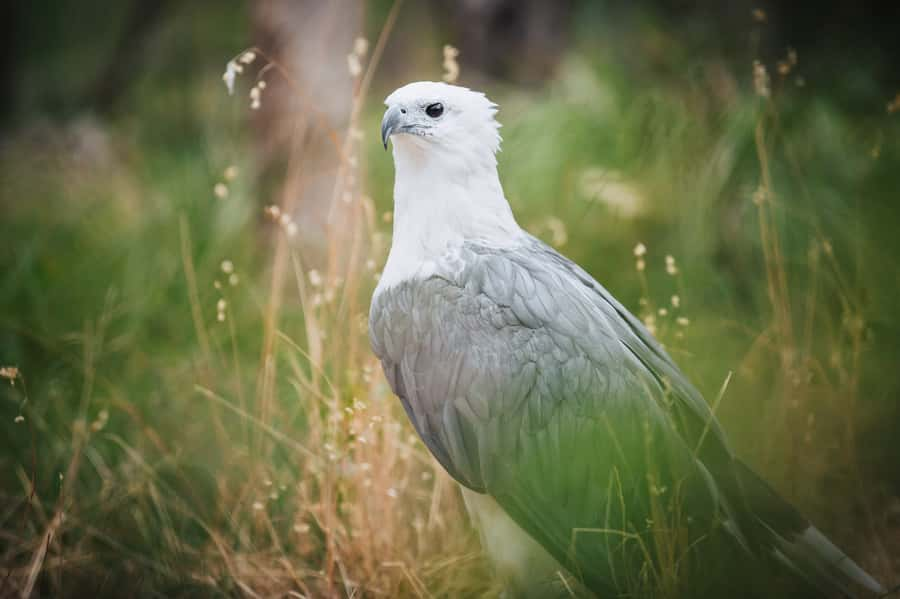
The forest walk can take place before or after the Bird of Prey Encounter. That flexibility is useful because it lets you work around the presentation time rather than rushing through the centre.
The route covers 1 kilometre and is self-guided. As you stroll through the native forest, you can meet other birds of prey housed around the sanctuary. This section is quieter than the flying display and gives you time to move at your own pace.
I like this two-part layout. The encounter gives you a shared, scheduled event, while the walk lets you slow down and look closely. You can spend more time with a shy bird, return to an enclosure, or pause to read and think about what you have just learned.
The walk also helps you see the centre’s broader work. The flying birds may be the stars, but the less visible residents are just as important. Some birds cannot return to the wild, and the walk gives you a chance to appreciate the care involved in housing them.
Several people have found the route easy to follow, with clean aviaries and a well-planned layout. At the same time, one comment suggested that some enclosures could be updated. It is fair to expect a working sanctuary to feel practical rather than polished like a major commercial attraction.
That rustic quality is part of the trade-off. You may notice older structures, but you also see a place focused on the birds rather than on elaborate visitor design. If you need a slick, heavily produced attraction, this may feel modest. If you value the centre’s rescue work, the setting should make sense.
A few more Margaret River trips worth weighing up
- The Margaret River wine tour for people who don’t do tours!
★ 5.0 · 1,969 reviews - Hidden Gems: Boutique Full-Day Wine, Farm & Lunch Tour
★ 5.0 · 881 reviews - Margaret River Wine, Brewery & Distillery Tour with Lunch
★ 4.5 · 488 reviews - Margaret River Small-Group Full-Day Wine & Food Tour
★ 5.0 · 401 reviews
The conservation message behind the encounter
The most important part of a raptor visit is often what happens after you leave. Capes Raptor Centre uses its birds to explain the pressures they face, including injury, displacement, and poisoning.
The RATSAK discussion is a strong example. Poisoned rodents can create a second danger for birds that eat them. That is a simple idea, but seeing its effect explained alongside live raptors makes it easier to remember.
The centre also cares for orphaned birds. You may find yourself thinking differently about the birds you see in the Margaret River area, especially when you understand that an injured eagle or owl may need long-term human care.
The presenters’ attitude matters here. The talks have been described as informative without being dull, and the staff are willing to answer questions without judgement. That is helpful if you know little about raptors or are unsure about the effects of products used around homes and farms.
I would give the talks your full attention. The flight show is the obvious draw, but the conservation information is what gives the visit lasting value.
What the 90-minute visit feels like
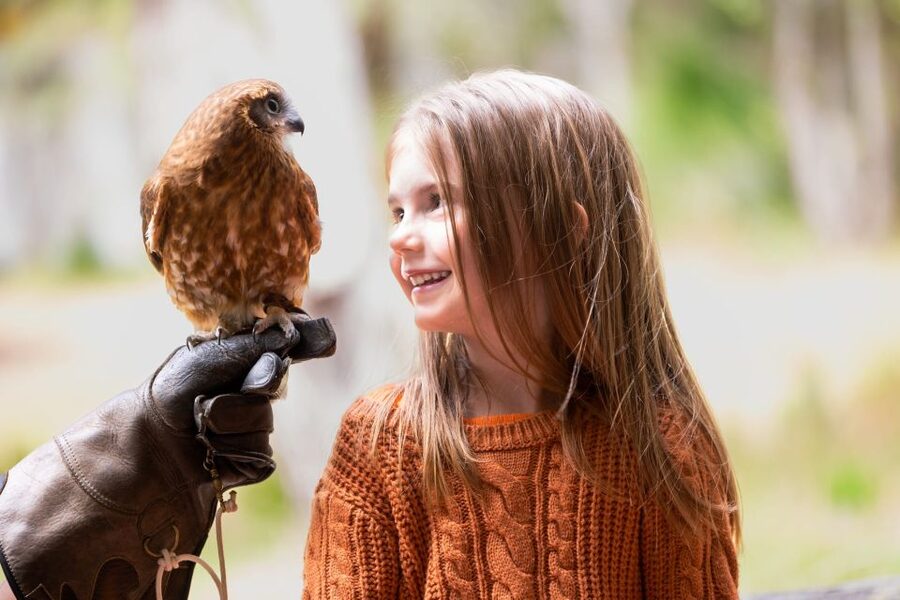
The total duration is about 90 minutes. That is long enough to feel worthwhile, but short enough to combine with other Margaret River activities.
Your visit includes the scheduled Bird of Prey Encounter and the 1km forest walk. Since the walk can happen before or after the presentation, the exact order may vary. Allow enough time to do both without hurrying.
A sensible plan is to arrive ready for the presentation, then take the walk afterward while the information is fresh. Families may prefer this order because the flying display gives children an immediate focus. Other people may like to walk first and arrive at the presentation already familiar with the centre.
The visit is at Capes Raptor Centre, 5 kilometres south of Margaret River town. Transportation is not included, so you need to arrange your own way there. Food and drinks are also not included, and the supplied details do not describe an on-site meal service, so plan accordingly.
The centre is wheelchair accessible. The forest route is described as a 1km self-guided walk, but the information does not specify every surface or gradient. If you need precise route details, ask the centre before arrival.
Is $17 good value?
At $17 per person, this is an inexpensive Margaret River activity. The price covers a live educational presentation, close views of raptors, a possible photo opportunity, and the forest walk.
The value is strongest if you use the full 90 minutes. Arriving only for the flight display would miss the quieter enclosures and the chance to understand the sanctuary’s wider work. The walk is not a filler. It is part of what separates this from a short animal presentation.
The price also feels reasonable because the centre’s purpose is rehabilitation and education. Your entry helps support a facility caring for injured, orphaned, and displaced birds. That does not mean every enclosure will look new, but it does add meaning to the admission fee.
For a family, the cost can be easier to justify than a larger attraction with a full-day ticket. Children get movement, close animal encounters, and memorable names such as Bonnie and Kevin. Adults get useful information about conservation and bird behaviour.
The value may be less obvious if you have already attended several raptor shows or want a long, highly theatrical display. This is a compact visit with a small-scale presentation, not an all-day wildlife park.
Who will enjoy this most?
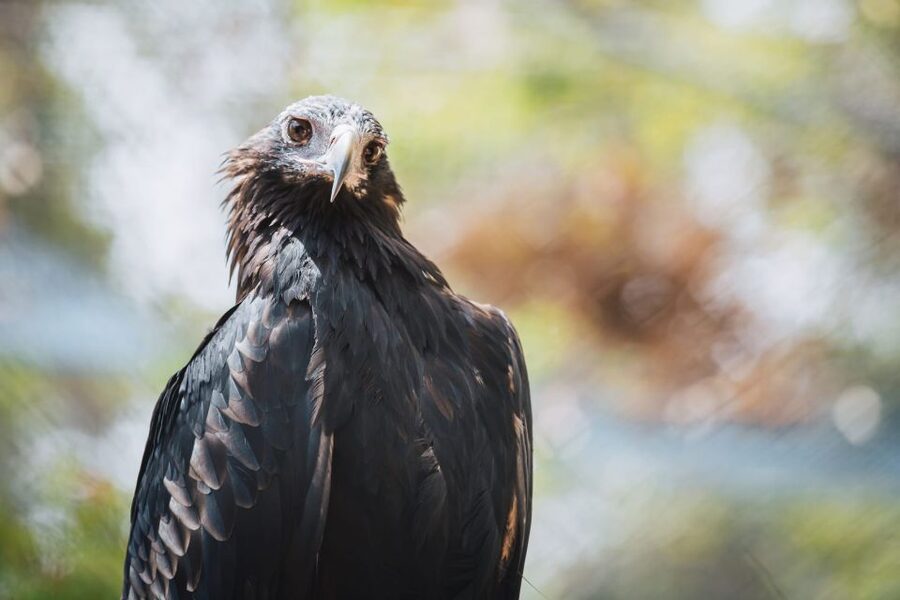
Families are a natural fit. The flying birds create excitement, the owls hold attention, and the walk gives children room to stay active. The experience has enough visual appeal for young visitors, while the conservation message gives adults something worthwhile to discuss afterward.
It also suits anyone with a growing interest in Australian wildlife. You do not need specialist bird knowledge. The presenters explain the basics clearly, and the close encounters help you connect names, shapes, and behaviours.
Photographers may enjoy the setting, especially during the close encounter. Still, you should not expect a dedicated photography tour or guaranteed shots of every species. The included photo opportunity is a bonus, not the whole reason to visit.
People who prefer ethical wildlife experiences may appreciate the centre’s rescue focus. The birds are there because they need care, and the talks explain the threats that brought them into the sanctuary.
I would be less likely to recommend it to someone seeking a grand theatrical production or a large collection of flying species. The show is informative and entertaining, but its strength is personal contact and clear explanation rather than scale.
Practical booking advice
The experience is hosted in English, and the language used for the talks is English. Keep this in mind if someone in your group needs translated interpretation.
You can cancel up to 24 hours before the activity for a full refund, and you can reserve now while paying later. Those options help if your Margaret River plans depend on weather or changing schedules, though the provided details do not state how weather affects the presentation itself.
Because there are twice-daily encounters, compare the available times with your other plans before booking. The 90-minute duration is manageable, but you still need to allow for your own transport to and from the centre.
Wear something comfortable for the forest walk and allow time to move between the walk and presentation. No special equipment is listed as included, so bring your own camera if you want a picture.
Should you book the Capes Raptor Centre visit?
I would book this experience if you want an affordable, focused wildlife stop near Margaret River. The best reasons are the close owl encounter, the chance to see birds fly overhead, the 1km forest walk, and the staff’s clear commitment to rehabilitation and education.
Go with the right expectations. You are getting a 90-minute sanctuary visit, not a huge bird show. Some enclosures may look basic, and the flight display may feature only a limited number of bird types.
For families, first-time raptor watchers, and people who want their wildlife stop to support practical conservation, the $17 admission offers strong value. If Bonnie flies overhead and Kevin the kite makes an appearance, you may leave with both a memorable photograph and a better understanding of the birds sharing Western Australia with us.
FAQ
Where is Capes Raptor Centre?
Capes Raptor Centre is located 5 kilometres south of the Margaret River townsite in Western Australia.
How long does the experience last?
The experience lasts approximately 90 minutes.
What is included in the admission?
Admission includes a twice-daily Bird of Prey Encounter and a 1km self-guided forest walk where you can see other birds of prey.
Can I see the forest walk before the presentation?
Yes. The forest walk can take place before or after the Bird of Prey Encounter.
Is the experience wheelchair accessible?
Yes, the activity is wheelchair accessible.
Is transportation included?
No. Transportation to Capes Raptor Centre is not included.
Can I cancel my booking for a refund?
Yes. You can cancel up to 24 hours in advance for a full refund.
Just added around Margaret River
- Whale Watching Dunsborough★ 5.0 · 26 reviews
- Margaret River: Winery Tour with Lunch and Brewery Visit★ 5.0 · 32 reviews
- Full-Day Wine, Beer, Gin, Cider Private Guided Margaret River Tour★ 4.0 · 34 reviews
- From Perth: Margaret River to Esperance 6-Day Tour★ 4.7 · 35 reviews
- Stand Up Paddle Board Experience on Pristine Gnarabup Bay★ 5.0 · 35 reviews
- Guided Dolphin Eco-Cruise in Koombana Bay★ 5.0 · 36 reviews
- Marine Discovery Centre★ 4.3 · 38 reviews
- Margaret River Indulge and Discover Day Tour★ 5.0 · 38 reviews
Walking Tours, compared.
Sydney Opera House Official Guided Walking Tour
Read our review →
Blue Mountains Tour with Waterfall Walk & Lunch
Read our review →

Ultimate Melbourne Walking Tour: History, Laneways & Culture
Read our review →

Great Ocean Road Tour Plus Koalas, Forest Walk and Morning Tea
Read our review →
Blue Mountains Small Group Tour with Waterfall Walk & Fresh Lunch
Read our review →
Maria Island Cruise and Guided Walk Day Tour with Lunch and Drinks
Read our review →Browse the lists this tour appears in