
Reviewed · WILDLIFE & ZOO EXPERIENCES
Melbourne Zoo: 1-Day Entry Ticket
Start early for the animals. Melbourne Zoo gives you a lot to see within easy reach of the city, from tigers and lions to koalas, penguins, kangaroos, and more than 320 species. I like the way the zoo groups animals by region, and I especially like the mix of major predators, Australian wildlife, tropical plants, and smaller exhibits such as butterflies and meerkats.
The well-kept grounds and helpful staff are two of its strongest points. You can spend a pleasant half-day here, but I would allow most of the day if you want to walk the major zones without rushing. The main drawbacks are that animals may be asleep or out of sight, some paths can be confusing, and food prices may feel high for families.
In This Review
- Key Points Before You Go
- Getting to Melbourne Zoo from the City Centre
- The First Walk: Asian and African Rainforests
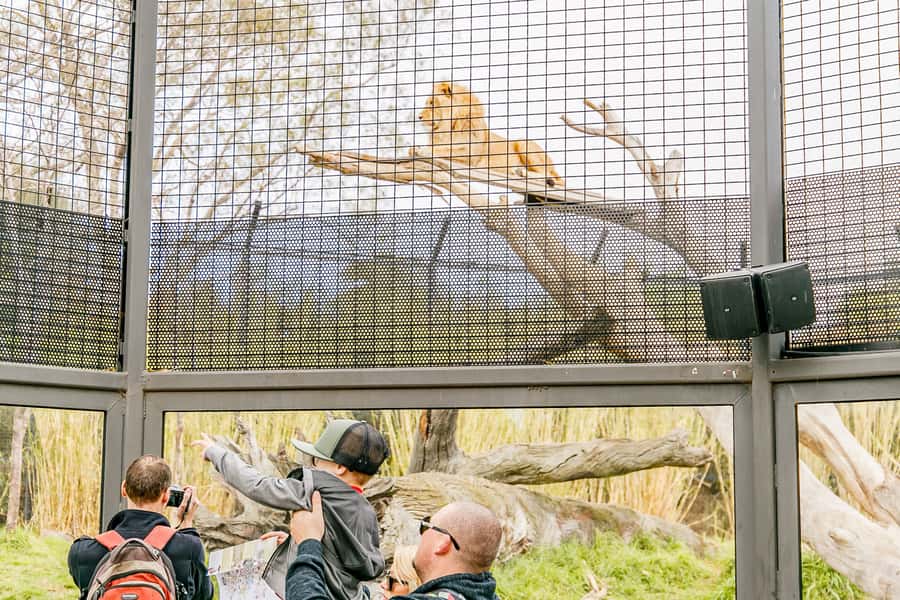
- Lion Gorge and the Big Cats
- Butterflies, Meerkats, and Smaller Encounters
- Australian Bush: Koalas, Kangaroos, and Wombats
- Penguins and Fur Seals Underwater
- Keeper Presentations Add More Than a Sign
- How Long Should You Stay?
- Food, Seating, and Comfort
- Tickets, Family Value, and Extra Experiences
- What Can Go Wrong?
- Who Will Enjoy Melbourne Zoo Most?
- Should You Book the Melbourne Zoo Day Ticket?
- FAQ
- How much does Melbourne Zoo entry cost?
- How long is the Melbourne Zoo ticket valid?
- What are Melbourne Zoo’s opening hours?
- Are children free at Melbourne Zoo?
- How do I get to Melbourne Zoo by tram?
- Is there a train station at Melbourne Zoo?
- What animals can I see at Melbourne Zoo?
- Are keeper presentations included?
- Are behind-the-scenes experiences included in the ticket?
Key Points Before You Go
- Plan on four to seven hours: The zoo is large enough for a relaxed half-day, but a full day gives you time for presentations, breaks, and missed exhibits.
- Use public transport: Tram 58 stops directly outside, while Royal Park Station is the zoo’s own train stop.
- Arrive at opening time: The zoo is open from 9:00 AM to 5:00 PM, and early hours can mean fewer crowds and more active animals.
- Expect changing animal sightings: Heat, sleep, breeding programs, maintenance, and animal choice can affect which creatures are visible.
- Look for keeper presentations: These are included at set times and add useful detail beyond the signs.
- Check the child-entry rules: Children aged 3 and under enter free every day, while children under 16 enter free on weekends, Victorian school holidays, and Victorian public holidays.
Getting to Melbourne Zoo from the City Centre
Melbourne Zoo is about 10 minutes from the city centre, making it one of the easier major attractions to fit into a city break. You do not need to treat it as a distant day trip.
The most direct option is Tram 58, which runs from William Street on the West Coburg to Toorak route and stops directly outside the zoo. This is handy if you are staying in central Melbourne and want a simple ride without changing vehicles.
Trains run daily from Flinders Street Station on the Upfield line. Get off at Royal Park Station, which has its own stop for Melbourne Zoo. Bus route 505 runs from Moonee Ponds to Melbourne University and also stops outside the entrance.
I would favor public transport over driving if you are visiting on a busy weekend. One visitor found parking difficult, and public transport removes that part of the day from your worries. If you are arriving from a cruise ship or another city attraction, a day pass covering Melbourne buses and trams can make the zoo easy to add to your plans.
More Wildlife Experiences in Melbourne
- From Melbourne: Great Ocean Road, 12 Apostles, Wildlife Tour
★ 4.7 · 6,020 reviews - Penguin Parade, & Wildlife Encounters Eco Tour from Melbourne
★ 5.0 · 3,774 reviews - Melbourne Great Ocean Rd Reverse Tour London Bridge Wildlife
★ 4.7 · 2,252 reviews
The First Walk: Asian and African Rainforests
Once inside, the zoo opens into a series of areas rather than one straight route. Take a moment to study the map before setting off. Some paths branch away from the main route, and several people have found the signs and map less clear than expected.
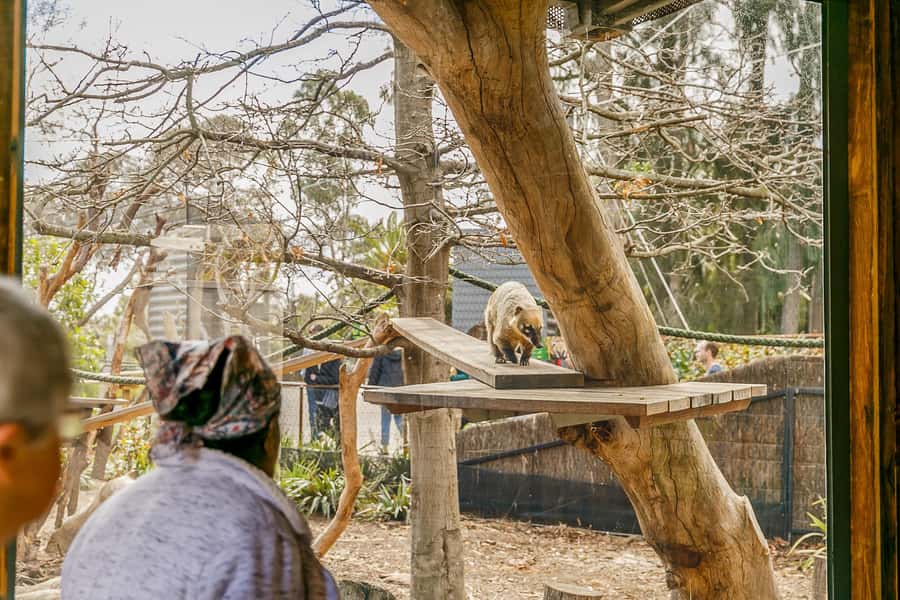
The Asian and African rainforest areas are among the main reasons to allow plenty of time. Here, you can look for tigers, monkeys, and other species in planted settings that feel less like rows of small cages and more like separate animal territories.
The design is part of the appeal. The vegetation gives the animals places to retreat, so you may need patience. On a hot day, some animals may be resting or hidden, especially in the afternoon. That can be frustrating if you have come with one must-see animal in mind, but it is also a reminder that the zoo is not a wildlife theater with animals performing on demand.
The tiger area can be especially rewarding when a keeper or volunteer is nearby. One volunteer spent around 20 minutes explaining Sumatran tigers to a visitor, a good example of why it pays to pause at presentations and information points rather than simply walking past.
Lion Gorge and the Big Cats
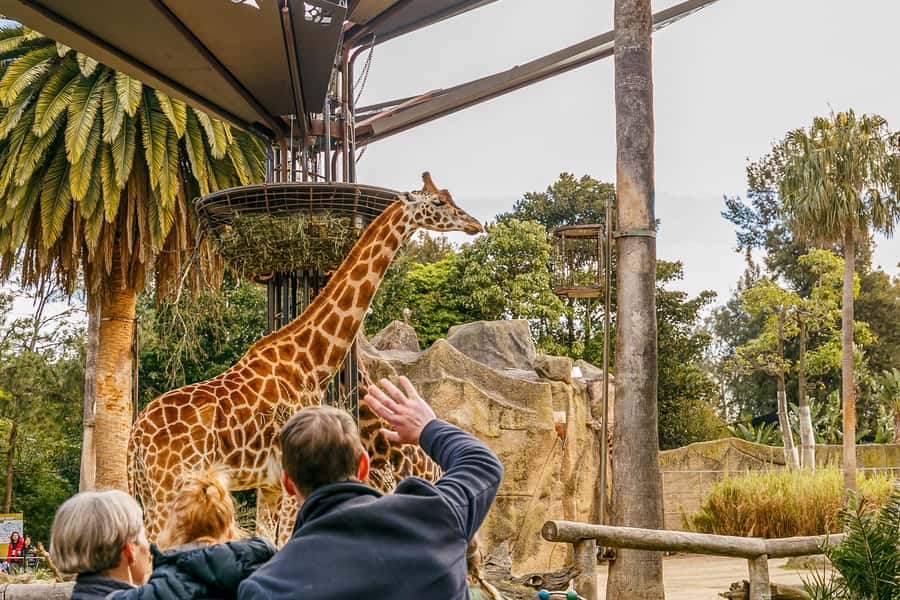
Lion Gorge offers a closer look at the lion pride through a purpose-built exhibit. Big cats are a major draw, but sightings are never guaranteed. Lions, tigers, snow leopards, gorillas, and monkeys have all been unavailable or difficult to see at times, so keep your expectations flexible.
That said, the snow leopard area has been a favorite for its attractive enclosure and close viewing through glass. A snow leopard may be asleep when you arrive, but even a quiet sighting can be memorable when the animal comes near the viewing area.
I recommend visiting the big-cat sections more than once if you have time. Morning and late afternoon can feel different from the hottest middle part of the day, when many animals are less active. The zoo closes at 5:00 PM, so do not leave every major exhibit until the final hour.
Butterflies, Meerkats, and Smaller Encounters
After the larger animals, the Tropical Butterfly House provides a change of pace. It is a more enclosed, warm setting where you can slow down and look closely rather than scan a large outdoor area.
The butterfly house has been a particular favorite because it offers a reliable contrast to the harder-to-spot mammals. You are not depending on a tiger choosing to cross its enclosure. Instead, the interest comes from the small details, movement, and tropical surroundings.
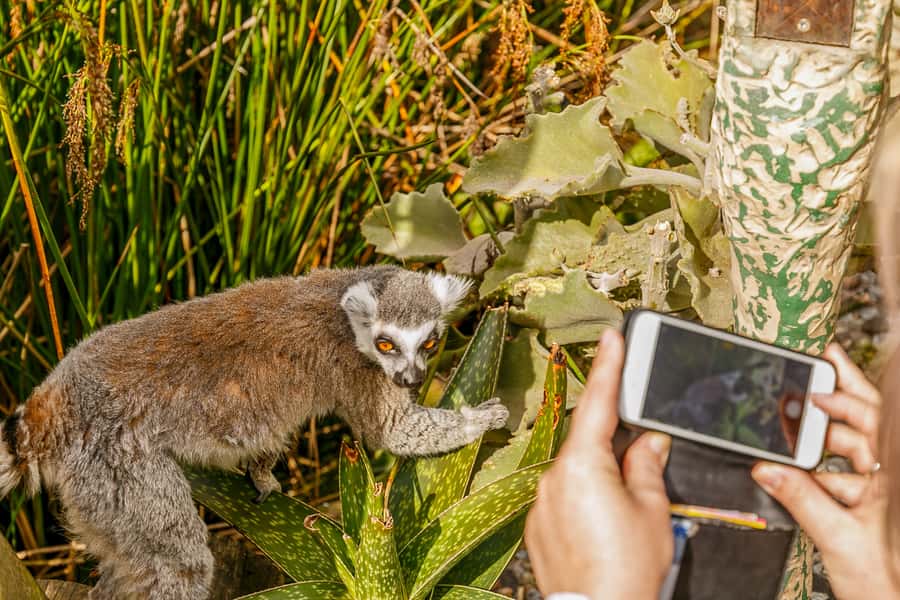
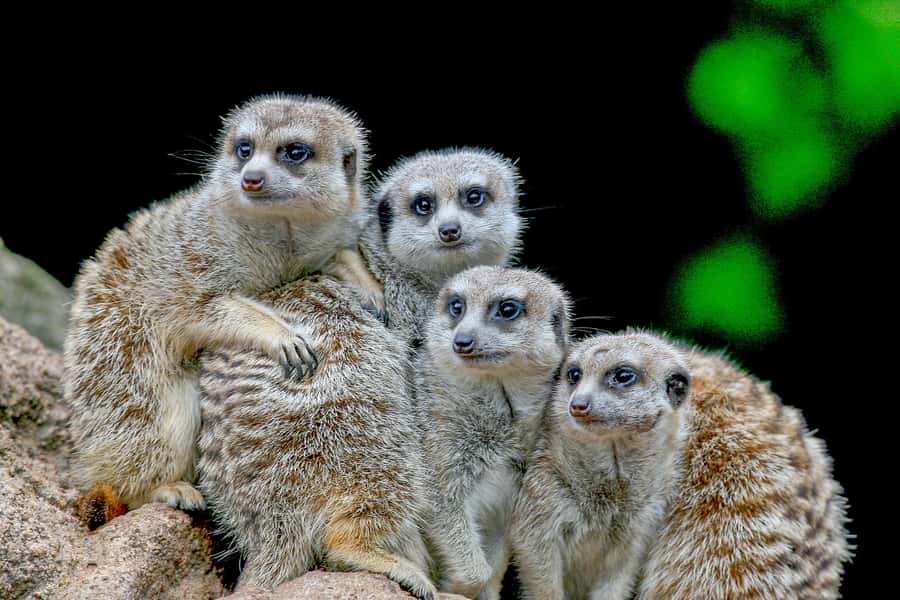
Meerkats and lemurs also tend to be popular stops. They are easy to enjoy as part of a family visit because their behavior is often visible from the viewing areas, even when larger animals are resting. If you are visiting with children, these smaller exhibits can help keep the day varied.
The zoo also has play spots for children, seating areas, and plenty of places to pause. That matters because young children rarely want to spend six hours walking from one enclosure to the next without a break.
A completely different kind of day out in Melbourne:
- Great Ocean Road Small-Group Eco Tour from Melbourne
★ 5.0 · 6,607 reviews - Laid back, Yarra Valley Wine Tour: Wine, Cider, Gin, Beer + Choc
★ 5.0 · 4,552 reviews - Great Ocean Road Reverse Itinerary Boutique Tour – Max 11 Guests
★ 5.0 · 4,186 reviews - Melbourne: Yarra Valley Wine, Gin, Whisky and Chocolate Tour
★ 5.0 · 3,667 reviews
Australian Bush: Koalas, Kangaroos, and Wombats
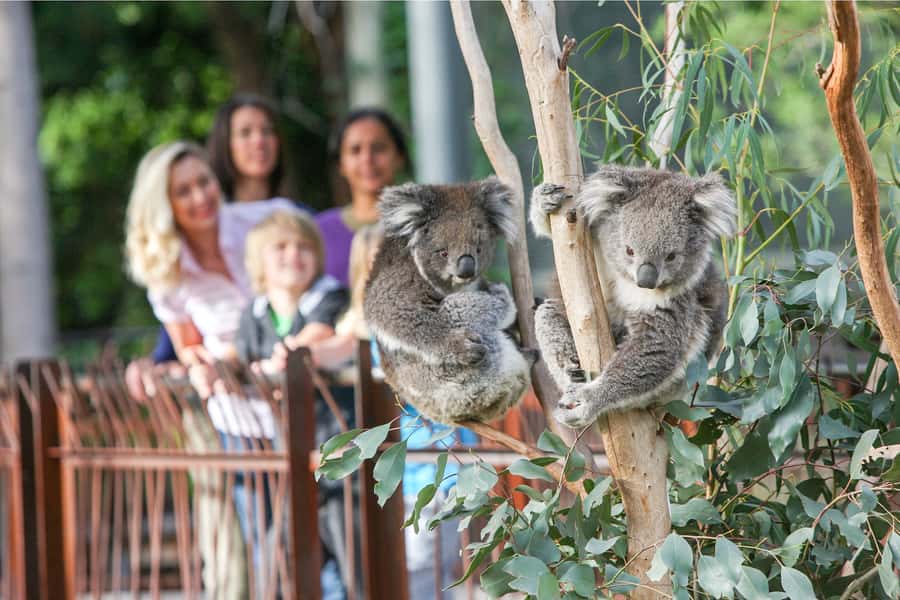
The Australian wildlife section is essential, especially if this is your first visit to Australia. You can see koalas, kangaroos, wombats, and emus in an Australian bush setting, giving you a chance to meet native animals without leaving Melbourne.
For many international visitors, the kangaroos are the main goal. One visitor arrived hoping to see a kangaroo for the first time and ended up liking the koalas most. That is a useful reminder to leave room for surprises rather than planning the whole visit around one animal.
The Australian section also helps place the zoo in its local setting. You are not only seeing imported species from Africa and Asia. You are also getting a broad introduction to animals associated with Victoria and the rest of Australia.
Koalas may be quiet and tucked away, while kangaroos and emus can be easier to miss if you rush. Move slowly, check viewing points, and give yourself time at each area. If the day is hot, animal activity may be limited.
Penguins and Fur Seals Underwater
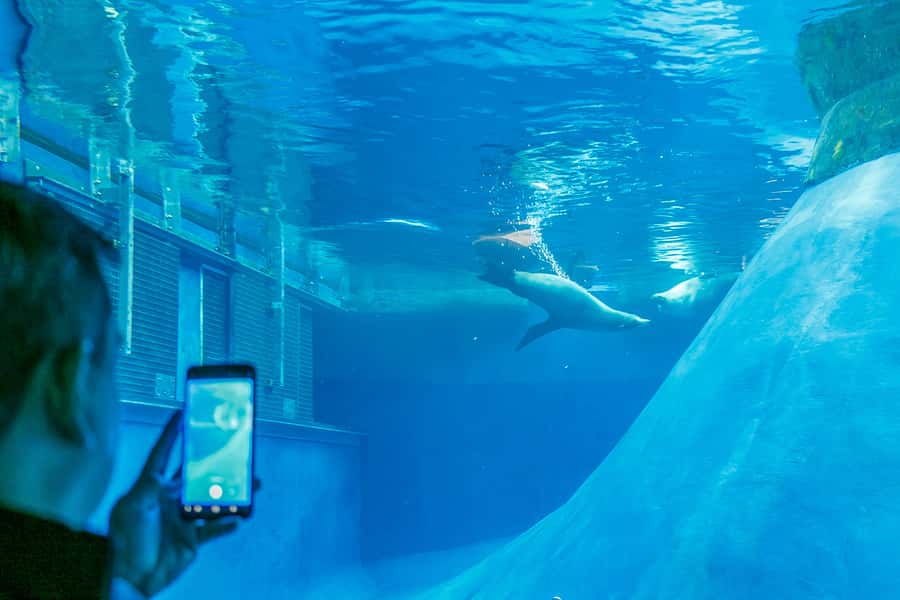
The underwater area brings you to Victoria’s little penguins and Australian fur seals. This is one of the strongest parts of the zoo for visitors who want a different type of animal viewing.
The seal pool has been praised for its wave pool, which gives you a better sense of the animals in motion than a still enclosure would. Underwater viewing also lets you watch swimming and feeding behavior from a different angle.
The little penguins are an appealing local feature. They are small, quick, and easy to miss if you walk through too fast. Plan to stop rather than treating the underwater area as a passage between other zones.
As with the other exhibits, visibility can vary. You might see animals moving through the water, or you might find them resting away from the best viewing spot. The most successful approach is to treat each exhibit as a place to observe, not a promise of a perfect photograph.
Keeper Presentations Add More Than a Sign
General admission includes animal keeper presentations at set times. The exact presentation schedule is not provided with the ticket details, so check the daily board or information available after entry.
I would make these talks a priority. A good presentation can explain diet, behavior, conservation work, and the needs of a particular species in a few minutes. Volunteers can also add useful background, and the tiger explanation that lasted about 20 minutes shows how much more satisfying the visit can be when you stop and listen.
Do not plan every minute around presentations, though. The zoo is spread out, and racing from one side to another can make the day tiring. Pick one or two talks that fit your route, then leave space for animal sightings and rest.
How Long Should You Stay?
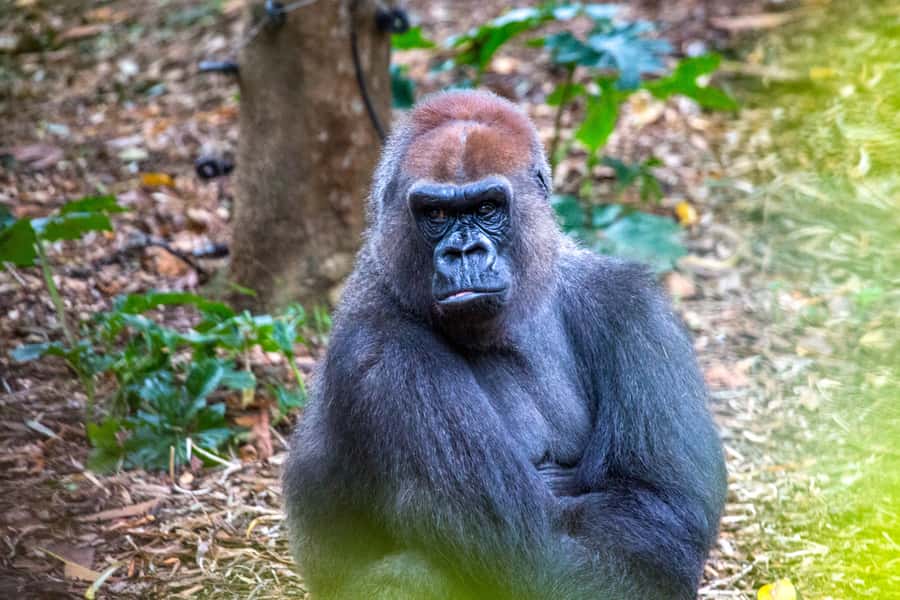
A short afternoon visit is possible, but it is not the best way to use the ticket. One visitor arrived around 1:00 PM and found the zoo much larger than expected. Another described it as a half-day to full-day experience, while several people advised allowing the entire day.
I would budget at least four hours for a focused visit. That gives you time for the Australian animals, big cats, rainforest sections, butterfly house, and underwater exhibits without stopping for a long meal.
Allow six or seven hours if you are with children, want to attend presentations, or prefer a relaxed pace. The grounds are well laid out overall, but walking the full zoo can be tiring. Older visitors may appreciate the many seats, though the number of branching paths can make navigation less direct than expected.
Arriving at 9:00 AM is the safest plan if you want to cover the most ground. Early entry also helps you avoid the heavier crowds that can develop later in the day, particularly after lunch and during school holidays.
Food, Seating, and Comfort
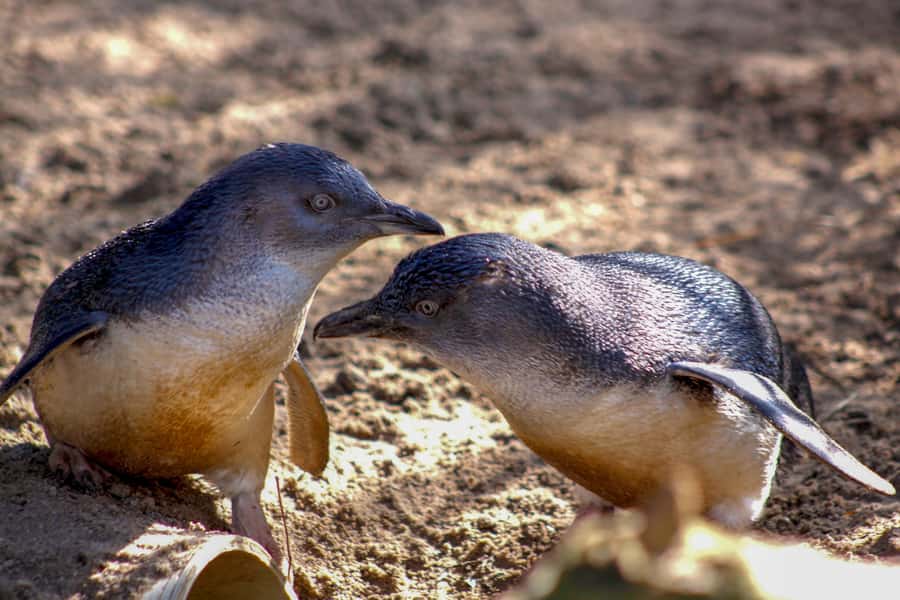
You can bring a picnic lunch and use the seating areas around the grounds, or buy food inside. There are plenty of places to sit, and the zoo has been praised for its dining choices and general rest facilities.
Food quality and price may depend on what you need. Some visitors found the meals expensive, and one family had trouble finding a gluten-free food option. If you have a strict dietary requirement, bring suitable food rather than assuming every need will be covered.
Simple treats such as ice cream and soft drinks are available, which can be welcome on a warm day. Cooling fans and ice cream stops have also made hot-weather visits more manageable.
The zoo is open in all weather, but heat affects both you and the animals. On a very hot day, some animals may be hard to spot because they are resting. Wear comfortable shoes, take regular breaks, and do not underestimate the distance between zones.
Tickets, Family Value, and Extra Experiences
The general admission ticket costs $37 per person and is valid for one day. At that price, I think the value is strongest when you use the ticket for a long visit rather than a quick look around.
A full day gives you access to the entire collection of more than 320 species, Australian wildlife zones, the butterfly house, the underwater exhibits, and keeper presentations. That is a solid amount for a major city attraction, especially when you compare it with the cost of several separate city activities.
Family value improves under the stated child-entry rules. Children aged 3 and under enter free every day. Children under 16 enter free on weekends, Victorian school holidays, and Victorian public holidays, which can make a family outing much cheaper at those times.
There are upgrade options for up-close and behind-the-scenes experiences, but those are not part of the standard ticket. A gorilla experience was described as a memorable birthday gift, so these additions may suit a special occasion. If you only want to walk through the exhibits, the basic ticket is enough.
Check the price carefully before purchasing. Some people have found third-party online prices higher than buying directly from the zoo or its official website. The $37 rate may be worthwhile for convenience, but compare the final total if saving money matters.
The ticket has free cancellation up to 24 hours before the visit, and reserve-now, pay-later booking is available. The attraction is wheelchair accessible, which makes it a practical option for a wider range of visitors.
What Can Go Wrong?
The biggest issue is not the quality of the zoo. It is the unpredictable nature of animal viewing. You may miss the lions, tigers, gorillas, monkeys, or another favorite, particularly if the animals are asleep, hidden, or temporarily unavailable.
Crowds can also affect the experience. School groups may gather at popular exhibits, and children can make some viewing areas noisy. A weekend or school holiday visit may be busier, so arriving at opening time is wise.
Navigation is mostly manageable, but the grounds have many paths. The printed map helps, yet some people have missed areas or wanted clearer signs at ground level. Ask staff or volunteers when you are unsure rather than spending half an hour walking in circles.
Digital ticket access has caused some irritation. Some people have found it awkward to locate the electronic ticket on a phone or disliked being pushed toward an app. Save the ticket before you arrive and make sure your phone is charged.
Who Will Enjoy Melbourne Zoo Most?
Families have plenty to work with here: large animals, Australian wildlife, play areas, food stops, and places to rest. The free-entry rules for children under certain conditions make the price more attractive for some family groups.
First-time visitors to Melbourne who want to see Australian animals without arranging a longer excursion will find the zoo convenient. Koalas, kangaroos, wombats, emus, little penguins, and fur seals give you a broad introduction in one location.
Solo visitors can also enjoy it. The grounds are attractive, the exhibits offer plenty of time for quiet observation, and keeper talks provide company and context without requiring a guided tour.
I would be more cautious if you only have two or three hours in Melbourne, dislike walking, or need to see a particular animal. The zoo is large, and no ticket can guarantee that every species will be visible on the day.
Should You Book the Melbourne Zoo Day Ticket?
Book it if you want a flexible, easy-to-reach day among Australian and international wildlife. I especially recommend it for families, first-time visitors to Melbourne, and anyone who enjoys well-planned animal exhibits rather than a quick photo stop.
Arrive at 9:00 AM, use public transport, study the map, and plan around one or two keeper presentations. Bring food if you need gluten-free choices, compare direct prices with third-party options, and accept that a sleeping snow leopard or an empty big-cat viewing area is part of visiting a real zoo.
The $37 ticket offers good value when you stay for most of the day. It is less convincing for a late afternoon visit, but with enough time, Melbourne Zoo is an enjoyable and worthwhile city attraction.
FAQ
How much does Melbourne Zoo entry cost?
The listed price is $37 per person for a one-day general admission ticket.
How long is the Melbourne Zoo ticket valid?
The ticket is valid for one day.
What are Melbourne Zoo’s opening hours?
Melbourne Zoo is open from 9:00 AM to 5:00 PM, 365 days a year.
Are children free at Melbourne Zoo?
Children aged 3 and under enter free every day. Children under 16 enter free on weekends, Victorian school holidays, and Victorian public holidays.
How do I get to Melbourne Zoo by tram?
Tram 58, running from William Street on the West Coburg to Toorak route, stops directly outside Melbourne Zoo.
Is there a train station at Melbourne Zoo?
Yes. Trains from Flinders Street Station on the Upfield line stop at Royal Park Station, the zoo’s own nearby station.
What animals can I see at Melbourne Zoo?
The zoo has more than 320 species, including tigers, lions, monkeys, meerkats, penguins, koalas, kangaroos, wombats, emus, and Australian fur seals.
Are keeper presentations included?
Yes. Animal keeper presentations at set times are included with general admission.
Are behind-the-scenes experiences included in the ticket?
No. Up-close and behind-the-scenes experiences require an upgrade and are not included in general admission.
Just added around Melbourne
- Great Ocean Road Lux Tour Max 11 Hotel Pickup★ 4.8 · 129 reviews
- Melbourne City Highlights Small Group Tour★ 5.0 · 131 reviews
- Melbourne: Reverse Great Ocean Road 12 Apostles with Lunch★ 4.6 · 131 reviews
- Melbourne sunrise balloon flight only★ 5.0 · 132 reviews
- Yarra Valley Full Day Gourmet Food, Wine & Gin Adventure★ 5.0 · 135 reviews
- Virtual Room – 40-50min VR Escape Game Adventure for 2+ Players★ 5.0 · 136 reviews
- Melbourne Sports Experience + MCG Tour Combo★ 5.0 · 137 reviews
- Virtual Reality Escape Room or Arcade Games at Apsis VR★ 5.0 · 143 reviews
Wildlife & Zoo Experiences, compared.
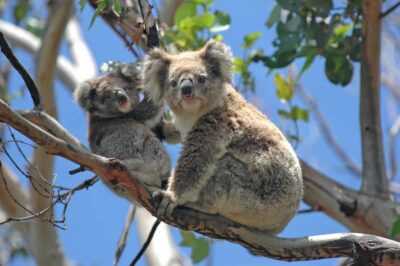
Penguin Parade, & Wildlife Encounters Eco Tour from Melbourne
Read our review →
Blue Mountain Small Group Scenic World, Wildlife, Waterfall
Read our review →
Melbourne Great Ocean Rd Reverse Tour London Bridge Wildlife
Read our review →
Litchfield National Park and Jumping Crocodile Cruise
Read our review →
Blue Mountains Adventure: Scenic World, Zoo & Koala Photo
Read our review →
Solar Whisper Daintree River Crocodile and Wildlife Cruise
Read our review →
Browse the lists this tour appears in