
Reviewed · 2-HOUR EXPERIENCES
Noosa Heads: 2 Hour Surf Experience on the Sunshine Coast
Your first wave can come quickly. This Noosa Heads lesson pairs warm water and a forgiving beach with patient, Level 1 qualified instructors who teach the basics without making you feel rushed. I especially like that the price includes the board, rash shirt or wetsuit, sunscreen, and two hours of instruction. The main consideration is simple: ocean conditions change, so a rough day can make those first waves much harder to catch.
I also like the friendly, encouraging teaching style. Instructors such as George, Reece, Felipe, Valentino, Cici, Suzy, and Ellie are repeatedly praised for clear tips and hands-on help in the water. You should still expect a real workout, some falls, and a little sand in places you did not know could hold sand.
In This Review
- Key points before you book
- Why Noosa Heads works for a first surf lesson
- Arriving 15 minutes early
- From beach briefing to waist-deep practice
- The first stand-up attempt
- Two hours that feel active, not rushed
- The instructors make the biggest difference
- Families, children, and mixed-age groups
- What the $59 price really includes
- Choosing the best conditions
- Practical details that can save frustration
- Who should book this Noosa surf lesson?
- Should you book it?
- FAQ
- How long is the surf lesson?
- How much does the experience cost?
- Where does the lesson take place?
- What equipment is included?
- Is instruction included?
- Is sunscreen provided?
- What should I bring?
- Can children join the lesson?
- Is there somewhere to store personal items?
- Can I cancel for a refund?
- Are shower facilities available?
Key points before you book
- First-timer focused: Beach instruction comes before waist-deep practice and your first paddle onto a wave.
- Two hours in the water: The lesson is long enough to learn, try, fall, adjust, and try again.
- Gear is supplied: You get a soft-top board, long-sleeved rash shirt or wetsuit, sunscreen, and access to a lock-up trailer for personal items.
- Noosa Heads setting: You learn at one of Queensland’s best-known surfing towns, with warm water and a beach suited to beginners.
- Strong teaching record: The experience carries a 4.9 rating from 644 bookings, with special praise for patient, upbeat instruction.
- Family option: Children under nine need a non-participating parent in the water to assist.
Why Noosa Heads works for a first surf lesson
Noosa is a sensible place to try surfing for the first time. The experience is built around a beach setting, warm water, and waves suitable for learning when conditions cooperate. You are not expected to arrive knowing how to paddle, balance, or read a wave.
That matters because surfing can look easy from the sand. On a board, even the basic tasks compete for your attention: keeping the nose pointed in the right direction, timing the wave, pushing up, placing your feet, and staying balanced. A good beginner lesson breaks those jobs into small steps.
The setting also gives the lesson a pleasant sense of occasion. You are not practicing in a pool or on dry land only. You are learning at Noosa Heads Beach, a famous surfing spot on the Sunshine Coast, with the sea doing most of the teaching.
The drawback is that no instructor can control the ocean. One day may bring small, easy waves. Another may bring choppy water that makes timing difficult. Kerry, who attended with children, offered a useful practical tip: check the surf report and avoid days when waves are too rough for beginners.
A few more Australia trips worth weighing up
- Melbourne: 2-Hour City Highlights River Cruise
★ 4.1 · 1,804 reviews - Surfers Paradise: 2 Hour Surf Experience on the Gold Coast
★ 4.9 · 1,132 reviews - Bondi Beach: 2-Hour Surf Lesson Experience for Any Level
★ 4.9 · 935 reviews
Arriving 15 minutes early
Plan to arrive 15 minutes before your class. That small buffer matters, since you will need to get ready and listen to the opening instructions before entering the water.
The meeting point can vary depending on the option you book, so check your confirmation carefully rather than assuming every class begins in exactly the same place. No food or drink is included, and you need to bring your own swimwear and towel.
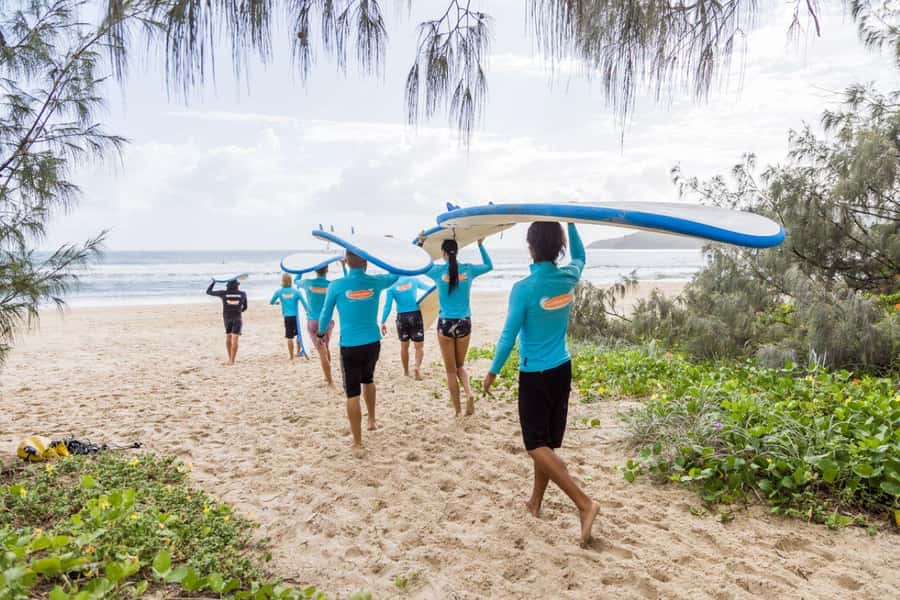
The supplied equipment keeps the preparation fairly simple. You receive a soft-top surfboard, which is a sensible choice for beginners, plus a long-sleeved rash shirt or wetsuit. Sunscreen is included, and personal items can be placed in a lock-up trailer.
You should still keep your packing practical. Bring swimwear that stays secure, a towel, and anything you need for afterward. Shower facilities are available at the end, so you can rinse off before continuing your day in Noosa.
From beach briefing to waist-deep practice
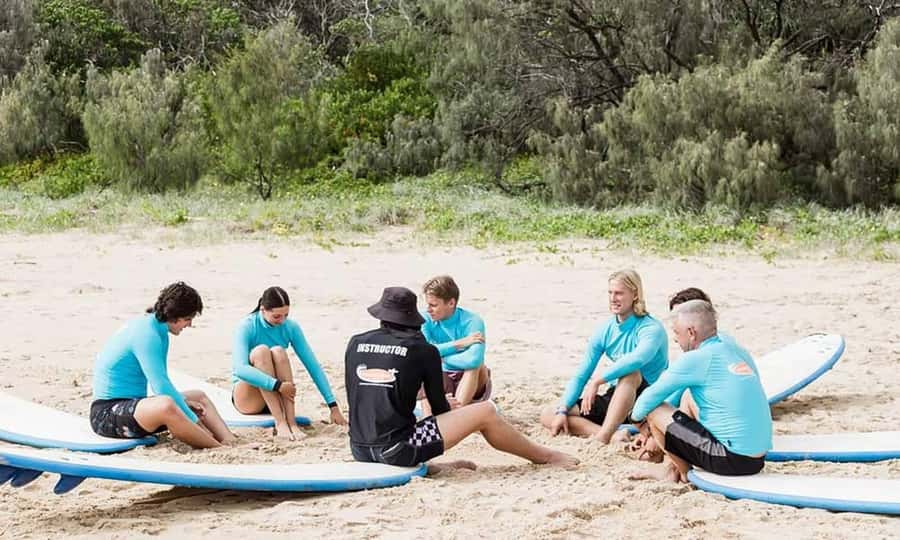
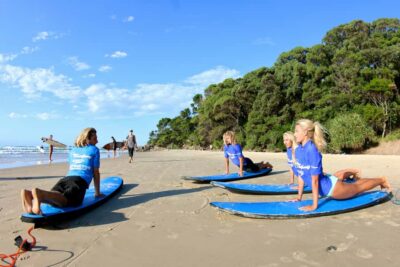
The class begins on the beach with a safety briefing and basic instruction. This is not filler. It gives you the key information you need before the board and the waves compete for your attention.
You learn about safety, positioning, and board control. The instructor also explains how to stand up, so you can rehearse the movement before attempting it in the water. That preparation is useful because standing is not one smooth athletic leap. It is a quick sequence that becomes easier when your body has already practiced it.
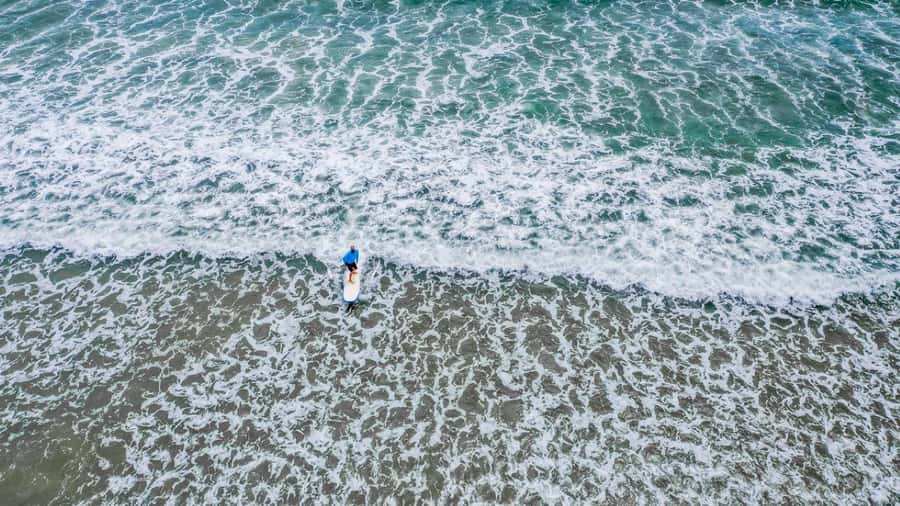
Next, you take the board into waist-deep water for your first attempts. This stage lets you feel how the board moves and how waves push it. You are close enough to the beach to regain your footing, but you still get a proper taste of surfing.
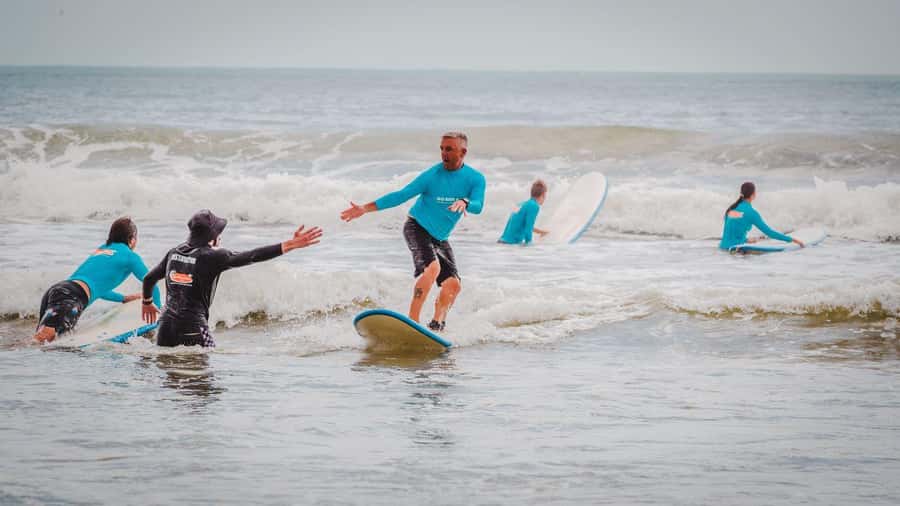
The instructors help by pushing you onto waves. That assistance is especially useful for a first lesson because beginners often struggle more with catching the wave than with standing on the board. A small push at the right moment can give you the speed needed to attempt the next step.
The first stand-up attempt
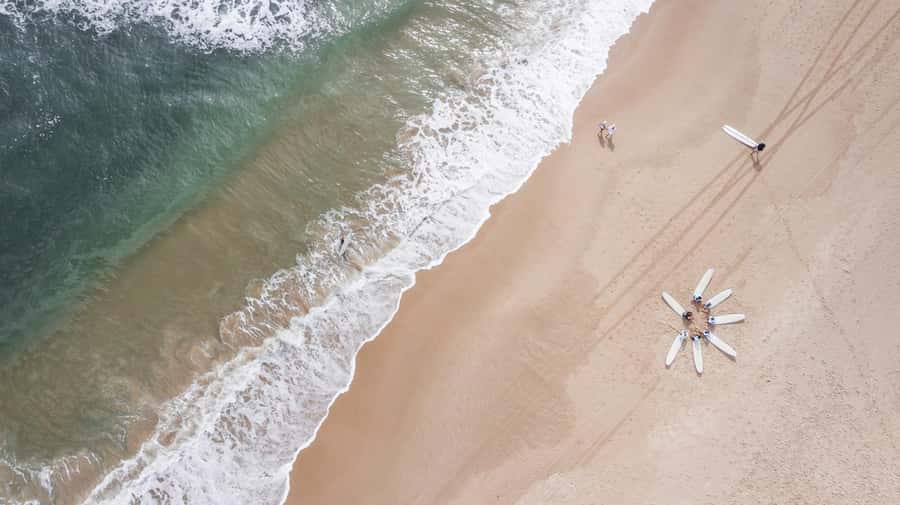
After the initial water practice, you return to the beach for more detailed instruction on standing. The timing of this return is a strength of the session. You have already felt the water, so the next explanation has a real purpose rather than being a dry lecture.
Your instructor then helps you paddle onto a wave and offers advice as you continue. The teaching appears to balance group guidance with individual correction. The strongest praise goes to instructors who give one useful tip, then let you try it immediately.
That approach shows up in the experiences of beginners who managed to stand after only a few attempts. One person reported catching a first wave after three tries, while another said a simple instruction helped them stand on the first try. Results will vary with the waves, your balance, and your willingness to keep trying, but the lesson is clearly designed to give you several chances.
Do not judge the class by your first fall. Falling is part of learning, and a soft-top board, waist-deep water, and instructor support make those early mistakes less intimidating. You may stand for only a few seconds at first. That still gives you useful information about foot placement and balance.
A completely different kind of day out in Australia:
- Sydney: Opera House Guided Tour with Entrance Ticket
★ 4.8 · 8,312 reviews - All Inclusive Blue Mountain,Scenic World,Lunch,Koalas,ferry
★ 5.0 · 7,832 reviews - Great Ocean Road Small-Group Eco Tour from Melbourne
★ 5.0 · 6,607 reviews - From Melbourne: Great Ocean Road, 12 Apostles, Wildlife Tour
★ 4.7 · 6,020 reviews
Two hours that feel active, not rushed
Two hours is a good length for a first lesson. You have enough time to hear the safety briefing, practice on the beach, work in shallow water, return for more guidance, and attempt waves with help.
The session is physical. You will carry or handle a board, paddle, push yourself up, and repeatedly climb back on after falling. The warm water may make the experience pleasant, but it does not turn surfing into a passive activity.
The reports from couples and families suggest that the time can pass quickly once you are catching waves. One couple in their early thirties said they caught around 20 to 25 waves each, though that is best treated as an especially successful outing rather than a promise.
Your own results may be more modest. A first lesson is successful if you understand the basics, feel safe in the water, and leave knowing what to practice next. Standing once is a wonderful bonus, not the only measure of value.
The stated activity duration can appear as two to six hours when you check availability, while the included lesson itself is two hours. Pay attention to the option and starting time you select so you know exactly what you are booking.
The instructors make the biggest difference
The most praised part of this experience is the teaching. People consistently describe the instructors as patient, clear, encouraging, and fun. That combination matters more than flashy demonstrations when you are trying to stand on a moving board for the first time.
George receives repeated praise for calm explanations and useful feedback. Reece, also called Reesy in some accounts, is praised for encouragement and for helping people catch waves. Felipe and Valentino are singled out for making the process feel simple and helping beginners improve quickly.
Cici, Suzy, and Ellie are also praised for friendly support and clear instruction. One family found the instructors good with children, while another group said Matt and Reece managed a class with mixed ability levels successfully.
That last point is useful if your group includes people with different experience. Some may be stepping on a board for the first time, while others have tried surfing before. The instruction appears flexible enough to give beginners basic help while offering more experienced participants pointers to improve.
Class size can affect how much individual attention you receive. One small group of four enjoyed extra water time and closer help. Larger groups can still work well, but you may need to listen closely and take advantage of the moments when an instructor reaches you.
Families, children, and mixed-age groups
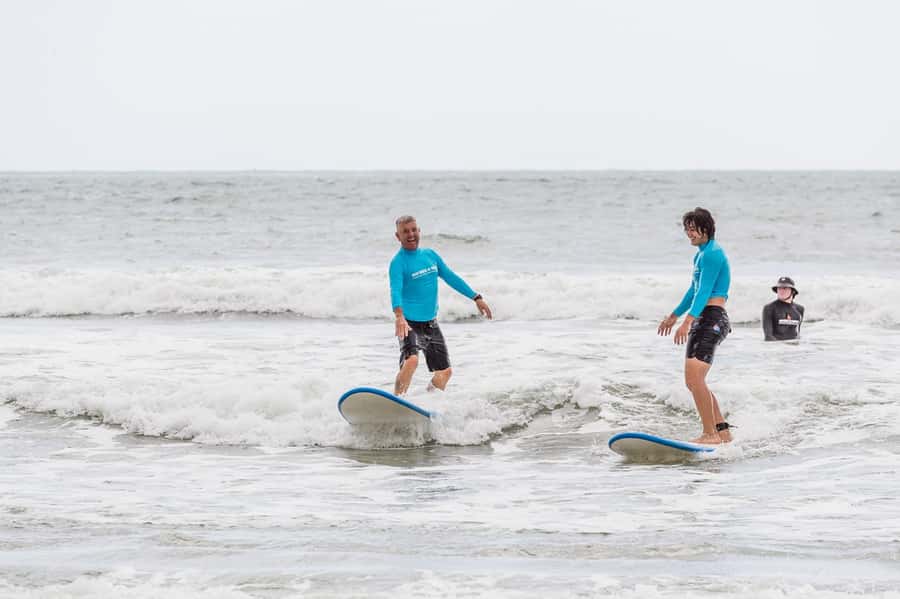
This lesson suits families, but there is an important rule for younger children. Anyone under nine must be accompanied by a parent who is not taking the lesson, and that parent must be able to enter the water to assist.
That means families with younger children need one adult available solely for support. A parent who wants to surf must arrange another suitable adult for the child.
The experience has worked well for children older than that minimum in family groups. A parent and two children aged 11 and 8 had a good time, and another family with children aged 12 and 15 found the class friendly and comfortable for different ability levels.
Keep in mind that children may need more rest, reassurance, or help handling the board. The instructors are described as supportive with kids, but the ocean still demands attention. A child who is nervous around waves may enjoy the beach instruction and shallow-water practice even if standing does not come easily.
What the $59 price really includes
At $59 per person, this is a solid-value introduction to surfing because the major equipment and teaching costs are covered. You receive two hours with a Level 1 qualified surf instructor, a soft-top board, a rash shirt or wetsuit, sunscreen, and use of a secure trailer for personal items.
You do not need to rent a board separately or buy a rash shirt for one lesson. That keeps the total cost easier to understand, especially if you are visiting Noosa and do not plan to surf regularly.
The value is strongest if you have never surfed before and want a guided first attempt rather than a casual board hire. An unstructured rental gives you equipment, but not the safety briefing, beach practice, wave pushes, or individual advice that help beginners progress.
Food, drinks, swimwear, and a towel are not included. Those are minor additions, but remember them when planning your day. If you decide you want more after the first class, you can book a 1.5-hour private lesson or a progressive course of three two-hour lessons.
A private lesson costs more, but it may suit someone who wants focused correction or a group with very different abilities. The progressive course makes more sense if you want to build a real surfing habit rather than simply try it once.
Choosing the best conditions
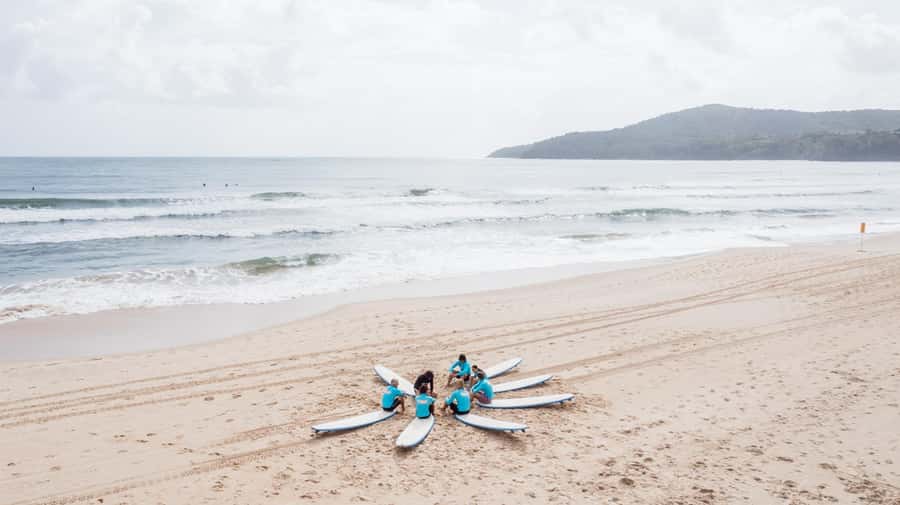
Your date can shape the experience as much as the instructor. The lesson is designed for beginners, but a beginner-friendly beach is not automatically beginner-friendly in every kind of surf.
Check the surf report before you go. Look for conditions described as manageable for learners, and be cautious about days with choppy or difficult waves. This is particularly important if you are traveling with children or feel unsure in the ocean.
You may not have complete control over the date of your visit. If your schedule allows some flexibility, use it. A calm session can give you more successful attempts and a clearer sense of how surfing works.
Weather and water comfort also matter. The lesson provides a rash shirt or wetsuit, and the water is described as warm, but you should still expect sun, exertion, and time in the sea. Sunscreen is supplied, yet bringing your own preferred sun protection is sensible if you have specific needs.
Practical details that can save frustration
Parking and traffic around Noosa can become difficult at busy times. One person who attended over Easter specifically warned that parking and traffic were hard, even though the lesson itself went well. Allow extra time during holiday periods and arrive at least the requested 15 minutes early.
The English-speaking instruction is clear and practical. If you are comfortable following spoken English and simple demonstrations, the lesson should be easy to follow.
Cancellation is flexible: you can cancel up to 24 hours before the activity for a full refund. You can also reserve now and pay later, which helps if your Sunshine Coast plans are still shifting.
The experience is offered through Go Ride A Wave. Since the meeting point can vary by option, use the exact location supplied with your booking rather than relying only on the general Noosa Heads label.
Who should book this Noosa surf lesson?
I would recommend it to first-time surfers, couples looking for an active Noosa outing, and families with children who meet the age requirements. It also suits solo visitors because the group setting gives you instruction and encouragement without requiring you to organize a private coach.
You should book it if your main goal is to stand up at least once, learn basic ocean safety, and get a taste of surfing in a well-known Queensland surf town. The instructors receive the strongest praise, and their help can turn a frustrating first session into a series of manageable attempts.
I would think twice if you dislike physical activity, feel very uncomfortable in open water, or have no flexibility around a day with difficult surf. The lesson includes safety guidance and support, but it cannot remove every challenge the ocean brings.
If you catch the surfing bug, the private lesson or three-session course is the logical next step. For many people, though, this two-hour class is enough to discover if surfing belongs on the rest of their Australia itinerary.
Should you book it?
Yes, if you want a friendly and practical first surf lesson at a fair price. The included gear, warm Noosa water, two hours of teaching, and repeated praise for instructors such as George, Reece, Felipe, and Valentino make this a strong introduction.
Book with realistic expectations. You might stand quickly, or you might spend much of the session learning timing and balance. Check the surf report, bring swimwear and a towel, allow time for parking, and treat every wave you catch as progress.
FAQ
How long is the surf lesson?
The included lesson lasts two hours. Availability may show activity durations from two to six hours depending on the option and starting time selected.
How much does the experience cost?
The listed price is $59 per person.
Where does the lesson take place?
The lesson takes place at Noosa Heads Beach on Queensland’s Sunshine Coast. The exact meeting point may vary depending on the option booked.
What equipment is included?
A soft-top surfboard and a long-sleeved rash shirt or wetsuit are included.
Is instruction included?
Yes. You receive two hours of instruction from a Level 1 qualified surf instructor.
Is sunscreen provided?
Yes, sunscreen is included.
What should I bring?
Bring swimwear and a towel. Food and drinks are not included.
Can children join the lesson?
Children under nine must be accompanied by a parent who is not participating in the lesson and who can enter the water to assist.
Is there somewhere to store personal items?
Yes. A lock-up trailer is provided for personal items.
Can I cancel for a refund?
You can cancel up to 24 hours in advance for a full refund. Reserve now and pay later is also available.
Are shower facilities available?
Yes. You can use the shower facilities at the end of the lesson.
Just added around Australia
- From Goolwa: Half-Day Coorong Experience★ 4.9 · 129 reviews
- Kangaroo Island Scenic Nature and Wildlife Day Tour★ 5.0 · 129 reviews
- Blue Mountains Small-Group Insider Tour from Sydney★ 4.5 · 130 reviews
- Great Ocean Road Lux Tour Max 11 Hotel Pickup★ 4.8 · 129 reviews
- McLaren Vale Small Group Wine Tour★ 5.0 · 130 reviews
- Virtual Room – 40-50min VR Escape Game Adventure for 2+ Players★ 5.0 · 130 reviews
- Darwin: Adelaide River Half-Day Jumping Crocs Cruise★ 4.3 · 130 reviews
- Melbourne City Highlights Small Group Tour★ 5.0 · 131 reviews
2-Hour Experiences, compared.

Surfers Paradise: 2 Hour Surf Experience on the Gold Coast
Read our review →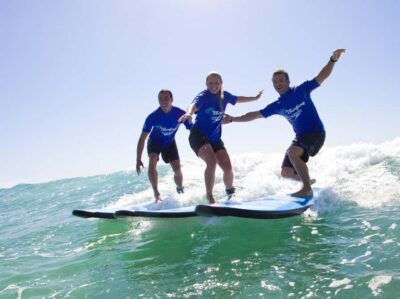
Bondi Beach: 2-Hour Surf Lesson Experience for Any Level
Read our review →

Surfers Paradise: 2-Hour Gold Coast Sightseeing Cruise
Read our review →Browse the lists this tour appears in