
Reviewed · NOOSA & SUNSHINE COAST TOURS
Sunshine Coast: SEA LIFE Sunshine Coast Entry Ticket
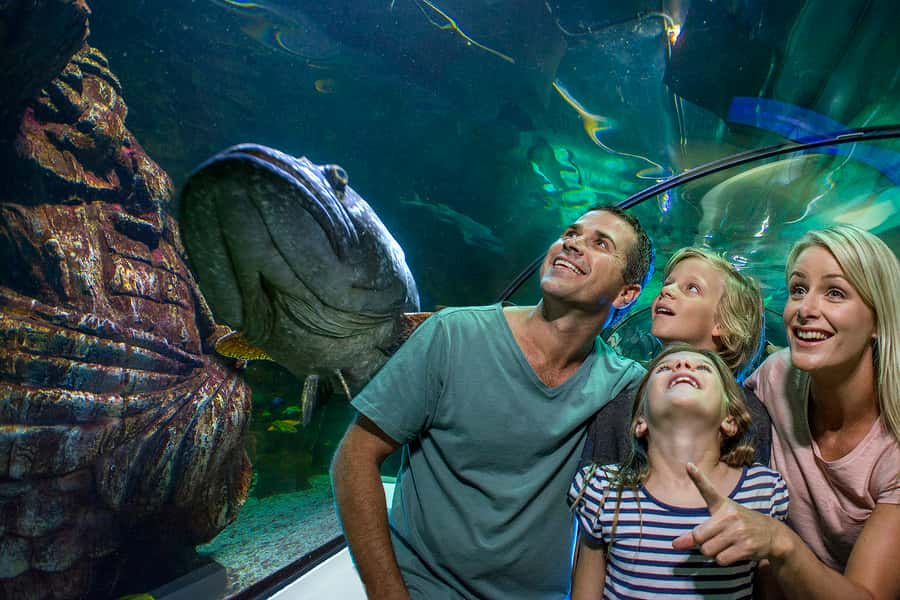
Small aquarium, big sea-life encounters. SEA LIFE Sunshine Coast in Mooloolaba gives you a handy look at Queensland marine life, from graceful seahorses and ghostly jellyfish to seals, otters, sharks, and reef fish. I like the ocean tunnel for its close-up view of underwater life, and the seal show adds a lively highlight to the visit.
I also like the conservation angle. Displays cover fragile marine ecosystems, local billabong wildlife, and ways people can protect the Sunshine Coast environment. The main caution is size: you can see the aquarium in roughly 90 minutes to two hours, and busy periods may feel cramped, especially around prams.
The admission price is $28 per person, which is fair if you want a focused indoor activity near Mooloolaba rather than a full-day attraction. Just keep your expectations in check. This is a compact aquarium, not a huge national marine park.
In This Review
- Key points to know before you go
- What the $28 admission actually gives you
- Starting in Mooloolaba, about one hour from Brisbane
- The ocean tunnel brings the aquarium to life
- Seahorse Sanctuary and Jellyfish Kingdom slow the pace
- The Tidal Touchpool makes conservation hands-on
- Pacific Reef shows the color and structure of coral habitats
- Seals, otters, sharks, and moray eels add the drama
- Billabongs reveal Queensland life beyond the coast
- Conservation information gives the visit a useful purpose
- Crowds, size, and the limits of the experience
- Who will enjoy SEA LIFE Sunshine Coast most?
- Practical timing and booking advice
- Should you book SEA LIFE Sunshine Coast?
- FAQ
- Where is SEA LIFE Sunshine Coast located?
- How long does a visit take?
- What does the admission ticket include?
- Is transportation included?
- What animals can I see?
- Can I touch any marine animals?
- What is the latest admission time?
Key points to know before you go
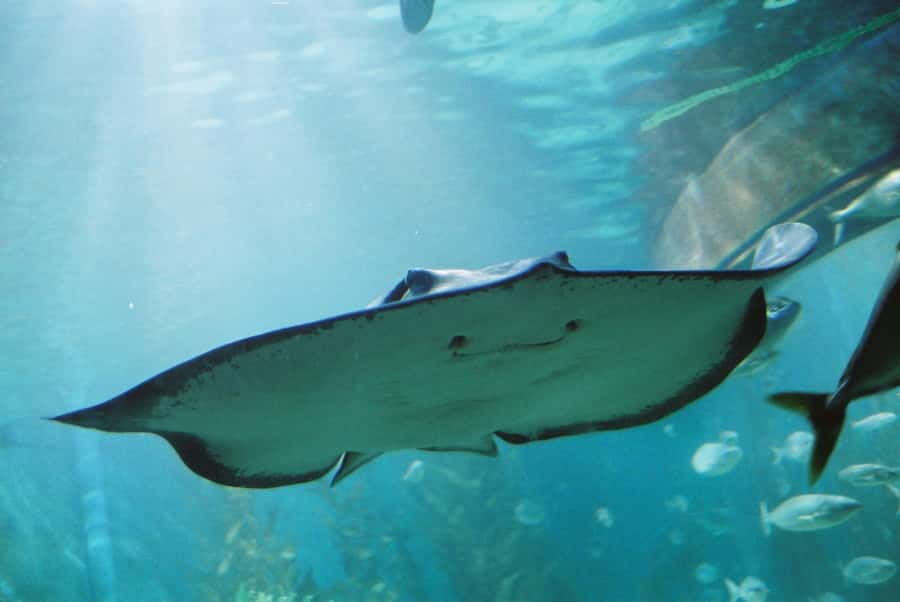
- The ocean tunnel is the visual highlight: It brings you close to fish and larger marine creatures from several angles.
- The Coastal Wreck zone focuses on Australian reefs: You can see how creatures use a wreck and reef setting for shelter.
- The Tidal Touchpool is hands-on: Sea stars, sea cucumbers, and anemones make this especially appealing for children.
- Jellyfish Kingdom adds a quiet, almost dreamlike stop: These ancient animals are presented as part of a story reaching back more than 650 million years.
- Seal and otter encounters add variety: The aquarium is not only tanks and signs.
- Allow 90 minutes to two hours: Add time if you want to read the conservation displays or revisit a favorite section.
What the $28 admission actually gives you
Your ticket covers entry to SEA LIFE Sunshine Coast in Mooloolaba. Transportation, food, and drinks are not included, so you need to arrange your own way there and budget separately for anything you eat or drink.
At $28, I see this as a good-value short attraction, particularly for families, aquarium fans, and anyone wanting a weather-proof stop. You are paying for a compact experience rather than an all-day outing. The visit is long enough to feel worthwhile, but short enough to fit around other Sunshine Coast plans.
The value improves if you treat the aquarium as one part of a Mooloolaba day. It may not satisfy you for several hours on its own, especially if you move quickly through displays. On the other hand, that shorter format can be useful when you have young children or want a break from outdoor sightseeing.
The attraction receives an overall rating of 4.6 from 104 ratings, with particularly strong praise for the friendly staff, the ocean tunnel, and the seal show. A few practical complaints are worth noting: some people find the aquarium small or in need of refreshing, and crowded conditions can limit easy movement.
A few more Australia trips worth weighing up
- Seafood Lunch Cruise
★ 5.0 · 914 reviews - Noosa: Afternoon Cruise through the Noosa Everglades
★ 4.5 · 906 reviews - Noosa Heads: 2 Hour Surf Experience on the Sunshine Coast
★ 4.9 · 644 reviews
Starting in Mooloolaba, about one hour from Brisbane
SEA LIFE Sunshine Coast is in Mooloolaba, around one hour from Brisbane. The ticket does not include transport, so you need to plan the journey separately. The meeting point can vary by the option you book, which makes checking your confirmation important before setting out.
Once inside, the attraction works best as a self-guided visit. You can move at your own pace, pause at the tanks, and spend longer in the areas that interest you most. That freedom is useful because the experience mixes large animals, small display tanks, touch pools, and educational sections.
If you have a tight schedule, allow at least 90 minutes. Two hours gives you more breathing room for the touchpool, animal presentations, and conservation information. The stated last admission is 4:00 p.m. daily, so do not arrive at the end of the day expecting a long visit.
Busy periods may change the feel of the experience. One recent account describes limited room to move, especially where prams gather. If you want a calmer visit, arriving earlier may help, although no guaranteed quiet period is provided.
The ocean tunnel brings the aquarium to life
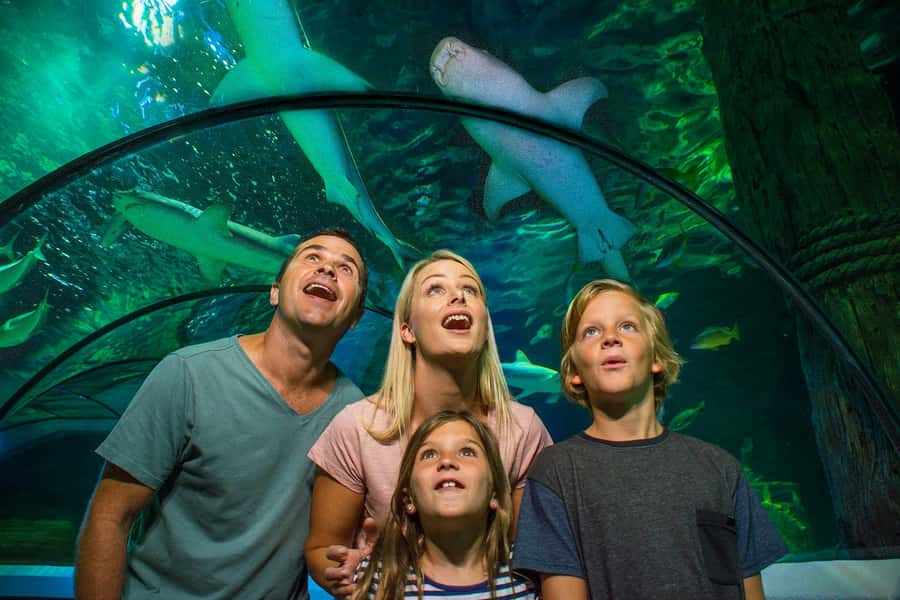
The ocean tunnel is the clearest reason to make time for this attraction. Instead of looking at fish through a flat pane, you get an overhead and side-on view as marine life moves around the tunnel. It makes the underwater setting feel larger than the surrounding building.
I would make this a priority early in your visit, then return near the end if the crowd allows. The tunnel was singled out as the best part of the experience, followed closely by the seal show. That combination gives you both a strong visual display and a live animal feature.
The tunnel is also where children often get the most from the aquarium. Large animals and moving schools of fish are easier to appreciate than a small sign, and the changing movement keeps the stop lively. Adults will likely enjoy it for the same reason: it gives you a more direct sense of being below the surface.
Crowds can affect the experience. If the tunnel becomes congested, you may need to wait for a clearer view rather than standing in one place for as long as you like. That is a small but important part of planning a visit during a busy period.
Seahorse Sanctuary and Jellyfish Kingdom slow the pace
The Seahorse Sanctuary offers a gentler change of mood. Seahorses move with delicate, unusual motions, and their small size rewards patient looking. This is not a quick spectacle. You will get more from it if you pause and watch for a while.
Jellyfish Kingdom has a similar quality. The ghost-like animals drift through the water with very little visible effort, creating one of the aquarium’s most peaceful sections. The display also places jellyfish in a much longer natural story, noting that their ancestors have existed for more than 650 million years.
That detail gives the exhibit more purpose than simple decoration. You are not only looking at pretty shapes and glowing movement. You are also being reminded that marine life includes animals with very different body forms and survival strategies.
I would use these sections as a reset between the busier animal areas. After the movement of the tunnel and the excitement around seals, jellyfish and seahorses give you a quieter look at life beneath the water.
A completely different kind of day out in Australia:
- Sydney: Opera House Guided Tour with Entrance Ticket
★ 4.8 · 8,312 reviews - All Inclusive Blue Mountain,Scenic World,Lunch,Koalas,ferry
★ 5.0 · 7,832 reviews - Great Ocean Road Small-Group Eco Tour from Melbourne
★ 5.0 · 6,607 reviews - From Melbourne: Great Ocean Road, 12 Apostles, Wildlife Tour
★ 4.7 · 6,020 reviews
The Tidal Touchpool makes conservation hands-on
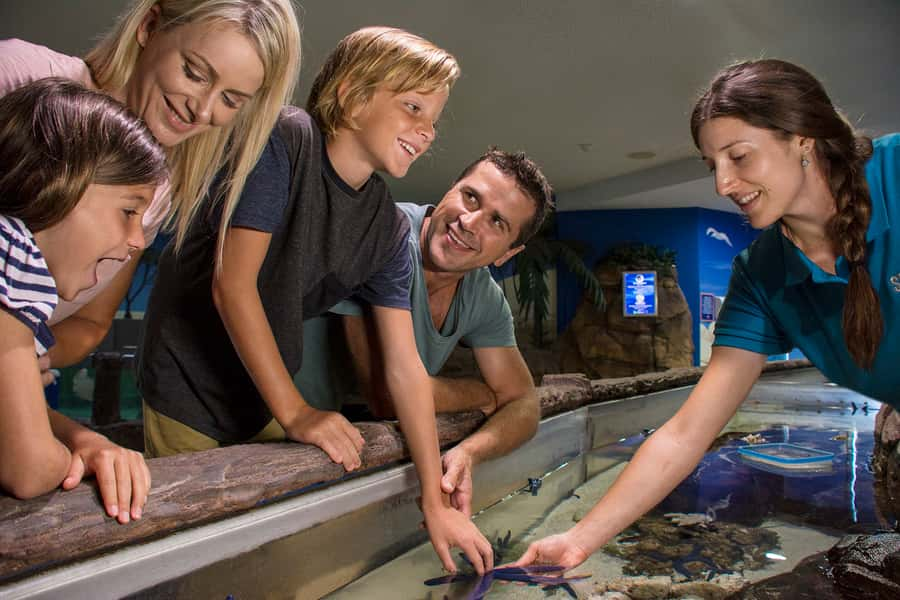
At the Tidal Touchpool, you can touch sea stars, sea cucumbers, and anemones. This is one of the most useful sections for children because it turns an idea into a physical experience. Marine life can seem remote behind glass, but a carefully supervised touch makes the subject more immediate.
The touchpool also creates an opening to talk about handling animals responsibly. You can use the moment to explain why gentle contact matters and why wild animals should not be disturbed casually. The conservation message works best here because the lesson is tied to something you can see and feel.
This area may become crowded when families gather around it. Allow extra patience if you want your child to have a clear turn. The attraction is compact, so space can feel limited when several groups arrive at once.
Pacific Reef shows the color and structure of coral habitats
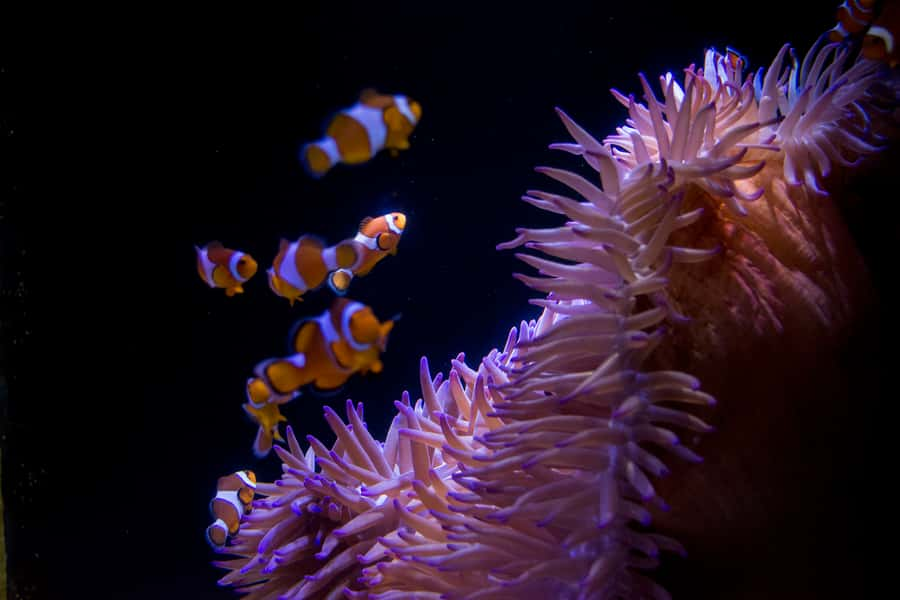
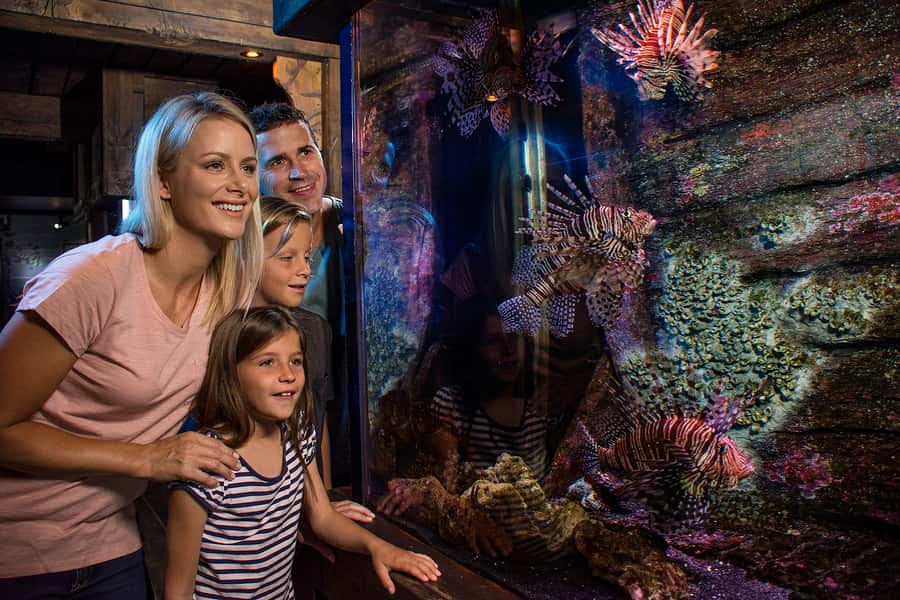
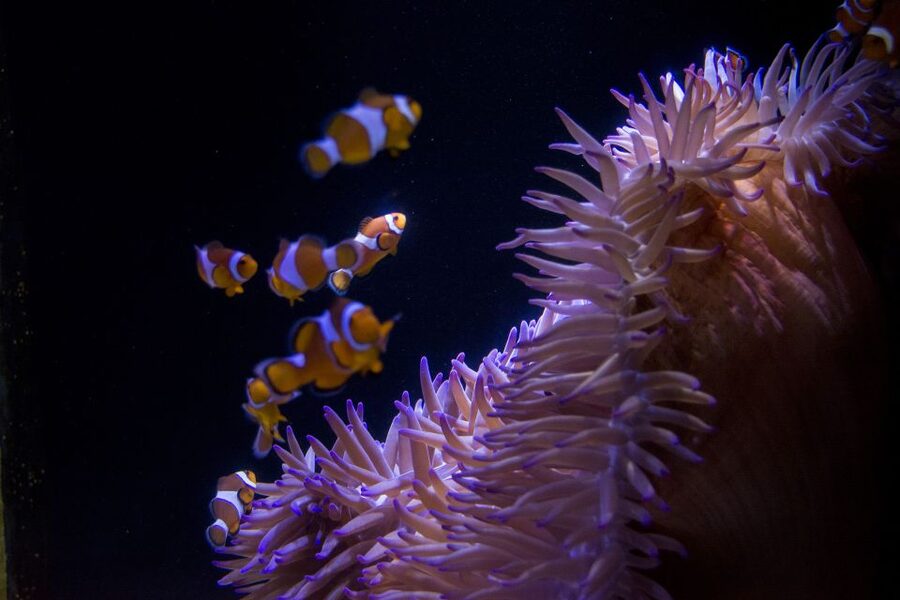
The Pacific Reef section brings together coral gardens, clown fish, and sea anemones. It is the colorful part of the aquarium, but it also helps explain how different species share a reef environment.
Clown fish and anemones are familiar to many children, yet seeing them in a larger reef setting gives the relationship more context. The display can help you notice how shelter, food, and protection shape life on a reef.
The wider point is that coral habitats are fragile. The aquarium uses its displays to connect attractive fish with the environmental conditions they need to survive. That makes the section more valuable than a simple parade of bright colors.
The Coastal Wreck zone adds a newer setting to this story. It focuses on creatures living around Australia’s coastal reefs and shows how wrecks can become part of an underwater habitat. You can look for the smaller animals that use reef structures for cover, rather than focusing only on the largest fish.
This zone is especially useful if you want a local connection. The emphasis is on Australian coastal reefs, not only faraway tropical waters. It helps place the aquarium’s conservation message closer to home.
Seals, otters, sharks, and moray eels add the drama
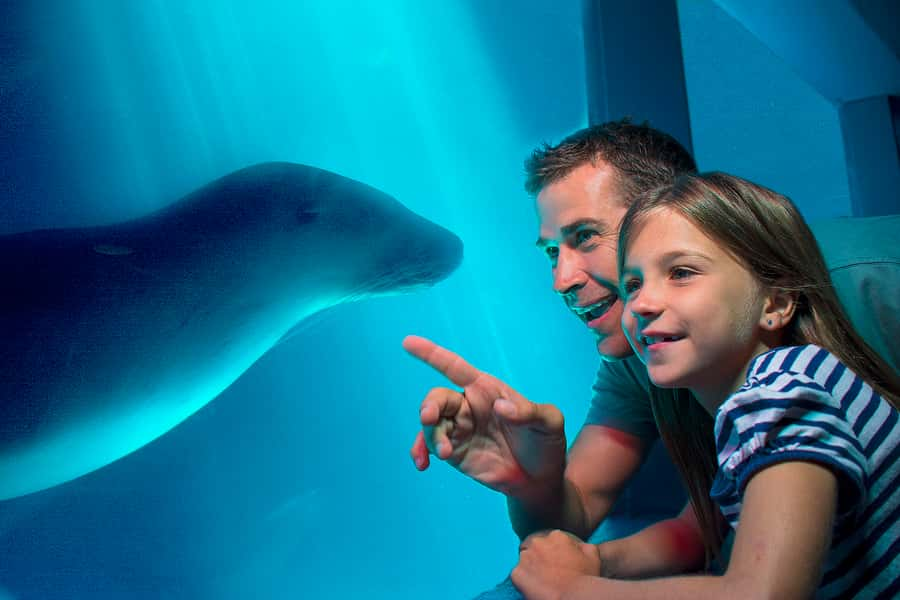
The aquarium includes close views of seals, otters, and sharks. These animals give the visit a different rhythm from the smaller reef and invertebrate displays. Seals and otters tend to provide the more playful appeal, while sharks and moray eels bring a sharper sense of the wild.
The seal show is one of the strongest features of the visit. It gives you a scheduled highlight to build your time around, although the supplied information does not provide show times. Check the timing when you arrive so you do not miss it.
Moray eels have a fierce appearance, and they are a good example of how the aquarium can make less familiar animals memorable. You may not spend as long with them as with the seals, but their unusual faces and hiding behavior add variety.
The shark displays also help change the common image of marine life as only colorful and harmless. Sharks, eels, and reef creatures all have a role in the same ecosystem. That mix makes the aquarium feel more complete than a collection of cute animals.
Billabongs reveal Queensland life beyond the coast
Not all of the aquarium’s focus is saltwater. The billabong displays introduce freshwater species including freshwater sawfish, barramundi, and pacu fish, a relative of the piranha.
This is a worthwhile addition because Queensland wildlife is not limited to beaches and coral reefs. Billabongs support a very different set of animals, and the freshwater displays broaden your understanding of the region.
The pacu is likely to attract attention because of its connection to the piranha family. The freshwater sawfish and barramundi offer a stronger local link, showing how varied Queensland’s waterways can be.
For children, this section can be a useful reminder that fish habitats are not all the same. For adults, it adds substance to the visit. You are seeing both the coastal world around the Sunshine Coast and the inland waterways that form part of the same broader environment.
Conservation information gives the visit a useful purpose
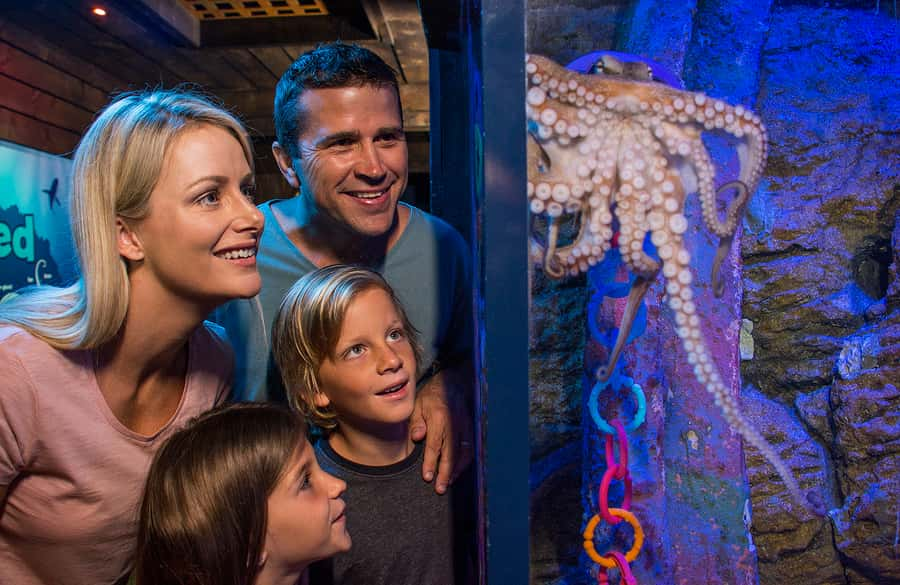
SEA LIFE Sunshine Coast does more than place animals in tanks. Its displays explain conservation projects on the Sunshine Coast, local environmental protection, and the fragile ecosystems where these animals live.
I appreciate that the message is tied to recognizable places and species. You can connect the animals in front of you with Queensland’s coastal waters and billabongs, rather than treating conservation as an abstract subject.
The aquarium also introduces wildlife protection work and encourages you to think about the conditions animals need. The most effective sections are the ones where the message follows naturally from what you are seeing, such as the touchpool, coral reef displays, and local freshwater species.
Do not rush past the signs if conservation matters to you. The animal displays may be the reason you buy the ticket, but the educational material is what gives the visit more lasting value.
Crowds, size, and the limits of the experience
The main weakness is the aquarium’s scale. Some visitors find it small and feel parts of the facility could use a refresh. If you have recently visited a very large aquarium, you may finish this one sooner than expected.
Crowds are the second concern. Limited space becomes more noticeable when families with prams gather in the same area. The problem is not necessarily the number of animals, but the amount of room around the displays.
I would not book this expecting a slow, half-day museum experience. Plan on 90 minutes to two hours, then combine it with other Sunshine Coast activities. That approach makes the compact format feel like an advantage rather than a disappointment.
The positive side is that the aquarium remains manageable. You can see the key zones without wearing yourself out, and younger children are less likely to lose interest before the end.
Who will enjoy SEA LIFE Sunshine Coast most?
I think this works best for:
- Families wanting a short indoor activity
- Children who enjoy hands-on displays and animal presentations
- Aquarium fans interested in Australian marine and freshwater species
- Visitors staying in or near Mooloolaba
- People looking for a weather-proof break from outdoor plans
- Anyone interested in local conservation projects
It may suit you less if you want a huge aquarium with many hours of exhibits. It is also not the right ticket if you need transportation included, since getting to Mooloolaba is your responsibility.
The friendly staff are another positive. Helpful service matters in a compact attraction, especially when you need directions or want to find out about animal presentations. The strongest visit combines that human help with a little planning of your own.
Practical timing and booking advice
You can cancel up to 24 hours in advance for a full refund, and a reserve now, pay later option is available. Those policies are useful if your Sunshine Coast schedule may change.
Check your selected option carefully because the meeting point may vary. Also check availability for starting times, and remember that last admission is at 4:00 p.m. daily.
I would set aside two hours if you want to read the conservation information, spend time at the touchpool, and watch the seal show. If you are mainly coming for the tunnel and larger animals, 90 minutes may be enough.
Food and drinks are not included. Plan that part separately rather than assuming the admission price covers refreshments.
Should you book SEA LIFE Sunshine Coast?
Book it if you want a well-priced, compact aquarium visit with an excellent ocean tunnel, a popular seal show, hands-on marine life, and a clear Queensland conservation focus. The $28 price makes sense when you fit it into a wider Mooloolaba day.
Think twice if you expect a large facility, spacious walkways, or several hours of exhibits. Crowding and the aquarium’s small size can reduce the pleasure during busy periods.
My call: yes, for families and short visits, especially if you are near Mooloolaba or need an indoor plan. Go with realistic expectations, arrive with time before the 4:00 p.m. last admission, and make the tunnel, seal show, Tidal Touchpool, and Coastal Wreck zone your priorities.
FAQ
Where is SEA LIFE Sunshine Coast located?
It is located in Mooloolaba on Queensland’s Sunshine Coast, approximately one hour from Brisbane.
How long does a visit take?
The expected visit lasts about 90 minutes to two hours.
What does the admission ticket include?
The ticket includes entrance to SEA LIFE Sunshine Coast.
Is transportation included?
No. Transportation is not included, so you need to arrange your own way to the aquarium.
What animals can I see?
You can see seals, otters, sharks, moray eels, seahorses, jellyfish, clown fish, sea anemones, sea stars, sea cucumbers, freshwater sawfish, barramundi, and pacu fish.
Can I touch any marine animals?
Yes. The Tidal Touchpool allows you to touch sea stars, sea cucumbers, and anemones.
What is the latest admission time?
Last admission to Underwater World is at 4:00 p.m. daily.
Just added around Australia
- Private Transfer from Sydney Airport to Sydney (CBD)Hotel or Port★ 4.5 · 24 reviews
- Sydney: “Vivid Sydney” Festival of Light Sightseeing Cruise★ 4.3 · 24 reviews
- McLaren Vale Private Luxury Wine Tour – Full Day★ 5.0 · 24 reviews
- Alice Town And Country Half Day Sunset Tour – Small Group★ 4.5 · 24 reviews
- Granite Skywalk Porongurups★ 4.5 · 24 reviews
- Shore Excursion Melbourne, Sights, Kangaroos, Koalas Lunch & Wine★ 5.0 · 24 reviews
- Kangaroo Island: Half-Day Tour Guided Coach Tour★ 3.2 · 24 reviews
- Shuttle from Airlie beach to Proserpine airport★ 3.5 · 24 reviews
Noosa & Sunshine Coast Tours, compared.
Noosa Heads: 2 Hour Surf Experience on the Sunshine Coast
Read our review →
Maleny Botanic Gardens Bird Aviary Experience Ticket
Read our review →
Epic Kayak With Dolphins & Wildlife – 4WD Beach Adventure Noosa
Read our review →Browse the lists this tour appears in