
Reviewed · HOBART & TASMANIA TOURS
Tasmania 8 Day – Tour in Circle
Tasmania rewards travelers who keep moving. I like the small group of no more than 15 and the smart mix of convict history, wild coast, mountain parks, wildlife, and local food. I also like that seven nights of accommodation, most meals, park fees, tastings, and hotel pickup and drop-off are included. The main drawback is the pace: you cover a great deal of Tasmania in six busy touring days, with plenty of time on the road.
This is sold as an eight-day tour, but the sightseeing is concentrated between Day 2 and Day 7. Day 1 is for checking into the Mövenpick Hotel Hobart, and Day 8 is free time before checkout. At $2,721.94 per person, it is not a cheap trip, but the cost makes more sense when you count the hotels, six lunches, seven breakfasts, two evening meals, transport, admissions, and tastings. Guides such as Morgan, Ben, and Dean have earned praise for safe driving, calm service, and useful local explanation.
In This Review
- Key points to know before booking
- What the eight-day format really means
- Day 1: A soft landing at Mövenpick Hotel Hobart
- Day 2: Hobart views, convict stories, and the Tasman Peninsula
- Day 3: Port Arthur and the road to Bicheno
- Day 4: Bicheno, native animals, and the Bay of Fires
- Day 5: Cataract Gorge, honey, caves, and wombats
- Day 6: Cradle Mountain and Tasmania’s timber traditions
- Day 7: Queenstown, waterfalls, and the road home
- What the price includes, and what it does not
- Who will get the most from this tour?
- Should you book this Tasmania circle tour?
- FAQ
- How long is the Tasmania circle tour?
- Where does the tour start and finish?
- What meals are included?
- Is the group large?
- Is the chairlift at Cataract Gorge included?
- Are national park entry fees included?
Key points to know before booking
- Six full touring days create a broad Tasmania sampler: You visit Hobart, Port Arthur, Bicheno, the Bay of Fires, Launceston, Cradle Mountain, Queenstown, Lake St Clair, and the Derwent Valley.
- Food is part of the sightseeing: Expect wine, chocolate, oysters, cheese, salmon, honey, and local produce rather than standard roadside meals.
- The group stays small: With a maximum of 15 people, the trip should feel more personal than a large coach tour, especially during guided walks and tastings.
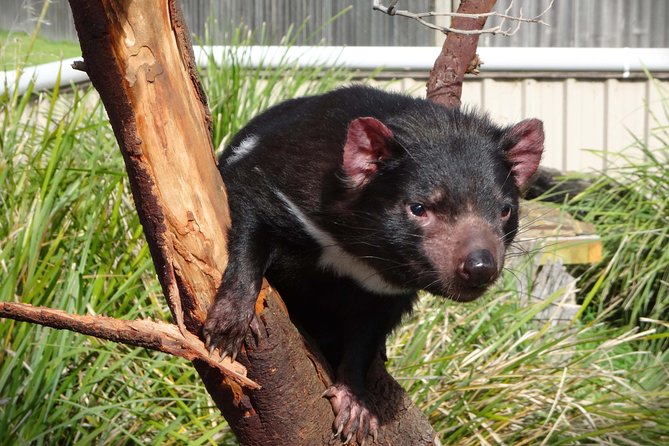
- Wildlife appears in different settings: You may spot wallabies and pademelons at Cataract Gorge, see native animals at East Coast Natureworld, watch penguins near Bicheno, and look for wombats near Cradle Mountain.
- The pace favors variety over long hikes: Most stops involve short walks, lookouts, museums, or guided visits, making the trip suitable for a wide range of ages and fitness levels.
- Some extras remain outside the price: Airport and Hobart city transport are excluded, as is the $15 chairlift ride at Cataract Gorge.
What the eight-day format really means
The title can cause a little confusion. You receive seven nights of accommodation and eight calendar days, but only six days are devoted to the main touring loop. That structure is useful if you want a gentle arrival in Hobart and a free final morning, but it is not an eight-day hiking holiday.
You begin and end in Hobart, traveling in a circle through the east coast, northeast Tasmania, Launceston, the central highlands, the west coast, and back toward the capital. This route gives you a solid first look at the island without requiring you to arrange several hotels or work out long rural drives yourself.
The tour is designed for most fitness levels. You will take short walks at waterfalls, beaches, historic sites, and caves, but the program does not center on strenuous trails. Still, you should be comfortable getting in and out of the vehicle several times a day and walking on uneven surfaces at places such as the Tessellated Pavement and Port Arthur.
A few more Hobart trips worth weighing up
- Bruny Island Food, Sightseeing, Guided Lighthouse Tour & Lunch
★ 5.0 · 2,989 reviews - Full-Day Guided Bruny Island Tour from Hobart
★ 5.0 · 1,331 reviews - kunanyi/Mt Wellington Explorer Bus- Return Tour (2.5 hours)
★ 5.0 · 1,249 reviews
Day 1: A soft landing at Mövenpick Hotel Hobart
Your first afternoon is deliberately easy. Check in at the four-star Mövenpick Hotel Hobart, located in the city center within walking distance of Hobart sights and services.
That central location is a real advantage. You do not begin with a long transfer or a rushed welcome. You can settle in, get food on your own, and prepare for an early start the next morning.
Because airport and city transport are not included, plan that first connection separately. The tour does include hotel pickup and drop-off for the touring portion, which removes much of the usual fuss once the program gets underway.
Day 2: Hobart views, convict stories, and the Tasman Peninsula
The first full day packs a lot into one stretch. You start around Constitution Dock, where a short walk brings in Hobart’s maritime character, a replica of Mawson’s Hut, and memorials connected with early polar exploration.
The drive through Salamanca and Battery Point adds a human scale to the city. Battery Point’s old cottages and Arthur Circus give you a look at an older Hobart neighborhood rather than only the major waterfront sights. You also pass the exterior of the female correctional facility, with an explanation of the difficult conditions faced by transported women.
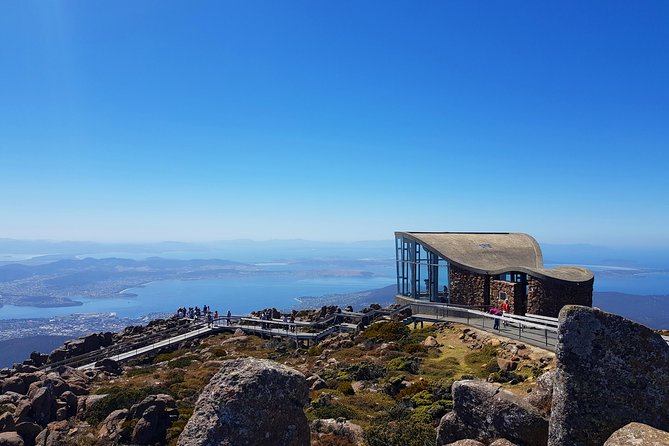
At Cascade Brewery, the stop is brief and mainly suited to photographs and local brewing stories. The major view comes next at kunanyi, or Mount Wellington, rising to 1,275 meters. Allowing about 35 minutes at the summit means you get time for sweeping views over Hobart and the surrounding country, though weather can affect what you see.
Lunch at Puddleduck Vineyard changes the rhythm. A platter of Tasmanian produce and complimentary wine tastings make this more than a simple meal stop. It is one of the places where the tour’s food focus pays off, especially if you prefer regional specialties to packed lunches.
Richmond Bridge, built by convicts in 1823, is another short but worthwhile stop. It is Australia’s oldest bridge still in use, and the setting is much more attractive than the bare fact suggests. After that, the Denison Canal and Eaglehawk Neck lead you toward the Tasman Peninsula.
The coastal stops are the day’s visual high point. At Pirates Bay, you pause for tea, coffee, and biscuits above the water. The Tessellated Pavement gives you a chance to walk onto a shoreline of rectangular rock patterns formed by natural cracking and erosion. At Tasman National Park, you see Tasman’s Arch, a 90-meter natural formation, and the cliffs beyond.
A stop at Port Arthur Lavender adds color, shopping, and a chance to buy locally made lavender products. You then settle near Port Arthur. The day is varied, but it is also long, and the many brief stops may feel rushed if you prefer a slow look at each place.
Day 3: Port Arthur and the road to Bicheno
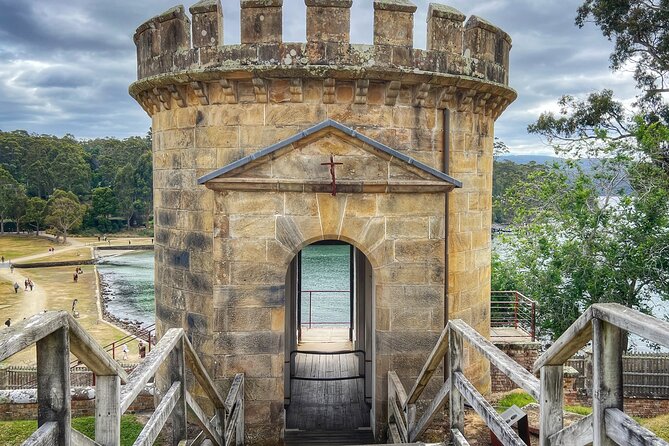
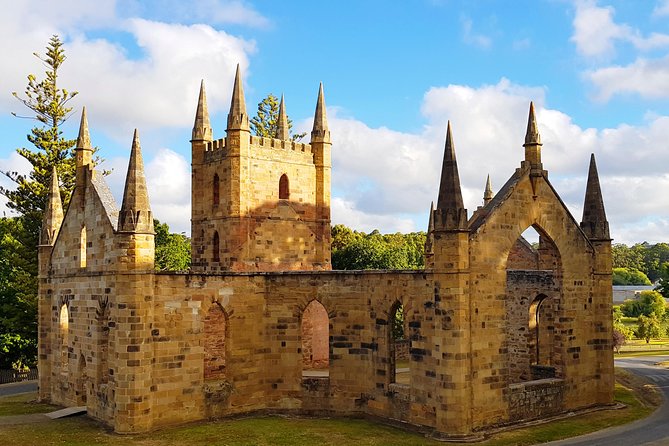
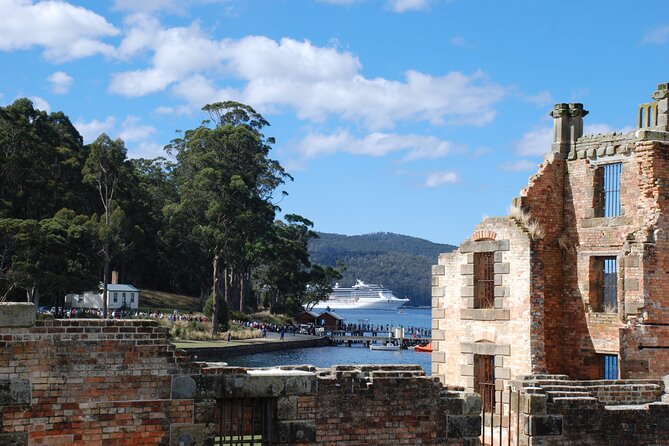
Port Arthur Historic Site receives the time it deserves, with a personally guided three-hour visit. That is important. Port Arthur is not a place to skim in 20 minutes, and the longer visit allows you to see buildings, hear about convict transportation, and take in the setting.
The site’s power comes from its combination of landscape and human stories. You are not just looking at old walls. You are moving through the remains of a penal settlement that shaped Tasmania’s early European history. Wear comfortable shoes, since three hours of walking and standing can add up even on an easy-paced visit.
Federation Artisan Chocolate in Port Arthur provides a lighter stop, with handmade chocolate and samples. Later, the route follows the east coast past views toward Maria Island and the old convict settlement there. The visit is from the mainland, not an island excursion, so do not expect a ferry ride or a full Maria Island visit.
Spiky Bridge is a quirky convict-built structure from the 1840s, marked by rows of pointed rocks whose original purpose is not clearly explained. Nearby Spiky Beach offers an afternoon coffee break and views toward Coles Bay and Freycinet.
The evening brings one of the tour’s most memorable wildlife opportunities. Near Bicheno Blowhole, a guide takes you onto the rocks to watch little penguins come ashore in the wild. The viewing lasts about 45 minutes, and the setting is natural rather than a staged animal show. Keep expectations realistic: wildlife follows its own timetable, and darkness and weather can shape the experience.
A completely different kind of day out in Hobart:
- Hobart: Bruny Island Food, Sightseeing & Lighthouse Day Tour
★ 4.8 · 960 reviews - Hobart: kunanyi/Mt Wellington Explorer Bus Pass
★ 4.8 · 848 reviews - Bruny Island Traveller – Gourmet Tasting and Sightseeing Day Trip from Hobart
★ 5.0 · 786 reviews - Hobart: 24-Hour Hop-on Hop-off Sightseeing Bus Ticket
★ 4.5 · 770 reviews
Day 4: Bicheno, native animals, and the Bay of Fires
A quick daylight visit to Bicheno Blowhole begins the day. The water can shoot more than 25 feet into the air, but the exact display depends on the sea.
East Coast Natureworld follows with a two-hour guided visit. This sanctuary houses Tasmanian native animals that have been rescued or bred onsite. It gives you a more reliable chance to learn about local wildlife than relying only on roadside sightings, and it suits families particularly well.
After lunch, the Bay of Fires brings a sharp change in scenery. White sand, clear blue water, and orange-red rocks create the famous color contrast. The stop is only around 40 minutes, so you get a taste of the coast rather than a full beach day. If you dream of lingering beside the water, this may feel too short. If you want a broad view of Tasmania, it is a sensible trade.
Food stops make this day unusually enjoyable. At Lease 65, you take a short look at a working oyster farm and sample fresh oysters. At Pyengana Dairy, you taste award-winning cheese and see the automated dairy operation, including its robotic systems.
A drive through temperate rainforest brings giant myrtle trees and tree ferns into the picture. Then Legerwood Memorial Tree Carvings supplies a thoughtful final stop. Chainsaw-carved trees tell the stories of local men who died in the First World War. It is unusual, direct, and more affecting than a standard roadside monument.
Day 5: Cataract Gorge, honey, caves, and wombats
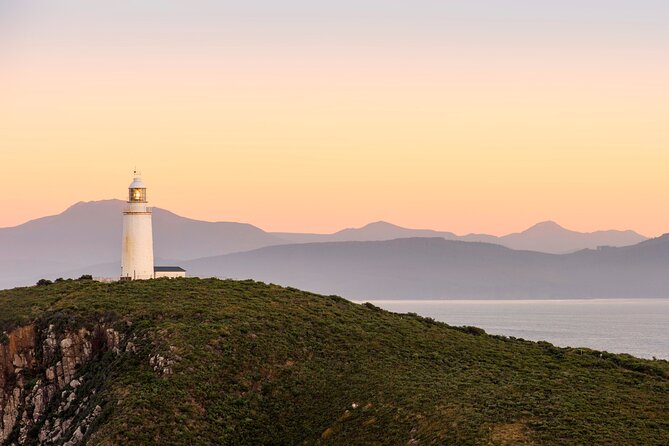
Launceston’s Cataract Gorge is a pleasant start. The circuit walk may bring wallabies, pademelons, and peacocks into view, though wildlife is never guaranteed. You can also pay $15 for the chairlift across the gorge, but that ride is optional and not included.
The Alexandra Suspension Bridge gives you a short walk over the South Esk River. In Launceston itself, the Town Clock offers a look at local stonework, red brick, timber carving, and stained glass. City Park adds Japanese macaques and seasonal flowers in the John Hart Conservatory.
Lunch at 41 South Tasmania and Georgie’s Cafe centers on salmon. The meal includes alcoholic drinks and samples of hot-smoked salmon, rillettes, ginseng spice mix, and leatherwood honey. This is exactly the kind of regional food stop that helps justify the tour price, since you get both a meal and a taste of local production.
Melita Honey Farm is a fun stop for anyone with a sweet tooth. More than 40 honey flavors are available to sample, along with ice cream, mead, nougat, sweets, and beauty products. It is also one of the better places to pick up small gifts.
The day ends at Mole Creek Caves, also called Marakoopa Caves. A guided tour of about an hour and 25 minutes reveals stalactites, stalagmites, straws, flowstone, and other crystal formations. The cave visit is suitable for most fitness levels, but you should still expect walking and standing underground.
Near your Cradle Mountain lodging, the evening is set aside for wombat spotting. You may see these stocky animals foraging near the accommodation. It is a charming finish, but the animals decide how much you see.
Day 6: Cradle Mountain and Tasmania’s timber traditions
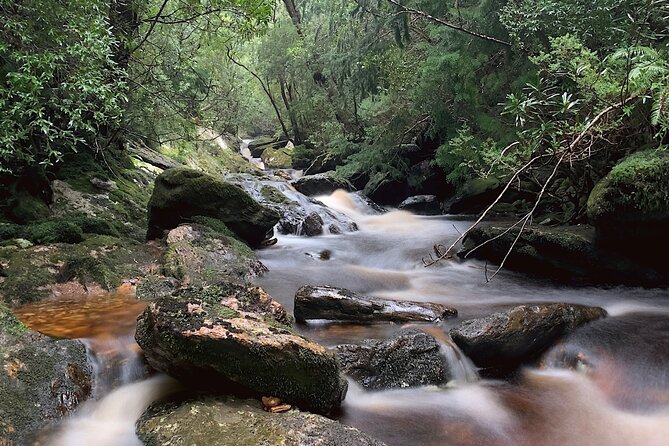
Cradle Mountain receives three hours, the right amount of time for a meaningful visit without turning the day into a hard hike. You visit Dove Lake for views toward the summit, see Waldheim Chalet, and take a walk in the UNESCO World Heritage area.
This is one of the tour’s strongest nature days. The mountain setting, cool air, lake, and forest give you a clear sense of why Tasmania’s protected areas matter. Conditions can change, so bring layers and shoes you can walk in comfortably.
The Cradle Mountain Wilderness Gallery follows with rotating art displays and a permanent collection linked to Australian wilderness imagery. It offers a quieter cultural pause after the outdoor morning.
The westward drive then shifts to mining and timber. At the Zeehan Rock Shop, you can handle minerals associated with Tasmanian mining, including peacock ore, galena, stichtite, and crocoite. A drive through Zeehan introduces the story of a once-thriving mining town.
At Morrison’s Huon Pine Sawmill, you can touch and smell Huon pine, along with myrtle, sassafras, and blackwood. Huon pine trees can live for thousands of years, so the stop also raises useful questions about timber use and conservation.
Wilderness Woodworks in Strahan gives you a final look at finished Huon pine products. These stops are short, and they work best if you enjoy craft, materials, and local industry rather than only big scenic viewpoints.
Day 7: Queenstown, waterfalls, and the road home
The final touring day crosses some of western Tasmania’s most striking country. At Queenstown Station, you see the restored West Coast Wilderness Railway steam engine and the small ABT museum. The stop is about seeing the railway up close, not riding it, so do not confuse this visit with a train excursion.
Iron Blow Lookout offers views over the Mount Lyell open-cut mine, Lake Burbury, Mount Owen, and the surrounding wilderness. It is a sharp reminder that Tasmania’s wild places and mining history exist side by side.
Nelson Falls requires a short rainforest walk of about 15 minutes. The falls and moss-covered leatherwood trees make this one of the most peaceful stops on the route. After the west coast, Lake St Clair provides another strong view, with the 17-kilometer freshwater lake framed by steep mountains.
A brief stop at King William Saddle keeps the focus on mountain scenery. Then The Wall in the Wilderness offers something entirely different: a 100-meter Huon pine carving that tells stories of early pioneers. The one-hour visit is a highlight for anyone who appreciates patient handwork and local stories.
Tarraleah Power Station Lookout explains Tasmania’s hydroelectric system, while Russell Falls closes the sightseeing with an easy walk to a two-tiered waterfall. The 45-minute stop includes a chance to see large tree ferns along the path.
It is a full day with several hours of driving. The reward is range: mine, forest, lake, carved art, hydro engineering, and waterfall in one final sweep toward Hobart.
What the price includes, and what it does not
The $2,721.94 price needs to be judged as a package, not as a simple sightseeing pass. You receive seven nights of accommodation, seven breakfasts, six lunches, two evening meals, attraction entry, national park fees, bottled water, and daily afternoon tea or coffee stops.
The tastings also add up: wine, chocolate, cheese, oysters, salmon, and honey are included at different points. Hotel pickup and drop-off are included for the tour, and the maximum group size of 15 should help keep departures and guided visits manageable.
You still need to budget for transport to and from Hobart Airport or Hobart city. The Cataract Gorge chairlift costs an additional $15. The two unguided Hobart periods also mean you may want money for meals and personal sightseeing.
The strongest value comes if you want a ready-made trip with rural accommodation and a food-centered route. It is less compelling if you already have a car, prefer choosing your own hotels, or want to spend several days hiking in one national park.
Who will get the most from this tour?
I would choose this trip if you want Tasmania’s main highlights without handling long drives, park passes, rural hotels, and daily route planning yourself. It suits couples, families, older adults, and mixed-age groups because the walks are generally short and the program includes plenty of seated sightseeing.
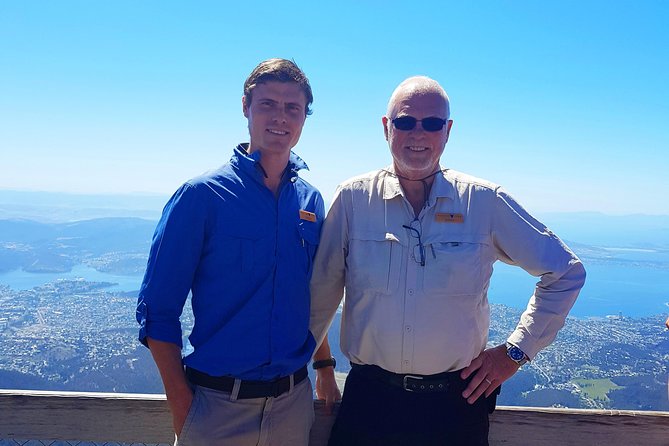
The small group is especially useful on narrow roads, at food producers, and during guided visits. Past guide feedback also points to the importance of the person behind the wheel. Morgan and Ben have been praised for thoughtful, organized service, while Dean has been singled out for calm driving, safety, and clear explanations. One amusing language note: place names and Australian terms can occasionally sound unfamiliar, so ask for clarification rather than nodding along.
I would hesitate if you dislike early starts, changing hotels, or days with many stops. The tour gives you a broad picture, but it cannot give every region the time it deserves. The penguin and wombat sightings are special possibilities, not guaranteed performances, and the weather may reduce views from Mount Wellington, Cradle Mountain, or the coast.
The experience is rated 4.9 from 177 reviews, with 99 percent recommending it. Those numbers fit the design: strong organization, comfortable transport, personal guides, and a lot included for one booking.
Should you book this Tasmania circle tour?
Book it if you want a well-organized first visit to Tasmania with food, wildlife, convict sites, waterfalls, and national parks all in one trip. The best parts are the small group, the local tastings, Port Arthur’s three-hour visit, the Bicheno penguin outing, Cradle Mountain, and the steady presence of a dedicated driver-guide.
Skip it if you want slow travel, serious hiking, or complete control over your route. At this price, the tour earns its keep through convenience and inclusion, not empty free time. For a first Tasmanian circuit, that is a fair exchange, provided you are ready for full days and plenty of road time.
FAQ
How long is the Tasmania circle tour?
The package lasts eight days and includes seven nights of accommodation. The main guided sightseeing takes place across six full touring days, with a free arrival afternoon and unguided time in Hobart on the final day.
Where does the tour start and finish?
The tour starts and finishes in Hobart. Hotel pickup and drop-off are included for the tour portion, but transport to and from Hobart Airport and Hobart city is not included.
What meals are included?
The package includes seven breakfasts, six lunches, and two evening meals. Daily afternoon tea or coffee with biscuits is also provided at scenic stops.
Is the group large?
No. The maximum group size is 15 participants, making this a small-group experience rather than a large coach tour.
Is the chairlift at Cataract Gorge included?
No. The chairlift is optional and costs $15. You can instead take the scenic circuit walk through Cataract Gorge.
Are national park entry fees included?
Yes. All national park passes and fees are included, along with attraction entry fees listed as part of the tour.
Just added around Hobart
- Cradle Mountain OMG! Hobart to Cradle Active Day Trip★ 5.0 · 134 reviews
- Signature Tour★ 5.0 · 140 reviews
- Hobart: Wineglass Bay & Freycinet National Park – Active Day Tour★ 4.5 · 142 reviews
- Hobart City Sightseeing Tour including MONA Ticket★ 4.4 · 153 reviews
- Port Arthur, Richmond & Tasman Peninsula Active Day Tour★ 5.0 · 158 reviews
- From Hobart: Active Day Trip to Cradle Mountain★ 4.9 · 164 reviews
- Hobart: 3-Hour City Sightseeing Tour★ 4.6 · 179 reviews
- 5-Day Best of Tasmania Tour from Hobart★ 5.0 · 184 reviews
Hobart & Tasmania Tours, compared.

Bruny Island Food, Sightseeing, Guided Lighthouse Tour & Lunch
Read our review →
Full-Day Guided Bruny Island Tour from Hobart
Read our review →
kunanyi/Mt Wellington Explorer Bus- Return Tour (2.5 hours)
Read our review →
Morning World Heritage Cruise on the Gordon River from Strahan
Read our review →
Strahan: World Heritage Cruise on Gordon River with Lunch
Read our review →
Browse the lists this tour appears in