
Reviewed · ULURU & RED CENTRE TOURS
Uluru: Guided Trek of Uluru’s Base in a Small Group
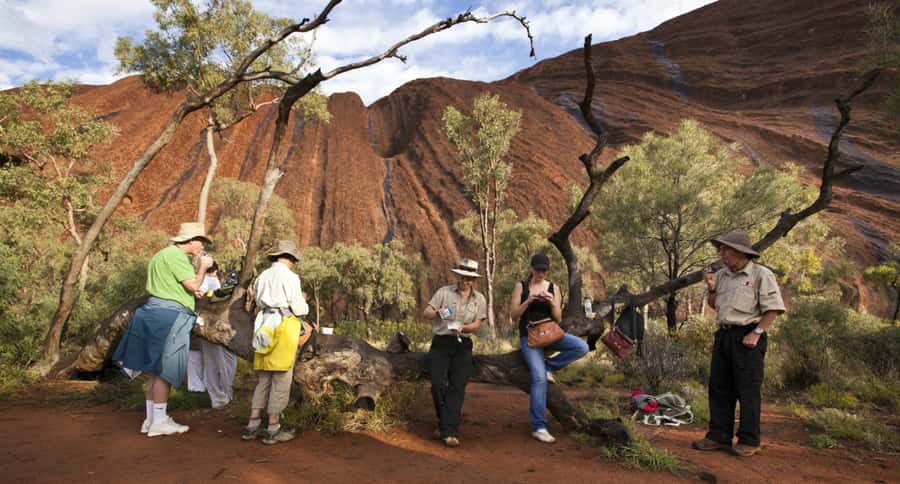
Uluru changes before your eyes. This six-hour walk gives you the rare chance to see the monolith from every angle while an expert guide explains its geology, wildlife, Aboriginal culture, and survival in the Central Australian desert. I especially like the small group of no more than 11 people, and I like that the walk includes both major cultural sites and quieter stretches around the full base.
The early start is worth it for the sunrise, cooler temperatures, and softer light on Uluru. Guides such as Lucia, Michael, Lily, Rachel, and Dimitri have been praised for their care and storytelling. The main consideration is the distance: you will walk about 10.5 kilometres, and some people have recorded closer to 12 or 14 kilometres depending on the route and extra steps.
In This Review
- Key Points Before You Book
- Why This Walk Gives You More Than a Sunrise Photo
- The Pre-Dawn Pickup From Ayers Rock Resort
- Watching Uluru Wake Up Before the Walk
- Kuniya Walk and Mutitjulu Waterhole
- Rock Art, Caves, and the Meaning of the Walls
- A Carry-Pack Breakfast Along the Base
- Mala Walk and Kantju Gorge
- How Hard Is the 10.5-Kilometre Walk?
- Heat, Flies, and What to Pack
- Language Options and Guide Quality
- Is $169 Good Value?
- Who Should Book This Uluru Walk?
- Should You Book It?
- FAQ
- How long does the Uluru base walk tour last?
- How far do you walk?
- What time does pickup take place?
- Where is pickup available?
- Is breakfast included?
- Is the national park entry ticket included?
- What languages are available?
- How large is the group?
Key Points Before You Book
- Sunrise start: Pickup is about one hour before sunrise, so expect a very early morning.
- Full base walk: You will see Uluru’s waterholes, caves, rock art, sacred areas, and changing rock faces over roughly 10.5 kilometres.
- Small vehicle and group: Transport holds a maximum of 11 participants, allowing plenty of contact with your guide.
- Cultural storytelling: The walk includes Tjukurpa stories connected with Kuniya, Liru, and the Mala people.
- Simple breakfast: Tea, coffee, and an outback picnic breakfast come in a carry pack for you to eat along the route.
- Bring the right gear: Take water, sturdy walking shoes, sunscreen, a hat, and warm clothing in the cooler months.
Why This Walk Gives You More Than a Sunrise Photo
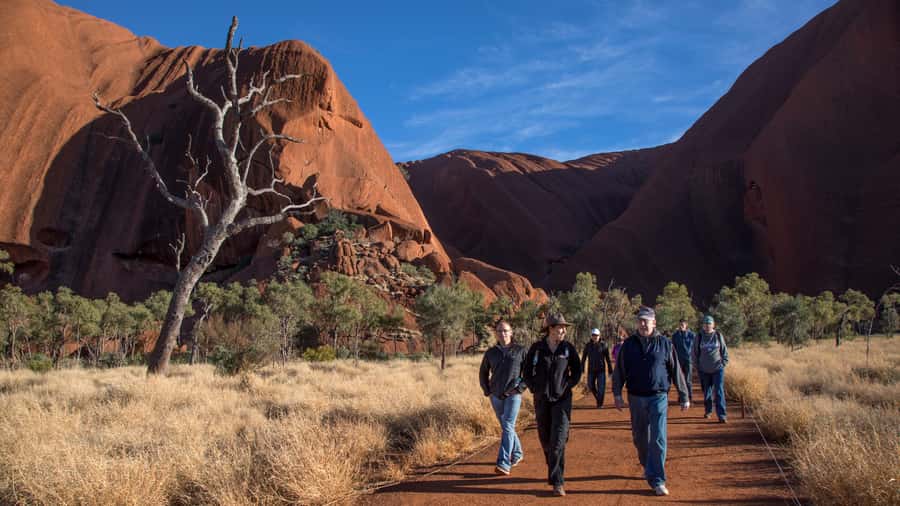
Uluru is easy to admire from a distance. Its red walls catch the morning light, and even a short stop can feel powerful. But the full base walk shows you that Uluru is not simply one giant red rock viewed from one lookout.
The surface changes as you go. Sheer walls give way to caves, grooves, smooth slopes, shaded areas, waterholes, and narrow gorges. Ancient rock art appears in places that can be missed from a vehicle. The scale also becomes clearer on foot. You do not just look at Uluru. You spend several hours moving beside it.
The guide adds the part that a self-guided walk cannot provide as easily. You hear about the rock’s formation, local plants and animals, desert survival, and the cultural meaning of sites around the base. Most important, you hear stories connected to the Anangu people, the Traditional Owners of Uluru.
That cultural explanation matters. Uluru is a sacred place, and the markings, caves, waterholes, and pathways are not random features. The Tjukurpa stories provide a way to understand how people, ancestors, law, land, and daily life are connected.
The tour has an average rating of 4.8 from 182 ratings, with particularly strong praise for the guides, the small group format, the easy pace, and the depth of the stories. At $169 per person, it is not a cheap morning walk. Yet the price includes transport from Ayers Rock Resort hotels, a professional driver-guide, breakfast, tea, coffee, and six hours in the park. For a first visit to Uluru, I think the price is fair if you value interpretation rather than only transport and scenery.
More hiking tours:
- Blue Mountains Hiking Glow worms Cave Wildlife Spotlighting Night Adventure
★ 5.0 · 165 reviews - Small-Group Grampians Great Wildlife Escape Day Trip with Hiking
★ 5.0 · 160 reviews - 4 Day Wild Tasmania Tour / Wildlife, Nature, Hiking / Inc. Accom
★ 5.0 · 126 reviews
The Pre-Dawn Pickup From Ayers Rock Resort
The day begins early. Pickup is approximately one hour before sunrise from outside your hotel reception at Ayers Rock Resort.
That timing is designed to get you to the base before the sun appears. The exact start time changes, so you need to check availability for your date. Do not treat this as a relaxed breakfast excursion. You will be setting an alarm while it is still dark, but the payoff is cooler walking and the first light across Uluru.
Pickup covers all Ayers Rock Resort hotels. If you stay at Emu Walk Apartments, you meet the vehicle at Desert Gardens Hotel next door. If you stay at The Lost Camel, pickup is from Sails in the Desert next door. These details are easy to miss, so check your meeting point the night before.
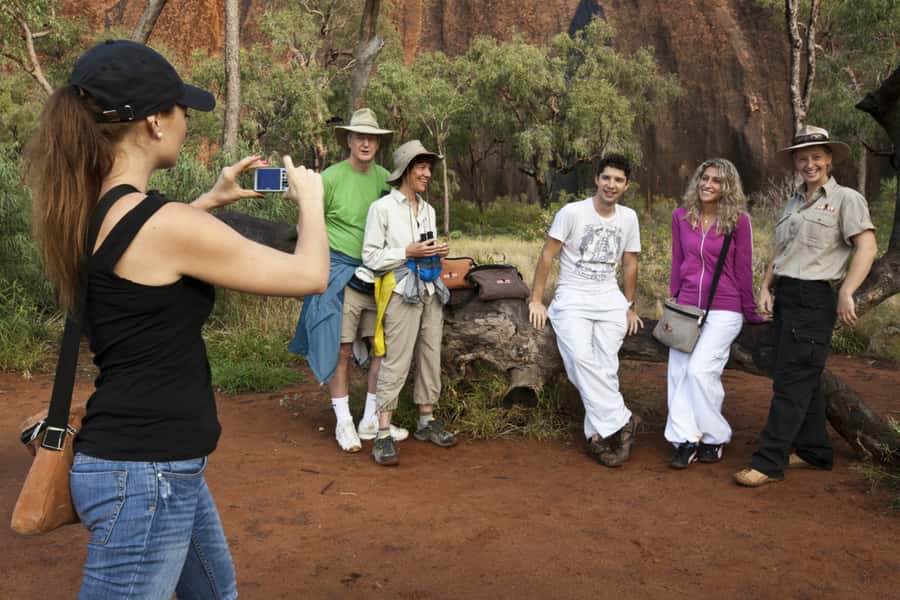
Transport is in a comfortable vehicle carrying no more than 11 participants. That limit is one of the best features of the experience. A group of eight, for example, feels quite different from a large coach tour. You can ask questions, hear the guide more clearly, and keep a shared walking rhythm.
The vehicle is air-conditioned, which is especially welcome after the walk. Guides have also been praised for practical care, including water and chilled lemon-grass towels on hot days.
Watching Uluru Wake Up Before the Walk
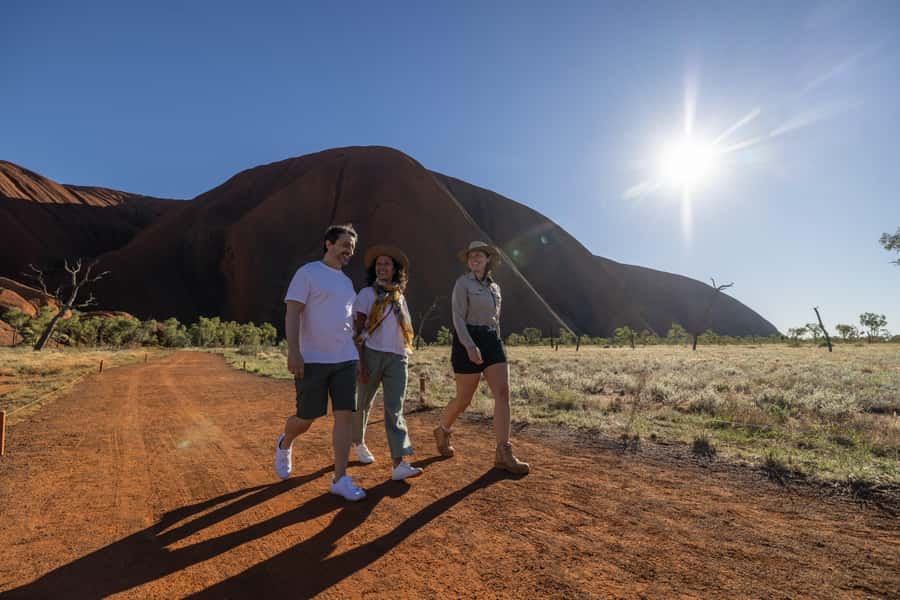
You begin walking before sunrise and stop at a good viewing point for the first rays. This is not just a quick photo stop before the main activity. The changing light gives you a useful sense of how Uluru’s color and texture work.
At first, the rock may appear dark and muted. As the sun rises, its walls begin to show more detail. Ridges, folds, shadows, and broad red surfaces become clearer. The surrounding desert changes too, giving you a quiet opening to the morning before heat and stronger light take over.
The sunrise is one of the most praised parts of the tour, but it is also the shortest. The full base walk is the real substance of the outing. Bring your camera if you want photographs, but do not spend the whole sunrise staring at a screen. The moment passes quickly.
You should also carry a warm layer. September walkers specifically recommend a pullover for the morning cold, and cooler months can feel surprisingly crisp before the sun rises. By contrast, summer mornings can become hot as the walk continues.
Kuniya Walk and Mutitjulu Waterhole
One of the most important sections is the Kuniya Walk, which leads to Mutitjulu Waterhole. Here, the guide explains the Tjukurpa story of Kuniya and Liru and the cultural meaning of the area.
Mutitjulu is more than a scenic stop. Water in this dry region has enormous practical importance, and a waterhole also carries cultural significance. Your guide helps connect the physical place with the stories and laws associated with it.
The route gives you a close look at Uluru’s changing surfaces. You may see rock markings, shaded recesses, and the effects of water moving through the stone. The stop is also a useful break during a long morning, especially as the group settles into the walking pace.
The waterhole can be one of the most memorable places on the route because it brings together geology, wildlife, human survival, and spiritual meaning. Listen carefully here. The guide’s explanation is what turns a pleasant view into a place you can understand.
A few more Yulara trips worth weighing up
- Uluru: Field of Light Sunrise Tour with Hot Drinks
★ 4.6 · 572 reviews - Uluru 15-Minute Helicopter Experience
★ 4.9 · 548 reviews - Yulara: Uluru & Kata Tjuta 25-Minute Helicopter Experience
★ 4.8 · 536 reviews - Yulara: Uluru Sunrise and Kata Tjuta Day Trip by Bus
★ 4.5 · 469 reviews
Rock Art, Caves, and the Meaning of the Walls
Along the base, you visit ancient rock art sites and hear about the markings and places used by Aboriginal people. The guide explains how these sites relate to the Anangu connection with Uluru.
I would not approach this section as a hunt for the biggest or most dramatic artwork. The value lies in learning how people lived, taught, traveled, found food and water, and passed on knowledge in a harsh environment. The rock shelters and art sites make those subjects tangible.
The geology also becomes easier to appreciate on foot. You can see how the rock’s surfaces vary from broad walls to caves and weathered sections. Your guide may connect those features with the forces that shaped Uluru, then move from geology to plants, animals, and human use of the area.
Several guides have been praised for bringing the stories to life without rushing the group. That pace matters. You need time to look, listen, take photographs, and ask questions. The best guides, including those praised by name such as Lucia, Lily, Michael, Max, and Rachel, appear to balance information with enough quiet time to absorb the place.
A Carry-Pack Breakfast Along the Base
Breakfast is supplied in a carry pack, with tea and coffee included. It is a practical outback picnic rather than a long café-style meal.
You carry your own breakfast, so keep that in mind when packing water and personal items. One person found the breakfast a little light, while other walkers considered it sufficient for the route. If you usually need a large breakfast before exercise, eat something small at your hotel or bring an additional permitted snack.
The breakfast break gives you a chance to rest without breaking the flow of the walk. It also means you do not lose time returning to the vehicle. The simple setup suits the setting, but do not expect a full cooked meal.
Mala Walk and Kantju Gorge
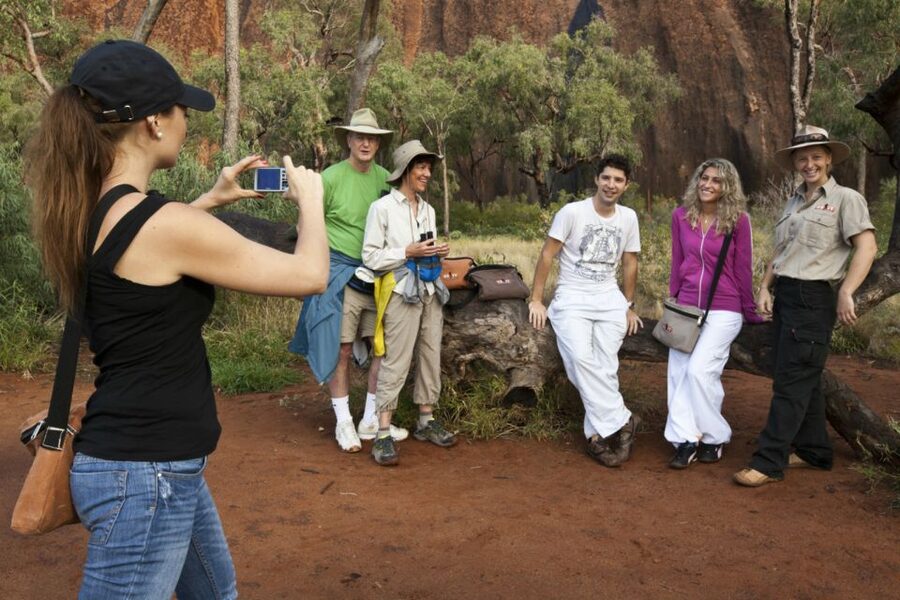
The Mala Walk leads toward Kantju Gorge, another key stop on the base route. Here, the guide tells the Tjukurpa story of the Mala people and explains the cultural importance of the area.
Kantju Gorge is particularly striking because of its enclosed rock formations and strong sense of scale. The walls show another side of Uluru, different from the open views at sunrise. Depending on the time of day, shade can also make this section more comfortable.
This is one reason the complete base walk is worth choosing over a short visit to one lookout. The rock does not look the same all the way around. Each section has its own shape, story, and mood.
The route may be taken counterclockwise, as one guide did to keep the group in shade during the warmer part of the walk. You should not assume the exact direction will always be the same, but the guide can adjust the pace and stops to suit conditions.
How Hard Is the 10.5-Kilometre Walk?
The walking track is mainly flat and made of gravel, so there is no major climb involved. Several people described it as easy or leisurely when taken at a steady pace, with regular rests and hydration stops.
Distance is the issue, not steepness. The advertised distance is approximately 10.5 kilometres, while some walkers recorded 12, slightly over 12, or more than 14 kilometres. The difference may come from the precise route, extra movement around stops, and walking to facilities or viewpoints.
I would call it manageable for a reasonably fit person, but I would not call it effortless. You are outside for hours, carrying water, and walking in a dry climate. A 2019 participant found the walk hard and stressed the need to be fit and healthy. Another person in their mid-fifties completed it alone and described the track as flat and easy, but drank four litres during the outing.
The sensible approach is to prepare for the longer end of the range. Wear supportive walking shoes, not casual sandals. Bring a refillable water bottle and follow your guide’s advice. Two water taps are available along the route, though the water has been described as filtered rainwater with an earthy or metallic taste and may not be cold.
There are also restrooms at two points. That makes the long circuit more manageable, but you should still avoid treating the route like a short stroll.
Heat, Flies, and What to Pack
Your packing list matters more here than it does on many sightseeing tours. Bring:
- Comfortable walking shoes with a firm sole
- A water bottle with enough capacity for the conditions
- A hat and sunglasses
- Sunscreen
- Light walking clothes
- A warm layer before sunrise in cooler months
- A fly net if you are visiting during a period with many flies
A fly net may sound excessive until you need one. One person specifically recommended covering the face, and the Central Australian outback can have persistent flies.
Cover your shoulders and use sunscreen even when the early air feels mild. The heat can build as the morning progresses. Guides may provide water and practical extras, but you remain responsible for dressing and hydrating properly.
The route’s timing is a major advantage. Starting before sunrise reduces some exposure to the strongest heat. It does not remove the need for preparation.
Language Options and Guide Quality
The live guide speaks English. Optional audio guides are available in Spanish, Chinese, French, German, Italian, and Russian. This is useful if you want to hear the spoken commentary in a language other than English, though the main guiding remains in English.
Guide quality is central to this experience. The most praised guides are warm, clear, and attentive, not simply full of facts. Lucia was praised for explaining Uluru’s place in Indigenous life. Michael was described as energetic even at a 5 a.m. pickup and helpful with water and towels. Lily was praised for making a smaller group feel connected, while Dimitri was appreciated for his care and knowledge of places, people, plants, and animals.
The experience can vary slightly with the individual guide, as any guided outing does. Still, the repeated praise for different guides suggests that SEIT places strong emphasis on interpretation and group care.
Is $169 Good Value?
At $169, you pay for more than a ride to Uluru. The fee covers six hours, hotel pickup and return within Ayers Rock Resort, a small vehicle, a professional driver-guide, breakfast, tea, and coffee.
The national park entry ticket is extra. It can be bought at the entry station and remains valid for three consecutive days from the date of issue. If you are visiting Uluru or Kata Tjuta again during that period, the ticket can cover those additional park visits.
The value depends on your priorities. If you only want a sunrise photograph, a shorter experience may cost less and demand less energy. If you want the entire base, cultural stories, geology, and a guide who can explain what you are seeing, this tour packs a lot into one morning.
The small group adds real value. You are not trying to follow a guide’s voice across a crowd, and the group can stop for questions and photographs. For a first visit, I would rather spend the money here than walk the base without context.
Who Should Book This Uluru Walk?
I recommend it most strongly if you:
- Want to walk the entire base rather than see Uluru from a lookout
- Care about Anangu culture and Tjukurpa stories
- Prefer a small group to a large coach
- Can handle a long, mostly flat walk
- Want transport from your Ayers Rock Resort hotel
- Appreciate a guide who can connect geology, wildlife, survival, and culture
It may not suit you if you dislike very early starts, struggle with several hours of walking, or want a substantial breakfast. It is also not the best choice if your main goal is a brief sunrise stop with minimal exertion.
Families can use the tour too, and the infant price includes touring and car-seat hire. Still, parents should consider the six-hour duration and the desert heat before booking for very young children.
Should You Book It?
I would book this tour if you have one good morning to give Uluru and want to understand the place, not just photograph it. The full base walk shows far more than a quick lookout visit, and the combination of sunrise, Mutitjulu Waterhole, Kantju Gorge, rock art, breakfast, and Aboriginal storytelling gives the morning a clear sense of purpose.
Go prepared for distance, sun, flies, and an early alarm. Bring water, sturdy shoes, a hat, sunscreen, and a warm layer. If you do, this is a well-organized and unusually personal way to meet Uluru, with strong value for anyone who wants the stories behind the stone.
FAQ
How long does the Uluru base walk tour last?
The tour lasts six hours, including hotel pickup, the guided walk, breakfast, and return transport to your Ayers Rock Resort accommodation.
How far do you walk?
The walk is approximately 10.5 kilometres. Some participants recorded longer distances, ranging from about 12 kilometres to just over 14 kilometres, depending on the route and extra walking.
What time does pickup take place?
Pickup is approximately one hour before sunrise. The exact starting time changes, so check availability for your chosen date.
Where is pickup available?
Pickup is available from all Ayers Rock Resort hotels. Emu Walk Apartments uses Desert Gardens Hotel next door, while The Lost Camel uses Sails in the Desert next door.
Is breakfast included?
Yes. An outback picnic breakfast is supplied in a carry pack, along with tea and coffee.
Is the national park entry ticket included?
No. The Uluru Kata Tjuta National Park entry ticket is purchased separately at the entry station. Tickets are valid for three consecutive days from the issue date.
What languages are available?
The live guide speaks English. Optional audio guides are available in Spanish, Chinese, French, German, Italian, and Russian.
How large is the group?
The tour uses a small group vehicle with a maximum of 11 participants.
Just added around Yulara
- Yulara: Uluru and Kata Tjuta Sunset Helicopter Tour★ 4.9 · 148 reviews
- Uluru: Small Group Guided Tour with Sunset Refreshments★ 4.8 · 190 reviews
- Uluru: Sunset, Sparkling Wine, Cheeseboard & Gourmet BBQ★ 4.4 · 193 reviews
- Best of Uluru – Segway and Walking Tour★ 4.8 · 204 reviews
- Uluru Highlights Small Group Morning Tour + Picnic Breakfast★ 4.8 · 212 reviews
- Uluru 1.5-Hour Sunset Tour with Sparkling Wine & Cheeseboard★ 4.3 · 226 reviews
- Uluru, Kata Tjuta & Kings Canyon Camping Tour★ 4.8 · 228 reviews
- Uluru: Guided Walking Tour at Sunrise with Light Breakfast★ 4.6 · 256 reviews
Uluru & Red Centre Tours, compared.

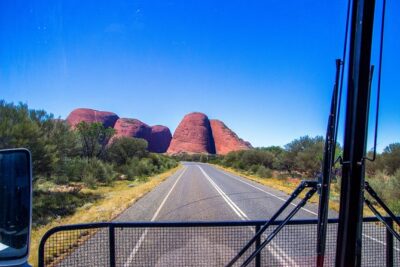
Ayers Rock Day Trip from Alice Springs Including BBQ Dinner
Read our review →
Uluru: Field of Light Sunrise Tour with Hot Drinks
Read our review →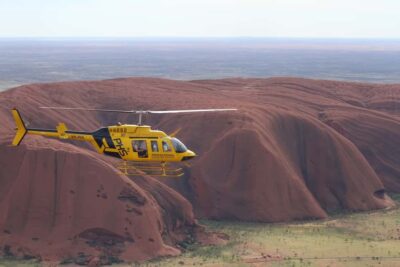
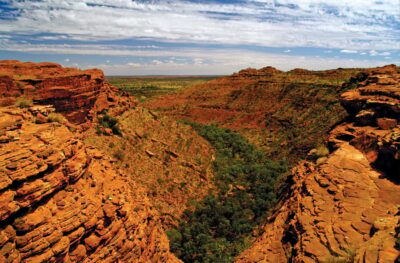
Kings Canyon: Full-Day Tour from Ayers Rock Resort
Read our review →
Yulara: Uluru & Kata Tjuta 25-Minute Helicopter Experience
Read our review →
Yulara: Uluru Sunrise and Kata Tjuta Day Trip by Bus
Read our review →
Uluru: Sacred Sites & Sunset Tour with Wine & Cheeseboard
Read our review →Browse the lists this tour appears in