
Reviewed · GREAT OCEAN ROAD DAY TRIPS
Walk with Wildlife: Guided Tour in Great Ocean Road
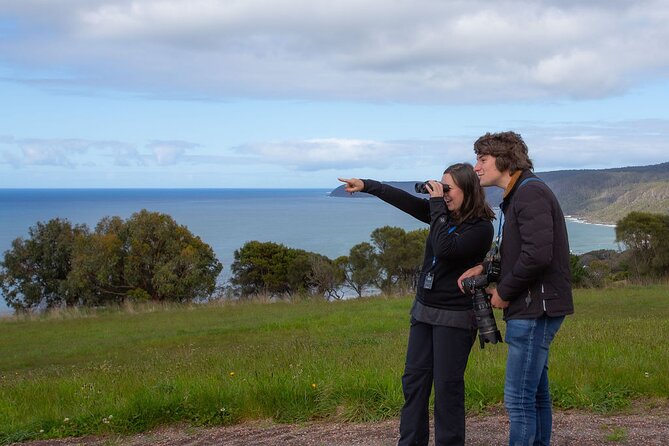
Wildlife is the real guide here. This 75-minute walk near Apollo Bay pairs close observation with practical conservation work, taking you along a 1.4-kilometer all-abilities path through grassland, forest, bushland, and tree fern gullies. I like the provided binoculars and headsets, which make it easier to follow the guide and spot birds without crowding together. I also like the visit to the Conservation Ecology Centre Research Hub, where the work behind protecting Otways wildlife becomes clear. The main consideration is that wild animals do not follow a timetable, so sightings are never guaranteed.
At $42.32 per person, this is a fair price for a short, focused nature experience, especially if you are already driving the Great Ocean Road. The small maximum group of 20 should help keep the walk manageable, though the 75-minute format means you will get an introduction rather than a long bush outing.
In This Review
- Key points to know before you go
- Why this short wildlife walk earns a place on the Great Ocean Road
- Following the 1.4-kilometer all-abilities path
- Using binoculars to look for wildlife and birds
- Seeing conservation work at the Research Hub
- A closer look at the timing and meeting point
- Is $42.32 good value?
- Who should choose this experience?
- Practical advice for making the most of the visit
- Should you book the Wildlife Wonders walk?
- FAQ
- How long does the guided wildlife walk last?
- Where does the tour start?
- Where does the experience finish?
- Are binoculars provided?
- Are headsets included?
- Is the path suitable for most people?
- Can I cancel for a full refund?
Key points to know before you go
- A short 1.4-kilometer walk: The route takes about 75 minutes and passes through several Otways habitats without demanding a strenuous hike.
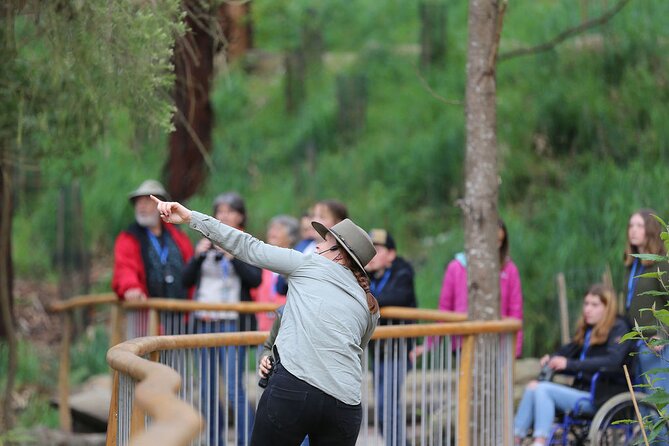
- Binoculars and headsets are supplied: You can watch for birds and wildlife while still hearing the conservationist guide.
- The research hub adds real purpose: You learn how conservation projects work, not just what animals live in the area.
- Wild animals remain wild: You may see wildlife in its natural habitat, but no particular animal or sighting is promised.
- Suitable for many ages and abilities: The path is described as all-abilities, and most people can participate.
- Easy to fit into a road trip: The meeting point is at 475 Great Ocean Road, Apollo Bay, with a cafe and gift shop available before or after the walk.
Why this short wildlife walk earns a place on the Great Ocean Road
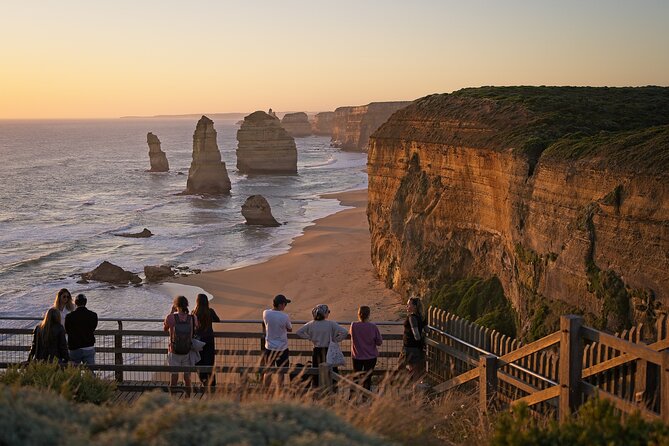
The Great Ocean Road is famous for ocean views, cliffs, and rock formations. That can make it easy to rush from one lookout to the next, camera in hand, without learning much about the forests and animals just inland.
This walk slows the pace. You follow a conservationist through several habitats in the Great Otway National Park area, with time to look, listen, and ask questions. I like that the experience is not built around a captive animal display. The aim is to find wildlife living in its own setting and explain the work being done to protect threatened species.
The route covers only 1.4 kilometers, so you are not signing up for a demanding trek. That matters if you are fitting this into a full day on the road, traveling with children, or simply want a gentle activity after several hours in the car. The short distance also allows the guide to focus on interpretation rather than pushing the group onward.
The trade-off is simple: this is an introduction to the Otways, not a full-day wildlife expedition. You will see a handful of habitats and learn how they connect, but the walk is over before the outing feels physically tiring. For many people, that is exactly the point.
More Great Ocean Road day trips:
- Great Ocean Road Small-Group Eco Tour from Melbourne
★ 5.0 · 6,607 reviews - From Melbourne: Great Ocean Road, 12 Apostles, Wildlife Tour
★ 4.7 · 6,020 reviews - Great Ocean Road Reverse Itinerary Boutique Tour – Max 11 Guests
★ 5.0 · 4,186 reviews
Following the 1.4-kilometer all-abilities path
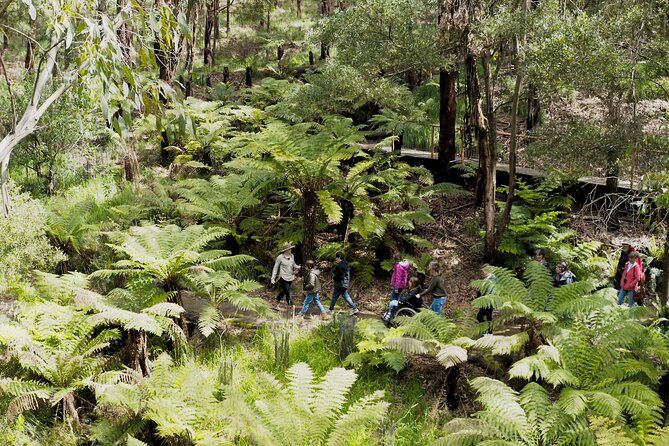
The walk moves through grassland, forest, bushland, and tree fern gullies. Each setting gives the guide a different way to explain the local ecology, from open areas where birds may be easier to scan for to denser sections where sound and movement become important clues.
You receive binoculars, which are useful when an animal or bird is not close to the path. You also receive a headset, so the guide’s explanations should remain easier to follow while the group is spread along the route. These are small additions, but they improve the experience. Without them, you could end up choosing between listening and watching.
I appreciate the all-abilities design because it broadens the appeal of the walk. The available information says most people can participate, and service animals are allowed. Still, an all-abilities path does not mean every person will find every surface effortless. If you have a particular mobility need, confirm the details directly with Wildlife Wonders before booking.
The route is also a good choice for families. Children get the fun of looking for animals, while adults receive enough explanation to understand why the habitats matter. The guide’s role is important here. A forest walk can feel like a pleasant stroll, but a conservationist can point out the less obvious signs of life and explain what researchers are trying to protect.
Using binoculars to look for wildlife and birds
This is a wildlife walk, not a guaranteed animal encounter. That distinction is worth keeping in mind before you arrive. The setting is natural, and animals decide when to appear, hide, move, or remain silent.
The binoculars give you a better chance of noticing birds and animals at a sensible distance. You might find that the pleasure comes as much from learning where to look as from seeing a particular species. A guide can connect a sound, track, habitat, or movement to the larger story of the Otways.
The strongest praise for this experience focuses on the guide’s explanations, friendly manner, and passion for the subject. That matches the design of the outing. The walk is not simply a route with a few viewing points. It is built around a person explaining the ecology as you move through it.
If your top priority is photographing a specific animal, I would be cautious. The tour does not promise a set list of sightings. If your priority is to understand the environment and have a better chance of spotting wildlife in a respectful way, the format makes good sense.
Seeing conservation work at the Research Hub
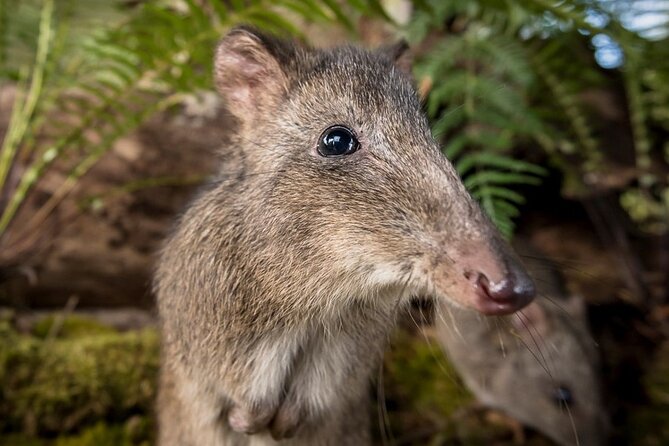
The stop at the Conservation Ecology Centre Research Hub gives the experience more weight than a standard nature stroll. Here, you learn about the conservation projects supported by Wildlife Wonders and see research techniques in action.
That stop helps answer an important question: what happens after a guide points out a threatened species or explains a damaged habitat? Conservation involves monitoring, research, and long-term protection. The research hub gives you a look at that practical side.
I find this especially valuable along a heavily visited road. The Great Ocean Road attracts large numbers of people, yet the surrounding ecosystems can be fragile. Learning about research gives you a better sense of the work required to keep wildlife populations and habitats healthy.
The hub also provides a useful change of pace. The walk lets you observe the natural setting, while the research stop shows how people study and protect it. You are not left with only a pretty memory and a few animal names. You leave with some understanding of the systems behind wildlife protection.
The available details do not specify exactly how long the group stays at the hub, so do not expect a long laboratory tour. Think of it as a focused part of the guided walk, included within the overall visit.
More wildlife experiences in Australia:
- Penguin Parade, & Wildlife Encounters Eco Tour from Melbourne
★ 5.0 · 3,774 reviews - Blue Mountains Small-Group Tour from Sydney with Scenic World,Sydney Zoo & Ferry
★ 5.0 · 3,709 reviews - Blue Mountain Small Group Scenic World, Wildlife, Waterfall
★ 4.8 · 3,428 reviews - Melbourne Great Ocean Rd Reverse Tour London Bridge Wildlife
★ 4.7 · 2,252 reviews
A closer look at the timing and meeting point
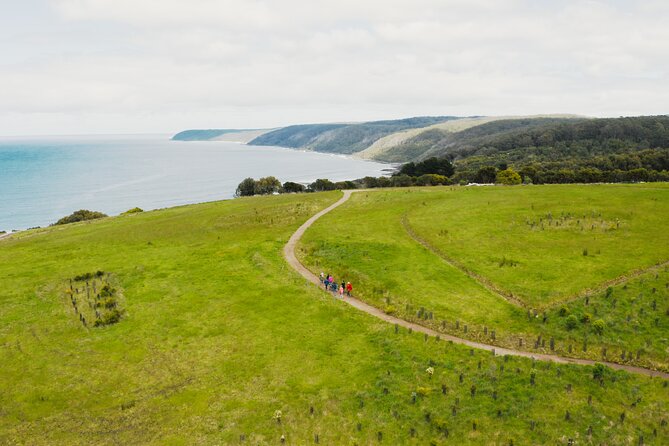
The walk itself lasts about 75 minutes. The stop is also listed with a total duration of 1 hour and 30 minutes, so I would allow roughly that amount of time at the site rather than planning your next Great Ocean Road stop too tightly.
You meet at 475 Great Ocean Road, Apollo Bay, Victoria 3233. The activity ends back at the same meeting point, which makes planning easier if you have a car or are arranging the experience as one stop on a longer drive.
The compact timing is one of the best features. You can place the walk between other Apollo Bay activities, use it as a morning break, or schedule it before continuing along the coast. At the same time, do not treat the 75-minute walk as a quick ten-minute photo stop. You need to arrive ready for a guided activity, with enough time to get organized before setting out.
The meeting point also has a cafe and gift shop. You can stop for a light lunch or refreshments before or after the walk, then browse for a souvenir. That makes the visit more self-contained and gives you a simple option if you do not want to search for food immediately after the tour.
Is $42.32 good value?
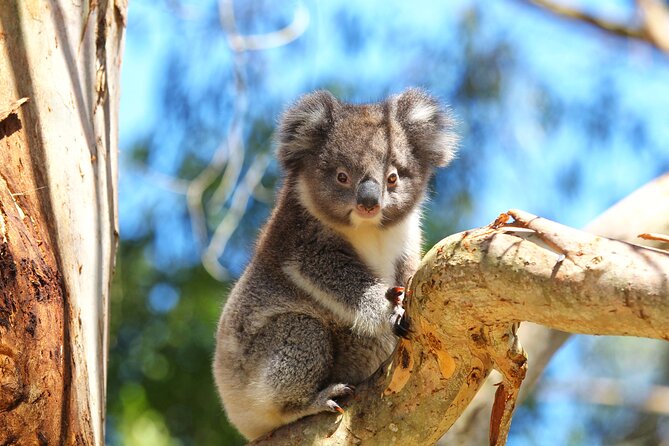
At $42.32 per person, the price is not the cheapest way to spend an hour near Apollo Bay. It is also not an unreasonable charge for a guided conservation experience that includes binoculars, a headset, access to the research hub, and a small-group setting capped at 20 people.
I would judge the value by what you want from the Great Ocean Road. If you only want scenery and a quick wildlife photo, the price may feel high, since nature sightings are not guaranteed. If you want expert interpretation, supplied viewing equipment, and a clearer understanding of local conservation, the fee is easier to justify.
The cost also covers more than simple access to a path. You are paying for the guide’s time and the chance to learn about the research supporting threatened species. That educational element is the reason this works well for families, school-age children, and anyone who wants the road trip to include more than scenic lookouts.
The tour is booked an average of 24 days ahead, which suggests that planning early is sensible. The maximum group size is 20, so the experience is not private, but it is limited rather than open-ended. I would reserve ahead if your Great Ocean Road schedule is fixed.
Who should choose this experience?

I would recommend the walk to several kinds of visitors:
- Families who want a gentle outdoor activity with an educational side
- First-time visitors who want an introduction to the Otways
- People interested in conservation and threatened species
- Road trippers looking for a short stop that adds meaning to the scenery
- Visitors who prefer guided observation to walking alone
- Anyone who likes wildlife but understands that nature does not perform on demand
It is less suitable if you want a long hike, guaranteed animal encounters, or a private guide. It may also disappoint photographers who need a specific species in a particular pose. The experience works best when you treat wildlife sightings as part of a wider lesson rather than the only measure of success.
The positive feedback is strongest on the guide’s friendly, clear, and informed approach. One detailed comment called it the best wildlife experience of a trip and praised the amount visitors learned as well as the number of animals seen. Another highlighted the beauty of seeing animals free and protected, along with the staff’s kindness and passion.
Those points tell you what the experience is trying to do. It combines wildlife watching with a conservation message, and the human side matters. A good guide can turn a quiet section of bush into a useful lesson instead of an uneventful walk.
Practical advice for making the most of the visit
Keep your expectations flexible. You may see birds or other wildlife, but the activity takes place in natural habitat, so sightings can vary. The guide’s explanations, the different plant communities, and the research hub are all important parts of the visit.
Use the binoculars even when nothing obvious catches your eye. Scanning slowly is more useful than swinging them around quickly, and the headset should help you keep listening while you look.
Give yourself enough time around the activity. The guided walk is 75 minutes, but the full stop is listed as about 1 hour and 30 minutes. The cafe and gift shop may tempt you to stay longer, especially if you want lunch or a small memento.
The mobile ticket is convenient for a road trip, and confirmation is provided at booking. Free cancellation is available if you cancel at least 24 hours before the start time. Cancellations or changes made inside that window are not accepted for a refund, with cut-off times based on local time.
Should you book the Wildlife Wonders walk?
Yes, if you want a short, well-organized wildlife activity that teaches you how the Otways are being protected. The supplied binoculars and headset improve the practical side, while the Conservation Ecology Centre Research Hub gives the outing a purpose beyond animal spotting.
I would book it as an add-on to a Great Ocean Road day, not as your only major activity. Allow about 90 minutes at the site, keep your wildlife expectations realistic, and choose it for the combination of habitat, guidance, and conservation work.
At $42.32, it offers solid value for families, curious road trippers, and nature lovers who prefer a gentle path to a strenuous hike. If you need guaranteed sightings or a longer wilderness outing, choose something else. If you want to leave the road with a better understanding of the Otways, this is a smart stop.
FAQ
How long does the guided wildlife walk last?
The guided walk lasts approximately 75 minutes and covers a 1.4-kilometer path. The full stop is listed as about 1 hour and 30 minutes.
Where does the tour start?
The tour starts at 475 Great Ocean Road, Apollo Bay, Victoria 3233, Australia.
Where does the experience finish?
The activity ends back at the original meeting point.
Are binoculars provided?
Yes. Participants receive binoculars for spotting wildlife and birds along the route.
Are headsets included?
Yes. Headsets are provided so you can hear the conservationist guide during the walk.
Is the path suitable for most people?
The route is described as an all-abilities path, and most people can participate. Service animals are allowed.
Can I cancel for a full refund?
Yes, if you cancel at least 24 hours before the experience start time. Cancellations or changes made less than 24 hours before the start time are not accepted for a refund.
More Walking Tours in Australia
- Sydney Opera House Official Guided Walking Tour
★ 4.5 · 3,770 reviews - From Sydney: Blue Mountains Tour with Waterfall Walk & Lunch
★ 4.8 · 2,400 reviews - Sydney The Rocks Guided Walking Tour
★ 5.0 · 1,546 reviews - Ultimate Melbourne Walking Tour: History, Laneways & Culture
★ 5.0 · 1,451 reviews
Just added around Australia
- From Goolwa: Half-Day Coorong Experience★ 4.9 · 129 reviews
- Great Ocean Road Lux Tour Max 11 Hotel Pickup★ 4.8 · 129 reviews
- Kangaroo Island Scenic Nature and Wildlife Day Tour★ 5.0 · 129 reviews
- Blue Mountains Small-Group Insider Tour from Sydney★ 4.5 · 130 reviews
- McLaren Vale Small Group Wine Tour★ 5.0 · 130 reviews
- Virtual Room – 40-50min VR Escape Game Adventure for 2+ Players★ 5.0 · 130 reviews
- Darwin: Adelaide River Half-Day Jumping Crocs Cruise★ 4.3 · 130 reviews
- Melbourne City Highlights Small Group Tour★ 5.0 · 131 reviews
Great Ocean Road Day Trips, compared.
Great Ocean Road Small-Group Eco Tour from Melbourne
Read our review →
Great Ocean Road Reverse Itinerary Boutique Tour – Max 11 Guests
Read our review →
Great Ocean Road Tour w/ Deluxe Minibus & Top-Rated Guide
Read our review →
Great Ocean Road Extended–Top Stops&London Bridge
Read our review →
Great Ocean Road Full-Day Sunset Eco Tour from Melbourne
Read our review →
Great Ocean Road Tour Plus Koalas, Forest Walk and Morning Tea
Read our review →Browse the lists this tour appears in