
Reviewed · ULURU & RED CENTRE TOURS
3-Day Uluru Kata Tjuta Kings Canyon Outback Safari ex. Ayers Rock
The Red Centre rewards an early start. This three-day small-group safari packs Uluru, Kata Tjuta and Kings Canyon into one practical outback trip, with guided walks, sunset and sunrise viewing, meals, park entry, and two nights at permanent campsites. I like the way it gives you more than a quick Uluru stop, and I especially like the choice between a safari tent and a traditional swag under the stars.
The other big plus is the guide-led access to the region’s stories, geology, wildlife and less obvious viewpoints. Guides such as Brent, Muel and Carla have received especially warm praise for their energy and local commentary. The catch is simple: this is a physical trip with pre-dawn starts, up to 6 to 8 kilometres of walking, shared chores, and basic camping. It is not a soft hotel tour.
In This Review
- Key points before you book
- What you get for $570.93
- Starting at Ayers Rock Airport or Yulara
- Uluru at first light and last light
- Kata Tjuta and the Valley of the Winds
- Camping by the fire, tent or swag
- Kings Canyon and the 100-meter cliffs
- Food, water and shared group life
- Fitness, heat and practical packing
- Choosing your final drop-off
- Who should book this three-day safari?
- FAQ
- How long is the Uluru, Kata Tjuta and Kings Canyon safari?
- Where does the tour start?
- Where does the tour finish?
- Is camping included?
- Do I need to bring a sleeping bag?
- How fit do I need to be?
- Should you book it?
Key points before you book
- Three major Red Centre sights in three days: Uluru, Kata Tjuta and Kings Canyon are all covered, making this a strong choice if your time is limited.
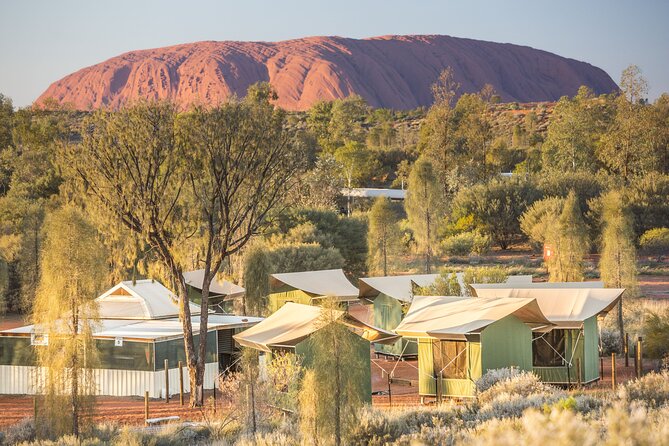
- Sleep your way through the outback: Choose a twin-shared safari tent or a traditional single swag, a canvas-covered bedroll used for outdoor sleeping.
- Sunrise comes early: The second day begins before dawn, but the quiet light around Uluru-Kata Tjuta National Park is a major reward.
- Expect real participation: You may help prepare meals, clean up, and load or unload the vehicle.
- The walks require fitness: A moderate to advanced fitness level is needed, and the tour operator must know about medical conditions before departure.
- Drop-off needs planning: The trip can finish in Alice Springs at about 6:30 pm, or Yulara at about 5:00 pm on selected days, depending on shuttle availability.
What you get for $570.93
At $570.93 per person, this safari costs roughly $190 per day. That is not a small outlay, but the price covers several expenses that can add up quickly in the Red Centre: two nights of accommodation, the national park pass, an air-conditioned mini-coach, an accredited driver-guide, two breakfasts, two lunches and two dinners.
You also receive drinking water on board, bed linen, a mattress and pillow if you choose the safari tent, or a bush swag if you choose the swag option. The package is therefore strongest for you if you want one organized trip rather than arranging transport, park access, meals and campsites separately.
The value depends on what kind of comfort you expect. You are paying for access and logistics rather than luxury. The camps are permanent private outback campsites, but this remains a camping trip. One piece of feedback praised the food and guide while wishing for electricity, fans, made beds and towels. That is a fair warning. You should expect a clean, practical base, not a resort.
A sleeping bag is not included. You can hire one onboard for A$40, including cleaning. Bring your own bottle for the supplied drinking water, and tell the booking agent about dietary needs before departure. Once the vehicle heads into remote areas, food choices are harder to change.
More 4WD adventures in Uluru:
- Uluru (Ayers Rock) Sunset + Outback Barbecue Dinner & Star Talk
★ 4.0 · 426 reviews - Uluru (Ayers Rock) Base and Sunset Half-Day Trip with Opt Outback BBQ Dinner
★ 4.5 · 199 reviews - Mt Conner 4WD Small Group Tour from Ayers Rock Resort inc Dinner
★ 5.0 · 47 reviews
Starting at Ayers Rock Airport or Yulara
The tour begins at 1:30 pm from Ayers Rock Airport or Ayers Rock Resort in Yulara. This makes it easy to connect with an arrival into the Uluru area, but you need to have lunch before boarding because the first afternoon heads into the national park.
The first day is listed as about seven hours. That length includes the transfer into the park and the first sightseeing activities, though the exact order can depend on conditions and the guide’s plan. The important point is that this is not a long arrival day spent sitting around camp. You begin seeing the Red Centre almost at once.
An air-conditioned small-group mini-coach keeps the long drives more manageable. The group can include up to 23 people, so this is smaller and more personal than a large coach but not an intimate private trip. You will still need to be comfortable sharing space with a group for long stretches.
The guide is central to the experience. The operator promises local commentary, stories and explanations of the area’s natural and cultural importance. This matters at Uluru and Kata Tjuta, where a guide can help connect the rock formations to the wider setting instead of treating them as photo stops.
Uluru at first light and last light
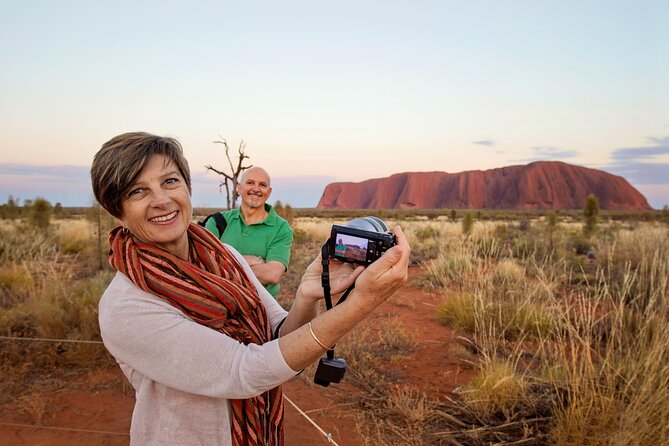
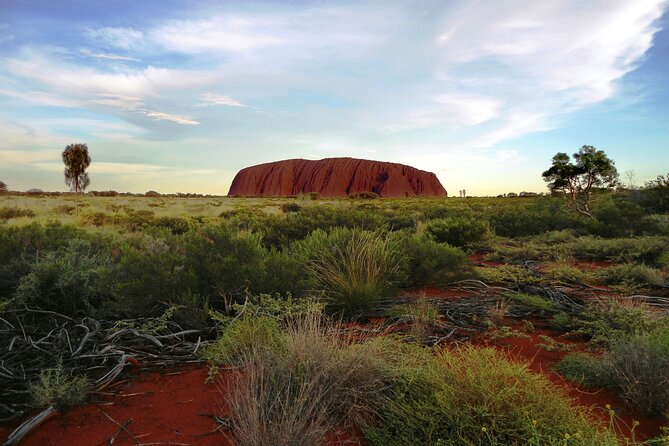
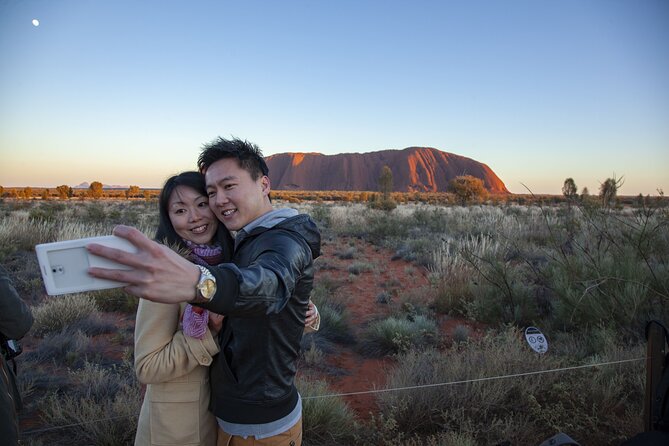
Uluru is the emotional center of the trip, and the timing helps. Rather than seeing it only in the middle of the day, you have the chance to experience the changing colors and shadows around sunrise or sunset.
The second day begins before dawn. That wake-up may test your enthusiasm, especially after a night outdoors, but the early timing gives you cooler walking conditions and a quieter setting. One of the strongest themes in the feedback is that the early starts paid off with sunrise views, open space and occasional wildlife sightings.
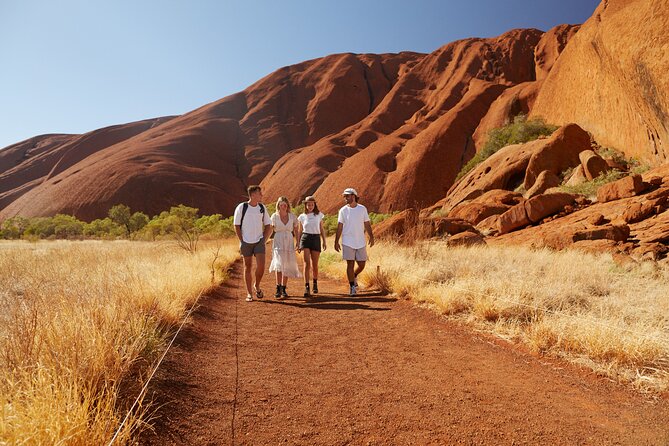
You should pack a head covering, water bottle, sun protection and sturdy walking shoes. The supplied details do not specify every walk on Uluru itself, so do not assume a particular route or climb. The tour focuses on guided bush walks in the national park, with total walking of up to 6 to 8 kilometres depending on fitness and the day’s program.
Uluru-Kata Tjuta National Park has UNESCO World Heritage status because of its geological formations, rare plants and animals, and outstanding natural beauty. That designation is useful context, but the value of the visit comes from seeing how the rock changes with the light and hearing the stories that put the place into perspective.
Allow yourself to be present rather than rushing from viewpoint to viewpoint. The best part of this kind of visit is often the contrast between the huge red monolith and the silence around it.
Kata Tjuta and the Valley of the Winds
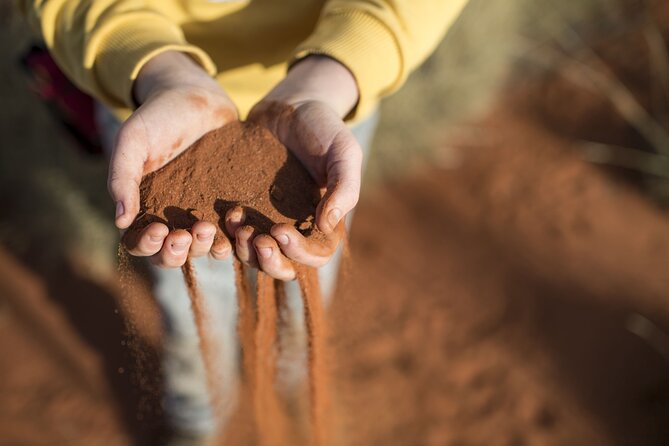
Kata Tjuta, also known as the Olgas, brings a different mood from Uluru. Instead of one dominant formation, you see a group of rounded sandstone domes rising from the desert. The shapes create narrow passages, broad views and a stronger sense of walking through the rock.
The itinerary includes either the Valley of the Winds or Walpa Gorge. Both are meaningful options, but neither should be treated as a casual stroll. The tour requires moderate to advanced fitness, and the full walking program can reach 6 to 8 kilometres. You need to be ready for uneven ground, heat and the effort of walking in remote country.
Your guide can make the difference here. A good explanation of the rock formations, plants, animals and local stories turns a striking view into a place you understand better. The trip promises hidden details and local knowledge, but the exact route may change with conditions, group ability or operational needs.
The advantage of visiting Kata Tjuta on this trip is that you do not have to choose between it and Uluru. Shorter Uluru itineraries often leave you with one major sight and a hurried taste of the other. This three-day format gives both a proper place in the schedule.
A few more Uluru trips worth weighing up
- Uluru, Kata Tjuta and Kings Canyon Camping Safari from Ayers Rock
★ 5.0 · 118 reviews - Ocean Safari Great Barrier Reef Experience in Cape Tribulation
★ 5.0 · 902 reviews - Kangaroo Island 75-Minute Coastal Safari
★ 5.0 · 607 reviews - Marine Eco Safari – Swim with Manta Rays
★ 5.0 · 493 reviews
Camping by the fire, tent or swag
You get two sleeping choices. The safari tent option includes a mattress, pillow and bed linen, with twin sharing. The traditional swag option provides a single bush swag, a canvas-covered bedroll associated with Australian outdoor camping.
The swag is the more memorable choice if you like simple nights outside. Feedback highlights sleeping under the stars beside a campfire at a cosy campsite as one of the most enjoyable parts of the trip. Still, you should choose it because you are comfortable with basic outdoor sleeping, not because you expect hotel bedding.
The tent is the sensible middle ground if you want some shelter and a proper mattress while retaining the camping atmosphere. Neither option includes a sleeping bag unless you bring one or hire one for A$40. Check this before departure, since a cold night can make a basic camp feel much less romantic.
The campsites are described as permanent private outback campsites near Uluru and Kings Canyon. The arrangement gives the group a base for meals and sleep, rather than requiring you to set up a fresh camp every night. Even so, everyone is asked to help with meal preparation, cleanup, and loading or unloading the vehicle.
I see those chores as part of the deal, not an unfair extra. They keep the cost down and help the group work together. But if you want a fully serviced holiday where staff handle every task, this is the wrong format.
Kings Canyon and the 100-meter cliffs
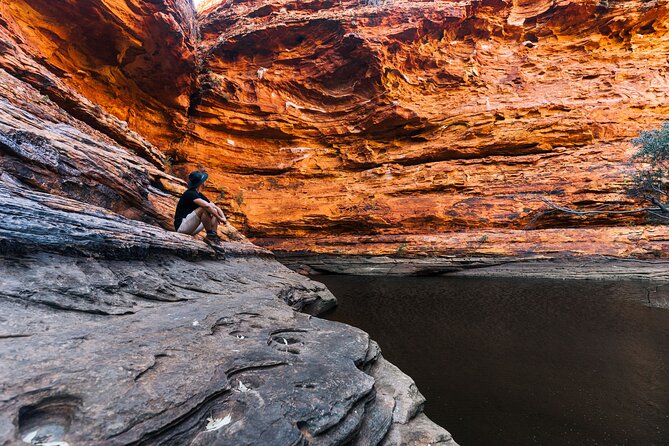
Day three brings Kings Canyon in Watarrka National Park. The main attraction is the Rim Walk, with dramatic cliffs and sandstone formations rising around 100 metres above the canyon floor.
This is the tour’s biggest physical test. You begin early, and the Rim Walk is described as the highlight of the park. The early start is practical: it helps you walk before the worst heat and keeps the schedule moving toward the final drop-off.
You should take the fitness warning seriously. A moderate to advanced level is required for the walks, and the operator must be told about medical conditions when you book. Anyone over 75 needs a doctor’s certificate issued within 30 days before travel.
The canyon gives the three-day route a useful change of scale. Uluru is a single great form, Kata Tjuta is a cluster of domes, and Kings Canyon is defined by cliffs, gorges and sandstone walls. You get three very different views of the Red Centre rather than three versions of the same stop.
The drawback is time. With only three days, there is little room for a slow morning or an extra rest day. If the group is delayed or a walk takes longer, the final transfer can run late. Do not book a flight on the last day.
Food, water and shared group life
Two breakfasts, two lunches and two dinners are included. Food has been praised as a strong part of the trip, though the menu can include many vegan choices. That may suit you perfectly, but if you have specific dietary requirements, advise the booking agent before departure.
Drinking water is available on the vehicle, but you must bring your own reusable bottle. In remote areas, you cannot count on finding a shop or changing your food plans at short notice.
The group meal system is practical and social. You may chop, cook, wash dishes or help move supplies. A guide such as Brent can add a lot of warmth and humor to that routine, while a guide such as Muel may bring strong area knowledge and polite, attentive service. The quality of the group dynamic will shape your evenings as much as the campsite itself.
The maximum group size is 23. That is small enough for a more active experience than a standard sightseeing coach, but large enough that you will need patience. Be ready for different walking speeds, sleep habits and expectations about camping.
Fitness, heat and practical packing
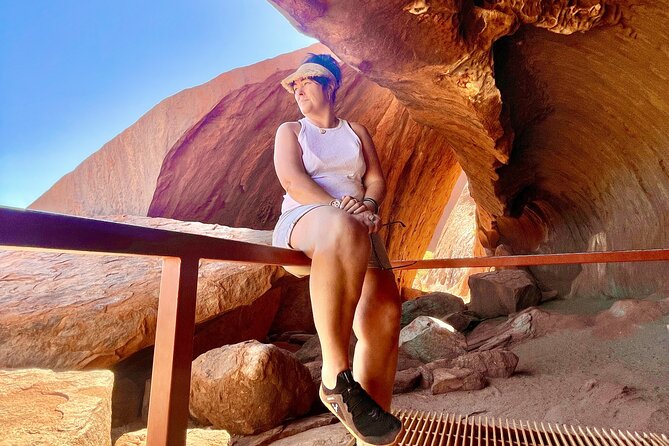
This tour asks more from you than the price and duration might suggest. You need a moderate to advanced level of fitness and mobility, and the operator must be told about medical conditions at booking.
Pack light but prepare well:
- A refillable water bottle
- Sturdy walking shoes
- Sun protection and a hat
- Comfortable clothes for walking
- Warm sleepwear for outdoor nights
- A sleeping bag, or a plan to hire one
- Any required medication
- Personal toiletries and travel insurance details
The itinerary includes pre-dawn starts and long touring days of about 12 hours on both the second and third days. You will be tired. That is part of the reward, but it also means you should not schedule demanding activities immediately after the tour.
Service animals are allowed. The supplied details do not promise full accessibility for every walk, so anyone with mobility concerns should discuss the routes and medical requirements with the operator before booking.
Choosing your final drop-off
The tour can finish at Yulara or in Alice Springs. The listed arrival time is about 5:00 pm at Ayers Rock or Yulara, or about 6:30 pm in Alice Springs, and the Yulara ending depends on shuttle availability.
This is an important planning point. Confirm your preferred drop-off location at booking, and leave plenty of space before any onward flight. The operator specifically recommends not booking a flight on the final day because delays are possible.
For you, the route makes the most sense when it fits into a wider Red Centre trip. Starting at Yulara and ending in Alice Springs can be useful if you are moving between the two hubs. Ending back near Uluru is more convenient if you are staying in Yulara, but it is not guaranteed on every departure.
Who should book this three-day safari?
I would choose this tour if you want to see all three headline sights without hiring a car or arranging remote-area logistics yourself. It suits active visitors who like guided walks, simple camps, starry skies and a group atmosphere.
It is also a good fit if you want more than a quick photograph at Uluru. The included park pass, meals, transport and guide reduce the number of separate decisions you need to make, while the commentary adds context to the places you are seeing.
I would hesitate if you dislike early mornings, shared sleeping arrangements, outdoor chores or long days on foot. The tour is not designed around luxury, privacy or flexible schedules. It is also not ideal if you need a guaranteed Yulara drop-off or plan to fly out immediately after the final day.
The strongest praise centers on the setting, the organization, the guides, the food and the chance to sleep outdoors. The main criticism centers on facilities and the amount of work handled by a single guide. That gives you a fair picture: the sightseeing is the star, while comfort is basic and group cooperation matters.
FAQ
How long is the Uluru, Kata Tjuta and Kings Canyon safari?
The experience lasts approximately three days, with the first day lasting about seven hours and the second and third days lasting about 12 hours each.
Where does the tour start?
It starts at 1:30 pm from Ayers Rock Airport or Ayers Rock Resort in Yulara, Northern Territory.
Where does the tour finish?
It finishes either in Alice Springs at about 6:30 pm or at Ayers Rock and Yulara at about 5:00 pm, depending on shuttle availability. Confirm your preferred drop-off when booking.
Is camping included?
Yes. Two nights at permanent outback campsites are included. You can choose twin-shared safari tents, which include bed linen, a mattress and a pillow, or a traditional single bush swag.
Do I need to bring a sleeping bag?
A sleeping bag is not included, but you can hire one onboard for A$40 per person, including cleaning costs. You should advise the operator when booking if you need one.
How fit do I need to be?
You need a moderate to advanced level of fitness for the guided walks, which can total up to 6 to 8 kilometres. The operator must be told about medical conditions, and people over 75 need a doctor’s certificate issued within 30 days before travel.
Should you book it?
Book this safari if you want an active, well-organized introduction to the Red Centre and value Uluru, Kata Tjuta and Kings Canyon more than hotel comfort. At $570.93, the combination of transport, park entry, meals, campsites and guiding makes the price reasonable for a remote three-day route.
Choose the safari tent for a little more structure, or choose the swag if sleeping under the stars is part of your Australian dream. Bring patience, good walking shoes and a willingness to help around camp. If that sounds like fun rather than work, this trip offers one of the most efficient ways to see the Red Centre properly.
More 3-Day Experiences
- Dingos 3 Day K’Gari (Fraser Island) 4WD Tag-Along Tour
★ 5.0 · 939 reviews - Rainbow Beach: 3-Day K’gari (Fraser Island) 4WD Adventure
★ 4.8 · 635 reviews - Uluru Kata Tjuta & Kings Canyon 3-Day 2-Night Camping Tour
★ 4.7 · 183 reviews - Margaret River 3 Day Escape
★ 5.0 · 182 reviews
Just added around Uluru
- 4 Day Uluru Kata Tjuta Kings Canyon West MacDonnell ex.Ayers Rock★ 5.0 · 32 reviews
- Uluru Private Tour Aboriginal guided option★ 5.0 · 35 reviews
- Aboriginal Homelands Experience★ 5.0 · 39 reviews
- Uluru Audio Tour App★ 5.0 · 45 reviews
- Mt Conner 4WD Small Group Tour from Ayers Rock Resort inc Dinner★ 5.0 · 47 reviews
- Uluru By Segway – Self Drive your Car to Uluru★ 5.0 · 65 reviews
- Alice Springs School of the Air Guided Tour Ticket★ 5.0 · 66 reviews
- Uluru: Sacred Sites Tour + Sparkling at Sunset & BBQ Dinner★ 4.5 · 82 reviews
Uluru & Red Centre Tours, compared.

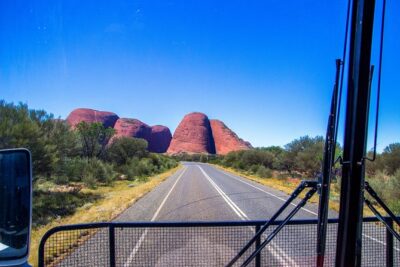
Ayers Rock Day Trip from Alice Springs Including BBQ Dinner
Read our review →
Uluru: Field of Light Sunrise Tour with Hot Drinks
Read our review →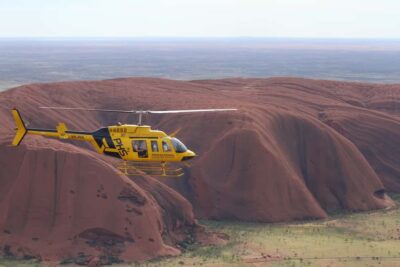
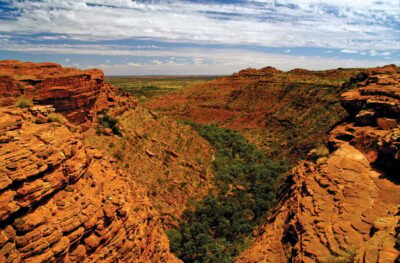
Kings Canyon: Full-Day Tour from Ayers Rock Resort
Read our review →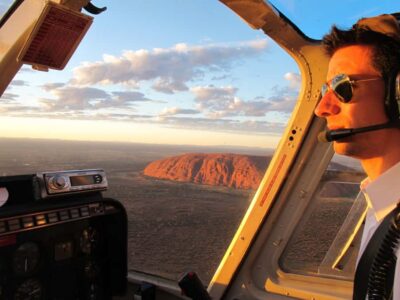
Yulara: Uluru & Kata Tjuta 25-Minute Helicopter Experience
Read our review →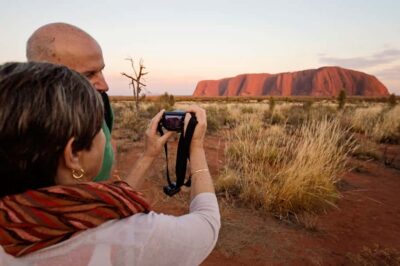
Yulara: Uluru Sunrise and Kata Tjuta Day Trip by Bus
Read our review →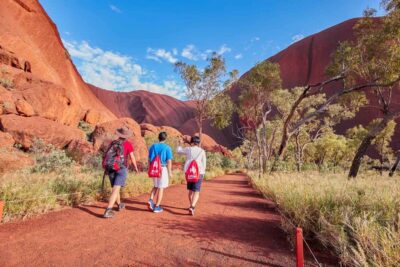
Uluru: Sacred Sites & Sunset Tour with Wine & Cheeseboard
Read our review →Browse the lists this tour appears in