
Reviewed · ULURU & RED CENTRE TOURS
4 Day Uluru Kings Canyon West MacDonnell NP from Alice Springs
Red Centre days begin before sunrise. This four-day trip links Uluru, Kata Tjuta, Kings Canyon, and the West MacDonnell Ranges in one well-planned circuit from Alice Springs. I like the broad mix of walks, Aboriginal cultural sites, red-rock scenery, and guided commentary. I also like that the tour includes meals, park passes, camping equipment, and transport in an air-conditioned 4×4 bus.
The catch is simple: this is a physical camping trip, not a soft sightseeing holiday. You may walk up to 10 to 12 kilometres in a day, rise around 4 am for some starts, help prepare meals and load the vehicle, and spend long hours on the road. At $791.84 per person, the price is fair for four days of transport, food, accommodation, guiding, and included park access, but you need to be comfortable with basic camp life.
In This Review
- Key things to know before booking
- The long red-road start from Alice Springs
- Uluru at sunrise, then the sacred waterholes
- Kata Tjuta and the Valley of the Winds
- Kings Canyon and the Watarrka rim
- West MacDonnell country on the final day
- Camping in safari tents or a traditional swag
- Meals, chores, and life in a small group
- What the $791.84 price really covers
- Heat, weather, fitness, and practical preparation
- Who will enjoy this four-day circuit
- Should you book it?
- FAQ
- Where does the tour start and finish?
- What time does the tour begin?
- How long does the tour last?
- What places are included?
- What sleeping choices are available?
- Are meals included?
- How much walking is involved?
- How large can the group be?
- Is the national park pass included?
Key things to know before booking
- Four major Red Centre sights in four days: Uluru, Kata Tjuta, Kings Canyon, and Tjoritja, or West MacDonnell National Park.
- Walking is a major part of the trip: Expect guided bush walks of up to 10 to 12 kilometres, with moderate to advanced fitness needed.
- You camp every night: Choose a twin-share safari tent with mattress, pillow, and linen, or sleep in a traditional canvas bush swag.
- The first and longest road day begins at 6 am: The route from Alice Springs to Uluru includes a stop at Mt Connor lookout and several hours on the road.
- Food and camp duties are shared: Four lunches, three dinners, and three breakfasts are included, while you help with dishes, meal preparation, and loading.
- The group can reach 21 people: That keeps the price down, but it may feel busy when one guide is driving, cooking, and leading walks.
The long red-road start from Alice Springs
Your pickup is at Stay at Alice Springs Hotel on Leichhardt Terrace at 6 am. That early start matters. The distance to Uluru is considerable, and the first day is built around reaching the national park while still leaving time for stops and sightseeing.
The route includes Mt Connor lookout, a useful first lesson in Red Centre geography. Mt Connor is often mistaken for Uluru, so this stop gives you a chance to see one of the other great red formations and understand why the region can confuse even sharp-eyed visitors. The stop is free, and it breaks up the long drive.
This is also the day when you learn how the tour works. The vehicle is an air-conditioned 4×4 off-road bus, which helps in a hot, dusty region and allows the group to use tracks beyond the main sealed routes. Still, air conditioning cannot erase the distance. A long first day, with hotel and airport pickups, was one of the less popular parts of the experience for some people.
I would use this day to settle into the group, watch the country change outside the windows, and save energy for the walks ahead. The trip is not designed for a leisurely first afternoon. You are trading some road time for the chance to see four major areas without arranging several separate tours.
A few more Alice Springs trips worth weighing up
- Uluru: 4-Day Rock to Rock Adventure Tour
★ 4.9 · 141 reviews - From Alice Springs/Yulara: 4-Day Red Centre 4WD Camping Tour
★ 4.6 · 68 reviews - 4 Day Wild Tasmania Tour / Wildlife, Nature, Hiking / Inc. Accom
★ 5.0 · 126 reviews
Uluru at sunrise, then the sacred waterholes
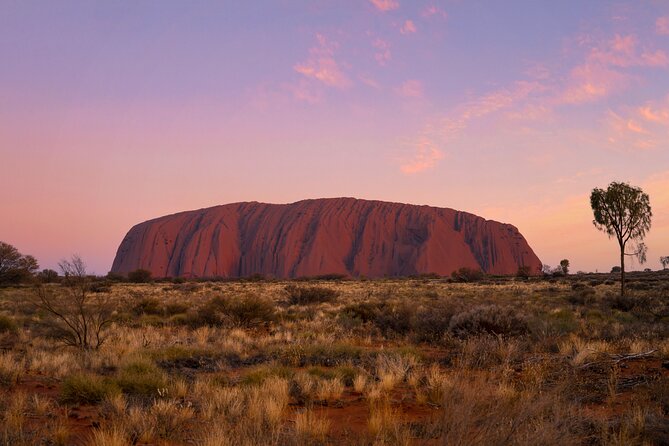
Day two begins early, with breakfast and sunrise over Uluru-Kata Tjuta National Park. Sunrise is one of the strongest reasons to accept the early schedule. The changing light brings out the red, orange, and purple tones of the rock, while the cooler morning air makes walking more comfortable than the middle of the day.
The day includes Uluru itself, with visits to Mutitjulu Waterhole, Kuniya Piti, and Kantju Gorge. These places show different sides of the monolith. You are not simply stopping for a photo from a distant lookout. The waterhole, gorge, and cultural sites help you read Uluru as a place with stories, water, wildlife, and spiritual meaning.
Your guide’s commentary is important here. Guides such as Damien, Adam, Alex, Jordan, Mitch, and Sheanna have been praised for clear explanations, personal stories, good organization, and care for the group. The quality of the guide can shape the entire trip, since the guide drives, explains the country, manages meals, watches the clock, and helps keep the walks safe.
The Uluru-Kata Tjuta National Park pass is included. That is useful both for cost and convenience, since you do not need to arrange separate access for this part of the route.
Take the cultural side seriously. Uluru is not only a striking rock formation. It is a significant place for Anangu people, and the sites named on this route are part of a living cultural setting. A good guide helps you notice more than color and scale.
Kata Tjuta and the Valley of the Winds
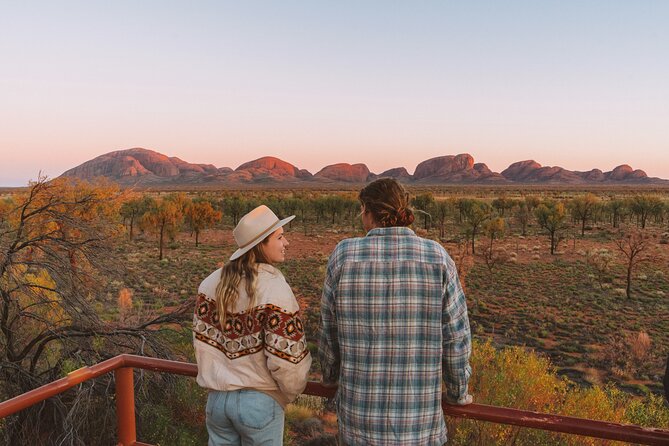
Kata Tjuta, also called the Olgas, receives a full stop on day two. Many people arrive expecting Uluru to be the only great sight and are surprised by how different Kata Tjuta feels. Its rounded domes form a more broken, enclosed setting, with walking routes that lead you into the folds of the rock.
The main walk is the Valley of the Winds, subject to conditions and your fitness level. It is one of the more demanding walks in the program, so do not treat it as a casual stroll. You need sturdy walking shoes, water, sun protection, and enough energy left after the morning at Uluru.
Walpa Gorge is also named as part of the tour’s Kata Tjuta highlights. The exact walk used can depend on conditions and the group, but both routes offer a closer look at the unusual rock walls and dry-country plant life. The value of having a guide here is that you can focus on the shapes, plants, and stories instead of trying to work out the route alone.
The heat is a real factor. One January departure required very early walks to avoid the worst of the day. Flies can also be irritating. A fly net, hat, sunscreen, and a refillable water bottle are sensible additions. Drinking water is carried on the bus, but you must bring your own bottle.
Kings Canyon and the Watarrka rim
Day three heads to Kings Canyon, or Watarrka, after an early start. You should expect another substantial road journey, followed by one of the trip’s main walks. The canyon is ancient, deeply cut, and visually different from both Uluru and Kata Tjuta.
The route enters country connected with the Ulpanyali and Lilla people. That cultural context gives the walk more weight than a simple scenic hike. You are seeing dramatic cliffs and formations, but you are also moving through a place with enduring Aboriginal connections.
The Kings Canyon rim walk requires proper preparation. Bring your water bottle, wear hiking shoes, and listen carefully to the guide’s instructions. The tour information calls for moderate to advanced fitness, and that wording should be taken seriously. Several people enjoyed the walk as a highlight, but others found the physical demands challenging.
This day shows the trade-off at the heart of the tour. You get to see a famous Red Centre sight without arranging accommodation, transfers, food, and park access yourself. In exchange, you follow the group’s early schedule and must be ready to walk when you arrive.
A completely different kind of day out in Alice Springs:
- From Alice Springs: Day Trip to Uluru with BBQ Dinner
★ 4.6 · 761 reviews - Ayers Rock Day Trip from Alice Springs Including BBQ Dinner
★ 4.5 · 639 reviews - Early Morning Ballooning in Alice Springs
★ 5.0 · 426 reviews - Alice Springs Camel Tour
★ 4.5 · 404 reviews
West MacDonnell country on the final day

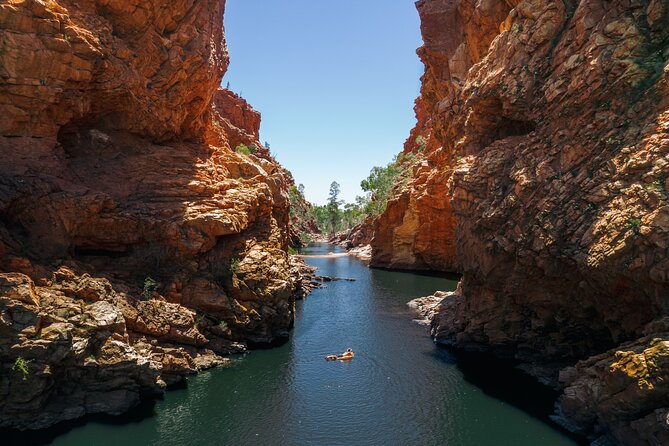
The fourth day shifts north toward Tjoritja, or West MacDonnell National Park. The scenery changes again, with red walls, rocky gorges, waterholes, and more varied formations. The main stops include Ormiston Gorge, Ochre Pits, Ellery Creek Big Hole, and Standley Chasm.
Ormiston Gorge is a strong example of why this final day earns its place. Its tall red walls frame a more enclosed setting, and you may find quiet moments to watch local wildlife. One especially memorable kind of stop here is simply sitting still and looking for black-footed rock wallabies or watching budgerigars pass through the gorge.
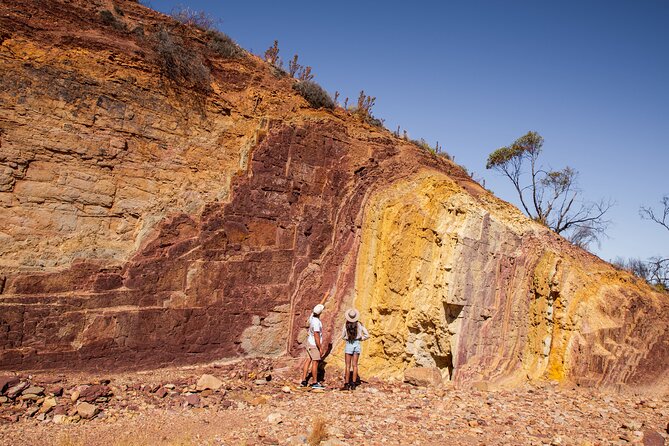
The Ochre Pits add a cultural and geological layer. The colored earth is not just attractive to photograph. Ochre has long had practical and ceremonial importance, so this stop rewards a guide who can explain the place with care.
Ellery Creek Big Hole offers a different mood again. Its name hints at the scale of the waterhole, but conditions and access can affect exactly how the stop feels. The program also includes a pass for Standley Chasm Gorge. Another national park admission is listed as not included for day four, so check the final cost details before booking if you are watching every dollar.
After four days of early starts, driving, walking, cooking, and camp tasks, the West MacDonnell section can feel like a final sweep of the region’s best contrasts. The tour ends back at the Alice Springs meeting point only. Do not plan a same-day departure unless you leave plenty of time.
Camping in safari tents or a traditional swag
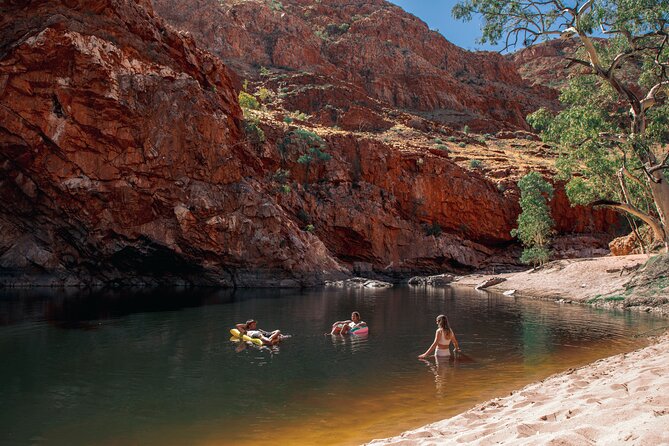
There are two sleeping choices. The safari tent option provides a mattress, pillow, and bed linen in a twin-share permanent tent. The swag option is more traditional, using a canvas-covered bedroll.
The safari tent is the safer choice if you want a little more structure and bedding. The swag is better for people who actively want an outdoor experience and do not mind sleeping closer to the ground. Ask about a sleeping bag when booking if you need to hire one.
Camping standards can vary by site. One camp had toilets some distance from the tents and a tent light that did not work well, making a 4 am pack-up harder. This is not a hotel-style camp, and you should bring a headlamp even if lighting is advertised.
The campsites are described as permanent outback camps, but comfort is still basic. The reward is the setting. Outdoor dinners, open skies, and clear night stars are part of the reason this trip feels different from a standard coach tour.
Meals, chores, and life in a small group
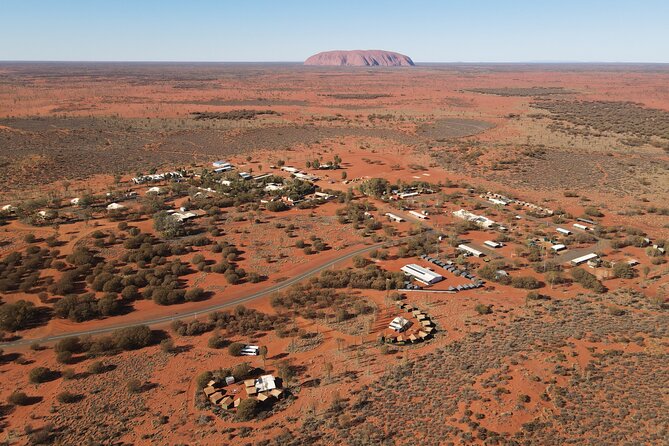
The tour includes four lunches, three dinners, and three breakfasts. The food is simple fare rather than restaurant dining, but it is designed to keep you moving through long days. Several guides have been praised for cooking, organization, and making meals work smoothly in camp.
You are expected to help. That means meal preparation, washing dishes, and unpacking or loading the vehicle. This may sound like an extra chore, but it also changes the tone of the group. Everyone contributes, then has more time to sit together after a long day.
The maximum group size is 21. That is still far more personal than a large sightseeing coach, but it is not an intimate private trip. One guide may be driving, cooking, organizing, and leading the walks, so delays or mixed fitness levels can affect the schedule.
The experience works best when you arrive ready to cooperate. If you expect staff to handle every bag, dish, and camp task, you may find the format tiring. If you enjoy a shared expedition, those duties become part of the fun.
What the $791.84 price really covers
At $791.84 per person, the tour is not the cheapest way to visit the Red Centre. The real question is what you would have to arrange separately.
The fee includes three nights of accommodation, transport from Alice Springs and back, an accredited driver-guide, the Uluru-Kata Tjuta National Park pass, the Standley Chasm pass, four lunches, three dinners, and three breakfasts. It also includes bedding in the safari tent option or a bush swag, plus drinking water on board.
That is a strong package for four days in a remote region. You avoid arranging multiple transfers between Alice Springs, Uluru, Kings Canyon, and the West MacDonnell area. You also get a guide who can explain the places and adjust the day to weather, road conditions, and group ability.
The value is weaker if you dislike shared rooms, basic camps, early starts, or group chores. Personal expenses and any meals not listed are extra. You also need to provide your own water bottle and bring suitable walking gear.
Heat, weather, fitness, and practical preparation
This trip asks more of you than the word sightseeing may suggest. Walks can total up to 10 to 12 kilometres, and the tour requires moderate to advanced fitness. A medical certificate is required for people over 75, supplied 30 days before travel, and you must disclose known medical conditions at booking.
Weather can change the plan. Heavy rain once caused flooding on trails and dirt roads, which created difficult conditions for the guide and group. The Red Centre is often dry and hot, but you should accept that the outback can produce surprises.
Pack for function:
- Sturdy walking shoes
- A refillable water bottle
- Sun protection and a hat
- A headlamp for early camp starts
- Clothing suitable for heat and cool mornings
- A sleeping bag if you are not hiring one
- Personal items and cash for expenses not covered
The air-conditioned bus helps during hot drives, and regular stops may be made for toilets and stretching. Even so, one road section can take about five hours, and the first day may run close to 12 hours.
Who will enjoy this four-day circuit
I would choose this tour if you have limited time in Central Australia and want the major sights tied together. It suits active visitors who prefer a guided plan, do not want to rent a vehicle, and like the idea of sleeping outdoors.
It is also a good fit if you value interpretation. The best guides bring the rock formations, Aboriginal connections, plants, animals, and travel stories into focus. Names such as Damien, Alex, Mitch, Jordan, Adam, and Sheanna have been associated with strong driving, cooking, organization, humor, safety awareness, and clear explanations.
I would think twice if you need private rooms, quiet mornings, flexible meal times, or an easy walking schedule. Mixed-age groups can have different speeds, and a group of up to 21 may not move at exactly your preferred pace.
Should you book it?
Book this tour if you want maximum Red Centre coverage in four days, can manage long drives and substantial walks, and see camping as part of the experience rather than an inconvenience. The combination of Uluru, Kata Tjuta, Kings Canyon, and the West MacDonnell Ranges is the main strength, with food, transport, passes, and camp equipment already arranged.
Skip it if you want a relaxed resort-style visit or cannot comfortably handle early starts and shared duties. Before paying, choose your sleeping option, ask about a sleeping bag if needed, tell the operator about medical conditions, and confirm that your accommodation is in Alice Springs for the 6 am pickup. You can cancel for a full refund at least six full days before departure, with reduced refunds applying closer to the start date.
FAQ
Where does the tour start and finish?
It starts and finishes at Stay at Alice Springs Hotel, 11 Leichhardt Terrace, Alice Springs. The tour ends back at this meeting point only.
What time does the tour begin?
Pickup begins at 6 am on the first day.
How long does the tour last?
The experience lasts approximately four days and includes three nights at permanent outback campsites.
What places are included?
The route includes Uluru, Kata Tjuta, Kings Canyon, and Tjoritja, or West MacDonnell National Park. Stops include Mt Connor lookout, Mutitjulu Waterhole, Kuniya Piti, Kantju Gorge, the Valley of the Winds or Walpa Gorge, Ormiston Gorge, the Ochre Pits, Ellery Creek Big Hole, and Standley Chasm.
What sleeping choices are available?
You can choose a twin-share safari tent with a mattress, pillow, and bed linen, or a traditional canvas-covered bush swag.
Are meals included?
Four lunches, three dinners, and three breakfasts are included. Any meal not specified in the tour program, along with personal expenses, is not included.
How much walking is involved?
Guided bush walks can total up to 10 to 12 kilometres, depending on the route and your fitness level. A moderate to advanced level of fitness is required.
How large can the group be?
The tour can have a maximum of 21 travelers.
Is the national park pass included?
The Uluru-Kata Tjuta National Park pass and Standley Chasm Gorge pass are included. Admission for the West MacDonnell National Park stop is listed as not included.
Just added around Alice Springs
- Alice Springs to Uluru (Ayers Rock) Coach Transfer★ 4.5 · 39 reviews
- From Alice Springs/Yulara: 2 Day Uluru Kata Tjuta Rock Tour★ 4.7 · 41 reviews
- From Alice Springs: West MacDonnell Ranges Half Day Trip★ 4.4 · 44 reviews
- Alice Springs Desert Park Nocturnal Tour★ 5.0 · 45 reviews
- Alice Springs: West MacDonnell Ranges & Standley Chasm Tour★ 4.8 · 59 reviews
- West MacDonnell Ranges & Standley Chasm Day Trip from Alice Springs★ 5.0 · 67 reviews
- From Alice Springs/Yulara: 4-Day Red Centre 4WD Camping Tour★ 4.6 · 68 reviews
- 3 Day Red Centre Kata Tjuta Kings Canyon Outback ex.Alice Springs★ 5.0 · 69 reviews
Uluru & Red Centre Tours, compared.
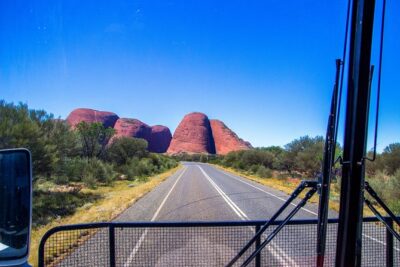
Ayers Rock Day Trip from Alice Springs Including BBQ Dinner
Read our review →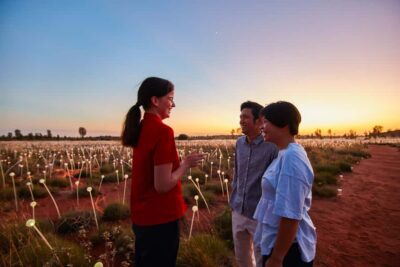
Uluru: Field of Light Sunrise Tour with Hot Drinks
Read our review →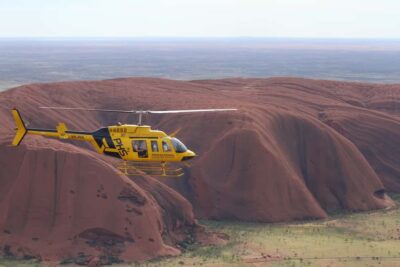
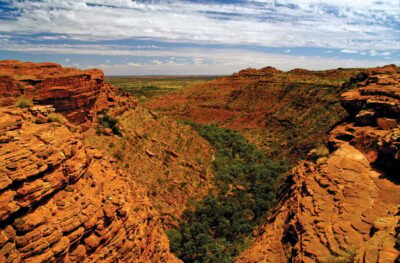
Kings Canyon: Full-Day Tour from Ayers Rock Resort
Read our review →
Yulara: Uluru & Kata Tjuta 25-Minute Helicopter Experience
Read our review →
Yulara: Uluru Sunrise and Kata Tjuta Day Trip by Bus
Read our review →
Uluru: Sacred Sites & Sunset Tour with Wine & Cheeseboard
Read our review →Browse the lists this tour appears in