
Reviewed · ULURU & RED CENTRE TOURS
3 Day Red Centre Kata Tjuta Kings Canyon Outback ex.Alice Springs
Three days can hold a lot. This active Red Centre trip links Uluru, Kata Tjuta, and Kings Canyon with guided walks, campfires, and two nights outdoors, making it a practical way to see Australia’s best-known Outback sights from Alice Springs. I like the included meals, national park pass, bedding, and drinking water, and I also like the choice between a safari tent and a traditional swag beneath the stars. The tradeoff is simple: this is a very full, physical trip, with early starts, long touring days, and walks of about 6 to 8 kilometres.
The tour earns a strong 4.8 rating from 69 reviews, with 94 percent recommending it. Guides such as Ben, Jemima, Jenn, Josie, Lea, Donk, and Ash receive especially warm praise for their care, local knowledge, and good humour. You should also be ready to help with meals, clean up, and loading gear, since the group shares some camp duties.
In This Review
- Key points to know before booking
- Why this three-day route works
- Day one: Alice Springs to Uluru with a stop at Mount Connor
- Day two: sunrise at Uluru and the shapes of Kata Tjuta
- Day three: the Kings Canyon Rim Walk
- Camping, food, and the shared camp routine
- What $570.93 buys you
- Guides can shape the whole trip
- Who should book this Red Centre trip?
- Should you book it?
- FAQ
- Where does the tour start?
- How long does the tour last?
- Where can the tour end?
- Is the Uluru-Kata Tjuta National Park pass included?
- What type of accommodation is provided?
- Do I need to bring or hire a sleeping bag?
Key points to know before booking
- Uluru, Kata Tjuta, and Kings Canyon in three days: You cover the Red Centre’s major natural sights without arranging separate transfers or camps.
- Sunrise and sunset are built into the plan: The schedule uses the best light of the day, but that means a pre-dawn wake-up and long hours on the road.
- Two kinds of Outback sleeping: Choose a safari tent with mattress, pillow, and linen, or a traditional swag for sleeping under the stars.
- The price covers the essentials: At $570.93 per person, you receive meals, drinking water, park entry, a guide, campsites, and bedding.
- Walking is a major part of the trip: A moderate to advanced level of fitness is required, especially for the Kings Canyon Rim Walk.
- The group can reach up to 23 people: That is large enough for a social camp atmosphere, while still allowing the guide to manage the days efficiently.
Why this three-day route works
The Red Centre is vast. Uluru, Kata Tjuta, and Kings Canyon are not quick side trips from Alice Springs, so independent visitors need to plan fuel, accommodation, park access, and long stretches of driving. This tour packages the main pieces into one route and gives you a guide to explain what you are seeing along the way.
That convenience matters most if you have only a few days. You are not simply driven to a rock, given ten minutes for a photo, and sent back. The schedule includes bush walks, sunrise and sunset viewing, Aboriginal cultural information, campfires, and time in two national parks.
The days are listed at roughly 12 hours each. That tells you something important about the pace. You will spend a good deal of time moving between places, but the long days are what allow the tour to include so much from Alice Springs.
The tour has a maximum of 23 people, though one group described a smaller party of 15 people from more than six countries and a wide age range. That kind of mix can make the camp feel social and friendly. It also means you will need patience when loading gear, preparing food, and keeping to departure times.
More 4WD adventures:
- From Alice Springs/Yulara: 4-Day Red Centre 4WD Camping Tour
★ 4.6 · 68 reviews - From Cairns: Daintree Rainforest & Cape Tribulation 4WD Tour
★ 4.6 · 1,521 reviews - Gold Coast: Australian Outback Spectacular Dinner & Show
★ 4.6 · 974 reviews
Day one: Alice Springs to Uluru with a stop at Mount Connor
The start time is 6:00 am from the Alice Springs Hotel at 11 Leichhardt Terrace. That early departure is not just a formality. You need the first day to reach Uluru, stop at Mount Connor, and settle into camp while still allowing time for an Outback sunset.
Mount Connor is often called False Uluru. The short stop gives you a scenic view and helps you appreciate how easily the Red Centre’s huge sandstone forms can be confused from a distance. It is a useful first lesson in the scale of the region, where one striking rock is followed by another far beyond it.
The main goal is Uluru, the red monolith that anchors this part of Central Australia. The tour includes entry to Uluru-Kata Tjuta National Park, so you do not need to arrange that separately. You also receive commentary from an accredited Outback driver guide, with Aboriginal culture included as part of the wider visit.
That cultural element is important. Uluru is not only a famous Australian image. A good explanation helps you understand why the place matters to Aboriginal communities and why respectful behavior is expected. The exact depth of the commentary depends on your guide, but the tour’s guides are repeatedly praised for their information, care, and enthusiasm.
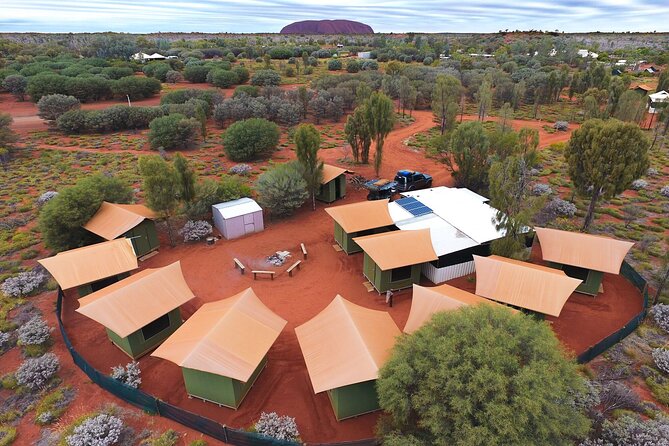
The first night is at a permanent Outback campsite near Uluru. Dinner is included, and the campfire becomes part of the evening rather than an optional extra. You may be sleeping in a safari tent, or you may use a traditional bush swag. The choice changes the feel of the night, so consider it carefully.
The safari tent option includes a mattress, pillow, and bed linen. It is the more familiar choice and suits you if you want protection from the elements and a proper bed setup. The swag option is more basic, but it gives you the classic Outback camping experience of lying outside beneath the stars.
A sleeping bag is not included. You can hire one for A$40, including cleaning costs, or bring your own if suitable. Toiletries and a headlamp are useful additions, especially for moving around camp after dark. One person specifically advised bringing both, and that is practical advice for any night outdoors.
Day two: sunrise at Uluru and the shapes of Kata Tjuta
Day two begins before dawn. You rise early to see sunrise at Uluru-Kata Tjuta National Park, when the changing light brings out the red and orange tones of the rock. It is a memorable part of the itinerary, but it is also where the tour’s demanding pace becomes clear.
If you are not naturally cheerful before sunrise, prepare yourself the night before. Keep your clothes, shoes, water bottle, and headlamp ready. The reward is not only the view, but the quiet atmosphere before the heat and activity of the day build.
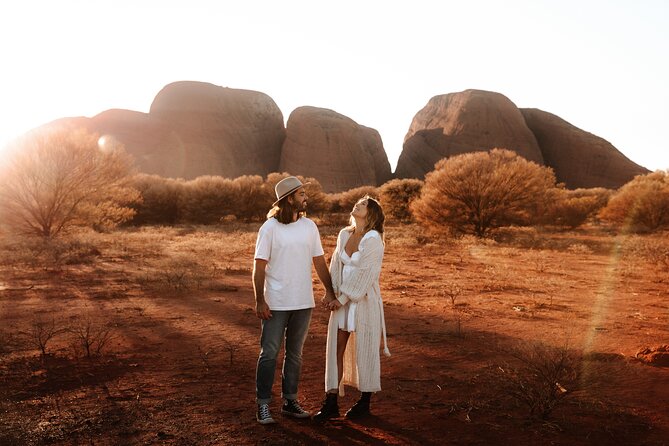
You then continue to Kata Tjuta, also known as the Olgas. These rounded domes have a different character from Uluru. Instead of one massive monolith, you see a group of steep formations with folds, gaps, and changing angles as you walk among them.
The guided bush walk here is one of the strongest parts of the tour. You are not limited to a distant lookout. You move through the national park on foot, with the guide discussing the plants, animals, and Outback environment. Jenn and Josie were praised for explaining the sights as well as local plants and animals, while Jemima, known as Jem, was singled out for her knowledge of Alice Springs and Outback survival.
The walking distance across the trip is about 6 to 8 kilometres, depending on the route and your fitness level. That distance may sound modest, but heat, uneven ground, early starts, and the physical nature of the walks make it more demanding than a city stroll. The tour asks for moderate to advanced fitness, and it is best to take that warning seriously.
You need your own refillable bottle. Drinking water is carried onboard, but you must provide the bottle. Bring practical walking clothes, a hat, sunscreen, sturdy footwear, and something warm for the early morning. These details are more important here than fashionable packing.
Meals on day two include breakfast, lunch, and dinner. Across the whole tour, the included food consists of two breakfasts, three lunches, and two dinners. You are asked to help prepare meals, clean up, and load or unload the vehicle. That shared work can feel like part of the adventure, but it may surprise you if you expect a fully serviced holiday.
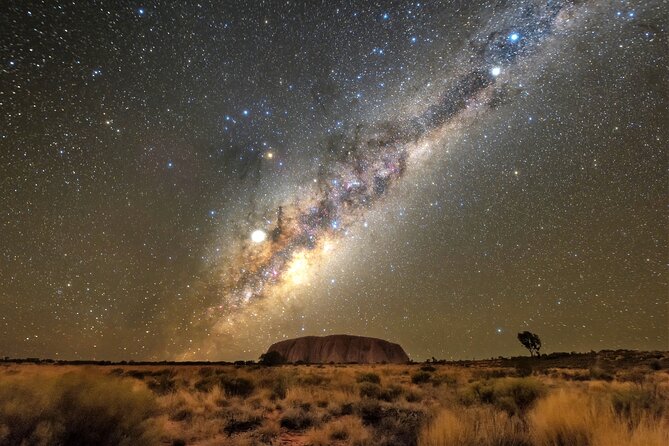
The second night is at a permanent campsite in the Kings Canyon area. Many people enjoy the contrast between the two sleeping options, with one night in a safari tent and another beneath the stars in a swag. Clear skies and a lack of light pollution can make the campfire and night sky one of the trip’s strongest memories.
Day three: the Kings Canyon Rim Walk
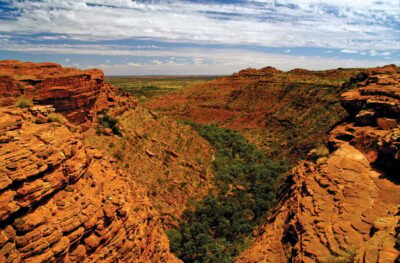
The final day begins early again, this time with Kings Canyon as the main event. Located in Watarrka National Park, the canyon is known for dramatic cliffs, sandstone formations, and drops of about 100 metres. It gives the trip a powerful finish after the broad forms of Uluru and Kata Tjuta.
The Kings Canyon Rim Walk is described as the tour’s key walk. It is also the part that most clearly requires strength and steady footing. You should expect an active outing rather than a gentle viewpoint visit, and the tour’s moderate to advanced fitness requirement is especially relevant here.
The reward is a close view of the canyon’s walls and sandstone shapes. The route allows you to see the scale of the cliffs from above and to experience the changing forms at walking speed. A guide can also help you notice details you might miss when taking photographs alone.
Because this is the last day of a three-day trip, tiredness is part of the equation. You may have already walked at Kata Tjuta, slept outdoors, and spent long hours travelling. Good shoes, enough water, and a realistic attitude will make the Rim Walk much more enjoyable.
The tour ends after the Kings Canyon portion, with drop-off in either Alice Springs or Uluru, also called Ayers Rock or Yulara, depending on shuttle availability. You must confirm your preferred ending when booking. This flexibility can be useful if you are continuing to an Uluru-area hotel, but do not assume both drop-off options operate every day.
A few more Alice Springs trips worth weighing up
- Dingos 3 Day K’Gari (Fraser Island) 4WD Tag-Along Tour
★ 5.0 · 939 reviews - Rainbow Beach: 3-Day K’gari (Fraser Island) 4WD Adventure
★ 4.8 · 635 reviews - Uluru Kata Tjuta & Kings Canyon 3-Day 2-Night Camping Tour
★ 4.7 · 183 reviews - Margaret River 3 Day Escape
★ 5.0 · 182 reviews
Camping, food, and the shared camp routine
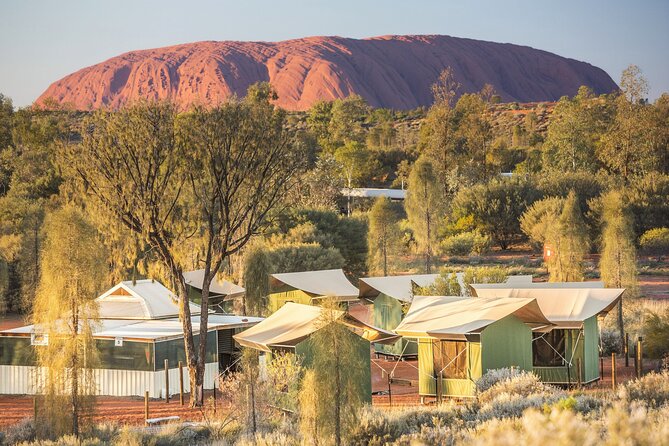
Camping is not a side note on this tour. It shapes the trip. You spend two nights at permanent Outback campsites, with a choice between a safari tent and a swag. That gives you more comfort than a fully improvised bush camp, while keeping the evenings connected to the outdoors.
The safari tent option includes a mattress, pillow, and linen. The swag option is the more traditional choice and lets you sleep under the stars. A hired sleeping bag costs A$40 per person, and you should request it when booking if you need one.
The campfire atmosphere receives some of the strongest praise. It is where the day’s walks turn into shared stories, and where a group of strangers can start to feel like a road-trip crew. One group described forming lifelong friendships, which makes sense when people are walking, eating, and working together for three full days.
Food is included, but the tour is not a restaurant tour. You receive the listed breakfasts, lunches, and dinners, while any meal not shown in the itinerary is your responsibility. Dietary requirements must be provided at booking because supplies are limited once the group leaves Alice Springs.
Helping with food preparation and clean up is part of the arrangement. I see this as a fair trade for the price, and it often adds to the group spirit. Still, if you want every meal served to you, this is not the right style of trip.
What $570.93 buys you
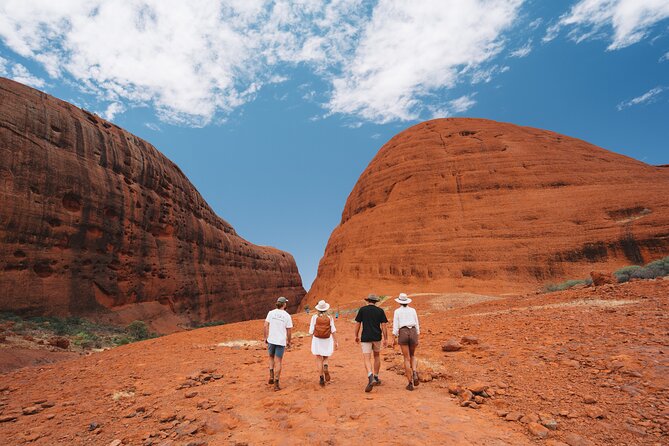
At $570.93 per person, the tour offers solid value if you use the included elements. The price covers two nights of permanent campsite accommodation, the Uluru-Kata Tjuta National Park pass, a driver guide, guided bush walks, meals, drinking water, and bedding according to your chosen sleeping arrangement.
The park pass alone removes one planning task. So do the campsites, food shopping, and transport between Alice Springs, Uluru, Kata Tjuta, and Kings Canyon. You are also paying for local commentary and the practical support of a guide in a remote region.
The value is strongest for visitors who want to see all three major sights in a short window. Booking every piece independently can take more time and may not produce a cheaper result once transport, park entry, food, and accommodation are added.
The price does not cover personal expenses, travel insurance, or meals outside those listed. Sleeping bags cost an additional A$40 if hired. The trip is best understood as an active camping package, not a luxury sightseeing transfer.
Guides can shape the whole trip
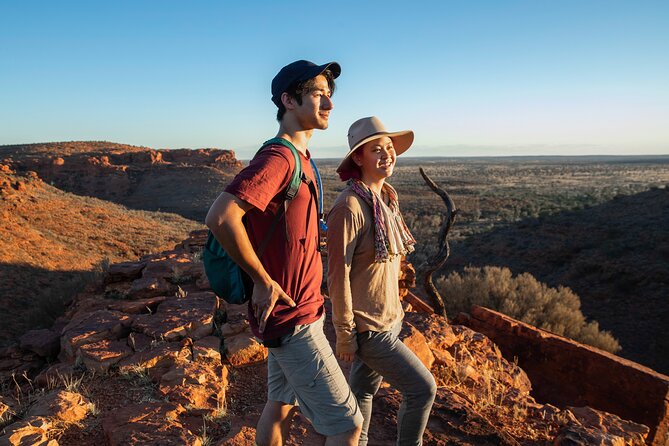
The guide is central to this experience. You spend long hours together, rely on the guide for timing and safety, and receive much of your cultural and natural interpretation from that person.
Ben is praised for being professional, organized, and friendly. Lea receives similar praise for a well-run trip and a warm manner. Jemima, or Jem, is noted for her knowledge of Alice Springs, Outback survival, and care for the people in her group.
Donk is remembered for creating a fun group atmosphere, while Jenn and Josie are praised for explaining plants, animals, and the sights. Ash is described as helping people feel safe and comfortable. These are useful names to know, but your own guide will depend on the departure.
The common thread is not a scripted performance. It is the difference a calm, capable person makes when a group is tired, the weather is hot, or a walk feels tougher than expected. You should expect the guide to handle commentary, timing, and practical camp coordination, while still asking you to take part in the daily chores.
Who should book this Red Centre trip?
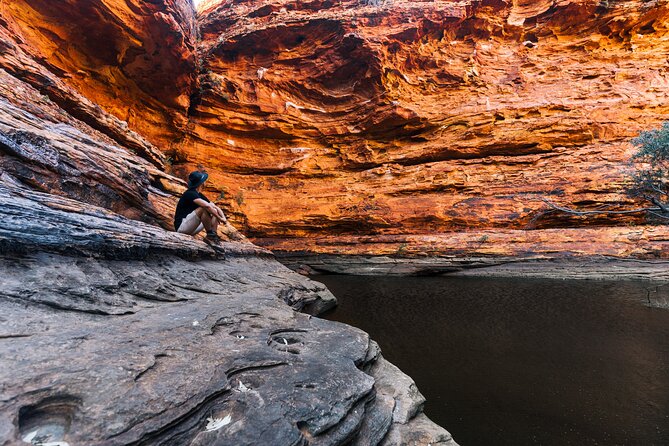
I would choose this tour if you want the main sights in a short time and enjoy active travel. It suits solo visitors, couples, and friends who like meeting people, walking outdoors, and sharing a campfire rather than staying in hotels each night.
It is also a good fit if you are travelling without your own vehicle. The distances around Central Australia are large, and having one organized route removes much of the stress of planning fuel, meals, campsites, and park access.
Families and mixed-age groups can take part, but fitness matters more than age. One group included people from age 9 to 66, though the tour still requires moderate to advanced fitness. Anyone with a medical condition should tell the operator at booking, and people over 75 need a doctor’s certificate issued within 30 days before travel.
This is not ideal if you dislike early mornings, shared chores, basic camping, or long active days. You should also think carefully before booking if you need a slow schedule or a guaranteed hotel-style bed.
Dietary needs can usually be considered when advised early, but remote travel limits what can be sourced after departure. Travel insurance is strongly recommended, and cancellation becomes more costly close to the start date, so check the terms before paying.
Should you book it?
Book this tour if your priority is seeing the Red Centre’s big three sights efficiently, with meals, park entry, camping, and guidance handled in one package. The combination of Uluru at sunrise and sunset, a proper walk at Kata Tjuta, the Kings Canyon Rim Walk, and nights around a fire gives you far more than a quick photo stop.
Skip it if you want comfort, privacy, or an easy pace. For an active visitor who accepts shared camp duties and long days, $570.93 is a reasonable price for the amount of ground covered. Bring a water bottle, headlamp, toiletries, warm early-morning layers, good walking shoes, and a willingness to help out. That preparation will let you enjoy the Outback rather than spend the trip wishing you had packed better.
FAQ
Where does the tour start?
The tour starts at 6:00 am from the Alice Springs Hotel, 11 Leichhardt Terrace, Alice Springs.
How long does the tour last?
The tour lasts approximately three days. Each listed day is scheduled for about 12 hours.
Where can the tour end?
The tour ends in Alice Springs, with drop-off at Uluru, Ayers Rock, or Yulara available on select days depending on shuttle availability. Confirm your preferred drop-off when booking.
Is the Uluru-Kata Tjuta National Park pass included?
Yes. The national park pass is included in the tour price.
What type of accommodation is provided?
You receive two nights at permanent Outback campsites near Uluru and Kings Canyon. You can choose a safari tent with mattress, pillow, and bed linen, or a traditional bush swag.
Do I need to bring or hire a sleeping bag?
A sleeping bag is not included. You can bring your own or hire one from the operator for A$40 per person, including cleaning costs.
Just added around Alice Springs
- Alice Springs to Uluru (Ayers Rock) Coach Transfer★ 4.5 · 39 reviews
- From Alice Springs/Yulara: 2 Day Uluru Kata Tjuta Rock Tour★ 4.7 · 41 reviews
- From Alice Springs: West MacDonnell Ranges Half Day Trip★ 4.4 · 44 reviews
- Alice Springs Desert Park Nocturnal Tour★ 5.0 · 45 reviews
- 4 Day Uluru Kings Canyon West MacDonnell NP from Alice Springs★ 4.5 · 59 reviews
- Alice Springs: West MacDonnell Ranges & Standley Chasm Tour★ 4.8 · 59 reviews
- West MacDonnell Ranges & Standley Chasm Day Trip from Alice Springs★ 5.0 · 67 reviews
- From Alice Springs/Yulara: 4-Day Red Centre 4WD Camping Tour★ 4.6 · 68 reviews
Uluru & Red Centre Tours, compared.
Ayers Rock Day Trip from Alice Springs Including BBQ Dinner
Read our review →
Uluru: Field of Light Sunrise Tour with Hot Drinks
Read our review →
Kings Canyon: Full-Day Tour from Ayers Rock Resort
Read our review →
Yulara: Uluru & Kata Tjuta 25-Minute Helicopter Experience
Read our review →
Yulara: Uluru Sunrise and Kata Tjuta Day Trip by Bus
Read our review →
Uluru: Sacred Sites & Sunset Tour with Wine & Cheeseboard
Read our review →Browse the lists this tour appears in