
Reviewed · ULURU & RED CENTRE TOURS
From Alice Springs/Yulara: 4-Day Red Centre 4WD Camping Tour
Four days turns Uluru into a full story. This 4WD camping tour links Uluru, Kata Tjuta, Kings Canyon, and the West MacDonnell Ranges without reducing the Red Centre to a quick photo stop. I like the mix of major sights and quieter outback roads, and I especially like that the guides, including Mikki, Lorrie, Damian, Shearna, and Adam, bring local stories, geology, Aboriginal culture, and practical care to the long days.
You should know what you are signing up for. The 12 to 15 kilometres of walking can include steep, rocky ground, strong sun, heat, and humidity, while the camps are comfortable but still proper outdoor accommodation with dirt, flies, and campfires. If you want a soft hotel bed and short walks, this is not your tour. If you want to see the Red Centre by road, on foot, and under the stars, it offers excellent value at $830 per person.
In This Review
- Key points before you book
- Why four days works better than a quick Uluru visit
- Day 1: Mt Connor, Uluru rock art, and a sunset at camp
- Day 2: Sunrise at Uluru and the huge formations of Kata Tjuta
- Day 3: Kings Canyon rim views and the Mereenie Loop
- Day 4: Standley Chasm, Ellery Creek, and the road back to Alice Springs
- Camping, meals, and the practical side of the trip
- Is $830 good value for four days?
- Who should book this Red Centre tour?
- Should you book it?
- FAQ
- How long is the tour?
- Where does the tour start and finish?
- What major places does the tour visit?
- How much walking is involved?
- Is camping equipment included?
- Are meals included?
- Is the tour suitable for children?
- Is the tour suitable for people with mobility limitations?
Key points before you book
- Uluru gets proper time: You walk to Mutitjulu Waterhole, Kuniya Piti, Kantju Gorge, and ancient rock art sites rather than simply stopping for a photograph.
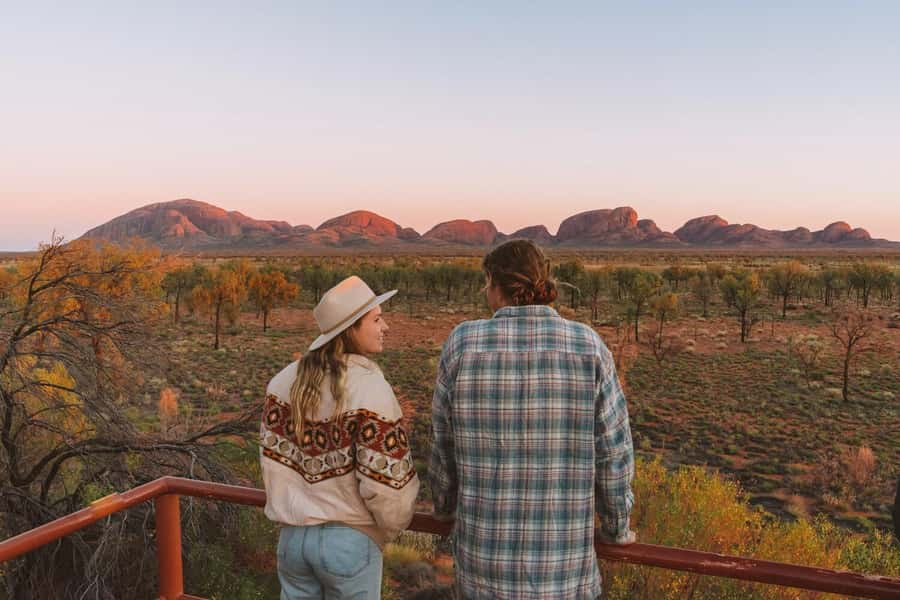
- Kata Tjuta gives you a choice: The Valley of the Winds or Walpa Gorge provides a rewarding walk among huge conglomerate formations.
- Kings Canyon is a major walking day: Expect towering cliffs, sandstone chasms, and broad views in Watarrka National Park.
- The Mereenie Loop adds adventure: The route toward the West MacDonnell Ranges takes you away from the most direct highway journey.
- Camping is part of the appeal: Safari-style tented camps, bush swags, campfires, and shared meals make this feel like an outback trip, not a sightseeing shuttle.
- Your guide matters: Calm, upbeat guides handled changing plans, a flat tire, mud, water, and road conditions with good humor and care.
Why four days works better than a quick Uluru visit
Uluru is often treated as a single destination, but the Red Centre is far larger than one red monolith. This trip gives you time to see how the rock, desert, ranges, waterholes, Aboriginal stories, and changing light fit together.
The route begins from Alice Springs or Yulara and finishes in Alice Springs. That makes it useful if you are arranging a one-way visit to Uluru before continuing through Central Australia, though the pick-up and drop-off rules require careful planning. Those joining at Ayers Rock Airport meet the group after lunch, so you need to eat before joining.
The air-conditioned small group mini-coach is important. Roads and walks can be tiring in this part of Australia, so having a cool place to rest between stops makes the four-day schedule more manageable. This is not a luxury vehicle, but it gives you a practical balance between comfort and access to rougher outback routes.
More 4WD adventures:
- 3 Day Red Centre Kata Tjuta Kings Canyon Outback ex.Alice Springs
★ 5.0 · 69 reviews - From Cairns: Daintree Rainforest & Cape Tribulation 4WD Tour
★ 4.6 · 1,521 reviews - Gold Coast: Australian Outback Spectacular Dinner & Show
★ 4.6 · 974 reviews
Day 1: Mt Connor, Uluru rock art, and a sunset at camp
The first day covers a lot of ground. Leaving Alice Springs, you head south toward Uluru, with a stop at Mt Connor, often called false Uluru. It is a useful first lesson in Red Centre scale: the region contains several enormous red formations, and Uluru is only one part of a much bigger geological story.
Curtin Springs provides a toilet stop before lunch at camp. If you are joining from Ayers Rock Airport, bring or buy lunch before meeting the group, since airport arrivals join after the main lunch stop.
After lunch, the group visits the Aboriginal interpretive centre in Uluru-Kata Tjuta National Park. This gives the sights cultural and environmental context before you walk among them. The park is important for its geology and plants, but the connection to Aboriginal culture is central, not an optional extra.
The walk around Uluru begins with the enormous scale of the rock. Rather than rushing around the entire base, the route heads toward Kuniya Piti and continues to Mutitjulu Waterhole. This area brings together rock walls, water, family caves, and sacred places.
You see Aboriginal rock art sites in caves, an elders’ cave, and what the guide describes as the world’s oldest pantry. You also learn about Central Australia’s highest waterfall, which is most impressive after rain. In a dry region, water has enormous meaning, and Mutitjulu Waterhole helps you understand why this place carries such importance.
The day ends with panoramic sunset views before dinner at camp. Sunset is a fine reward after the walking, but do not expect a private viewing platform or a polished resort setting. The pleasure comes from being outdoors, sharing a meal, and watching the colour change across the rock.
Day 2: Sunrise at Uluru and the huge formations of Kata Tjuta
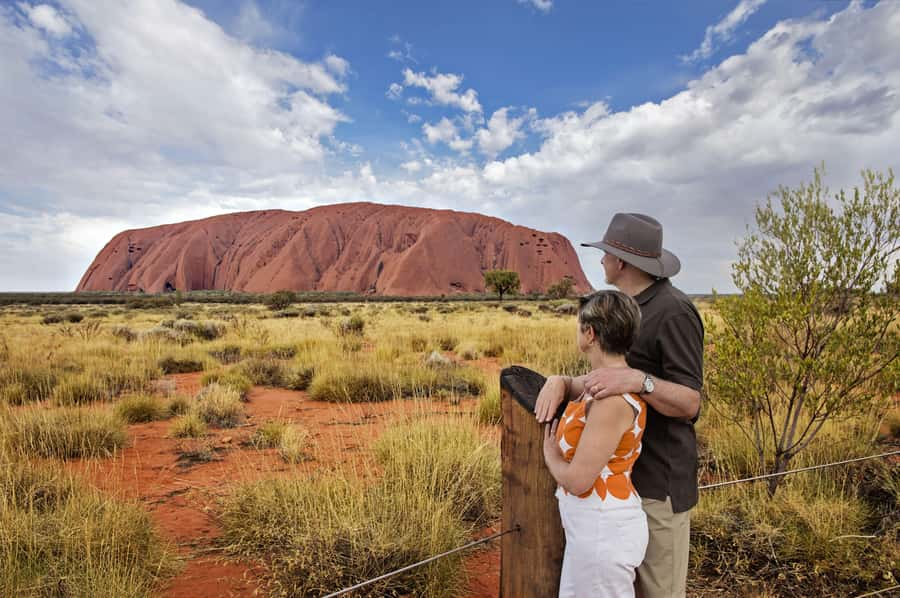
Day two begins early with a light breakfast and sunrise in Uluru-Kata Tjuta National Park. Early starts are not a minor detail here. They help you walk before the worst heat, and they place you outside during the best light.
Kata Tjuta, also called the Olgas, changes the mood of the trip. Uluru is a single massive form. Kata Tjuta is a group of enormous rounded domes made from conglomerate rock, with paths that lead into narrow and dramatic spaces.
You walk either through the Valley of the Winds or Walpa Gorge, depending on conditions and the route selected by your guide. The Valley of the Winds is the bigger challenge, while Walpa Gorge can provide a shorter option. You should still expect uneven ground and direct sun.
This is one of the tour’s strongest features because you are not simply looking at Kata Tjuta from a roadside platform. You move through the formations and see how the rock changes as you gain height or enter the gorge. Guides such as Mikki and Shearna have been praised for combining enthusiasm with useful information, which matters when you are walking in heat and need to understand both the place and the safety advice.
After Kata Tjuta, the coach continues toward the Kings Canyon region. The timing allows for an outback sunset before dinner around the campfire. Meals are part of the social rhythm here. You help with the evening routine, eat together, and get a more direct sense of remote camping than you would from a hotel-based coach tour.
Day 3: Kings Canyon rim views and the Mereenie Loop
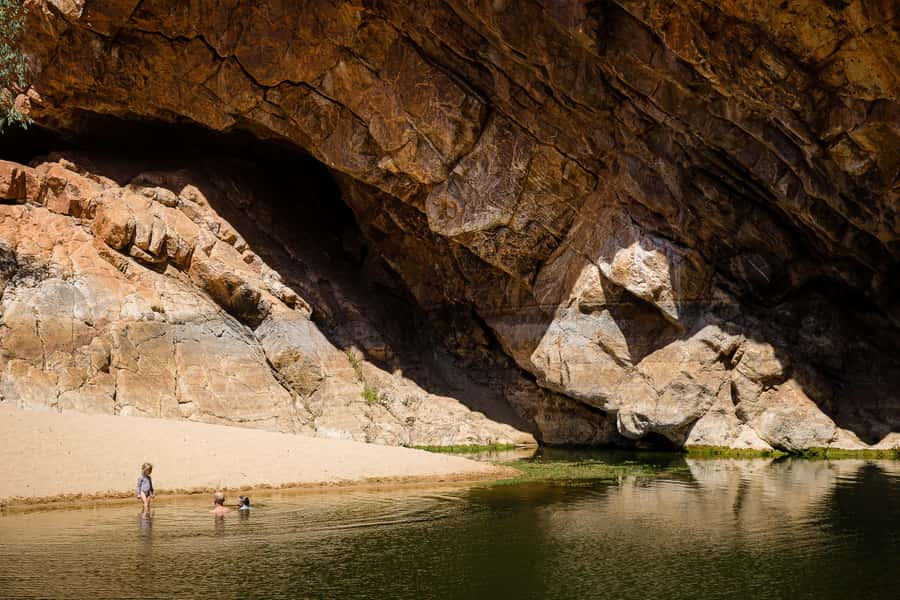
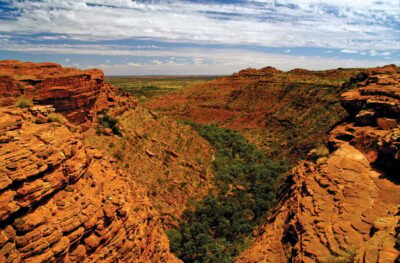
Kings Canyon is the physical centrepiece for many people. In Watarrka National Park, the canyon has cliff faces reaching around 100 metres, sandstone walls, narrow chasms, and broad views across the surrounding country.
The walk explores the canyon on foot, with the exact route shaped by seasonal conditions and your guide’s safety judgment. The tour is designed for people with a medium to high level of fitness, so you should not assume the canyon walk is a gentle stroll. Rocky surfaces, steep sections, heat, and exposed ground are all part of the day.
The rim walk rewards effort with changing views from above the canyon. At ground level, the sandstone walls and chasms feel close and dramatic. You get a better sense of the area’s structure by walking it rather than viewing it from one lookout.
This is also the day when conditions may affect the plan. The route back north uses the Mereenie Loop Tourist Drive, an off-the-main-route section that adds a genuine 4WD element. Rain can close roads, and the tour has sometimes involved mud, water, and getting bogged. That sounds alarming if you expect a tightly controlled sightseeing schedule, but it is part of the appeal for people who want an outback road trip.
The guides’ handling of such problems is important. Mikki has been praised for staying calm during wet conditions, while Lorrie dealt well with a flat tire. Those moments can turn into long delays on a poorly managed trip. Here, the guide’s attitude helps keep the group relaxed, but you should still accept that remote travel involves changes.
The day finishes in the West MacDonnell Ranges with stargazing. Away from city lights, the night sky becomes one of the trip’s quiet rewards. Bring warm layers if you are visiting in cooler months, since desert nights can feel very different from sunny days. The tour information does not promise a formal astronomy session every night, but the setting gives you a good chance to appreciate the stars.
A few more Alice Springs trips worth weighing up
- Uluru: 4-Day Rock to Rock Adventure Tour
★ 4.9 · 141 reviews - 4 Day Uluru Kings Canyon West MacDonnell NP from Alice Springs
★ 4.5 · 59 reviews - 4 Day Wild Tasmania Tour / Wildlife, Nature, Hiking / Inc. Accom
★ 5.0 · 126 reviews - Dinosaur Stampede 3/4 Day Tour from Winton
★ 5.0 · 99 reviews
Day 4: Standley Chasm, Ellery Creek, and the road back to Alice Springs
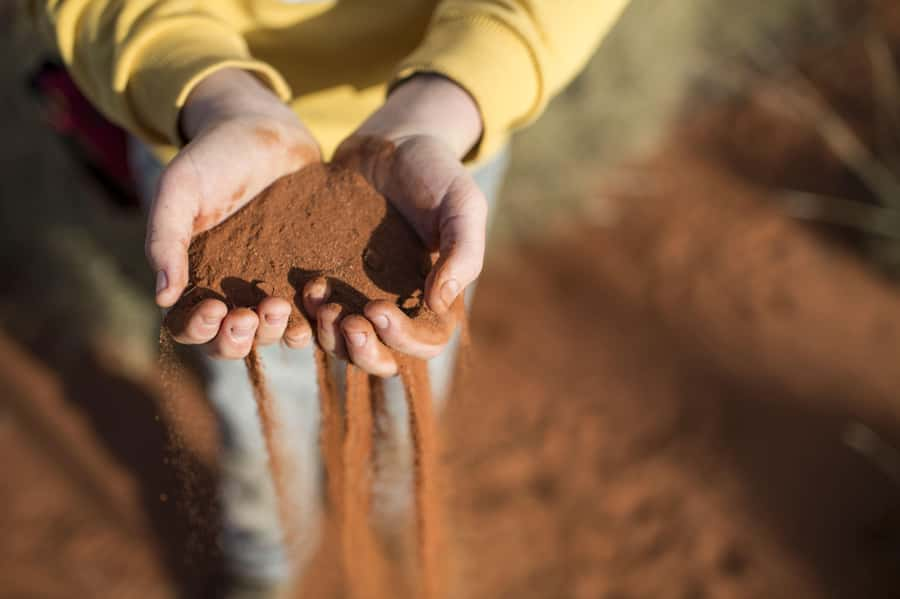
The final day moves through several of the West MacDonnell Ranges’ best-known natural stops. Standley Chasm, traditionally called Angkerle Atwatye, is a narrow gorge about three metres wide and 80 metres high. Its walls make the scale easy to appreciate, especially when you are standing at the base looking upward.
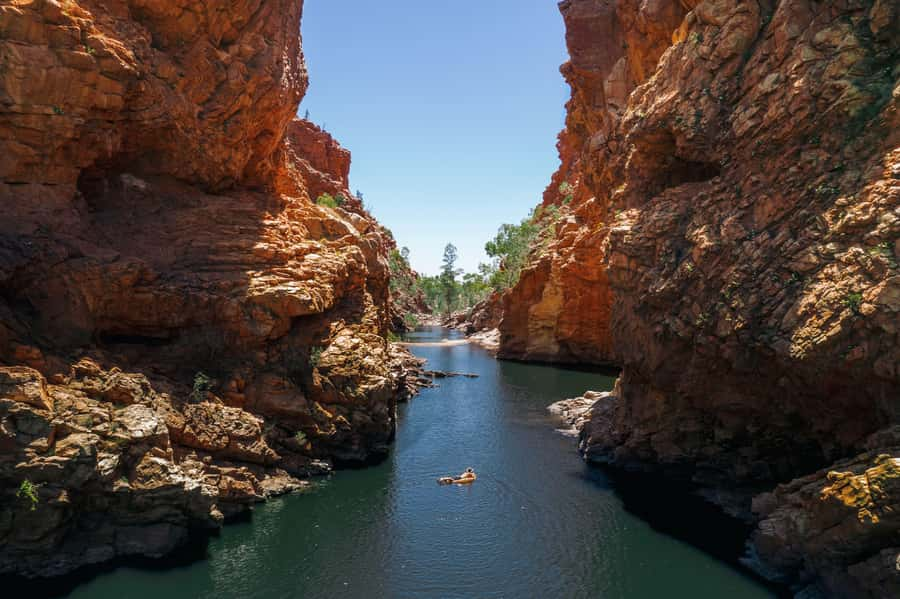
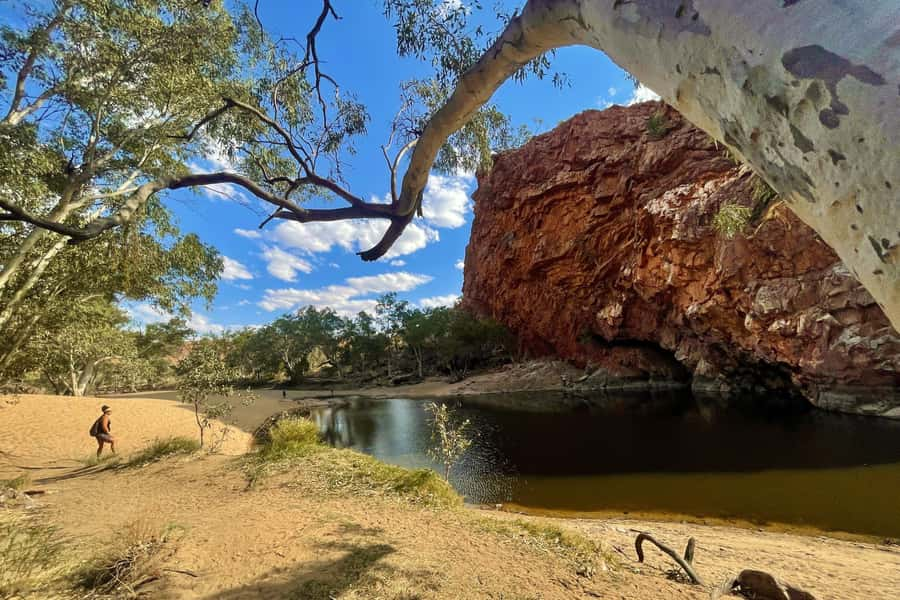
The route continues to Ellery Creek Big Hole, traditionally called Udepata. Tall red cliffs surround the sandy creek area, creating a strong contrast between water and dry country. Swimming conditions can vary, and you should bring swimwear if you want to be ready for the opportunity, as one past participant specifically wished some people had packed it.
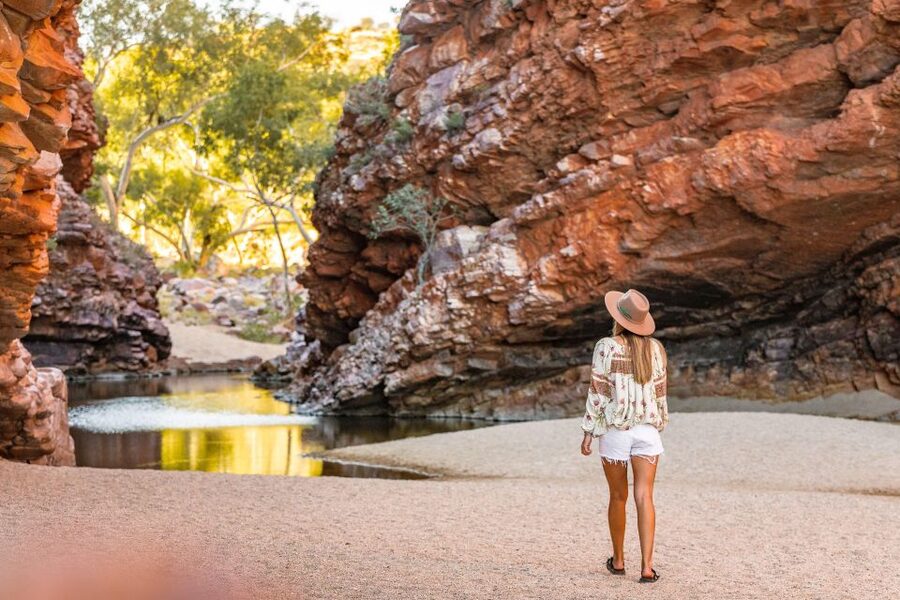
Ormiston Gorge follows, with high red walls and a more enclosed feel than the open desert roads. The stops are not all the same, which keeps the final day from becoming a parade of similar lookouts. You get narrow rock, open water, sandy creek, and towering gorge walls in one morning and afternoon.
The last major stop is Simpsons Gap. This place is connected to several Dreaming trails and stories, so your guide’s explanation adds meaning beyond the scenery. The return to Alice Springs is described as leisurely, giving you time to rest after four days of early starts and walking.
Drop-off is in Alice Springs, at your hotel or onward evening plans. The tour does not return you to Yulara, so make sure the final transport arrangement suits your wider trip.
Camping, meals, and the practical side of the trip
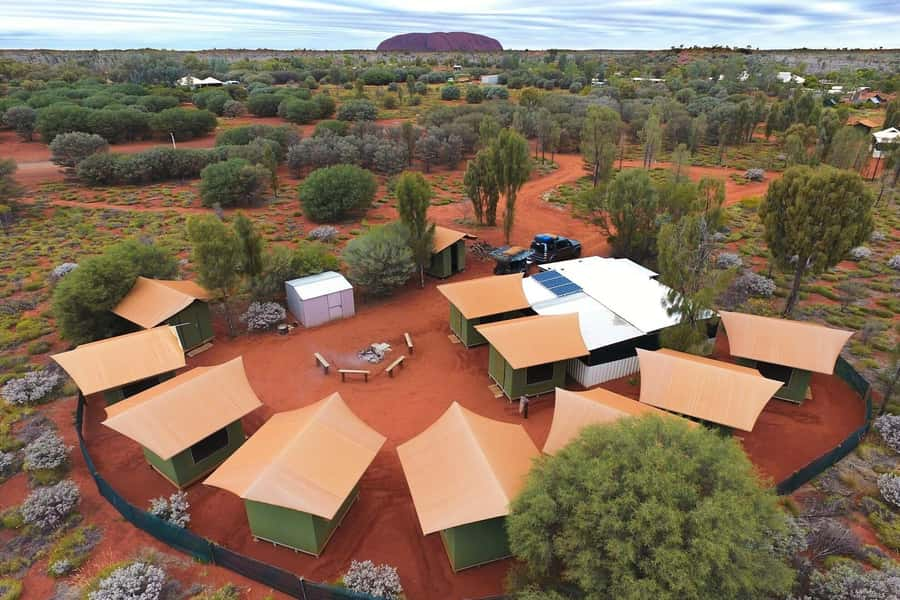
You spend three nights at permanent safari-style tented campsites in the Uluru, Kings Creek, and West MacDonnell Ranges areas. You can choose a bush swag, which is a canvas-covered bush bed roll, or a safari tent with a mattress, pillow, case, fitted sheet, and top sheet.
This is basic but not bare-bones camping. The safari tent option gives you a more structured sleeping setup, while the swag is better suited to someone who enjoys a closer connection with the outdoors. A sleeping bag is not included, but you can hire one onboard for $40, including cleaning, or bring your own.
The food plan includes three breakfasts, four lunches, and three dinners. The meals are designed for remote touring rather than fine dining. You can expect the shared camp routine to be part of the fun, and the available food has been praised as a strong part of the trip.
Special diets need more planning. Options are limited in the outback, so bring extra snacks if you have allergies or specific dietary needs. Passenger details, including food allergies, are required at booking, but you should not rely on that alone for every snack or backup meal.
Onboard drinking water is supplied. Bring your own refillable bottle. You should also pack sturdy walking shoes or boots, sun protection, suitable outdoor clothing, swimwear, and a small amount of personal spending money. Oversize luggage is not allowed, so keep your bags compact.
Is $830 good value for four days?
At $830 per person, the tour works out to roughly $208 per day. That includes transport, an accredited driver guide and host, park entry fees, three nights of accommodation, most meals, drinking water, guided walks, and the route between Alice Springs and the major Red Centre sights.
I consider that strong value if you would otherwise need to hire a capable 4WD, pay park fees, arrange camping equipment, buy food, and navigate long remote roads yourself. The guide’s local commentary also adds value because the route is not only about reaching viewpoints. You learn about geology, Aboriginal culture, plants, astronomy, and the practical realities of the outback.
The price is less attractive if you dislike shared camping or plan to spend most of your time in hotels. You are paying for access, guiding, meals, and a full schedule, not luxury. The trip is physically demanding, and the long driving days mean you will need to enjoy the journey as much as the stops.
The overall rating of 4.6 from 68 ratings fits the experience: strong guide-led touring with real outdoor conditions. The most consistent praise goes to the guides’ energy, care, humor, and ability to manage surprises. Adam, Damian, Shearna, Red, Donk, Mikki, and Lorrie are all singled out for making the days informative and enjoyable.
Who should book this Red Centre tour?
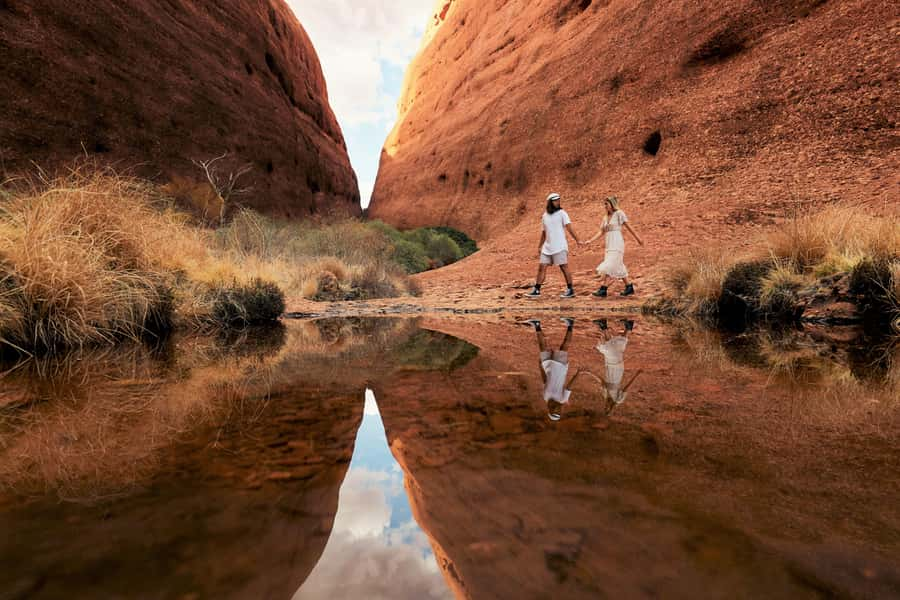
I would choose this tour if you want to see more than Uluru and you like active days. It suits people who enjoy walking, campfires, small group travel, and the occasional rough edge that makes a remote journey feel real.
You need a medium to high fitness level. Walks range from about two to six kilometres each day, with a total of around 12 to 15 kilometres across the tour. The route can include steep rocky sections, direct sunlight, heat, and humidity. People over 70 need a doctor’s certificate submitted 30 days before travel.
The tour is not suitable for children seven and under, pregnant women, people with mobility impairments, wheelchair users, or anyone with a low fitness level. Children aged eight to 17 must stay with an adult or legal guardian.
Free cancellation is available up to 14 days before departure for a full refund. Check your start time and meeting point carefully, since they vary by departure option.
Should you book it?
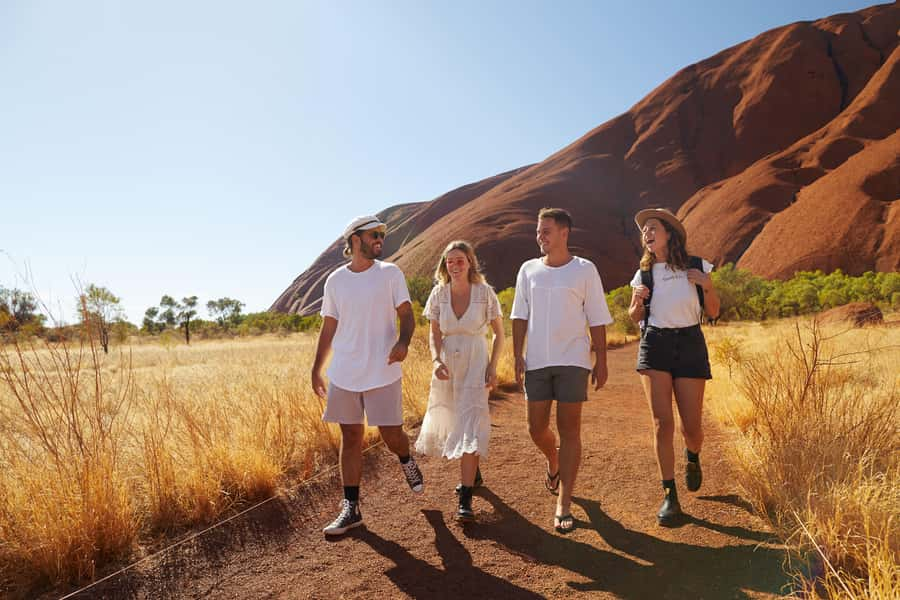
Book this tour if you want a broad, active introduction to Central Australia and accept that comfort will sometimes take second place to access and adventure. You will see Uluru closely, walk among Kata Tjuta, tackle Kings Canyon, cross the Mereenie Loop, and finish with the West MacDonnell Ranges.
Skip it if you want private rooms, predictable roads, short walks, or a relaxed schedule. For everyone else, $830 buys a well-filled four days, and the biggest reason to choose it is the guide-led connection to the country. A calm guide can turn heat, a flat tire, or a muddy road into part of the story instead of a problem that ruins the trip.
FAQ
How long is the tour?
The tour lasts 84 hours, or four days.
Where does the tour start and finish?
You can depart from Alice Springs or Yulara, including selected pick-up arrangements from Ayers Rock Airport. Drop-off is in Alice Springs only.
What major places does the tour visit?
The route includes Uluru, Mutitjulu Waterhole, Kuniya Piti, Kata Tjuta, Kings Canyon, the Mereenie Loop, Standley Chasm, Ellery Creek Big Hole, Ormiston Gorge, and Simpsons Gap.
How much walking is involved?
Walks range from about two to six kilometres per day. The total walking included is approximately 12 to 15 kilometres, often on steep rocky ground in direct sunlight and high humidity.
Is camping equipment included?
You receive an Australian bush swag, or a mattress and bedding in the safari tent option. A sleeping bag is not included, but one can be hired onboard for $40, or you can bring your own.
Are meals included?
The tour includes three breakfasts, four lunches, and three dinners. You should bring extra snacks if you have special dietary needs because food choices are limited in the outback.
Is the tour suitable for children?
Children under eight cannot join. Children aged eight to 17 must be accompanied by an adult or legal guardian at all times.
Is the tour suitable for people with mobility limitations?
No. The tour is not suitable for mobility-impaired people, wheelchair users, people using walkers or strollers, or people with a low level of fitness.
Just added around Alice Springs
- Alice Town And Country Half Day Sunset Tour – Small Group★ 4.5 · 24 reviews
- Alice Springs to Uluru (Ayers Rock) Coach Transfer★ 4.5 · 39 reviews
- From Alice Springs/Yulara: 2 Day Uluru Kata Tjuta Rock Tour★ 4.7 · 41 reviews
- From Alice Springs: West MacDonnell Ranges Half Day Trip★ 4.4 · 44 reviews
- Alice Springs Desert Park Nocturnal Tour★ 5.0 · 45 reviews
- 4 Day Uluru Kings Canyon West MacDonnell NP from Alice Springs★ 4.5 · 59 reviews
- Alice Springs: West MacDonnell Ranges & Standley Chasm Tour★ 4.8 · 59 reviews
- West MacDonnell Ranges & Standley Chasm Day Trip from Alice Springs★ 5.0 · 67 reviews
Uluru & Red Centre Tours, compared.

Ayers Rock Day Trip from Alice Springs Including BBQ Dinner
Read our review →
Uluru: Field of Light Sunrise Tour with Hot Drinks
Read our review →
Kings Canyon: Full-Day Tour from Ayers Rock Resort
Read our review →
Yulara: Uluru & Kata Tjuta 25-Minute Helicopter Experience
Read our review →
Yulara: Uluru Sunrise and Kata Tjuta Day Trip by Bus
Read our review →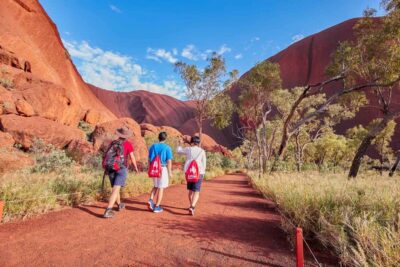
Uluru: Sacred Sites & Sunset Tour with Wine & Cheeseboard
Read our review →Browse the lists this tour appears in