
Reviewed · 3-DAY EXPERIENCES
Adelaide to Melbourne: 3-Day Ultimate Overland Journey
Three days, two states, one superb route. This Adelaide to Melbourne journey packs in Grampians hikes, wildlife, volcanic country, the Shipwreck Coast, and the full Great Ocean Road without turning every stop into a rushed photo break. I especially like the mix of active walks and scenic drives, plus the fact that your transport, park fees, two breakfasts, and two dinners are included.
I also like the small-group format and the overnight stops in Halls Gap and Warrnambool. Guides such as Ben, Janet, James, Misty, and Jordan have been praised for their humor, local stories, and care with different ages and fitness levels. The main caution is simple: this is a walking tour, not a soft sightseeing trip. The advertised walks total about 6.5 kilometers, and some sections require moderate to advanced fitness.
In This Review
- Key points to know before booking
- Why this Adelaide to Melbourne route works
- Day one: Adelaide Hills to the Grampians
- Day two: The Pinnacles, volcanic country, and Tower Hill
- Day three: The Twelve Apostles and Loch Ard Gorge
- Through the Otways to Apollo Bay
- Food, rooms, and the real value of $633
- Guides and group atmosphere
- Who should book this three-day adventure?
- Should you book it?
- FAQ
- How long is the Adelaide to Melbourne tour?
- What is included in the price?
- Where do you stay overnight?
- How much walking is involved?
- Will I see Australian wildlife?
- Which major Great Ocean Road sights are included?
- Are children allowed to join?
- What is the cancellation policy?
Key points to know before booking
- MacKenzie Falls and the Pinnacles: Two of the Grampians’ best-known walks bring waterfalls, sandstone gorges, and wide mountain views.
- Tower Hill wildlife: An extinct volcano provides a real chance to see emus, kangaroos, and koalas in open bushland.
- Early Shipwreck Coast stops: The Twelve Apostles and Loch Ard Gorge are visited before the Great Ocean Road becomes crowded.
- Two useful overnight bases: Halls Gap breaks up the mountain section, while Warrnambool puts you in position for Tower Hill and the coast.
- Good inclusions for $633: Transport, accommodation, dinners, breakfasts, national park fees, and guiding make the price easier to justify.
- A genuine point-to-point trip: You finish in Melbourne instead of returning to Adelaide, which saves time if you are continuing east.
Why this Adelaide to Melbourne route works
Many trips between Adelaide and Melbourne are simply long transfers. This one turns the crossing into the main event. You move from the Adelaide Hills to the sandstone ranges of Gariwerd, then through western Victoria’s volcanic country and along the Southern Ocean.
That variety is the real strength. You are not seeing three versions of the same Australian scenery. The Grampians offer inland peaks, waterfalls, and Aboriginal cultural connections. Tower Hill brings wildlife and volcanic geology. The Great Ocean Road adds cliffs, surf beaches, rainforest, and famous sea stacks.
The pace also makes sense. You spend the first night at Halls Gap and the second at Warrnambool, rather than changing beds every night or sitting on a bus for one exhausting stretch. The route is still full, but the schedule allows time for walks, viewpoints, meals, and evenings with the group.
The tour uses a modern, air-conditioned small-group vehicle. The exact group size can vary, but one departure had only nine people including the guide, which gives you a useful idea of the more personal feel you may get. A smaller vehicle also makes it easier to ask questions and get help with the day’s walks.
A few more Adelaide trips worth weighing up
- Adelaide: 3-Day Kangaroo Island Adventure Tour with Camping
★ 4.6 · 86 reviews - 3-Day Adelaide to Melbourne Small-Group Grampian Great Ocean Road
★ 4.5 · 43 reviews - Dingos 3 Day K’Gari (Fraser Island) 4WD Tag-Along Tour
★ 5.0 · 939 reviews
Day one: Adelaide Hills to the Grampians
The journey begins with a pickup at a selected Adelaide inner-city point. The exact meeting place depends on the option you book, so check that detail before arriving with your bag.
You first cross the Adelaide Hills and continue toward the South Australian and Victorian border. This opening section is mainly a transfer through rolling countryside and broad western Victorian plains. The reward comes later, when the Grampians begin to rise ahead of you.
Gariwerd, also called the Grampians, is known for old sandstone formations, steep ranges, waterfalls, and important Aboriginal heritage. The name matters because this is not only a pretty stop for photographs. It is a place with long cultural connections, and your driver-guide provides context as you move through it.
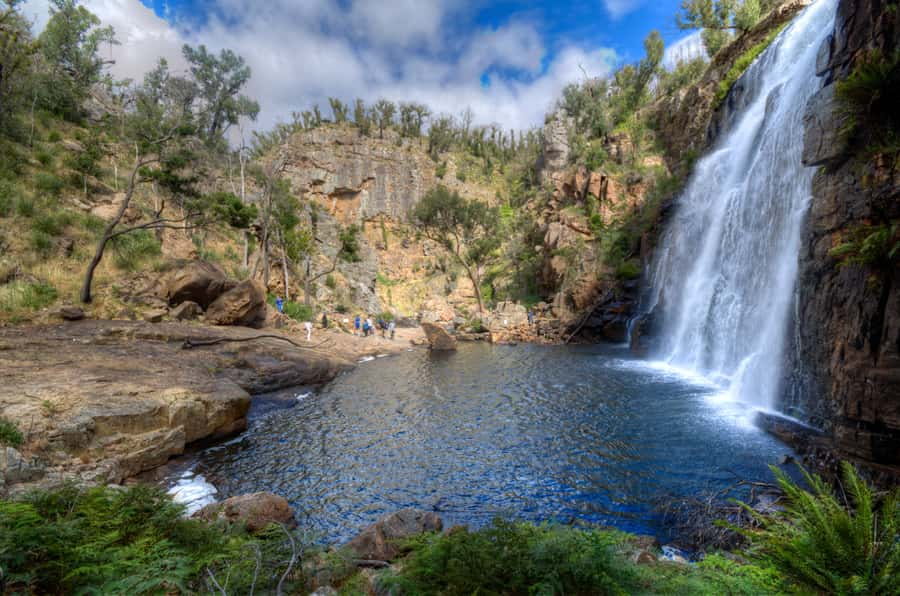
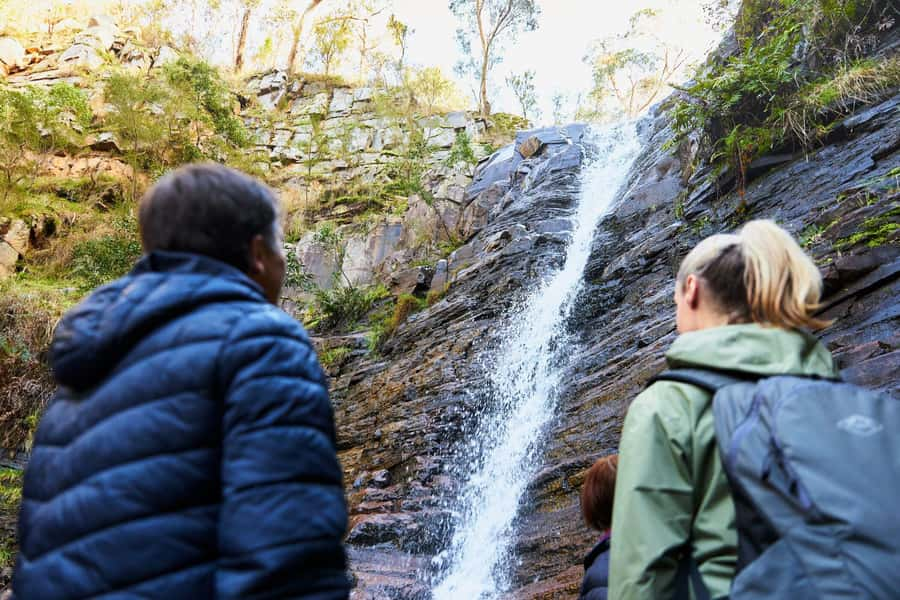
The first day includes several scenic stops and bush walks. MacKenzie Falls is the major waterfall visit. Water drops into a deep gorge below, and the surrounding sandstone gives the place a tougher, more dramatic feel than a simple picnic-area waterfall.
You should bring proper walking shoes rather than relying on casual sneakers. The supplied packing advice also recommends a daypack, water bottle, sun protection, rain gear, and weather-appropriate clothing. Conditions can change quickly in exposed mountain areas, so a windbreaker is useful even on a warm day.
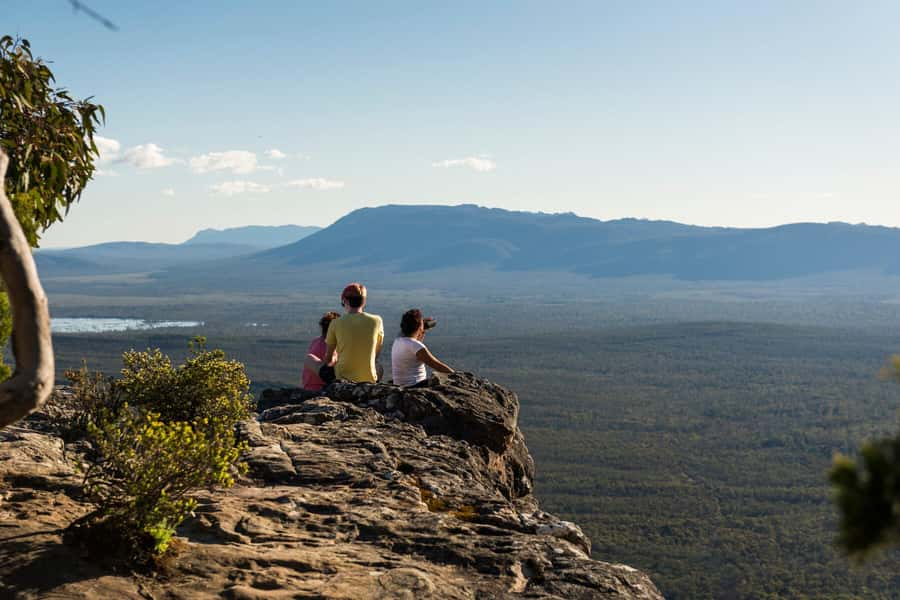
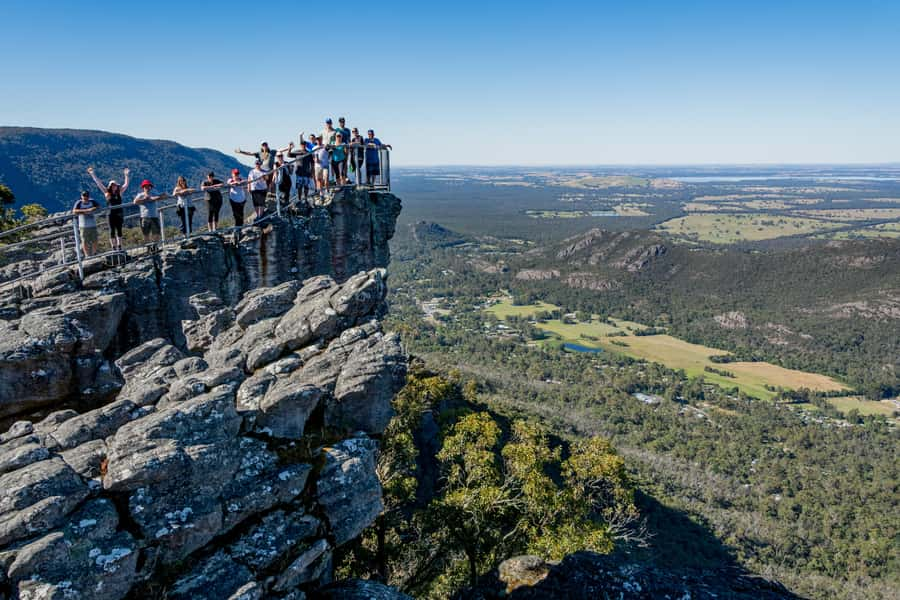
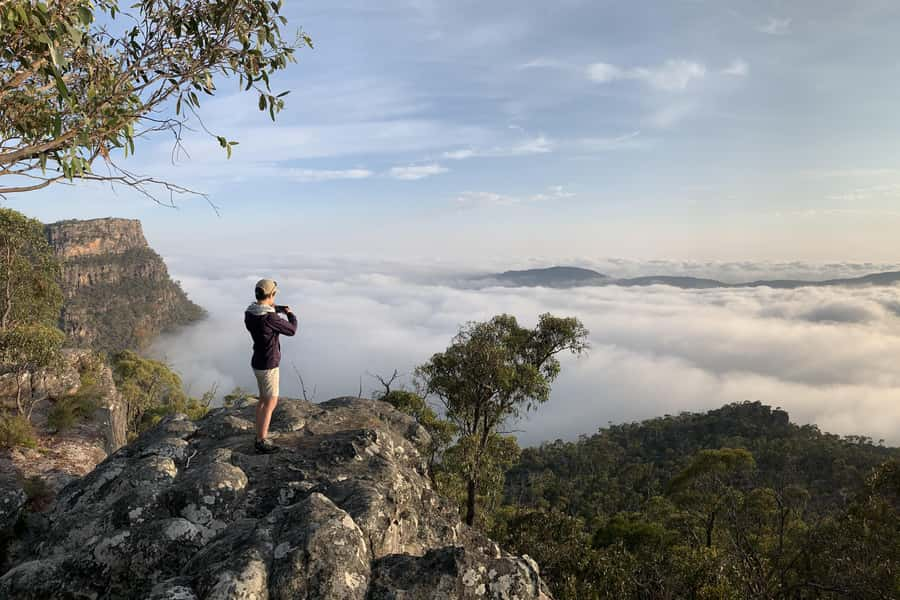
Lookout stops at places such as Boroka provide a different kind of reward. Instead of concentrating on one rock or waterfall, you get broad views across the ranges and surrounding country. The Pinnacles, visited more fully on day two, offers another fine view but requires a more demanding walk.
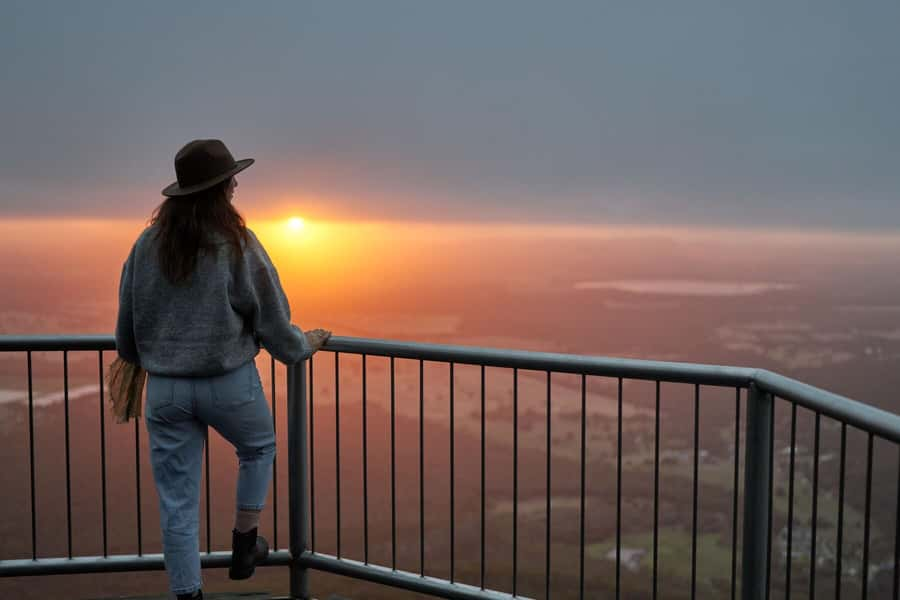
The first night is in Halls Gap, a small settlement surrounded by bushland. Accommodation is available in private ensuite rooms or budget-friendly shared rooms, subject to availability. The choice matters: private rooms suit couples or anyone who wants a quiet night, while dorm-style accommodation keeps the cost down and fits solo visitors who enjoy meeting people.
Halls Gap is also a good place to see wildlife close to the accommodation area. Kangaroos and native birds are often seen around the bushland. You should treat these sightings as a bonus, not a guarantee, since animals move freely and conditions vary.
Dinner is included, and past groups have particularly enjoyed a barbecue prepared by guide Ben. That sort of shared meal is useful on a three-day trip because it gives the group a chance to relax after walking rather than having to organize dinner from scratch.
Day two: The Pinnacles, volcanic country, and Tower Hill
Day two begins with more time in the Grampians. The walk to the Pinnacles is one of the trip’s main physical challenges and one of its best scenic payoffs.
The route leads through sandstone country toward a rocky lookout with views across the ranges. You will want sturdy, closed-toe footwear and enough water for the walk. The total guided walking for the trip is about 6.5 kilometers, but the effort can feel greater than the distance suggests because of uneven ground and changes in elevation.
This is where the fitness warning deserves attention. The tour is not described as a technical climbing experience, but you should be comfortable walking on bush tracks and spending a good part of the day outdoors. If you prefer short paths from a coach to a viewpoint, you may find this schedule too active.
The Grampians are also a strong place to learn about Aboriginal heritage. Gariwerd has cultural meaning well beyond its scenery, and a good guide can help you understand the country instead of treating it as a series of anonymous lookouts. Guides have included Janet, who was praised for answering questions and explaining Australian history, wildlife, and local stories.
After the mountain section, the scenery changes sharply as you head south. The road runs toward the coast through western Victoria’s volcanic plains. This transition is one of the pleasures of the trip. Within a few hours, you move from sandstone ridges to open country shaped by ancient volcanic activity.
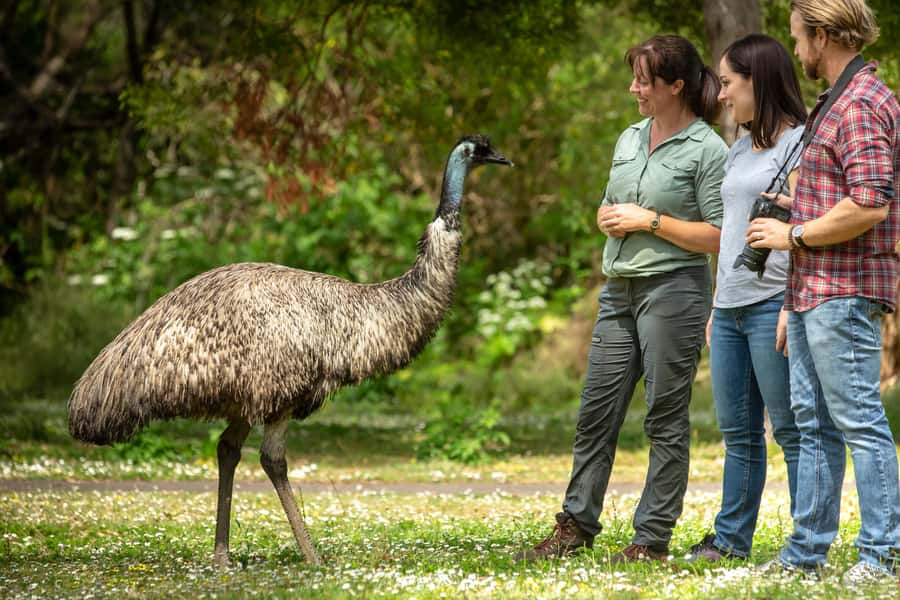
Tower Hill Conservation Reserve is the standout stop in this section. It sits inside an extinct volcano and combines geology, wildlife, and Aboriginal history. The reserve is especially valuable because you are not seeing animals behind fences or in a formal wildlife park.
Emus, kangaroos, and koalas may be spotted in their natural habitat. Wildlife sightings can never be promised, but Tower Hill gives you a strong chance to look for them in a setting where they belong. Bring your camera, but keep your attention on the bush too. The best moment may be an animal appearing beside the road or among the trees rather than posing at a marked viewpoint.
You finish the day in Warrnambool, a coastal town with time to relax and enjoy the local atmosphere. The second night is included here, again with private ensuite and shared-room options subject to availability.
Warrnambool is a practical overnight stop rather than a mere bed for the night. It places you near the Shipwreck Coast for an early start, which helps you reach the Twelve Apostles before the busiest part of the day.
Day three: The Twelve Apostles and Loch Ard Gorge
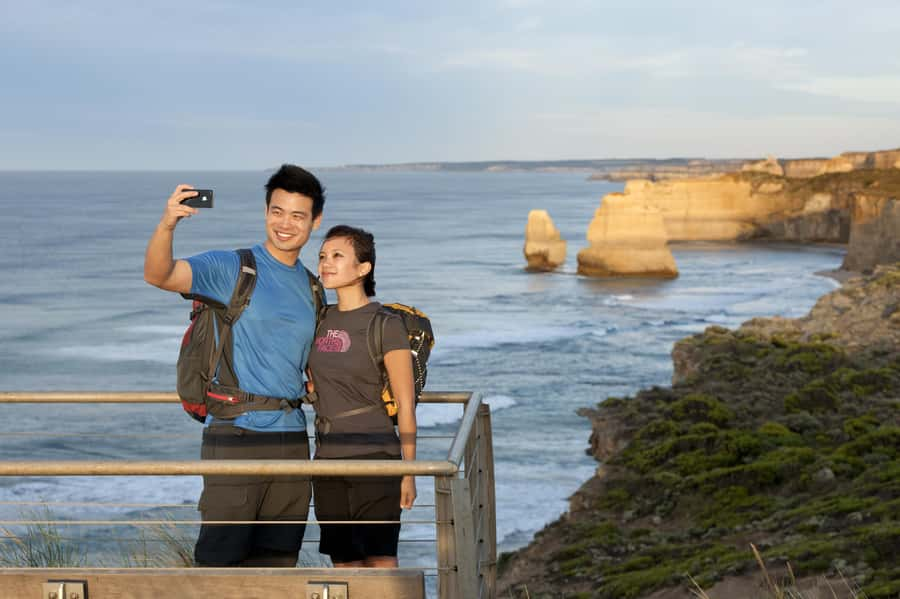
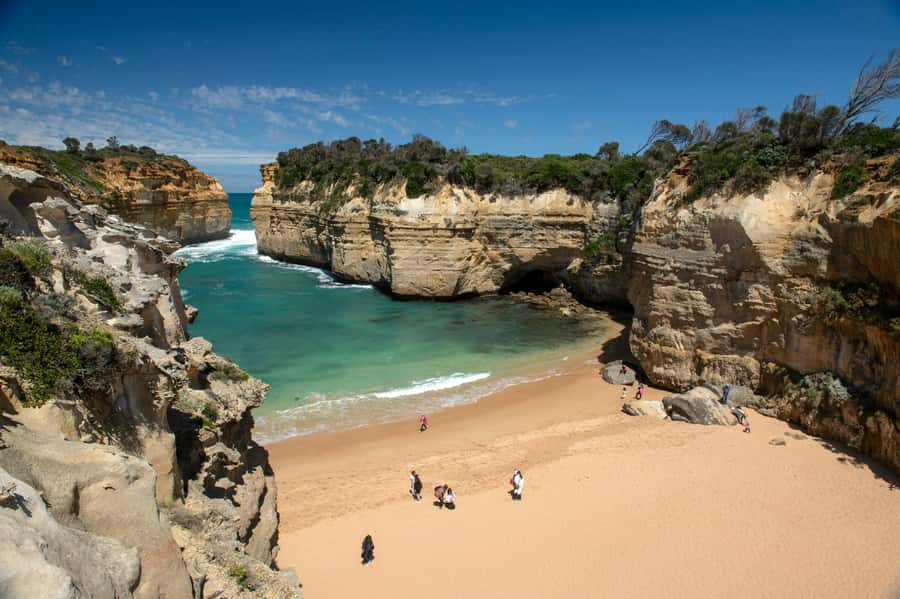
The final day begins with the most famous coastal sights. The Twelve Apostles are the headline attraction, but the setting is larger than the name suggests. Offshore limestone stacks rise from the Southern Ocean, shaped by wind and waves over a very long period.
The stacks are impressive, but the cliffs and ocean are just as important. From the viewing areas, you see how exposed this coast is and why it became known as the Shipwreck Coast. Your guide also explains the maritime stories connected with the area.
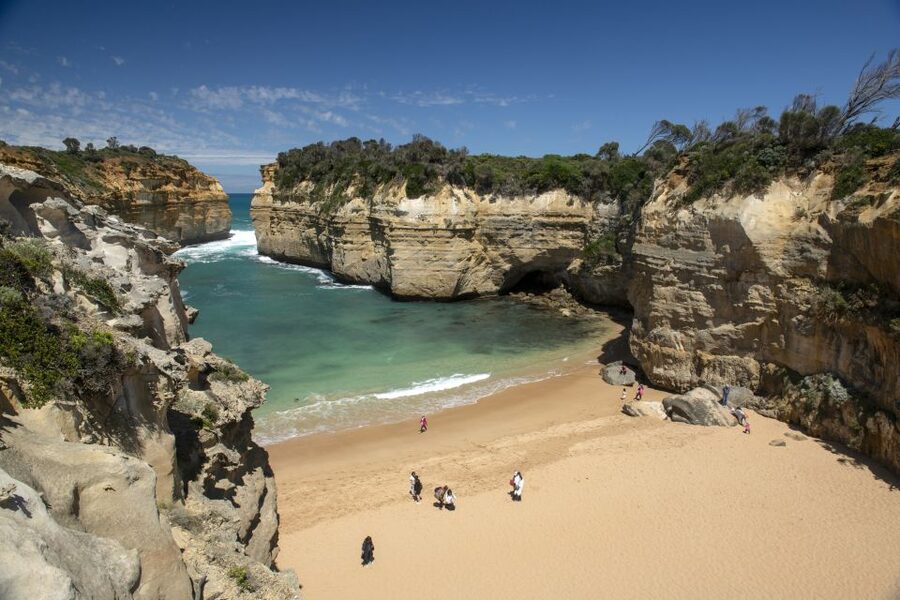
Loch Ard Gorge adds more human drama. It is named after the Loch Ard, a shipwreck from 1878, and the gorge’s cliffs and sheltered water make the history easier to picture. You get more than a quick stop at a famous sign. The visit connects the rock formations with the dangers faced by ships along this coast.
Other coastal formations are included as the day continues. The exact order can change with conditions and timing, but the aim is to cover the major points without making you sprint from one lookout to the next.
An early start is a tradeoff. You lose some sleep, but you gain quieter viewpoints and a better chance to appreciate the cliffs before larger crowds arrive. If photographs matter to you, soft morning light can also make the sea stacks and gorge more appealing.
A completely different kind of day out in Adelaide:
- Barossa Premium Wine Tasting Tour & lunch Departs 7 days a week
★ 5.0 · 1,475 reviews - Adelaide: Barossa Premium Wine Tasting tour & Winery Lunch
★ 4.8 · 1,452 reviews - Kangaroo Island Full Day Experience by Ferry Including Lunch
★ 4.5 · 1,202 reviews - Discover Barossa: 4 Wine Tastings, Gourmet Lunch, and Hidden Gems
★ 5.0 · 1,027 reviews
Through the Otways to Apollo Bay
After the Shipwreck Coast, the road turns through Great Otway National Park. The scenery shifts again, this time to tall trees and rainforest. It is a welcome contrast after the open ocean cliffs and helps explain why the Great Ocean Road is more than a single coastal viewpoint.
You continue toward Apollo Bay, a seaside town where lunch is available at your own expense. Meals outside the included breakfasts and dinners are not covered, but the itinerary provides opportunities to buy food along the way or eat with the group.
That arrangement gives you some freedom. You can choose what suits your appetite and budget instead of eating every meal at a fixed venue. On the other hand, you should carry spending money, and cash is specifically listed among the recommended items.
The road beyond Apollo Bay winds past surf beaches, forested hills, and clifftop views. This is the scenic drive many people picture when they hear Great Ocean Road, but it is also a long day after the early start. I would keep your daypack light and save room for a water bottle, sunscreen, camera, and an extra layer.
A final stop at the Great Ocean Road Memorial Arch marks the route’s completion. From there, you continue to Melbourne and arrive in the evening. The drop-off is in Melbourne city, while any hotel transfer before or after the tour is your responsibility.
Food, rooms, and the real value of $633
At $633 per person, this is not the cheapest way to move between Adelaide and Melbourne. It is also not simply a transfer. The price includes two nights of accommodation, two breakfasts, two dinners, park entry fees, guided walks, and transport in a small-group vehicle.
Those inclusions add up quickly if you arrange the same route yourself. You would need to pay for a rental car or private transport, fuel, accommodation, park access, and the planning needed to connect the Grampians, Tower Hill, and the Great Ocean Road in three days.
The strongest value comes from the route design. You are paying to see several major areas without spending your holiday working out driving times, parking, and the best stopping points. Guides also take you to places you might skip if you were following only the most obvious signs.
The accommodation is described as good quality for the price, with both dormitory and private ensuite choices. Upgrades are subject to availability and must be requested. If sleep and privacy are important, ask for the private option early. If you are a solo visitor watching your budget, the shared room can make the trip more affordable and social.
Breakfast and dinner are included on two days, but lunch and other meals are not. Budget for food along the route and personal purchases. The included dinners are more than a minor detail: after a full day outdoors, having the evening meal arranged can save both money and energy.
Guides and group atmosphere
The driver-guide can shape this trip as much as the scenery. You spend long stretches on the road, and the guide is responsible for timing, safety, local information, and the mood inside the vehicle.
The strongest feedback has focused on guides who include everyone without making the trip feel forced. Ben has been praised for humor and a memorable barbecue. Janet has been noted for her enthusiasm for wildlife, history, and her group. James, Misty, Jordan, Adam, Craig, and others have also been singled out for friendly service and helpful local information.
Guide assignments change, so you cannot book a particular person unless the operator confirms it. Still, the pattern is encouraging: the guide is not just a driver pointing out a lookout. You can expect stories, answers to questions, and help judging the walks.
Small groups are useful for solo visitors. One 18-year-old solo traveler found the mixed-age group welcoming, while another departure of nine people quickly became close. That does not guarantee you will bond with your group, but the format gives you a better chance than a large coach tour.
The social side is part of the appeal, though it also means you have less control over the day than you would in a private car. If you need complete independence, frequent solo stops, or a flexible departure time, self-driving may suit you better.
Who should book this three-day adventure?
I would recommend this trip to you if you want a practical introduction to southern Australia and enjoy active sightseeing. It suits solo visitors, couples, and small groups who like meeting people, walking outdoors, and letting a guide handle the driving.
It is also a smart choice if you are already moving from Adelaide to Melbourne. You get a useful one-way transfer while seeing the Grampians, Tower Hill, and the Great Ocean Road instead of losing a day to transport.
You should think twice if you dislike early starts, shared accommodation, changing weather, or uneven walking tracks. Children under six cannot join, and children aged six to 17 must stay in private double rooms with an adult or legal guardian. The tour is not suitable for wheelchair users, mobility scooters, or electric wheelchairs.
Pack for several kinds of weather. Comfortable and closed-toe shoes are essential, while sunscreen, a sun hat, sunglasses, rain gear, a windbreaker, breathable clothes, a towel, toiletries, personal medication, and a flashlight are all sensible additions. Oversize luggage, baby strollers, alcohol, and drugs are not allowed.
Free cancellation is available up to 14 days before departure for a full refund. Personal travel insurance is strongly recommended, especially for a walking trip with changing outdoor conditions.
Should you book it?
Book this tour if you want the best natural stops between Adelaide and Melbourne without planning the route yourself. The combination of Gariwerd, Tower Hill, the Twelve Apostles, Loch Ard Gorge, the Otways, and Apollo Bay gives you a remarkably broad view of southern Victoria in only three days.
The $633 price makes the most sense when you value guiding, park entry, dinners, and a point-to-point transfer. Choose the private ensuite option if comfort matters, or the shared room if you want lower cost and an easier social setting.
My final advice is to check your fitness and luggage before booking. If you can handle the walks and pack light, this is a well-balanced, high-value way to cross southern Australia.
FAQ
How long is the Adelaide to Melbourne tour?
The tour lasts three days and ends in Melbourne in the evening on the final day.
What is included in the price?
The price includes one-way transport from Adelaide to Melbourne, two nights of accommodation, two breakfasts, two dinners, national park entry fees, guided bush walks, and an experienced driver-guide.
Where do you stay overnight?
The first night is in Halls Gap, and the second night is in Warrnambool. Private ensuite rooms and budget-friendly shared rooms are available, subject to availability.
How much walking is involved?
The guided bush walks total about 6.5 kilometers. A moderate to advanced level of fitness is required, and you should bring comfortable walking or hiking shoes.
Will I see Australian wildlife?
The tour includes wildlife spotting in natural habitat. Tower Hill is a key place to look for emus, kangaroos, and koalas, while kangaroos and birdlife may also be seen around Halls Gap.
Which major Great Ocean Road sights are included?
The route includes the Twelve Apostles, Loch Ard Gorge, other Shipwreck Coast formations, Great Otway National Park, Apollo Bay, surf beaches, and the Great Ocean Road Memorial Arch.
Are children allowed to join?
Children under six are not permitted. Children aged six to 17 must stay in private double rooms and be accompanied by an adult or legal guardian.
What is the cancellation policy?
You can cancel up to 14 days before the tour for a full refund. Availability and tour starting times should be checked when booking.
Just added around Adelaide
- Jacob’s Creek Double Barrel Experience★ 5.0 · 25 reviews
- McLaren Vale South Hop-On Hop-Off Winery Tour★ 5.0 · 25 reviews
- Adelaide City to Sea Bike Tour★ 5.0 · 26 reviews
- Best of SA, Hahndorf , Victor Harbor & d’arenberg ‘Cube’ Tour★ 4.5 · 26 reviews
- d’Arenberg Cube / McLaren Vale Regional Tour★ 4.5 · 26 reviews
- Barossa: Enjoy Wine, Lunch, Brewery, Chocolate & Wildlife★ 4.5 · 26 reviews
- Barossa Valley: Hot Air Balloon Flight★ 4.5 · 26 reviews
- Barossa Private Wine Tour★ 5.0 · 26 reviews
3-Day Experiences, compared.
Dingos 3 Day K’Gari (Fraser Island) 4WD Tag-Along Tour
Read our review →
Uluru Kata Tjuta & Kings Canyon 3-Day 2-Night Camping Tour
Read our review →
3-Day Kangaroo Island Adventure Tour with Camping
Read our review →
Dreamworld, WhiteWater World & SkyPoint 3-Day Ticket
Read our review →
Hervey Bay to K’gari/Fraser Island 3-Day Tour (Beach House)
Read our review →
3 Day Red Centre Kata Tjuta Kings Canyon Outback ex.Alice Springs
Read our review →Browse the lists this tour appears in