

Reviewed · ALBANY & SOUTH COAST TOURS
Albany: National Anzac Centre Entry Ticket
War stories feel different when they have a name. Set inside Albany’s Princess Royal Fortress, the National Anzac Centre uses real service stories, audio, film, artifacts, and interactive displays to connect you with the people who left Australia for the First World War.
I like the clever choice of letting you follow one of 32 actual service men and women from recruitment through wartime and life after the conflict. I also like the quiet, thoughtful ending beneath the Pool of Reflections, where the names of 41,265 people who left Albany in the first and second convoys appear.
The main consideration is emotional weight. This is not a light museum stop, and the strong war themes may not suit young children. You should allow at least two hours, and comfortable shoes plus an umbrella will help as you move around the fortress grounds.
In This Review
- Key things to know before you go
- Why Albany matters to the Anzac story
- Entering the National Anzac Centre at Princess Royal Fortress
- Choosing one of 32 real wartime lives
- From recruitment to the convoy
- Gallipoli, the Middle East, and the Western Front
- The Pool of Reflections and the tribute wall
- Exploring Princess Royal Fortress after the museum
- How long you should allow
- Is the $17 price good value?
- Practical details that can shape your visit
- Who should visit the National Anzac Centre?
- Should you book this experience?
- FAQ
- How much does entry to the National Anzac Centre cost?
- How long should I allow for the visit?
- What are the opening hours?
- Can I leave and return on the same day?
- Is the National Anzac Centre suitable for young children?
- Is the experience wheelchair accessible?
Key things to know before you go

- Follow one real person’s entire wartime path: Your selected character takes you from recruitment and training to convoy life, conflict, and the post-war years.
- Albany marks a major Anzac departure point: The first Australian and New Zealand convoy left King George Sound on 1 November 1914.
- The museum uses a personal audio and screen experience: You can listen and move through the story at your own pace.
- The visit ends with a large tribute: The Pool of Reflections reveals the names of 41,265 service men and women connected with the first two convoys.
- The fortress is part of the experience: Your $17 ticket includes a history talk about Princess Royal Fortress and a free guided tour.
- You can return during the same day: The ticket allows exit and re-entry on the calendar date printed on it.
Why Albany matters to the Anzac story
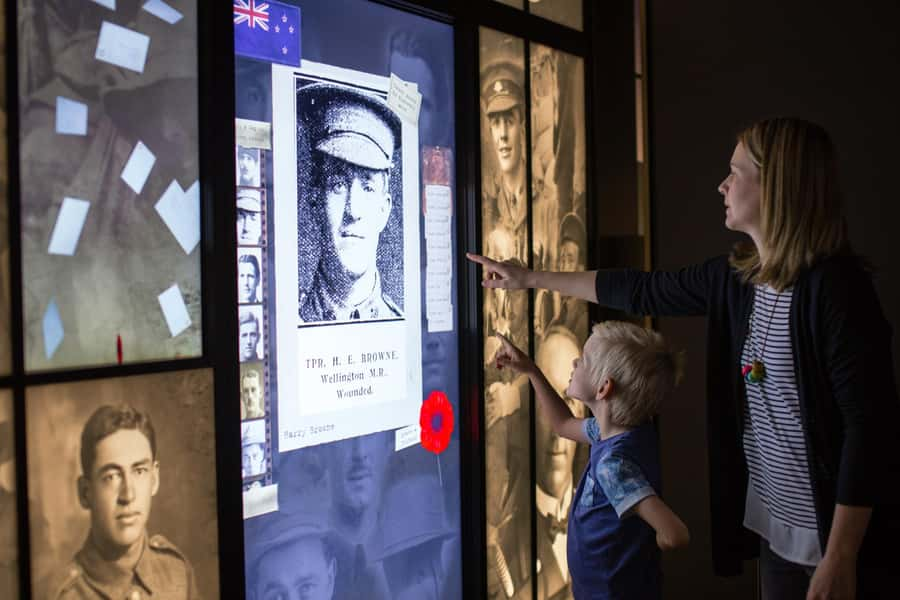
Albany is not simply the setting for this museum. It was the final Australian stop for many people heading to the First World War.
On 1 November 1914, the first convoy of Australian and New Zealand troops sailed from King George Sound. For those on board, Albany was often the last sight of Australian soil. That fact gives the National Anzac Centre a strong sense of place. You are learning about the departure from the same wider harbour setting that shaped the early Anzac story.
The centre also points to the first documented Anzac Day Dawn Service in Australia. That detail adds another layer to Albany’s role. The city is linked not only with departure, but also with the later ways Australians remembered those who served and died.
I find this context useful because it stops the museum from feeling like a collection of distant wartime facts. The location helps you understand the beginning of the journey before you encounter the battles themselves.
A few more Australia trips worth weighing up
- Kalgan Queen Scenic Cruises a four hour sheltered water wildlife tour daily fun.
★ 5.0 · 474 reviews - National Anzac Centre General Entry Ticket
★ 4.5 · 210 reviews - Bremer Bay: Bremer Canyon Killer Whale Expedition
★ 4.9 · 114 reviews
Entering the National Anzac Centre at Princess Royal Fortress
You park in the main carpark and walk to the entrance. The centre sits within the Princess Royal Fortress complex, so I would give yourself time to notice the setting before going inside.
The entry ticket costs $17 per person. For that price, you receive a full day’s access to the National Anzac Centre, plus the history talk or guided component connected with the fortress. You are not paying only for a short museum circuit. You can return to the centre during the same calendar day, which is useful if you want to break the visit into an indoor session and time outside.
The museum is open from 9:00 AM to 5:00 PM every day of the year except Christmas Day. Last entry is at 4:00 PM. I would arrive well before the final hour. The displays deserve more attention than a quick late-afternoon visit allows.
The experience is in English, and an English-speaking host or greeter is available. The centre is wheelchair accessible. Hotel transfers are not included, so you need to arrange your own way to the fortress.
Choosing one of 32 real wartime lives
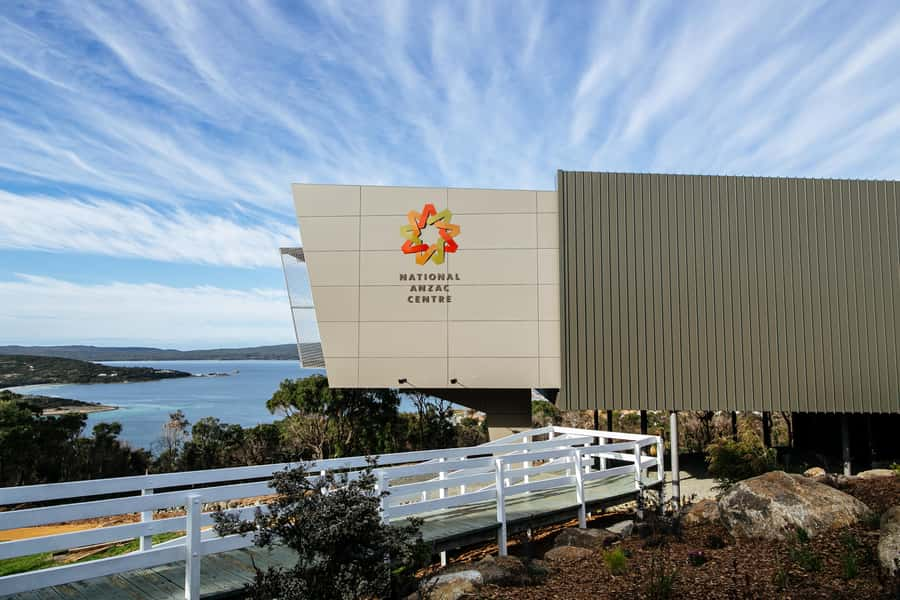
The museum’s strongest idea is simple: instead of receiving the entire war as one large lecture, you take the path of one person.
You assume the identity of one of 32 actual service men or women. The character becomes your thread through the galleries and displays. You follow recruitment, training, and departure. Then the story moves to shipboard life in the convoys, the fighting at Gallipoli, the Middle East, and the Western Front.
This personal structure makes the scale of the war easier to understand. Dates and campaigns matter, but a single person gives them meaning. You can see how a major event affected the individual you are following, rather than trying to remember a long list of battles.
I especially like that the story does not stop when the fighting ends. The experience also follows post-war life for those who returned. That broader view matters. It reminds you that the war did not finish neatly for every survivor when the guns fell silent.
The centre uses audio commentary, rare images, film, artifacts, and multimedia displays. You can listen at your own pace, a feature that makes the visit feel less rushed than a standard guided museum tour. If one story catches your attention, you can give it time. If a particular display is not your focus, you can keep moving.
This format also suits visitors with different levels of background knowledge. You do not need to arrive with a detailed understanding of the Gallipoli campaign or the Western Front. The personal sequence gives you a clear route through the main stages.
From recruitment to the convoy
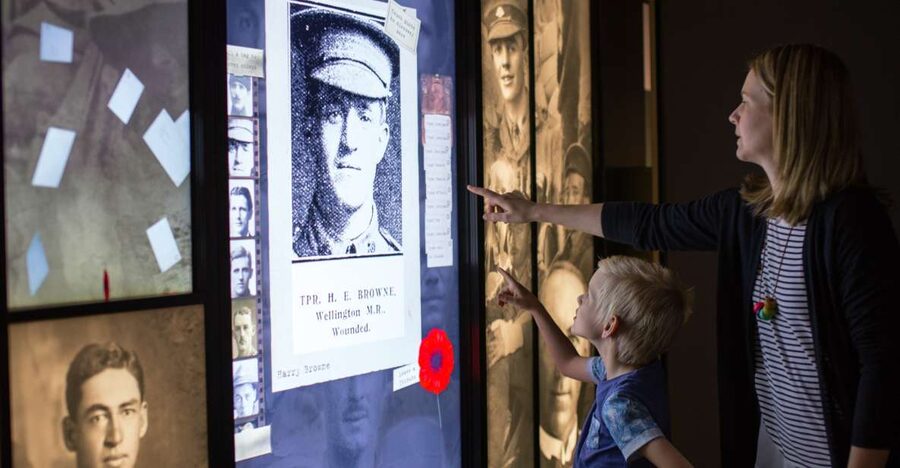
The opening part of the experience deals with recruitment and training. These stages can seem ordinary beside the famous battles, but they are important because they show how an individual moved from civilian life into military service.
You then reach the departure story. Albany’s position makes the convoy section especially effective. The troops were not leaving from an abstract point on a map. They were gathering at King George Sound before sailing into a conflict far from home.
The museum’s displays help you consider shipboard life as part of the wartime experience. The convoy was a passage between two worlds. It involved waiting, uncertainty, and the knowledge that many people on board might never return.
I would not rush this section. It sets up the emotional power of the later galleries. The service person you have chosen is no longer just a name in a uniform. You have followed the choices and stages that brought that person to the ship.
A completely different kind of day out in Australia:
- Sydney: Opera House Guided Tour with Entrance Ticket
★ 4.8 · 8,312 reviews - All Inclusive Blue Mountain,Scenic World,Lunch,Koalas,ferry
★ 5.0 · 7,832 reviews - Great Ocean Road Small-Group Eco Tour from Melbourne
★ 5.0 · 6,607 reviews - From Melbourne: Great Ocean Road, 12 Apostles, Wildlife Tour
★ 4.7 · 6,020 reviews
Gallipoli, the Middle East, and the Western Front
The central war sections trace the major phases named by the museum: Gallipoli, the Middle East, and the Western Front. The point is not simply to show where the Anzacs fought. It is to show those conflicts through the experience of the person you are following.
The material includes rare photographs, moving images, objects, and recorded commentary. These elements give the museum more texture than a text-only exhibit. I like the balance between information and personal voice, since you can build a wider understanding of the war while still keeping one human story in view.
The subject matter is serious. Some visitors will find the combination of personal stories and war material deeply moving. Others may prefer a shorter or less emotionally demanding museum visit. There is no attempt to turn the conflict into entertainment, and that is appropriate here.
Children seven years old or younger may find the themes difficult. The information says the centre is not generally recommended for children aged seven or under because of the strong war content. Children under five are listed as permitted free of charge, but the separate guidance also says the experience is not suitable for children under five. I would treat the age warning seriously and check directly before bringing a very young child.
The Pool of Reflections and the tribute wall
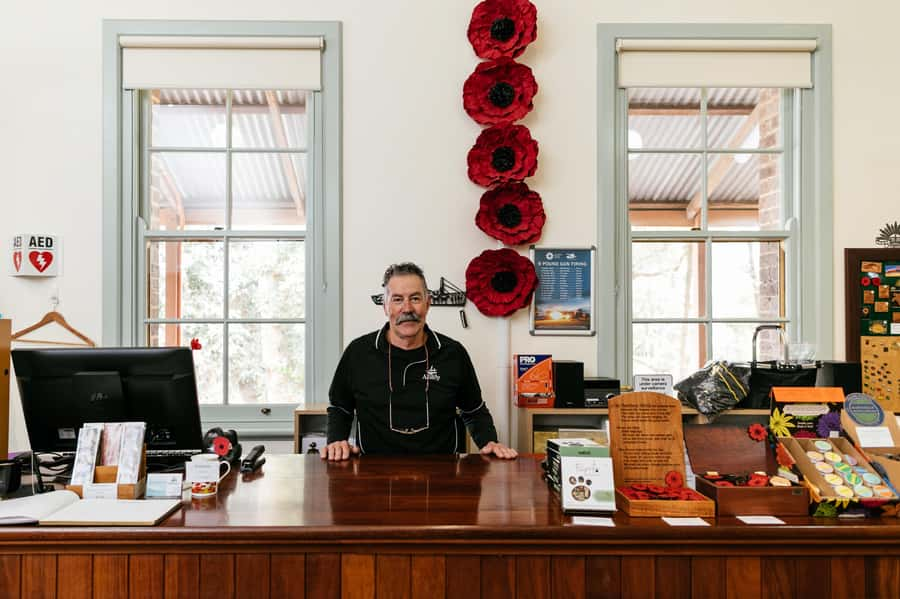
The final section shifts from individual stories to a large shared remembrance.
As the conflict story closes, the names of 41,265 service men and women who left Albany in the first and second convoys appear beneath the Pool of Reflections. This is a quieter moment than the earlier displays, and it gives you time to think about the sheer number of people connected with those departures.
You also discover the fate of the character you have been following. That reveal gives the personal story a clear ending, though it may not be a comfortable one.
The visit finishes at an interactive Tribute Wall. You can leave your own message or feelings for the Anzacs. I see this as more than a novelty. It gives you a small, personal action after a museum experience filled with other people’s memories and loss.
If you prefer to take your time at memorial spaces, plan for this ending rather than treating it as a quick exit point. The emotional effect comes from the pause.
Exploring Princess Royal Fortress after the museum
Your admission includes a history talk about the Princess Royal Fortress complex, along with a free guided tour of the forts. This is an important part of the value because the museum is not isolated from its military setting.
The outdoor portion gives you a chance to shift from screens and audio to the actual fortress grounds. Bring comfortable shoes, since you will be moving around the complex. An umbrella is also sensible, as weather can change and not every part of a fortress visit is indoors.
The tour connects the National Anzac Centre with the wider defensive site. I like this pairing because it adds physical context to the stories of departure and military service. The museum tells you about the people and the conflict. The fortress helps you understand the place from which Albany’s wartime story is presented.
The supplied information does not give a fixed tour time or duration for the guided fortress portion, so check availability when you plan your visit. The centre’s one-day ticket gives you flexibility if you want to see the indoor exhibits first and return to the grounds later.
How long you should allow
The recommended minimum is two hours. I agree with that as a starting point, not a strict limit.
Two hours should give you enough time to follow your selected character, listen to the main commentary, view the displays, reach the Pool of Reflections, and leave a tribute. You will also want time for the fortress history talk or guided tour.
If you like reading every panel, replaying audio, or stopping at the photographs and artifacts, allow longer. The ability to exit and re-enter on the same day makes the schedule easier. You could visit the museum in one session, take a break elsewhere in Albany, and return for the fortress grounds, provided everything fits within opening hours.
Avoid arriving close to 4:00 PM, since that is the last entry time. The centre closes at 5:00 PM, and the final hour is too short for the full experience.
Is the $17 price good value?
At $17 per person, I consider this good value for a history-focused stop in Albany. The ticket covers the National Anzac Centre, the interactive exhibits, access for the full calendar day, and the fortress history component.
The value is stronger if you use the whole site rather than entering only for a quick look. Give yourself at least two hours. Listen to the personal story in full, spend time at the Pool of Reflections, write a tribute if you wish, and join the free guided fortress tour.
It is less suitable for someone who wants a fast photo stop or a casual attraction with little reading and reflection. The centre rewards attention. You are paying for the quality of the personal presentation and the setting, not for a large number of rides or activities.
The perfect five out of five rating from 25 published ratings matches the main strengths of the experience: people respond to its clear storytelling, personal audio, interactive structure, and moving tone. The most repeated praise focuses on being able to listen at your own pace and the respectful way the centre honors the Anzacs.
Practical details that can shape your visit
The centre accepts visitors every day except Christmas Day, including public holidays. That makes it an easy choice for a holiday schedule, though you should still check the available starting information before setting out.
Cancellation is free up to 24 hours before the scheduled visit, and you can reserve now while paying later. That flexibility may help if your Albany plans depend on weather or changing road conditions.
Smoking and drones are not allowed. The site is wheelchair accessible, but the information provided does not describe every surface or route around the historic fortress. If you need specific access details, contact the centre before arrival.
The experience is conducted in English. If you do not understand English comfortably, the audio and written information may be difficult to follow, since no other language option is stated.
Who should visit the National Anzac Centre?
I would recommend it to adults, older children, families with an established interest in military history, and anyone wanting to understand Albany’s place in the Anzac story.
It also suits visitors who prefer museums that let them control the pace. You are not tied to a constant spoken presentation. You can pause, listen again, and spend more time with the character you have selected.
The centre may not suit very young children, people looking for a light attraction, or anyone with little patience for serious subject matter. The war themes are direct, and the stories can be sad.
It is a particularly good choice if you are already visiting Albany’s historic sites. The fortress setting, King George Sound connection, and first documented Anzac Day Dawn Service link give the visit a local focus that a general war museum cannot provide.
Should you book this experience?
Yes, if you want a thoughtful and well-priced museum visit that connects Albany to the First World War through real people. The combination of 32 personal stories, interactive displays, the convoy departure setting, and the Princess Royal Fortress tour gives you plenty to do for $17.
Book it when you can spare at least two hours and when serious war themes feel right for your group. Arrive early enough to avoid rushing, wear comfortable shoes, and leave room for the quiet final moments at the Pool of Reflections and Tribute Wall.
If you have young children, check the age guidance carefully before booking. For adults and older children, this is one of Albany’s most worthwhile history experiences.
FAQ
How much does entry to the National Anzac Centre cost?
Entry costs $17 per person.
How long should I allow for the visit?
You should allow at least two hours for the National Anzac Centre experience and the related fortress visit.
What are the opening hours?
The centre is open every day from 9:00 AM to 5:00 PM, including public holidays, except Christmas Day. Last entry is at 4:00 PM.
Can I leave and return on the same day?
Yes. The ticket is valid for the full calendar day of issue, and you may exit and re-enter multiple times during that day.
Is the National Anzac Centre suitable for young children?
The centre is not generally recommended for children aged seven or younger because of its strong war themes. Children under five are listed as free, but the activity information also says it is not suitable for children under five, so check before booking for a very young child.
Is the experience wheelchair accessible?
Yes, the National Anzac Centre is wheelchair accessible.
Just added around Australia
- J Ward Lunatic Asylum Ghost Tour★ 4.5 · 25 reviews
- Pinnacles Desert Sunset Stargazing Adventure Tour from Perth★ 5.0 · 25 reviews
- Ghost Tour & Dinner Norfolk Island★ 4.0 · 25 reviews
- Blue Mountains Small Group Tour with Lunch, Zoo and Scenic World★ 5.0 · 25 reviews
- Hobart Highlights Day Tour★ 4.8 · 25 reviews
- Half Day E-Bike Hire Echuca★ 5.0 · 25 reviews
- Wine Tasting Experience★ 5.0 · 25 reviews
- Melbourne Coffee Lovers Walk★ 4.8 · 25 reviews
Albany & South Coast Tours, compared.

Kalgan Queen Scenic Cruises a four hour sheltered water wildlife tour daily fun.
Read our review →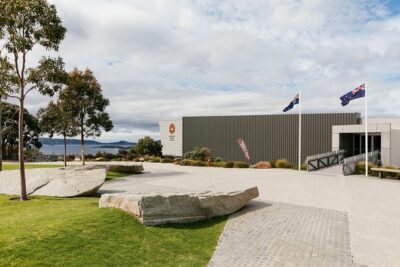

Bremer Bay: Bremer Canyon Killer Whale Expedition
Read our review →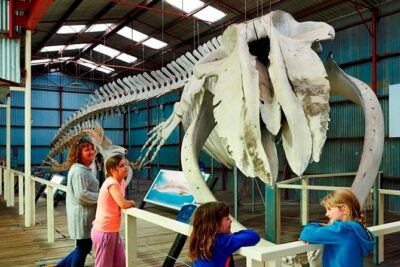
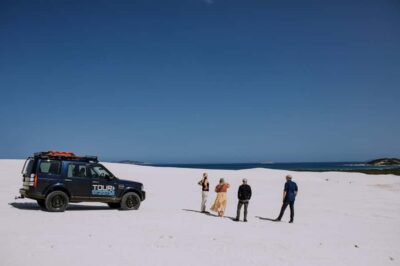
Albany’s Historic Whaling Station Admission Ticket
Read our review →
Esperance: Cape Le Grand National Park 4×4 Beach Adventure
Read our review →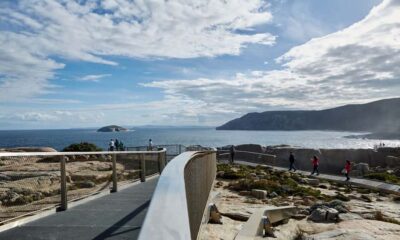
Browse the lists this tour appears in