
Reviewed · ULURU & RED CENTRE TOURS
Alice Springs Desert Park General Entry Ticket
Desert life is far more than red dirt. Alice Springs Desert Park makes that clear, with walking trails through woodland, sand country, and desert rivers, plus native animals in carefully recreated habitats. I especially like the free-flying bird show and the chance to see rare nocturnal animals such as bilbies and ghost bats. The main consideration is time: you can finish in three hours, but seeing the talks, trails, and indoor exhibits properly may take most of a day.
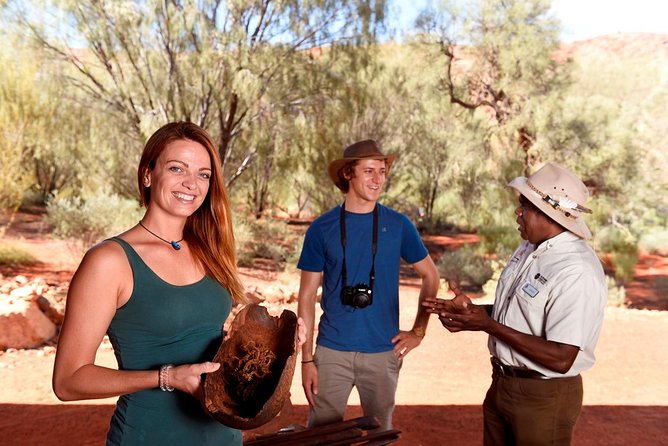
I also like the way the park brings Arrernte culture into the experience instead of treating nature as a separate subject. Staff presentations cover Dreamtime stories, traditional plant use, food, medicine, and tools. The park is self-guided, so you set the pace, though you need to check the daily program to catch the talks you want.
At $16, this is strong value for families, first-time visitors to Alice Springs, and anyone wanting a clear introduction to Central Australia. It is not a guided sightseeing tour with hotel pickup, and food, drinks, electric scooters, and extra animal encounters cost more.
In This Review
- Five reasons this Alice Springs park visit is worth your time
- Why the Desert Park makes a smart first stop
- Walking through woodland, sand, and desert rivers
- The bird show puts desert survival into motion
- The Nocturnal House reveals the desert after sunset
- Arrernte culture belongs at the center of the visit
- How long should you allow at the $16 price?
- Practical planning for the trails and talks
- Who will enjoy this park most?
- Should you book the Alice Springs Desert Park ticket?
- FAQ
- How much does Alice Springs Desert Park general entry cost?
- How long does a visit to Alice Springs Desert Park take?
- Is the visit guided?
- What animals can I see at the park?
- Does the ticket include food or electric scooter hire?
- Is transportation to Alice Springs Desert Park included?
Five reasons this Alice Springs park visit is worth your time
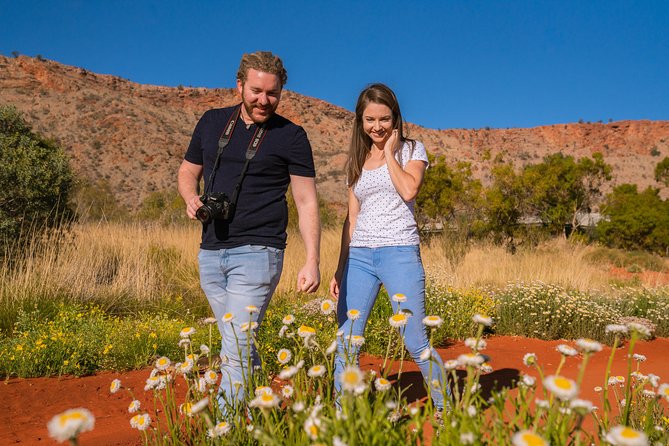
- Three desert environments: Follow the trail through woodland, sand country, and desert rivers to see how plants and animals change from one setting to another.
- Birds of prey in flight: The outdoor amphitheater presentation gives you a close look at the skill and speed of Central Australia’s raptors.
- Rare animals after dark: The Nocturnal House features bilbies, ghost bats, and other creatures that are active when the desert is quiet.
- Arrernte knowledge and stories: Presentations connect Aboriginal traditions, Dreamtime stories, and practical desert survival with the land around Alice Springs.
- Flexible three to eight hour visit: You can make this a focused half-day stop or spend longer with the talks, displays, café, picnic area, and animal viewing.
Why the Desert Park makes a smart first stop
Alice Springs Desert Park is a useful introduction to Central Australia because it gives you several experiences in one place. Instead of seeing only an animal enclosure or a botanical garden, you move through different desert settings and learn how each supports life.
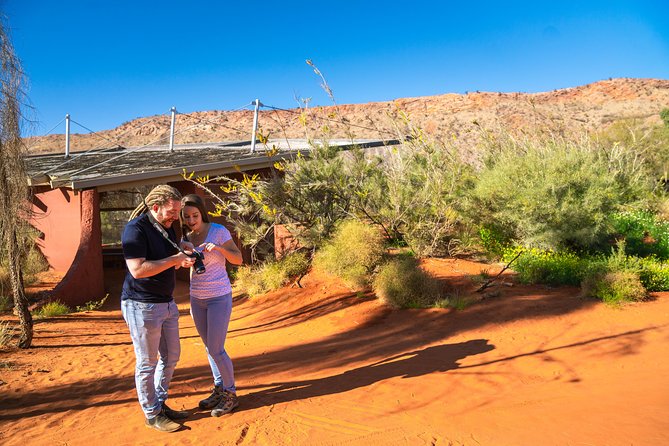
The park is designed for a self-guided visit. At the entrance, you receive a map and the daily program. That simple handout matters. It lets you plan around the bird presentation, keeper talks, and other staff sessions rather than wandering past them at the wrong time.
I like this arrangement because you can choose your level of detail. If you have only three hours, focus on the main walking trail, the bird show, and the Nocturnal House. With six to eight hours, you can read more of the interpretive displays, stop at the waterhole aquarium, pause for food, and return to animal areas that catch your eye.
The park also works well as a first Central Australian activity because it explains what you are seeing elsewhere. After visiting, a dry riverbed, a hardy shrub, or a night-active animal has more meaning. You begin to see the desert as a living system, not an empty stretch between attractions.
A few more Uluru trips worth weighing up
- Segway the FULL base of Uluru
★ 5.0 · 449 reviews - Uluru (Ayers Rock) Sunset + Outback Barbecue Dinner & Star Talk
★ 4.0 · 426 reviews - Full Uluru Base Walk at Sunrise Including breakfast
★ 5.0 · 408 reviews
Walking through woodland, sand, and desert rivers
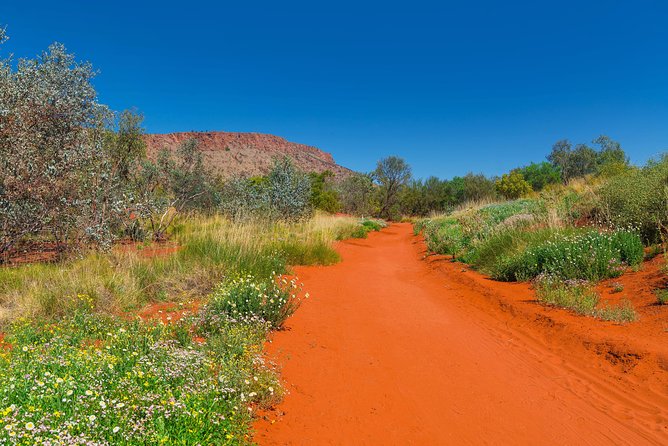
The central trail leads through three main environments: woodland, sand country, and desert rivers. Each area presents its own plants and animals, with habitats recreated to feel like the places they represent.
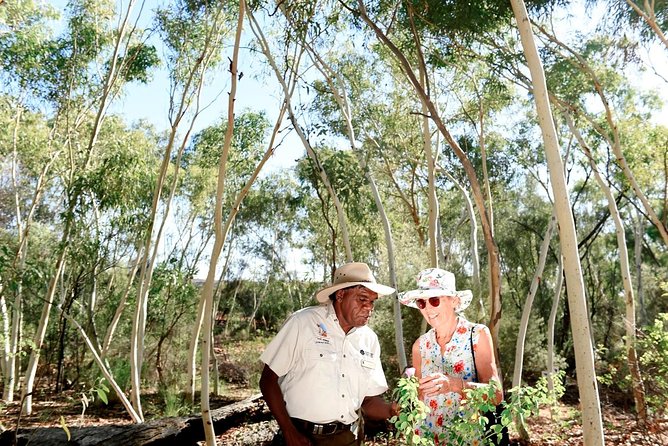
Woodland sections help show that the inland environment is not simply bare soil and scattered scrub. Trees and other plants provide food, shelter, and shade for wildlife. The botanical displays add useful detail, especially if you want to understand how plant life manages in dry conditions.
Sand country gives you a different view. The ground, vegetation, and animal life change, and the displays explain those differences rather than presenting the desert as one uniform zone. This variety is one of the park’s strongest features. You can move only a short distance and still see a clear change in the type of habitat around you.
The desert river section focuses on water, one of the most important themes in Central Australia. Even a waterhole can support fish, turtles, burrowing frogs, and yabbies. The aquarium lets you look into this smaller world at close range, which is especially helpful for children who may not spot every creature along the outdoor trail.
I would not rush these paths. The enclosures are placed along the walking routes, giving you places to stop and watch instead of forcing you through a fixed sequence. Bring the map, check the program first, and allow extra time for quiet observation.
The bird show puts desert survival into motion
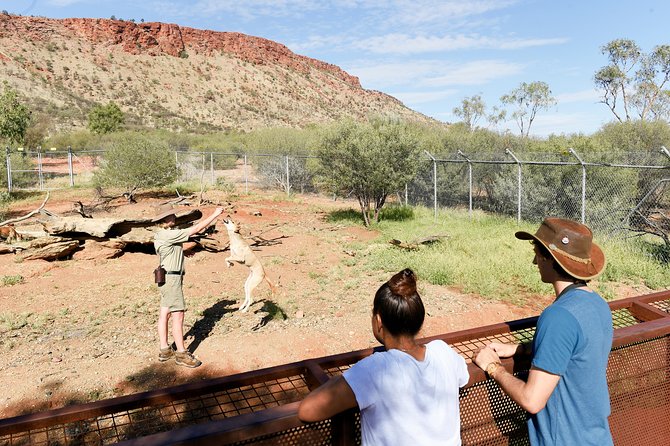
The bird of prey presentation is one of the park’s major highlights. In the outdoor amphitheater, you see birds fly rather than simply sit behind a fence. Their movement gives you a practical sense of how they hunt, turn, and use open space.
This is also one of the best parts of the visit for people who are less interested in reading signs. The birds provide an immediate spectacle, but the staff presentation adds the useful layer: you learn about the animals while seeing them act.
The timing matters. The show is part of the daily program, so you should check the schedule when you arrive. Build the rest of your visit around it, not the other way around. If you arrive at the park without looking at the times, you may need to wait or miss the presentation.
The bird show earned especially strong praise, and that makes sense. It combines clear visual action with information about desert wildlife. For families, it gives younger children a natural focal point. For adults, it provides a memorable way to understand raptors beyond a label on an enclosure.
The Nocturnal House reveals the desert after sunset

Many desert animals are active at night, when conditions are more suitable for feeding and movement. The Nocturnal House lets you see this side of Central Australia during a daytime visit.
Inside, you may see rare and endangered species including bilbies, also called macrotis, and carnivorous ghost bats. These animals are easy to miss in the open because they are most active after dark. The indoor setting gives you a better chance to watch them at close range.
The keeper presentation adds value here. One particularly praised part of the experience is the combination of the nocturnal animals and the staff talk. The animals provide the draw, while the presentation explains why this hidden part of desert life matters.
The Nocturnal House is also a good pause from the outdoor walking trail. If you are visiting during a busy family day, it gives everyone a different kind of activity. You can slow down, watch for movement, and take in details that are easy to overlook outdoors.
I would make this a priority rather than treating it as an optional extra. The bird show gives you action in open air. The Nocturnal House gives you a quieter look at animals that most people rarely see.
A completely different kind of day out in Uluru:
- Kings Canyon Day Trip from Ayers Rock (Uluru)
★ 4.5 · 380 reviews - Uluru (Ayers Rock) Field of Light Sunrise Tour
★ 4.5 · 329 reviews - Uluru Experience with BBQ Dinner
★ 4.5 · 291 reviews - 3 night Uluru, Kata Tjuta and Kings Canyon Camping Adventure
★ 5.0 · 228 reviews
Arrernte culture belongs at the center of the visit
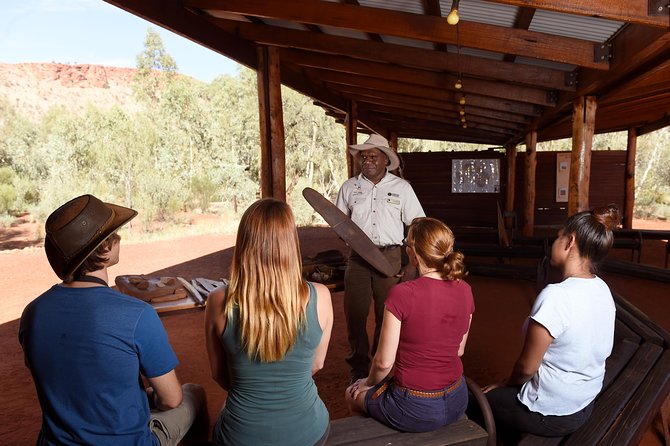
The cultural presentations are not a side note. They explain how Aboriginal Arrernte people understand and use the country around Alice Springs.
Staff talks include traditions, Dreamtime stories, and connections between people and the land. Other presentations explain how Aboriginal people used local resources for medicine, food, and tools. This practical information helps you see the desert as a place with knowledge, routes, resources, and meaning.
I value this part of the park because it links natural history with human history. A plant is not only a botanical specimen. It may also have a use. A waterhole is not only a habitat for frogs and turtles. It is part of a wider relationship between people, animals, and country.
Some presentations are delivered by Central Australian Aboriginal staff. Names such as Reuben have been singled out for wisdom, humor, and the ability to bring the stories to life. Since the program changes by day, check the schedule rather than assuming one particular speaker will be present.
The material is especially useful if Alice Springs is your first stop in the Red Centre. You leave with a better framework for understanding the region, rather than simply collecting photographs of animals and desert plants.
How long should you allow at the $16 price?
The official estimate ranges from three to eight hours. That is a wide range, but it reflects the park’s flexible format.
Three hours can work if you want the main trail, one or two talks, the bird show, and the Nocturnal House. You will need to keep moving and make choices. This shorter visit suits someone fitting the park between other Alice Springs plans.
A half-day gives you a more comfortable pace. You can stop at the enclosures, read the displays, attend the bird presentation, and spend time in the aquarium and Nocturnal House without turning the visit into a checklist.
Eight hours is possible if you enjoy taking your time, attending several presentations, returning to favorite animal areas, and using the café or picnic area. Electric scooters are available for an additional fee, which may help if you prefer not to walk the full route.
At $16, the admission offers good value because it combines wildlife, plants, culture, talks, and several habitat zones. A single short stop still gives you plenty to see. A longer visit makes the price even better, provided you enjoy self-guided attractions and are happy to set your own schedule.
Food and drinks are not included. The park has a café and picnic and barbecue area, so you have options, but you should budget separately. Electric scooter hire and extra animal encounters also cost more.
Practical planning for the trails and talks
You make your own way to Alice Springs Desert Park. Hotel pickup, drop-off, and transportation to the attraction are not included, so check your transport plans before booking. The park is near public transportation, but the supplied details do not specify routes or journey times.
The listed start time is 7:30 am. Use the arrival information on your booking confirmation and the park’s operating details for the date you choose. Confirmation is provided at booking.
Wear practical clothing for a walking visit and allow time to read the map before starting. The experience is not a guided group tour, even though staff talks and guide presentations are included during the day. That difference is important. You get freedom, but you also have responsibility for choosing the right presentation times.
Service animals are allowed, and most people can participate. The activity information also lists a maximum of one traveler, which appears unusual for a public attraction, so I would confirm that detail before booking if you are traveling as a couple, family, or group.
The ticket is non-refundable and cannot be changed after booking. Only reserve once your Alice Springs plans are firm.
Who will enjoy this park most?
Families have plenty to hold their attention: moving birds, unusual night animals, fish and turtles in the aquarium, and walking paths with frequent points of interest. The flexible format also means you can shorten the visit if younger children lose interest.
First-time visitors to Central Australia will get the most context from the cultural presentations and habitat displays. The park gives you a basic vocabulary for the region’s plants, animals, water sources, and Aboriginal traditions.
Nature lovers should allow at least half a day. The strength here is variety, not one blockbuster animal. You will see more by slowing down and watching the enclosures along the path.
The park may be less suitable if you want a tightly scheduled guided tour or a single dramatic attraction. Much of the experience depends on your willingness to read, listen, walk, and plan around the daily program. The walking and self-guided format also mean you should not expect a vehicle-based safari.
Should you book the Alice Springs Desert Park ticket?
I would book it if you want an affordable and thoughtful introduction to Central Australia. The best reasons are the bird show, the Nocturnal House, the three habitat zones, and the Arrernte stories that connect wildlife with people and country.
Plan for at least three hours, and choose a longer visit if you want the park to feel unhurried. Check the presentation schedule immediately on arrival. If you dislike self-guided attractions, have limited mobility, or want transportation included, check the details carefully before committing.
For $16, this is one of the better-value ways to spend part of a day in Alice Springs. It gives you more than animal viewing. It helps you understand why the desert is full of life.
FAQ
How much does Alice Springs Desert Park general entry cost?
The listed general entry price is $16.
How long does a visit to Alice Springs Desert Park take?
The visit is expected to take about three to eight hours, depending on how many trails, talks, displays, and facilities you use.
Is the visit guided?
The experience is mainly self-guided. You receive a park map and daily program, and staff provide talks and presentations during the day.
What animals can I see at the park?
You can see native wildlife in naturalized desert habitats, including birds of prey, bilbies, ghost bats, fish, turtles, burrowing frogs, and yabbies.
Does the ticket include food or electric scooter hire?
No. Food and drinks, electric scooter hire, and additional animal encounters are not included. The park has a café, gift shop, picnic area, and barbecue ground.
Is transportation to Alice Springs Desert Park included?
No. You make your own way to the park. Hotel pickup, hotel drop-off, and transportation to and from the attraction are not included.
Just added around Uluru
- Afternoon Kata Tjuta Small Group Tour★ 4.5 · 138 reviews
- Uluru (Ayers Rock) to Alice Springs One-Way Shuttle★ 4.5 · 150 reviews
- Uluru Sunrise (Ayers Rock) and Kata Tjuta Half Day Trip★ 4.5 · 156 reviews
- Alice Springs to Ayers Rock (Uluru) One Way Shuttle★ 4.5 · 156 reviews
- Small Group Uluru Sunset Viewing Tour★ 4.5 · 159 reviews
- Uluru Morning Guided Base Walk★ 4.5 · 160 reviews
- Highlights of Uluru Including Sunrise and Breakfast★ 5.0 · 184 reviews
- Best of Uluru & Segway★ 5.0 · 186 reviews
Uluru & Red Centre Tours, compared.


Ayers Rock Day Trip from Alice Springs Including BBQ Dinner
Read our review →
Uluru: Field of Light Sunrise Tour with Hot Drinks
Read our review →
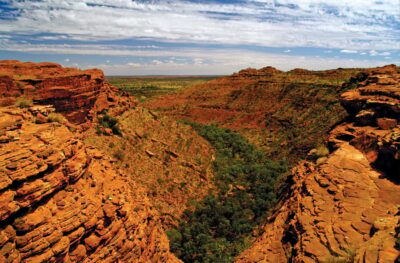
Kings Canyon: Full-Day Tour from Ayers Rock Resort
Read our review →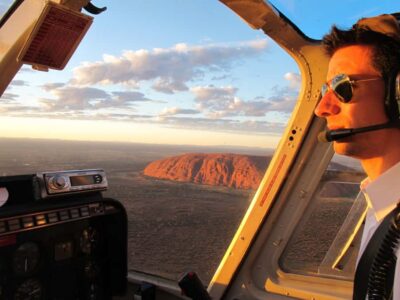
Yulara: Uluru & Kata Tjuta 25-Minute Helicopter Experience
Read our review →
Yulara: Uluru Sunrise and Kata Tjuta Day Trip by Bus
Read our review →
Uluru: Sacred Sites & Sunset Tour with Wine & Cheeseboard
Read our review →Browse the lists this tour appears in