
Reviewed · WILDLIFE & ZOO EXPERIENCES
Cairns: Guided Twilight Tour of the Aquarium
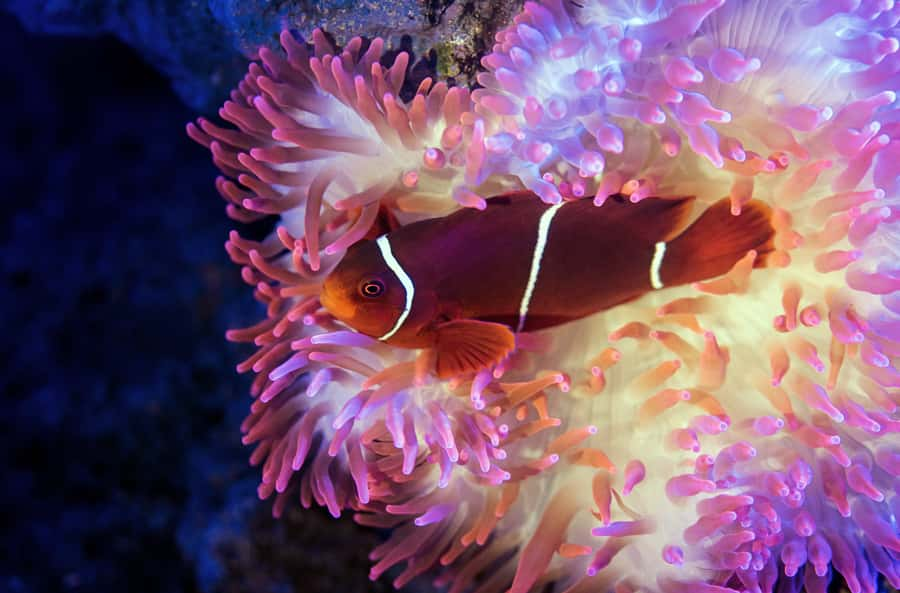
The reef changes after sunset. This two-hour twilight tour gives you after-hours access to Cairns Aquarium, where reef fish seek shelter and nocturnal predators become more active. I like the unusual timing and the chance to learn from a professional ecologist rather than simply walk past the tanks. The main drawback is clear: this is a talk-focused tour, so children or adults who prefer a quick, self-guided visit may lose interest.
I also like how the aquarium visit can prepare you for a reef outing. Cameron, one guide praised for his dynamic and enthusiastic teaching, helped one participant understand the Great Barrier Reef before snorkeling. That is a real strength. But if you prefer quiet viewing, the amount of explanation may feel heavy, and one family found the tour too slow for a child.
In This Review
- Key points at a glance
- Why Cairns Aquarium feels different after sunset
- Meeting the ecologist and setting the pace
- Coral caves, reef fish, and changing behavior
- Sharks, rays, and grouper after dark
- Reptiles, amphibians, insects, and nocturnal life
- Dundee restaurant and the end of the evening
- Is $60 a fair price?
- Who should book this twilight tour?
- Should you book it?
- FAQ
- Where does the twilight tour take place?
- How long does the tour last?
- What is included in the price?
- Is dinner included?
- Who leads the tour?
- What animals can I see?
- Is the tour available in languages other than English?
- Is the tour wheelchair accessible?
- Can I cancel for a refund?
Key points at a glance
- After-hours access: Enter Cairns Aquarium as the day winds down, with animal behavior at the center of the visit.
- A professional ecologist leads the way: The guide explains habitats, feeding patterns, shelter, and nighttime activity in English.
- Night creatures take the spotlight: Watch for nocturnal sharks, rays, grouper, fish, reptiles, amphibians, insects, and other aquatic animals.
- Useful before snorkeling: The tour can give you a broader picture of the reef than a short view through a mask.
- Dundee dinner option: Finish beside the aquarium displays, with food and drinks available to purchase separately.
- Good for curious learners: It suits people who enjoy natural science and guided explanation more than fast-paced entertainment.
Why Cairns Aquarium feels different after sunset
A normal aquarium visit often shows animals in a steady daytime rhythm. This tour is built around change. As the sun goes down, some reef fish move toward coral caves and sheltered spaces, while other animals become more active.
That shift gives the visit a clear purpose. You are not simply looking at fish behind glass. You are watching how darkness affects shelter, movement, and feeding habits. The guide connects those actions to each animal’s habitat, helping you read what is happening in the tanks.
I find that approach more useful than a long list of species names. A grouper resting in a display becomes part of a larger story about predators. A small reef fish hiding in coral becomes an example of survival. The aquarium setting lets you see these patterns in a controlled way, without relying on luck or perfect visibility in the open sea.
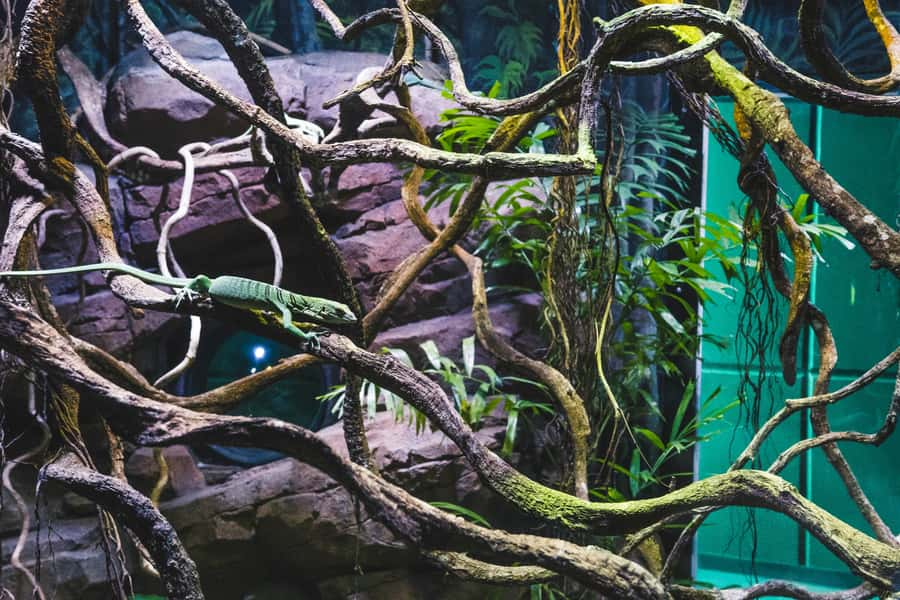
The tour also includes more than fish. You may see reptiles, amphibians, insects, and other animals whose behavior changes as daylight fades. That broader mix makes the experience a better fit for families and curious adults who want an overview of aquatic and related habitats.
More Wildlife Experiences in Cairns
- Cairns Aquarium General Admission Ticket
★ 4.6 · 422 reviews - From Cairns: Rainforest & Nocturnal Wildlife Tour
★ 4.7 · 144 reviews - Cairns: Night at the Aquarium Guided Tour & 2 Course Dinner
★ 4.6 · 106 reviews
Meeting the ecologist and setting the pace
Your tour begins by meeting the English-speaking guide, a professional ecologist. That matters because the value of this experience depends heavily on the quality of the explanation. The animals are already there, but the guide gives you a way to understand them.
Cameron received especially warm praise for being energetic and clear. His explanations helped connect the aquarium visit with a later snorkeling trip, giving one participant a better sense of the Great Barrier Reef before seeing it in the ocean. That is a useful lesson for planning: if you have a reef activity scheduled, placing this tour before it may make the outdoor experience easier to understand.
The pace is guided rather than free-form. You move through the aquarium with the group, stopping to look at animals and hear about their habits. That structure helps you notice details you might pass by alone, but it also means you cannot simply hurry through a tank that does not interest you.
One person found the guide talked too much, and another visitor became bored and fell asleep. Those comments should not be brushed aside. The tour is designed for listening. If your ideal aquarium visit means taking photos, wandering quietly, and spending only a minute at each display, this may feel too talk-heavy.
I would choose it for people who ask questions, enjoy ecology, or want a guide to explain the connections between animals and habitats. For very young children, bring realistic expectations. The tanks may hold their attention, but a two-hour educational format may not.
Coral caves, reef fish, and changing behavior
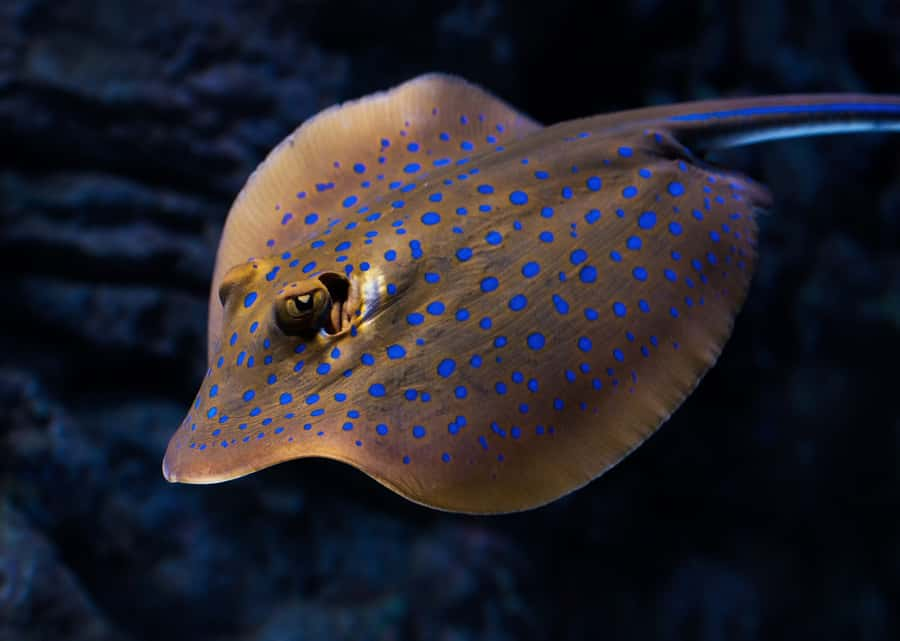
One of the most interesting parts of the route is the attention given to brightly colored reef fish. At twilight, they seek shelter in coral caves and protected areas. That small movement helps explain why coral structure matters. It is not just scenery. It offers hiding places and resting spots.
Your guide also discusses behavioral patterns and habitats as you move through the displays. The benefit is context. You begin to see the aquarium as a set of living environments rather than a row of separate tanks.
The lighting and timing should make these displays feel different from a daytime visit, although the exact animal activity can vary. No aquarium tour can guarantee that every creature will perform on schedule. Still, the focus on sunset behavior gives you a better reason to look closely.
I would pay attention to the quieter corners of each display. The most dramatic animal is not always the most interesting one. A fish disappearing into coral, an amphibian becoming more active, or an insect moving through its enclosure can tell you more about the transition from day to night than a large predator cruising past the glass.
This section is especially helpful if you have never thought much about animal routines. The guide explains what the animals need, where they live, and how their actions fit those surroundings. You get a lesson in observation, not only identification.
Sharks, rays, and grouper after dark
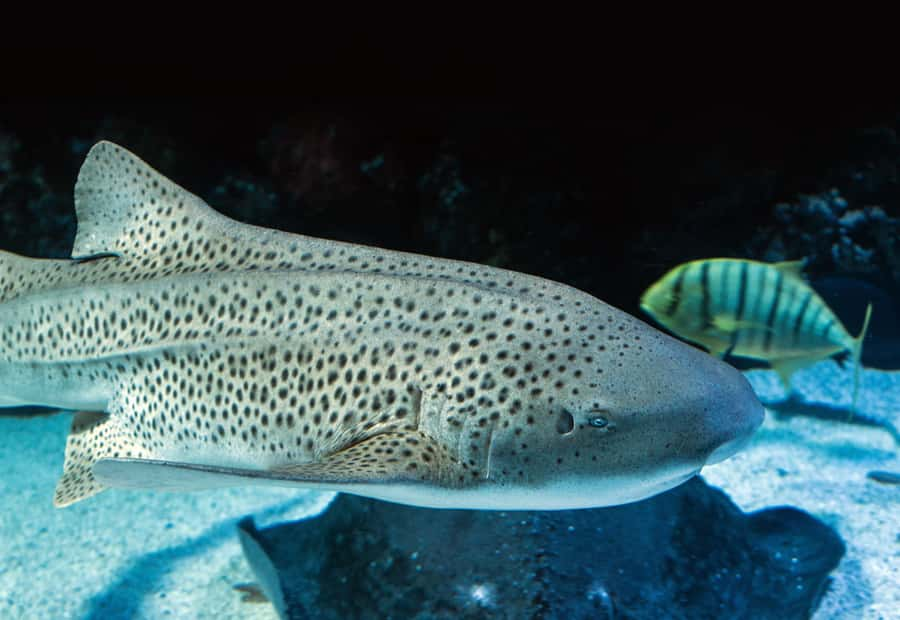
The tour’s strongest visual moments come from its larger predators. As reef fish settle into shelter, nocturnal sharks, rays, and grouper begin to awaken. Seeing that contrast in one visit gives the evening a simple dramatic arc: smaller animals hide while hunters become active.
Sharks and rays are familiar headline creatures, but the guide’s explanation adds the value. You learn to watch for movement, position, and timing instead of waiting for a theatrical display. The animals may glide, pause, or move through the darker parts of the tank. Their behavior can be subtle, so the guide’s comments help you notice what your eyes might miss.
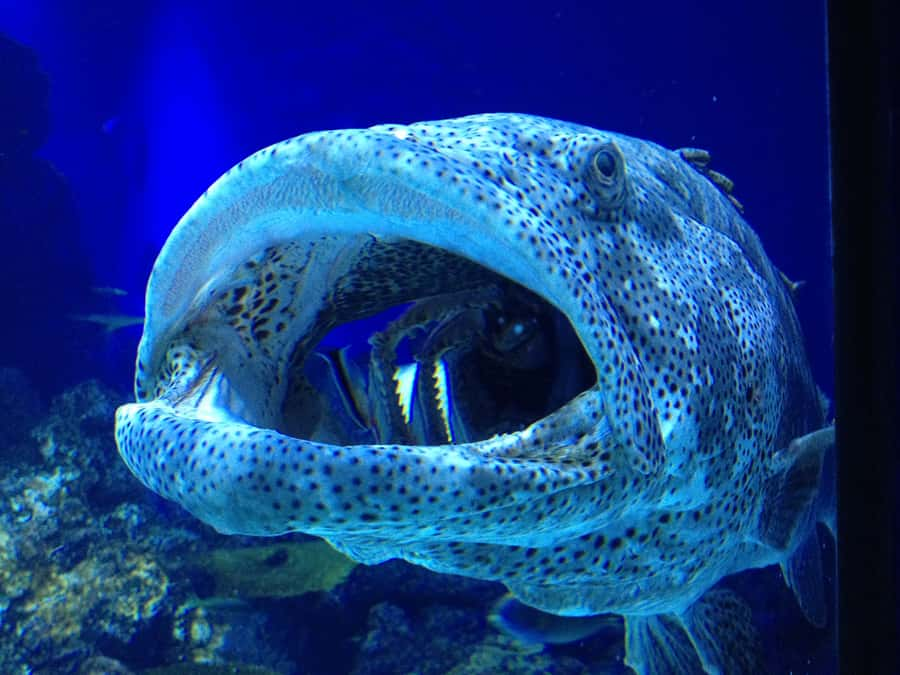
Grouper are also worth watching. Their size and predatory role make them a useful example of how reef food chains work. When the guide explains these relationships, the experience becomes relevant to the Great Barrier Reef beyond the aquarium walls.
This is where the tour can complement snorkeling particularly well. In the sea, you may see a narrow slice of reef life during a limited period. At the aquarium, you receive a guided overview of habitats and behavior. One does not replace the other, but the two experiences can work well together.
Do not book this expecting a thrill ride. The drama comes from learning what happens after dark, not from guaranteed feeding or sudden animal action. The pace remains educational, and that will please some people more than others.
A completely different kind of day out in Cairns:
- From Cairns: Great Barrier Reef Cruise by Premium Catamaran
★ 4.9 · 3,567 reviews - From Cairns: Self-Guided Kuranda Trip with Train and Skyrail
★ 4.6 · 3,392 reviews - Cairns: Outer Edges of The Great Barrier Reef Scenic Flight
★ 4.9 · 2,912 reviews - Cairns: Daintree Rainforest and Mossman Gorge Tour
★ 4.6 · 2,485 reviews
Reptiles, amphibians, insects, and nocturnal life
The inclusion of reptiles, amphibians, and insects keeps the tour from becoming a shark-only walk. These animals broaden the story and show that nighttime behavior is not limited to the ocean.
Some creatures become easier to notice once the usual daytime activity fades. You might find yourself looking for movement, color, and position rather than simply scanning for the biggest animal. The guide explains how the animals use their habitats and how their routines change as the light drops.
For families, this variety can be useful. A child who is less interested in fish may respond better to reptiles or insects. At the same time, the tour’s explanatory style remains the same across the displays. The guide is expected to talk about habitats and behavior, so the experience will not suddenly become a fast, hands-on activity.
I like this part because it adds balance. The aquarium is not only about spectacular predators. It also shows the less obvious creatures that help make an ecosystem work. If you take your time, you may come away with a better sense of how many different forms of life share these environments.
Dundee restaurant and the end of the evening
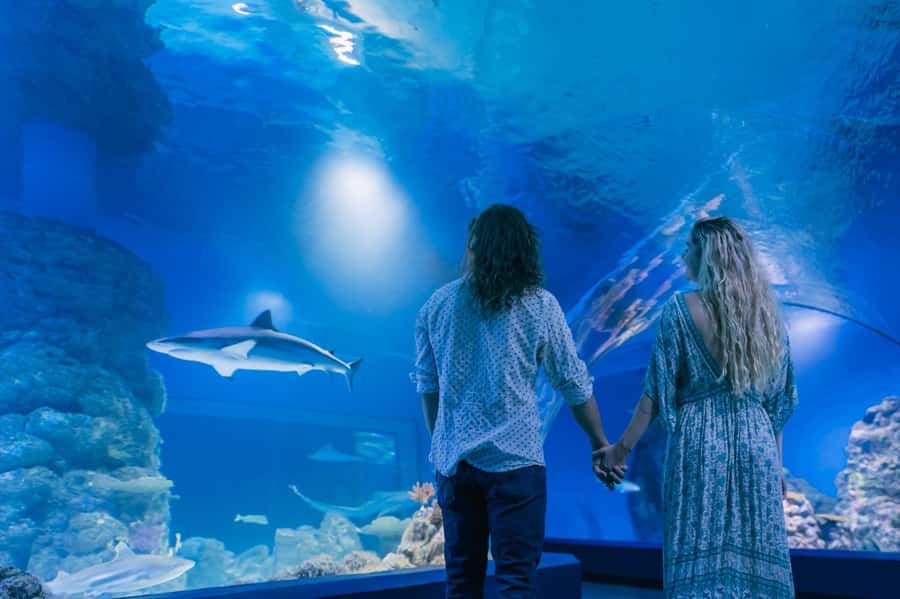
The tour finishes with the option to purchase dinner at Dundee restaurant, with sea life providing the setting. Food and drinks are not included in the $60 price, so plan to pay separately if you want to eat.
This arrangement is convenient because you can continue the evening without arranging another stop. It also gives you a chance to talk about what you saw while the displays are still fresh in your mind. For couples or families, that can make the aquarium visit feel like a complete evening plan.
Still, the meal is an option, not part of the tour itself. If you are watching your budget, you can finish the aquarium experience without adding restaurant costs. The important point is to treat dinner as a convenient extra rather than part of the admission value.
Is $60 a fair price?
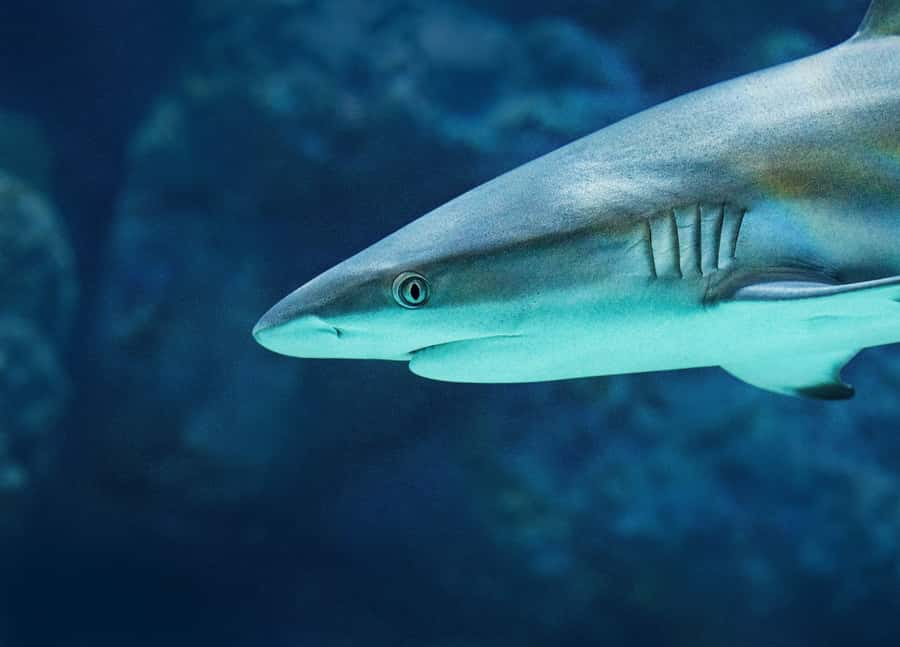
At $60 per person, this is not the cheapest way to see an aquarium. The price pays for after-hours entry and a two-hour guided tour, not just access to the displays.
I think the value depends on how much use you make of the guide. If you enjoy natural science, want to understand the reef, or plan to snorkel afterward, the added interpretation can justify the cost. Cameron’s teaching was particularly useful to someone who took the tour before snorkeling and found the reef outing more meaningful as a result.
The value is weaker if you mainly want to look at animals independently. You are paying for a set pace and a specialist-led explanation. Someone who dislikes long talks may feel that the standard aquarium admission, if available separately, would better match their style.
The $60 price also makes the two-hour duration important. You are not buying a quick evening stop. You are setting aside a substantial part of your night for a guided learning experience. That is fair for a focused tour, but less appealing if your Cairns schedule is packed.
My practical test is simple: if you can name several animals you want to understand, the price makes more sense. If you only want a rainy-day attraction or a brief family activity, compare the length and lecture style with what your group enjoys.
Who should book this twilight tour?
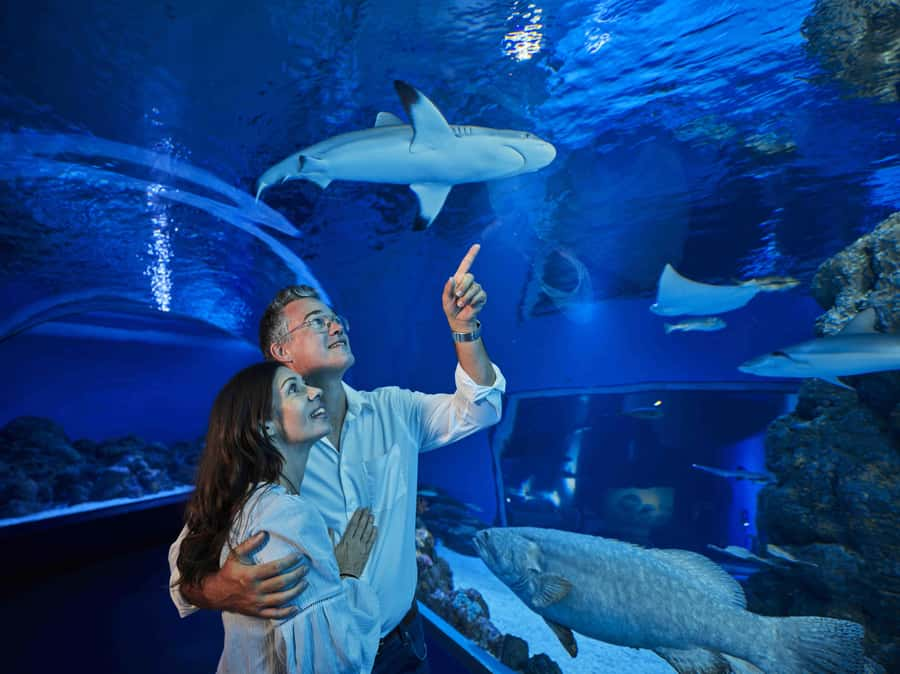
I would recommend it to:
- Adults who enjoy marine biology and animal behavior
- Families with children who can listen for two hours
- People planning a Great Barrier Reef snorkeling trip
- Visitors who prefer a guide to explain what they are seeing
- Aquarium fans looking for an after-hours format
- Anyone interested in nocturnal animals, not only bright reef fish
I would be more cautious if your group includes a child who quickly loses interest in guided talks. One negative experience centered on boredom and too much speaking, and that is a genuine warning. The tour has attractive animals, but it is not built around constant action.
It may also disappoint you if you expect an open-ended evening visit. You follow the guide and group, and the experience is in English. The aquarium is wheelchair accessible, which makes the format more practical for people who need an accessible venue, though the supplied information does not provide further details about route conditions.
You do not need hotel transport because pickup and drop-off are not included. Plan your own way to the aquarium and allow enough time to arrive before the start time you select. The tour schedule can vary, so check the available starting time when booking.
Free cancellation is available up to 24 hours before the tour for a full refund. You can also reserve now and pay later, which helps if you are arranging a Cairns itinerary around weather or reef activities.
Should you book it?
Book this tour if you want explanation, timing, and animal behavior, not just aquarium entry. The after-dark setting gives the visit a clear focus, and the chance to watch reef fish shelter while sharks, rays, and grouper become more active is genuinely appealing.
I especially like it before snorkeling. The aquarium gives you a broad view of reef life, while snorkeling shows you a smaller piece of that world in real water. Together, they can make the reef easier to read.
Skip it if your group prefers a fast, quiet visit or if two hours of guided talk sounds tiring. At $60, the tour needs to match your interests. For curious adults and patient older children, it offers a useful look at Cairns wildlife after sunset. For restless youngsters, choose with care.
FAQ
Where does the twilight tour take place?
The tour takes place at Cairns Aquarium in Queensland, Australia.
How long does the tour last?
The guided twilight tour lasts two hours.
What is included in the price?
The $60 per person price includes after-hours entry to Cairns Aquarium and the two-hour guided tour.
Is dinner included?
No. Food and drinks are not included. You can purchase a meal at Dundee restaurant after the tour.
Who leads the tour?
A professional ecologist leads the tour in English.
What animals can I see?
The tour includes marine and aquatic life such as sharks, rays, grouper, reef fish, reptiles, amphibians, insects, and nocturnal fish.
Is the tour available in languages other than English?
The tour language is English.
Is the tour wheelchair accessible?
Yes, the activity is wheelchair accessible.
Can I cancel for a refund?
Yes. You can cancel up to 24 hours in advance for a full refund. You can also reserve your place and pay later.
Just added around Cairns
- Cairns: Great Barrier Reef Cruise & 10 Minute Helicopter★ 4.6 · 25 reviews
- Fitzroy Island: Full-Day Ferry & Snorkel Safari Guided Tour★ 4.4 · 37 reviews
- Kuranda: Australian Butterfly Sanctuary★ 4.3 · 40 reviews
- Cairns: Great Barrier Reef Snorkeling Tour with Lunch★ 4.7 · 41 reviews
- Kuranda Pamagirri Aboriginal Premium Full-Day Tour★ 3.9 · 42 reviews
- Cairns: Green Island and Seawalker Helmet Dive Combo★ 4.6 · 43 reviews
- Cairns: 4-Day PADI Open Water Course★ 4.8 · 44 reviews
- Cairns: Giant Swing★ 4.9 · 47 reviews
Wildlife & Zoo Experiences, compared.

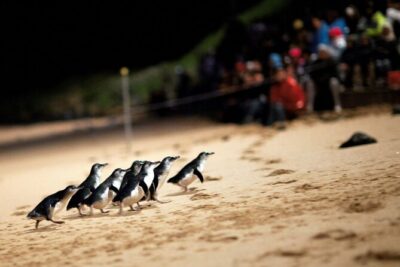
Penguin Parade, & Wildlife Encounters Eco Tour from Melbourne
Read our review →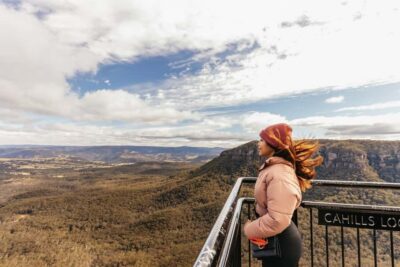
Blue Mountain Small Group Scenic World, Wildlife, Waterfall
Read our review →
Melbourne Great Ocean Rd Reverse Tour London Bridge Wildlife
Read our review →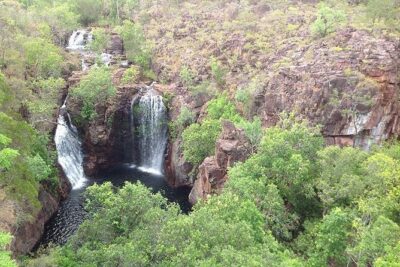
Litchfield National Park and Jumping Crocodile Cruise
Read our review →
Blue Mountains Adventure: Scenic World, Zoo & Koala Photo
Read our review →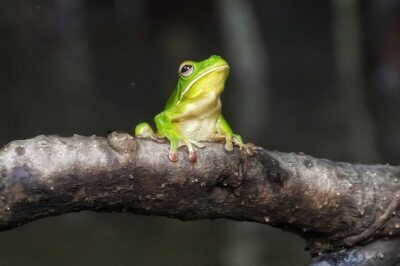
Solar Whisper Daintree River Crocodile and Wildlife Cruise
Read our review →
Browse the lists this tour appears in