
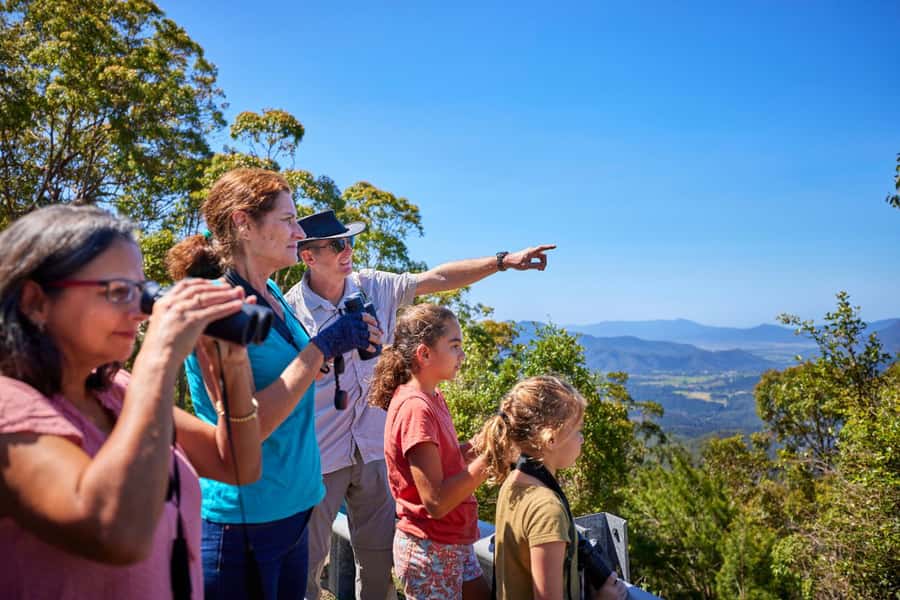
Reviewed · RAINFOREST & DAINTREE TOURS
From Cairns: Rainforest & Nocturnal Wildlife Tour
Night makes the rainforest strange again. I like the chance to see a wild platypus and the small group of no more than 11 people. I also like that dinner, afternoon tea, hotel transfers, binoculars, and wet-weather gear are included. The catch is a long day with plenty of walking, plus a late return to Cairns.
This is not a quick scenic drive with one token wildlife stop. You spend the afternoon in the Atherton Tablelands, then return to the forest after dark when possums, frogs, owls, gliders, and tree-kangaroos become possible. Guides Paul and Peter receive especially warm praise for spotting animals and explaining the stars, though one fair warning is that the mountain drive back can feel tiring, particularly after a full day outside.
In This Review
- Key points to know before booking
- Why this Cairns wildlife tour feels different
- Leaving Cairns for the Atherton Tablelands
- Agile wallabies within Cairns city limits
- The Cathedral Fig Tree and its giant roots
- Afternoon tea beside Lake Barrine
- Lake Eacham and the search for a platypus
- Dinner in Yungaburra before the rainforest goes dark
- Night spotlighting for tree-kangaroos and possums
- How the timing and transport affect your day
- Is $155 good value from Cairns?
- Who should book this rainforest night tour?
- Final verdict: book it for real wildlife, not a quick photo stop
- FAQ
- How long does the rainforest and nocturnal wildlife tour last?
- Is hotel pickup included?
- How likely is it to see a platypus?
- What food and drinks are included?
- What should I bring?
- Is the tour suitable for wheelchair users?
Key points to know before booking
- Platypus viewing is a major draw: The tour gives you about a 90 percent chance of seeing one at a viewing area near Yungaburra.
- The day changes character after sunset: You first walk in daylight, then return for a proper rainforest spotlighting walk at night.
- Paul is an excellent wildlife spotter: His ability to find small and well-camouflaged animals is a big part of the experience.
- The group stays small: With a maximum of 11 participants, it is easier to hear the guide and get a look through the binoculars.
- The $155 price covers useful extras: Hotel pickup and drop-off, afternoon tea, dinner, hot drinks, binoculars, and wet-weather gear are included.
- Expect an active eight hours: Comfortable walking shoes, cool clothing, water, and a small backpack matter more than stylish outfits.
Why this Cairns wildlife tour feels different
Many rainforest trips finish before the light goes. This one waits for the forest to switch shifts. Daylight brings birds, butterflies, wallabies, and forest dragons. Darkness brings possums, frogs, owls, gliders, and the possibility of a Lumholtz’s tree-kangaroo.
That change is the tour’s best idea. You do not just look at the rainforest as scenery. You see how much life is hidden when the sun is out, then use a spotlight to search the same world after dark.
The experience runs for about eight hours, with pickup from central Cairns or the Northern Beaches. The vehicle carries no more than 11 people, a useful limit for wildlife watching. A large coach would make it harder to hear a guide, share a sighting, or stop quickly when someone spots movement in the trees.
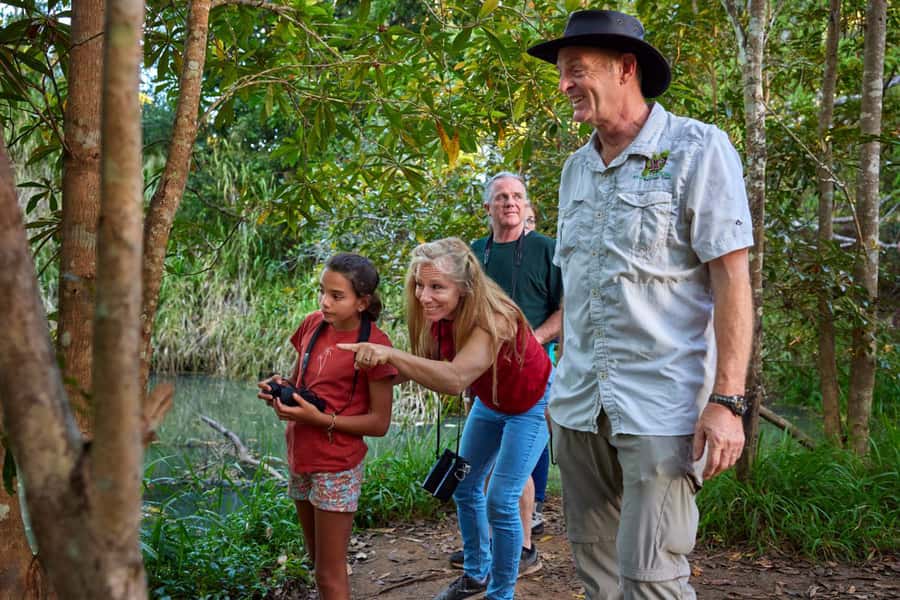
The guides are a major part of the value. Paul is praised for his humor, careful explanations, and sharp eye for animals. Peter has also been singled out for linking the night sky with Australian wildlife. That matters here because the animals are not placed in front of you. You need someone who knows where to look.
More Wildlife Experiences in Cairns
- Cairns Aquarium General Admission Ticket
★ 4.6 · 422 reviews - Solar Whisper Daintree River Crocodile and Wildlife Cruise
★ 5.0 · 1,663 reviews - 1-Hour Daintree River wildlife cruise
★ 5.0 · 947 reviews
Leaving Cairns for the Atherton Tablelands
The day begins with pickup at your Cairns City or Northern Beaches accommodation. You need to call the operator on the morning of the tour to receive the pickup time for your hotel, then wait five minutes early for the small white bus with a large red and green W on its side.
The first ride takes about an hour. This is useful door-to-door transport, since you do not have to drive the mountain roads yourself, especially on the return after dark. One person found the drive home less enjoyable, while another described the guide’s driving as spirited but safe. That is a fair point to keep in mind if winding roads make you uncomfortable.
Once in the Atherton Tablelands, you get coffee, tea, and welcome refreshments for about 20 minutes. It is a simple start, but a good one after the hotel pickup and climb inland. The tour then settles into its main rhythm: short drives, outdoor walks, animal watching, and explanations from the guide.
You should wear cool, comfortable clothes. Cairns may feel warm, but the Tablelands can feel different, particularly later in the evening. Walking shoes are required, and wet-weather gear is supplied if conditions turn damp.
Agile wallabies within Cairns city limits
The first wildlife stop looks for agile wallabies living within the city limits. This is a nice reminder that Australian wildlife is not always far from roads, hotels, and urban streets.
A wallaby sighting is not the headline event, but it helps set the tone. You begin by looking for a real wild animal rather than heading straight to a formal exhibit. The guide can also help you understand how much patience and attention wildlife watching requires.
Do not treat this opening stop as a guarantee of a long animal encounter. Conditions and animal behavior can change. Its value is that it gets your eyes working before the more focused walks later in the day.
The Cathedral Fig Tree and its giant roots
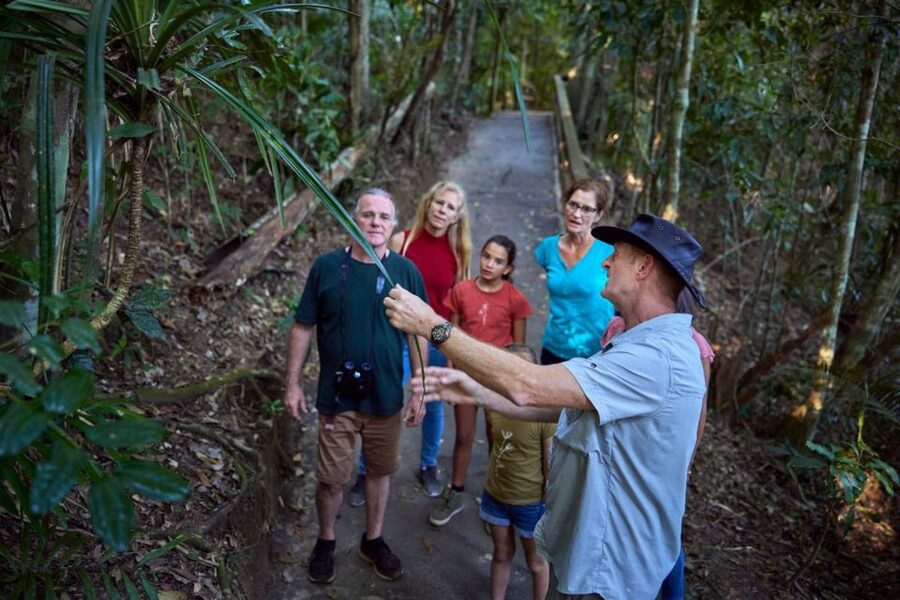
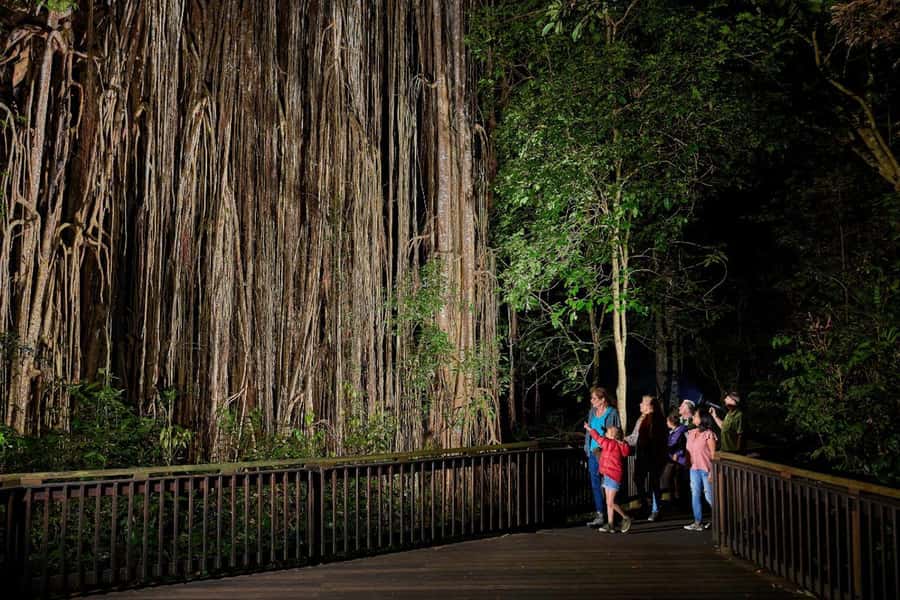
The next stop is the Cathedral Fig Tree, a strangler fig estimated to be 600 years old. Its root system is the spectacle here. The tree’s broad, tangled base gives you an immediate sense of the scale and age of the rainforest.
You get about 45 minutes for a guided walk and wildlife viewing in this part of the Tablelands. The short walking stops make the long day easier to manage than one continuous trek, though you are still on your feet often.
This is also a good place to pay attention to the guide’s explanations. A tree like this is more than a photo stop. It shows how the rainforest can create huge structures over many years, with roots that spread far beyond the neat shape of an ordinary garden tree.
More Daintree and rainforest days:
- From Cairns: Self-Guided Kuranda Trip with Train and Skyrail
★ 4.6 · 3,392 reviews - Cairns: Daintree Rainforest and Mossman Gorge Tour
★ 4.6 · 2,485 reviews - From Cairns: Daintree Rainforest & Cape Tribulation 4WD Tour
★ 4.6 · 1,521 reviews - Cairns: Skyrail, Kuranda, and Rail Tour with Hotel Transfers
★ 4.6 · 1,038 reviews
Afternoon tea beside Lake Barrine
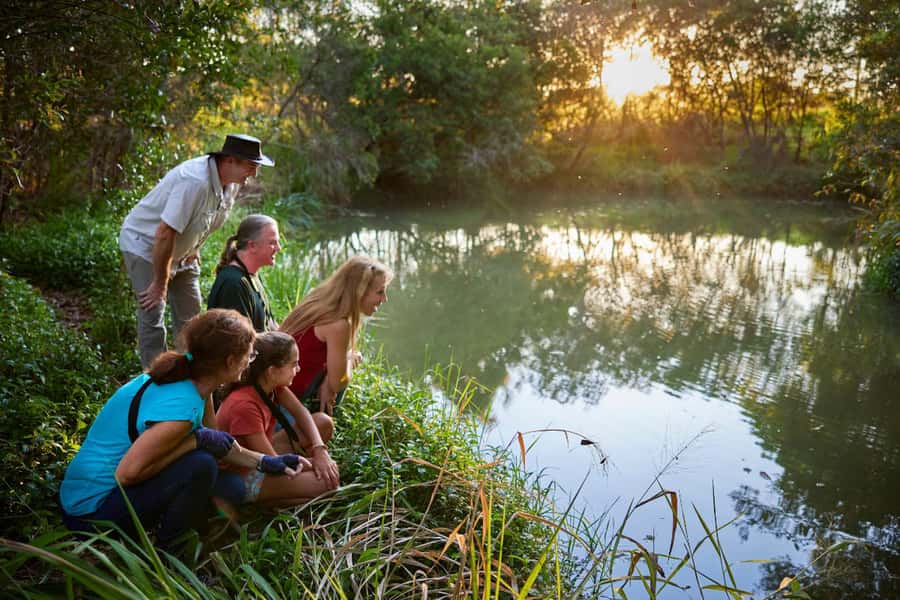
Lake Barrine provides the afternoon’s gentler pause. You have time for afternoon tea and a walk through rainforest near the lake, with scenic views along the way.
I like this part because it gives the day some breathing room. The tour includes several wildlife walks, and the lake stop breaks them up with a calm setting and a hot drink or refreshment. It is also one of the more scenic parts of the outing, rather than a stop based only on animal sightings.
Look carefully during the walk. The possible daytime sightings include musky rat-kangaroos, Boyd’s forest dragons, rainforest birds, butterflies, and flying foxes. These are not large, easy-to-spot animals lined up for you. The guide’s experience is especially useful with creatures that blend into bark, leaves, or shadow.
Several people saw a wide range of animals during the daylight and dusk portions, including rat-kangaroos and flying foxes. Still, you should treat the list as a set of possibilities, not a promise. Wildlife watching always depends on weather, light, movement, and luck.
Lake Eacham and the search for a platypus
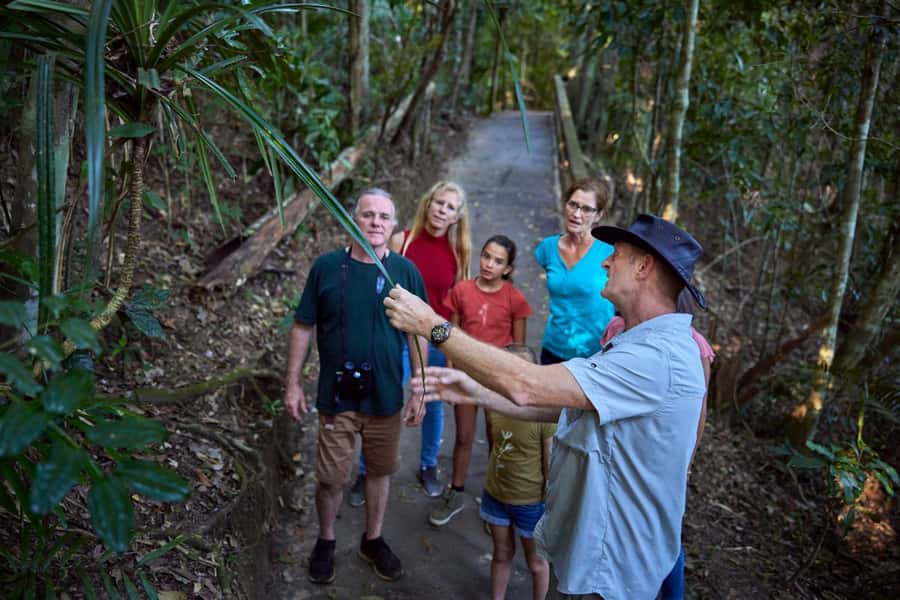
After another short drive, the group stops at Lake Eacham before heading to a platypus viewing area near Yungaburra. The Lake Eacham visit is brief, but it adds another water setting to the day and breaks up the transfers.
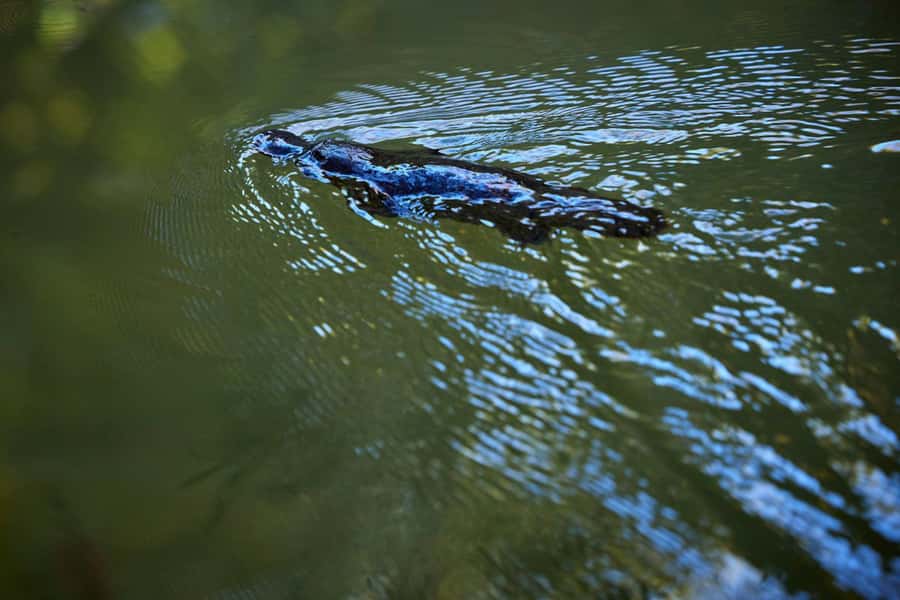
The platypus stop is the strongest reason to book this outing. The stated chance of seeing one is about 90 percent, which is unusually encouraging for a wild-animal encounter. You are not visiting a tank or a wildlife park. You are watching for a shy Australian mammal in its natural environment.
Even with a high chance, you should bring patience. A platypus may appear only briefly, then vanish below the surface. The best part is the uncertainty: you are watching a real animal behave on its own terms.
Several people saw one or more platypuses, sometimes close enough to watch the animal surface, dive, and return. That makes this stop more than a quick tick on a checklist. For many people, it becomes the day’s clearest wildlife memory.
Bring your camera, but do not let it distract you. A small animal moving through dark water can be difficult to photograph, while your own eyes may catch more than a phone screen.
Dinner in Yungaburra before the rainforest goes dark
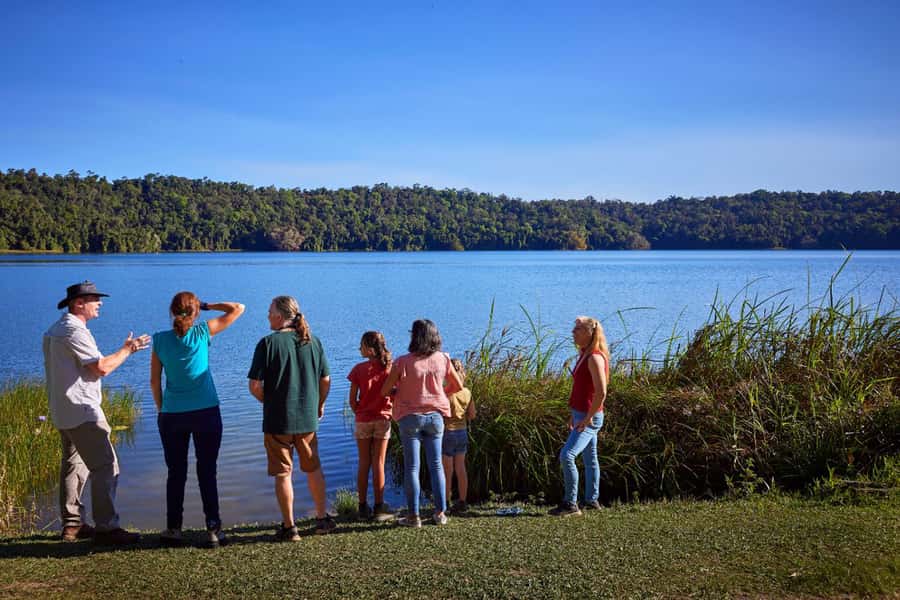
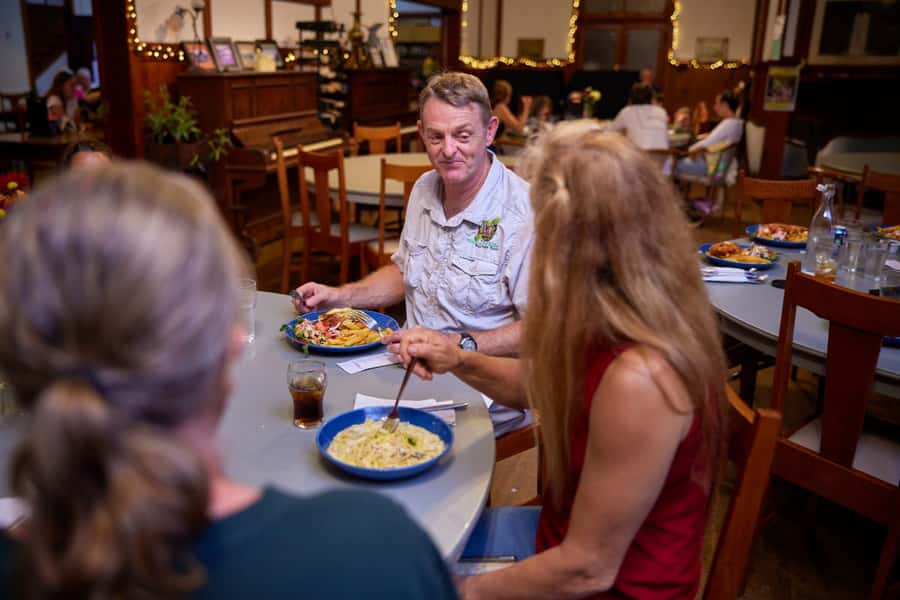
Dinner takes place at a restaurant in Yungaburra and lasts about an hour. Tea, coffee, or hot chocolate with dinner is included.
This is practical as much as pleasant. You are about to begin a night walk, so a proper meal is better than trying to push through the evening on snacks. The setting has been described as a charming old-style hotel restaurant, and the food has generally been considered good.
The meal also gives you a warm indoor pause before the final outdoor section. By this point, you have already spent hours on the road and walking trails. If you are not used to full-day excursions, this break will help.
Do not expect a long fine-dining experience. The appeal is a relaxed local meal, a chance to sit down, and the convenience of having dinner included in the $155 cost.
Night spotlighting for tree-kangaroos and possums

After dinner, the tour moves into its most unusual section: a rainforest walk beneath the night sky. This is where the experience earns its name.
The guide uses a spotlight to scan the trees, ground, and forest edges. Possible sightings include Lumholtz’s tree-kangaroo, northern leaf-tailed geckos, ringtail possums, gliders, frogs, and owls. You might also see pademelons, flying foxes, or other small marsupials.
The night walk is not a fast hike. It is a careful search. You stop, listen, and follow the guide’s beam when something moves. A small group helps because everyone can gather around a sighting without the crowd becoming unwieldy.
Tree-kangaroos are among the most exciting possible finds. They are elusive, and spotting one depends heavily on the guide’s eyes and knowledge of likely locations. Several people saw tree-kangaroos and possums, while one person described the nocturnal forest as magical despite finding the overall day tiring.
The night sky adds another layer. Peter has been praised for pointing out constellations, and the open darkness lets you appreciate the stars between forest stops. This is a quiet pleasure that many wildlife tours overlook.
The tradeoff is clear: darkness makes the forest fascinating, but it also makes walking more demanding. You need proper shoes and enough energy for uneven paths. This is not a good choice if you want a mostly seated evening.
How the timing and transport affect your day
The tour returns to Cairns at around 10:00 PM and to the Northern Beaches at about 10:30 PM. That late finish is part of the experience, since you cannot see nocturnal animals at four in the afternoon. It also means you should keep the rest of your evening free.
The day includes several short transfers, usually between five and 15 minutes, plus the longer rides to and from the Tablelands. This structure keeps the walks manageable and lets the guide target different areas.
Hotel pickup and drop-off add real value. If you rented a car, you would need to manage mountain roads, wildlife stops, dinner, and the drive back in the dark. Here, you can focus on the forest, though the return ride may feel long after a full day.
Large luggage is not allowed. Bring a water bottle, small backpack, camera, and only what you need outdoors. Binoculars are supplied, which is helpful for animals high in trees or across water.
The tour is not suitable for wheelchair users. It is best for people who can walk comfortably in outdoor conditions and stay alert during a night search.
Is $155 good value from Cairns?
At $155 per person, this is not the cheapest way to see the Atherton Tablelands. The price becomes easier to justify when you count what it includes: transport from your hotel, an expert English-speaking guide, afternoon tea, dinner, hot drinks, binoculars, and wet-weather gear if needed.
You also get eight hours of guiding rather than a short transfer to one attraction. The guide is doing the hard work of locating wildlife, choosing stops, managing the timing, and driving you back to Cairns.
The best value comes if you care about animals and do not want to arrange a rental car. It is less compelling if your main aim is a relaxed lake visit or a quick rainforest photo stop. The schedule is active, and you pay for the full day and night combination.
The small group is important to the calculation. With up to 11 people, the guide can adjust the pace and make sure people get a look when an animal is found. That personal attention is much harder to provide on a large sightseeing bus.
Who should book this rainforest night tour?
I would recommend it most strongly to you if wildlife is a main reason for visiting Queensland. The combination of a strong platypus opportunity, daytime rainforest walks, and nocturnal spotlighting gives you far more variety than a standard half-day outing.
It also suits first-time visitors who want a guided introduction to Australian animals without planning several separate trips. Paul’s ability to explain where to look and help people spot animals can make the difference between seeing a forest and actually noticing what lives in it.
You should think twice if you dislike late nights, winding mountain roads, or walking outdoors after dark. The day can be tiring, and the wildlife is never fully guaranteed, even with a stated 90 percent platypus chance.
Families and couples can enjoy it, but everyone in the group should be comfortable with a patient search rather than constant action. The quiet moments are part of the experience. Sometimes the guide is pointing out a frog, a constellation, or movement high in a tree rather than presenting a large animal every few minutes.
Final verdict: book it for real wildlife, not a quick photo stop
I would book this tour if I wanted one full Cairns outing built around wild animals rather than scenery alone. The platypus viewing, small group, skilled guides, included meals, and night forest walk make the $155 price reasonable.
You should book it knowing that the experience asks something from you: comfortable shoes, patience, energy, and a willingness to return late. If that sounds appealing, the chance to see a platypus, tree-kangaroo, possum, owl, or forest dragon in the wild is hard to beat.
If you want an easy sightseeing loop with little walking, choose something shorter. If you want to understand how the rainforest changes after sunset, this is the stronger choice.
FAQ
How long does the rainforest and nocturnal wildlife tour last?
The tour lasts about eight hours. It returns to Cairns at around 10:00 PM and to the Northern Beaches at about 10:30 PM.
Is hotel pickup included?
Yes. Pickup and drop-off are available from hotels in central Cairns, with Cairns City listed as a pickup area. You need to call 0429083338 on the morning of the tour to receive your accommodation’s pickup time.
How likely is it to see a platypus?
The tour states an approximate 90 percent chance of seeing a platypus at the viewing area near Yungaburra. Wildlife sightings can still vary, but the platypus stop is a central part of the outing.
What food and drinks are included?
Afternoon tea is included, along with dinner at a restaurant in Yungaburra. You also receive tea, coffee, or hot chocolate with dinner.
What should I bring?
Bring comfortable walking shoes, cool and comfortable clothing, a water bottle, a small backpack, and a camera. Binoculars and wet-weather gear, when required, are supplied.
Is the tour suitable for wheelchair users?
No. The tour is not suitable for wheelchair users and involves several rainforest walks, including a nighttime walk.
Just added around Cairns
- Cairns: Great Barrier Reef Pontoon with Water Activities★ 4.8 · 132 reviews
- From Cairns: Frankland Island All-Inclusive Day Tour★ 4.7 · 132 reviews
- Cairns: Ocean Spirit Great Barrier Reef Full Day Tour★ 4.8 · 138 reviews
- N. Queensland: Kuranda Rainforest Full-Day Tour★ 4.5 · 165 reviews
- From Cairns: Chillagoe Caves and Outback Full-Day Tour★ 4.6 · 176 reviews
- Kuranda, Skyrail & Gold Class Train from Cairns★ 4.7 · 177 reviews
- Cairns: Sunset River Cruise with Snack and Drinks★ 4.7 · 185 reviews
- Cairns: Tandem Skydive★ 4.8 · 192 reviews
Rainforest & Daintree Tours, compared.
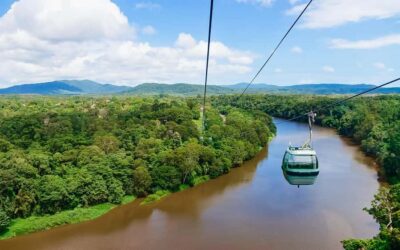
Self-Guided Kuranda Trip with Train and Skyrail
Read our review →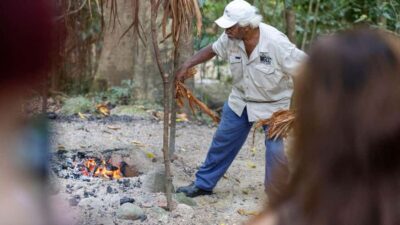
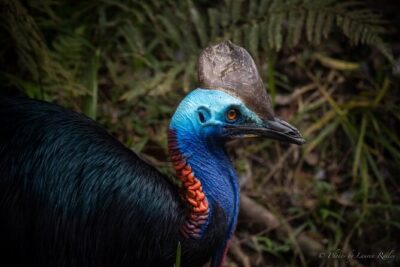
Daintree Rainforest, Mossman Gorge Small-Group from Port Douglas
Read our review →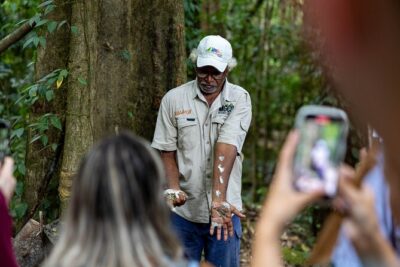
Cape Tribulation, Mossman Gorge, and Daintree Rainforest Day Trip
Read our review →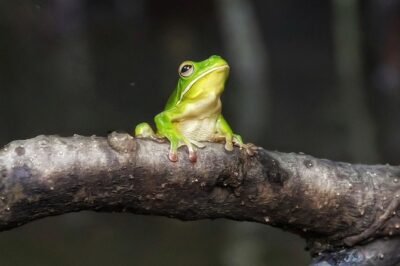
Solar Whisper Daintree River Crocodile and Wildlife Cruise
Read our review →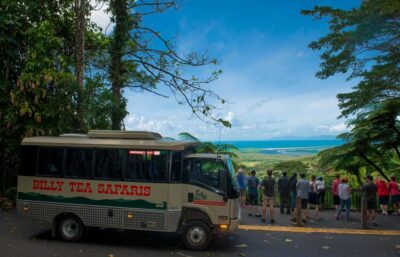
Daintree Rainforest & Cape Tribulation 4WD Tour
Read our review →

Skyrail, Kuranda, and Rail Tour with Hotel Transfers
Read our review →Browse the lists this tour appears in