
Reviewed · CRUISES & BOAT TOURS
Darwin: Bombing of Darwin WW2 Tour with Harbor Cruise
Darwin’s wartime story is easy to miss. This half-day experience brings it into focus through the Defense of Darwin Museum, forgotten bunkers, and the sites struck during the Japanese attacks of 19 February 1942. I like the strong mix of land and water, and I like that local guides such as Mariet, Penny, John, and Rob add personal energy to the storytelling rather than simply reading dates from a script.
The tour also gives you a useful introduction to Darwin itself. You move through Charles Darwin National Park, East Point, Myilly Point, and the old wharf areas before seeing the harbor from the boat. The main drawback is time: four and a half hours covers a lot, and several people felt an extra half-hour at the military museum would have helped.
In This Review
- Key points to know before booking
- Why Darwin’s wartime story matters
- A practical 4.5-hour morning
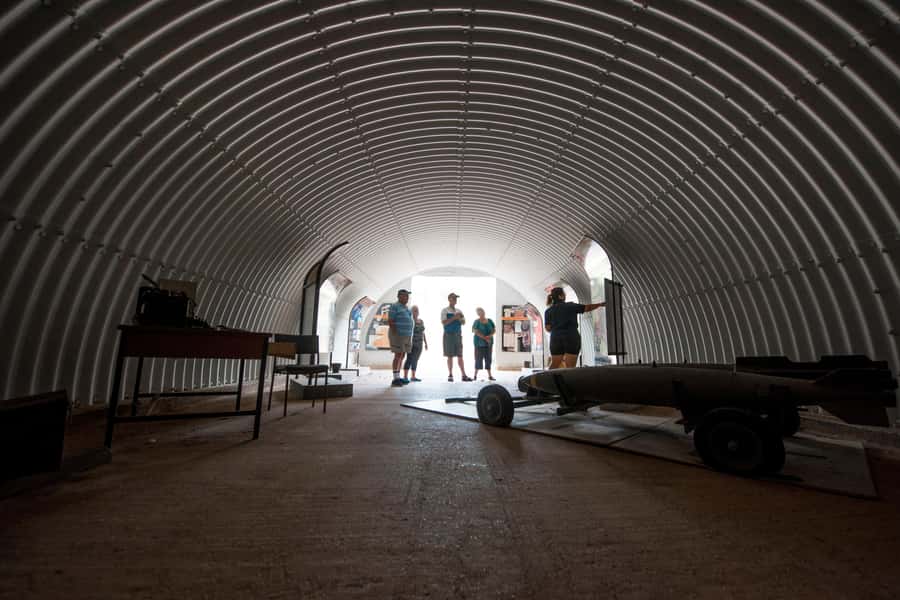
- Charles Darwin National Park and its ammunition stores
- East Point and the Defense of Darwin Museum
- Myilly Point and the city’s surviving traces
- The one-hour Darwin Harbor cruise
- How much value do you get for $105?
- The guides make the difference
- Who should book this Darwin tour?
- Should you book the Bombing of Darwin tour?
- FAQ
- How long does the Bombing of Darwin tour last?
- What is included in the $105 price?
- Is hotel pickup available?
- Where can I meet the tour without hotel pickup?
- What places does the land tour visit?
- What will I see on the harbor cruise?
- Is food included?
- What should I bring?
- Is the tour suitable for wheelchair users?
- What language is the tour conducted in?
Key points to know before booking
- Two Japanese air raids are the focus: Learn how the attacks on 19 February 1942 killed 243 people and damaged Darwin.
- The route reaches places you may not visit alone: Charles Darwin National Park, East Point, Myilly Point, and historic harbor areas are all included.
- The harbor cruise adds a different view: You pass the wreck sites of the SS Neptuna and USS Peary, plus old wharf and flying boat locations.
- Guides are a major strength: Mariet, Penny, John, Dave, Andrew, Tyler, and Rob have all been praised for clear, warm commentary.
- It is good value at $105: Transport, two museum entries, the national park, and the one-hour cruise are included.
- Allow for heat and walking: Bring comfortable shoes, a sun hat, sunscreen, and drinking water is supplied.
Why Darwin’s wartime story matters
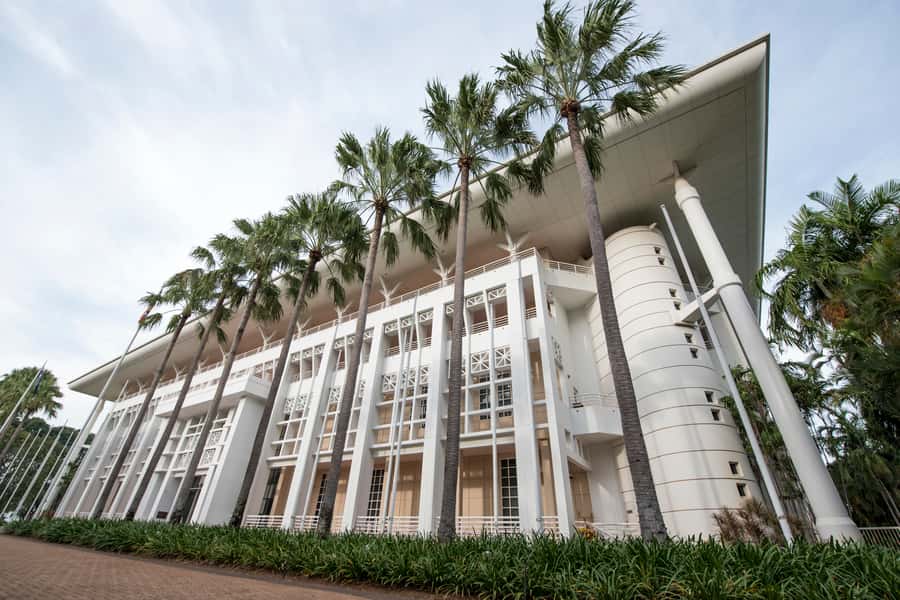
Darwin is now a modern Northern Territory capital, but on 19 February 1942 it became the first Australian town attacked by a foreign enemy during World War II. Two Japanese air raids hit the town and its harbor, killing 243 people and destroying much of the city.
The scale of the attacks can be hard to grasp from ordinary sightseeing. Roads, shops, government buildings, ships, military stores, and waterfront facilities all formed part of the story. This tour helps you connect the event to actual places instead of treating it as a distant chapter in a textbook.
I especially value the way the experience deals with the human cost. The museum presentation includes photographs and testimony from people who were there, and the film has been described as thought-provoking. This is not light sightseeing, but it is presented in a way that gives you time to take in the subject without turning the morning into a lecture.
You also get a broader picture of Darwin’s wartime role. The old military areas, ammunition stores, gun emplacements, wharves, and harbor wrecks show how the town functioned as a defense and supply base. That wider context makes the bombing easier to understand.
More Boat Tours in Darwin
- Litchfield National Park and Jumping Crocodile Cruise
★ 5.0 · 2,119 reviews - Sunset 3-Hour Cruise from Darwin with Dinner and Sparkling Wine
★ 5.0 · 980 reviews - From Darwin: Litchfield Park Tour & Jumping Crocodile Cruise
★ 4.9 · 829 reviews
A practical 4.5-hour morning
The total duration is 270 minutes, or four and a half hours. Pickup is available from Darwin city hotels, with guests asked to wait in the lobby at 7:45 AM before collection prior to 8 AM.
You can also meet at 8 AM at the Aquascene Fish Feeding car park at 28 Doctors Gully Road. This option includes unlimited free parking, which is useful if you have your own car and do not want to arrange hotel transport.
The tour uses road transport for the land portion and a boat for the final hour. The vehicle has been praised as clean and comfortable, and a small group can make the morning feel relaxed rather than crowded. Exact group size is not specified, so I would not book assuming a private tour.
Hotel pickup and drop-off make this a particularly easy choice on your first morning in Darwin. You get an overview of several districts without hiring a car or working out the route yourself. A guide can also point out places to return to later.
The early start is sensible in Darwin’s heat, but you should still dress for sun. Comfortable shoes matter because the day includes museum visits and outdoor military sites. A sun hat and sunscreen are essential, and water is provided. Food and other drinks are not included, so eat beforehand or bring what you need.
Charles Darwin National Park and its ammunition stores
Charles Darwin National Park is one of the tour’s most useful stops because it preserves physical remains of the wartime supply system. You see bunkers, ammunition stores, and other World War II relics in an outdoor setting.
The ammunition stores are especially effective. They show the practical side of war, where supplies had to be protected, stored, and moved through a remote tropical base. These structures are not as instantly dramatic as a large museum display, but they make the military story tangible.
This stop also breaks up the indoor presentations. You are not simply moving from one screen to another. Instead, you have a chance to see the kind of infrastructure that survived after the city around it changed.
Bring shoes with a firm sole and expect sun exposure. The supplied information does not promise extensive walking distances, but this is not a fully indoor experience. The tour is not suitable for wheelchair users, so anyone with mobility concerns should check carefully before booking.
East Point and the Defense of Darwin Museum
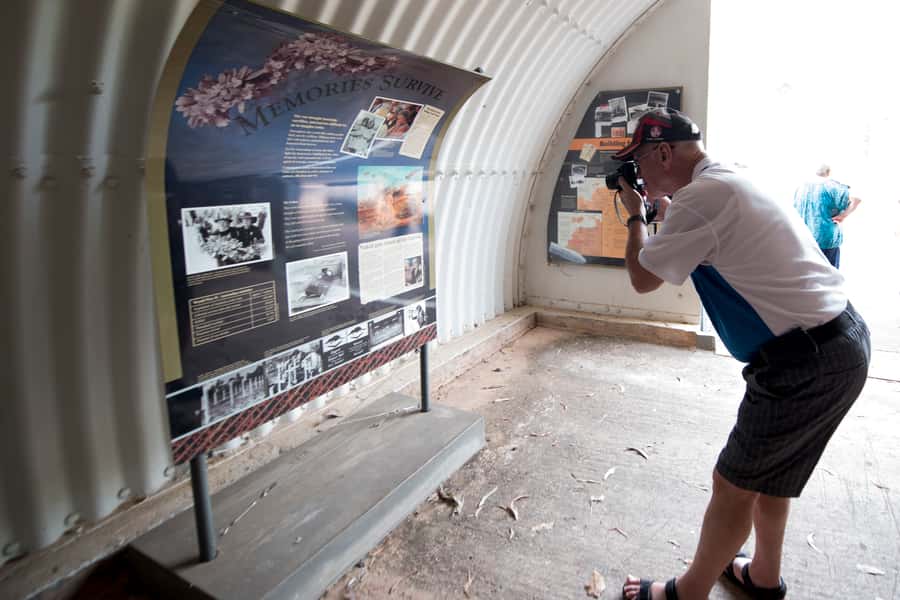
The East Point Military Precinct is the main museum stop and one of the strongest parts of the morning. The Defense of Darwin Museum, also described as the Darwin Military Museum, gives the bombing a clear narrative through displays, objects, photographs, and film.
The museum is valuable because it connects the attack to the people who lived through it. The film includes photographs and testimony from the period, helping you understand that Darwin’s wartime experience was more than a series of aircraft movements and casualty figures.
Guides are central here. Mariet has been singled out for her detailed explanation of the Japanese bombing, while Penny has been praised for her enthusiasm and clear delivery. Other guides, including Dave and Rob, have also been credited with making the subject approachable through stories and good humor.
You will probably want more time here. The scheduled visit gives you an introduction, but the museum contains enough material to reward a longer stay. Some people found the museum portion slightly short, while others felt the tour allowed enough time at each stop. That difference comes down to how closely you want to read displays and watch the film.
If you already have a strong interest in military history, consider returning independently for a longer visit if your schedule permits. If you are new to Darwin’s wartime story, the included museum visit gives you a solid foundation without requiring you to spend an entire day indoors.
A completely different kind of day out in Darwin:
- Adelaide River Cruises – Jumping Crocodile Experience
★ 5.0 · 997 reviews - Charles Darwin Dinner Cruise
★ 4.5 · 820 reviews - Kakadu Day Tour from Darwin with Offroad Dreaming
★ 5.0 · 776 reviews - Cape Adieu Darwin Sunset Dinner Cruise
★ 5.0 · 750 reviews
Myilly Point and the city’s surviving traces
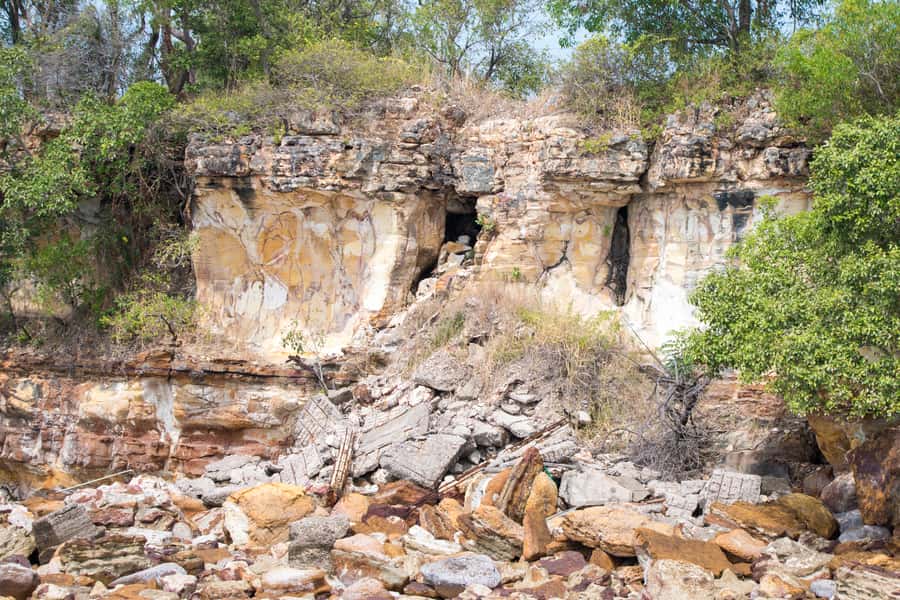
The Myilly Point Heritage Precinct adds another layer to the experience. Instead of focusing only on military installations, the tour also shows how Darwin’s built environment and neighborhoods were affected by war and later change.
This is part of what makes the bus route useful. You are not confined to a single museum. The guide helps you connect different parts of Darwin, giving you both a wartime lesson and an orientation to the city.
One guide described by a participant, Mariet, also suggested other activities to do in Darwin. That kind of local advice is useful early in a stay because it helps you decide how to spend the rest of your time. The tour is not just a history presentation, it can also function as a first look at the city.
The pace seems carefully judged. People have described having enough time at each location without long waits or feeling rushed. Still, a half-day tour cannot explain every site in depth. Think of this as a well-planned introduction, not a complete study of Darwin’s military past.
The one-hour Darwin Harbor cruise
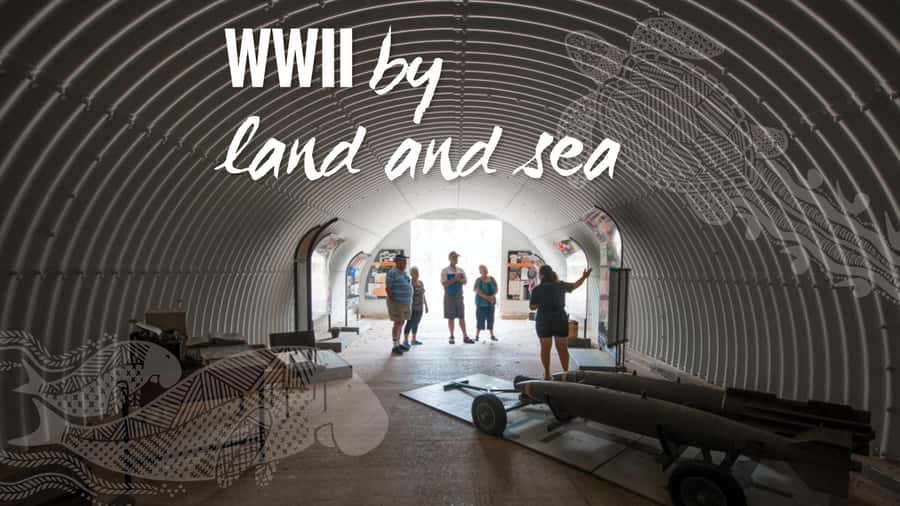
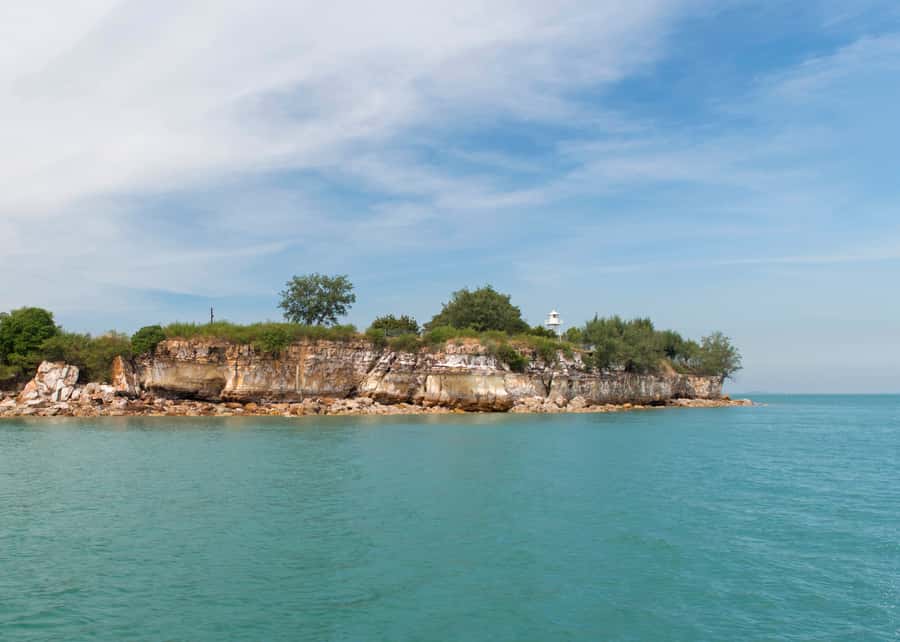
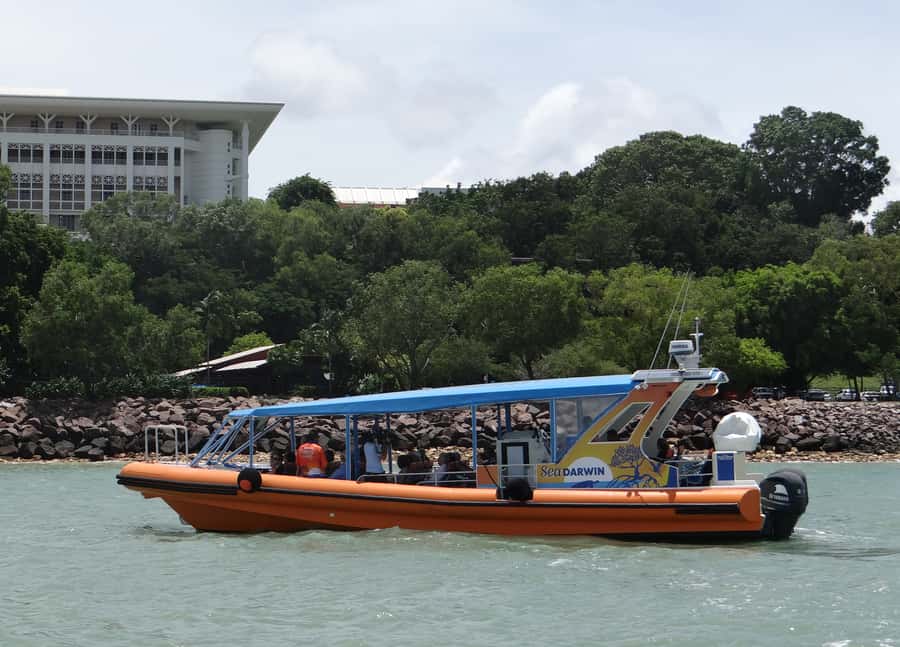
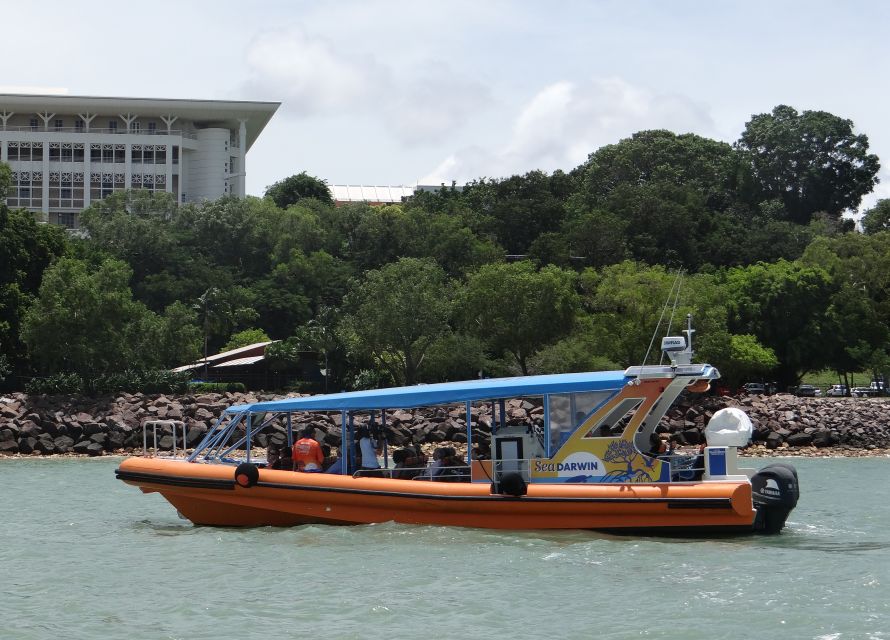
The final hour shifts the focus from land to water. The cruise passes Stokes Hill and Fort Hill wharf areas, two important waterfront locations in Darwin’s wartime story.
From the boat, you can see the harbor in a way that road transport cannot provide. The water helps you understand why the port was strategically important and how ships, wharves, flying boats, and gun positions fitted into the town’s defense system.
Two major wreck sites are included: the SS Neptuna and USS Peary. Seeing their locations from the harbor gives the bombing a direct physical connection. These are not just names in a display case. They mark the places where ships were caught in the attacks.
The cruise also passes the old flying boat base at Doctors Gully. Finally, you travel toward Cullen Bay, where gun emplacements can be seen from the water. That closing view brings together the harbor’s military and transport roles.
Boat commentary has been another strong point. John, Andrew, Penny, Tyler, and Rob have all been praised for professional and interesting presentations. The information is delivered as stories, which helps prevent the cruise from becoming a silent ride past industrial waterfront scenery.
Water conditions can affect the experience. One person noted that the sea was choppy and the embarkation location was changed to make things easier and safer. Another found that low tide kept the boat farther from some landmarks. These are sensible operational changes, but they mean the exact view can vary by day.
If you are prone to motion sickness, plan accordingly. The supplied information does not specify whether medication is available or whether the boat has covered seating, so ask the operator if those details matter to you.
How much value do you get for $105?
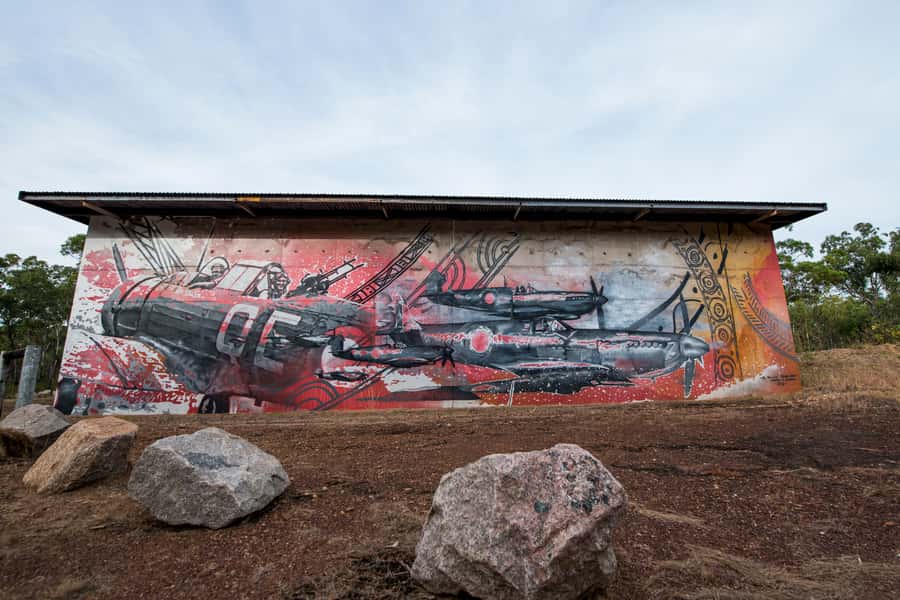
At $105 per person, this is not the cheapest way to spend a morning in Darwin, but the inclusions make the price reasonable. You receive hotel pickup and drop-off, transport between several sites, entry to Charles Darwin National Park, entry to the Defense of Darwin Museum and Darwin Military Museum, plus a one-hour harbor cruise.
The value is strongest if you do not have a car. Reaching the national park, East Point, Myilly Point, and the harbor sites independently would take planning, and you would miss the connected commentary. You also avoid paying separate entry fees for the included attractions.
The price is less compelling if you already plan to visit the museums alone and have plenty of time to explore Darwin by car. Independent sightseeing gives you longer at each location and more control over your pace. The tour earns its cost through transport, structure, and interpretation.
The high transport score also matters. A clean vehicle, hotel pickup, and a guide who knows the roads remove much of the morning’s friction. You are paying for an organized route as well as admission and the cruise.
Food and drinks are not included, so budget for breakfast before pickup. The tour is short enough to leave much of the day free, which adds to its usefulness for a first or second day in Darwin.
The guides make the difference
The strongest feature is the human delivery. Mariet is repeatedly praised for her detailed knowledge of the bombing, calm driving, kindness, and helpful suggestions for other activities. Penny has also been praised for her passion and clear explanations.
On the water, John, Dave, Andrew, Tyler, and Rob have been noted for professional and engaging commentary. The names and staff can change, but the consistent pattern is clear: this experience depends heavily on guides who can explain difficult material in a conversational way.
That matters because the physical sites are often modest. A bunker or wharf area may not tell you much without context. A good guide explains what happened there, who used it, and how it fits into the wider attack.
The tone also seems flexible. Families have found the tour accessible to children, including a 10-year-old who enjoyed it. Adults with a serious interest in the subject should still find enough detail to make the morning worthwhile.
Who should book this Darwin tour?
I would recommend it to first-time visitors who want to understand Darwin quickly. It combines city orientation, museum access, outdoor military remains, and a harbor view in one morning.
It also suits anyone interested in Australian World War II history but unfamiliar with the Bombing of Darwin. The route shows why the event mattered and gives you several ways to approach it: personal testimony, preserved structures, city sites, and shipwreck locations.
Families can consider it too, particularly if children enjoy vehicles, ships, and real historical places. The subject includes death and destruction, so parents should decide if the film and wartime material are suitable for their children.
You may want a different plan if you need step-free access, prefer a slow museum visit, or dislike fixed schedules. Wheelchair users cannot take this tour, and the museum time may feel brief if you read every display carefully.
Book with realistic expectations. You will see many places, but you will not become an expert in Darwin’s entire wartime story in 270 minutes. You will, however, leave with a much clearer sense of what happened and where it happened.
Should you book the Bombing of Darwin tour?
Yes, if you want a practical and well-supported introduction to Darwin’s World War II story. At $105, the combination of transport, museum admissions, outdoor relics, and a one-hour cruise gives you solid value, especially without a rental car.
The best reason to book is the interpretation. Guides such as Mariet and Penny make the subject easier to follow, while the boat crew adds useful harbor context. Just allow for a full morning, sun, possible choppy water, and less museum time than you might prefer.
If you want a slower, highly detailed museum visit, book the tour as an introduction and return to the museum later. If you want one efficient experience that links Darwin’s streets, bunkers, museums, and harbor wrecks, this is a strong choice.
FAQ
How long does the Bombing of Darwin tour last?
The tour lasts 270 minutes, or four and a half hours.
What is included in the $105 price?
The price includes hotel pickup and drop-off, drinking water, entry to Charles Darwin National Park, entry to the Defense of Darwin Museum, entry to the Darwin Military Museum, and a one-hour Darwin Harbor cruise.
Is hotel pickup available?
Yes. Pickup is available from Darwin city hotels. You should wait in the hotel lobby at 7:45 AM before pickup prior to 8 AM.
Where can I meet the tour without hotel pickup?
You can meet at 8 AM at the Aquascene Fish Feeding car park, 28 Doctors Gully Road. Unlimited free parking is available at that address.
What places does the land tour visit?
The route includes Charles Darwin National Park, the Defense of Darwin Museum, the East Point Military Precinct, and the Myilly Point Heritage Precinct. It also visits sites connected to the Japanese air raids and other World War II remains.
What will I see on the harbor cruise?
The cruise lasts one hour and passes Stokes Hill and Fort Hill wharf areas, the wreck sites of the SS Neptuna and USS Peary, the old flying boat base at Doctors Gully, and gun emplacements visible from the water near Cullen Bay.
Is food included?
No. Food and drinks are not included, although drinking water is provided.
What should I bring?
Bring comfortable shoes, a sun hat, and sunscreen. These are useful for the outdoor stops and Darwin’s sunny conditions.
Is the tour suitable for wheelchair users?
No. The tour is not suitable for wheelchair users.
What language is the tour conducted in?
The live tour guide speaks English.
Just added around Darwin
- Darwin Combo: The Bombing of Darwin Experience & Darwin Harbour Cruise★ 4.5 · 123 reviews
- Darwin: Adelaide River Half-Day Jumping Crocs Cruise★ 4.3 · 130 reviews
- From Darwin: Litchfield National Park Small-Group Day Trip★ 4.7 · 131 reviews
- Litchfield National Park Day Tour & Berry Springs, Max 11 Guests★ 4.5 · 131 reviews
- Golden Eye Sunset Jet Skiing in Darwin★ 5.0 · 139 reviews
- Litchfield & Berry Springs VIP Adventure Day Tours (group of 11)★ 5.0 · 142 reviews
- Darwin History and Wartime Experience Tour★ 5.0 · 144 reviews
- “Cage Of Death” Crocodile Swim and Entry to Crocosaurus Cove★ 4.8 · 150 reviews
Cruises & Boat Tours, compared.
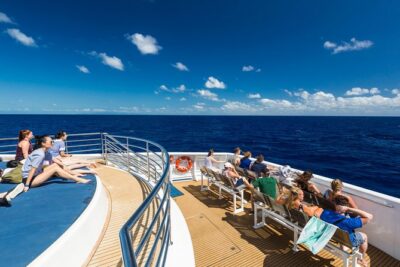
Great Barrier Reef Snorkeling and Diving Cruise from Cairns
Read our review →
Great Barrier Reef Cruise by Premium Catamaran
Read our review →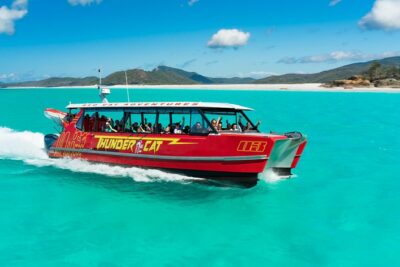
Whitehaven Beach and Hill Inlet Lookout Snorkeling Cruise
Read our review →
Big Bus Hop-On Hop-Off Tour with Optional Cruise
Read our review →
Passions of Paradise Great Barrier Reef Cruise by Catamaran
Read our review →
Litchfield National Park and Jumping Crocodile Cruise
Read our review →
Browse the lists this tour appears in