
Reviewed · CITY TOURS
Darwin City Explorer Tour
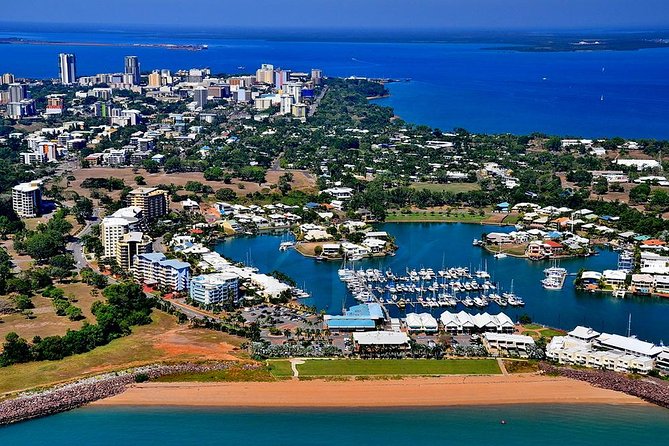
Darwin’s story is bigger than its size. This morning bus tour packs military history, aviation, Aboriginal art, tropical gardens, and city landmarks into about five hours, making it a useful first look at Australia’s Top End. I like the small maximum group of 21, which should feel more personal than a large sightseeing coach, and I like the mix of museums and outdoor stops. The main drawback is the pace: you see many places, but some museum visits may leave you wishing for more time.
I also like that the tour leaves your afternoon free for the waterfront, a sunset cruise, or your own museum visit. Guides such as Ian, Ash, Katie, and Karen have been praised for clear local explanations and friendly help, although pickup communication has not always been smooth. At $118.35 per person, the value depends on how many included attractions you plan to visit on your own.
In This Review
- Five useful things to know before you book
- Why this half-day tour works well in Darwin
- Museum and Art Gallery of the Northern Territory: a strong opening stop
- Aviation Museum: aircraft and wartime evidence
- Botanic gardens and Darwin’s tropical side
- Parap Village Markets on Saturdays
- East Point, Fannie Bay Goal, and the wartime route
- Defence of Darwin Experience: the tour’s main history stop
- Parliament House and the changing city
- The 1934 Qantas Hangar: an odd and memorable final stop
- Transport, group size, and the pickup question
- Is $118.35 good value?
- Who should take it?
- Should you book the Darwin City Explorer Tour?
- FAQ
- What time does the Darwin City Explorer Tour start?
- How long does the tour last?
- Is hotel pickup included?
- What attractions have included admission?
- Does the tour include lunch?
- Can cruise ship passengers join the tour?
- How many people can join the tour?
Five useful things to know before you book
- The tour starts at 9 a.m., with pickup and return available from selected hotels.
- WWII history is the central thread, especially at the Defence of Darwin Experience and the aviation museum.
- The 1934 Qantas Hangar offers an unusual collection of aircraft-era and local transport exhibits.
- Saturday departures can include Parap Village Markets, with food and local craft for sale.
- A maximum of 21 people means this is a smaller outing, usually in a comfortable Mercedes van rather than a huge coach.
- Caravan park pickup costs an extra $10 per person, and lunch is not included.
Why this half-day tour works well in Darwin
Darwin is spread out enough that walking alone will not connect its museums, gardens, military sites, and suburban markets efficiently. Add tropical heat, and a vehicle becomes more than a convenience. It gives you shelter between stops and lets you cover ground without spending your whole morning working out buses and directions.
The tour is designed as an introduction, not a slow study of one attraction. You move from the Museum and Art Gallery of the Northern Territory to aviation displays, botanic gardens, Parap Market on Saturdays, wartime sites, and a historic hangar. That range gives you a useful sense of how Darwin developed, suffered wartime attacks and Cyclone Tracy, and rebuilt itself.
I would choose this experience near the start of a Darwin stay. It helps you decide where to return with more time. If you already know the city well, or prefer to spend two or three quiet hours in one museum, the schedule may feel rushed.
The live commentary matters here. Darwin’s history is not always obvious from the road. A guide can explain what you are seeing as you pass Parliament House, Fannie Bay Goal, and other places that receive only a short stop or drive-by look. Guides Ian, Ash, and Katie have been singled out for local knowledge, patience, and an easy manner. That personal explanation is one of the strongest reasons to take the tour instead of simply booking a city transfer.
A few more Darwin trips worth weighing up
- Litchfield National Park and Jumping Crocodile Cruise
★ 5.0 · 2,119 reviews - Adelaide River Cruises – Jumping Crocodile Experience
★ 5.0 · 997 reviews - Sunset 3-Hour Cruise from Darwin with Dinner and Sparkling Wine
★ 5.0 · 980 reviews
Museum and Art Gallery of the Northern Territory: a strong opening stop
The Museum and Art Gallery of the Northern Territory is scheduled for about an hour. Admission is included, and the stop gives you a broad introduction to the region through art, natural history, and stories of Darwin’s past.
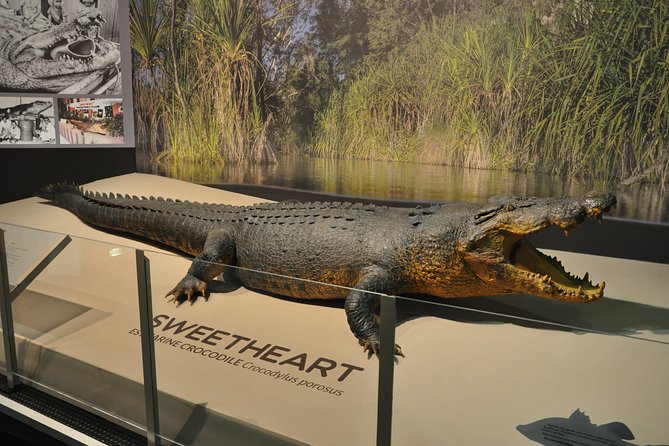
The displays include Aboriginal art and craft, prehistoric material, and Sweetheart, the famous rogue crocodile. The Cyclone Tracy simulator is another key feature. It helps explain how the 1974 cyclone changed Darwin, rather than leaving the event as a date in a guidebook.
I like this as the first major stop because it gives context for the rest of the morning. You will hear about war, weather, rebuilding, and local culture in one place. The catch is time. An hour is enough to see the main displays, but not enough for a careful look at every gallery. If Sweetheart or the cyclone exhibit interests you most, head there first.
The museum also has a cafe, but lunch is not part of the tour. Treat this as a short museum visit, not a full morning at the gallery.
Aviation Museum: aircraft and wartime evidence
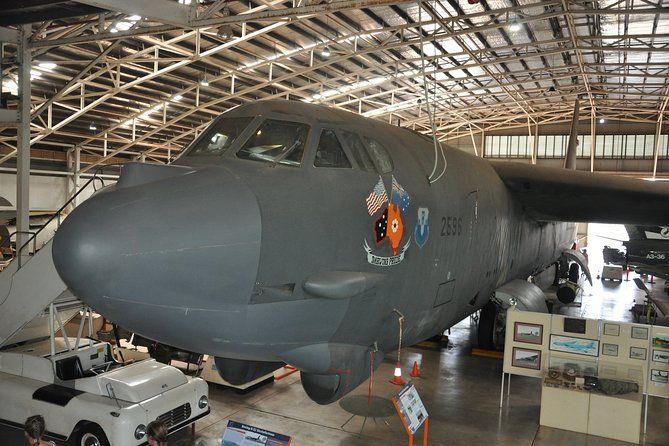
The Darwin Aviation Museum gets about 40 minutes, with admission included. Its major display is a B-52 aircraft, supported by other exhibits tied to aviation and WWII history.
This stop works particularly well for people who want to understand Darwin’s role in the Pacific War. The aircraft and military displays make the subject tangible. Instead of hearing only dates and battle names, you see the scale and machinery connected with that period.
Forty minutes is a practical amount of time for an overview. You can see the main aircraft and displays, but aviation fans may want to return independently. The tour is not built around long, detailed examination of every exhibit.
The commentary from the driver-guide adds value during the journey between museums. Several guides, especially Ian and Ash, have been praised for explaining Darwin’s wartime story and answering questions. If military and aviation history are your main interests, this tour gives you a useful base for later visits.
Botanic gardens and Darwin’s tropical side
The George Brown Darwin Botanic Gardens cover 42 hectares and include native and tropical plants, an orchid house, and a cafe. The tour itinerary indicates a visit to the gardens, although the exact time allocated is not specified.
This is an important change of mood after the indoor museums. Darwin can otherwise appear mainly through war memorials, roads, and buildings. The gardens show the tropical setting that shapes daily life in the city.
Do not expect a long garden walk unless the schedule allows it. With several other stops packed into the morning, your time may be limited. Wear sensible shoes and carry water, especially if you plan to explore beyond the group’s meeting point. The available information does not promise a meal stop here, so do not count on the cafe for lunch.
The gardens are most valuable as part of the overall pattern. You see not just what happened in Darwin, but the climate and plant life that make the city different from southern Australian capitals.
A completely different kind of day out in Darwin:
- From Darwin: Litchfield Park Tour & Jumping Crocodile Cruise
★ 4.9 · 829 reviews - Charles Darwin Dinner Cruise
★ 4.5 · 820 reviews - Kakadu Day Tour from Darwin with Offroad Dreaming
★ 5.0 · 776 reviews - Cape Adieu Darwin Sunset Dinner Cruise
★ 5.0 · 750 reviews
Parap Village Markets on Saturdays
Saturday departures include a 30-minute stop at Parap Village Markets. You can buy local food and craft, making this the most casual and everyday part of the tour.
Half an hour is enough to sample something or browse a few stalls. It is not enough for a leisurely market morning, so decide quickly what interests you. The market is also a better place to pick up a snack than relying on a formal lunch break, since lunch is not included.
This stop is not offered every day. If markets are important to you, confirm that your departure is on Saturday before booking. One visitor felt the city tour did not match their expectation of a shopping stop, which points to a useful distinction: Parap is a local market visit, not a shopping-centre excursion.
For me, the market adds variety to a history-heavy route. If you prefer monuments and museums, its short visit may feel less essential. If you like food and local crafts, it breaks up the bus-and-museum rhythm nicely.
East Point, Fannie Bay Goal, and the wartime route
The vehicle passes Fannie Bay Goal on the way toward East Point Nature Reserve, with the guide explaining the goal’s history from the road. This is a drive-by, not a full prison visit, so keep your expectations clear.
The East Point section helps connect Darwin’s city center with its coastal and military setting. The supplied details do not promise a separate long nature walk, so you should think of this part as a scenic and historical drive unless your guide gives the group more time.
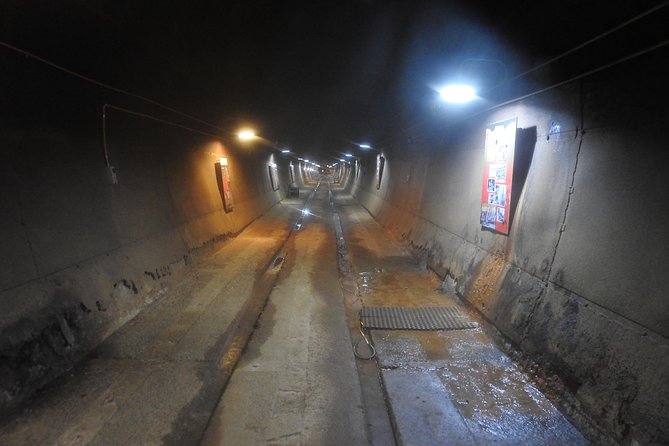
The route also includes wartime oil storage tunnels according to the tour descriptions and visitor accounts. These tunnels are repeatedly described as fascinating. They offer a physical sense of the measures taken to protect fuel supplies after Darwin came under attack.
The wartime focus is one of the tour’s best features. You are not simply pointed toward a plaque and sent on your way. The guide links the city’s streets, aviation displays, defense works, and museum exhibits into one story. Ash has been praised for explaining the Japanese attacks and Darwin’s recovery, while Ian has received similar praise for his local detail and patient answers.
Defence of Darwin Experience: the tour’s main history stop
The Defence of Darwin Experience receives about an hour, and admission is included. This is the most substantial WWII stop on the itinerary, with displays, equipment, and machinery connected with the day Darwin came under attack.
You should allow yourself time to read and look carefully. An hour gives you a worthwhile introduction, though anyone with a strong interest in wartime history could easily want longer. The exhibition is especially useful after the Aviation Museum because the earlier aircraft displays provide a visual lead-in.
I value this stop because Darwin’s wartime story is often reduced to a sentence or two in general Australian history. Here, you get a more direct look at the city’s military role and the effects of the attacks. The guide’s commentary also helps separate Darwin’s wartime experience from the later damage caused by Cyclone Tracy, two major events that shaped the city in different ways.
If you have limited time in Darwin, this is one of the places I would prioritize. If you have several days, note the name and return for a slower visit.
Parliament House and the changing city
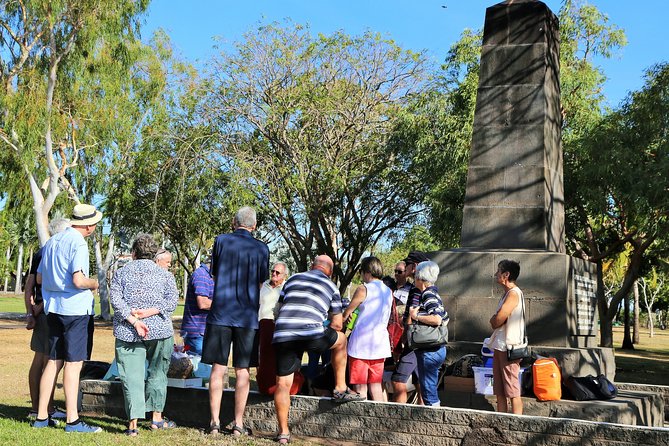
Parliament House is seen from the vehicle, with the guide providing information as you pass. This is a short orientation point rather than a formal tour of the building.
That may sound minor, but it helps you understand Darwin as the administrative center of the Northern Territory. It also gives you a quick look at the newer civic face of a city often introduced through older military stories.
The tour does not claim to stop at every major city attraction. You will get a broad view from the road, then spend your time at selected museums and heritage sites. That is why I see this experience as a sampler. It is efficient, but it will not replace your own exploration of the waterfront, Parliament House interior, or central shopping areas.
The 1934 Qantas Hangar: an odd and memorable final stop
The 1934 Qantas Hangar gets about 15 minutes, with admission included. Inside is an unpretentious collection of antique motor vehicles, cars, bicycles, and aviation-related material in an old airplane hangar.
Fifteen minutes is brief, but the stop’s appeal is its character. This is not presented as a polished, large-scale museum. It feels like a compact collection housed in a historic building, and that makes it different from the formal galleries earlier in the day.
You will need to move quickly. Look for the exhibits that catch your eye rather than trying to inspect everything. People who enjoy old transport, local collections, and unusual small museums may like this stop more than they expect. Those seeking a major aviation attraction may find it too short.
Transport, group size, and the pickup question
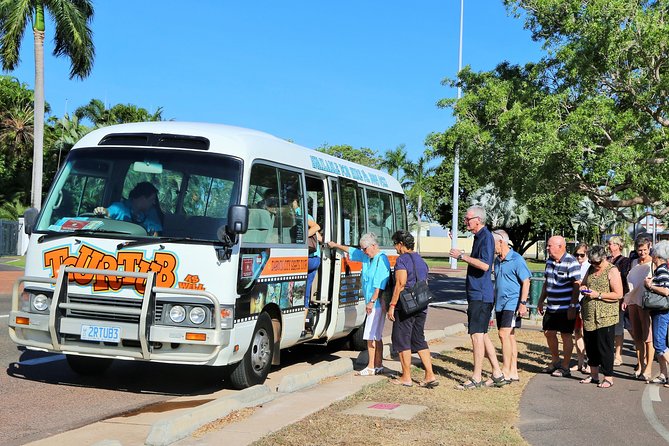
Pickup and drop-off are available from selected hotels, and the tour begins at 9 a.m. The small-group format, capped at 21 people, is a real advantage in Darwin’s heat. A smaller Mercedes van is easier to enter and exit than a large coach, and the arrangement can make it easier to hear the guide.
Pickup details deserve care. Most bookings go smoothly, but one serious complaint involved unanswered calls, uncertainty about the pickup point, and a late arrival without an apology. If your hotel is not clearly listed, confirm the meeting place before the morning of departure. Booking directly with the operator may provide more pickup choices, based on the information available.
Caravan parks cost an additional $10 per person for pickup. Cruise ship passengers must provide the ship name, docking time, disembarkation time, and re-boarding time when booking. That information allows the operator to judge whether the timing works, but you should still allow a sensible margin before the ship leaves.
The tour is near public transport, and most people can participate. Children must be accompanied by an adult. The ticket is mobile, and confirmation is provided at booking.
Is $118.35 good value?
At $118.35 per person, this is not the cheapest way to ride around Darwin. The price makes more sense when you count the included entry fees, hotel transfers, live commentary, and the number of places covered.
You visit or pass museums, gardens, a market on Saturdays, wartime sites, the Qantas Hangar, and city landmarks in one morning. Independent transport between all those places could be awkward, especially if you are in Darwin for only a short stay. The guide also provides the historical links that you would otherwise need to piece together yourself.
The value drops if you dislike museums, do not want military history, or prefer to choose your own pace. You may pay for several included attractions but spend only a short time in each. Lunch is extra, and caravan park pickup adds $10 per person.
I would call the price fair for a first visit, particularly if you are staying in a hotel with included pickup and have limited time. It is less attractive for repeat visitors who already know the city or for anyone wanting a relaxed, unstructured morning.
Who should take it?
This tour suits you best if you are visiting Darwin for the first time, arriving by cruise ship, or working with only one or two free days. It is also a good fit if heat makes long independent walks unpleasant.
History fans should pay special attention to the Aviation Museum, Defence of Darwin Experience, and oil storage tunnels. Art and culture enthusiasts will appreciate the Museum and Art Gallery of the Northern Territory, while food-focused visitors should choose a Saturday departure for Parap Market.
Families can take part, provided children are accompanied by an adult, but the number of museums may test younger children’s patience. The guide’s commentary and the crocodile display may help, but the schedule is built more around information than play.
You should skip it if shopping centers, long nature walks, or extended time at one attraction matter most. The tour gives you a taste of many parts of Darwin, not a full day at any single one.
Should you book the Darwin City Explorer Tour?
I would book this as a first-morning orientation, especially if your time in Darwin is short. The best parts are the small vehicle, included admissions, strong guide commentary, and the clear focus on Darwin’s WWII story and recovery.
Choose your departure carefully. Saturday adds Parap Market, while other days may give the route a stronger museum and heritage focus. Confirm hotel pickup, bring water, and plan to buy lunch separately.
The tour is not perfect. The pace can feel hurried, the market is not a shopping-center stop, and pickup communication needs attention. Still, for $118.35, it gives you a practical Darwin best hits tour with enough context to make the rest of your stay smarter and more rewarding.
FAQ
What time does the Darwin City Explorer Tour start?
The tour starts at 9:00 a.m.
How long does the tour last?
The advertised duration is approximately five hours. Some descriptions of the experience refer to a longer day, so you should allow extra flexibility in your schedule.
Is hotel pickup included?
Hotel pickup and drop-off are included from selected hotels. Pickup from caravan parks costs an additional $10 per person.
What attractions have included admission?
Admission is included for the Darwin Aviation Museum, the Defence of Darwin Experience, and the 1934 Qantas Hangar. The Museum and Art Gallery of the Northern Territory, Botanic Gardens, and Parap Market are listed without an admission charge.
Does the tour include lunch?
No. Lunch is not included, although Saturday departures stop at Parap Village Markets, where you can buy local food.
Can cruise ship passengers join the tour?
Yes. Cruise ship passengers must provide the ship name, docking time, disembarkation time, and re-boarding time when booking.
How many people can join the tour?
The activity has a maximum of 21 participants. Children must be accompanied by an adult.
Just added around Darwin
- 5 Day Kakadu Katherine Gorge Litchfield 4WD Camping Adventure★ 5.0 · 26 reviews
- Kakadu National Park Scenic Flight &Yellow Water Cruise★ 5.0 · 28 reviews
- Darwin: Small Group 2-Hour Heritage Walk★ 4.9 · 28 reviews
- Darwin Harbour Cruise★ 4.9 · 28 reviews
- Darwin City Sightseeing Tour★ 4.0 · 29 reviews
- Jumping Croc Cruise, Berry Springs, Fogg Dam & Humpty Doo Pub★ 5.0 · 29 reviews
- Litchfield National Park Waterfalls & Wildlife Adventure Tour★ 5.0 · 30 reviews
- WWII Bombing of Darwin & Royal Flying Doctor Service★ 4.8 · 34 reviews
City Tours, compared.

Morning or Afternoon Half-Day Sydney City Sightseeing Tour
Read our review →

Hot Air Balloon Flights over Melbourne City (optional breakfast)
Read our review →
Sunset City Lights Cruise 5.30pm or 6pm *seasonal
Read our review →
Browse the lists this tour appears in