
Reviewed · WILDLIFE & ZOO EXPERIENCES
Hobart: Admission Ticket to Bonorong Wildlife Sanctuary
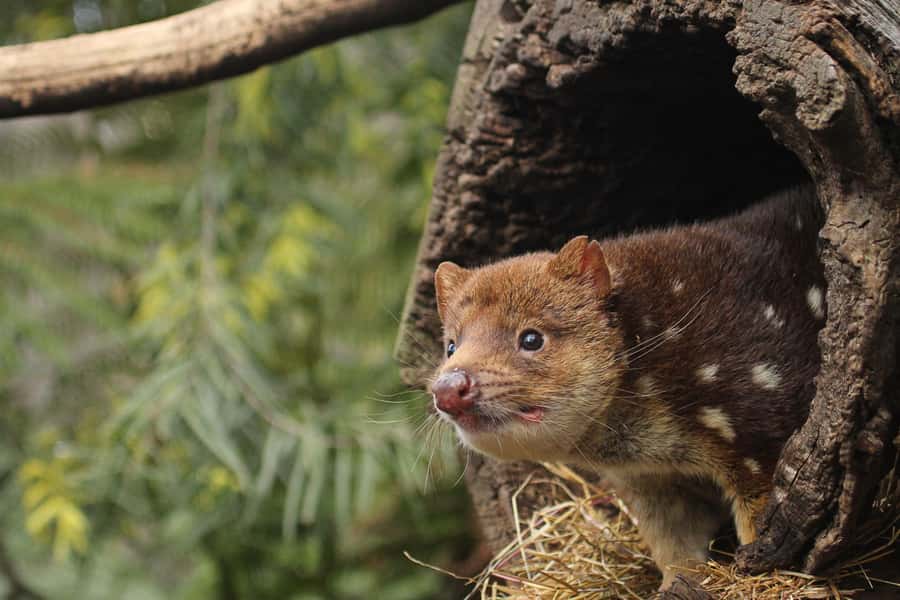
Tasmanian wildlife comes wonderfully close here. Bonorong Wildlife Sanctuary gives you a friendly, hands-on introduction to animals that are difficult to see in the wild, including Tasmanian devils, wombats, echidnas, sugar gliders, eastern quolls, parrots, and kookaburras. I like the free-roaming kangaroos best, since your admission includes a bag of food for hand feeding. I also like that your visit supports injured, abandoned, endangered, or otherwise unreleasable animals rather than simply putting animals on display.
The daily guided tours add real value, especially when a keeper explains an animal’s name, age, needs, and reason for living at the sanctuary. The main drawback is exposure to the weather: one January visitor wished for more shade on a hot, sunny day. Bring sun protection, and allow enough time to walk between animal areas rather than treating this as a quick stop.
In This Review
- Key things to know before visiting Bonorong
- Why Bonorong feels different from a regular zoo
- Start with the kangaroos and get your bearings
- Make time for the daily guided tours
- Meet Tasmanian devils at close range
- Wombats, echidnas, and smaller Australian animals
- Conservation is part of the experience, not a side note
- Planning your day at the sanctuary
- Who will get the most from Bonorong?
- Is the $25 admission good value?
- My verdict: should you book Bonorong?
- FAQ
- Where is Bonorong Wildlife Sanctuary?
- How much does admission cost?
- How long is the ticket valid?
- Is kangaroo food included?
- Are guided tours included?
- Can I see Tasmanian devils?
- Are wombats and echidnas at Bonorong?
- Is parking available?
- Is the sanctuary wheelchair accessible?
- Can I bring my dog or another animal?
Key things to know before visiting Bonorong
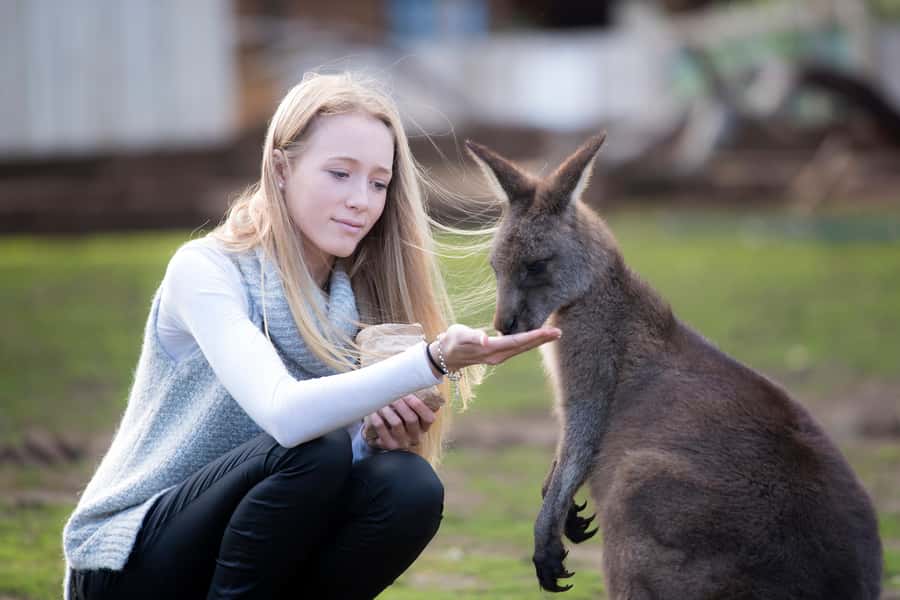
- Kangaroos roam freely: Your ticket includes food so you can hand feed them at close range.
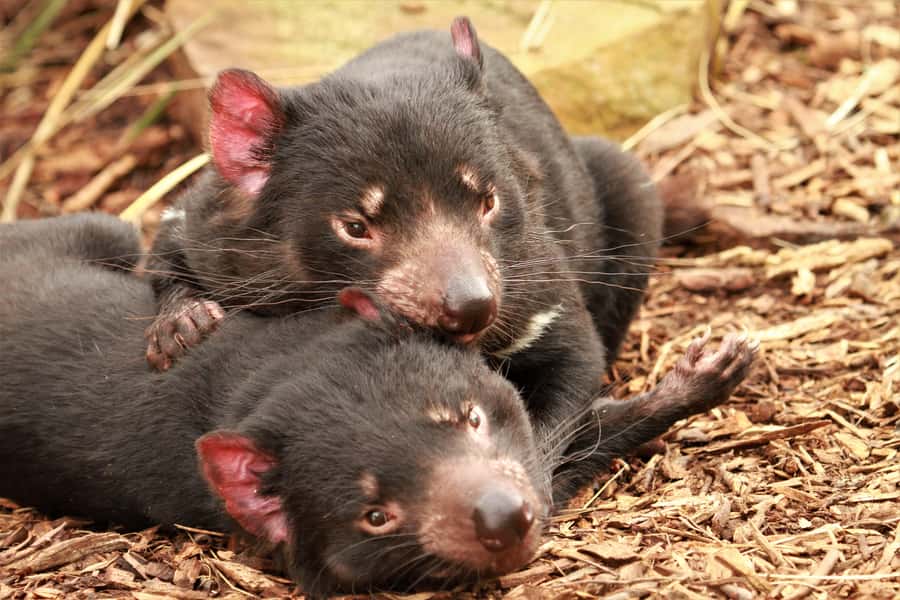
- Tasmanian devils are a major draw: Daily tours can introduce you to these unusual and important native animals.
- The sanctuary has a rescue mission: Animals are cared for because they are too young, injured, disabled, or otherwise unable to return safely to the wild.
- Daily keeper talks bring context: You learn about each species, its threats, and the work needed to protect it.
- A $25 ticket can cover a full day: The admission is valid for 365 days, though you should check availability and starting times before going.
- The visit is practical for many families: Parking is on site, the sanctuary is wheelchair accessible, and English is the activity language.
Why Bonorong feels different from a regular zoo
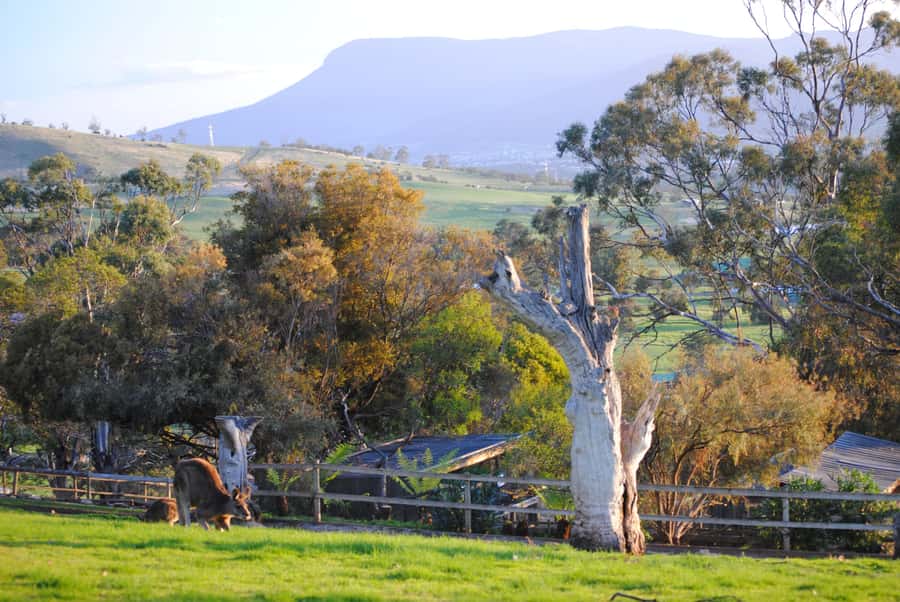
The most important thing to understand is that Bonorong is a wildlife sanctuary, not simply a collection of animal exhibits. The animals here are generally there because they need care. Some are too young to survive alone, some have injuries or disabilities, and some cannot safely return to their natural homes.
That distinction changes how you look at the enclosures and keeper talks. You are not just checking off a Tasmanian devil or wombat from a sightseeing list. You are also learning what happens when native animals are hurt, orphaned, or threatened.
The sanctuary’s work gives the visit a useful purpose. You learn about animal protection while seeing the animals at close range, and the money you spend helps support that care. I find that more satisfying than a quick photo stop with little explanation.
The setting also helps you notice animals that might be overlooked elsewhere. Along with the headline species, you can see birds, sugar gliders, eastern quolls, echidnas, parrots, and kookaburras. Several people have especially appreciated the clear access and good visibility around the animal areas.
More Wildlife Experiences in Tasmania
- Day Tour in Mt. Field, Mt. Wellington, Bonorong Wildlife Sanctuary and Richmond
★ 5.0 · 735 reviews - From Hobart: Mt. Field, Mt. Wellington and Wildlife Day Tour
★ 4.8 · 261 reviews - Bonorong Wildlife Sanctuary Half-Day Tour from Hobart
★ 4.5 · 158 reviews
Start with the kangaroos and get your bearings
Your admission includes a bag of kangaroo food, which makes the first part of the visit immediately engaging. The kangaroos roam freely within their area, so you are not waiting for one scheduled encounter or looking through a distant barrier.
Approach calmly, hold out the food, and give the animal room to choose whether to come closer. The experience is simple, but it is the kind of contact you remember. You can return to the kangaroos during the day, and one family enjoyed going back several times because feeding them was such a highlight.
This is also a good place to slow down. You may be tempted to rush toward the Tasmanian devils, but the kangaroo area gives you an easy introduction to the sanctuary’s style. You are close to the animals, yet you still need to respect their space and follow staff instructions.
The free-roaming setup is a big reason Bonorong works well for families and first-time visitors to Tasmania. Children get an immediate connection with Australian wildlife, while adults can enjoy watching the animals’ behavior rather than simply taking a photograph and moving on.
Make time for the daily guided tours
The guided tours are included with admission, and I would make them a priority rather than relying only on a self-guided walk. Keepers explain the species in front of you, discuss the dangers they face, and describe how the sanctuary protects them.
The talks also add personal detail. During a tour, you may learn an individual animal’s name, age, and reason for being at Bonorong. That information turns a general explanation about wombats or devils into a more memorable encounter with one particular animal.
A tour can include animals such as a Tasmanian devil, echidna, and wombat. The keeper may feed the animal while explaining its behavior and care. This is especially useful if you know little about Tasmania’s wildlife, since the animals can look familiar at first but have habits and survival needs that are anything but ordinary.
The staff’s care for the animals comes through clearly. I would pay attention to how they handle feeding and explain rehabilitation. You are likely to leave with a better understanding of why some animals can return to the wild while others must remain in human care.
Because the tour schedule and starting times can vary, check availability before you arrive. The ticket is valid for 365 days, but that does not mean every day has the same tour timetable.
Meet Tasmanian devils at close range
For many people, the Tasmanian devil is the reason to visit. Bonorong offers a reliable chance to see one, which matters because spotting this species in the wild is far from guaranteed.
The devil talks are more than a quick look at a famous animal. You can learn about the individual devil in care, then connect that animal’s story to broader conservation concerns. The keepers explain the species and the threats it faces, while feeding time can make the animal more active and easier to observe.
The devils have also been described as active and appealing to watch. That helps, since some wildlife encounters involve a sleeping animal or one hiding in a corner. Still, animal behavior is never guaranteed, so it is best to value the explanation and care work as much as the photograph.
If your main goal is to see a Tasmanian devil, I would join the relevant guided talk early in your visit. You can then return later if you want another look.
A completely different kind of day out in Hobart:
- Bruny Island Food, Sightseeing, Guided Lighthouse Tour & Lunch
★ 5.0 · 2,989 reviews - Full-Day Guided Bruny Island Tour from Hobart
★ 5.0 · 1,331 reviews - kunanyi/Mt Wellington Explorer Bus- Return Tour (2.5 hours)
★ 5.0 · 1,249 reviews - Hobart: Bruny Island Food, Sightseeing & Lighthouse Day Tour
★ 4.8 · 960 reviews
Wombats, echidnas, and smaller Australian animals
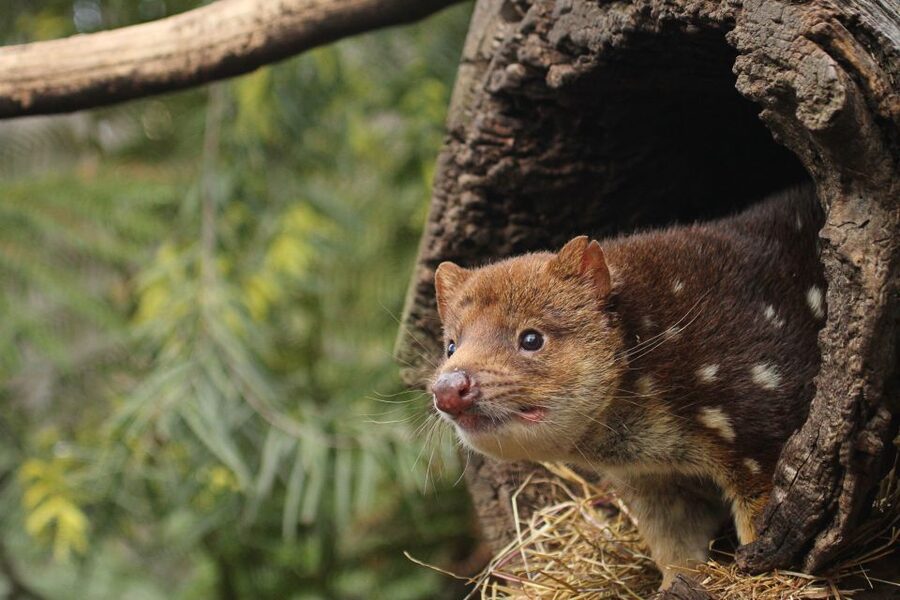
Wombats are another crowd favorite, and the guided information helps you appreciate more than their sturdy shape and sleepy expression. A keeper can explain the particular animal’s background and why it remains at the sanctuary.
Echidnas offer a different kind of encounter. They are distinctive Australian animals, and seeing one with a keeper nearby gives you a chance to understand how it is cared for. The combination of echidna, wombat, and Tasmanian devil makes a strong core tour because each species feels very different.
Do not skip the smaller animals. Sugar gliders and eastern quolls add variety, and the bird areas may include parrots and kookaburras. One of the pleasures of Bonorong is moving from the large, famous species to animals you may not have known to expect.
The sanctuary also gives you access to animals that disappeared from other parts of Australia long ago. That point adds weight to the visit. Tasmania has preserved wildlife that is rare or absent elsewhere, and Bonorong gives you a close look at that distinct natural heritage.
Conservation is part of the experience, not a side note
Bonorong’s conservation message works best when you connect it to the animals in front of you. A talk about injured wildlife feels more real when the keeper explains why a particular animal cannot be released.
The sanctuary takes in hurt and abandoned young animals with the hope of returning suitable individuals to the wild. Others remain at Bonorong because an injury, handicap, or lack of survival skills makes release unsafe. This is why the visit may feel less polished than a conventional zoo experience, but also more meaningful.
You may also be able to see activity connected with the animal hospital. One family enjoyed watching veterinary staff examine and operate on injured animals. Access can vary, so do not count on seeing a procedure, but the hospital work shows the practical side of wildlife protection.
I appreciate that the conservation message is not limited to a sign beside an enclosure. Staff feed animals, explain their condition, and show you how protection works day by day. That makes the $25 admission feel like more than an entrance fee. You are paying for an experience and helping fund animal care.
Planning your day at the sanctuary
The activity is described as lasting 365 days, which refers to ticket validity rather than the length of one visit. In practical terms, you should think of Bonorong as a place where you can spend a substantial part of the day, not a 365-day continuous tour.
Admission, a bag of kangaroo food, access to daily guided tours, and on-site parking are included. Food and drinks are not included, although there is a concession on site. One family particularly enjoyed the food there, so you have an option if you need a break during your visit.
You will need your own transport or a separate transfer arrangement, since transportation is not included. On-site parking keeps arrival simple once you reach the sanctuary.
Give yourself time to wander, return to the kangaroos, attend the talks, and look carefully at the less famous species. If you only allow enough time for one quick circuit, you will miss much of what makes the place worthwhile.
The main comfort issue is shade. On hot, sunny days, parts of the sanctuary can feel exposed. Wear a hat, use sunscreen, and bring water. Smoking and vaping are prohibited throughout the sanctuary, and bicycles, tricycles, skateboards, rollerblades, sporting equipment, and similar items are not allowed because they could endanger animals or people.
Who will get the most from Bonorong?
I would recommend Bonorong to families, wildlife fans, photographers, and anyone who wants a close introduction to Tasmania’s native species. The ability to feed kangaroos gives children an easy starting point, while the guided talks give adults useful conservation context.
It is also a strong choice if your Tasmania plans do not include remote wildlife excursions. You can see a wide range of animals in one place, including species you may not encounter during ordinary sightseeing.
The experience suits people who care about animal welfare and want to understand why a sanctuary exists. If you are expecting a highly theatrical attraction, you may find it quiet and practical. The focus is on the animals, keeper care, and conservation rather than entertainment.
Wheelchair access is available, which makes the visit more manageable for many people. You should still prepare for outdoor conditions and check the daily schedule before arriving.
Is the $25 admission good value?
At $25 per person, the ticket is reasonably priced for the access it provides. You get admission, kangaroo food, guided tours, parking, and the chance to spend much of the day seeing a broad range of Australian wildlife.
The strongest value comes from the combination of close animal contact and staff explanations. A basic entrance ticket elsewhere might give you enclosures but little personal context. Here, the daily talks explain individual animals and the wider work of rescue and protection.
The price is less compelling if you only plan to stay briefly or skip the tours. The ticket earns its keep when you use the included food, attend at least one guided talk, and take time with the smaller animals as well as the famous ones.
The flexible 365-day validity is useful if your plans change, though you still need to check available times. You can also cancel up to 24 hours ahead for a full refund, or reserve now and pay later, which helps if your Hobart schedule is still shifting.
My verdict: should you book Bonorong?
Yes, I would book Bonorong if you want to see Tasmanian devils, feed kangaroos, and learn how rescued wildlife is cared for. The visit combines memorable animal encounters with a clear conservation purpose, and the staff add detail that makes each species easier to understand.
Plan around the weather, use the daily guided tours, and allow more than a rushed hour. Bonorong is at its best when you slow down, return to the kangaroos, and give the keepers’ explanations as much attention as the photographs.
If you want a polished entertainment attraction with guaranteed animal performances, this may not be your place. If you want close access to Australian wildlife and a better sense of the work behind animal rescue, the $25 admission is a sensible Hobart choice.
FAQ
Where is Bonorong Wildlife Sanctuary?
Bonorong Wildlife Sanctuary is in Tasmania, Australia, near Hobart.
How much does admission cost?
The listed price is $25 per person.
How long is the ticket valid?
The ticket is valid for 365 days. Check availability for the relevant starting times.
Is kangaroo food included?
Yes. Admission includes a bag of food for feeding the free-roaming kangaroos.
Are guided tours included?
Yes. Your admission includes access to daily guided tours in English.
Can I see Tasmanian devils?
Yes. Tasmanian devils are among the animals at the sanctuary, and guided tours can include information about them.
Are wombats and echidnas at Bonorong?
Yes. Wombats and echidnas are among the animals you can see, and both may feature in guided animal talks.
Is parking available?
Yes. On-site car parking is included.
Is the sanctuary wheelchair accessible?
Yes. The activity is wheelchair accessible.
Can I bring my dog or another animal?
Animals cannot be brought onto the property without permission, including assistance dogs. Contact the sanctuary in advance if this applies to you.
Just added around Hobart
- Port Arthur, Richmond and Tassie Devils Active Tour from Hobart★ 4.5 · 128 reviews
- Cradle Mountain OMG! Hobart to Cradle Active Day Trip★ 5.0 · 134 reviews
- Signature Tour★ 5.0 · 140 reviews
- Hobart: Wineglass Bay & Freycinet National Park – Active Day Tour★ 4.5 · 142 reviews
- Hobart City Sightseeing Tour including MONA Ticket★ 4.4 · 153 reviews
- Port Arthur, Richmond & Tasman Peninsula Active Day Tour★ 5.0 · 158 reviews
- From Hobart: Active Day Trip to Cradle Mountain★ 4.9 · 164 reviews
- Tasmania 8 Day – Tour in Circle★ 5.0 · 177 reviews
Wildlife & Zoo Experiences, compared.
Penguin Parade, & Wildlife Encounters Eco Tour from Melbourne
Read our review →
Blue Mountain Small Group Scenic World, Wildlife, Waterfall
Read our review →
Melbourne Great Ocean Rd Reverse Tour London Bridge Wildlife
Read our review →
Litchfield National Park and Jumping Crocodile Cruise
Read our review →
Blue Mountains Adventure: Scenic World, Zoo & Koala Photo
Read our review →
Solar Whisper Daintree River Crocodile and Wildlife Cruise
Read our review →
Browse the lists this tour appears in