
Reviewed · WILDLIFE & ZOO EXPERIENCES
Kakadu Wildlife Escape Fogg Dam or Crocodile Cruise from Darwin
Crocodiles, rock art, and a very long day. This full-day escape from Darwin packs Kakadu’s big sights into one 12-hour outing, with ancient Indigenous rock galleries and a choice between the Fogg Dam wetlands or the Adelaide River jumping crocodile cruise. I like the air-conditioned mini-coach, the included Kakadu Park Pass, and the strong local guiding from people such as Ric, Daryl, Dani, Tim, Naomi, and Alex. My main caution is simple: you spend many hours on the road, and the exact route can change with weather, park closures, or traditional landowner ceremonies.
The day begins at 7:30 am from The Leea Darwin on Cavenagh Street and usually returns around 7:30 or 8 pm. I especially like how the trip joins wildlife, Indigenous culture, and scenery rather than treating Kakadu as just a distant photo stop. Still, Fogg Dam may feel too passive if you expect a long walk, while the crocodile cruise costs extra unless you select that option.
In This Review
- Key points to know before booking
- The real shape of this Kakadu day from Darwin
- Leaving Darwin across the Top End floodplains
- Fogg Dam or the Adelaide River crocodile cruise
- Fogg Dam Conservation Reserve
- The Jumping Crocodile Cruise
- Bowali Visitor Centre and the lunch break
- Kakadu National Park and the ancient rock galleries
- Ubirr
- Nourlangie
- Cahills Crossing and the final crocodile watch
- Is $155.46 good value?
- What to pack and who should book
- Should you book the Kakadu Wildlife Escape?
- FAQ
- How long is the Kakadu Wildlife Escape from Darwin?
- Where does the tour start and finish?
- Is the Kakadu Park Pass included?
- Is lunch included?
- Which rock art site will the tour visit?
- Is the crocodile cruise included?
Key points to know before booking
- Ubirr or Nourlangie brings the culture to life: You see ancient rock art and hear the stories and traditions connected with the sites.
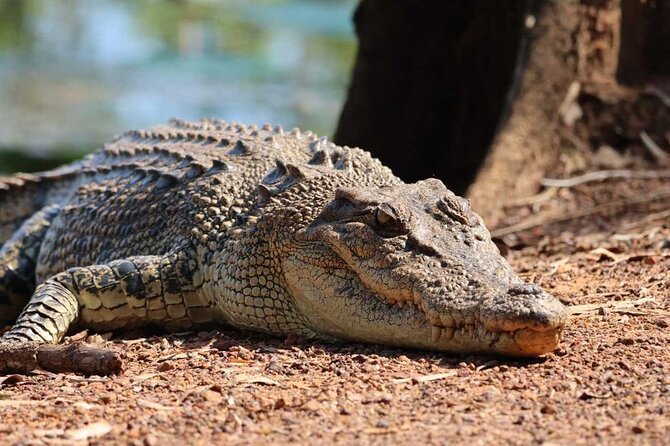
- The jumping crocodile cruise is the wildlife thrill: The Adelaide River option offers close views of saltwater crocodiles in their natural setting.
- Fogg Dam is quieter and better for birdlife: It can be rewarding in wet-season conditions, but some of the viewing may happen from the vehicle.
- Expect roughly 12 to 13 hours on the road: Kakadu is huge, and Darwin is about three hours away each way by this tour route.
- Guiding is a major part of the value: The strongest days depend on guides who can explain Indigenous culture, wildlife, history, and the Top End environment.
- Pack light and dress for the season: Storage is limited to one 5 to 7 kilogram day bag per person, and moderate walking fitness is required.
The real shape of this Kakadu day from Darwin
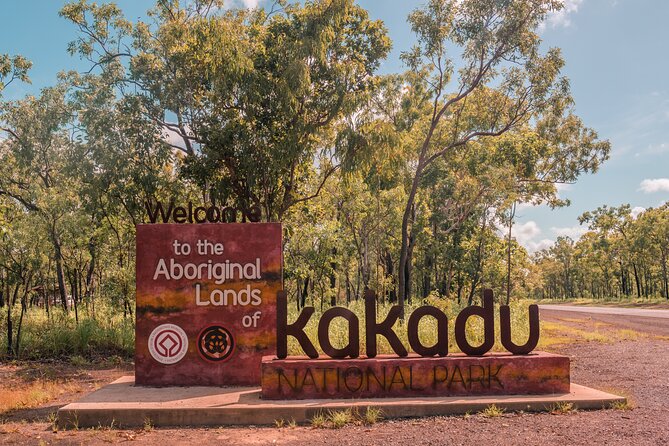
Kakadu National Park covers about 20,000 square kilometres, so a day trip can only give you a taste. That is the first thing I would keep in mind before paying the $155.46 price. You are not getting a slow, deeply explored national park holiday. You are getting a carefully packed introduction to the park’s wetlands, wildlife, rock art, and viewpoints.
The trip uses a small, air-conditioned mini-coach with a maximum of 21 people. That is more personal than a large sightseeing bus, and the cooling matters in the Top End. One practical drawback is that the vehicle can feel cramped when every seat is filled, especially during the long return journey.
Your guide is both driver and storyteller. The best guides on this route do far more than announce the next stop. Ric has been praised for making First Nations art understandable and memorable. Daryl is known for an informative, entertaining approach, while Dani has filled the long drives with local and academic context about Northern Territory culture, people, and the environment. Guides such as Tim, Naomi, Becs, Alex, Adrian, and Rachel have also been singled out for warmth, care, and strong commentary.
The guide makes a real difference here. Three hours on a bus can feel like dead time, or it can become your introduction to the Top End. I would treat the commentary as one of the tour’s main features, not background noise.
More Boat Tours in Darwin
- Litchfield National Park and Jumping Crocodile Cruise
★ 5.0 · 2,119 reviews - Sunset 3-Hour Cruise from Darwin with Dinner and Sparkling Wine
★ 5.0 · 980 reviews - From Darwin: Litchfield Park Tour & Jumping Crocodile Cruise
★ 4.9 · 829 reviews
Leaving Darwin across the Top End floodplains
The morning departure is early, but it needs to be. You leave Darwin at 7:30 am and travel through floodplain country toward Kakadu. The drive is long, yet it gives the guide time to explain the country you are crossing, the local environment, and the cultural setting of the park.
Breaks are built into the day for food, water, and bathrooms. Lunch is not included, so you should budget for buying food along the way. This also gives you a chance to support local businesses, but do not expect a catered meal included in the tour price.
I would bring a refillable water bottle, sun protection, comfortable shoes, and clothing suited to the forecast. The supplied information specifically warns you to check average temperatures for your travel period. That advice matters in a place where a short walk can feel much harder in hot or wet conditions.
Fogg Dam or the Adelaide River crocodile cruise
The first major choice shapes the mood of your day.
Fogg Dam Conservation Reserve
Fogg Dam is the calmer option. It is a wetland reserve on the traditional lands of the Limilngan-Wulna people, and it can be excellent for birdlife, water plants, and wet-season scenery. One particularly good account describes visiting near the end of the wet season, when water lilies and lotus were plentiful, along with birds and other wildlife.
If you enjoy watching nature rather than chasing an adrenaline rush, Fogg Dam may suit you better. Your guide can point out wildlife and explain the wetland environment. Adrian, for example, was praised for choosing Fogg Dam and sharing his clear affection for the bush, birdlife, and conservation.
But set your expectations correctly. Fogg Dam is not necessarily a long nature walk. Some people have found that the experience involved sitting on the bus and taking photographs from there. Safety and site conditions affect how much walking is possible, and the reserve may feel underwhelming if you expect constant animal sightings.
An NT Parks Day Pass is required for entry to Fogg Dam when that option is booked, at an additional A$10 per person. Check the option details carefully so you know if that cost applies to your booking.
More Wildlife Experiences in Darwin
- Adelaide River Cruises – Jumping Crocodile Experience
★ 5.0 · 997 reviews - The Croc Bus to the Famous Jumping Crocodile Cruise
★ 5.0 · 481 reviews - 1 Hour Jumping Crocodile Cruise on the Adelaide River
★ 4.5 · 345 reviews - Darwin: Mary River Wetlands Wildlife Cruise with Lunch
★ 4.8 · 324 reviews
The Jumping Crocodile Cruise
The optional Adelaide River cruise is the more dramatic choice. You go saltwater crocodile spotting in the wild and watch the animals rise toward food from the boat. Several people have described the cruise as the highlight of the day, with excellent crocodile sightings.
I would choose this option if crocodiles are your main reason for booking. The experience adds a strong wildlife moment to a day already filled with driving and cultural stops. It is also a good fit if you want a clear, memorable activity rather than a quieter reserve visit.
The cruise is included only when you select the relevant crocodile option, listed as KDC-B in the tour details. If you choose the Fogg Dam version, do not assume the cruise is part of the price.
Bowali Visitor Centre and the lunch break
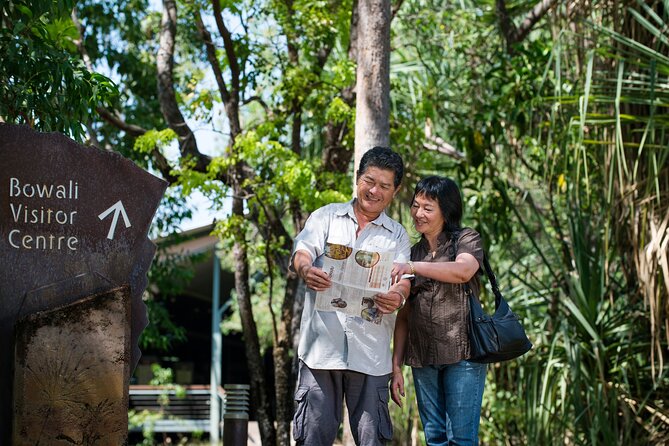
Bowali Visitor Centre gives the day a useful cultural and educational pause. The stop focuses on Indigenous culture and the long human story of Kakadu, then allows about 45 minutes for lunch at your own expense.
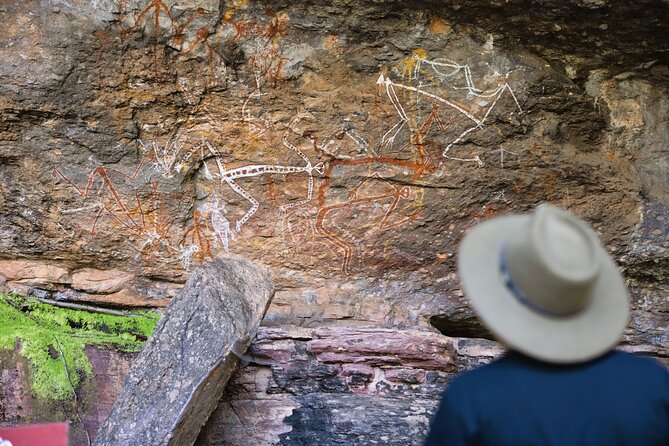
This is not a throwaway rest stop. Kakadu makes more sense when you understand that the rock paintings are not simply old pictures on stone. They connect to Indigenous life, belief, ceremony, animals, and the continuing importance of Country. A good guide can help you approach the art with respect and context.
Lunch is another place where a little planning helps. Since meals are not included, carry snacks in your day bag and use the stop to buy something substantial. You should also take the chance to drink water and use the facilities, since the afternoon includes walking and open-air sightseeing.
Kakadu National Park and the ancient rock galleries
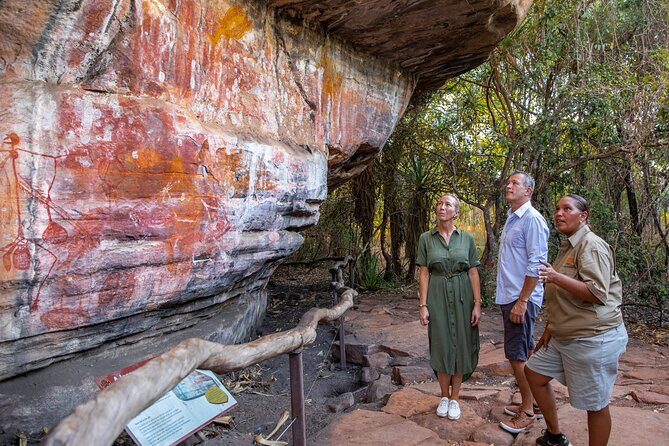
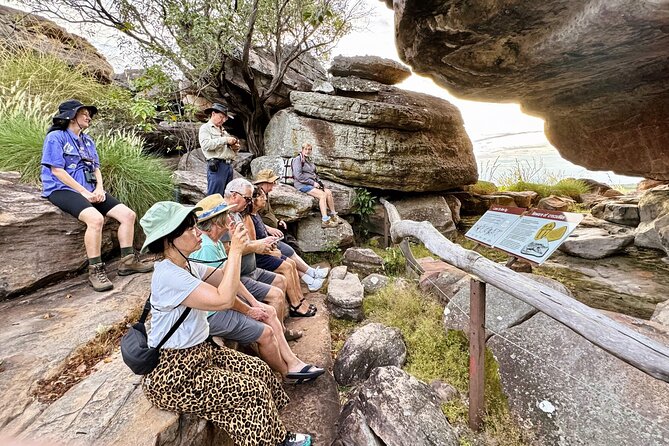
The park section is the heart of the trip. Kakadu is World Heritage listed and known for wildlife, dramatic views, and some of the oldest and best-preserved rock art in the world.
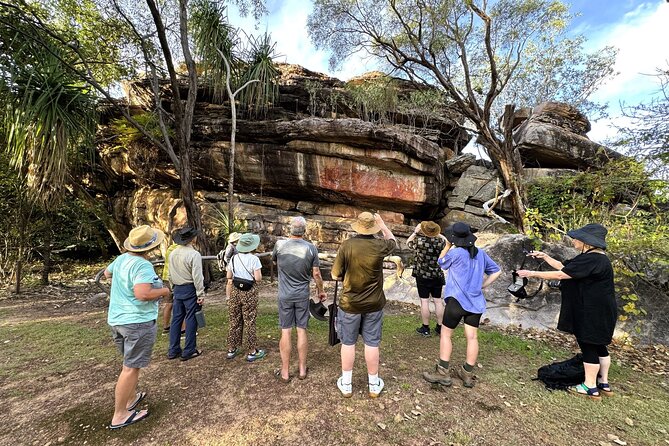
The tour visits either Ubirr or Nourlangie, depending on seasonal weather and access. That flexibility is sensible, but it means you cannot treat one site as guaranteed. Park closures, weather, and ceremonies connected with traditional landowners can alter the route.
Ubirr
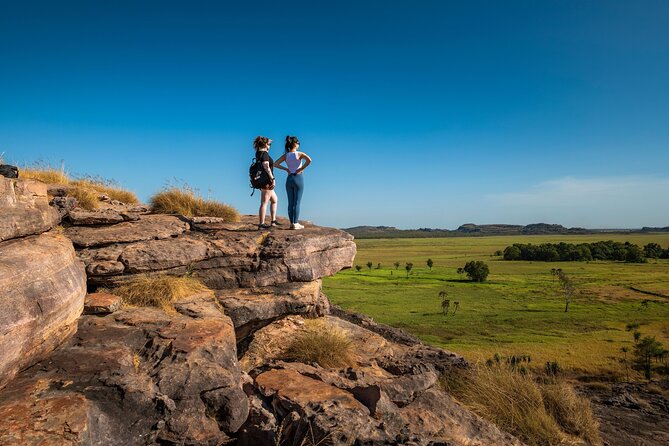
At Ubirr, you visit a sacred rock site with art dating back roughly 20,000 years. The walk takes about 1 hour and 15 minutes, and it combines rock galleries with broad views from higher ground. Several accounts describe the viewpoint as spectacular, especially the 360-degree outlook.
I like this part because the setting adds meaning to the paintings. You are not looking at isolated panels in a gallery. You are seeing art in the place where people lived, travelled, hunted, taught, and passed on stories.
The walk is not a major trek, but moderate fitness is required. Wear shoes with a good grip and do not underestimate the heat. One useful tip is to keep your camera ready, but listen first. The guide’s explanation of Dreaming stories and local ways of life can change how you see the rock surfaces.
Nourlangie
Nourlangie may replace Ubirr if weather or seasonal conditions require it. The supplied schedule does not promise the same viewpoint or exact walking route, so you should see this as a practical route change rather than a lesser substitute.
The important point is that the cultural focus remains central. Your guide will interpret the art and the surrounding rock formations, helping you understand why Kakadu is far more than scenery and wildlife.
Cahills Crossing and the final crocodile watch
The final listed stop is Cahills Crossing, a wide stretch of water and one of the best places on the route to look for crocodiles. The stop lasts about 15 minutes, so it is brief, but it gives you one last chance to scan the water before the long ride back to Darwin.
Do not expect a guaranteed crocodile performance here. This is wild animal spotting, not a scheduled show. Your chances depend on conditions and luck, though the combination of the crossing and the optional cruise gives crocodile fans a good reason to choose this trip.
The short stop also illustrates the tour’s overall style. It tries to show you several major parts of Kakadu in one day, but no single part receives the time it would on a multi-day visit.
Is $155.46 good value?
For a 12-hour guided trip, the price is reasonable if you want Kakadu access without hiring a car or arranging several separate activities. The price includes the Kakadu Park Pass, transport in an air-conditioned mini-coach, an accredited outback driver-guide, commentary, wildlife spotting, and Darwin inner-city pickup and drop-off from selected points.
The value improves if you care about interpretation. A guide who can explain First Nations art, wildlife, local ecology, and Northern Territory history turns the long drive into part of the experience. The strongest feedback consistently praises guides for being informative, friendly, attentive, and entertaining.
The value is weaker if you dislike long bus days or want lots of independent time. You can spend around six hours in transit across the day, and the actual Kakadu visits are broken into relatively short sections. Add the possible A$10 Fogg Dam fee, lunch, and personal expenses when working out the final cost.
A multi-day Kakadu trip would give you more time, but it would also cost more and require extra accommodation. This outing makes sense for a first look, a short Darwin stay, or anyone who wants the logistics handled.
What to pack and who should book
Bring one light day bag only. The vehicle has limited storage, with space for one 5 to 7 kilogram bag per person.
You should pack:
- Comfortable walking shoes
- Water and snacks
- Sun protection
- Clothing suited to the season
- A camera
- Any personal items you need during the 12-hour day
The tour is best for adults and children aged 6 to 12 who can manage moderate walking and a long day. It is not suitable for children aged 5 and under because of the walking and general nature of the experience.
I would recommend it to first-time Kakadu visitors, solo bookers, couples, and people who want culture and wildlife in the same outing. It is less suitable for anyone who needs a relaxed pace, dislikes coach travel, or wants guaranteed access to one particular site.
Should you book the Kakadu Wildlife Escape?
Book it if you have only one day from Darwin and want to combine ancient rock art, Indigenous culture, wetlands, crocodiles, and a guide who can connect the pieces. The crocodile cruise is my pick for excitement, while Fogg Dam is better for birdlife and a quieter wetland experience.
Skip it if your idea of Kakadu involves long walks, solitude, and unhurried time at several sites. The park deserves more than a day, and this tour is honest about its tradeoff: you exchange time on the road for a broad introduction.
Before booking, check which first stop is included, confirm the Fogg Dam fee if relevant, and accept that Ubirr or Nourlangie may change with conditions. If you can handle the early start and the late return, this is a practical way to see why Kakadu is one of Australia’s most important national parks.
FAQ
How long is the Kakadu Wildlife Escape from Darwin?
The tour lasts approximately 12 hours. It begins at 7:30 am and commonly returns around 7:30 or 8 pm, though the schedule can vary.
Where does the tour start and finish?
Pickup and drop-off take place at selected Darwin inner-city points. The listed meeting point is The Leea Darwin, 64 Cavenagh Street, Darwin City. The activity ends back at the meeting point.
Is the Kakadu Park Pass included?
Yes. The Kakadu Park Pass entry fee is included. If you choose the Fogg Dam option, an NT Parks Day Pass for Fogg Dam is required at A$10 per person.
Is lunch included?
No. Lunch is at your own expense, with an opportunity to buy food along the way. Personal expenses are also excluded.
Which rock art site will the tour visit?
The route includes Ubirr or Nourlangie. The site can change because of seasonal weather and access conditions.
Is the crocodile cruise included?
The Jumping Crocodile Cruise is included only if you select the crocodile cruise option, identified as KDC-B in the tour details. The alternative is a visit to Fogg Dam Conservation Reserve.
Just added around Darwin
- Darwin: Adelaide River Half-Day Jumping Crocs Cruise★ 4.3 · 130 reviews
- From Darwin: Litchfield National Park Small-Group Day Trip★ 4.7 · 131 reviews
- Litchfield National Park Day Tour & Berry Springs, Max 11 Guests★ 4.5 · 131 reviews
- Golden Eye Sunset Jet Skiing in Darwin★ 5.0 · 139 reviews
- Litchfield & Berry Springs VIP Adventure Day Tours (group of 11)★ 5.0 · 142 reviews
- Darwin History and Wartime Experience Tour★ 5.0 · 144 reviews
- “Cage Of Death” Crocodile Swim and Entry to Crocosaurus Cove★ 4.8 · 150 reviews
- Litchfield National Park Tour with Wetlands or Crocodile Cruise★ 5.0 · 149 reviews
Wildlife & Zoo Experiences, compared.
Penguin Parade, & Wildlife Encounters Eco Tour from Melbourne
Read our review →
Blue Mountain Small Group Scenic World, Wildlife, Waterfall
Read our review →
Melbourne Great Ocean Rd Reverse Tour London Bridge Wildlife
Read our review →
Litchfield National Park and Jumping Crocodile Cruise
Read our review →
Blue Mountains Adventure: Scenic World, Zoo & Koala Photo
Read our review →
Solar Whisper Daintree River Crocodile and Wildlife Cruise
Read our review →
Browse the lists this tour appears in