
Reviewed · DARWIN & TOP END TOURS
Royal Flying Doctor Service Tourist Facility: Two Iconic Territory Stories
History comes alive here. Darwin’s Royal Flying Doctor Service Tourist Facility pairs the daring story of outback medicine with the sobering account of the 1942 Bombing of Darwin. I like the life-size hologram and VR presentations, which turn difficult history into something you can see and feel, and I like the chance to step inside a decommissioned RFDS Pilatus PC-12 aircraft. The main drawback is that the visit is self-guided, so anyone hoping for a long, traditional guided tour may find the experience more compact than expected.
You can visit at a chosen entrance time, then explore at your own pace in an air-conditioned indoor setting. Allow about two hours if you want to take in the films, aircraft, displays, and interactive sections without rushing. If you move quickly, you may finish in around an hour and a half.
In This Review
- Key things to know before you go
- Two iconic Territory stories under one roof
- Starting with the RFDS vision and its modern work
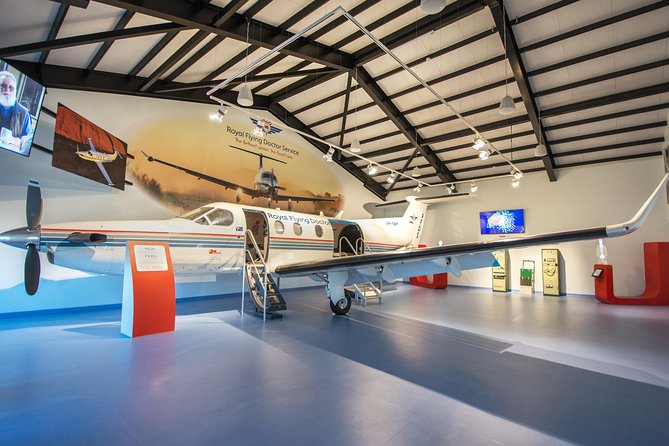
- Inside the Pilatus PC-12 aircraft
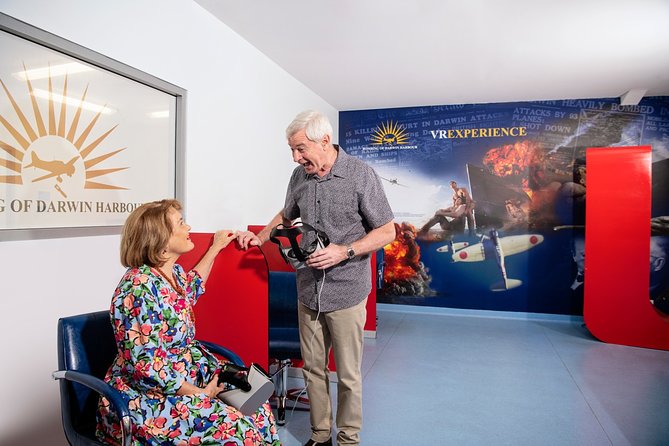
- The Bombing of Darwin through film and VR
- Why the interactive format works for families
- How long to allow and how to plan your visit
- Is the $21.52 admission good value?
- Small practical details that make a difference
- Who should book this Darwin experience?
- Should you book the RFDS Tourist Facility?
- FAQ
- How long does the RFDS Tourist Facility visit take?
- What are the two main stories covered?
- Can I go inside an RFDS aircraft?
- Is the experience guided?
- Are language options available?
- Is the facility accessible?
- Is the facility suitable for children?
- Can I cancel my booking for a refund?
Key things to know before you go
- Two Territory stories in one visit: The facility covers the creation of the Royal Flying Doctor Service and the Bombing of Darwin during World War II.
- Virtual reality brings the harbour attack closer: The VR presentation gives you a stronger sense of the scale and impact of the 1942 bombing than static displays alone.
- Board a real RFDS aircraft: You can walk through a decommissioned Pilatus PC-12 fitted for aeromedical work.
- Good for mixed-age groups: Films, interactive exhibits, and cockpit access give children something to do while adults take in the historical detail.
- A practical indoor stop: Air-conditioning, seating, full disability access, and flexible entrance times make this useful during a hot Darwin day.
- Allow at least 90 minutes: Two hours is a comfortable visit, especially if you pause for both main stories.
Two iconic Territory stories under one roof
Darwin has plenty of museums and military sites, but this facility gives you two very different views of Northern Territory life. One is about building a medical service for people living far from hospitals. The other is about the sudden arrival of war in a city that was not prepared for the full force of an attack.
That pairing works well. The RFDS story is one of invention, endurance, and service. The Bombing of Darwin story is darker, showing the fear and destruction caused by the Japanese attacks in 1942. Together, they explain something important about the Territory: distance has always shaped daily life, and people here have often had to respond with unusual speed and courage.
The facility does not ask you to race through a row of labels. Technology takes the central role. Holographic scenes, films, and virtual reality create a more active visit, while the aircraft and physical displays give you something solid to inspect. I found that mix especially useful for families, since not everyone enjoys reading long museum panels.
A few more Darwin trips worth weighing up
- Litchfield National Park and Jumping Crocodile Cruise
★ 5.0 · 2,119 reviews - Adelaide River Cruises – Jumping Crocodile Experience
★ 5.0 · 997 reviews - Sunset 3-Hour Cruise from Darwin with Dinner and Sparkling Wine
★ 5.0 · 980 reviews
Starting with the RFDS vision and its modern work
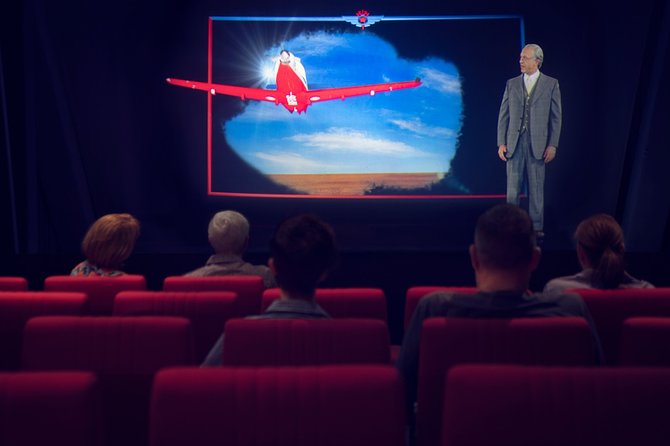
The first major story follows Reverend John Flynn’s vision for bringing medical care to remote parts of Australia. The presentation explains how that idea developed into the Royal Flying Doctor Service you know today.
A life-size hologram cinema experience tells this story through technology rather than a standard documentary alone. The format helps put a human face on the service and makes the early challenges easier to understand. You learn about the determination needed to connect doctors and patients across vast distances, where roads, hospitals, and regular transport could not be taken for granted.
The presentation also gives you a sense of how many different jobs keep the service working. Pilots, engineers, doctors, and nurses all play a part. That is worth noting because the aircraft can look deceptively small from the outside. The service depends on careful coordination before a patient ever reaches the plane.
The RFDS section is at its best when it shows this teamwork. It is not only a story about heroic pilots or dramatic rescues. It is also about technical planning, medical preparation, and the people who keep an aircraft safe and ready. The result is a more complete picture of outback healthcare.
Audio translations are available for the hologram cinema in Japanese, German, French, and Simplified Chinese. That makes the central presentation more accessible if English is not your first language, though the available translation information specifically applies to the hologram sessions.
Inside the Pilatus PC-12 aircraft
The aircraft is one of the most effective parts of the visit. You can climb aboard a decommissioned RFDS Pilatus PC-12 that has been fully fitted for aeromedical use.
The tight interior helps you understand the practical side of flying patients from remote locations. You can see how medical equipment must fit into a limited space and how the aircraft needs to serve both transport and treatment needs. It is a simple lesson in logistics: every item has a purpose, and every bit of space matters.
Children often get the most immediate pleasure from the aircraft, especially the chance to look into the cockpit. Adults may focus more on the medical setup and imagine what it means to receive treatment while in the air. The facility uses the aircraft to connect the organization’s history with its continuing work, rather than presenting it as an isolated museum object.
One useful detail is that the experience explains the roles of the people around the aircraft, not just the machine itself. Pilots, engineers, doctors, and nurses each contribute to a safe flight and a patient’s care. That broader view gives the aircraft more meaning.
There is a small limitation. You should not expect a long technical aircraft tour with an aviation specialist. This is part of a self-guided museum visit, and the aircraft is one element within the larger facility. Still, it is an unusually direct way to understand how the RFDS works.
The Bombing of Darwin through film and VR
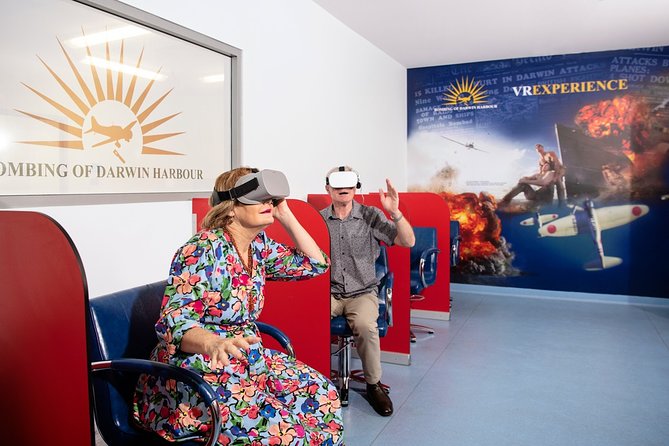
The second major story examines the Bombing of Darwin in 1942. The presentation handles a serious subject with respect, focusing on the people who served Australia and the effects of the attacks on Darwin Harbour.
The VR experience is the part most likely to stay with you. Instead of reading only about the bombing, you receive a visual reconstruction that helps show how the attack affected the harbour and the city. It gives you a clearer sense of movement, danger, and confusion than a conventional display can provide.
The experience is informative rather than designed as a thrill ride. That distinction matters. The subject involves real loss and wartime suffering, so the respectful tone is welcome. The technology makes the events easier to picture, but it does not turn them into entertainment.
The films add context to the VR segment. Together, they explain what happened and why the bombing matters to Darwin’s story. If you have already visited other Defence of Darwin museums, this facility can work as a useful companion stop. It gives you another angle, with more attention on the human effect and the city’s experience.
I would give the Bombing of Darwin section enough time to settle before moving on. It is tempting to treat VR as a quick novelty, but the presentation has more value when you pay attention to the story around it.
A completely different kind of day out in Darwin:
- From Darwin: Litchfield Park Tour & Jumping Crocodile Cruise
★ 4.9 · 829 reviews - Charles Darwin Dinner Cruise
★ 4.5 · 820 reviews - Kakadu Day Tour from Darwin with Offroad Dreaming
★ 5.0 · 776 reviews - Cape Adieu Darwin Sunset Dinner Cruise
★ 5.0 · 750 reviews
Why the interactive format works for families
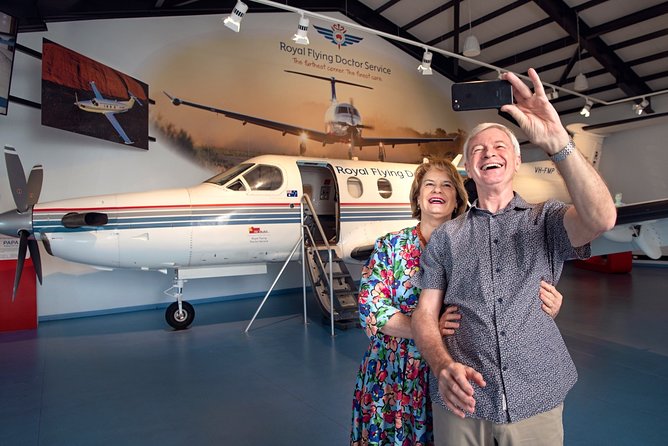
This is a museum where adults and children can follow different paths through the same visit. You might focus on John Flynn, wartime Darwin, or the medical details, while younger visitors spend more time with the aircraft, cockpit, films, and VR.
The interactive approach also helps if your group includes people with different levels of interest. A serious history enthusiast can read and watch more closely. Someone who prefers a faster visit can focus on the major displays and still leave with a clear sense of both stories.
The facility includes seating in several places, which helps if you need regular rests. It is indoors and air-conditioned, a real advantage in Darwin’s heat. Full disability access is provided, and service animals are allowed.
The main thing to manage is the VR experience. Some people love the added sense of presence, while others prefer the films and physical displays. You do not need to treat every section as equally important. Give yourself permission to pause, skip, or revisit the parts that suit your group.
How long to allow and how to plan your visit
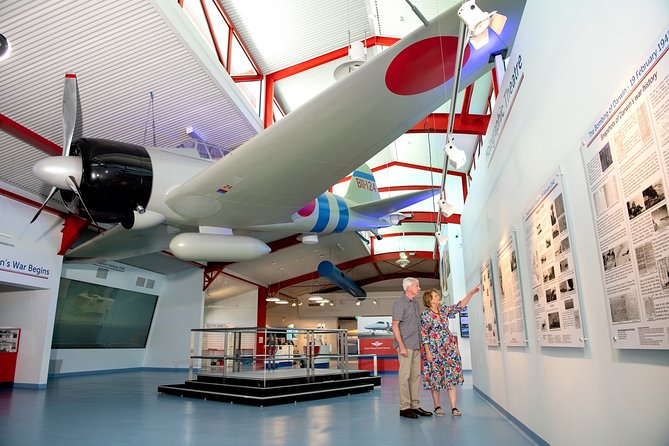
The stated duration is about two hours, and that is a sensible target. You can get a useful overview in roughly 90 minutes, but the shorter visit may feel hurried if you watch both main presentations and spend time inside the aircraft.
A practical plan would be:
- Start with the introductory overview provided on arrival.
- Follow the RFDS story and hologram presentation.
- Inspect the aircraft and its aeromedical equipment.
- Continue to the Bombing of Darwin films and VR section.
- Return to any display that deserves a closer look.
- Finish at the central gift shop if you want a souvenir.
Because entrance times are available throughout the day, you can fit the facility around other Darwin plans. A lunchtime visit may work particularly well. Afterward, you can stay out on the wharf for lunch, as the waterfront setting provides a natural continuation to the museum visit.
If you are arriving from a cruise, a free shuttle bus may take you to the facility. Confirm the current shuttle arrangements before relying on them, but this can make the stop especially convenient for a port day.
The visit is listed as a private activity in which only your group participates. At the same time, the facility experiences are self-guided, with an introductory overview at the start. In practical terms, you should expect freedom to explore rather than a guide leading your group from room to room.
Is the $21.52 admission good value?
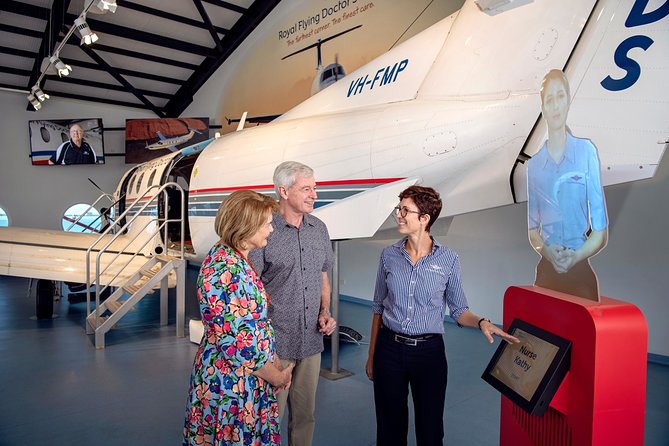
At $21.52 per person, this is a reasonable-priced Darwin attraction, particularly if you use the full two hours. You are paying for more than a small collection of static exhibits. The ticket includes the hologram cinema, films, VR content, interactive displays, and access to the RFDS aircraft.
The value becomes stronger if you have an interest in aviation, military history, medical services, or Darwin itself. It is also a useful family option because several parts of the visit are visual and hands-on.
The value is less clear if you dislike museums, virtual reality, or self-guided visits. You may finish in about an hour and feel that the facility is fairly compact. In that case, combining it with another Darwin attraction or a wharf lunch makes better use of your time.
The high rating of 4.8 from 256 ratings and a 98 percent recommendation rate suggest that the format works well for most people. I would still judge the price by your interests. The facility is not trying to replace a full-day military museum tour. Its strength is that it tells two important stories clearly in a manageable visit.
Small practical details that make a difference
The building is air-conditioned, so it offers a comfortable break from the heat. Seating is available throughout the facility, and full disability access is provided. Most people can take part, and service animals are permitted.
A gift shop sits in the center of the facility. You will find RFDS and Bombing of Darwin items, including shirts, hats, books, and collectibles. There is also an RFDS and R.M. Williams clothing and belt range. Souvenirs are not included in admission, so plan on paying separately if you want something to take home.
Confirmation is provided at the time of booking. Free cancellation is available up to 24 hours before the scheduled start time. If you cancel within 24 hours, you will not receive a refund, and changes within that period are not accepted.
The facility may operate with a multilingual guide, but the core visit remains self-guided. The most clearly specified language support is the hologram cinema audio in Japanese, German, French, and Simplified Chinese.
Who should book this Darwin experience?
I would recommend it to families, cruise passengers, first-time Darwin visitors, and anyone who wants historical context without committing to a full day of museums. It also suits people who prefer a controlled indoor activity during the hottest part of the day.
The RFDS section is especially good for anyone interested in aviation, medicine, engineering, or Australian outback life. The Bombing of Darwin section adds value if you are building a wider picture of the city’s wartime past.
You may want to skip it if you need a long, fully guided tour or if your schedule allows only a very brief stop. The facility is compact, and much of the experience depends on watching presentations and exploring independently.
Should you book the RFDS Tourist Facility?
Yes, if you want two of Darwin’s most important stories presented in a clear, family-friendly format. I especially like the combination of a real aeromedical aircraft, the John Flynn presentation, and the respectful VR account of the Bombing of Darwin.
Book it when you can spare 90 minutes to two hours, preferably with time for lunch on the wharf afterward. At $21.52, it offers solid value for an indoor attraction with several different formats, though visitors looking for a large museum or a long guided tour should set their expectations accordingly.
FAQ
How long does the RFDS Tourist Facility visit take?
The experience lasts approximately two hours. You might complete it in about 90 minutes if you move quickly through the films, displays, aircraft, and interactive sections.
What are the two main stories covered?
The facility covers the origins and work of the Royal Flying Doctor Service and the Bombing of Darwin during World War II.
Can I go inside an RFDS aircraft?
Yes. You can board a decommissioned RFDS Pilatus PC-12 aircraft that is fitted with aeromedical equipment.
Is the experience guided?
The facility experiences are self-guided, but visitors receive an introductory overview. A multilingual guide may operate at the facility.
Are language options available?
Audio translation is available for the hologram cinema sessions in Japanese, German, French, and Simplified Chinese.
Is the facility accessible?
Yes. Complete disability access is provided, with seating available throughout the facility. Service animals are allowed.
Is the facility suitable for children?
Yes. The interactive museum, VR presentation, films, and aircraft make it suitable for the whole family. Children can also enter the cockpit area of the RFDS plane.
Can I cancel my booking for a refund?
You can cancel for a full refund up to 24 hours before the experience start time. Cancellations or changes made less than 24 hours before the start time are not refunded or accepted.
Just added around Darwin
- Darwin Combo: The Bombing of Darwin Experience & Darwin Harbour Cruise★ 4.5 · 123 reviews
- Darwin: Adelaide River Half-Day Jumping Crocs Cruise★ 4.3 · 130 reviews
- From Darwin: Litchfield National Park Small-Group Day Trip★ 4.7 · 131 reviews
- Litchfield National Park Day Tour & Berry Springs, Max 11 Guests★ 4.5 · 131 reviews
- Golden Eye Sunset Jet Skiing in Darwin★ 5.0 · 139 reviews
- Litchfield & Berry Springs VIP Adventure Day Tours (group of 11)★ 5.0 · 142 reviews
- Darwin History and Wartime Experience Tour★ 5.0 · 144 reviews
- Litchfield National Park Tour with Wetlands or Crocodile Cruise★ 5.0 · 149 reviews
Darwin & Top End Tours, compared.
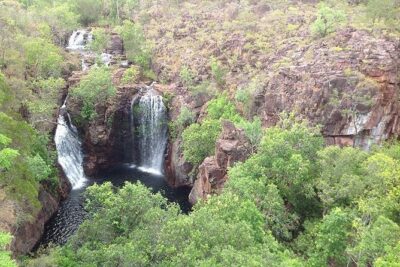
Litchfield National Park and Jumping Crocodile Cruise
Read our review →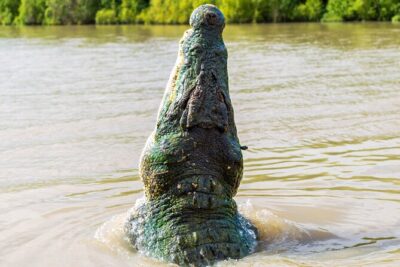
Adelaide River Cruises – Jumping Crocodile Experience
Read our review →
Sunset 3-Hour Cruise from Darwin with Dinner and Sparkling Wine
Read our review →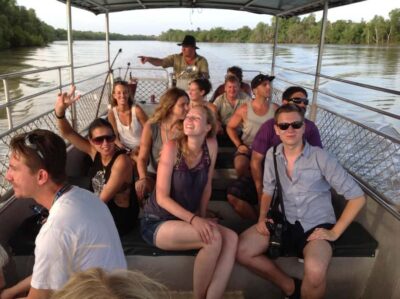
Litchfield Park Tour & Jumping Crocodile Cruise
Read our review →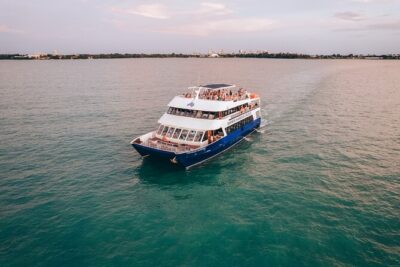

Kakadu Day Tour from Darwin with Offroad Dreaming
Read our review →
Browse the lists this tour appears in