
Reviewed · HISTORICAL TOURS
Albany: Historic Whaling Station Entry Ticket
Whales make Albany’s past impossible to ignore. At the Historic Whaling Station, I like the chance to walk through a restored processing factory and climb aboard the Cheynes IV, the world’s only preserved whale chaser ship. I also like that the $25 ticket covers the gardens and wildlife park, not just the main museum. The main consideration is the subject itself: the displays show a hard, often disturbing industry, so this may feel heavy for younger children.
This is not a quick museum stop. You can spend most of a day here, moving from factory machinery and oil tanks to marine skeletons, films, art, gardens, and picnic areas. I would allow several hours, especially if you want the café, Regional Wildflower Garden, and Australian Wildlife Park. The attraction is open daily from 9:00 AM to 5:00 PM, except December 25.
In This Review
- Key points at a glance
- Why Albany’s whaling station matters
- Inside the restored processing factory
- Boarding Cheynes IV, the preserved whale chaser
- The marine skeleton display and blue whale scale
- Films inside the converted oil tanks
- Scrimshaw, marine art, and working artifacts
- Add the garden and wildlife park
- Café views and planning your day
- Is the $25 ticket good value?
- Who should visit Albany’s Historic Whaling Station?
- Should you book it?
- FAQ
- How much does entry to Albany’s Historic Whaling Station cost?
- How long is the ticket valid?
- What are the opening hours?
- What is included with admission?
- Is the attraction wheelchair accessible?
- Can I cancel my booking?
Key points at a glance
- Walk through a genuine whale processing factory: Restored machinery and working spaces give you a direct sense of how the station operated.
- Board Cheynes IV: This preserved whale chaser is the heart of the visit for many people, with a close look at the vessel’s working life.
- See a giant blue whale skeleton: The marine display puts the size of these animals into physical perspective.
- Watch films inside former oil tanks: The converted tanks create an unusual setting for short films about whales and whaling.
- Add gardens and wildlife to your day: The ticket includes the Regional Wildflower Garden and Australian Wildlife Park.
- Plan around the opening hours: The station opens at 9:00 AM, while the garden and wildlife park open at 10:00 AM.
Why Albany’s whaling station matters
Albany’s Historic Whaling Station was Australia’s last operating whaling station. It is also presented as the world’s only complete historic whaling station tourism attraction, which makes the visit different from a standard maritime museum.
You are not simply looking at a few objects behind glass. The site brings together the factory, ship, oil tanks, marine remains, working artifacts, and personal memorabilia. That combination helps you understand the full chain of the industry, from the vessels used at sea to the processing work carried out on land.
The site is recognized as a heritage place, but it does not treat the past as a polished postcard. You will see evidence of an industry that supported local employment and commercial activity while also causing the deaths of whales. That tension is important. The experience is educational partly because it refuses to make the subject comfortable.
I appreciate that the station lets you form your own view through physical evidence. The machinery, ship, skeletons, and exhibits explain more than a short plaque ever could. At the same time, the visit can feel sad, especially when you consider how much marine life was lost before whaling ended in Australia.
More history tours in Australia:
- Ultimate Melbourne Walking Tour: History, Laneways & Culture
★ 5.0 · 1,451 reviews - Puffing Billy Railway: Heritage Steam Train Journey
★ 4.6 · 1,195 reviews - Morning World Heritage Cruise on the Gordon River from Strahan
★ 5.0 · 1,193 reviews
Inside the restored processing factory
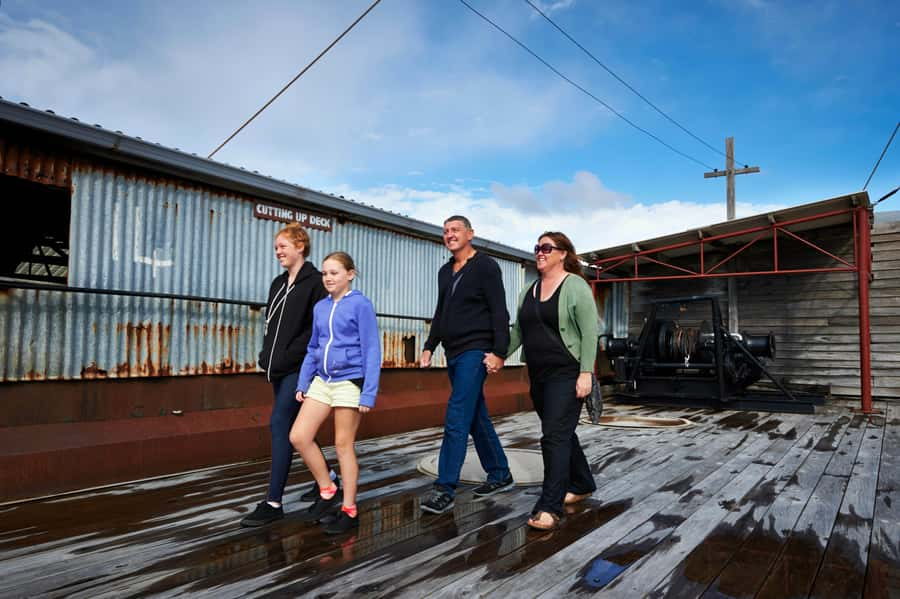
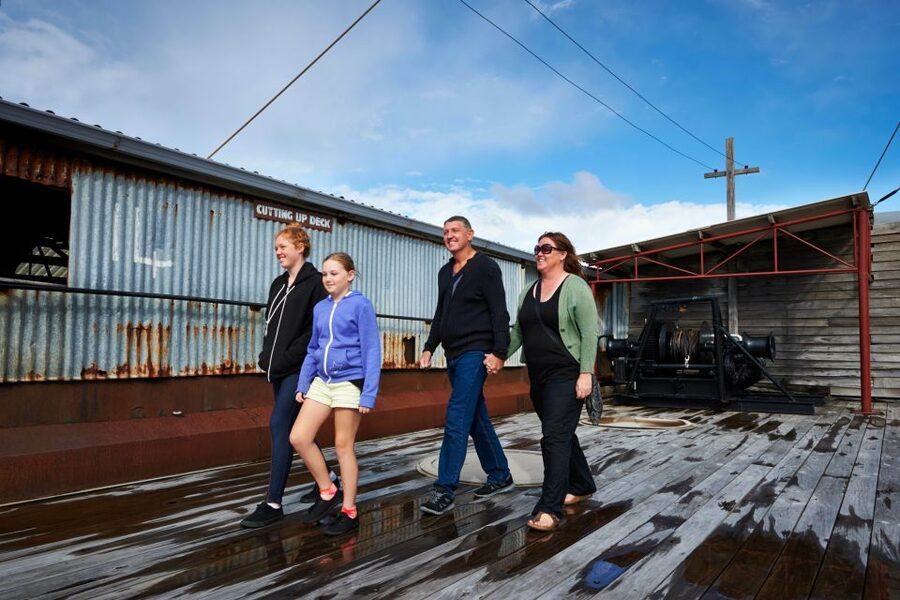
Begin with the restored whale processing factory. This is where the scale and physical nature of the work become clear. The factory setting gives you a better sense of the noise, equipment, and industrial process than a small gallery could provide.
The sights and sounds are part of the appeal. You can move through the working areas and examine the machinery and structures connected with whale processing. Authentic artifacts and memorabilia add human detail, showing how the station functioned as a workplace rather than only as a historical display.
I would take your time here. The factory is the part most likely to reward a second look, since the first pass may leave you focused on the size of the equipment. Then you can return to the labels and objects with a clearer idea of how each piece fitted into the operation.
The subject matter is not softened. If you are visiting with children, explain beforehand that the station tells the story of commercial whaling, including the killing and processing of whales. Some children will find the machinery fascinating. Others may find the topic upsetting.
Boarding Cheynes IV, the preserved whale chaser
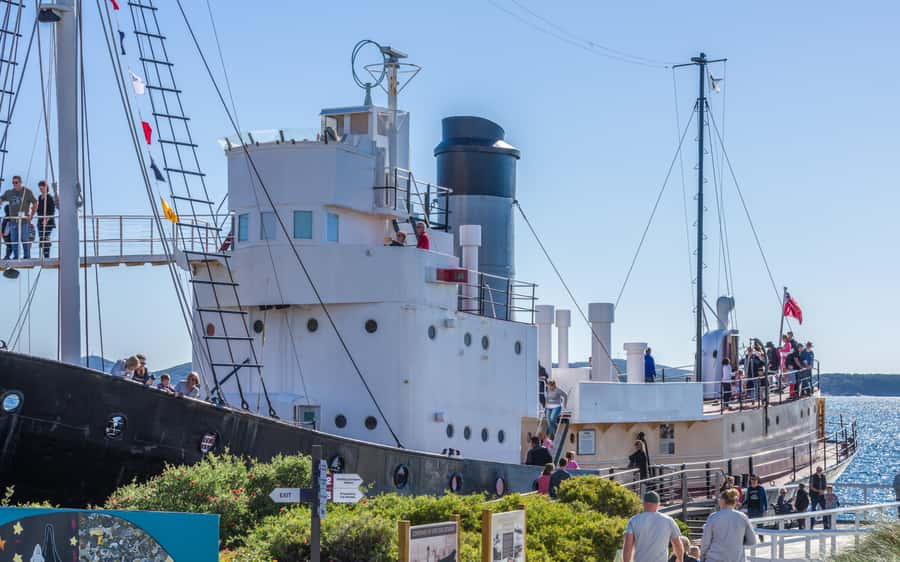
Climbing aboard Cheynes IV gives the visit a strong sense of place. This is described as the world’s only preserved whale chaser ship, so it is not just another boat in a maritime collection.
The ship helps connect the factory to the ocean. After seeing where whales were processed, you can step aboard the vessel associated with finding and chasing them. That change of setting makes the story easier to follow, and it gives you a more direct feel for the work at sea.
You will want comfortable shoes, which are also specifically recommended for the attraction. A ship is a more physical exhibit than a gallery, so sensible footwear makes the visit easier. The site is wheelchair accessible, although the supplied information does not detail which parts of the vessel or ship access arrangements may have limitations.
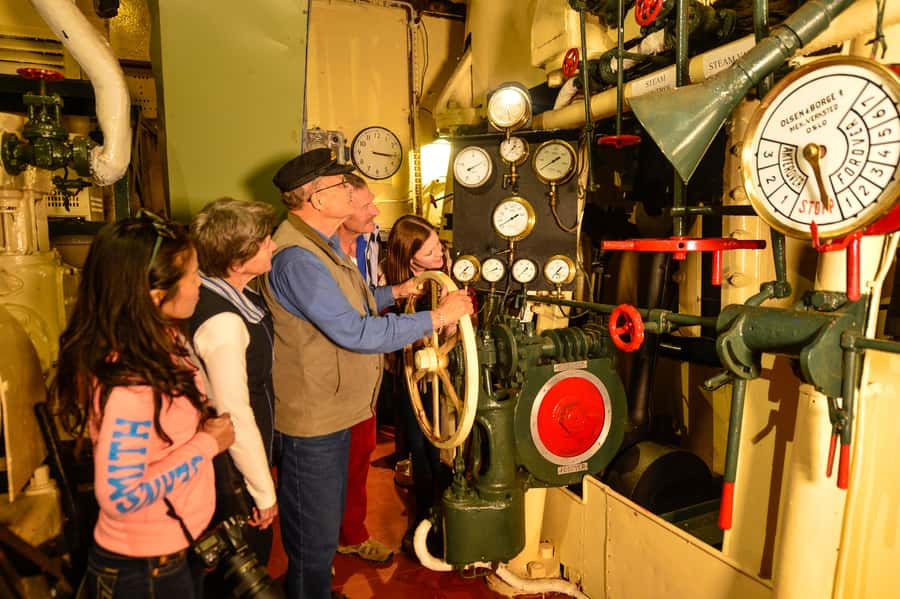
For me, Cheynes IV is one of the ticket’s best inclusions. A photograph of a whaling vessel cannot give you the same sense of its working purpose. Boarding it turns a historical account into something you can read, see, and physically move through.
The marine skeleton display and blue whale scale
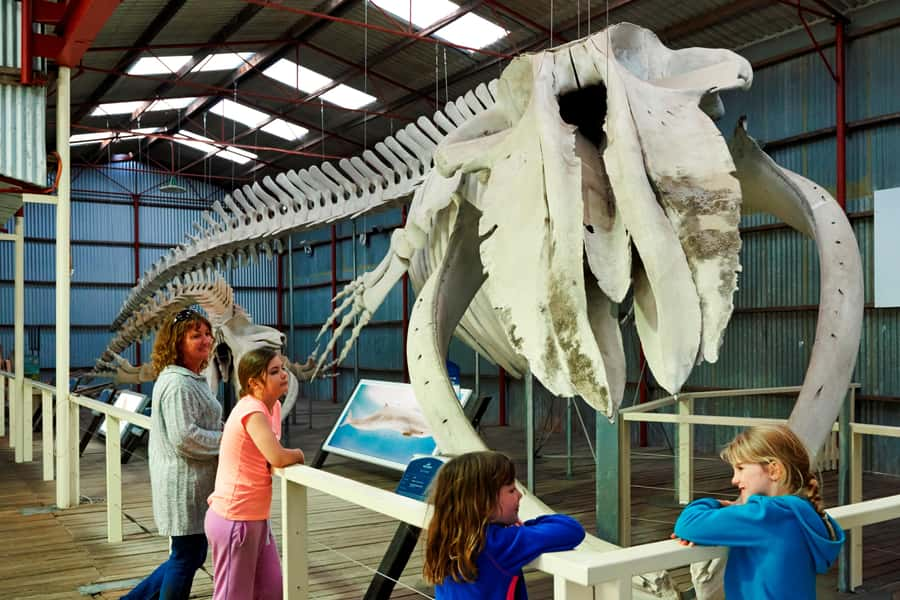
The skeleton display provides the clearest visual reminder of how large whales are. A giant blue whale skeleton is among the major sights, and a pygmy whale skeleton is also described as enormous in one account of the visit.
This is a useful stop even if you are not especially interested in whaling. The bones let you study whale anatomy and scale without relying on a picture or a standard museum model. Stand back if you can, then move closer to examine the structure. Size is easier to understand when you see both the full skeleton and its individual bones.
The display may also change the emotional tone of the day. A skeleton is scientifically interesting, but it is also a reminder that these were once living animals. The visit balances wonder at marine biology with the uncomfortable facts of the industry.
A 3D film adds another sensory element. One visitor described the film as so convincing that it felt as if whales might hit the side of the face. The exact impact will depend on your expectations, but the film is clearly designed to make the animals feel close and immediate.
A few more Australia trips worth weighing up
- Kalgan Queen Scenic Cruises a four hour sheltered water wildlife tour daily fun.
★ 5.0 · 474 reviews - National Anzac Centre General Entry Ticket
★ 4.5 · 210 reviews - Bremer Bay: Bremer Canyon Killer Whale Expedition
★ 4.9 · 114 reviews - Albany’s Historic Whaling Station Admission Ticket
★ 4.5 · 86 reviews
Films inside the converted oil tanks
The former whale oil tanks now house short films. This is an inventive reuse of an industrial space, and the tanks give the screening area a stronger connection to the station’s past than an ordinary cinema room would.
I like this part because it adds sound and motion to exhibits that are otherwise still. The films can help you understand whales and the station’s story before or after you inspect the factory and ship.
Do not treat the films as a reason to rush through the rest of the site. They are short, so you can fit them into a wider visit without giving up much time. Their main value is atmosphere and context. The setting makes you think about what the tanks once held, then redirects your attention toward the animals and the history on display.
The combination of film, factory, and skeletons gives the visit variety. You are not reading labels for hours without a change of pace.
Scrimshaw, marine art, and working artifacts
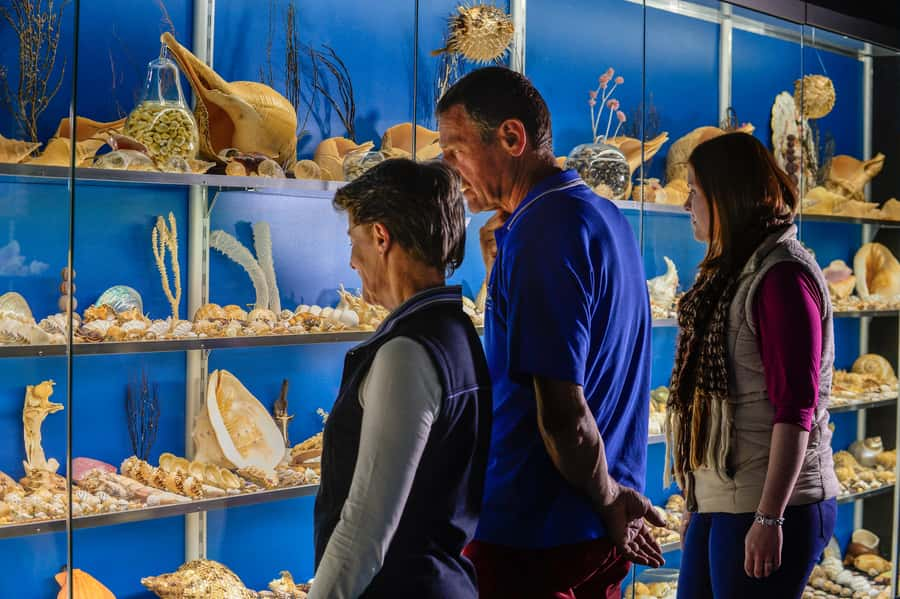
The museum displays include scrimshaw art, marine animal art, whaling tools, and other authentic memorabilia. Scrimshaw is especially worth a close look because it shows the creative side of maritime life while also raising questions about the materials used and the culture that produced it.
The collection is not limited to machinery and bones. Art and personal objects give you another way to consider the people connected with whaling. They help explain how the industry shaped daily life, memory, and identity in Albany.
I would allow extra time for this section if you enjoy small details. Large objects make the strongest first impression, but the smaller artifacts can tell you more about how people lived and worked around the station.
The exhibits also help prevent the experience from becoming a simple good-versus-bad lesson. The history includes labor, local connection, craft, commerce, animal life, and environmental cost. You can recognize the station’s importance to Albany while still feeling troubled by what happened there.
Add the garden and wildlife park
Your ticket includes more than the historic station. The Regional Wildflower Garden and Australian Wildlife Park are also included, although they open at 10:00 AM rather than 9:00 AM.
The garden displays native plants from a region said to contain more than 100,000 native plant species. That makes it a useful counterpoint to the industrial exhibits. After the factory and ship, you can spend time among living plants and get a different view of Western Australia’s natural character.
The Australian Wildlife Park includes a collection of native animals. The available information does not list every species, so I would treat it as a pleasant extra rather than plan your visit around a particular animal.
Families have access to free on-site barbecues and a picnic area. This matters because the ticket is valid for one day, not just a timed entry slot. You can break up the museum visit, eat outdoors, and return to the exhibits without turning the day into one long indoor session.
The garden and wildlife park also improve the value for families. Children who lose interest in industrial history have space to change pace. Adults get a chance to rest while keeping the main visit connected to Albany’s natural setting.
Café views and planning your day
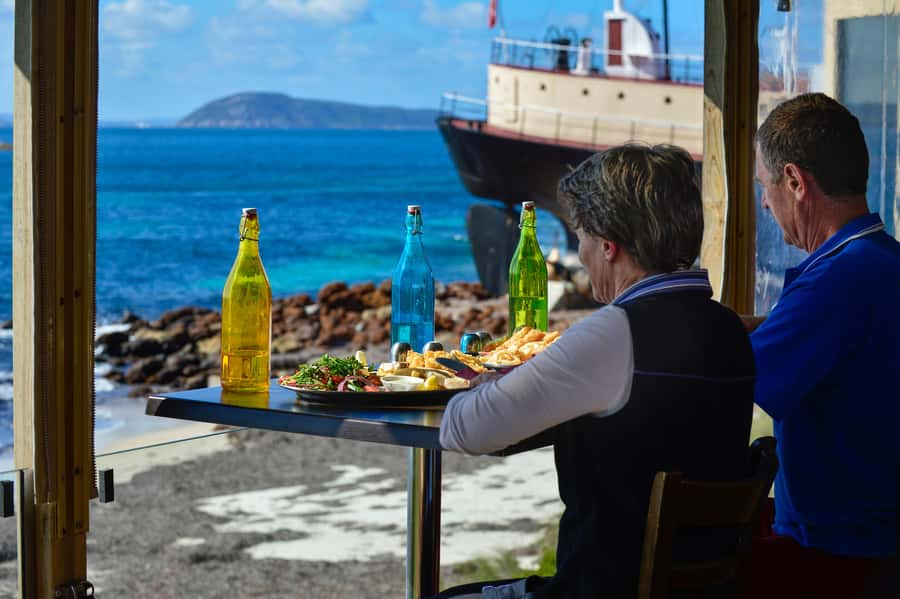
A café overlooks one of Albany’s picturesque bays. That gives you a simple way to pause without leaving the attraction. A coffee and scone received particularly warm praise in one visit, and that kind of break can make the difference between a rushed stop and a comfortable half-day or full-day outing.
One account also praised a morning pace led by Joy, who provided friendly, personal, and engaging commentary. The standard product information describes an English-speaking host or greeter, but it does not promise a particular guide or a guided tour at every entry. If Joy is leading during your visit, her commentary may add a personal layer. Otherwise, plan to use the exhibits and trails at your own pace.
Arriving early gives you access to the main station before the garden and wildlife park open. You could begin with the factory and ship, pause for the films and skeletons, then move outside from 10:00 AM onward.
The attraction is open seven days a week, with December 25 as the only listed closure day. The meeting point is 81 Whaling Station Road, Torndirrup, Western Australia 6330. English is the listed language.
Is the $25 ticket good value?
At $25 per person, the ticket offers good value if you plan to stay for several hours. You are paying for access to a complete heritage attraction with multiple parts: the factory, Cheynes IV, skeleton display, oil tank films, museum exhibits, wildflower garden, wildlife park, picnic area, and free barbecues.
The value is strongest for families and anyone who enjoys mixing indoor and outdoor sights. A museum-only visit might feel expensive if you spend just 45 minutes inside. The ticket makes more sense when you use the full day validity and add the gardens, wildlife park, café, or picnic area.
I would also consider the educational value. The attraction deals with a difficult subject through real places and objects, not only through text. That makes the $25 fee reasonable for people who want historical context rather than a quick photo stop.
It is less suitable if you want a light, purely scenic outing. The subject can be confronting, and the factory displays may not appeal to everyone. The gardens and wildlife park soften the day, but they do not remove the central story of whaling.
Cancellation is flexible: you can cancel up to 24 hours before the visit for a full refund. You can also reserve now and pay later, which helps if your Albany plans are still shifting.
Who should visit Albany’s Historic Whaling Station?
I would recommend it to:
- Families wanting one ticket with history, wildlife, gardens, and picnic options
- Anyone interested in maritime history or working ships
- Visitors who want a stronger understanding of Albany’s past
- Museum fans who enjoy authentic machinery and artifacts
- People looking for a full-day attraction rather than a short stop
- Anyone comfortable facing the difficult truth of commercial whaling
I would think twice if you are sensitive to animal death or want an entirely relaxed day. The subject is serious, and some exhibits may leave you thoughtful rather than cheerful.
Wear comfortable shoes. Smoking, vaping, and bare feet are not allowed. The attraction is wheelchair accessible, but you may want to confirm access details for specific ship areas before arriving.
Should you book it?
Book this experience if you want Albany history presented through real machinery, a preserved working vessel, marine skeletons, films, and artifacts. The extra garden and wildlife access makes the $25 price especially fair, and the free barbecue and picnic facilities give you room to turn the visit into a full day.
I would skip it only if whaling history feels too confronting or if your schedule allows time for only a very short stop. For most people with half a day or more, this is one of Albany’s most worthwhile history attractions. Start with the factory, board Cheynes IV, see the skeletons, then use the gardens and wildlife park to end the day at a gentler pace.
FAQ
How much does entry to Albany’s Historic Whaling Station cost?
Entry costs $25 per person.
How long is the ticket valid?
The ticket is valid for one day from the first time you activate it.
What are the opening hours?
The Historic Whaling Station is open daily from 9:00 AM to 5:00 PM. The Regional Wildflower Garden and Australian Wildlife Park open daily from 10:00 AM to 5:00 PM. The full attraction is closed only on December 25.
What is included with admission?
Admission includes all exhibitions at the Historic Whaling Station, the Regional Wildflower Garden, and the Australian Wildlife Park. Free on-site barbecues and a picnic area are also available.
Is the attraction wheelchair accessible?
Yes, the attraction is listed as wheelchair accessible. The available information does not specify access details for every part of the preserved ship.
Can I cancel my booking?
Yes. You can cancel up to 24 hours in advance for a full refund. A reserve now and pay later option is also available.
Just added around Australia
- Perth: 4-Day Monkey Mia Pink Lake Coastal Loop Comfort Tour★ 4.9 · 23 reviews
- Optus Stadium HALO Rooftop Experience★ 4.8 · 23 reviews
- Airlie Waterfalls & Rainforest Bushwalk Eco Adventure★ 5.0 · 23 reviews
- Signature Saturday Wine Tour★ 5.0 · 23 reviews
- Puffing Billy Tour and Penguin Parade from Melbourne★ 5.0 · 24 reviews
- Yarra Valley by night! Private wine, whisky and dinner tour★ 5.0 · 24 reviews
- Coffin Bay: Short and Sweet Oyster Farm Tour★ 4.6 · 24 reviews
- Western Ridge & Valley Floor: 20-Minute Helicopter Flight★ 5.0 · 24 reviews
Historical Tours, compared.
Ultimate Melbourne Walking Tour: History, Laneways & Culture
Read our review →
Puffing Billy Railway: Heritage Steam Train Journey
Read our review →
Morning World Heritage Cruise on the Gordon River from Strahan
Read our review →
Strahan: World Heritage Cruise on Gordon River with Lunch
Read our review →
Experience History onboard The Mary Valley Rattler
Read our review →
Snorkel & Dive the Reef: Sustainable, Scientific & Cultural Tour
Read our review →
Derwent River Historic Harbour Cruise From Hobart
Read our review →Browse the lists this tour appears in