
Reviewed · ULURU & RED CENTRE TOURS
Best of Uluru & Segway
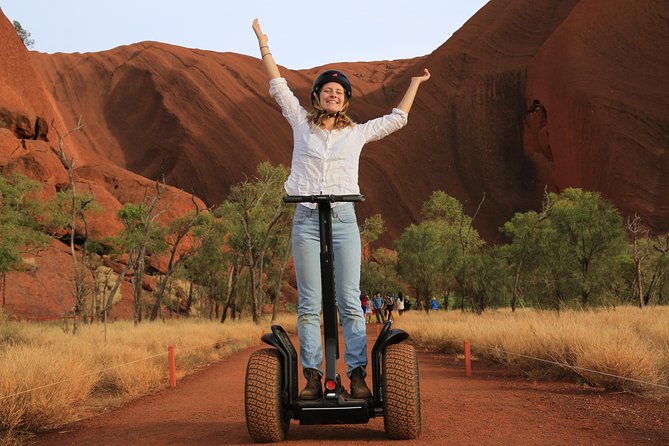
Uluru feels even larger from a Segway. This 4 to 5 hour outing gives you a fun, quiet way to cover part of the monolith’s broad base, while a local guide adds stories about Anangu culture, nature, and the rock’s past. I especially like the small groups of no more than 10 and the included hotel pickup and drop-off.
The guided walks to Mutitjulu Waterhole and along the Mala Walk add meaning beyond the ride. I also like that the Segways help you cover more ground in the heat, with little noise and no engine fumes. The main caution is that the safety briefing and practice take a noticeable part of the time, so the actual riding may feel shorter than the advertised 1 hour 30 minutes.
In This Review
- Key points to know before booking
- Why a Segway works well at Uluru
- The training session: useful, but allow for lost riding time
- Riding beside Uluru for the main scenic views
- Mutitjulu Waterhole and its Aboriginal rock art
- The Mala Walk brings you into caves and older stories
- Sunset, sparkling wine, and the picnic question
- What the $142.73 price really covers
- Who will enjoy this Uluru tour most?
- Morning or sunset: choosing the better timing
- Practical tips for a smoother ride
- Is Best of Uluru and Segway worth booking?
- FAQ
- How long does the Best of Uluru and Segway experience last?
- Is hotel pickup included?
- How much does the experience cost?
- How much time do you spend riding the Segway?
- What places do you visit?
- What are the age and weight requirements?
- Is the tour suitable for everyone?
Key points to know before booking
- You ride roughly one quarter of Uluru’s base, focusing on some of the most scenic sections rather than trying to circle the entire rock.
- Mutitjulu Waterhole includes ancient Aboriginal rock art, cultural stories, and a chance to get close to the rock.
- The Mala Walk is on foot, with caves and further rock art that a Segway cannot reach.
- Sunset bookings finish with sparkling wine and picnic nibbles, but the food offering is modest rather than a full meal.
- A careful training session comes first, making this suitable for many first-time riders, though it reduces riding time.
- You need to be at least 12 and weigh 45 to 117 kilograms, with a fitness level similar to riding a bicycle.
Why a Segway works well at Uluru
Uluru is not a quick lookout stop. The rock stretches far beyond the famous postcard views, and its changing curves, caves, shadows, and waterholes make more sense when you spend time at its base. A Segway gives you a practical way to move between points without spending the entire outing walking in the Red Centre heat.
The machines are quiet and environmentally friendly. That matters here. Uluru is a sacred place, and a low-noise ride feels less intrusive than a vehicle rumbling beside it. You still hear the guide, the wind, and the natural sounds around you.
I also like the balance between riding and walking. The Segway covers the open stretches, while the Mutitjulu Waterhole and Mala Walk bring you into places where a machine would be inappropriate. You get the convenience of wheels without losing the slower, more respectful parts of the visit.
The ride is not a complete circuit of Uluru. It covers about one quarter of the base, concentrating on scenic areas. That is enough to give you a strong sense of the rock’s size, but you should not book it expecting to see every side.
More segway tours:
- Segway the FULL base of Uluru
★ 5.0 · 449 reviews - Brisbane Segway Sightseeing Tour
★ 5.0 · 629 reviews - Perth East Foreshore and City Segway Tour
★ 5.0 · 549 reviews
The training session: useful, but allow for lost riding time
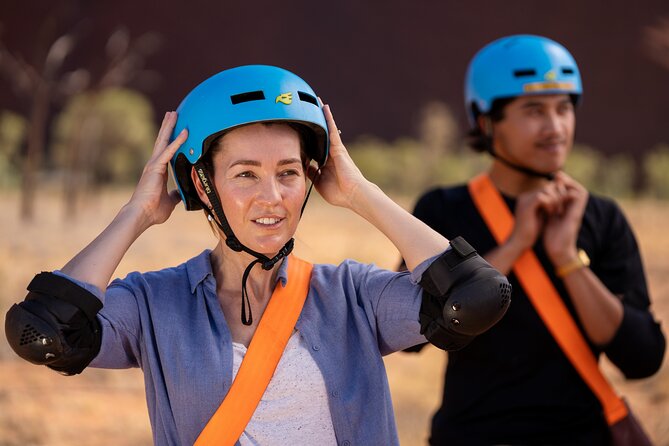
Your first task is learning to control the Segway. Safety equipment, including a helmet, is provided, and the guides explain how to ride before the group sets off. For a first-time rider, this patient start is a real benefit.
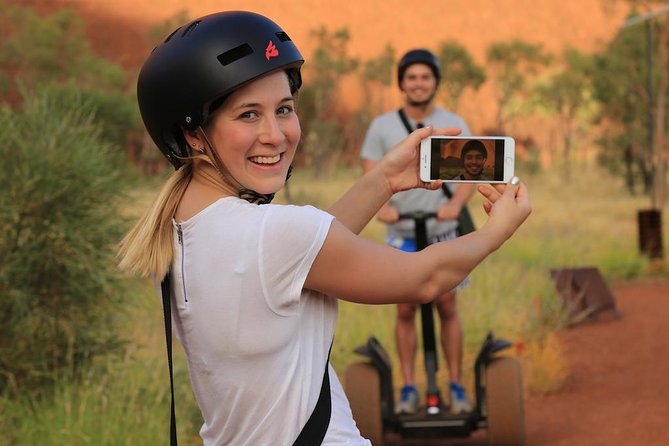
Several people who were nervous at first found the machines easier once they had practiced. That matches what I would expect: a Segway can feel strange for the first few minutes, but the controls are simple once your balance and movement feel natural. The guides have also been praised for helping older riders and people who had not used a Segway in years.
Do not rush this part. A good safety lesson makes the rest of the outing more relaxed, especially when you are riding near uneven ground, stopping for views, or moving as a group. Staff have been described as calm and attentive with beginners, and guides such as Nick, Sye, Si, Lisa, and Harley have received particular praise for their instruction and care.
There is a tradeoff. The advertised Uluru riding section is listed as 1 hour 30 minutes, but some bookings have felt closer to 45 minutes of actual riding after the safety talk and practice. If riding is your main reason for booking, keep that distinction in mind. This is a cultural sightseeing tour with a Segway component, not a long-distance Segway expedition.
Riding beside Uluru for the main scenic views
Once the group is comfortable, you ride along the most scenic portion of Uluru’s base. This is where the Segway earns its place. You can move farther than you would on foot, stop for photographs, and see the rock’s enormous walls from several angles without exhausting yourself early in the day.
The scale is hard to grasp from a single viewpoint. From close to the base, the surface is not simply one smooth red wall. You see folds, shaded sections, weathered shapes, caves, and changes in color. The guide explains what you are seeing while also connecting the physical features to local Aboriginal culture and traditional stories.
The guides are one of the strongest parts of the experience. Lisa has been praised for her storytelling and for taking and sharing photographs. Nick is noted for his friendly manner, and Sye is praised for his practical training and local information. Harley has also received strong marks for combining stories, cultural respect, and clear explanations.
That personal attention is easier in a group capped at 10. You can ask questions without shouting across a crowd, and the guide can keep an eye on riders who are still finding their balance. The smaller format also helps the ride feel less hurried, with time to stop and take in the views.
You should still prepare for sun and flies. A hat or ball cap under the helmet can help shade your eyes, though you need to make sure it fits safely. Fly nets are worth considering in hot weather, especially if you are not used to persistent Central Australian flies. Carry and drink plenty of water. Heat can make a moderate activity feel much harder than it looks on paper.
Mutitjulu Waterhole and its Aboriginal rock art
The stop at Mutitjulu Waterhole shifts the mood from movement to quiet observation. It is described as Uluru’s largest waterhole, and the visit includes a guided walk close to the rock and ancient Aboriginal rock art.
This is one of the most important parts of the outing because it gives context to the monolith. You are not just looking at an impressive geological feature. You are learning about a place connected to Anangu cultural stories and traditions.
The guide helps explain why the waterhole matters and points out the art and surrounding features. The chance to get close enough to touch the rock makes the scale and texture more immediate, though you should follow the guide’s instructions carefully and treat the site with respect.
The walk is relatively short, listed at about 30 minutes, but it adds something a ride alone cannot provide. You slow down, look carefully, and hear the cultural meaning attached to a specific place. Bring your hat and water because the stop is still outdoors, and the sun can be strong even when the distance walked is modest.
A few more Uluru trips worth weighing up
- Uluru (Ayers Rock) Sunset + Outback Barbecue Dinner & Star Talk
★ 4.0 · 426 reviews - Full Uluru Base Walk at Sunrise Including breakfast
★ 5.0 · 408 reviews - Kings Canyon Day Trip from Ayers Rock (Uluru)
★ 4.5 · 380 reviews - Uluru (Ayers Rock) Field of Light Sunrise Tour
★ 4.5 · 329 reviews
The Mala Walk brings you into caves and older stories
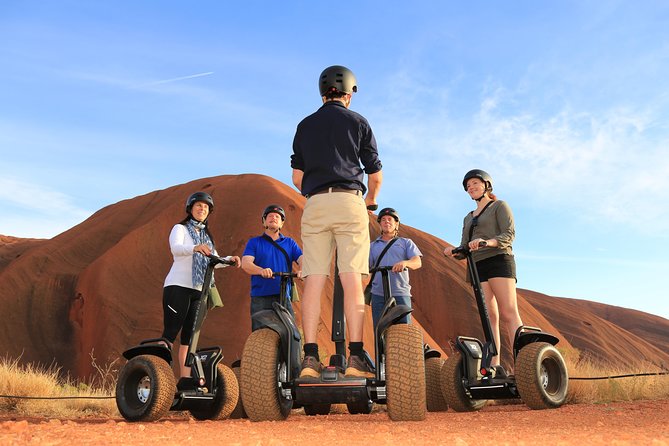
The Mala Walk lasts about an hour and takes place on foot. Here, the guide shows you more caves and Aboriginal rock art, including areas you can enter.
I like this section because it prevents the tour from becoming a novelty ride. The Segway is memorable, but the walk gives you time to focus on the details of Uluru and the traditions of the Anangu people. The combination works better than either activity alone.
The walking is described as flat and easy going, but you do need enough fitness to walk comfortably and ride a bicycle. This is not a fully seated or fully motorized tour. If you have mobility, balance, or stamina concerns, consider the walking sections as carefully as the Segway requirements.
The guide’s tone matters here. The strongest guide feedback focuses not only on facts but also on cultural respect. That is important at Uluru, where stories and sacred places deserve more care than a quick list of sightseeing points. You should expect interpretation, not just directions to the next photo stop.
Sunset, sparkling wine, and the picnic question
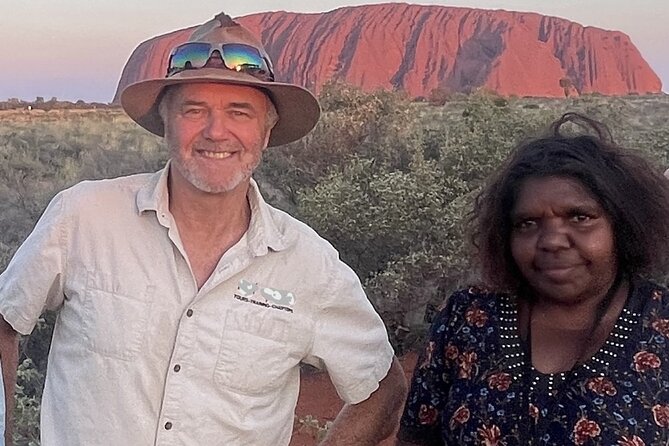
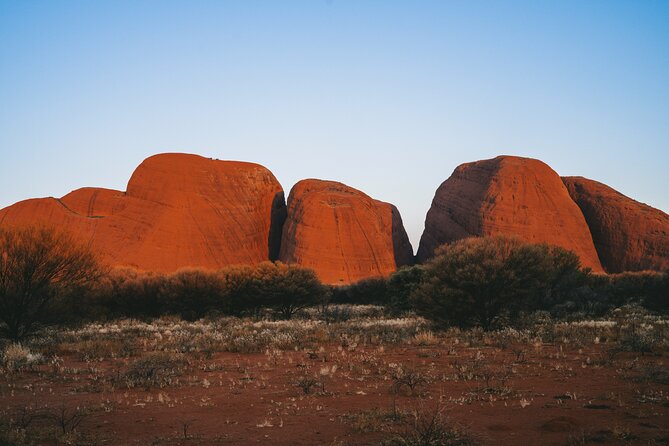
If you choose the sunset option, the tour finishes at the base of Uluru with sunset viewing, a glass of sparkling wine, and picnic nibbles. The changing light can bring out a striking glow in the red rock, and this is a natural finale after several hours of riding and walking.
The sunset stop is widely regarded as a highlight of the experience. You have time to take photographs and watch the color shift across Uluru rather than simply arriving at a crowded viewing area for a few minutes.
Set your food expectations correctly. The picnic is described as light nibbles, and the actual offering may be limited to a few drinks with bread, olive oil, and balsamic vinegar. I would treat it as a pleasant accompaniment to sunset, not dinner.
That distinction affects the value. If you are paying mainly for the Segway ride, the modest refreshments may feel underwhelming. If you value the complete combination of transport, guiding, cultural stops, sunset, and a drink at the base, the ending is easier to appreciate.
The sunset option is not simply a longer ride. It adds a memorable viewing experience and a relaxed finish, but you should bring food or plan a meal afterward if you expect something substantial.
What the $142.73 price really covers
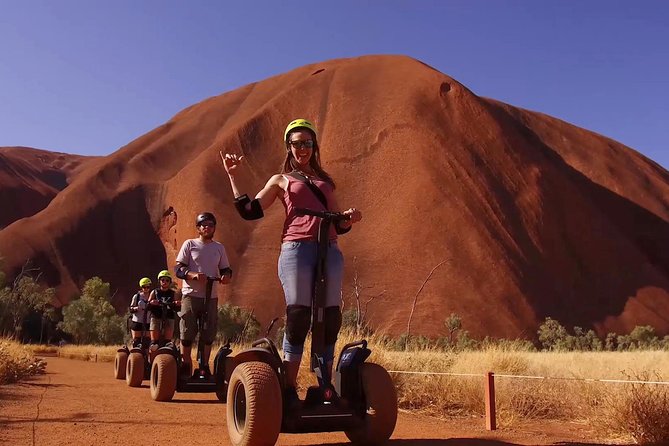
At $142.73 per person, this is not the cheapest way to see Uluru. The price makes more sense when you count what is bundled in: hotel transfers, a professional guide, live commentary, safety equipment, Segway instruction, the guided Mutitjulu Waterhole walk, the Mala Walk, and the scenic base ride.
Hotel pickup and drop-off are particularly useful at Uluru, where accommodation and attractions are spread across a remote resort area. You avoid arranging your own transport, and the transfer turns this into a fairly simple half-day plan.
The small group also adds value. With a maximum of 10 people, the guide can spend more time helping nervous riders and answering questions. The best experience here depends heavily on explanation and supervision, not just on access to a Segway.
The value is weaker if you see the activity as only 45 minutes of riding and a few basic snacks. One lower-rated experience made exactly that point, noting that the safety induction took longer than expected and the picnic did not match the price. That criticism is fair to consider.
The national park entry fee is not included, so add that cost to your plans. The booking information also says admission tickets are not included. Check the total cost before you commit, especially if you are traveling with a family.
Who will enjoy this Uluru tour most?
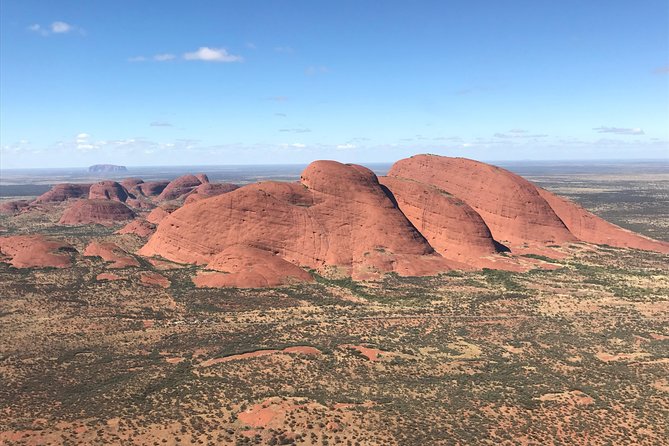
I would recommend this experience to adults and families with children aged 12 or older who want a different way to see Uluru and are comfortable trying a new activity. It is especially useful if you want to cover more ground than a walking tour allows but still want time at important cultural sites.
First-time Segway riders should not be put off. The training is careful, and several people who began nervously became comfortable during the lesson. A moderate level of fitness is still needed, and you must be able to ride a bicycle.
It can also suit older riders who meet the physical requirements. People over 60 have found the instruction reassuring, but the activity is not recommended for people over 65. That recommendation should be taken seriously rather than treated as a strict challenge.
You should not book if you are pregnant, have a serious spinal injury, or have serious vision or balance problems. The activity is also unsuitable if illness or injury could affect your ability to control the Segway. The required weight range is 45 to 117 kilograms.
Morning or sunset: choosing the better timing
A morning departure can help you avoid the worst of the day’s heat. It also gives you a fresh start for the riding and walking portions, though flies may still be persistent. Carry plenty of water and consider a fly net.
The sunset option offers the more dramatic finish. You get the same general touring structure, followed by sunset, sparkling wine, and light nibbles at the base. It is likely the better pick if photography and atmosphere matter more to you than finishing early.
There is no single best choice for every visitor. Choose morning if heat management and a clear schedule are your priorities. Choose sunset if you want the outing to end with a special view and do not mind arranging dinner separately.
Practical tips for a smoother ride
- Wear comfortable clothes that allow easy movement during the training and walking sections.
- Bring a hat or ball cap for sun protection. A cap may fit beneath the helmet, but check that it does not interfere with a secure fit.
- Carry plenty of water and drink regularly.
- Consider a fly net in hot weather.
- Wear footwear suitable for easy flat walking.
- Keep your camera ready, since the guide may help with photographs.
- Plan for the national park entry fee, which is not included.
- Allow the full 4 to 5 hours, especially if hotel transfers are part of your booking.
- If you choose sunset, think of the picnic as light refreshments rather than a meal.
The cancellation terms are flexible if your plans change early. You can receive a full refund if you cancel at least 24 hours before the start time. Poor weather or failure to meet the minimum number of participants can also lead to a different date or a full refund.
Is Best of Uluru and Segway worth booking?
I would book this tour if you want Uluru to be more than a photo stop. The mix of Segway riding, Mutitjulu Waterhole, the Mala Walk, cultural stories, and hotel transfers gives you a lively but respectful introduction to the rock.
I would not book it if you want a long Segway ride, a full meal at sunset, or a low-cost sightseeing option. The safety lesson is necessary, but it takes time, and the included food may feel sparse for the price.
For most suitable participants, the strongest reasons to go are the patient instructors, the small group size, the chance to get close to Uluru, and the stories that give the place meaning. Bring water, protect yourself from sun and flies, and think of the ride as one part of a broader cultural experience. With those expectations, this is a memorable and practical way to see the Red Centre’s most famous landmark.
FAQ
How long does the Best of Uluru and Segway experience last?
The experience lasts approximately 4 to 5 hours, including the Segway lesson, riding, guided walks, and hotel transfers.
Is hotel pickup included?
Yes. Hotel pickup and drop-off are included.
How much does the experience cost?
The listed price is $142.73 per person. The national park entry fee is not included.
How much time do you spend riding the Segway?
The itinerary lists 1 hour 30 minutes for the Uluru Segway section, but part of that period includes learning and practice. Some participants found the actual riding time was closer to 45 minutes.
What places do you visit?
The experience includes a scenic Segway section at Uluru, Mutitjulu Waterhole, and the Mala Walk. The sunset option finishes at Uluru with sunset viewing, sparkling wine, and picnic nibbles.
What are the age and weight requirements?
Participants must be at least 12 years old and weigh between 45 and 117 kilograms. Children must be accompanied by an adult.
Is the tour suitable for everyone?
No. You need enough fitness to ride a bicycle and must be free from serious vision or balance problems, illness, or injury that could affect Segway riding. The activity is not recommended for pregnant women, people with a history of serious spinal injury, or people over 65.
Just added around Uluru
- Afternoon Kata Tjuta Small Group Tour★ 4.5 · 138 reviews
- Uluru (Ayers Rock) to Alice Springs One-Way Shuttle★ 4.5 · 150 reviews
- Uluru Sunrise (Ayers Rock) and Kata Tjuta Half Day Trip★ 4.5 · 156 reviews
- Alice Springs to Ayers Rock (Uluru) One Way Shuttle★ 4.5 · 156 reviews
- Small Group Uluru Sunset Viewing Tour★ 4.5 · 159 reviews
- Uluru Morning Guided Base Walk★ 4.5 · 160 reviews
- Highlights of Uluru Including Sunrise and Breakfast★ 5.0 · 184 reviews
- Uluru Small Group Tour including Sunset★ 4.5 · 190 reviews
Uluru & Red Centre Tours, compared.
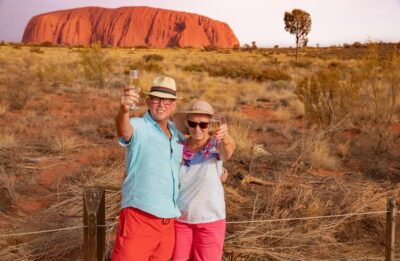
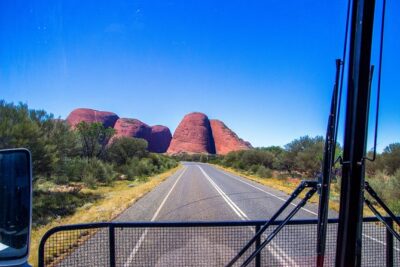
Ayers Rock Day Trip from Alice Springs Including BBQ Dinner
Read our review →
Uluru: Field of Light Sunrise Tour with Hot Drinks
Read our review →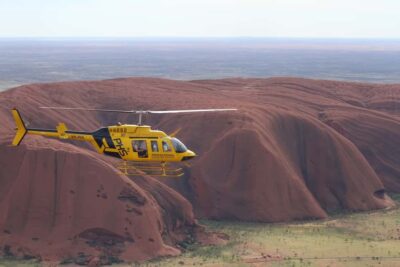
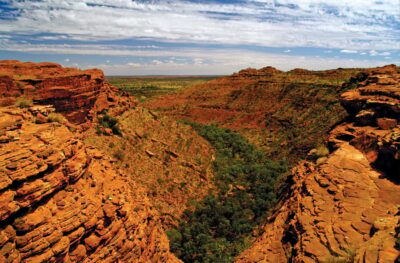
Kings Canyon: Full-Day Tour from Ayers Rock Resort
Read our review →
Yulara: Uluru & Kata Tjuta 25-Minute Helicopter Experience
Read our review →
Yulara: Uluru Sunrise and Kata Tjuta Day Trip by Bus
Read our review →
Uluru: Sacred Sites & Sunset Tour with Wine & Cheeseboard
Read our review →Browse the lists this tour appears in