
Reviewed · ULURU & RED CENTRE TOURS
Full Uluru Base Walk at Sunrise Including breakfast
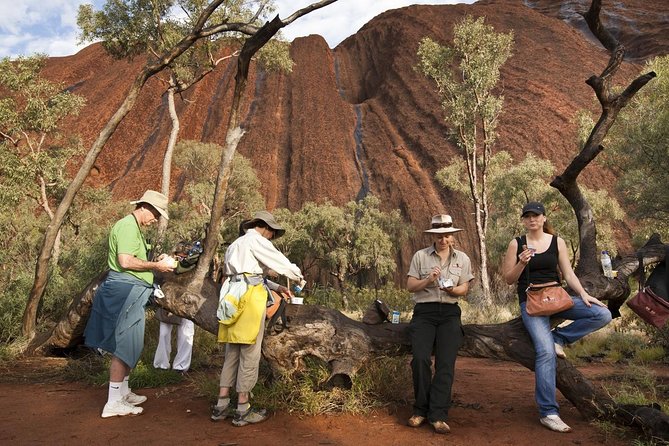
Sunrise changes Uluru completely. This six-hour outing gives you a close look at the rock, its waterholes, rock art, plants, and cultural sites while a small group keeps the morning personal. I especially like the early start, which brings cooler air and softer light, and the chance to hear Tjukurpa stories from guides such as Rachel, Lucia, Andy, and Flo. The main catch is simple: the picnic breakfast is a portable snack pack, not a cooked meal.
You’ll walk the full 12-kilometre circuit, about 7.5 miles, on mostly flat ground. I also like that hotel pickup, return transport, and a professional guide are included, so you can focus on the rock instead of pre-dawn driving. Still, you need decent fitness, water, sun protection, and warm layers because the morning can shift from cold to hot.
In This Review
- Key points to know before you book
- Why the full Uluru base walk is worth your morning
- The pre-dawn hotel pickup at Ayers Rock Resort
- Entering Uluru-Kata Tjuta National Park
- Sunrise on the 12-kilometre trail
- Hearing Tjukurpa stories at Mala and Kantju Gorge
- Mutitjulu Waterhole, rock art, and changing textures
- What the outback breakfast is really like
- How hard is the walk?
- Guide quality and the value of a small group
- Who should book this Uluru sunrise walk?
- Should you book it?
- FAQ
- How long does the Uluru base walk tour last?
- How far is the Uluru base trail?
- Is the walk difficult?
- What time does the tour begin?
- Is hotel pickup included?
- What transport is provided?
- Is the national park entry fee included?
- What food is included?
- Can dietary requirements be accommodated?
- What is the maximum group size?
Key points to know before you book
- A genuine full circuit: You walk around the entire 12-kilometre base trail, not just a short section.
- Sunrise timing matters: The early air is cooler and quieter, but some culturally sensitive areas may limit photography.
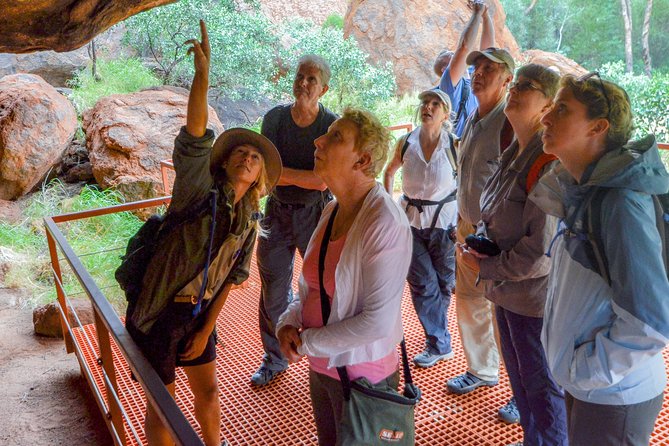
- Small groups improve the walk: The maximum is 15 people, with many departures running at around six to 11 participants.
- Breakfast is trail food: Expect a satchel with portable snacks, fruit, biscuits, a bar, juice, milk, water, and supplies for tea, coffee, or hot chocolate.
- Stories give the rock meaning: Guides explain Anangu culture, Tjukurpa creation stories, geology, plants, and the desert environment.
- Budget for park entry: The separate national park fee is A$38 for people over 18, valid for 72 hours.
Why the full Uluru base walk is worth your morning
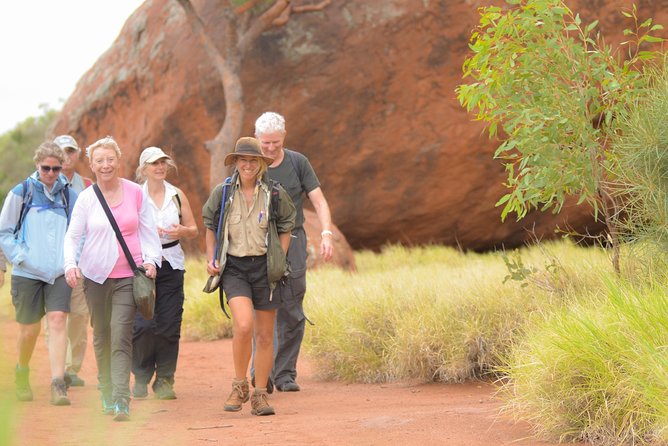
Uluru is easy to admire from a distance. The base walk shows you why this enormous sandstone formation deserves several hours at close range. From the trail, you see folds, caves, grooves, shaded recesses, waterholes, and marks in the stone that disappear in a distant photograph.
The walk also changes constantly. One section brings you toward the Mala area and Kantju Gorge. Another leads toward Mutitjulu Waterhole, connected with the Tjukurpa stories of Kuniya, the woma python, and Liru, the poisonous snake. These stories are not decorative add-ons. They explain the cultural meaning of particular places and help you look at the rock with more care.
I like the full circuit because it gives you scale. Uluru is not merely a large object in the middle of Australia. Walking around it shows how its walls, shadows, gullies, and surrounding scrub change from one side to the next. You get time to notice small things instead of spending the whole visit chasing one famous viewpoint.
The timing helps, too. Before sunrise, the air is often cool and the park feels quiet. As the light reaches the rock, its colors and textures shift. The early hour is a practical choice, not just a pretty one. In Central Australia, avoiding the hottest part of the day makes a long walk more manageable.
More walking tours:
- Uluru Morning Guided Base Walk
★ 4.5 · 160 reviews - Sydney Opera House Official Guided Walking Tour
★ 4.5 · 3,770 reviews - From Sydney: Blue Mountains Tour with Waterfall Walk & Lunch
★ 4.8 · 2,400 reviews
The pre-dawn hotel pickup at Ayers Rock Resort
Your guide collects you before sunrise at your Ayers Rock Resort accommodation. Transport is provided in an air-conditioned Mercedes-Benz Sprinter, which removes the need to find your way into the park in the dark.
That transfer is a real convenience in Yulara. You can prepare your clothes, water, and walking shoes the night before, then step out for pickup without worrying about the route. The return ride also means you can relax after five hours on foot.
The small-group limit is 15 people. That matters on a cultural walk. A guide can answer questions, adjust the pace, and gather the group at stopping points more easily than on a full coach excursion. Some departures are especially intimate, with only three, six, eight, or 11 people.
The tour needs a minimum number of participants to operate, so it can be canceled if that number is not reached. In that case, you receive the choice of another date or experience, or a full refund.
Entering Uluru-Kata Tjuta National Park
The first stop is the park entry station. The national park entrance fee is not included in the tour price. For people over 18, it costs A$38 and is valid for 72 hours.
You can buy the pass online before arriving or purchase it from your guide on the morning of the tour. If you plan to visit Uluru or Kata Tjuta again within three days, the 72-hour validity improves the value considerably. If this is your only park visit, remember to add the fee to the advertised price.
The tour itself costs $171.42 per person. That is not a low-cost stroll, but the price covers hotel pickup and drop-off, air-conditioned transport, a guide, and the full base circuit. You are also paying for interpretation of the site, not just transport to a trailhead.
For a short stay at Ayers Rock Resort, that package can make sense. You see the full base of Uluru in one morning, hear local cultural stories, and avoid arranging a separate transfer. If you have a car and feel comfortable walking independently, you could do the base trail on your own and reduce the cost. The tradeoff is losing the guide’s explanations and the structure of a planned sunrise outing.
Sunrise on the 12-kilometre trail
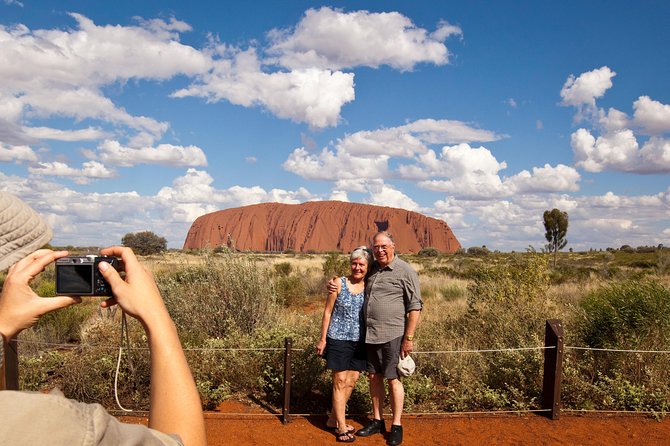
The walk begins just before sunrise. The trail is mostly even and flat, so it is not a technical hike. Still, 12 kilometres is a serious distance, especially when the later sections are exposed to sun and the pace may be brisk.
Several people found the route easy underfoot but advised a moderate fitness level because of the distance and speed. Sandy patches can make parts of the trail slightly harder. You do not need mountain-hiking skills, but you should be comfortable walking for several hours.
Guides usually stop at points of interest to explain the rock and its stories. The best departures appear to balance walking with regular pauses. Some guides, including Andy, Lucy, Trent, Rachel, and Flo, were praised for setting a useful pace and keeping the group together.
The first hour can be surprisingly cold, especially in the cooler months or in the shade. Wear layers that you can remove as the sun rises. Later, the same walk can feel hot, so a hat, sunscreen, and plenty of water are sensible additions. Comfortable walking shoes are specifically required, and sandals or thin casual footwear would be a poor choice for a 12-kilometre outing.
Sunrise photography also needs a little cultural awareness. One part of the route is culturally sensitive, and photography may not be allowed there. You might be disappointed if you expect to photograph every moment, but following the restrictions is part of visiting respectfully.
A few more Uluru trips worth weighing up
- Uluru (Ayers Rock) Field of Light Sunrise Tour
★ 4.5 · 329 reviews - Kata Tjuta Small-Group Tour Including Sunrise and Breakfast
★ 5.0 · 214 reviews - Highlights of Uluru Including Sunrise and Breakfast
★ 5.0 · 184 reviews - Uluru Sunrise (Ayers Rock) and Kata Tjuta Half Day Trip
★ 4.5 · 156 reviews
Hearing Tjukurpa stories at Mala and Kantju Gorge
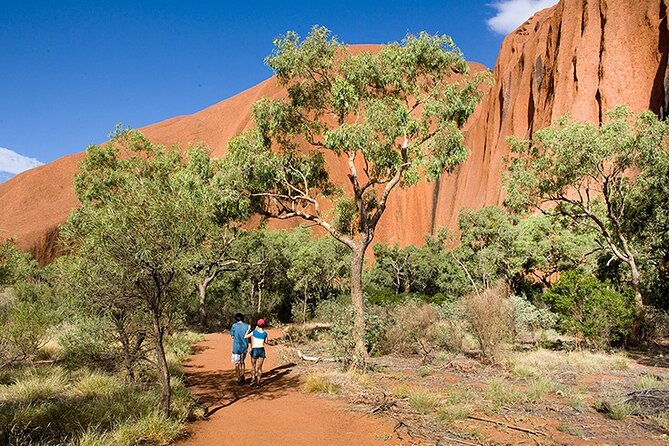
The Mala Walk to Kantju Gorge is one of the key cultural sections. Here, your guide introduces stories connected with the Mala people and explains why certain parts of Uluru matter to the Anangu, the local Aboriginal people.
A strong guide makes a major difference here. Rachel was praised for using diagrams and pictures to make the stories easier to follow. Lucia was described as engaging and good at making everyone feel welcome, while Flo was praised for combining humor with clear information.
These stories work best when you have time to stop and listen. A self-guided GPS app can show you where you are, but it cannot respond to your questions or point out how a story connects to a particular gorge, wall, or formation. The guide turns a long walk into a series of meaningful places.
There is one small risk in any group walk: if the guide starts speaking before everyone arrives, you might miss a piece of the explanation. Stay close to the group and move promptly when a stop ends. That simple habit helps you get the full value from the cultural commentary.
Mutitjulu Waterhole, rock art, and changing textures
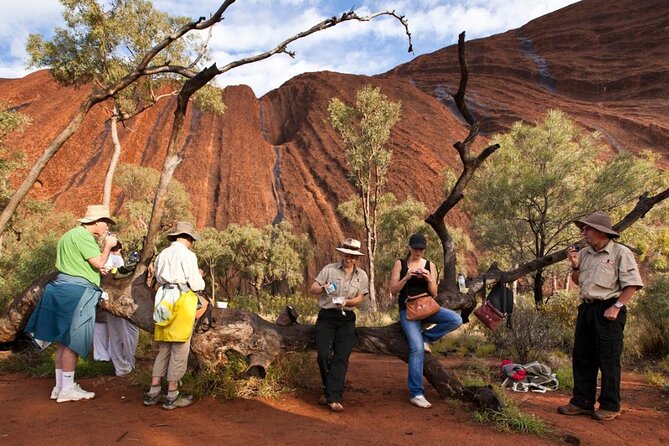
The route to Mutitjulu Waterhole brings another set of stories, including the meeting of Kuniya and Liru. Your guide also points out rock art sites and explains the environment around the water.
Waterholes are especially important in this dry region, and seeing one beside the massive rock helps connect the geology to everyday survival. You are not simply circling a monument. You are seeing places shaped by water, shelter, animals, plants, and generations of human use.
Rock art sites add another layer, but this is a place for quiet attention rather than a quick photo stop. Listen for instructions about where you may stand and what you may photograph. The tour places cultural respect ahead of collecting pictures, which is appropriate at a site of such importance to the Anangu.
The rock itself is the other star. Up close, the surface is full of cracks, overhangs, lines, and colors. You may find yourself looking less at the famous silhouette and more at small details that give Uluru its character. That is one of the strongest reasons to walk the complete base.
What the outback breakfast is really like
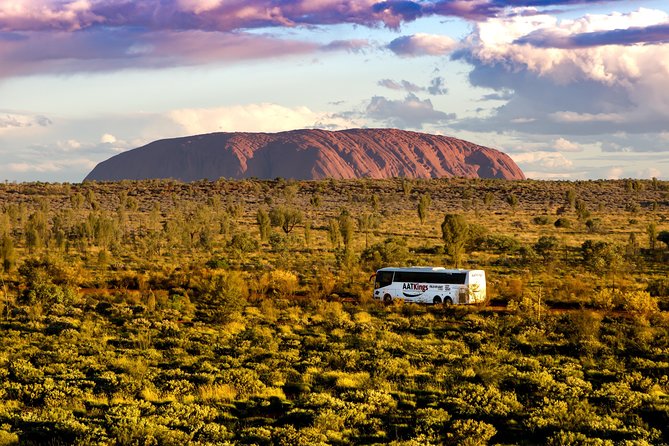
Breakfast is carried in a supplied satchel, so you keep it with you during the walk. It is designed as an outback picnic that can travel safely in warm conditions, not as a table service meal waiting at a scenic stop.
The food has been described as a bar, biscuits, fruit, juice, milk, and water, with hot water available for tea, coffee, or hot chocolate. Some people found it perfectly adequate and appreciated the warm drink at such an early hour. Others expected a more substantial breakfast and felt that the word breakfast suggested more than a handful of snacks.
Set your expectations correctly and the food makes sense. It is fuel for a long walk, not a leisurely meal. If you need a larger breakfast, eat something at your accommodation beforehand or bring extra snacks. You should also state dietary requirements when booking.
The satchel is practical, but it adds a small burden because you carry it around the base until you eat and finish your supplies. That is worth knowing if you prefer a stationary breakfast setup.
How hard is the walk?
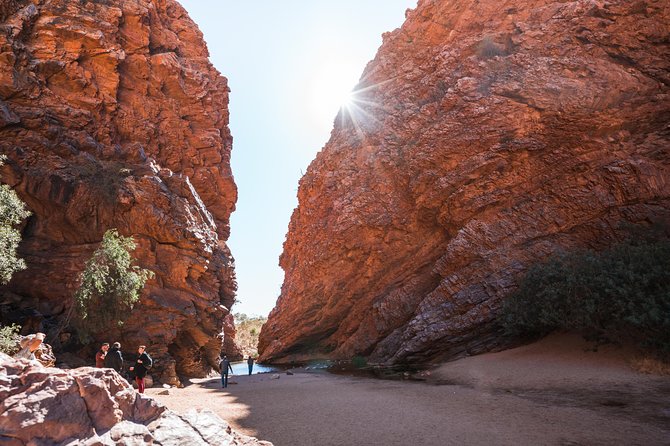
The route is flat and marked, which keeps the technical difficulty low. The challenge is distance, early rising, changing temperatures, sun, and the occasional sandy section.
I would rate it as a moderate physical outing. It suits people who can comfortably walk 12 kilometres and keep moving for several hours. It may not suit anyone with limited mobility, low stamina, or a strong dislike of heat and open conditions.
Use facilities when you reach them, since the walk is long and stops are spaced along the route. Carry water even though the tour includes a bottle. Sunscreen, a hat, comfortable shoes, and layers are the basic kit.
One useful practical tip from the experience is to consider a fly mask during warmer periods. Flies can be irritating in the outback, and this small item may make the walk more comfortable.
Guide quality and the value of a small group
The guide is the heart of this experience. A flat path by itself would not justify the price for everyone. The extra value comes from explanations of geology, Anangu culture, plants, animals, rock art, and Tjukurpa stories.
The strongest guide names associated with this departure include Rachel, Lucia, Andy, Flo, Lucy, Michael, Jackie, Pete, Graham, Emily, Andrea, Trent, Max, and Lily. Specific praise centers on clear storytelling, patience, humor, good pacing, and a respectful attitude toward Uluru.
A group of six or eight feels very different from a busload of people. You can hear more easily, ask questions, and take in the quiet. The maximum of 15 still keeps the outing manageable, though the exact group size depends on the departure.
The overall rating is 4.8 out of 5, with 95 percent recommending it. The most consistent strengths are the guides, the small groups, the chance to see the full base, and the amount you learn along the way. The breakfast is the one area where expectations need careful handling.
Who should book this Uluru sunrise walk?
Book it if you want to see Uluru at close range, have only limited time at the Red Centre, and prefer a guide to explain what you are seeing. It is also a good fit if you want hotel transfers and do not want to organize a pre-dawn park visit yourself.
The tour suits active couples, solo visitors, families with older children who can manage the distance, and anyone interested in Aboriginal culture and the natural setting. The small group makes it a calmer choice than a large coach excursion.
Think twice if you want a slow stroll, a substantial cooked breakfast, or complete freedom to stop whenever you like. You should also reconsider if 12 kilometres sounds beyond your comfort zone. The route is flat, but flat does not mean short.
Cancellation terms are strict. Cancel at least six full days before the start time for a full refund. Cancel two to six full days ahead and the refund is 50 percent. Cancellations less than two full days ahead are not refunded. Poor weather can lead to a date change or full refund.
Should you book it?
I would book this tour if the full base circuit and cultural interpretation are your priorities. The combination of sunrise light, a small group, hotel transfers, and guides who explain the Mala, Kuniya, and Liru stories gives you far more than a quick photo stop.
Add the A$38 park fee to the price, bring extra food if you want more than snack-style breakfast, and prepare for a genuine 12-kilometre walk. If you do those three things, this is a strong-value way to spend your first morning at Uluru.
FAQ
How long does the Uluru base walk tour last?
The experience lasts approximately six hours, including hotel transfers and the walk.
How far is the Uluru base trail?
The full base trail is 12 kilometres, or about 7.5 miles.
Is the walk difficult?
The trail is mostly flat and even, but the distance, pace, sun, and occasional sandy areas require a moderate level of fitness.
What time does the tour begin?
Your guide collects you before sunrise, and the walk begins just before the sun rises.
Is hotel pickup included?
Yes. Pickup and drop-off at Ayers Rock Resort accommodation are included.
What transport is provided?
Transport is provided in an air-conditioned Mercedes-Benz Sprinter.
Is the national park entry fee included?
No. People over 18 must pay the separate A$38 park entry fee. The pass is valid for 72 hours.
What food is included?
The tour provides an outback picnic breakfast in a satchel, along with tea or coffee supplies. Food may include a bar, biscuits, fruit, juice, milk, and water.
Can dietary requirements be accommodated?
You should provide any specific dietary requirements at the time of booking.
What is the maximum group size?
The maximum group size is 15 people.
Just added around Uluru
- Afternoon Kata Tjuta Small Group Tour★ 4.5 · 138 reviews
- Uluru (Ayers Rock) to Alice Springs One-Way Shuttle★ 4.5 · 150 reviews
- Uluru Sunrise (Ayers Rock) and Kata Tjuta Half Day Trip★ 4.5 · 156 reviews
- Alice Springs to Ayers Rock (Uluru) One Way Shuttle★ 4.5 · 156 reviews
- Small Group Uluru Sunset Viewing Tour★ 4.5 · 159 reviews
- Uluru Morning Guided Base Walk★ 4.5 · 160 reviews
- Highlights of Uluru Including Sunrise and Breakfast★ 5.0 · 184 reviews
- Best of Uluru & Segway★ 5.0 · 186 reviews
Uluru & Red Centre Tours, compared.

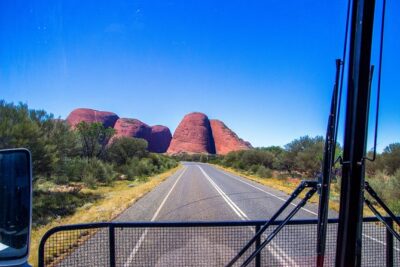
Ayers Rock Day Trip from Alice Springs Including BBQ Dinner
Read our review →
Uluru: Field of Light Sunrise Tour with Hot Drinks
Read our review →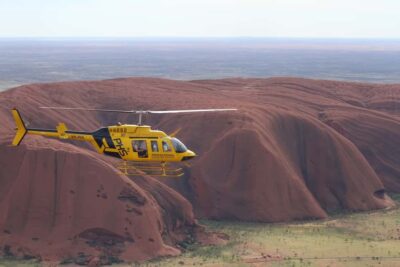
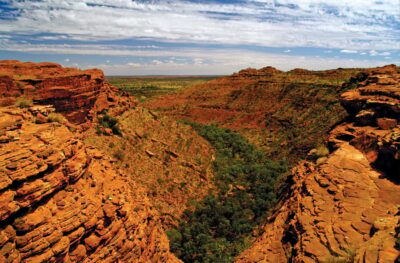
Kings Canyon: Full-Day Tour from Ayers Rock Resort
Read our review →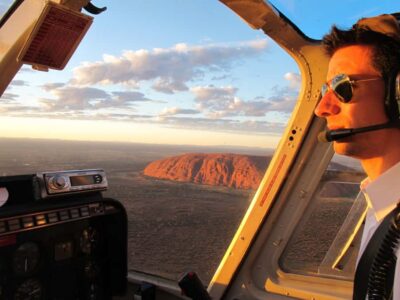
Yulara: Uluru & Kata Tjuta 25-Minute Helicopter Experience
Read our review →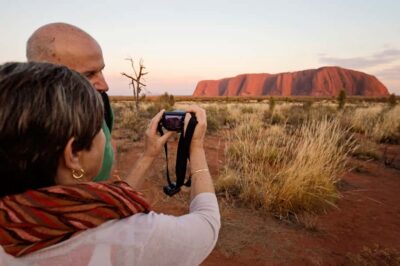
Yulara: Uluru Sunrise and Kata Tjuta Day Trip by Bus
Read our review →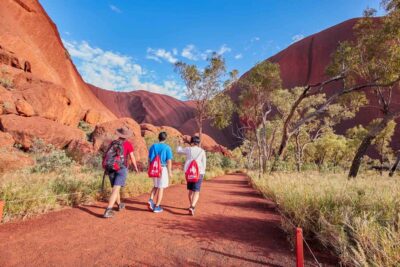
Uluru: Sacred Sites & Sunset Tour with Wine & Cheeseboard
Read our review →Browse the lists this tour appears in