
Reviewed · ULURU & RED CENTRE TOURS
Uluru Morning Guided Base Walk
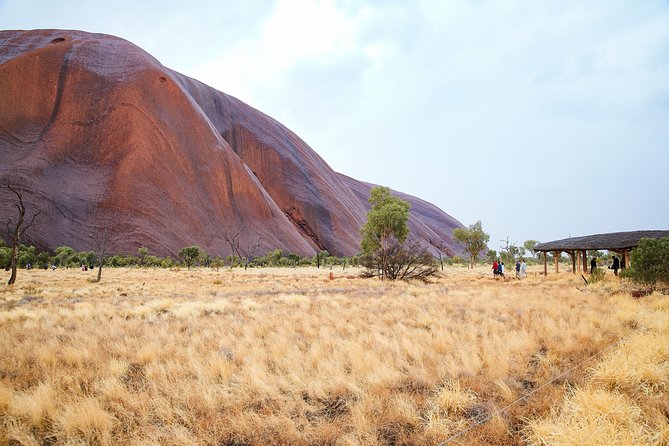
Uluru rewards a slow circle. This 4.5-hour morning outing combines an 11-kilometre guided walk with Aboriginal stories, rock art, and striking views of the monolith from every side. I like the early start, which helps you walk before the Central Australian heat builds, and I like the small-group format, capped at 20 people. The main catch is simple: this is a long walk, and the included breakfast is more practical than exciting.
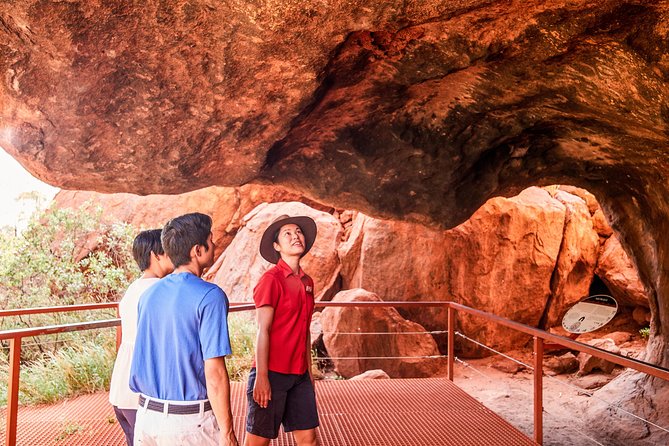
You travel in an air-conditioned coach, receive hotel pickup and drop-off, and walk with a local guide who explains the Tjukurpa stories connected with the Mala, Kuniya, and Liru people. Guides such as Glen, Chloe, Michelle, Mitch, Emily, Diane, and Tess have earned praise for clear storytelling and steady support. I would book this for a first visit, but only if you are comfortable walking for several hours on mostly flat ground.
In This Review
- Key points to know before booking
- Why the morning timing matters at Uluru
- The air-conditioned coach makes the start easier
- Kuniya Walk begins with place and story
- Kantju Gorge gives the walk a dramatic pause
- Mutitjulu Waterhole connects art, water, and story
- The guides turn a long walk into a meaningful one
- What the price includes, and what it does not
- Practical preparation for dust, flies, and a long route
- Is the Uluru Base Walk worth booking?
- FAQ
- How long is the Uluru Morning Guided Base Walk?
- Is hotel pickup included?
- What food and drinks are provided?
- Is the Uluru-Kata Tjuta National Park entry fee included?
- How fit do I need to be?
- Can I cancel for a full refund?
Key points to know before booking
- An 11-kilometre circuit gives you the full base view: You see Uluru from changing angles instead of stopping at one lookout.
- Kuniya Walk begins the cultural experience: The route starts at a sacred Anangu site, with Tjukurpa stories and a hot drink.
- Kantju Gorge adds a dramatic stop: You can view the tallest waterfall in Central Australia.
- Mutitjulu Waterhole brings the stories together: Aboriginal rock art and the tale of Kuniya and Liru are central parts of the walk.
- Guides are the tour’s strongest feature: Glen, Chloe, Michelle, and others are praised for warmth, humour, clear explanations, and encouragement.
- Pack for dust, flies, heat, and hunger: Bring water, a walking snack, sturdy shoes, and a fly net if you have one.
Why the morning timing matters at Uluru
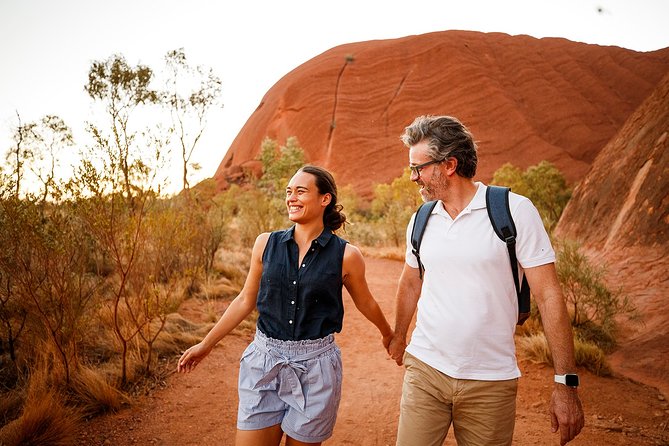
The tour begins early, with some departures starting around 5am. That may feel rude to your alarm clock, but it is a sensible choice in the Red Centre. By late morning, the heat can make a long walk much harder, so the morning schedule gives you a better chance of finishing comfortably.
The early hour also changes the mood. You begin with the desert waking around you, rather than arriving in the middle of the day with the strongest sun overhead. One particularly useful detail is that the tour includes tea, coffee, hot chocolate, and biscuits, with a light breakfast provided along the way.
I would set your breakfast expectations correctly. The food is described as fruit, cereal, fruit bars, muesli bars, and biscuits, with hot drinks. It is enough to get you moving, and dietary needs such as gluten-free food have been accommodated, but it is not a cooked breakfast. Several people wanted something more substantial, such as a sandwich, croissant, or bacon and egg roll.
That matters because 11 kilometres is a serious morning walk. Bring your own snack if you normally eat a proper breakfast, and carry water even though refreshments are supplied. A toilet break and breakfast stop are included, but some people wished that pause had lasted longer.
More walking tours:
- Full Uluru Base Walk at Sunrise Including breakfast
★ 5.0 · 408 reviews - Sydney Opera House Official Guided Walking Tour
★ 4.5 · 3,770 reviews - From Sydney: Blue Mountains Tour with Waterfall Walk & Lunch
★ 4.8 · 2,400 reviews
The air-conditioned coach makes the start easier
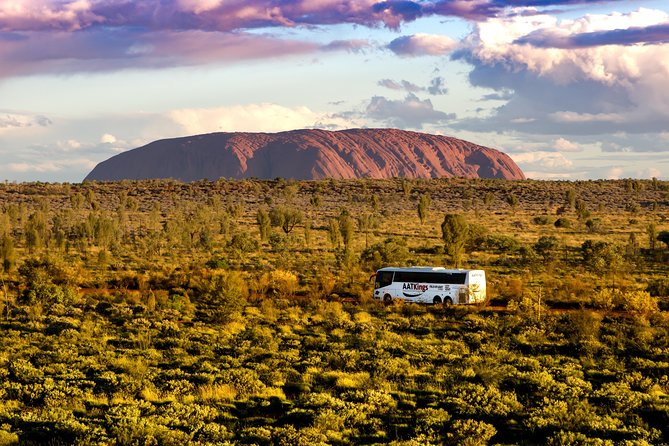
Hotel pickup and drop-off remove one of the more annoying parts of visiting Uluru: arranging your own transport before sunrise. You ride in an air-conditioned coach, which is especially welcome after the walk and useful in a place where the temperature can change your plans quickly.
The group size is limited to 20 people. In practice, groups described in the feedback included 17 people, which is small enough for a guide to keep an eye on the pace and answer questions. I would value this more than a large sightseeing bus with a quick photo stop. A smaller group also makes it easier to hear the cultural explanations and stay connected during the walk.
The coach is transport, not the main attraction. You are not spending the morning driving from one distant sight to another. The vehicle gets you to the base, then the walking does the real work.
Kuniya Walk begins with place and story
The first stop is Kuniya Walk, a sacred site for the Anangu. This is where the main walk begins, and it sets the tone for the rest of the morning. Instead of treating Uluru as a giant rock made only for photographs, the guide explains how the site connects with Tjukurpa, the living body of stories, law, culture, and spiritual knowledge that shapes Anangu understanding of the area.
The route here is tied to the Mala people. The guide helps you listen for the desert sounds and understand why particular formations, water sources, and paths carry meaning. This is one of the main reasons to choose a guided walk over going alone. You still get the open views and quiet stretches, but you also receive context that is easy to miss when you are focused only on taking pictures.
Guides have been the most praised part of this experience. Glen is repeatedly described as funny, generous with information, encouraging, and full of stories. Chloe has been praised for making the walk both entertaining and useful, while Michelle is noted for a steady pace and clear explanations. Mitch and Emily have been especially patient with families and questions.
The walk is mainly flat, but flat does not mean effortless. The advertised distance varies slightly between 10.5 and 11 kilometres, so you should plan for the longer figure. One person found the pace difficult, particularly as the first part became brisker. If you walk slowly, have limited stamina, or simply prefer frequent pauses, tell the guide early rather than trying to silently keep up.
Kantju Gorge gives the walk a dramatic pause
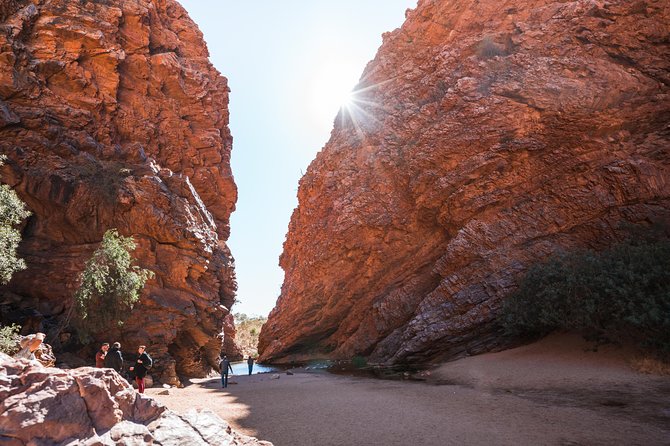
After the opening stretch, the route reaches Kantju Gorge. Here you can view the tallest waterfall in Central Australia. The gorge gives you a break from the broad curves of Uluru and lets you focus on one of the more enclosed, sharply defined sections of the rock.
The visit lasts about 30 minutes. That is enough time to stop, listen, take photographs, and catch your breath, though anyone hoping for a long, unhurried picnic stop may find it brief. The tour format keeps the group moving so the full base circuit can be completed within the morning.
I like this section because it adds variety. The walk is not simply 11 kilometres of staring at the same surface. Uluru changes as you pass folds, caves, water places, shaded sections, and open views. The rock’s colour and texture also shift with the light, which is another reason the morning schedule works well.
Expect dust. Red sand and powder can cover your shoes, socks, and lower clothing, especially on a dry day. Wear footwear you do not mind getting dirty, and avoid bringing anything that needs to remain spotless. Rain can change the feel of the morning too. A walk in wet conditions has been described as especially memorable, though conditions are naturally less predictable.
A few more Uluru trips worth weighing up
- Uluru (Ayers Rock) Field of Light Sunrise Tour
★ 4.5 · 329 reviews - Kata Tjuta Small-Group Tour Including Sunrise and Breakfast
★ 5.0 · 214 reviews - Highlights of Uluru Including Sunrise and Breakfast
★ 5.0 · 184 reviews - Uluru Sunrise (Ayers Rock) and Kata Tjuta Half Day Trip
★ 4.5 · 156 reviews
Mutitjulu Waterhole connects art, water, and story
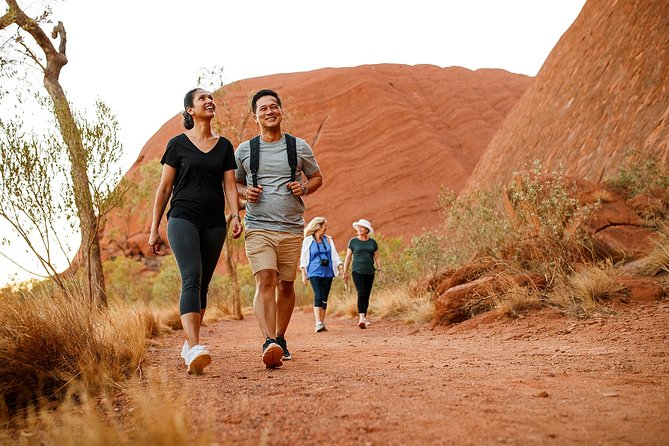
The Mutitjulu Waterhole is one of the most important stops on the route. Here you can see Aboriginal rock art and hear the story of Kuniya and Liru. The guide’s explanation helps you read the rock surface as more than a natural backdrop. The marks, waterhole, and surrounding formations are part of a cultural setting with meaning for the Anangu.
This is also a good point to slow down mentally. A large landmark can overwhelm you at first, and a base walk gives you time to move from postcard appreciation to a closer understanding of the place. I would pay attention to the guide’s wording and follow instructions about where to walk and what to photograph. Respect matters at Uluru, especially around sacred sites and art.
The route returns to Kuniya Piti, where the group marks the completion of the base walk. That final return gives the walk a clear shape: sacred beginning, gorge, waterhole, stories, and a full circuit back to the starting point.
The guides turn a long walk into a meaningful one
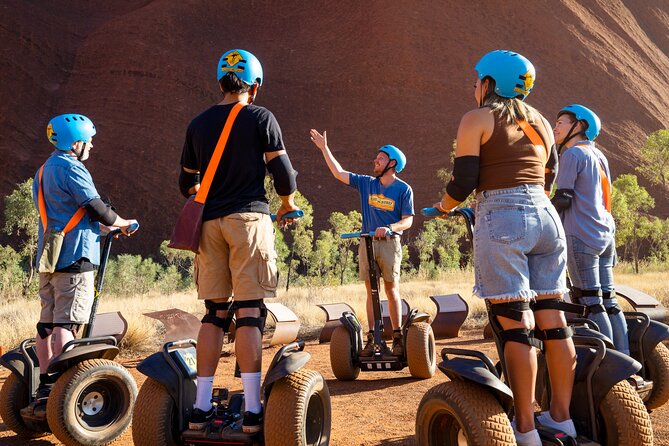
The quality of the guide matters more here than on a simple transfer tour. Four and a half hours is a long time to spend with a group, and a good guide needs to manage pace, safety, culture, humour, and practical stops without making the morning feel like a lecture.
The strongest guide feedback centres on storytelling. Glen has been singled out for bringing welcome energy to a 5am start, while other guides have been praised for explaining Uluru’s geology, Aboriginal culture, and creation stories in a way that is easy to follow. That combination is important. You get both the physical facts about the rock and the cultural knowledge that gives the site its deeper meaning.
Guides have also helped families. One family with children aged one and three was glad the guides suggested bringing a stroller. The children slept during much of the walk. I would not assume every family setup will be equally easy, but this detail shows that the staff pay attention to individual needs.
The pace can vary by guide and group. Some people found it well judged, while one older walker had trouble keeping up. If you need a slower rhythm, ask about it at the start. The experience is guided, not private, so the group has to move together.
What the price includes, and what it does not
The listed price is $142.73 per person. That is not a cheap way to see Uluru, but the cost covers more than entry to a walking path. You receive hotel transport, an air-conditioned coach, a local guide, commentary, hot drinks, biscuits, and a light breakfast.
The major extra is the Uluru-Kata Tjuta National Park entry fee. An adult ticket costs AUD 38 and is valid for three consecutive days. Children enter free according to the supplied details. You should include that fee when comparing the tour with self-guided options.
I see the value in paying for this tour if Uluru is new to you. A self-guided walk can show you the rock, but it cannot provide the same steady stream of Tjukurpa stories, explanations of the sites, and help with pacing. The pickup is also worth something if you are staying at a local hotel and want a simple start.
The value is less clear if you already know the base walk well, have your own transport, or prefer to stop for long periods at your own speed. The tour follows a schedule, and the breakfast is basic. You are paying mainly for the guide, transport, structure, and cultural interpretation.
Practical preparation for dust, flies, and a long route
You do not need technical hiking skills for this walk, but you do need moderate fitness. The route is mainly flat, yet 10.5 to 11 kilometres can leave you tired, especially in heat or wind.
Pack these essentials:
- Plenty of water
- A personal walking snack
- Comfortable shoes with good support
- Sun protection
- Clothing that can handle red dust
- A fly net if you dislike flies
The flies can be the worst nuisance of the morning. One family wished they had brought a fly net, and that is a useful tip for anyone visiting Central Australia. You might also want a small daypack for water and layers.
The tour includes light food and drinks, but I would not rely on the supplied cereal and biscuits as your only fuel. Gluten-free food has been available when requested, so state dietary needs when booking and remind the staff at pickup.
The experience is suitable for families, but the distance deserves respect. One family managed well with a stroller and young children, while other walkers found the pace demanding. Older children who can handle a long walk should enjoy it, especially if they like stories and asking questions.
Is the Uluru Base Walk worth booking?
I would book this tour if you are visiting Uluru for the first time and want a well-organized introduction that gives equal weight to scenery, Aboriginal culture, and practical sightseeing. The guide is the heart of the experience, and the strongest names attached to the tour, including Glen, Chloe, Michelle, Diane, Tess, Mitch, and Emily, suggest a solid standard across the team.
I would skip it if you dislike early starts, cannot comfortably walk 11 kilometres, or want a slow private visit with unlimited time at each stop. The basic breakfast is another small weakness, and the adult park fee comes on top of the listed price.
For most fit first-time visitors, the balance is good. You get Uluru from all sides, hear stories linked to Kuniya, Liru, and the Mala people, see Kantju Gorge and Mutitjulu Waterhole, and finish with a proper sense of the place rather than a quick photograph. Just bring water, a snack, shoes you can dirty, and something to discourage the flies.
FAQ
How long is the Uluru Morning Guided Base Walk?
The experience lasts about 4 hours and 30 minutes. The base walk covers approximately 10.5 to 11 kilometres.
Is hotel pickup included?
Yes. Hotel pickup and drop-off are included, along with transport in an air-conditioned coach.
What food and drinks are provided?
The tour includes a light breakfast, tea, coffee, hot chocolate, and biscuits. Breakfast examples include fruit, cereal, fruit bars, muesli bars, and biscuits.
Is the Uluru-Kata Tjuta National Park entry fee included?
No. The adult entry fee is AUD 38 and is valid for three consecutive days. Children enter free according to the supplied tour details.
How fit do I need to be?
You should have a moderate level of physical fitness. The walk is mainly flat, but the distance is about 11 kilometres and some people may find the pace or heat demanding.
Can I cancel for a full refund?
Yes, if you cancel at least 24 hours before the experience start time. Cancellations made less than 24 hours before departure are not refunded, and changes within that period are not accepted.
Just added around Uluru
- Afternoon Kata Tjuta Small Group Tour★ 4.5 · 138 reviews
- Uluru (Ayers Rock) to Alice Springs One-Way Shuttle★ 4.5 · 150 reviews
- Uluru Sunrise (Ayers Rock) and Kata Tjuta Half Day Trip★ 4.5 · 156 reviews
- Alice Springs to Ayers Rock (Uluru) One Way Shuttle★ 4.5 · 156 reviews
- Small Group Uluru Sunset Viewing Tour★ 4.5 · 159 reviews
- Highlights of Uluru Including Sunrise and Breakfast★ 5.0 · 184 reviews
- Best of Uluru & Segway★ 5.0 · 186 reviews
- Uluru Small Group Tour including Sunset★ 4.5 · 190 reviews
Uluru & Red Centre Tours, compared.
Ayers Rock Day Trip from Alice Springs Including BBQ Dinner
Read our review →
Uluru: Field of Light Sunrise Tour with Hot Drinks
Read our review →
Kings Canyon: Full-Day Tour from Ayers Rock Resort
Read our review →
Yulara: Uluru & Kata Tjuta 25-Minute Helicopter Experience
Read our review →
Yulara: Uluru Sunrise and Kata Tjuta Day Trip by Bus
Read our review →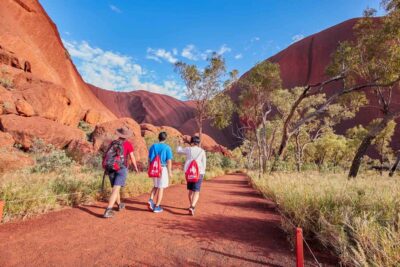
Uluru: Sacred Sites & Sunset Tour with Wine & Cheeseboard
Read our review →Browse the lists this tour appears in