
Reviewed · SURF LESSONS
Noosa Heads – 2-Hour Surf Lesson with Expert Instructors
Your first wave may come quickly. At Noosa Heads Main Beach, this two-hour lesson puts beginners in warm water, gentle waves, and the care of qualified local coaches. I like the small groups of up to seven and the clear focus on ocean safety, not just standing on a board.
I also like the way instructors work with each person in the water. Coaches such as James, Anthony, Oa, Mike, Sol, and Finn are repeatedly praised for patience, encouragement, and useful one-to-one tips. The main consideration is parking: in the busy season, you should allow at least 30 minutes to find a space before the lesson.
In This Review
- Key points at a glance
- Why Noosa Main Beach works for beginners
- Meeting the coaches and choosing your equipment
- The first 30 minutes: safety before speed
- Waist-deep water and the first successful stand
- Catching waves at Noosa Heads
- What the $57 price includes
- Who will enjoy this lesson most
- Timing, parking, and what to pack
- The main strengths and the small drawbacks
- Should you book the Noosa surf lesson?
- FAQ
- Where does the surf lesson meet?
- How long does the activity last?
- How early should I arrive?
- What should I bring?
- Is surf equipment provided?
- What age can children be?
- Can I cancel the booking?
Key points at a glance
- A protected place to start: Noosa’s north-facing Main Beach offers warm water and gentler waves than many exposed surf beaches.
- Small groups matter: A maximum of seven people gives the coach more time to help you with paddling, timing, and standing.
- Safety comes first: You learn to spot rips, currents, and changing conditions before heading into the water.
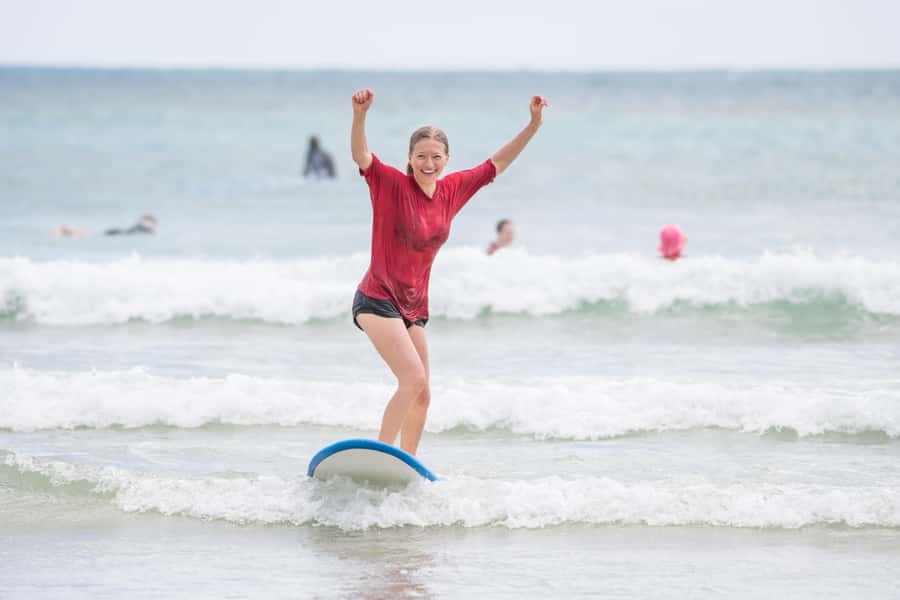
- Soft boards and rash gear included: The equipment is suited to first lessons and helps make the early falls less daunting.
- A real chance to stand up: Coaches push you onto suitable waves and keep giving advice as you practice.
- Good for families and couples: Children from age seven can join, and the two-hour format works well for a first shared surf experience.
Why Noosa Main Beach works for beginners
Noosa Heads is one of Australia’s best-known surfing destinations, but that does not mean you need to arrive with surf skills. The lesson takes place at Main Beach, a north-facing stretch with warm water and generally gentle waves suited to learning.
That setting matters. A first surf lesson already asks you to manage a board, read the water, remember a standing technique, and stay calm when a wave approaches. A protected beach can make those first attempts feel manageable rather than wild.
You will not simply be sent out with a board and told to copy someone else. The session begins on the sand with a safety briefing and basic instruction. You learn about rips and currents, along with the wider idea of ocean awareness.
I consider that one of the best parts of the experience. Even if you only stand once, you leave with a better sense of how surf beaches work. That is more useful than a quick photo of you falling off a board.
Conditions still vary. Gentle waves do not mean every lesson will feel identical, and your success depends on the surf, your fitness, and how quickly the standing motion makes sense. The coaching structure gives you a good chance, but it cannot guarantee a perfect ride for everyone.
More surf lessons in Australia:
- Bondi Beach: 2-Hour Surf Lesson Experience for Any Level
★ 4.9 · 935 reviews - Byron Bay: 2-Hour Small Group Surf Lesson
★ 4.8 · 657 reviews - Learn to Surf at Surfers Paradise on the Gold Coast
★ 5.0 · 491 reviews
Meeting the coaches and choosing your equipment
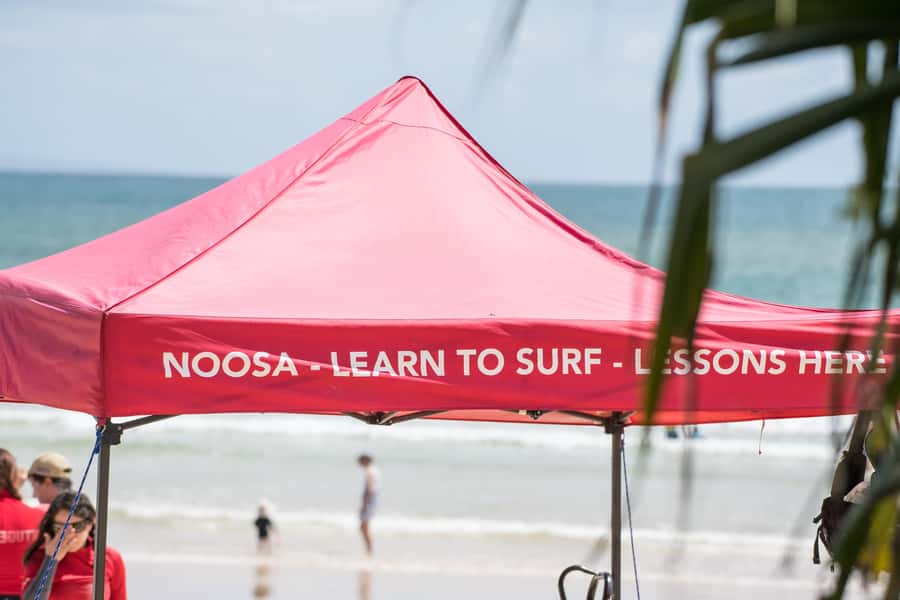
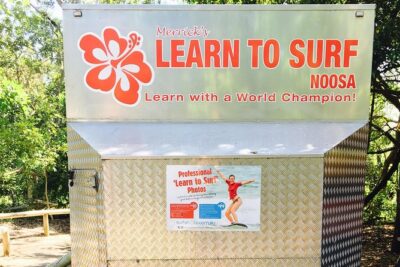
You meet at Merrick’s Noosa Learn to Surf in the car park beside the red surf trailer at Beach Access 14 on Claude Batten Drive. Arrive 15 minutes before the scheduled start, and allow extra time for parking during the busy tourist season.
That parking advice is worth taking seriously. Noosa is a popular holiday area, and arriving just before the lesson could leave you rushing from the car to the meeting point. You should also bring swimwear and a towel, as the towel is not supplied.
At the meeting point, you sign in and receive a soft surfboard and a rash shirt or wetsuit. Sunscreen is included, along with a lock-up trailer for personal items. These are modest details, but they reduce the amount of kit you need to pack for a short activity.
The soft board is especially helpful for beginners. It gives you a stable platform for learning the basics and is less intimidating than the narrow boards used by experienced surfers. You will still need to handle its size while walking to the beach, but the route is a short stroll along the path.
The school is led by a former World and Australian champion and his team of qualified local coaches. The individual coaches named in recent bookings include James, Anthony, Oa, Mike, Sol, Finn, Alberto, Dylan, Max, and Saul. The repeated praise for their calm teaching style is important because the instructor can make or break a first surf lesson.
The first 30 minutes: safety before speed
The class moves from the meeting point to the beach, where the coach gives a detailed safety briefing. You learn how to behave around other surfers, how to identify rips and currents, and how to pay attention to the water before entering it.
For a beginner, this section may feel less thrilling than catching a wave. I would not rush it. Knowing where water is moving and where you should not paddle can help you stay calm and make better choices later.
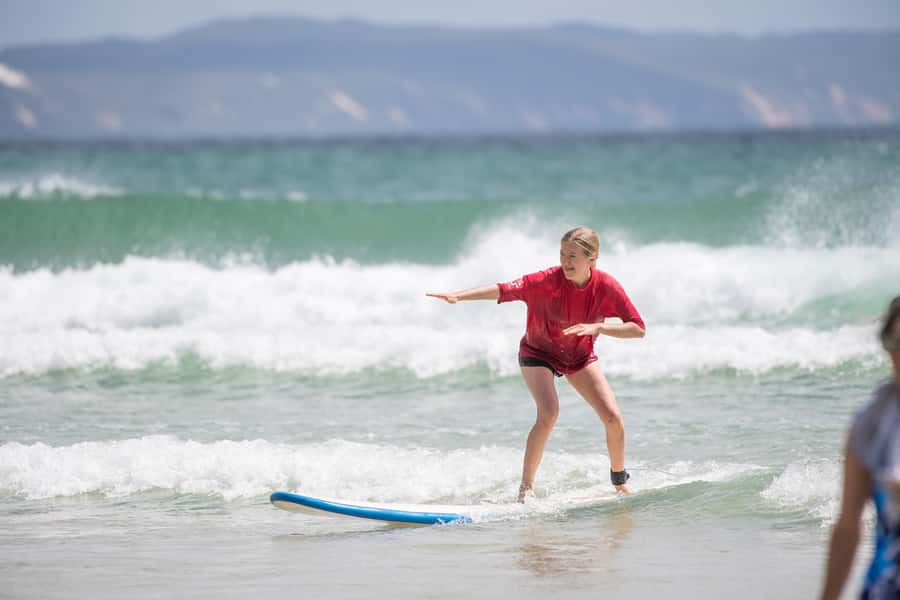
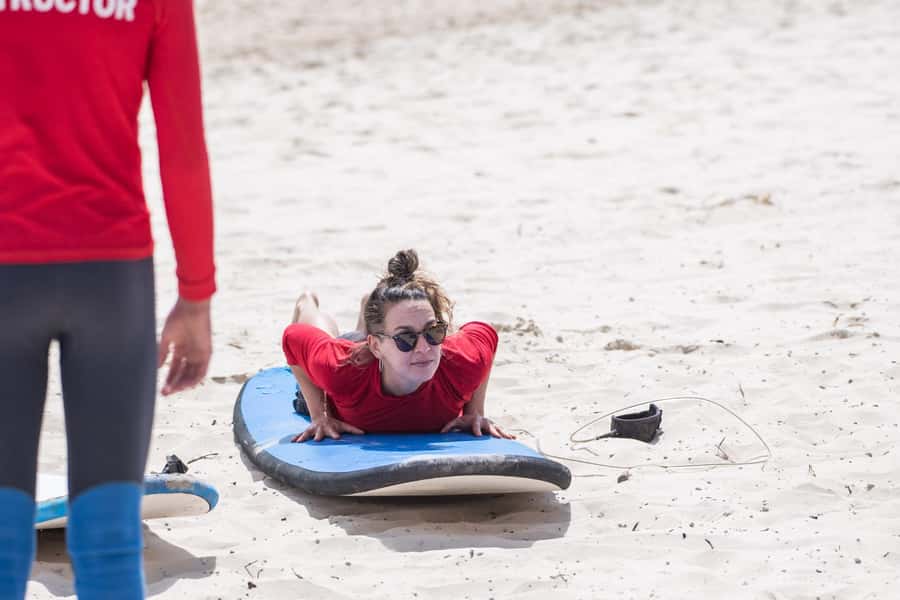
The beachside lesson then covers the basic mechanics of surfing. You work on how to lie on the board, position your body, and move into a standing position. The exact sequence matters, and the coaches break it into steps before asking you to attempt it in the water.
This dry-land practice is valuable because standing up on a surfboard is not a natural movement. You need to move quickly without placing your feet too far apart or losing your balance. A few clear instructions on the beach can save plenty of confusion once the water starts pushing the board.
The class suits beginners, but intermediate participants can also join. That may mean people in one group have different levels of confidence. The school handles this by adapting advice to each person, and larger sessions may use two instructors.
The small-group limit of seven is a strong point. It does not mean you receive constant private coaching, but it gives the instructor a practical chance to see how each person is progressing. The feedback is more useful when the coach has time to correct your stance rather than shouting general advice across a crowded group.
Waist-deep water and the first successful stand
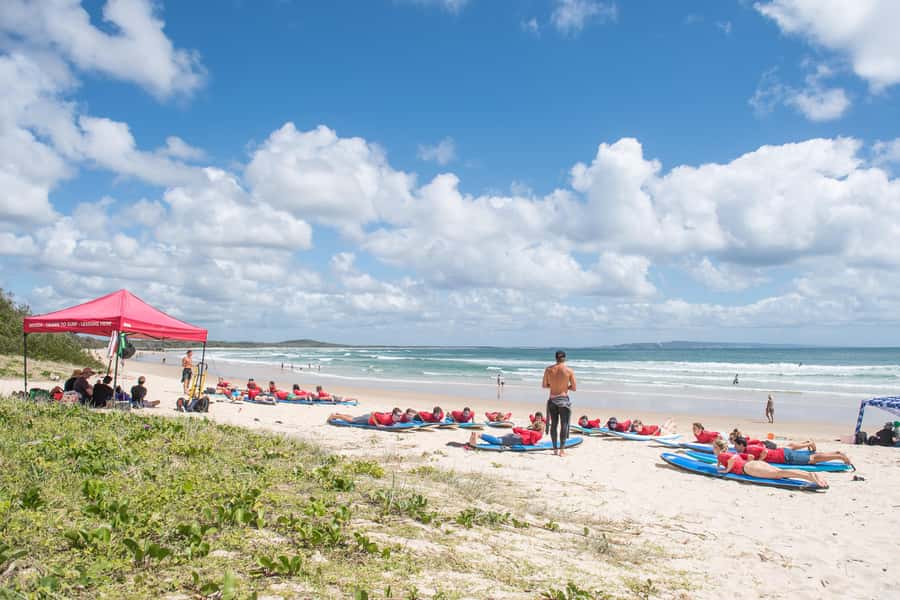
After the beach instruction, you move into waist-deep water to catch initial waves. This stage lets you practice the timing and feel of a wave without immediately heading into deeper water.
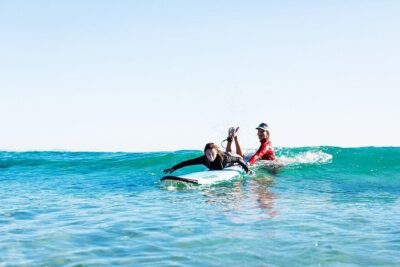
The coach helps position you for suitable waves and may push the board as the wave arrives. That assistance is not a shortcut. It lets you focus on the standing technique instead of trying to paddle, steer, judge the wave, and stand all at once.
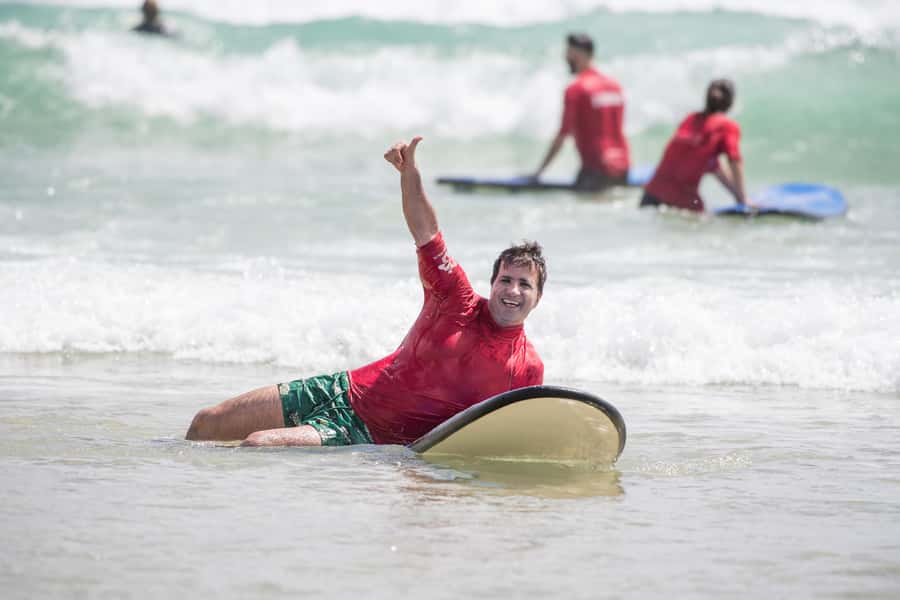
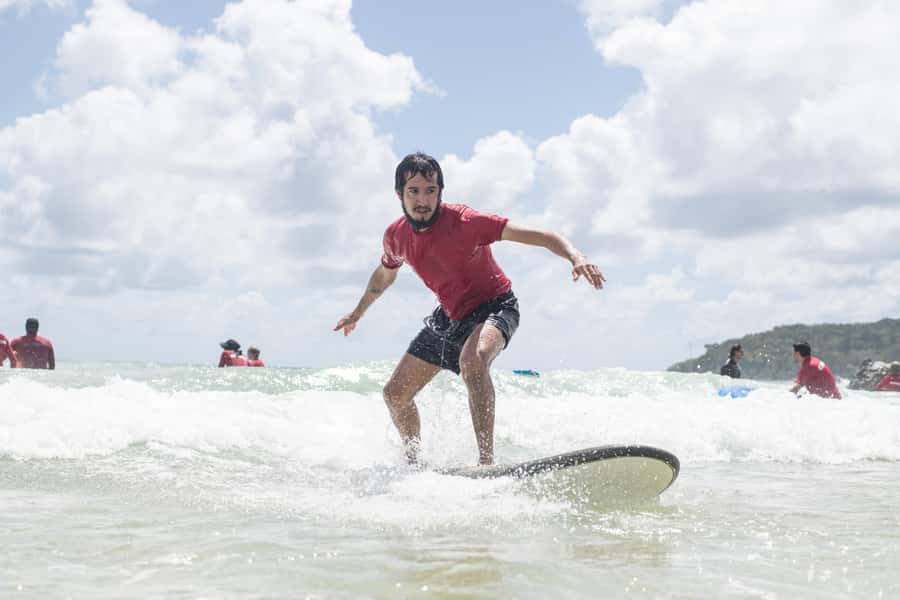
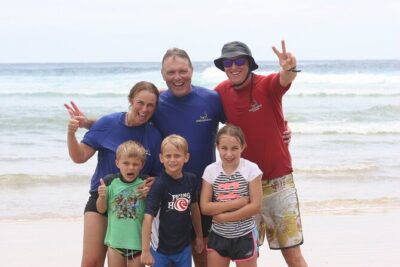
Many first-timers manage to stand during this part of the lesson. Recent sessions included children, adults, couples, and people who had never surfed before. One family group included a 10-year-old, a 14-year-old, and an adult, with the instructor helping each person feel safe and confident.
You should expect a mixture of success and wipeouts. The first attempt may end with your knees on the board, your feet in the wrong place, or the board turning sideways. That is normal. The useful part is the correction that follows.
Anthony is praised for clear instructions and encouragement, while Oa is noted for making people feel comfortable and confident. James is described as relaxed and patient, and Mike is praised for giving children confidence in the water. These details point to the school’s strongest quality: the coaching feels supportive rather than competitive.
The lesson also includes some surf culture. One session was described as combining practical instruction with a good introduction to the feel and language of surfing. That can add character without turning the lesson into a lecture.
A few more Australia trips worth weighing up
- Skip the Line Kuranda Scenic Railway Gold Class and Skyrail Rainforest Cableway
★ 4.5 · 574 reviews - Mosaic Art Classes Sydney: Turkish Lamp Workshop
★ 5.0 · 391 reviews - Mosaic Art Classes Melbourne: Turkish Lamp Workshop
★ 5.0 · 309 reviews - Surfing Lessons on Sydney’s Bondi Beach
★ 5.0 · 267 reviews
Catching waves at Noosa Heads
The second half of the session is where the activity becomes memorable. With the coach’s help, you head out to catch waves and put the earlier instruction into practice.
You will receive advice throughout the session. The coach may tell you when to paddle, help push you onto a wave, and offer tips on your balance or foot position. This ongoing support is more useful than a long briefing followed by little contact in the water.
The goal is not advanced surfing in two hours. You are learning the first building blocks: reading a small wave, keeping the board straight, getting your feet under you, and holding your balance long enough to ride toward the beach.
For many people, the first successful ride is only a few seconds. That is enough. You feel the board accelerate beneath you, make the standing motion, and travel with the wave instead of simply watching it pass.
The lesson’s setting helps here. Noosa’s warm water makes repeated attempts more pleasant, and the gentle conditions allow you to concentrate on technique. You still need to listen carefully to the coach and respect the ocean, since even a calm-looking beach can have currents.
A two-hour class gives you plenty of time to practice without making the session an all-day commitment. You spend enough time in the water to improve, but you can still plan another Noosa activity afterward.
One practical point: surfing is physical. Paddling, lifting the board, getting back on after a fall, and repeatedly standing can tire you out. The lesson is designed for beginners, but you should be prepared for a workout rather than a passive sightseeing stop.
What the $57 price includes
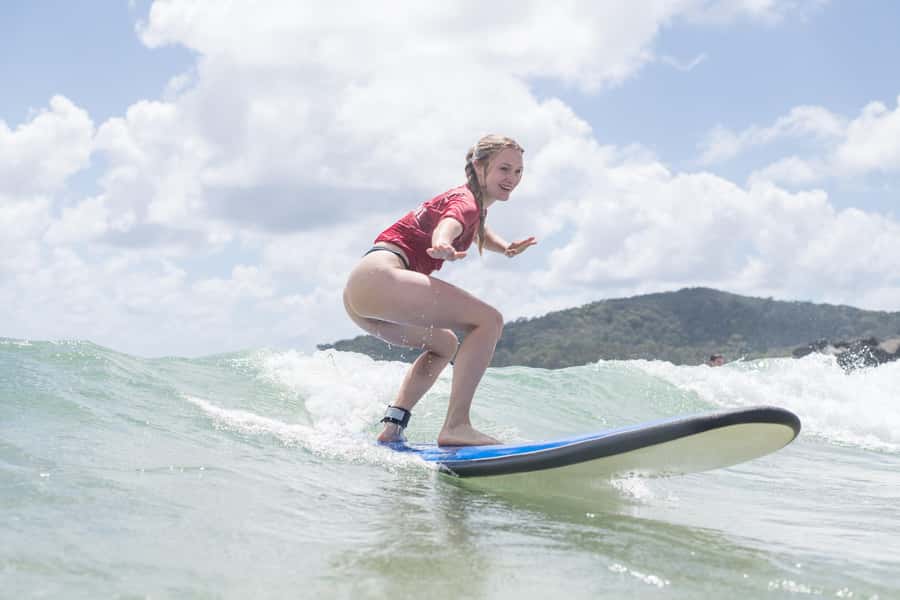
At $57 per person, the lesson offers solid value for a first introduction to surfing. You receive two hours of instruction, a soft surfboard, a rash shirt or wetsuit, sunscreen, access to a lock-up trailer, and a shower afterward.
The equipment matters when you are traveling. You do not need to buy or hire a board separately, and you do not need to bring protective surf clothing. You only need swimwear and a towel.
The qualified coaching is the main reason to pay for a lesson instead of trying to teach yourself. A friend might show you how to lie on the board, but a trained coach can explain safety, read the conditions, give you a push at the right time, and correct your movement after each attempt.
The small group also improves the value. A larger class might cost less, but you could spend more time waiting for a wave or trying to catch the instructor’s attention. With seven or fewer participants, the lesson has a better balance between group energy and personal advice.
Food and drinks are not included, so plan those separately. A towel is also not provided, and the free shower is available at the end. The shower is a welcome finish after two hours in salt water and sand.
The school is described as a fully insured surf school. That adds reassurance for a beginner, particularly when you are booking for a child or someone nervous about the ocean.
Who will enjoy this lesson most
This activity is best for first-time surfers who want a structured, friendly introduction. You do not need previous surf experience, and the instructors are used to helping people with different levels of confidence.
It also suits couples looking for something more memorable than another beach walk. One recent booking was organized as a surprise date, and the two-hour format gave the couple time to laugh, learn, and try something new together.
Families can also consider it, provided every participant is at least seven years old. The coaching style has worked well for children and adults in the same group, though parents should be comfortable with their children taking part in an active ocean session.
Intermediate surfers may find the class useful for improving basic technique, especially if they want feedback in gentle conditions. It is not presented as an advanced performance clinic, so experienced surfers looking for powerful waves or high-level training should choose a more specialized lesson.
The activity is not suitable for children under seven or pregnant women. Alcohol and drugs are not allowed, which is sensible for any water-based activity.
Timing, parking, and what to pack
The lesson lasts two hours, with starting times depending on availability. Meet 15 minutes early at the red trailer, and allow at least 30 minutes to secure a parking space in the busiest tourist periods.
Your small packing list is simple:
- Swimwear
- Towel
- Any personal items you do not want left loose in the car
The school supplies sunscreen, but you should still take sun protection seriously in Queensland. The rash shirt or wetsuit helps with comfort and protection, while the warm water makes the lesson easier to enjoy.
English is the teaching language. If you need detailed instruction in another language, this may not be the right fit.
The school offers free cancellation up to 24 hours before the lesson, and you can reserve a place while paying later. Those terms are useful if your Noosa plans depend on weather or a changing holiday schedule, although you should still check the available start times before booking.
The main strengths and the small drawbacks
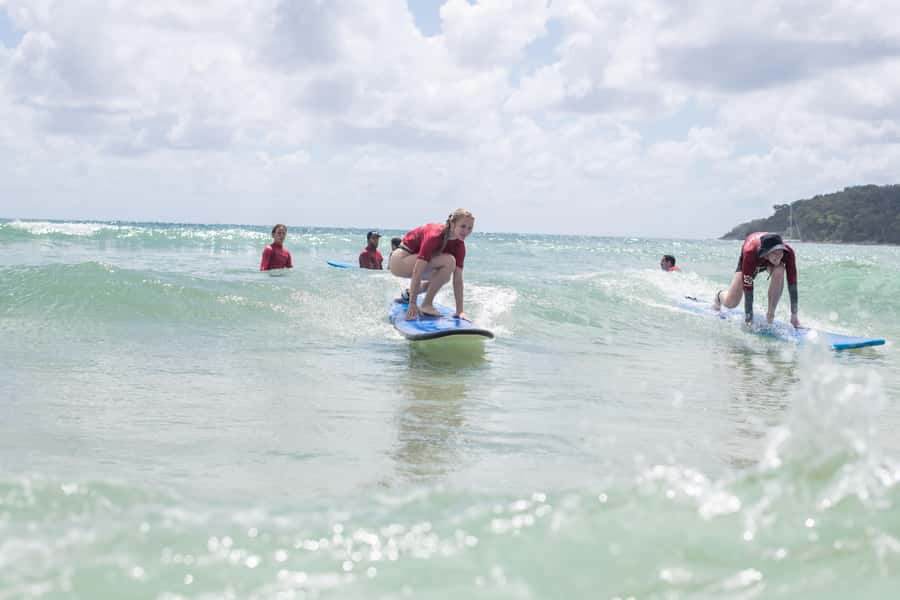
The most highly praised feature is the teaching. Names change from session to session, but the pattern is consistent: coaches are patient, clear, encouraging, and attentive in the water. People often leave having stood up, even on a first lesson.
The second strength is the feeling of safety. The briefing covers rips and currents, the beach is well suited to beginners, and the instructors continue helping once you enter the water. That combination is especially useful if you feel nervous around waves.
The third strength is the group size. Seven participants is small enough for individual tips and large enough to keep the session social.
The drawbacks are straightforward. Parking can take time, so arriving late is a risk. You also need to supply your own towel and food or drinks. Finally, the experience depends on the conditions and your own balance, so nobody can promise that you will stand on the first attempt.
Should you book the Noosa surf lesson?
I would book this if you want a proper first try at surfing in Noosa without buying equipment or committing to a full day. The $57 price is fair for two hours of coaching, gear, safety training, and a small group.
Book it for a child aged seven or older, a first-time adult, or a couple seeking an active beach experience. Arrive early for parking, bring a towel, and expect to work hard. If you want advanced surf coaching or large waves, choose something more specialized.
For most beginners, this lesson offers the right mix of safety, practical instruction, and a genuine chance to feel a board glide beneath you.
FAQ
Where does the surf lesson meet?
Meet at Merrick’s Noosa Learn to Surf in the car park at the red surf trailer, Beach Access 14, Claude Batten Drive, Noosa Heads.
How long does the activity last?
The surf lesson lasts two hours. Starting times depend on availability.
How early should I arrive?
You should meet 15 minutes before the lesson starts. During the busy tourist season, allow at least 30 minutes to find a car park.
What should I bring?
Bring swimwear and a towel. Food and drinks are not included.
Is surf equipment provided?
Yes. The lesson includes a soft surfboard and a rash shirt or wetsuit. Sunscreen, a lock-up trailer for personal items, and a shower are also included.
What age can children be?
Children can participate from age seven. The lesson is not suitable for children under seven.
Can I cancel the booking?
You can cancel up to 24 hours before the lesson for a full refund. Reserve now and pay later is also available.
More 2-Hour Experiences in Australia
- Melbourne: 2-Hour City Highlights River Cruise
★ 4.1 · 1,804 reviews - Surfers Paradise: 2 Hour Surf Experience on the Gold Coast
★ 4.9 · 1,132 reviews - Sydney: 2-hour Express Whale Watching Cruise
★ 4.2 · 756 reviews - Noosa Heads: 2 Hour Surf Experience on the Sunshine Coast
★ 4.9 · 644 reviews
Just added around Australia
- From Goolwa: Half-Day Coorong Experience★ 4.9 · 129 reviews
- Great Ocean Road Lux Tour Max 11 Hotel Pickup★ 4.8 · 129 reviews
- Kangaroo Island Scenic Nature and Wildlife Day Tour★ 5.0 · 129 reviews
- Blue Mountains Small-Group Insider Tour from Sydney★ 4.5 · 130 reviews
- McLaren Vale Small Group Wine Tour★ 5.0 · 130 reviews
- Virtual Room – 40-50min VR Escape Game Adventure for 2+ Players★ 5.0 · 130 reviews
- Darwin: Adelaide River Half-Day Jumping Crocs Cruise★ 4.3 · 130 reviews
- Melbourne City Highlights Small Group Tour★ 5.0 · 131 reviews
Surf Lessons, compared.
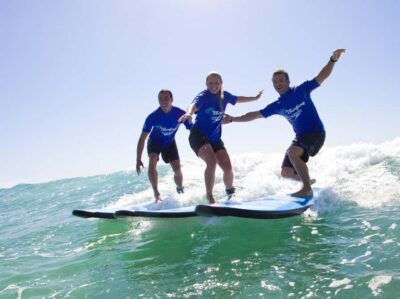
Bondi Beach: 2-Hour Surf Lesson Experience for Any Level
Read our review →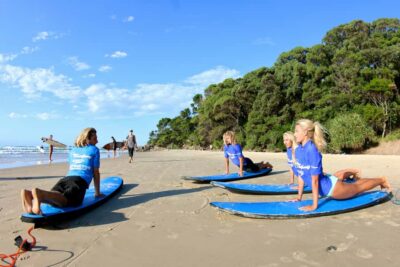
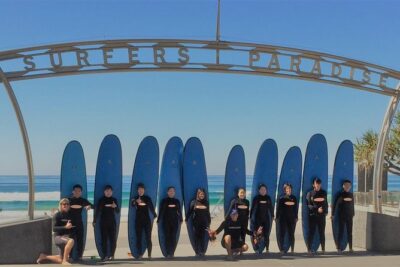
Learn to Surf at Surfers Paradise on the Gold Coast
Read our review →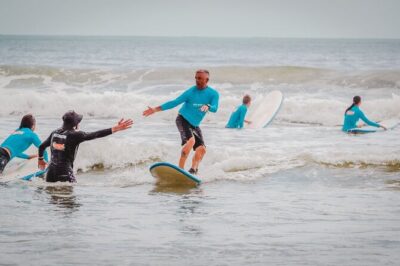
Merrick’s Noosa Learn to Surf: 2 Hour group surfing lesson
Read our review →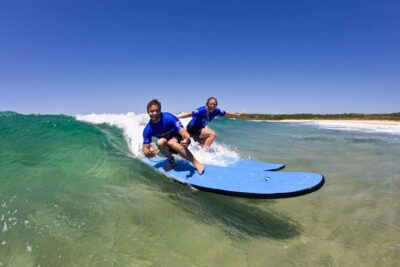
Browse the lists this tour appears in