
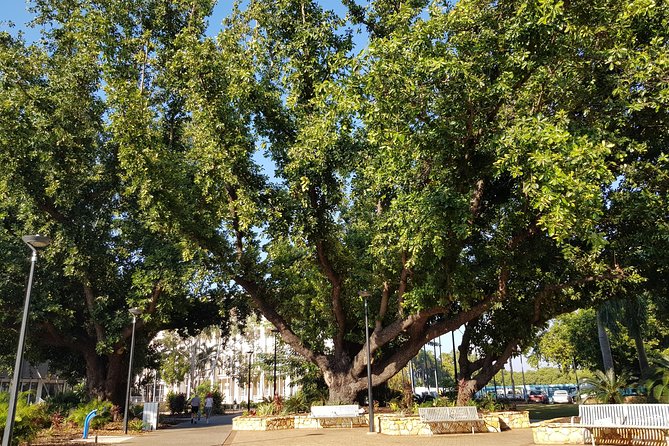
Reviewed · HISTORICAL TOURS
Darwin Heritage Walk
Darwin’s past hides in plain sight. This two-hour walking tour brings old buildings, wartime stories, Cyclone Tracy, and modern Darwin together. I like the small groups of up to six, and I like the local guides, especially John, Robin, and Yvonne, who bring personal stories and plenty of answers. You also get a useful first look at the central city without spending half a day on your feet.
The main drawback is that this is as much a listening tour as a walking tour. The early Mall section can feel slow, and the most powerful material comes later, around the harbour, the Cenotaph area, and Darwin’s disaster history. Bring water, sunscreen, and patience for standing in the tropical heat.
In This Review
- Key points about the Darwin Heritage Walk
- Why this small Darwin tour is worth your morning
- Starting beside The Mall and Knuckey Street
- Star Village and one of Darwin’s surviving buildings
- Brown’s Mart Theatre and Darwin’s social life
- The Old Palmerston Town Hall ruins
- The Administrator’s buildings and shaded gardens
- Parliament House and the modern Northern Territory
- Bicentennial Park and Darwin Harbour
- The stories that give Darwin its character
- How difficult is the walk?
- What $42.32 buys you
- Who will enjoy this Darwin heritage experience?
- Should you book the Darwin Heritage Walk?
- FAQ
- How long does the Darwin Heritage Walk last?
- Where does the tour start?
- Where does the tour finish?
- What time does the tour begin?
- What is included in the price?
- Is the tour suitable for children and people with limited mobility?
Key points about the Darwin Heritage Walk
- Small groups of up to six: You get a far more personal outing than on a large coach tour, with time for questions and photos.
- A story-led route through Darwin CBD: Star Village, Brown’s Mart Theatre, the Old Town Hall ruins, the Administrator’s buildings, Parliament House, and Bicentennial Park all appear.
- Strong coverage of Cyclone Tracy and the bombing of Darwin: These events explain much about the city you see today.
- Guides with local insight: John, Robin, and Yvonne have been praised for clear storytelling, local knowledge, and practical suggestions for the rest of your stay.
- A gentle but active morning: The pace is easy, but you will walk and stand for up to two and a half hours in tropical weather.
- A useful introduction to central Darwin: The route helps you understand what you are looking at before exploring the city on your own.
Why this small Darwin tour is worth your morning
Darwin can seem young at first glance. Much of the city was rebuilt after Cyclone Tracy, and its broad streets, modern buildings, and open spaces do not always reveal what came before. This walk helps you read the city properly.
The guide explains why particular buildings survived, what they were used for, and how the people of Darwin dealt with war, storms, distance, and political change. That context is the real value. Without it, you might pass Brown’s Mart Theatre or the Old Palmerston Town Hall without knowing why either place matters.
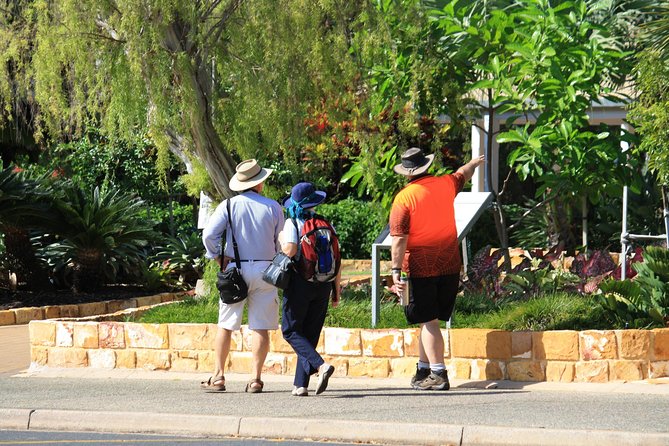
I also like the group limit. With no more than six people, the outing should feel closer to a conversation than a formal lecture. The guides make room for questions, stop for photos, and, according to the tour feedback, often adjust their explanations to suit the group.
The route lasts about two to two and a half hours and begins at 8:30 am. That early start is sensible. Darwin’s heat can make even an easy walk tiring, so a morning departure gives you a better chance of staying comfortable.
More history tours in Darwin:
- Bombing of Darwin WWII Heritage Tours
★ 5.0 · 261 reviews - Darwin History and Wartime Experience Tour
★ 5.0 · 144 reviews - Darwin: Small Group 2-Hour Heritage Walk
★ 4.9 · 28 reviews
Starting beside The Mall and Knuckey Street
Meet at John McDouall Stuart’s location at the corner of The Mall and Knuckey Street in Darwin City. The tour then works through the central business district before finishing near Lyons Cottage on The Esplanade.
The starting area introduces one of the tour’s main ideas: Darwin’s past and present sit very close together. Modern shops, offices, and public buildings occupy streets connected to the city’s earliest years. Your guide fills in the missing pieces, pointing out details you could easily overlook if you were walking alone.
This first portion is not a fast sightseeing circuit. You will stop often while the guide explains the setting. One person found the Mall section too drawn out, so you should know what sort of tour this is. If you prefer a quick march from landmark to landmark, the pace may test you. If you like background stories, it gives the walk room to breathe.
Star Village and one of Darwin’s surviving buildings
The first named stop is Star Village, a former open-air cinema and one of the few original buildings left from before Cyclone Tracy. It now serves as a stylish retail hub, but the guide draws your attention to its earlier features and explains its former role.
This is a good example of how the walk works. You are not visiting a preserved museum where every object has a label. You are looking at a building still used in daily life and learning how its past remains visible.
The stop lasts about 10 minutes and admission is included because there is no separate ticket. It is mainly an exterior explanation, so do not expect a long indoor visit. The appeal is the contrast between the building’s old purpose and its present-day use.
Brown’s Mart Theatre and Darwin’s social life

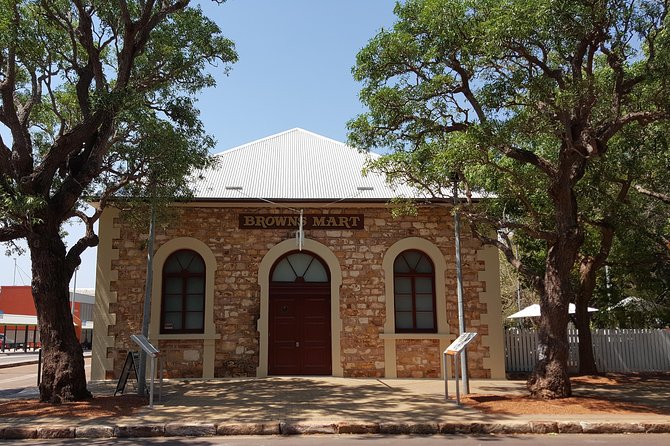
Brown’s Mart Theatre has been part of Darwin’s social culture for more than a century. The guide discusses the building from outside, including the role it has played in community life.
This stop adds a different layer to the tour. Darwin’s story is not only about natural disasters and wartime attacks. It is also about the places where people gathered, watched performances, and built a sense of community in a remote town.
The 10-minute stop is short, but it helps break up the route through the city centre. I would pay close attention here because the value comes from the stories rather than from a long visit inside the building.
More walking tours:
- Sydney Opera House Official Guided Walking Tour
★ 4.5 · 3,770 reviews - From Sydney: Blue Mountains Tour with Waterfall Walk & Lunch
★ 4.8 · 2,400 reviews - Sydney The Rocks Guided Walking Tour
★ 5.0 · 1,546 reviews - Ultimate Melbourne Walking Tour: History, Laneways & Culture
★ 5.0 · 1,451 reviews
The Old Palmerston Town Hall ruins
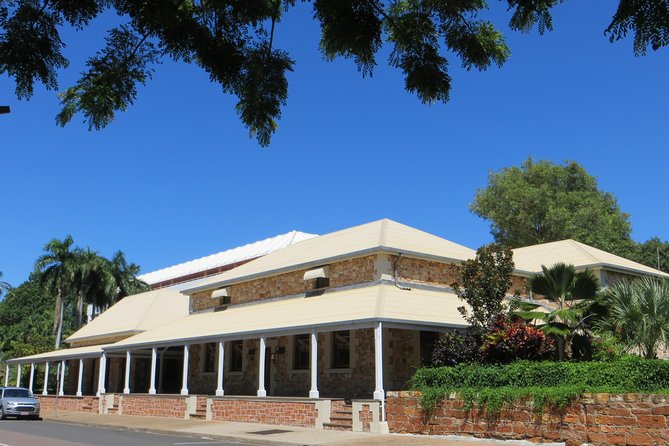
The remains of the Old Palmerston Town Hall offer one of the clearest physical reminders of early Darwin. Many of the town’s pioneers passed through this site, and the ruins now provide a direct link to the people who shaped the settlement.
The name Palmerston matters because Darwin was known by that name in its early years. The surviving ruins make the city’s age easier to understand. Modern Darwin may look rebuilt, but places like this show that earlier civic life has not completely disappeared.
The stop takes around 10 minutes. It is a brief visit, yet the ruins carry more weight once the guide explains who used the building and why it mattered. This is also one of the locations where you may want your camera ready.
The Administrator’s buildings and shaded gardens
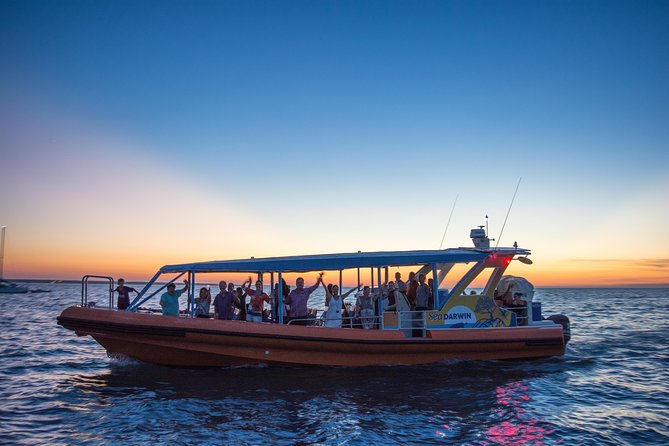
The restored buildings connected with the Administrator of the Northern Territory are among the more attractive stops on the route. Their gardens and architecture reflect the early years of Darwin, while the buildings remain in use as government offices.
You will view the site from the outside and hear how it fits into the Territory’s administration. The setting also offers a change from the commercial streets and gives the group a chance to pause in a more restful area.
Darwin’s weather makes shade more than a comfort. It can affect how much you remember. Several accounts praise guides for stopping in shaded places, and that practical habit matters. A talk in the shade is easier to follow than the same talk under direct tropical sun.
Parliament House and the modern Northern Territory
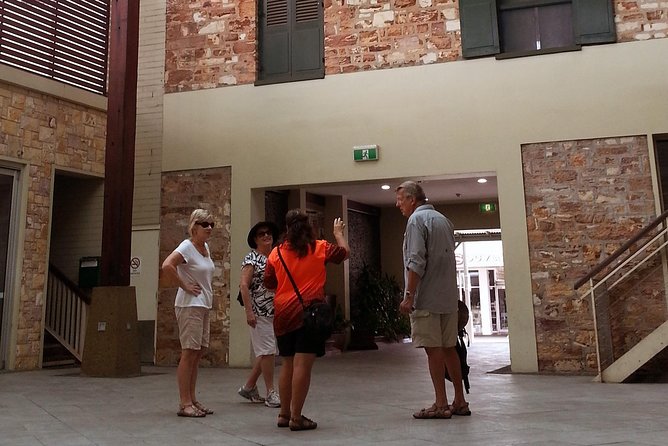
Parliament House brings the story forward. The large building overlooks Darwin Harbour and represents the self-governing city and the modern Northern Territory.
After hearing about early civic buildings, old theatres, and surviving ruins, you can see how Darwin’s public life developed. The tour does not treat history as something locked in the past. It connects the early town with the political centre you see today.
This is still an exterior stop, with about 10 minutes for explanation. The building itself is impressive, but the guide’s commentary gives it meaning. You learn why it matters to a city that has had to rebuild and redefine itself more than once.
Bicentennial Park and Darwin Harbour
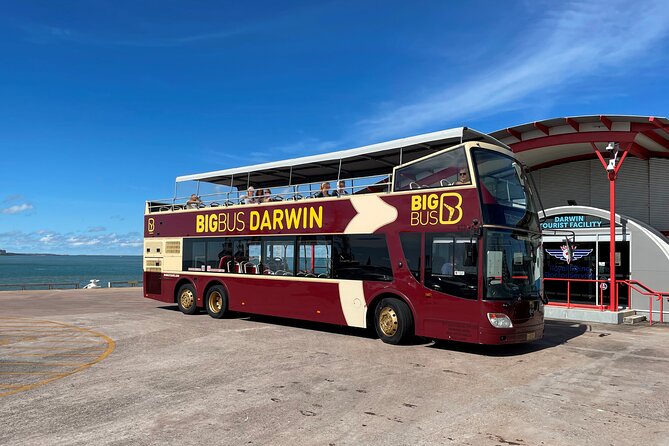
Bicentennial Park is the longest named stop, with about 15 minutes set aside for the area. The park overlooks Darwin Harbour and gives you open green space in the middle of the city.
This section is especially useful because it combines scenery with memory. Hidden details around the park recall early Darwin, and the harbour provides a wider sense of the city’s setting. You can take photographs here and listen to stories that connect the waterfront with Darwin’s past.
The later portion of the route is often the strongest. One person felt the tour’s most interesting material came toward the end and wanted more time around the Cenotaph and the state green. That is useful advice: the walk does cover major themes connected with war and remembrance, but the time at each location is limited.
The finish is at the intersection of The Esplanade and Knuckey Street, opposite Lyons Cottage. You are not returned to your hotel, so plan your next activity from the city centre or waterfront.
The stories that give Darwin its character
The guides focus heavily on two events that shaped modern Darwin: the bombing of Darwin during the Second World War and Cyclone Tracy. These are not side notes. They explain why so much of the city looks newer than its age and why resilience is such a strong part of Darwin’s identity.
John is repeatedly praised for his clear explanations, friendly manner, and ability to answer questions. Robin is also noted for local stories and personal experiences, while Yvonne has been praised for making the city’s heritage easy to understand. The actual guide can vary, but the strongest part of the tour is the human delivery.
You will hear about buildings and public places, but you will also hear about the people who lived through Darwin’s difficult years. That personal angle keeps the walk from becoming a list of dates.
There is one important limitation. The tour material, as described, gives less attention to Larrakia history and the nature of first contact than some people will expect. The walk includes an introduction to the Larrakia calendar, but anyone seeking a fuller account of Indigenous history, colonisation, and the fact that the land was not ceded may want a separate cultural experience as well.
That gap matters. Darwin’s story did not begin with European settlement, and a responsible understanding of the city needs that wider context. You can ask your guide questions during the walk, but you should not assume the two-hour route will cover every part of the subject in depth.
How difficult is the walk?
The tour is suited to people with a moderate level of fitness. It involves walking between stops and standing while the guide speaks. The pace is generally described as easy or slow, which makes it manageable for many people, but tropical heat can add effort.
Wear enclosed, non-slip walking shoes. Bring drinking water, sunscreen, and a hat. A camera is useful, particularly at the historic buildings, park, and harbour.
The tour operates in all weather conditions, so dress appropriately. At the same time, poor weather can lead to cancellation, with a choice of another date or a full refund. Children must be accompanied by an adult, and service animals are allowed.
Because the route is in central Darwin, it is near public transport. Hotel pickup and drop-off are not included, so you need to make your own way to the starting point.
What $42.32 buys you
At $42.32 per person, the Darwin Heritage Walk is not the cheapest way to spend two hours in the city. You can walk past many of the same buildings for free. The difference is the explanation, the local stories, and the chance to ask questions in a tiny group.
That makes the price reasonable if you value context. A good guide can save you from spending several days looking at Darwin without understanding what you are seeing. The tour can also help you choose what to revisit later, including historic buildings, harbour areas, and places tied to the city’s wartime past.
The value is weaker if you want long interior visits, museum admission, food, or transport. None of those are included. This is a guided city walk, not a full-day heritage package.
The booking pattern suggests that people often reserve about 45 days ahead. That does not guarantee every date sells out, but a group limit of six makes advance booking sensible, especially if your Darwin schedule is fixed.
Who will enjoy this Darwin heritage experience?
I would recommend this walk to first-time visitors who want a clear introduction to the city. It is also a good choice early in your stay, since the guide may suggest local places to visit afterward.
History fans should enjoy the mix of civic buildings, war stories, cyclone history, and local characters. The easy pace also suits people who prefer conversation and explanation over strenuous sightseeing.
It may not suit you if you dislike standing, want a rapid itinerary, or expect a strong focus on Indigenous history. It is also less appealing during the hottest part of the day, which is another reason to appreciate the 8:30 am start.
The small group makes this a better fit for people who like to ask questions. Guides have been praised for stopping for photographs and responding to detailed queries. That personal exchange is harder to get on a large city tour.
Should you book the Darwin Heritage Walk?
Book it if you want Darwin’s central streets to make sense. The buildings are interesting, but the stories behind them are the main event. John, Robin, and Yvonne have each been praised for making the city feel personal, and the best guides appear to add local experience rather than simply recite facts.
I would especially choose it as a first activity in Darwin, when you can use the morning to get your bearings and return later to places that caught your interest. Just bring water, wear sensible shoes, and keep your expectations clear: this is a slow, talk-focused walk with short exterior stops.
If you want a fuller account of Larrakia culture and colonisation, add another experience that addresses those subjects directly. For most visitors seeking a friendly, compact introduction to Darwin’s built heritage and difficult past, this walk is a worthwhile use of two hours.
FAQ
How long does the Darwin Heritage Walk last?
The walk lasts approximately two to two and a half hours.
Where does the tour start?
It starts at John McDouall Stuart’s location at the corner of The Mall and Knuckey Street in Darwin City, Northern Territory.
Where does the tour finish?
The tour finishes at the intersection of The Esplanade and Knuckey Street, opposite Lyons Cottage.
What time does the tour begin?
The start time is 8:30 am.
What is included in the price?
A local guide and spoken commentary are included. Food, drinks, hotel pickup, and hotel drop-off are not included.
Is the tour suitable for children and people with limited mobility?
Children must be accompanied by an adult. The walk requires a moderate level of fitness because you will walk and stand, and good enclosed, non-slip shoes are recommended.
Just added around Darwin
- 5 Day Kakadu Katherine Gorge Litchfield 4WD Camping Adventure★ 5.0 · 26 reviews
- Kakadu National Park Scenic Flight &Yellow Water Cruise★ 5.0 · 28 reviews
- Darwin: Small Group 2-Hour Heritage Walk★ 4.9 · 28 reviews
- Darwin Harbour Cruise★ 4.9 · 28 reviews
- Darwin City Sightseeing Tour★ 4.0 · 29 reviews
- Jumping Croc Cruise, Berry Springs, Fogg Dam & Humpty Doo Pub★ 5.0 · 29 reviews
- Litchfield National Park Waterfalls & Wildlife Adventure Tour★ 5.0 · 30 reviews
- WWII Bombing of Darwin & Royal Flying Doctor Service★ 4.8 · 34 reviews
Historical Tours, compared.

Ultimate Melbourne Walking Tour: History, Laneways & Culture
Read our review →
Puffing Billy Railway: Heritage Steam Train Journey
Read our review →
Morning World Heritage Cruise on the Gordon River from Strahan
Read our review →
Strahan: World Heritage Cruise on Gordon River with Lunch
Read our review →

Experience History onboard The Mary Valley Rattler
Read our review →
Snorkel & Dive the Reef: Sustainable, Scientific & Cultural Tour
Read our review →
Derwent River Historic Harbour Cruise From Hobart
Read our review →Browse the lists this tour appears in